
A compact wagashi stop in Matsuyama’s Okaido area, Kiri no Mori Kashi Kobo Matsuyama ten belongs to the city’s casual sweet-shop tradition rather than its formal restaurant tier. Recognition in Tabelog’s 2023 Japanese traditional sweets and Japanese sweets cafe WEST 100 gives it a clear credential, while the format remains small, take-out friendly, and easy to fold into a Dogo Onsen or castle-side day.
Pearl is the En Primeur Club membership app — saves, bookings, and concierge access live there. Same editors, same standards.
- Address
- 3 Chome-3-1 Okaido, Matsuyama, Ehime 790-0004, Japan
- Phone
- +81 89-934-5567
- Website
- kirinomori.co.jp
 Saves & bookings on Pearl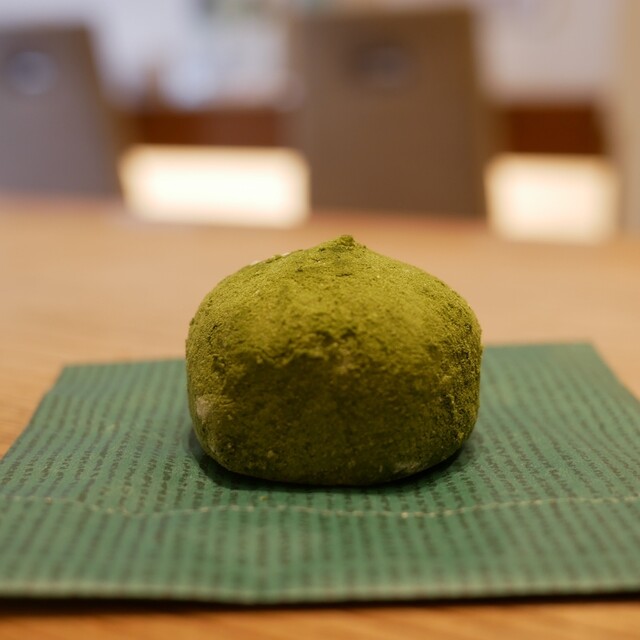
Okaido is Matsuyama’s everyday stage: covered shopping arcades, tram stops, castle-bound foot traffic, and the small purchases that shape a Japanese city between meals. In that setting, wagashi works differently from a restaurant reservation. It is portable, seasonal in mood even when the format is casual, and tied to the grammar of tea, gifting, and afternoon pauses. Kiri no Mori Kashi Kobo Matsuyama ten sits inside that rhythm, closer to a refined errand than a destination dinner.
The important context is not luxury. Matsuyama’s dining identity often gets framed through Dogo Onsen, local seafood, and ryokan-style hospitality, but its sweet shops carry another part of Ehime’s food culture: regional ingredients, gift-box etiquette, and the Japanese habit of treating confectionery as craft rather than afterthought. This address is categorized around Japanese traditional sweets, daifuku, and Western-style sweets, a combination that reflects how contemporary wagashi counters in regional cities often balance preservation with accessibility.
Wagashi in Okaido: a small-format counter with serious regional signals
Japanese confectionery is a precision category. Texture, sweetness, bean paste, rice cake elasticity, packaging, and shelf life all matter, but the buying occasion matters just as much. A six-seat sweet shop in a shopping district carries a different function from a kaiseki dining room or sushi counter: it is where locals and travellers can read a region through a small box rather than a long menu. Here, the format is explicitly compact, with take-out service central to the experience.
The useful credential is Tabelog’s 2023 Japanese traditional sweets and Japanese sweets cafe WEST 100 selection. In Japan, that kind of category recognition is meaningful because it separates serious sweet shops from general café culture. It also places Kiri no Mori Kashi Kobo Matsuyama ten in a western Japan frame rather than only a Matsuyama frame, which is the right lens for wagashi: Kyoto, Kansai, Shikoku, and regional producers all compete through craft, seasonality, and local identity, not through grand dining-room theatre.
That makes the shop a strong counterpoint to Matsuyama’s more formal eating. A traveller comparing categories will find a wide spread: Teuchi Soba Maro occupies the accessible noodle tier, Sushi Kawanaka operates in a much higher sushi bracket, and Sumishin sits in a costlier dinner range. Wagashi does not compete with those meals; it fills the part of the day when the city is walked rather than booked. For a broader local dining map, Our full Matsuyama restaurants guide gives the wider context.
What the sweet-shop format says about Matsuyama
Matsuyama rewards compact eating. The tram network, castle approach, and Dogo Onsen circuit create a city where snacks, sweets, noodles, and tea breaks sit naturally between sightseeing rather than replacing full meals. That pattern suits a wagashi counter better than a long tasting format. The shop’s small seating count and take-out orientation underline the point: this is not a room built for lingering over courses, but a place where confectionery belongs to movement through the city.
Daifuku is a useful anchor because it compresses several Japanese sweet-making priorities into one form: rice cake structure, filling balance, portion control, and freshness. Without naming unlisted specialities, the category alone tells the reader what to expect from the tradition. Wagashi shops in this mode ask for attention to proportion rather than spectacle. The craft is quiet, and the value is in how a small sweet can carry regional identity without the ceremony of a full tea service.
That distinction matters in Matsuyama, where hospitality can quickly become formal through ryokan dining and onsen culture. A sweet shop in Okaido gives the opposite pleasure: low-ceremony, high-specificity, and tied to daily urban use. It also suits families and mixed-age groups better than many counter restaurants, which is part of why this format remains resilient in Japanese shopping districts. The city’s food culture is not only found at dinner; it is also in the mid-afternoon purchase, the wrapped gift, and the sweet taken back to a hotel room.
How to place it in a Matsuyama itinerary
The right use case is a daytime stop rather than a meal replacement. Build it around the Okaido area, then let the rest of the day take a different shape: a Japanese dinner at Dogo Kaishu (Japanese Cuisine), a ramen-focused detour to Chuka Soba Fukamidori, or a local institution such as Hinode. Travellers staying near Dogo can pair the area with Bettei Oborozukiyo, while Ino belongs on the list for readers tracking Matsuyama’s more restaurant-led side.
For planning beyond the table, the city works better when food, lodging, and evening drinking are considered together. Use Our full Matsuyama hotels guide for the stay, Our full Matsuyama bars guide for after-dark drinking, Our full Matsuyama wineries guide for regional wine context, and Our full Matsuyama experiences guide for cultural planning. The sweet-shop stop then becomes part of a city sequence, not a disconnected errand.
The editorial verdict is simple: Kiri no Mori Kashi Kobo Matsuyama ten is most useful for travellers who care about regional Japanese food beyond restaurant meals. The Tabelog 100 recognition supplies a credible quality signal, the wagashi category supplies cultural depth, and the Okaido setting makes it practical within a Matsuyama day. It is a small-format choice, but not a minor one.
Readers comparing Japanese casual formats elsewhere can also look at -Grilled beef Sukiyaki- KAMAKURA TANUKIAN 鎌倉 たぬき庵 in Kamakura,. 鮪と炭火焼き うお炭 秋葉原店 in Tokyo,.cafe in Osaka,.know in Kumamoto, (Shoku) Vietnam in Kawasaki, [Curry Senmon Ten] Maruyama Kyoju. in Sapporo, Jōdo Saké Bar in Los Angeles, and Onigiri Time in Pasadena.
Price Lens
Nearby venues at a similar price tier for orientation.
| Venue | Cuisine | Price | Awards | Notes |
|---|---|---|---|---|
| Kiri no Mori Kashi Kobo Matsuyama tenThis venue — the venue you are viewing | Okaido, Japanese Traditional Sweets | $ | , | |
| Kotori | Minatomachi, Japanese Udon | $ | , | |
| Teuchi Soba Maro | $$ | , | Okaido, Handmade soba (buckwheat noodles) | |
| Sushi Kawanaka | Okaido, Edomae Sushi Omakase | $$$ | , | |
| Hinode | $ | , | /null, Matsuyama-style okonomiyaki & teppan counter | |
| Dogo Kaishu | Dogo Onsen, Setouchi Kaiseki | $$$ |
Continue exploring
More in Matsuyama
Restaurants in Matsuyama
Browse all →
At a Glance
- Classic
- Cozy
- Hidden Gem
- Solo
- Family
- Casual Hangout
- Standalone
- Local Sourcing
- Street Scene
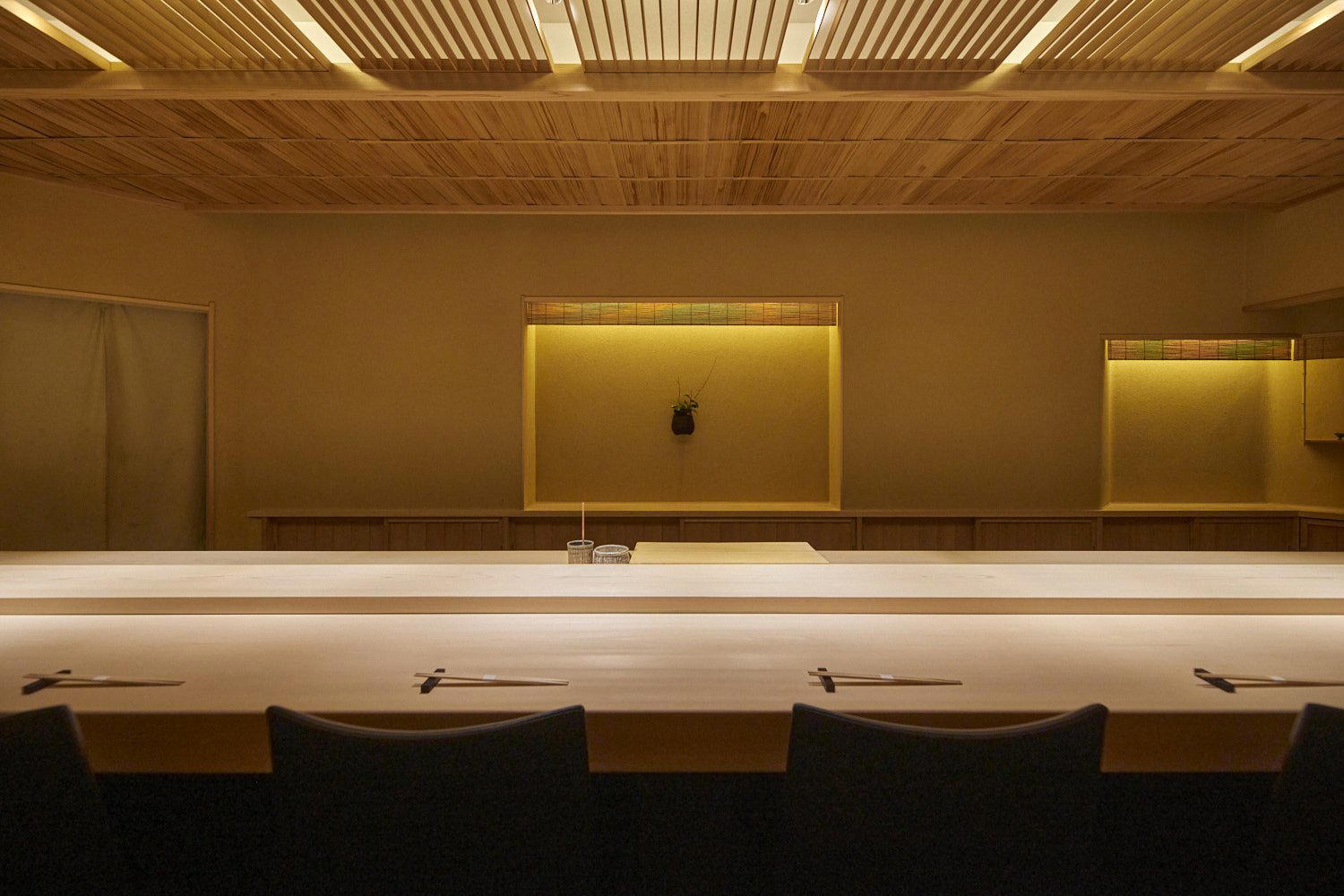
Small, busy, and casual with a queue-driven neighborhood dessert-shop feel rather than a sit-down dining atmosphere.