
Teuchi Soba Maro gives Matsuyama a serious hand-cut soba address in the Okaido dining corridor, with recognition in Tabelog’s Soba WEST 100 selections for 2024 and 2025. The appeal is less about ceremony than calibration: buckwheat, texture, shochu, and a compact room built for a focused noodle meal rather than a long tasting-menu evening.
Pearl is the En Primeur Club membership app — saves, bookings, and concierge access live there. Same editors, same standards.
- Address
- Japan, 〒790-0004 Ehime, Matsuyama, Okaido, 2 Chome−5−9
- Phone
- +81899330651
- Website
- tabelog.com
 Saves & bookings on Pearl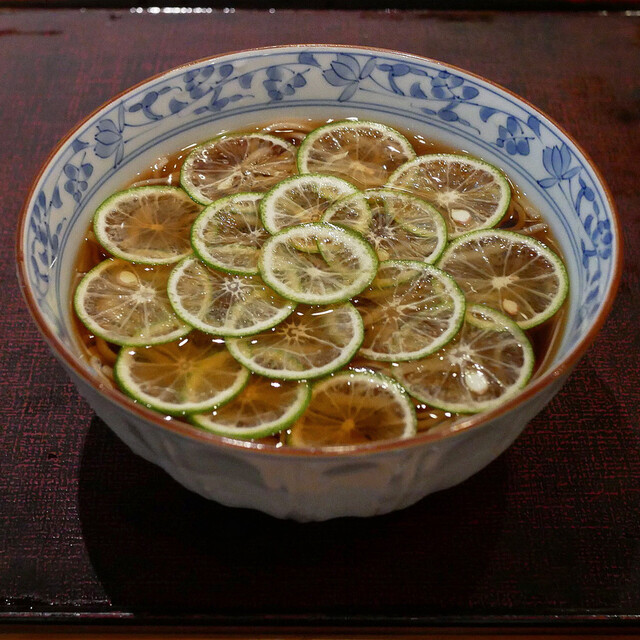
Okaido is Matsuyama’s useful dining district: central, walkable, and close enough to the shopping spine that serious noodles can fit around errands. That setting suits soba. Unlike kaiseki or high-end sushi, the craft is judged quickly, with cut, fragrance, and finish carrying the meal without theatrical scaffolding. Teuchi Soba Maro belongs to that quieter Japanese dining category, where authority comes from buckwheat, water, knife work, and restraint.
Matsuyama’s restaurants pull in several directions: ryokan-adjacent Japanese meals near Dogo, destination sushi counters, and casual noodle shops built for fast turnover. Soba occupies a narrower lane, traditional enough to reward attention yet informal enough for the middle of a travel day. Teuchi Soba Maro’s inclusion in Tabelog’s Soba WEST 100 in both 2024 and 2025 places it in a regional conversation, not just a local one. For a city many visitors know for Dogo Onsen and castle views, that recognition is a useful signal.
Hand-cut soba as Matsuyama's compact counterpoint to longer Japanese meals
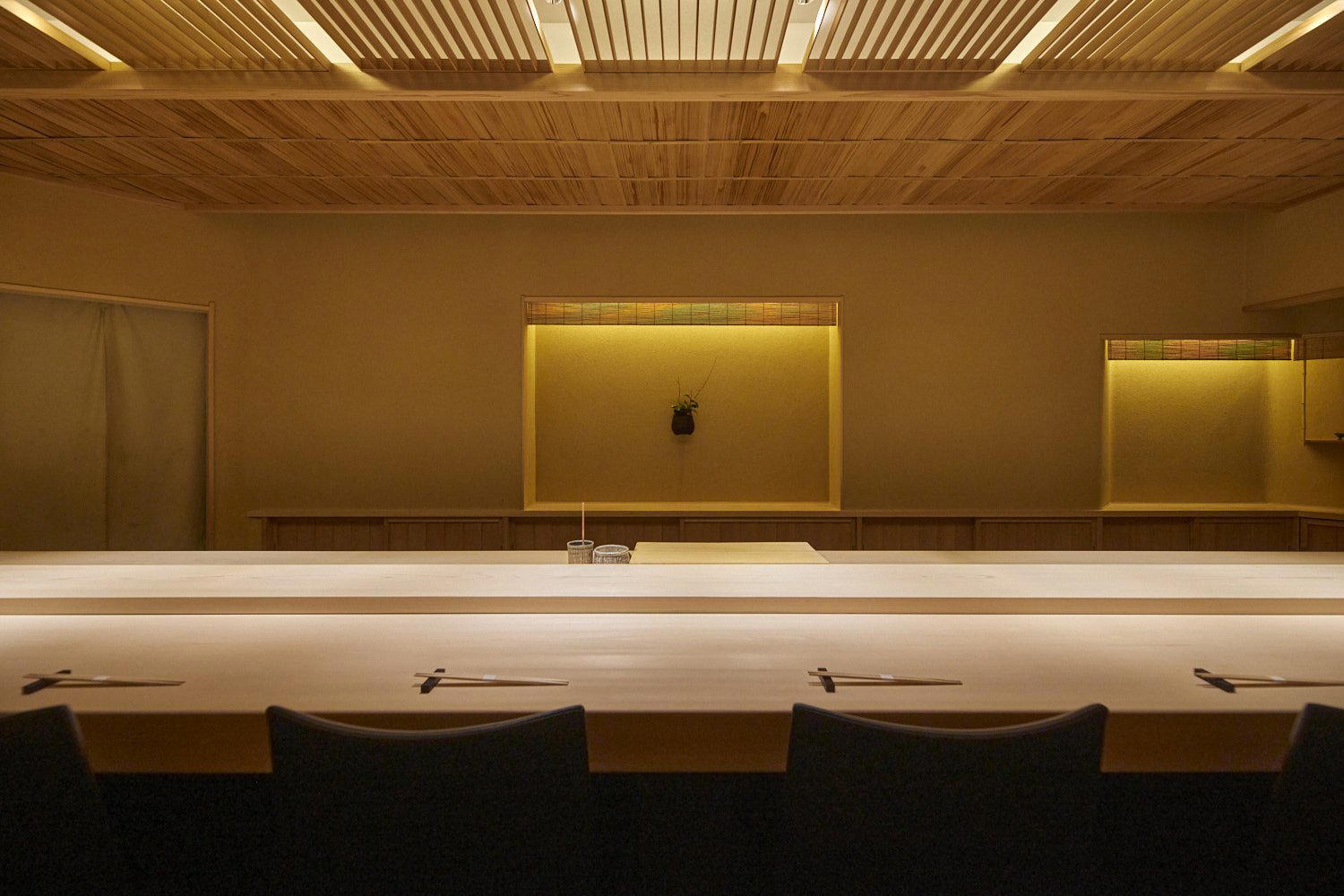
Soba’s discipline is partly agricultural. Buckwheat has a shorter expressive range than richer restaurant formats, so differences in grind, hydration, cutting, and cooking show quickly. In western Japan, where udon often dominates noodle imagination, a soba specialist argues for less chew-driven abundance and more aroma and line. Teuchi Soba Maro is listed specifically as a soba restaurant, and that clarity matters. The room supports the category too, with counter seating and tatami seating rather than spectacle.
The price tier keeps the experience grounded in everyday Japan, not luxury dining. It contrasts with Matsuyama’s higher-cost special-occasion restaurants, including sushi addresses such as Sushi Kawanaka and charcoal-focused meals such as Sumishin. Those sit in a different spending bracket and ask for a different evening. Here, soba reads as a shorter, ingredient-led meal where grain and dipping broth do the work, and the choice is about timing, appetite, and precision without ceremony more than prestige.
Drink details reinforce the house’s alignment. The listing notes shochu as a focus, a better fit for soba than an expansive wine posture. Shochu’s grain, sweet potato, or barley profiles can sit beside buckwheat without forcing a Western pairing model. It is a small but telling signal: the restaurant works inside a Japanese noodle-and-drink tradition rather than borrowing fine-dining codes.
Why the Okaido location changes how to use it
Okaido gives the restaurant a different rhythm from a countryside soba house reached by car. This is central Matsuyama dining, close to transit and urban foot traffic, so it works naturally as a lunch anchor, early evening pause, or low-commitment counterweight to a ryokan dinner. Parking is unavailable, reinforcing the urban pattern: arrive on foot or by local transport, not as a drive-up destination.
Convenience should not be mistaken for anonymity. Tabelog’s Hyakumeiten lists identify specialists across regions, not only expensive dining rooms. A Tabelog score of 3.52 and Soba WEST 100 selection place this address where consistency and genre fidelity matter. Practically, it suits travelers seeking a precise local lunch more than a multi-hour production.
The Matsuyama comparison is instructive. Ino points to another side of the city’s Japanese dining culture, while Dogo Kaishu (Japanese Cuisine) ties the meal more directly to the Dogo orbit. Hinode and Chuka Soba Fukamidori map the noodle field more broadly, from regional comfort to ramen-adjacent depth. For a stay built around onsen culture, Bettei Oborozukiyo shows Matsuyama’s lodging-and-dining side, while soba in Okaido gives the day a sharper, simpler axis.
How it fits into a Matsuyama itinerary
Expect a compact, ingredient-first meal, not a grand restaurant event. There are 28 seats, private rooms are listed, and the room is non-smoking, so it can handle more than a lone counter diner while keeping the intimacy of a specialist soba shop. Reservations are listed as unavailable, making timing part of the strategy: treat the meal as a flexible stop rather than the fixed centre of an evening.
Read payment details before arrival. Credit cards are accepted for purchases over JPY 5,000, with JCB, AMEX, and Diners listed; QR code payments are accepted, while electronic money is not. The threshold matters because soba meals often sit below the amount where a card helps. In a city where visitors move between onsen, castle, shopping arcade, and train connections, cash remains the cleaner approach for this category.
For broader planning, use the restaurant as the soba reference point inside a wider Matsuyama map. The city’s dining routes can be cross-checked through Our full Matsuyama restaurants guide, while lodging context sits in Our full Matsuyama hotels guide. Evening drinking and local producers require different lenses, covered by Our full Matsuyama bars guide and Our full Matsuyama wineries guide. For non-restaurant planning, Our full Matsuyama experiences guide connects the meal to the city around it.
Readers comparing Japanese casual dining beyond Ehime can look outward without treating every city as interchangeable. Kamakura’s beef-sukiyaki register appears at -Grilled beef Sukiyaki- KAMAKURA TANUKIAN 鎌倉 たぬき庵 in Kamakura, Tokyo’s izakaya-and-grill rhythm at. 鮪と炭火焼き うお炭 秋葉原店 in Tokyo, and Kansai café culture at.cafe in Osaka. Regional variety continues through.know in Kumamoto, (Shoku) Vietnam in Kawasaki, and [Curry Senmon Ten] Maruyama Kyoju. in Sapporo. Outside Japan, Jōdo Saké Bar in Los Angeles and Onigiri Time in Pasadena show how Japanese formats translate abroad. Against that field, Matsuyama’s soba address is valuable because it stays close to its material: buckwheat, shochu, and the discipline of a short meal done with purpose.
Comparable Spots, Quickly
Comparable venues by cuisine and price in the same metro.
| Venue | Cuisine | Price | Notes |
|---|---|---|---|
| Teuchi Soba MaroThis venue — the venue you are viewing | Handmade soba (buckwheat noodles) | $$ | Not listed |
| Kiri no Mori Kashi Kobo Matsuyama ten | Japanese Traditional Sweets | $ | Okaido |
| Dogo Kaishu | Setouchi Kaiseki | $$$ | Dogo Onsen |
| Bettei Oborozukiyo | Traditional Japanese Kaiseki | $$$$ | Dogo Onsen |
| Sushi Kawanaka | Edomae Sushi Omakase | $$$ | Okaido |
| ベトナムフード | Traditional Vietnamese | $ | Katsuyama |
Recognition history
Dated appearances from independent guides and award organizations, with the underlying list record or original source where available.
Tabelog 100 #64 · No. 64
Tabelog · Tabelog 100 - Soba - WEST - 2025
Continue exploring
More in Matsuyama
Restaurants in Matsuyama
Browse all →
At a Glance
- Cozy
- Modern
- Quiet
- Casual Hangout
- Solo
- After Work
- Group Dining
- Standalone
- Private Dining
- Street Scene
Current opening hours
- Monday
- 11 AM–2:45 PM, 5:30–9 PM
- Tuesday
- 11 AM–2:45 PM, 5:30–9 PM
- Wednesday
- 11 AM–2:45 PM, 5:30–9 PM
- Thursday
- 11 AM–2:45 PM, 5:30–9 PM
- Friday
- 11 AM–2:45 PM, 5:30–9 PM
- Saturday
- 11 AM–2:45 PM, 5:30–9 PM
- Sunday
- Closed
Hours can change for holidays and private events. Last verified .
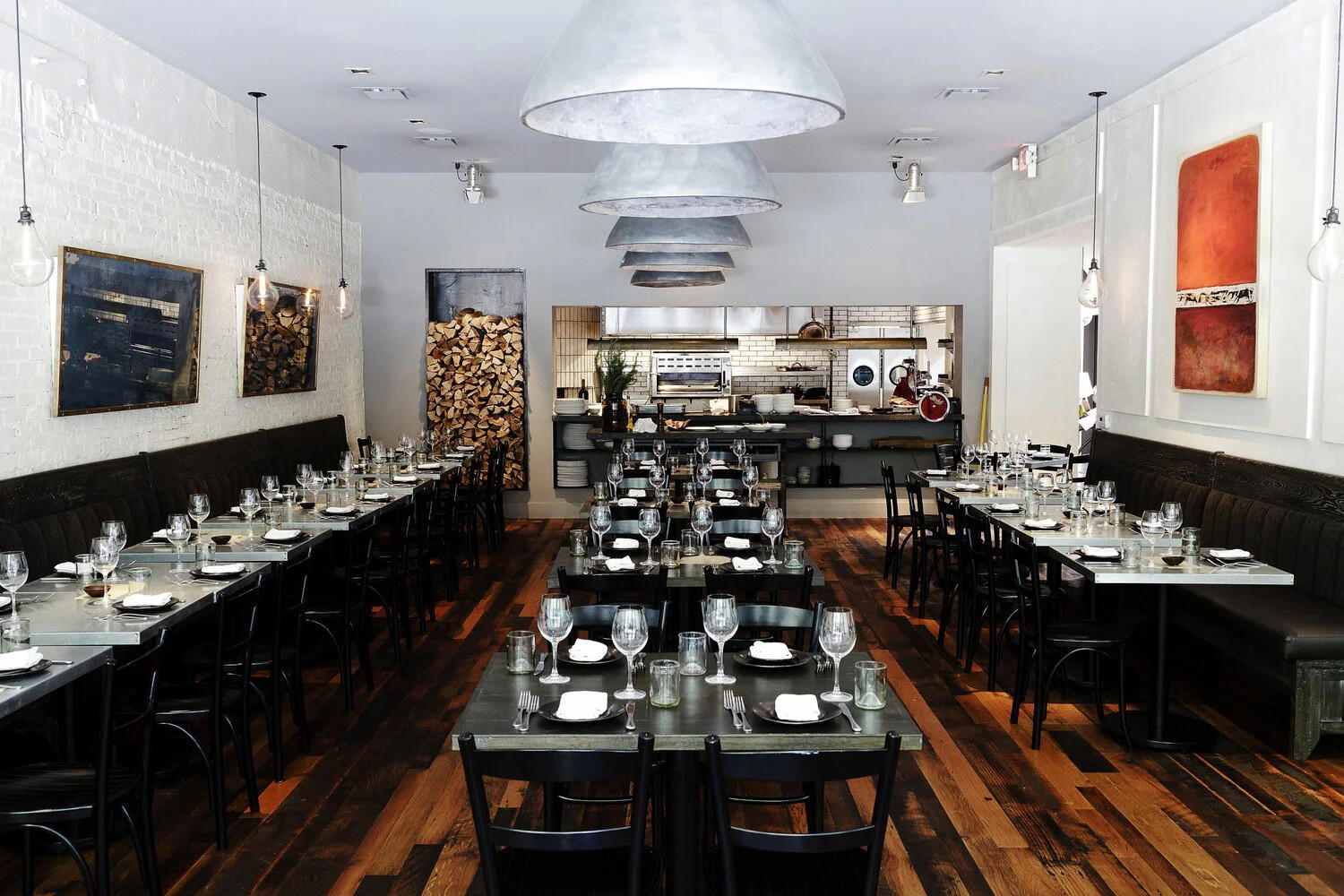
Small, non‑smoking soba shop with a stylish yet relaxed interior, mixing counter seats and a tatami room to create a calm, cozy atmosphere for casual meals with friends.