Ginza occupies one of Madrid's most loaded addresses, steps from the Prado, at Pl. de las Cortes 3. The restaurant sits within a dining corridor that has grown sharper and more competitive over the past decade, drawing comparisons to the top creative tier in Spain. Current direction and booking details are best confirmed directly with the venue.
Pearl is the En Primeur Club membership app — saves, bookings, and concierge access live there. Same editors, same standards.
- Address
- Pl. de las Cortes, 3, Centro, 28014 Madrid, Spain
- Phone
- +34914291982
- Website
- ginzafoodhall.com
- Directions
- Get directions
 Saves & bookings on Pearl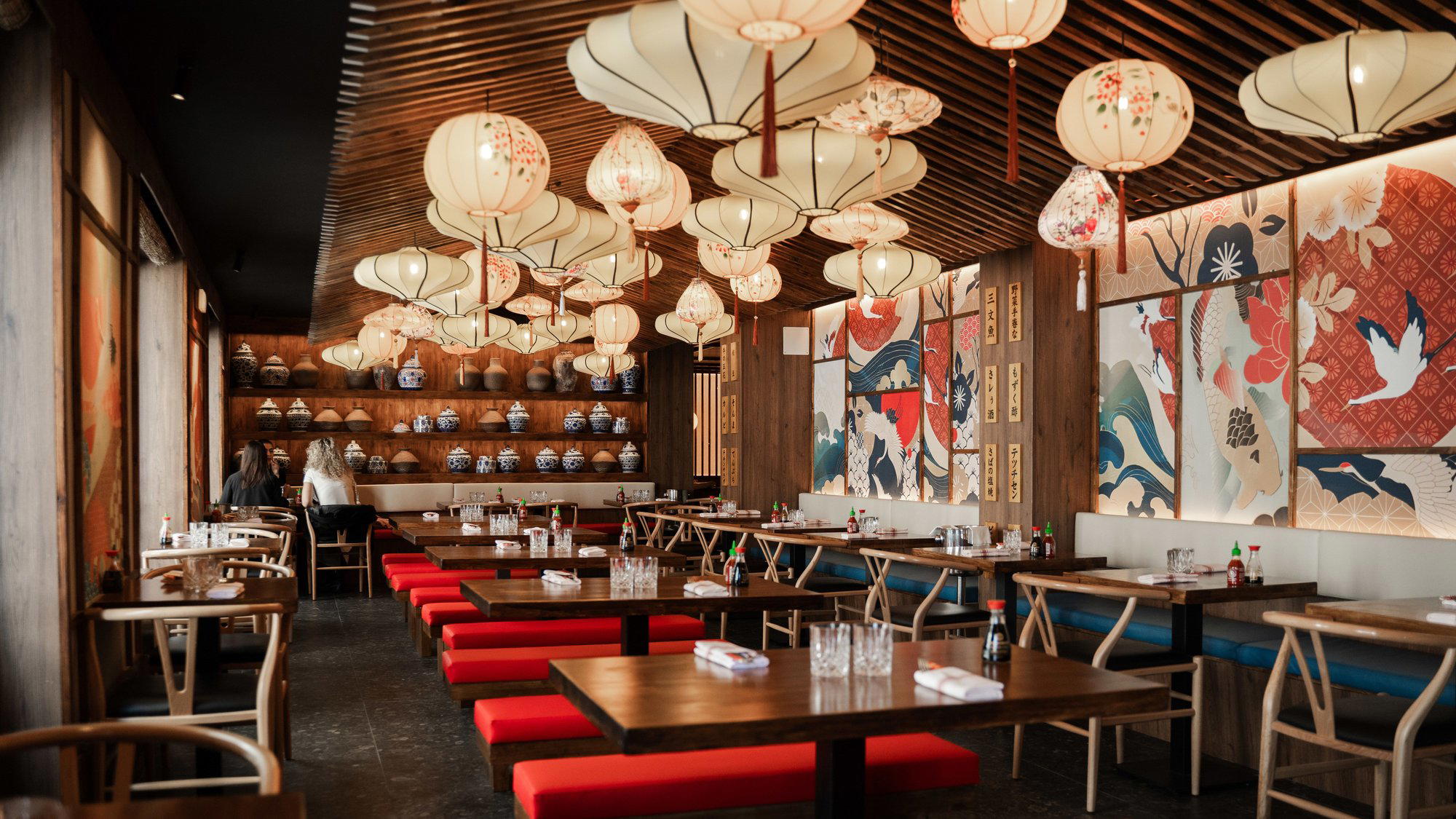
A Loaded Address in a Competitive Corridor
The stretch of central Madrid between the Prado and the Paseo del Prado has, over the past fifteen years, shifted from a hotel-dining afterthought into one of the capital's more contested restaurant corridors. Properties at Pl. de las Cortes and the streets immediately around it now compete not just for neighbourhood foot traffic but against the wider field of creative and fine-dining rooms that have repositioned Madrid as a serious destination within the Spanish restaurant conversation. Ginza sits at Pl. de las Cortes 3, directly inside that zone, at an address that carries both the weight of that competition and its advantages.
Madrid's fine-dining scene has consolidated considerably since the mid-2000s. Rooms that once operated on the margins of the international conversation now hold Michelin recognition and appear regularly in the lists that shape booking decisions for well-travelled diners. DiverXO and Coque have anchored Madrid's claim to the three- and two-star tier respectively, while Deessa, DSTAgE, and Paco Roncero have each carved distinct positions within the creative bracket. The result is a city where a restaurant's positioning matters as much as its menu: diners arriving in Madrid with two or three evenings to allocate are making comparative decisions across a genuinely competitive field.
How the Category Has Shifted
The name Ginza, borrowed from Tokyo's most expensive retail and dining district, signals something deliberate about positioning. In Spain, the period between roughly 2010 and 2020 saw a wave of restaurants adopt Japanese references, frameworks, and ingredients, partly in response to what was happening at the technical frontier of Spanish cooking and partly in response to a broader European appetite for Japanese precision applied to local produce. That trend has since matured. Rooms that entered the market riding the novelty of Japanese-Spanish fusion have either deepened that commitment into something with genuine structural identity, or found themselves occupying an awkward middle ground as the novelty premium eroded.
Across Spain, the restaurants that have held their footing in this space are those that moved beyond surface-level reference toward something more considered: technique and sourcing that could hold up next to peers like El Celler de Can Roca in Girona, Mugaritz in Errenteria, or Quique Dacosta in Dénia without needing to explain themselves through their cultural borrowings. That maturation pressure is the context in which any Madrid room carrying a Japanese-referencing name now operates.
The Evolution Question
For a restaurant defined by its address and its positioning relative to a competitive tier, the question of how it has evolved is the most relevant editorial lens. In Madrid's centre, venues at the Pl. de las Cortes end of the spectrum have had to make decisions about format, price point, and identity in response to a city that has changed faster than almost any other European capital in terms of restaurant ambition. The rooms that have lasted and grown in reputation are those that committed to a direction, whether that meant deepening tasting-menu formality, pivoting toward a more accessible format, or investing in a wine and beverage program substantial enough to compete with the broader Spain offer, where references like Arzak in San Sebastián, Azurmendi in Larrabetzu, and Martin Berasategui in Lasarte-Oria set a high bar.
In Madrid's current environment, rooms operating at the upper end of the market tend to maintain active digital presences and well-documented Michelin histories. Rooms that don't appear in those channels are typically either newer entrants still establishing their position, or venues that operate within a more local or hotel-adjacent context where external validation matters less than repeat clientele. Either reading implies a different set of expectations for the visiting diner compared to a room like Aponiente in El Puerto de Santa María or Cocina Hermanos Torres in Barcelona, where the award footprint is the primary signal of where the room sits.
Placing It Against the Broader Field
For diners building a Madrid itinerary from an international reference point, it is useful to understand how the city's centre compares to peers. Madrid's Pl. de las Cortes addresses benchmark against the kind of serious-dining formats found at Le Bernardin in New York City or Lazy Bear in San Francisco in the sense that location carries reputational weight independent of the individual venue. Madrid's central corridor is now operating at a similar register, where the address alone narrows the likely price tier and format before you have looked at a menu.
Spain's creative restaurant field has also become more geographically distributed than it was a decade ago. The concentration of marquee addresses in the Basque Country and Catalonia has diluted somewhat as Madrid, Valencia, and other cities have built more credible claims. Ricard Camarena in València and Atrio in Cáceres represent that geographic spread. A room at Pl. de las Cortes 3 in Madrid is operating in the context of that redistribution, where the capital's increased confidence as a dining city means the competition is now genuinely national rather than local.
Planning Your Visit
Given the gaps in publicly available data advance contact with Ginza directly is the appropriate first step before building a Madrid evening around it. Reservations: confirm booking method and lead time directly with the venue, as no online booking system is documented in current records. Dress: the Pl. Budget: price-tier data is not confirmed in current records; check directly before visiting if budget parameters are fixed. Getting there: the address at Pl. de las Cortes 3 places the venue within walking distance of the Banco de España and Sevilla metro stations, both on Line 2, making access from central Madrid direct. For a fuller view of where Ginza sits within the Madrid dining field, see our full Madrid restaurants guide.
How Ginza Madrid compares with similar nearby venues.
| Venue | Cuisine | Price |
|---|---|---|
| Rural | Meats and Grills | €€€ |
| Bao Li | Chinese Contemporary | €€€ |
| Estimar Madrid | Modern Seafood, Seafood | €€€ |
| Casa Mortero | Creative | €€ |
Continue exploring
More in Madrid
Restaurants in Madrid
Browse all →
Bars in Madrid
Browse all →
Hotels in Madrid
Browse all →

At a Glance
- Modern
- Elegant
- Group Dining
- Casual Hangout
- Open Kitchen
- Sake Program
Current opening hours
- Monday
- 1–4 PM, 8–11 PM
- Tuesday
- 1–4 PM, 8–11 PM
- Wednesday
- 1–4 PM, 8–11 PM
- Thursday
- 1–4 PM, 8–11 PM
- Friday
- 1–4 PM, 8–11:30 PM
- Saturday
- 1–4 PM, 8–11:30 PM
- Sunday
- 1–4 PM
Hours can change for holidays and private events. Last verified .
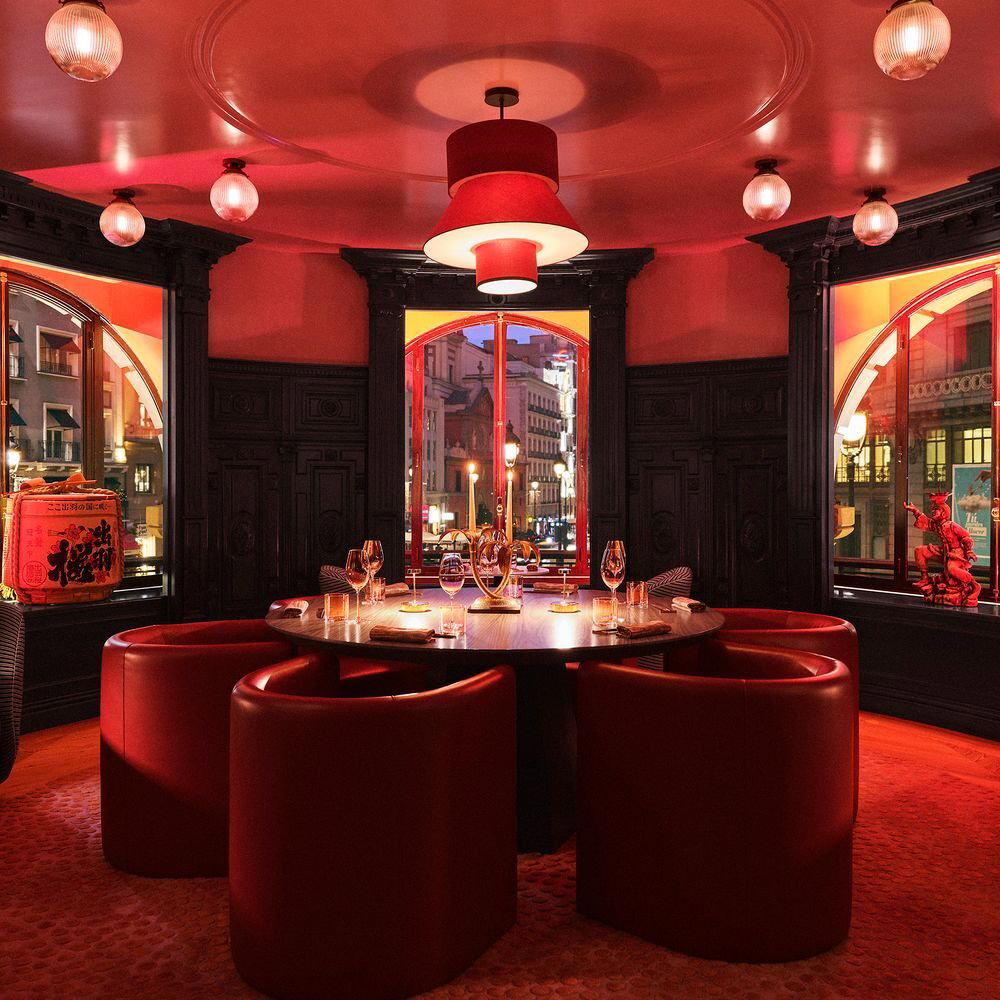
Intimate yet never cramped atmosphere ideal for quiet dinners and small gatherings with impressive Asian-inspired decoration.
Know Before You Go
- Getting there
- Pl. de las Cortes, 3, Centro, 28014 Madrid, Spain