Michelin Plate
Our verdict
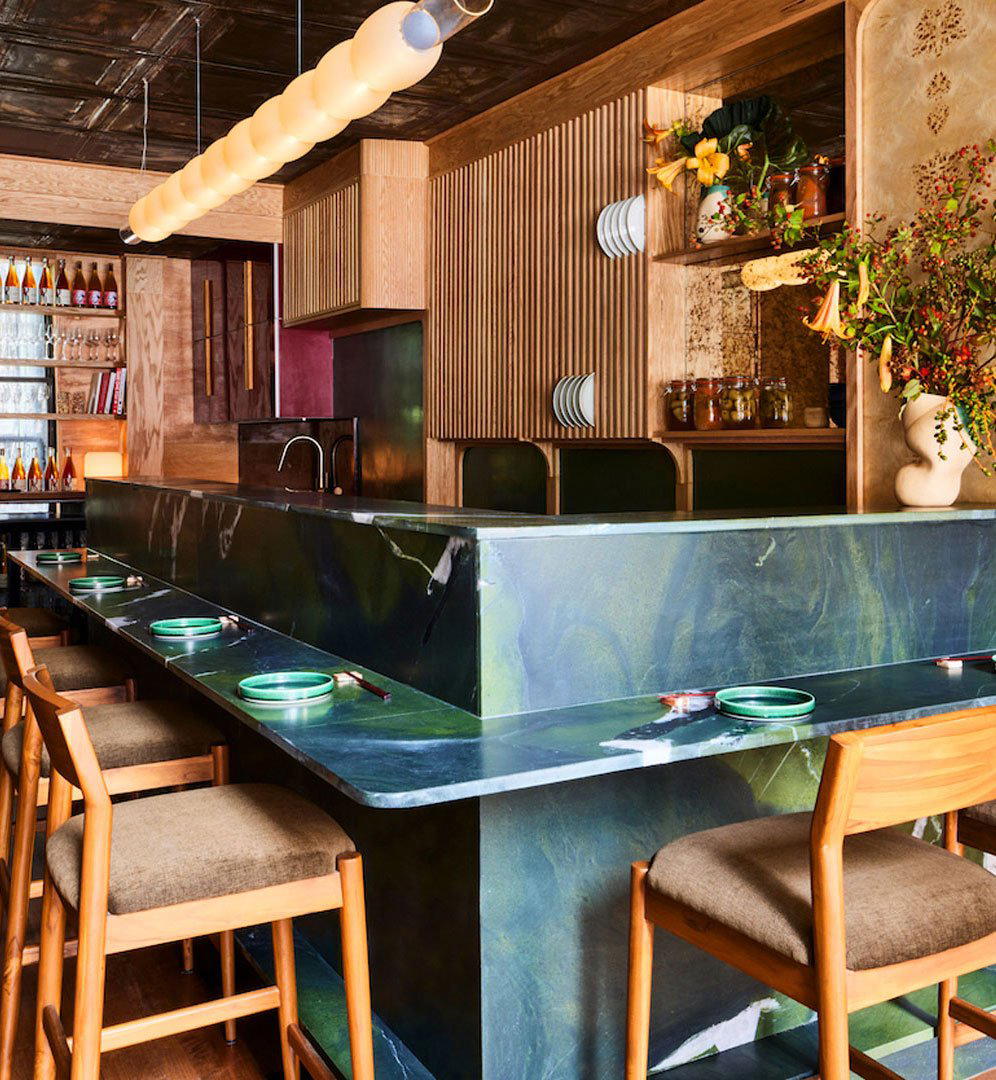
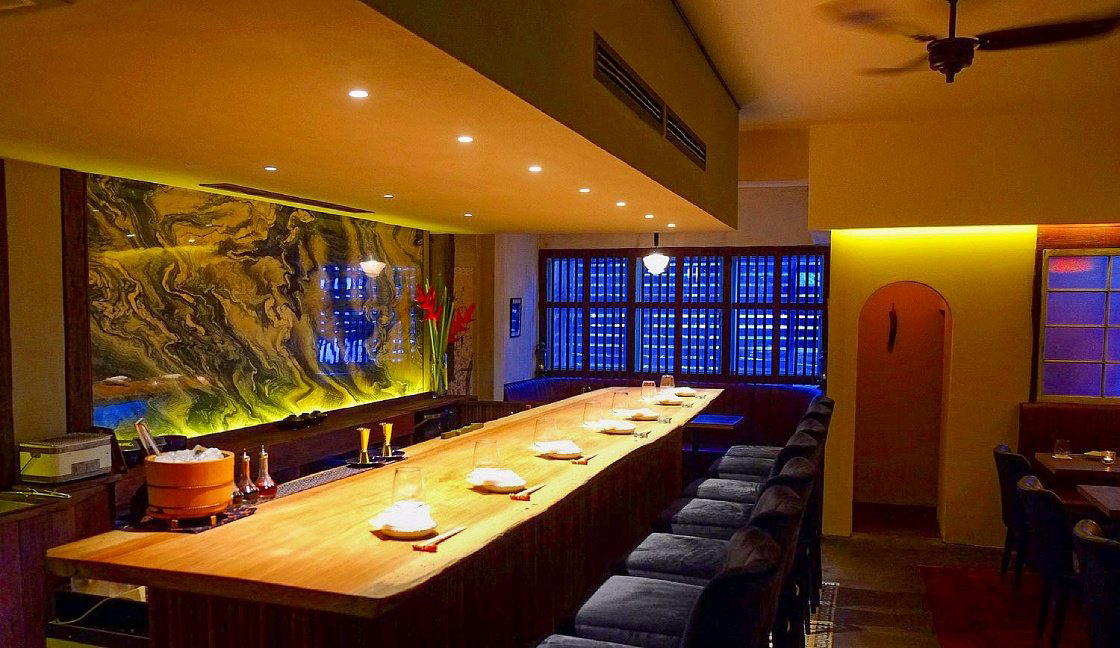
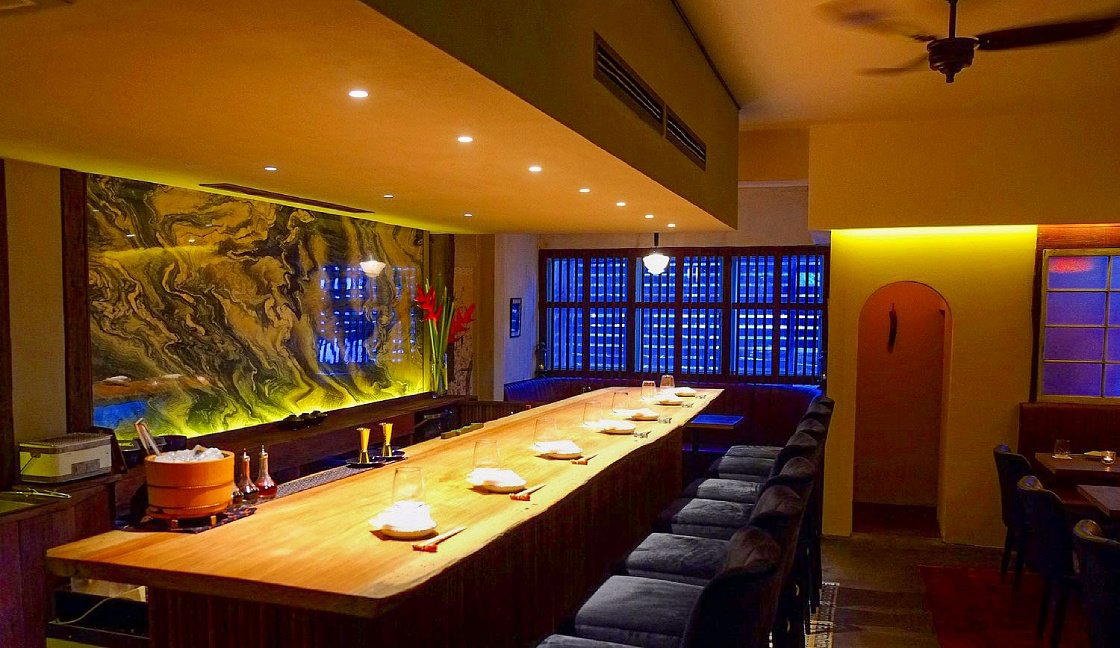
Behind an unmarked black door on Sukhumvit 63, Torisawa 22 runs one of Bangkok's more focused yakitori counters, built around hormone-free chicken cooked over binchotan charcoal. Diners sit at an L-shaped counter watching the grill master work through thigh, liver, gizzard, wing, and hatsumoto, each piece finished with one of four tare sauces or a tri-region salt selection. The closing chochin is the detail regulars return for.

Pearl is the En Primeur Club membership app — saves, bookings, and concierge access live there. Same editors, same standards.
A Black Door on Sukhumvit 63
Bangkok's Ekkamai neighbourhood has accumulated a particular kind of restaurant over the past decade: small, format-driven, and staffed by cooks whose reference points are Japanese. The area draws a mix of long-term expats and Thai diners with serious eating habits, and the dining rooms that thrive here tend to reward repeat visits more than first impressions. Torisawa 22 fits that profile precisely. The entrance — a non-descript black door marked only with the number 22 — offers no signage, no menu board, and no street-level seating. The charcoal smoke arrives before anything else does.
That smoke signals the operating principle. Inside, diners sit around an L-shaped black counter, which places the grill and the grill master at the centre of the experience rather than at a remove. Counter formats of this kind, common in Tokyo yakitori specialists, ask the diner to watch rather than wait. The work is visible: the coal bed, the skewers' position, the colour change across a chicken thigh as heat moves through it. In Bangkok's broader restaurant scene, where tasting-menu formats at addresses like Sorn, Baan Tepa, and Gaa set a certain tempo of theatre, the yakitori counter offers something different: quieter, more repetitive, and more technically demanding in its narrowness.
The Case for Hormone-Free Chicken
Yakitori's reputation in Japan rests substantially on sourcing. The category's leading counters in Tokyo treat bird provenance as seriously as a wine program, specifying prefecture, breed, and rearing conditions. That attention arrived in Bangkok with Torisawa 22's menu construction, which centres on hormone-free chicken throughout. The distinction matters not for marketing reasons but for textural ones: hormone-free birds, typically reared more slowly, develop denser muscle fibre and more defined organ texture. Liver holds its centre without turning grainy. Gizzard maintains chew without becoming rubbery. Thigh carries enough fat to caramelise under binchotan heat rather than dry before it colours.
Binchotan charcoal, white charcoal produced from Japanese oak, historically ubakashi, burns at high, consistent heat with minimal smoke and almost no flame. It is harder to manage than standard charcoal precisely because it operates at temperature ranges that leave very little margin. The counter format at Torisawa 22 exists in part because binchotan cooking requires constant monitoring; the proximity of diners to the grill is a function of the cooking method as much as an aesthetic choice. Other Bangkok restaurants operating in the premium tier, including European-format addresses like Côte by Mauro Colagreco and Sühring, work with different heat sources and larger brigade structures. Yakitori at this level is a solo or duo operation built entirely around a single fire.
What the Menu Covers
The range of cuts at Torisawa 22 maps the full chicken: thigh, wing, liver, gizzard, and hatsumoto (the aorta, a cut found at serious yakitori counters but rarely elsewhere in Bangkok's restaurant scene). Each piece is seasoned through one of two routes, four tare sauces or a selection of salts sourced from three regions. The tare/shio division is standard yakitori practice, but the specificity of three distinct salts signals a sourcing commitment that extends beyond the bird itself. Salt at this level of attention affects finish: mineral intensity, the speed at which salinity fades, and whether the char reads as bitter or clean.
The menu closes with chochin, a skewer that combines the unlaid egg and the ovary of the hen. It is the most Tokyo-specific item on the list, uncommon outside yakitori-focused environments, and the kind of detail that distinguishes a kitchen operating from genuine knowledge of the category rather than approximation. Regulars at serious yakitori counters in Japan treat the chochin as the marker of a kitchen's commitment; its presence here positions Torisawa 22 within that tradition rather than adjacent to it.
Where Torisawa 22 Sits in Bangkok's Eating Scene
Bangkok's premium dining tier has, over the past several years, consolidated around tasting-menu formats and internationally recognised chef names. Michelin coverage, the Asia's 50 Best list, and the city's own food media have all oriented toward that segment. The more interesting development, running quietly beneath it, is the accumulation of single-format specialists operating at counter scale: ramen shops with serious dashi programs, omakase sushi rooms with direct Japan supplier relationships, and yakitori counters like Torisawa 22 that apply Japanese category discipline to a Bangkok context.
These venues rarely collect major awards because the award infrastructure isn't built for their format. They accumulate regulars instead. For diners exploring Thailand's wider food scene beyond Bangkok, the country supports other kinds of specialists worth noting: PRU in Phuket operates a farm-to-table format with similar sourcing seriousness, and AKKEE in Pak Kret represents the kind of regional-specialist format that Bangkok's dining culture increasingly references. Further afield, Aeeen in Chiang Mai and Angeum in Ayutthaya extend the pattern of focused, format-driven kitchens operating outside the capital's tasting-menu mainstream.
For counter-format dining that shares Torisawa 22's reliance on sourcing as structure rather than storytelling, the comparison points are places like Atomix in New York City or Le Bernardin, venues where the quality of the primary ingredient carries the menu's architecture. The scale and price point differ considerably, but the underlying logic is the same: know your source, apply disciplined technique, and let the material lead.
Browse our full Bangkok restaurants guide for a broader map of the city's eating options, or explore Bangkok hotels, bars, experiences, and wineries across the platform. If Phuket or other Thai destinations are on the itinerary, The Spa in Lamai Beach and Agave in Ubon Ratchathani offer further points of reference for the country's broader hospitality range.
Planning a Visit
Torisawa 22 sits on the second floor at 267/16 Soi Sukhumvit 63 in the Ekkamai area of Watthana district. The black door marked 22 is the sole exterior indicator. Given the counter format and the focused menu structure, this is not a venue suited to large groups or drop-in dining during peak hours. Arriving with a reservation, or at minimum confirming availability in advance, is the practical approach.
Quick reference: Floor 2, 267/16 Soi Sukhumvit 63, Ekkamai, Bangkok. Counter seating. Binchotan yakitori. Hormone-free chicken. Reservation advised.
Frequently asked questions
Has Torisawa 22 won any awards?
Torisawa 22 has received recognition including: Behind a non-descript black door numbered 22, charcoal-scented secrets unfold. Diners sit around an L-shaped black counter, watching the grill master as he cooks chicken to yakitori perfection over binchotan charcoal. The menu includes a fu….
Where exactly is Torisawa 22?
Torisawa 22 is located at floor 2, 267/16 Soi Sukhumvit 63, Khlong Tan Nuea, Watthana, Bangkok 10110, Thailand, Bangkok.
What do regulars order at Torisawa 22?
The counter covers thigh, wing, liver, gizzard, and hatsumoto — the aorta, a cut that separates serious yakitori venues from casual grills. The meal closes with a grilled chochin, which draws consistent attention as the standout final course. Each piece is finished over binchotan charcoal with one of four tare sauces or tri-region salt.
Do I need a reservation for Torisawa 22?
Given the L-shaped counter format and the venue's address behind an unmarked black door at 267/16 Soi Sukhumvit 63, walk-ins carry real risk. Counter-format yakitori in Bangkok at this level runs small by design, so booking ahead is the practical approach before making the trip to the second floor.
What's Torisawa 22 best at?
The defining commitment here is sourcing: all chicken is hormone-free, and the full range of cuts — including less common parts like hatsumoto and gizzard — is grilled over binchotan charcoal. That combination of provenance-driven ingredients and single-technique focus places Torisawa 22 closer to Tokyo's counter yakitori tradition than to the broader Bangkok grill scene.
Side-by-Side Snapshot
Comparable venues nearby, for context on price, style, and recognition.
| Venue | Cuisine | Price | Awards | Notes |
|---|---|---|---|---|
| Torisawa 22This venue — the venue you are viewing | Yakitori Omakase | $50–100 | Michelin Plate | Not listed |
| Tempura Kanda | Tempura Omakase | $200–300 | Michelin Plate | Khlong Tan |
| Sushi Ichizu | Authentic Edomae Omakase | $200–300 | Not listed | Watthana Khwaeng |
| Yakiniku Sudo | Premium Yakiniku Omakase | $100–150 | Michelin Plate | Klong Toei Khwaeng |
| Duet by David Toutain | Modern French Fine Dining | $200–300 | Michelin Plate | Suan Lumphini |
| Sartoria by Paulo Airaudo | Contemporary Italian Fine Dining | $200–300 | Michelin Plate | Yan Nava |
Recognition history
Dated appearances from independent guides and award organizations, with the underlying list record or original source where available.
Michelin Plate
Michelin