Our verdict
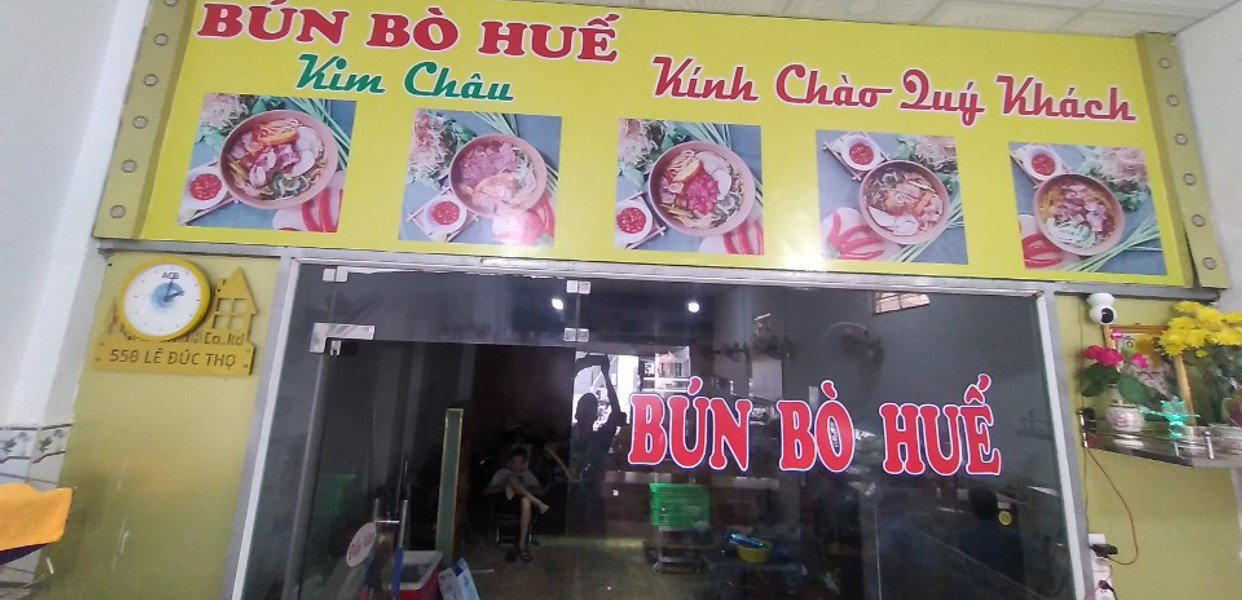
Kim Chau serves Traditional Vietnamese Bun Bo Hue in Huế, Tỉnh Thừa Thiên-Huế, with a casual, conversational setup for a quick breakfast or lunch stop.

Pearl is the En Primeur Club membership app, where members save venues, book tables and use the concierge.
The menu
What to order
- Bun Bo Hue
Where Hue's Ingredient Culture Comes Into Focus
Hue sits at a peculiar intersection in Vietnamese culinary geography. The former imperial capital carries a cooking tradition shaped by centuries of court cuisine, a pantry that drew from the fertile plains of Thua Thien-Hue province and the South China Sea coastline to the east. That proximity to both land and water is not incidental to how the city eats, it is the structural logic beneath almost every dish. Kim Chau operates within this tradition, positioned in a city where sourcing is not a modern marketing gesture but a centuries-old practice embedded in how kitchens are run.
The restaurants that hold meaningful ground in Hue tend to anchor themselves to the same principles: short supply chains, seasonal produce from local markets, and fish and shellfish pulled from nearby coastal waters. What separates the better addresses from the merely functional ones is not menu creativity alone but fidelity to those inputs. A bowl of bun bo Hue made with lemongrass grown in the province and pork from local farms reads differently on the palate than one assembled from generic wholesale supply, and in a city with Hue's culinary self-awareness, regular visitors notice the difference.
The Scene Around Kim Chau
Hue's dining scene occupies a different position in Vietnam's restaurant hierarchy than Hanoi or Ho Chi Minh City. At the apex of the national conversation sit places like Gia in Hanoi and Akuna in Ho Chi Minh City, both operating in the Vietnamese contemporary bracket at the country's highest price tier. Da Nang's La Maison 1888 layers colonial architecture over fine-dining ambition. Hue plays a different game, one rooted not in innovation for its own sake but in preservation and depth. Kim Chau sits within that local framework, in a city that rewards restaurants capable of treating traditional technique and quality sourcing as the primary editorial statement.
That positioning matters for how you approach a meal here. Hue is not a city where the dining room spectacle competes with what arrives at the table. The focus is narrower, the expectations more specific, and the tolerance for shortcuts lower than in more tourist-facing cities. Regulars arrive knowing what the kitchen is built to do.
What the Ingredient Geography Means for What You Eat
The Thua Thien-Hue region produces a distinct agricultural range. Lotus, grown in the ponds around the citadel, appears in salads and teas. Wild herbs from the hillside markets differ in character from their farmed equivalents sold further south. The shrimp paste used in authentic Hue cooking, mam ruoc, is fermented locally in a style particular to this stretch of coast, producing a depth of flavor that imported versions do not replicate. These are not romantic details, they are functional explanations for why a bowl of Hue noodle broth tastes the way it does versus its imitations elsewhere in the country.
For context on how central-Vietnamese coastal sourcing shapes a menu, the broader region's emphasis on fresh seafood and fermented condiments provides a useful frame. The proximity to the Tam Giang lagoon, one of Southeast Asia's largest coastal lagoon systems, means that fish, crab, and shellfish are available at quality levels that most inland cities cannot match. Restaurants positioned to access that supply, and skilled enough to handle it correctly, operate at a structural advantage.
Visitors who want to understand how Hue's ingredient culture extends across restaurant formats should read our full Hue restaurants guide, which maps the city's dining across categories and price points. For a different approach to central Vietnamese seafood-forward cooking, Bun Bo Cam in Hue offers a useful point of comparison within the same city.
Hue in the Wider Vietnam Restaurant Conversation
Vietnam's restaurant scene has stratified sharply over the past decade. At one end sit ambitious urban programs in Hanoi and Ho Chi Minh City that draw on French-trained technique, international recognition, and tasting-menu formats. At the other end, street-level specialists in cities like Hue maintain value propositions built on specificity and provenance rather than format or prestige. The middle ground, mid-tier restaurants that are neither elite nor purely functional, has become increasingly contested.
Hue's most respected addresses tend to cluster at that street-level specialist pole, where the question being answered is not how to reimagine Vietnamese cooking but how to execute a narrow, defined version of it with consistency. That means the benchmarks are different here than at a destination like Le Bernardin in New York City or Atomix in New York City, precision here is measured in broth clarity and fermentation depth, not plating architecture or wine program.
Other parts of Vietnam run on different logic. White Rose in Hoi An operates as a specialist in a single dish category, building reputation on exclusivity of product. Duyen Anh Restaurant in Phu Vang serves a peri-urban Hue audience a short distance from the city center. Meanwhile, chain-format dining across the country, represented by addresses like King BBQ in Rach Gia, GoGi House in Bac Lieu, and Dookki in Minh Xuan, occupies an entirely separate category. The coastal buffet format, seen at places like Bien 14 in Ha Long, also operates on scale rather than sourcing precision. Kim Chau belongs to none of those formats. Its frame of reference is local, not national.
Other regional comparisons that help calibrate expectations: Big Bowl in Cam Ranh, Han Yang BBQ in Ong Hoi, Fujiya Sushi in Da Lat, BIG CHILL in Phan Thiet, and Jollibee in Kon Tum each represent distinct points on Vietnam's very wide dining spectrum. Understanding where Kim Chau sits relative to these options clarifies what kind of experience the city of Hue actually prioritizes.
Planning Your Visit
Hue rewards visits timed outside the annual flooding season, which typically affects the city from October through December. The drier months between February and August offer more stable conditions for exploring the city's market culture, the wet markets around Dong Ba and the smaller neighborhood vendors are where the ingredient supply chain for restaurants like Kim Chau becomes visible. Arriving at these markets before 8am gives a clearer picture of what the city's kitchens are working with on a given day, which adds context to any meal that follows.
As with most independent restaurants in Hue operating outside the high-end hotel circuit, booking details and current hours for Kim Chau are best confirmed directly on arrival or through local contacts, the city's smaller dining rooms do not uniformly maintain centralized booking systems or English-language web presences.
Frequently asked questions
Can I bring kids to Kim Chau?
Hue's independent restaurant culture is generally family-oriented, and the price tier typical of local city venues here keeps the setting low-pressure. Kim Chau sits within Thua Thien-Hue province, where dining out with children is a routine part of local life rather than an exception. Nothing in the venue's positioning suggests a format that would exclude younger guests.
Is Kim Chau better for a quiet night or a lively one?
Independent restaurants in Hue tend to operate on the city's own tempo, which runs quieter than Ho Chi Minh City or Hanoi. Kim Chau is located within the Thua Thien-Hue provincial area, where the dining culture skews local and unhurried rather than tourist-facing. If you want a measured pace over Hue's ingredient-driven cooking, this is consistent with what independent venues here typically offer.
Is Kim Chau a good introduction to Hue's imperial cooking tradition for first-time visitors?
Hue's imperial cuisine, developed under the Nguyen dynasty, emphasises elaborate vegetable preparations, small-portioned variety, and hyper-local ingredients specific to Thua Thien-Hue province. A local independent restaurant in Hue is often where that tradition survives most intact, away from tourist-formatted venues. First-time visitors should look for lotus-based dishes and herb-driven preparations, which reflect the region's agricultural identity most directly.
What do people recommend at Kim Chau?
Hue's cooking tradition gives any local restaurant a well-defined repertoire to draw from: bun bo Hue, banh khoai, and rice-based preparations that use lotus, wild herbs, and produce specific to the Thua Thien-Hue region. The city's imperial culinary heritage means even everyday restaurants here work within a more elaborate, vegetable-forward framework than elsewhere in Vietnam. Ordering across that core range is the most grounded approach at any Hue address without a publicly documented menu.
What's Kim Chau's location?
Kim Chau is located at Huế, Tỉnh Thừa Thiên-Huế, Hue.
How It Stacks Up
| Venue | Cuisine | Price | Awards | Notes |
|---|---|---|---|---|
| Kim ChauThis venue (the venue you are viewing) | Traditional Vietnamese Bun Bo Hue | $1–10 | Not listed | Not listed |
| Anan Saigon | Modern Vietnamese Street Food Fine Dining | $50–100 | 1 Michelin Star · World's 50 Best #86 | Vietnamese Street Food, ₫₫ |
| Akuna | Modern Australian-Vietnamese Fine Dining | $150–200 | 1 Michelin Star · La Liste Top Restaurants | Innovative, ₫₫₫₫ |
| Coco Dining | Progressive Vietnamese Fine Dining | $150–200 | 1 Michelin Star | Innovative, ₫₫₫ |
| Gia | Modern Vietnamese Fine Dining | $100–150 | 1 Michelin Star · La Liste Top Restaurants | Vietnamese Contemporary, ₫₫₫₫ |
| Hibana by Koki | Michelin-Starred Japanese Teppanyaki | $200–300 | 1 Michelin Star · La Liste Top Restaurants | Teppanyaki, ₫₫₫₫ |
Continue exploring
More in Hue
Restaurants in Hue
All restaurants in Hue →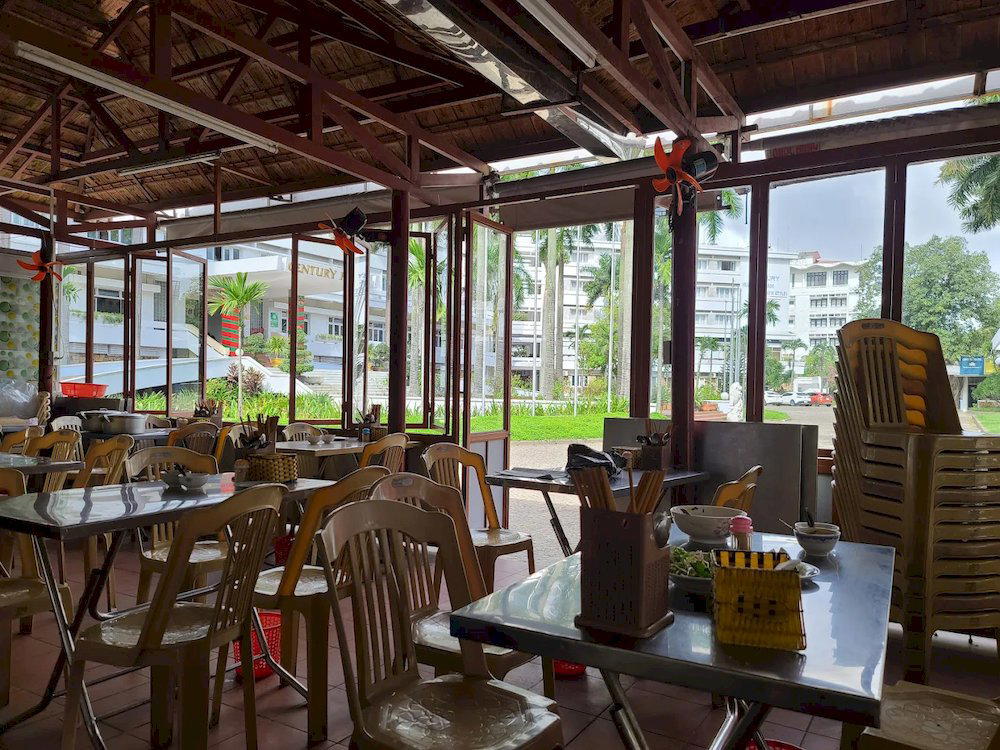
Details
- Rustic
- Casual Hangout
- A La Carte
Classic local eatery with a casual, no-frills atmosphere typical of beloved street-food stalls in Hue.