A Japanese restaurant in Đà Lạt's Phường 2 district, Fujiya Sushi sits where the city's cool-climate produce and Japanese culinary discipline intersect. In a highland town that has supplied fresh vegetables and flowers to Vietnam's domestic market for decades, that agricultural context makes Japanese cuisine here a different proposition than the same food in Hanoi or Ho Chi Minh City. Verification of awards, pricing, and booking details is recommended before visiting.
Pearl is the En Primeur Club membership app — saves, bookings, and concierge access live there. Same editors, same standards.
- Address
- khu qui hoạch/Lot 34 Nguyễn Công Trứ, Phường 2, Đà Lạt, Lâm Đồng, Vietnam
- Phone
- +84397798788
- Website
- fujiyasushi.net
- Directions
- Get directions
 Saves & bookings on Pearl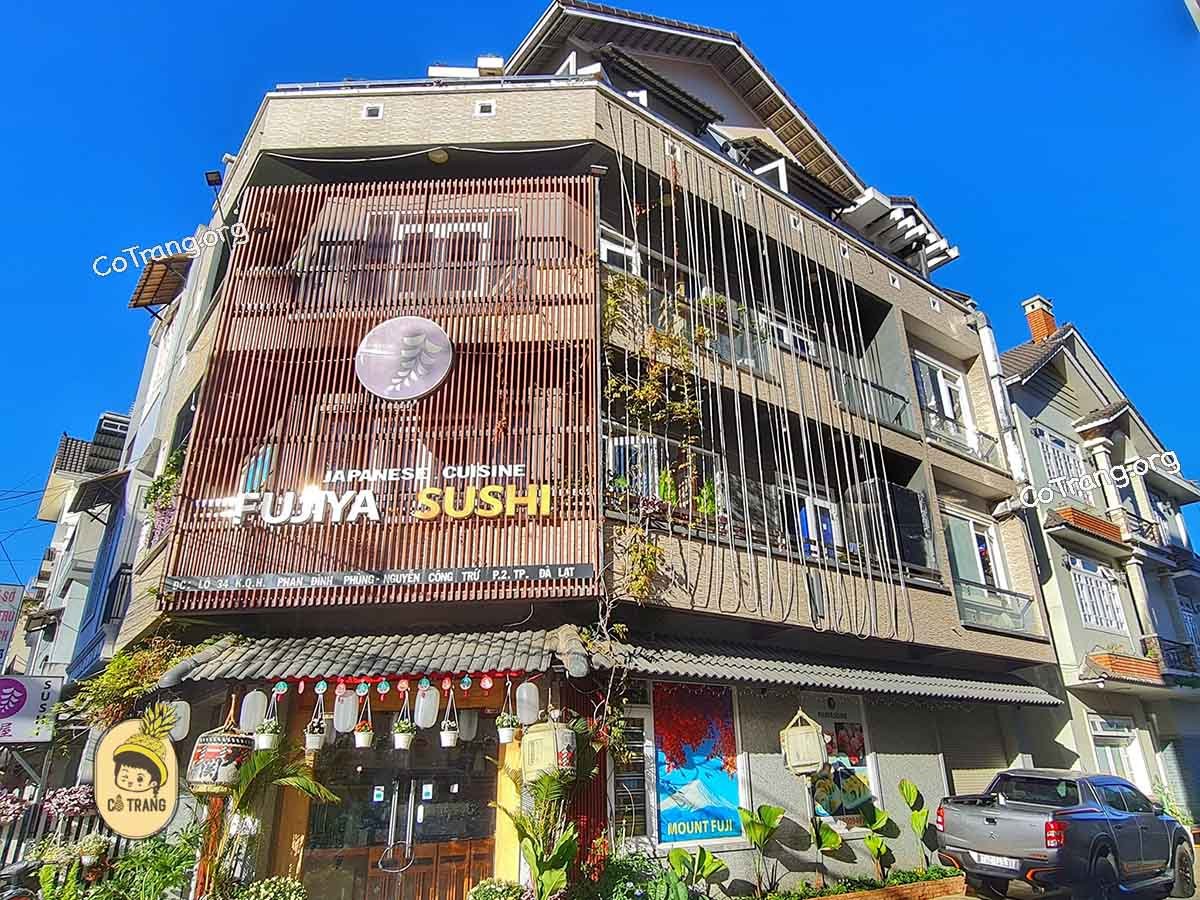
Japanese Cuisine in the Vietnamese Highlands
Đà Lạt occupies a different culinary register than Vietnam's coastal or delta cities. Sitting at roughly 1,500 metres above sea level in the Central Highlands, the city has functioned as the country's primary source of temperate-climate produce since the French colonial period. Strawberries, artichokes, asparagus, shiitake mushrooms, and a wide range of leafy vegetables grow in the surrounding Lâm Đồng province at yields and quality levels that the lowland climate cannot replicate. That agricultural reality shapes what any serious kitchen here can put on the table, and it is the lens through which Japanese cuisine in Đà Lạt deserves to be read.
Japanese food has expanded steadily across Vietnam's mid-tier and premium dining segments over the past decade, with sushi and ramen formats now present in provincial cities that had no Japanese restaurants fifteen years ago. In Đà Lạt, that expansion finds an unusual productive match: highland mushrooms, cold-weather greens, and locally grown herbs align more closely with Japanese ingredient preferences than the tropical produce dominant in Saigon or Da Nang. Fujiya Sushi Đà Lạt, located in Phường 2 on Nguyễn Công Trứ, sits at this intersection, occupying a residential planning zone that places it slightly apart from the tourist-heavy lakefront corridor.
What the Ingredient Context Actually Means
The case for Japanese restaurants in Đà Lạt is not simply atmospheric. It is agronomic. Japan's culinary tradition, particularly in its treatment of vegetables, dashi-based broths, and pickled accompaniments, is built around cool-climate produce with clean, pronounced flavour. The Lâm Đồng highlands deliver exactly that: shiitake and king oyster mushrooms grown in controlled conditions, cabbages and radishes with the density and sweetness that warm-weather farming rarely achieves, and strawberries close enough in character to Japanese ichigo cultivars that the comparison is regularly drawn by growers in the region.
This is the sourcing argument that gives highland Japanese restaurants a structural advantage over their lowland counterparts, where tropical produce requires more substitution and workaround. Whether a given kitchen in Đà Lạt fully captures that advantage depends on its purchasing relationships and menu design, neither of which can be confirmed for Fujiya Sushi from publicly available information. What can be said with confidence is that the raw material environment is favourable in a way that would suit a Japanese kitchen paying attention to supply.
For comparison, the sourcing discipline at formally recognised Vietnamese restaurants elsewhere in the country, including venues like Gia in Hanoi and Saffron in Hue City, demonstrates how closely a kitchen's identity tracks with its ingredient sourcing choices. In fine dining contexts internationally, the same principle holds: the sourcing rigour at a place like Le Bernardin in New York City or the locally grounded approach at Lazy Bear in San Francisco signals the kitchen's ambitions before a dish arrives. Đà Lạt's Japanese restaurants operate at a different scale, but the logic is the same.
Đà Lạt's Broader Dining Pattern
The city's restaurant scene has diversified considerably over the past five years, driven partly by domestic tourism growth and partly by a younger generation of Đà Lạt residents with broader culinary exposure. International formats including Thai, Korean, Italian, and Japanese now sit alongside the traditional Vietnamese categories that defined the dining scene a decade ago. Happy Thái Đà Lạt and Kiyo Dalat represent different ends of the international food spectrum in the city, with Lee's Pizza House, Moto Laurie Cafe and Bistro, and Rainy Rhythm each serving a distinct audience segment. For a fuller picture of the city's restaurants, our full A Lat restaurants guide maps the scene across price points and cuisine types.
Japanese cuisine sits in an interesting position within that mix. It occupies a middle tier in Vietnamese cities between street-format Vietnamese and formally priced Western or fusion restaurants. Sushi bars and Japanese casual restaurants in Đà Lạt tend to attract both domestic tourists seeking a break from highland Vietnamese staples and local families for whom Japanese food has become a regular dining category rather than an occasion. The format suits the city's dining culture, which skews towards communal and family-style eating even in international restaurants.
Across Vietnam more broadly, the standard of Japanese dining varies sharply between urban centres and smaller cities. In Ho Chi Minh City, venues like Akuna operate at a premium level with import access and formally trained kitchens. In coastal cities, restaurants such as Cargo Club in Hoi An or La Maison 1888 in Da Nang serve as reference points for what premium positioning looks like. Đà Lạt's Japanese restaurants, including Fujiya Sushi, sit in a provincial context where the competitive set is local rather than nationally benchmarked, and where sourcing access to the surrounding highlands is a genuine differentiator.
Planning Your Visit
Fujiya Sushi Đà Lạt is located at Lot 34 Nguyễn Công Trứ, Phường 2, within a planned development zone in the city. Phường 2 is a residential ward that requires a short trip from the central Hồ Xuân Hương lake area, typically by motorbike taxi or private car. Đà Lạt's street layout in this district is grid-planned rather than the winding hillside pattern of older neighbourhoods, which makes addresses direct to locate with a map application. The city's cooler temperatures, particularly in the evenings, make Phường 2's quieter streets a pleasant walk for those arriving from nearby accommodation.
Comparison Snapshot
Comparable venues nearby, for context on price, style, and recognition.
| Venue | Cuisine | Price | Notes |
|---|---|---|---|
| Fujiya Sushi Đà Lạt - Món NhậtThis venue — the venue you are viewing | Authentic Japanese Sushi | $$ | Not listed |
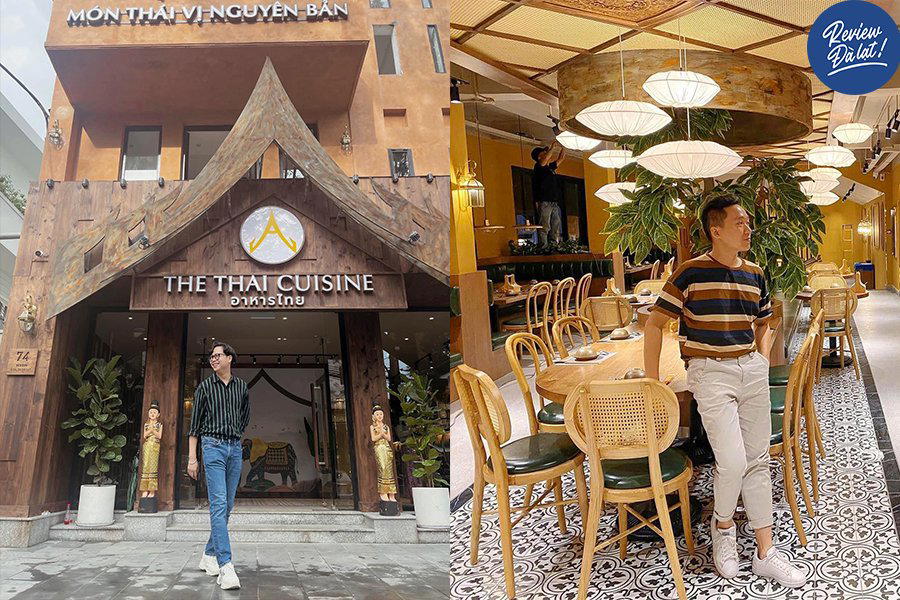
| The Thai Cuisine Đà Lạt | Authentic Thai Cuisine | $$ | Đà Lạt |
| Rainy Rhythm | :null | $$ | Phường 10 |
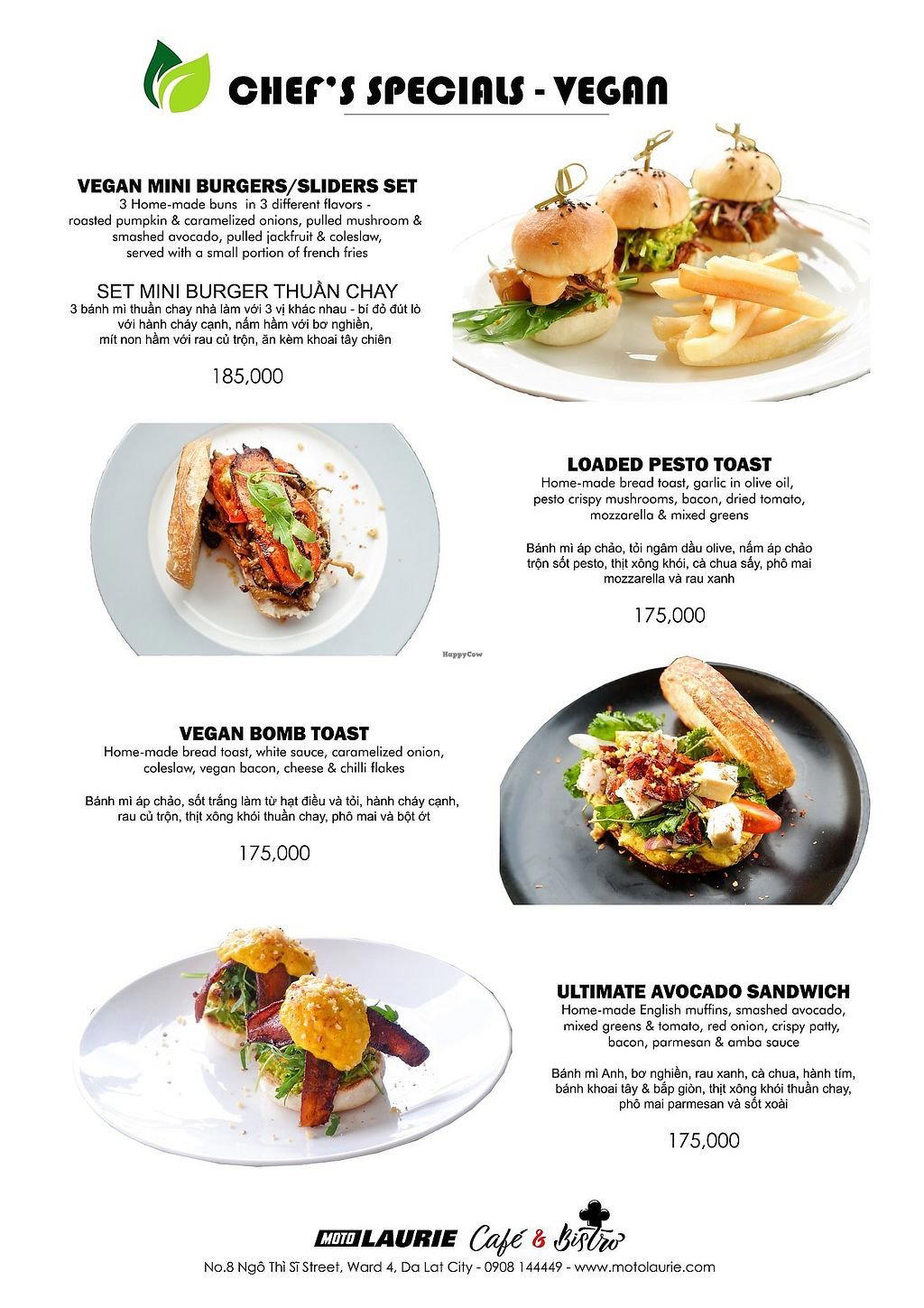
| Moto Laurie Cafe & Bistro | Western Bistro with Vegan Options | $$ | Ward 4 |
| Tiệm nướng Campi | Vietnamese Nướng Grill House | $$ | Ward 11 |
| Lee's Pizza House | Authentic Italian Pizza | $$ | Da Lat |
At a Glance
- Cozy
- Warm
- Casual Hangout
- Date Night
- Sake Program
Current opening hours
- Monday
- 10:30 AM–2 PM, 4:30–10 PM
- Tuesday
- 10:30 AM–2 PM, 4:30–10 PM
- Wednesday
- 10:30 AM–2 PM, 4:30–10 PM
- Thursday
- 10:30 AM–2 PM, 4:30–10 PM
- Friday
- 10:30 AM–2 PM, 4:30–10 PM
- Saturday
- 10:30 AM–2 PM, 4:30–10 PM
- Sunday
- 10:30 AM–2 PM, 4:30–10 PM
Hours can change for holidays and private events. Last verified .
Warm and cozy space with harmonious Japanese-style rooms creating a comfortable atmosphere.