Be Che Inside Ben Thanh Market
Inside Ben Thanh Market, one of Ho Chi Minh City's most recognisable covered markets, Be Che operates as a fixed point for Vietnamese sweet soups and desserts in a setting that has changed little while the city around it has transformed dramatically. The stall trades on the everyday ritual of che rather than novelty, placing it in a different register from the city's newer dessert venues.
Pearl is the En Primeur Club membership app — saves, bookings, and concierge access live there. Same editors, same standards.
- Address
- Ho Chi Minh City, Vietnam
- Directions
- Get directions
 Saves & bookings on Pearl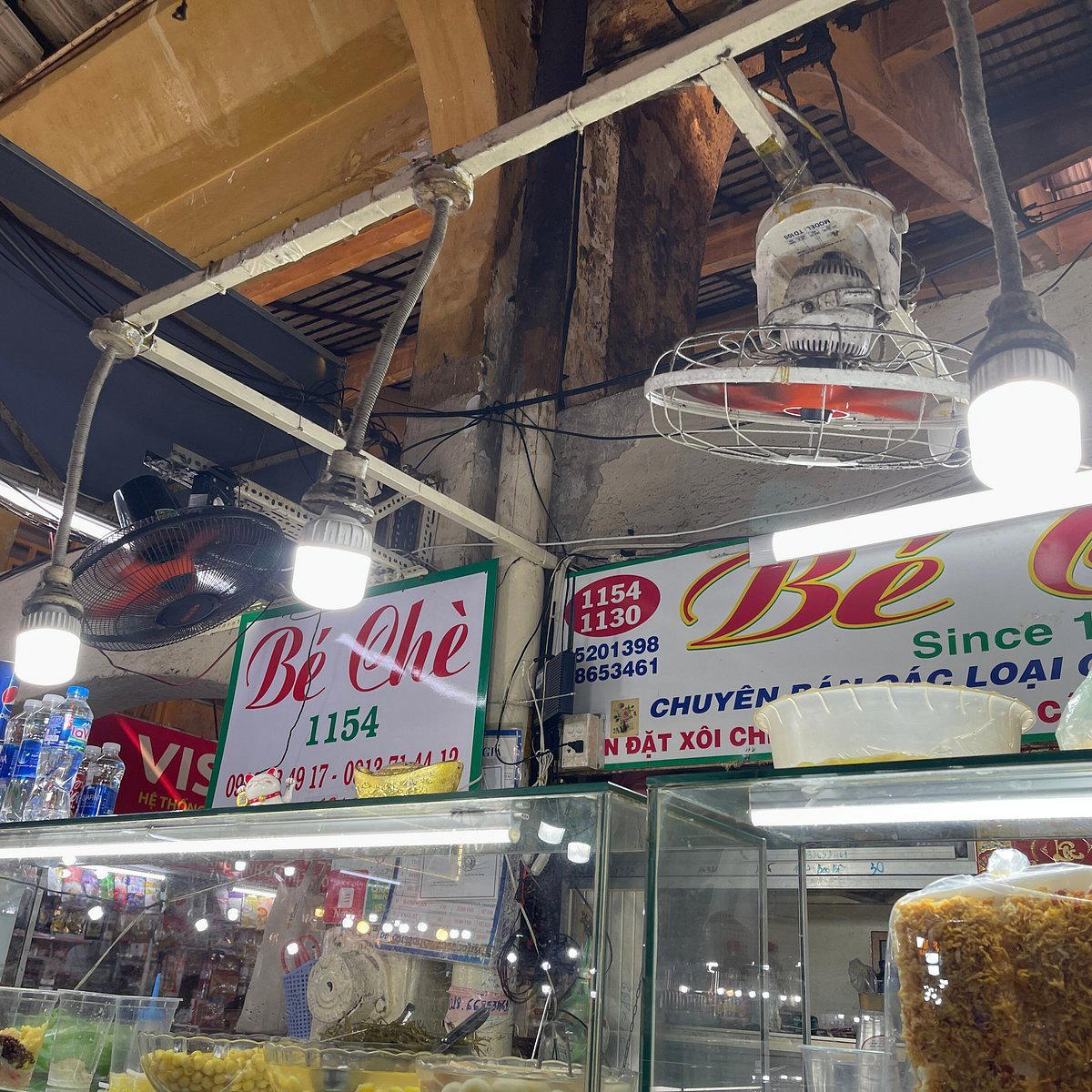
The Market as Cultural Institution
Ben Thanh Market occupies a position in Ho Chi Minh City that goes beyond commerce. Built during the French colonial period and rebuilt in its current form in 1914, the market has functioned for over a century as a condensed map of southern Vietnamese food culture: produce vendors, dry goods, fabric, and, critically, a ring of food stalls that serve the dishes most closely associated with everyday Saigonese life. Be Che sits within that food perimeter, serving che, the broad category of Vietnamese sweet soups, puddings, and layered dessert drinks. It is a low-cost market stall where a bowl typically costs about $2.
The cultural weight of che is easy to underestimate from the outside. In southern Vietnam, it is not a restaurant dessert or a formal course. It is something closer to a street-level punctuation mark on the day: consumed mid-morning, mid-afternoon, or after school, often standing or perched on a low plastic stool. The form is enormously varied. A single che vendor may offer a dozen preparations, each built from different combinations of mung bean, black-eyed pea, taro, lotus seed, coconut milk, pandan, and grass jelly, with textures ranging from silky and thin to thick and layered. Ben Thanh's tourist foot traffic has not fundamentally changed what che is; it has simply made stalls like Be Che visible to an audience that might otherwise pass it by.
Inside Ben Thanh: What to Expect
Ben Thanh Market is loud, compressed, and navigated leading with some orientation beforehand. The main entrances face different streets, and the food stalls are concentrated along the interior perimeter and in a dedicated food section rather than spread evenly through the building. Arriving in the mid-morning or mid-afternoon generally means slightly thinner crowds than the peak lunch window, and the natural light that falls through the market's upper vents makes the interior more legible than photographs usually suggest.
Be Che's format is typical of the stall model found across Vietnamese markets: a small counter, a visible display of prepared components, and service that is direct and fast. There is no menu in the Western sense. Ordering tends to work by pointing at preparations or naming the components you want combined. For visitors unfamiliar with che, this is the kind of venue where watching what others order before you step up is a legitimate strategy rather than indecision.
The pricing tier for this category of vendor sits at one accessible end of Ho Chi Minh City's food spectrum, well below the street-food mid-range represented by spots like Anan Saigon, and several steps removed from the fine-dining registers of Akuna, CieL, or Coco Dining. The transaction is casual and cash-based in practice, consistent with how market food stalls across Vietnam operate.
Che as a Southern Vietnamese Tradition
Southern Vietnamese che traditions differ from their northern and central counterparts in ways that reflect the region's agricultural abundance. The Mekong Delta's proximity to Ho Chi Minh City means coconut milk is used liberally, che sam bo luong (a cooling herbal dessert drink with longan and barley) appears alongside denser bean preparations, and the layered che ba mau, the tricolour dessert of green pandan jelly, yellow mung bean, and red kidney bean served over shaved ice with coconut milk, is as closely associated with Saigon's street culture as any single dish in the city.
This regional identity is part of what makes stalls like Be Che culturally specific rather than generic. The preparations on offer are not pan-Vietnamese or tourist-adjusted approximations. They are the actual everyday dessert register of southern Vietnam, served in the city's oldest surviving market. For context, this is the same tradition that higher-end restaurants sometimes reinterpret: Anan Saigon has built part of its reputation on exactly that kind of reframing of southern street food, but the source material that makes that reframing legible is found in places like this.
Che culture extends across Vietnam in different registers. In Hoi An, vendors like White Rose represent the central Vietnamese food tradition's own parallel street specialities. In Hanoi, the northern dessert vocabulary at spots like Gia reflects a different sensibility again. Ben Thanh's che stalls sit firmly in the southern lineage.
Ben Thanh in the Broader Ho Chi Minh City Context
Ben Thanh Market is not an undiscovered corner of the city. It appears on most standard itineraries and draws significant tourist volume, which has given parts of the market a reputation for refined prices on crafts and clothing. The food stalls generally operate closer to local price norms, partly because they serve a functional daily-meal and snack role for vendors and market workers, not just visitors.
The distance between those poles in this city is larger than in many Asian capitals, which makes understanding the tiers useful before deciding where to put your time.
Planning Your Visit
Ben Thanh Market is open daily, with the main market operating through daytime hours and a night market activating around the exterior perimeter in the evening. The che stalls inside operate during market hours. No reservation is required or possible; this is walk-in eating by nature. Payment is cash in Vietnamese dong. First-time visitors to the market benefit from entering with a clear sense of which section they want, as the interior can feel disorienting until the layout becomes familiar.
Booking and Cost Snapshot
Comparable venues nearby, for context on price, style, and recognition.
| Venue | Cuisine | Price | Notes |
|---|---|---|---|
| Be Che Inside Ben Thanh MarketThis venue — the venue you are viewing | Not listed | $ | Not listed |
| Phở Việt Nam | Not listed | $ | Quan 1, Traditional Vietnamese Phở |
| The Lunch Lady (Nguyen Thi Thanh) | Not listed | $ | Quan 1, Traditional Vietnamese Noodle Soups |
| Viet Eyeglasses - Aeon Mall Tan Phu | Tan Phu, Vietnamese Cha Ca | $$ | Not listed |
| Lunch Lady | Not listed | $ | Quan 1, Vietnamese Street Noodle Soups |
| Banh Mi Huynh Hoa | Bến Thành, Vietnamese Banh Mi | $ | Not listed |
Continue exploring
More in Ho Chi Minh City
Restaurants in Ho Chi Minh City
Browse all →
Bars in Ho Chi Minh City
Browse all →
At a Glance
- Lively
- Well Known
- Family
- Solo
- Casual Hangout
- Standalone
- Local Sourcing
- Street Scene
Bustling, informal market-stall atmosphere with a lively daytime food-court feel and a nostalgic, long-running local dessert-shop character.