
World Luxury Hotel Awards WLHA Country Winner
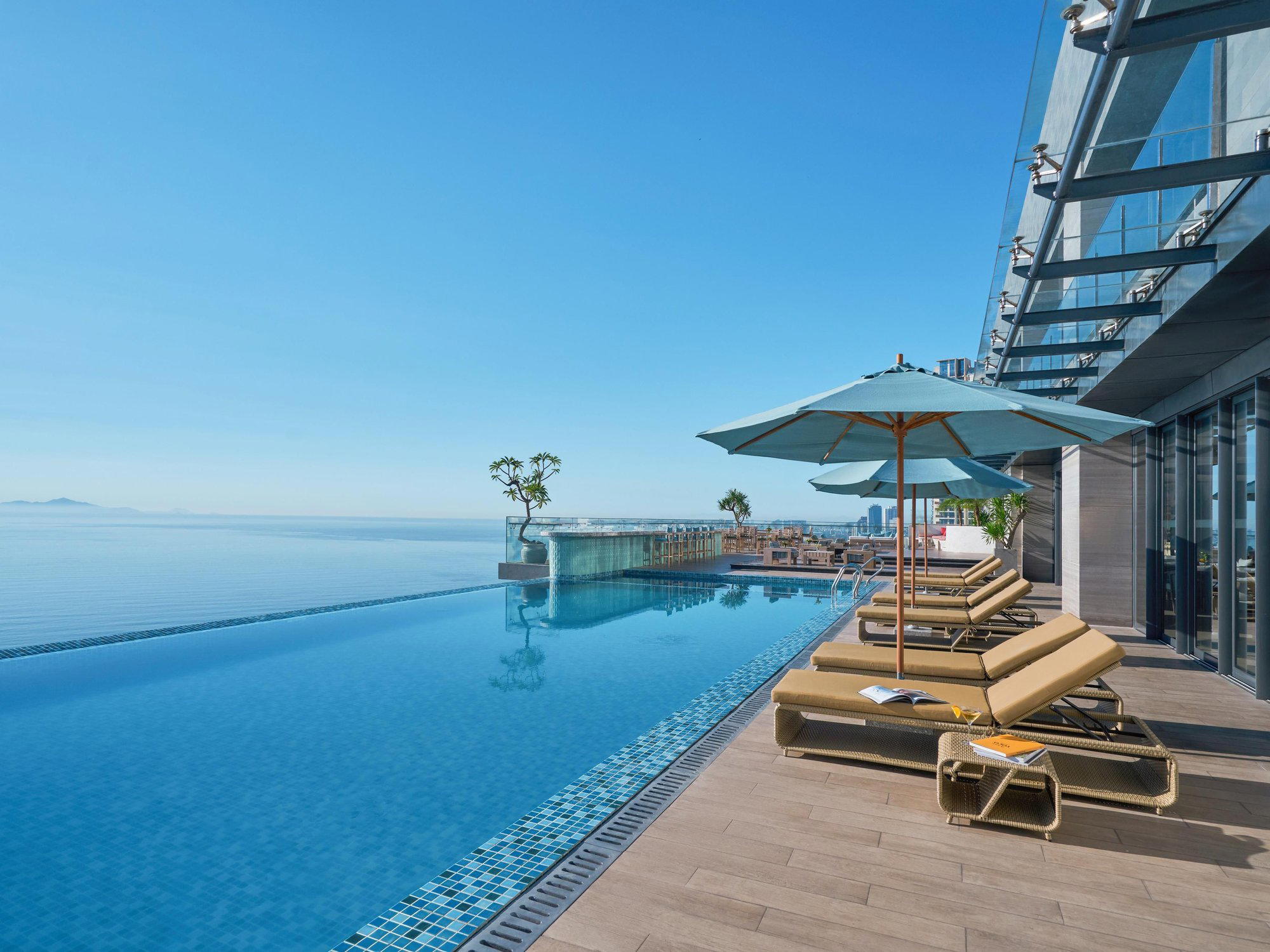
A double award-winner on the Central Vietnam coast, Langco Bay Retreat holds both Regional Winner and Country Winner status for Luxury Beach Resort, placing it among Vietnam's most recognised coastal properties. Positioned at Lăng Cô, between Hue and Da Nang along a bay framed by the Hai Van Pass, the retreat sits at a point where imperial-city history and open-water seclusion meet.

Pearl is the En Primeur Club membership app, where members save venues, book tables and use the concierge.
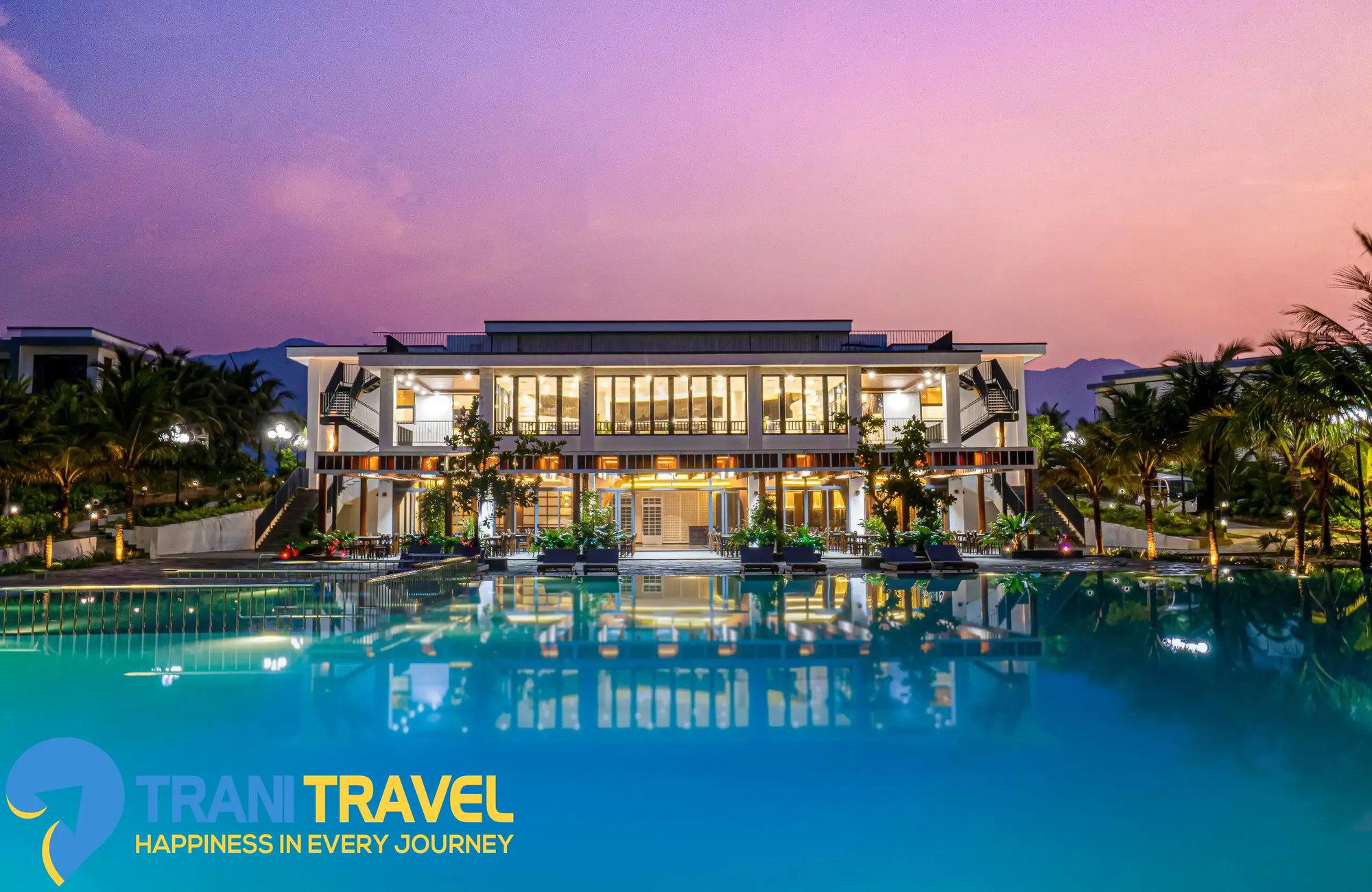
Where the Hai Van Pass Meets the Water
The Central Vietnam coastal corridor between Hue and Da Nang is one of the country's most geographically dramatic stretches. The Hai Van Pass drops sharply toward the sea, and Lăng Cô Bay opens out beneath it: a long arc of shallow water backed by a thin strip of land, with the Truong Son mountain range as a constant presence to the west. Properties along this bay operate in a very different register from the urban luxury hotels of Hanoi or Ho Chi Minh City. The distance from city infrastructure is part of the point.
For context on what that peer-set comparison means in Vietnam: the country's premium coastal resort tier includes properties such as Amanoi in Vinh Hy, Anantara Quy Nhon Villas in Quy Nhon, and Amiana Resort Nha Trang. These are properties where awards recognition signals something specific: a measurable distance from volume beach tourism, and a programme calibrated for guests who are choosing between a small number of seriously considered options. Langco Bay Retreat's dual-award standing places it in that conversation.
The Lăng Cô Position
Lăng Cô itself has a particular status in Vietnamese coastal geography that is worth understanding before arriving. It is not a developed resort town in the way that Mui Ne or Nha Trang are. The bay is relatively protected, the water calm, and the surrounding landscape largely undisturbed. The peninsula position, with lagoon on one side and open sea on the other, creates a microclimate and a visual horizon that more accessible beaches cannot replicate. For travellers routing between the imperial city of Hue and the UNESCO trading port of Hoi An, Lăng Cô sits almost exactly at the midpoint, and the case for a stay here rather than a day-trip detour is precisely the one that properties like Langco Bay Retreat are designed to make.
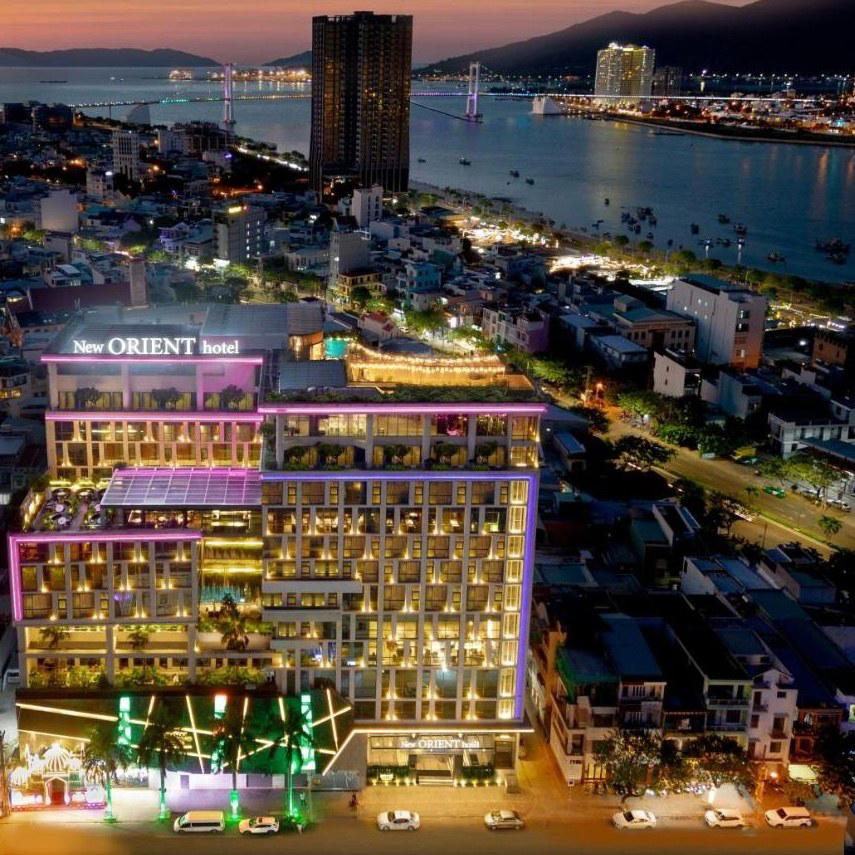
Hue itself warrants separate attention as a base. The city's imperial heritage, the Nguyen Dynasty citadel, the royal tombs strung along the Perfume River, the temple architecture that survived twentieth-century conflict in varying degrees, gives it a cultural weight that distinguishes it from most other Vietnamese destinations. Dining in Hue carries the same distinction: the royal court tradition produced a cuisine of small, precise dishes that bear little resemblance to the street-food registers most associated with Vietnamese cooking internationally. Travellers staying at properties near Hue, whether at the retreat or at city alternatives such as Azerai La Residence, Hue, Indochine Palace, or SILK PATH GRAND HUE HOTEL & SPA, are engaging with one of Vietnam's most layered culinary and historical environments. Our full Hue City restaurants guide covers that ground in detail.
The Dining Programme at a Coastal Retreat of This Calibre
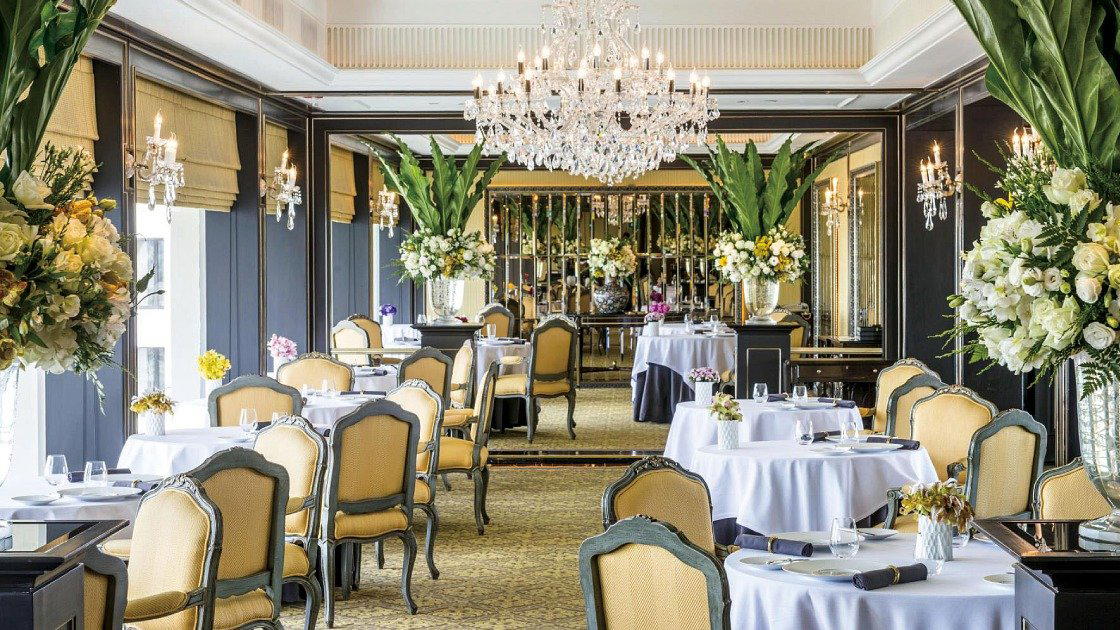
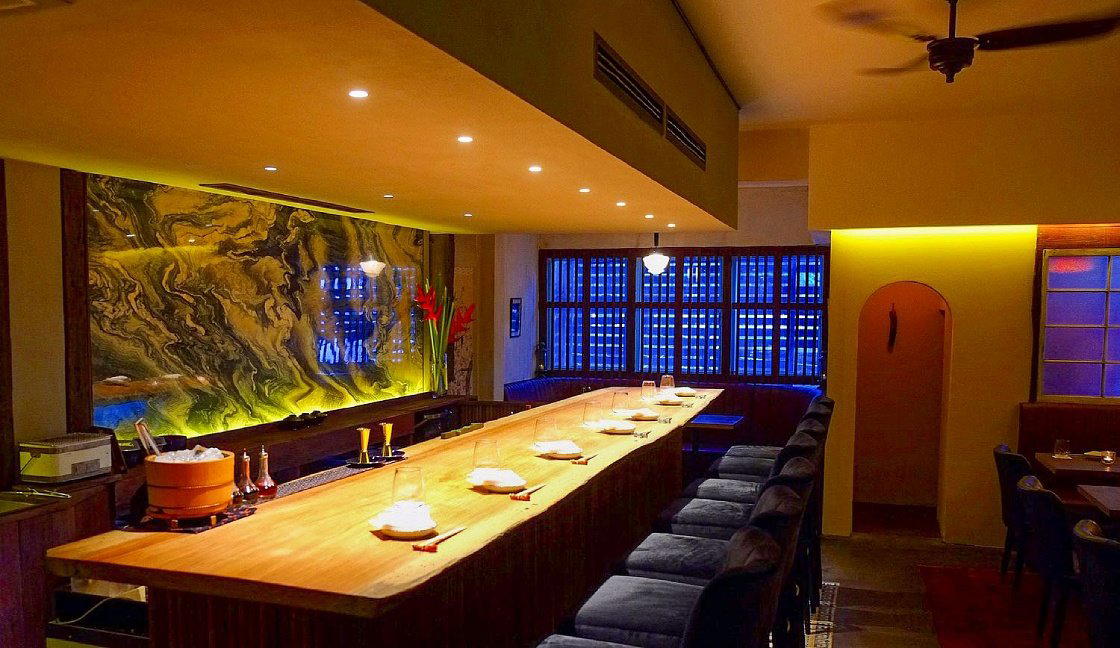
At properties in this award tier, the food and beverage programme is not a secondary consideration. Vietnam's premium resort category has developed a clear expectation: guests arriving from international origin points or from Vietnam's major cities will have eaten well elsewhere, and the resort dining programme needs to hold its own against that reference point. The most successful properties in this tier resolve the tension between local sourcing and international polish without erasing either. Central Vietnam gives any kitchen here a serious starting point: seafood from the bay itself, produce from the Da Lat highlands, and a regional culinary tradition in Hue royal cuisine that is, by any measure, one of the most sophisticated in Southeast Asia.
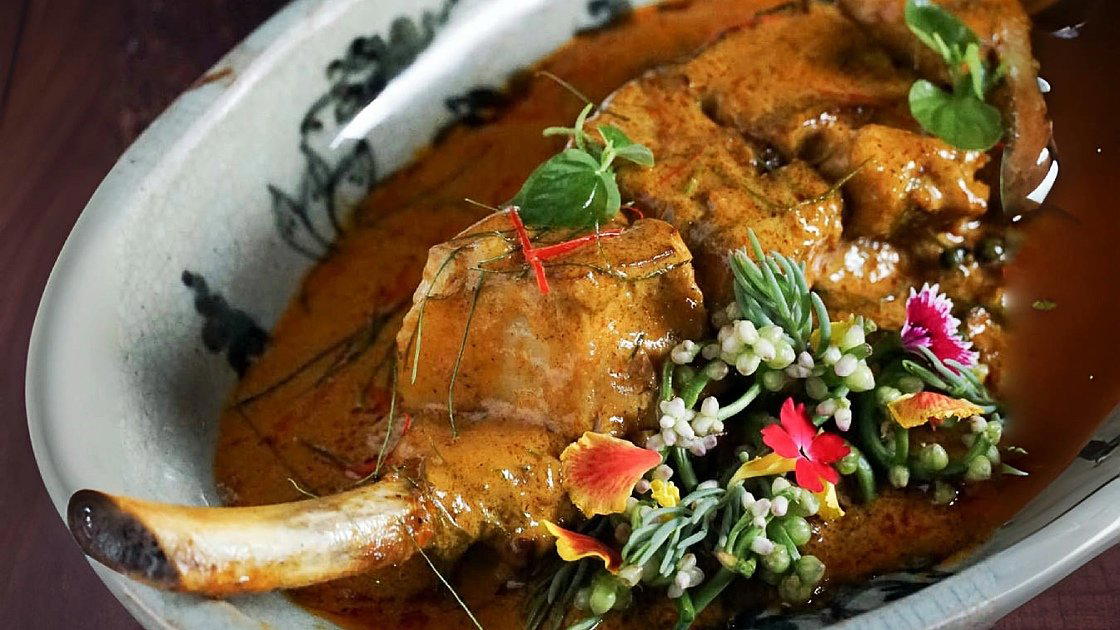
How a resort positions its dining within that context matters. The premium coastal resorts that hold their own over time tend to be the ones that anchor at least one outlet firmly in local culinary tradition rather than defaulting entirely to international comfort menus. The regional specificity of Hue-style cooking, the small, ornate dishes, the balance of fermented and fresh, the colour and the ceremony, is not just cultural texture. It is a genuine differentiator for guests who have already eaten through the standard luxury hotel repertoire in Ho Chi Minh City or Hanoi.
Comparable properties across the region that have handled this well include Four Seasons Resort The Nam Hai, Hoi An, whose dining programme engages directly with Hoi An's Central Vietnamese food traditions, and Almanity Hoi An Wellness Resort, which integrates local ingredients into its wellness-oriented food offer. The Banyan Tree Lăng Cô occupies the same bay and provides the most direct peer comparison for Langco Bay Retreat, both sit within the same bay geography and are positioned toward the premium end of the Central Vietnam coastal market.
The Central Vietnam Coastal Tier
Understanding where Langco Bay Retreat sits in the broader Vietnamese resort market requires a brief map of that market. Vietnam's premium coastal offer has expanded considerably in the past decade, with new inventory in Phu Quoc, Quy Nhon, and Cam Pha supplementing the established corridors around Da Nang, Hoi An, and Nha Trang. Properties now distinguished by awards recognition include InterContinental Phu Quoc Long Beach Resort, Hilton Quang Hanh Onsen Resort in Cam Pha, Asteria Mui Ne Resort in Phan Thiet, and Ixora Ho Tram by Fusion. Within that expanded field, properties in the Lăng Cô corridor retain a geographic advantage: the bay is quieter than Da Nang's developed coastline, less exposed than the open beaches of the south, and closer to Hue's cultural infrastructure than any equivalent coastal option.
For travellers considering the Central Vietnam coastal tier against other regions or countries, the frame shifts further. International luxury coastal properties such as Aman Venice or Aman New York operate in entirely different urban registers, while mountain resort alternatives such as Hotel de la Coupole - MGallery in Sapa or heritage properties like DALAT PALACE HERITAGE HOTEL serve a different trip structure entirely. The Lăng Cô retreat format is specific: a self-contained bay property with access to both imperial-city culture and open water, in a country where that combination remains genuinely rare.
Planning a Stay
The most practical routing for Langco Bay Retreat places it within a Central Vietnam itinerary that uses either Da Nang or Phu Bai (Hue) airports as entry points. Da Nang handles the most international traffic and sits roughly equidistant between the retreat and Hoi An, making it the more flexible option for multi-stop travellers. The Hai Van Pass road between Da Nang and Hue, which the retreat sits along, is the kind of transfer that rewards a private vehicle over a shared shuttle: the coastal views descending from the pass toward the bay constitute a genuine arrival experience rather than a logistical inconvenience. For travellers who want to combine a beach retreat with Hue's cultural sites, the drive to the citadel and the royal tombs along the Perfume River runs under an hour from the Lăng Cô peninsula in normal conditions. Vietnam's peak coastal season runs broadly from February through August in this region, with the wet season from September through January bringing heavier rainfall and reduced water visibility, though the bay's protected position moderates conditions relative to more exposed coastlines.
Price and Positioning
Comparable venues nearby, for context on price, style, and recognition.
| Venue | Price | Awards | Notes |
|---|---|---|---|
| LANGCO BAY RETREATThis venue (the venue you are viewing) | $1–100 | World Luxury Hotel Awards WLHA Country Winner | Not listed |
| Ancient Hue Garden Houses | Not listed | Not listed | Kim Long, Restored imperial garden houses and French colonial villas blending Nguyen Dynasty and Indochine heritage. |
| Indochine Palace | Not listed | World Luxury Hotel Awards WLHA Continent Winner | Hue City Centre, Indochine opulence in a noble house style with lush gardens |
| SILK PATH GRAND HUE HOTEL & SPA | Not listed | World Luxury Hotel Awards WLHA Continent Winner | central Hue, Imperial-inspired luxury resort in urban setting |
| Azerai La Residence, Hue | Not listed | Michelin Selected | French Quarter, Restored colonial Art Deco mansion with contemporary wings in lush gardens |
| Ville De Mont Mountain Resort | Not listed | Michelin Guide New Hotels New Hotel · Michelin Selected | TT. Sa Pa, Mountain villas blending French colonial and Hmong rustic architecture |
Recognition history
Dated appearances from independent guides and award organizations, with the underlying list record or original source where available.
World Luxury Hotel Awards WLHA Country Winner
World Luxury Hotel Awards
Full recognition history (2 entries)
World Luxury Hotel Awards WLHA Regional Winner
World Luxury Hotel Awards
Continue exploring
More in Hue
Hotels in Hue
All hotels in Hue →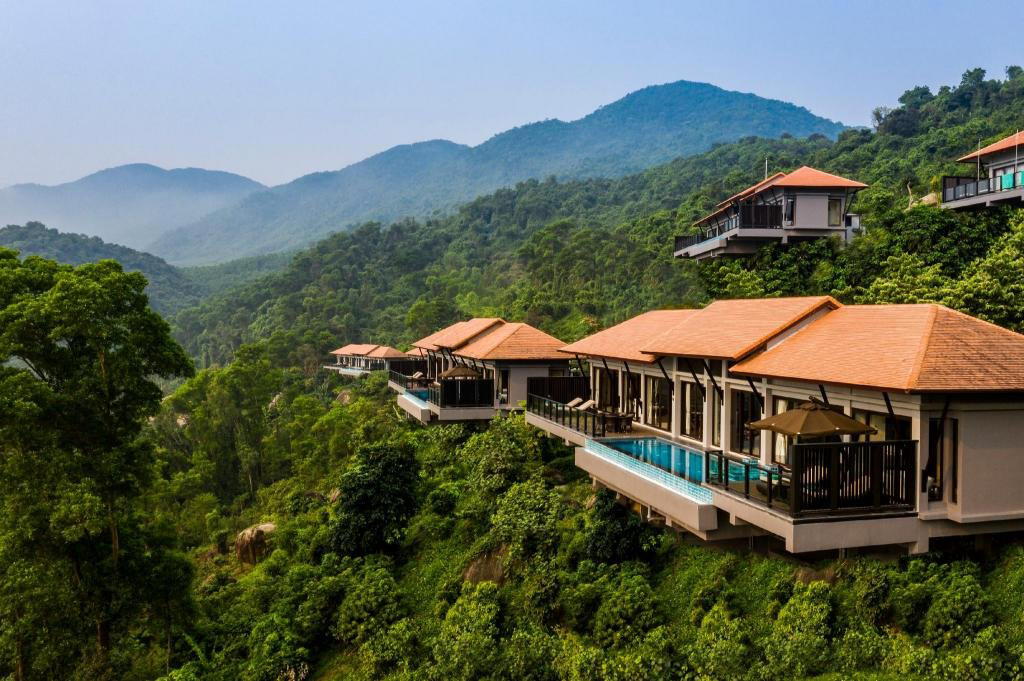
Details
- Quiet
- Scenic
- Elegant
- Sophisticated
- Romantic
- Family Vacation
- Romantic Getaway
- Wellness Retreat
- Anniversary
- Group Retreat
- Destination Wedding
- Beachfront
- Private Villa
- Destination Spa
- Waterfront
- Garden
- Panoramic View
- Private Dining
- Wi Fi
- Pool
- Spa
- Fitness Center
- Room Service
- Concierge
- Business Center
- Parking
- Valet Parking
- Airport Shuttle
- Beach Access
- Kids Club
- Restaurant
- Waterfront
- Mountain
- Garden
- Wheelchair Accessible
- Accessible Parking
- Step Free Entrance
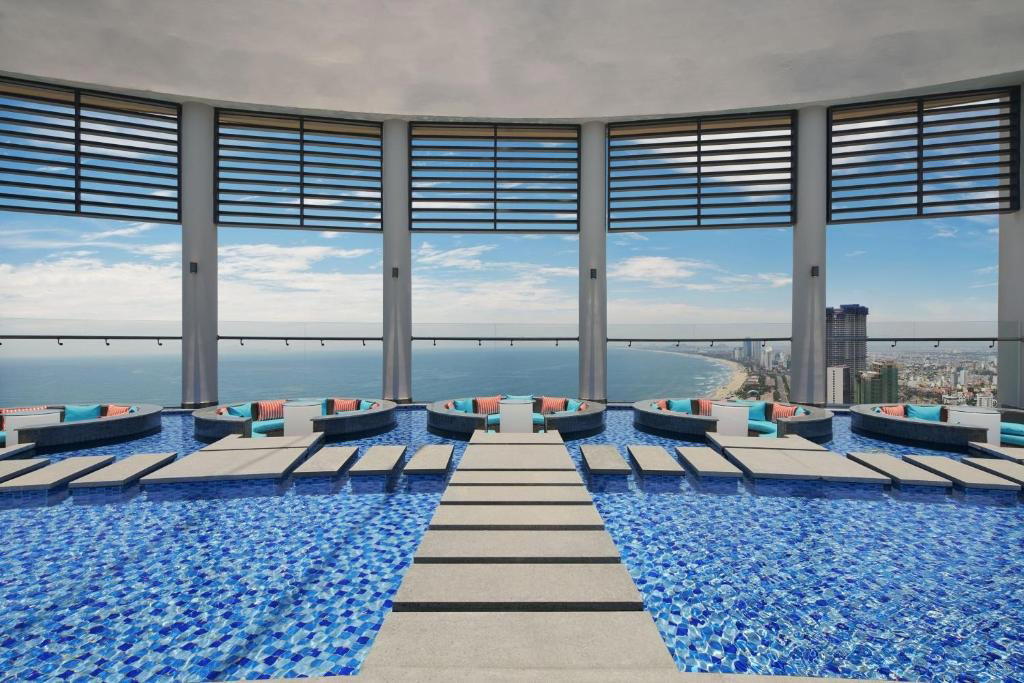
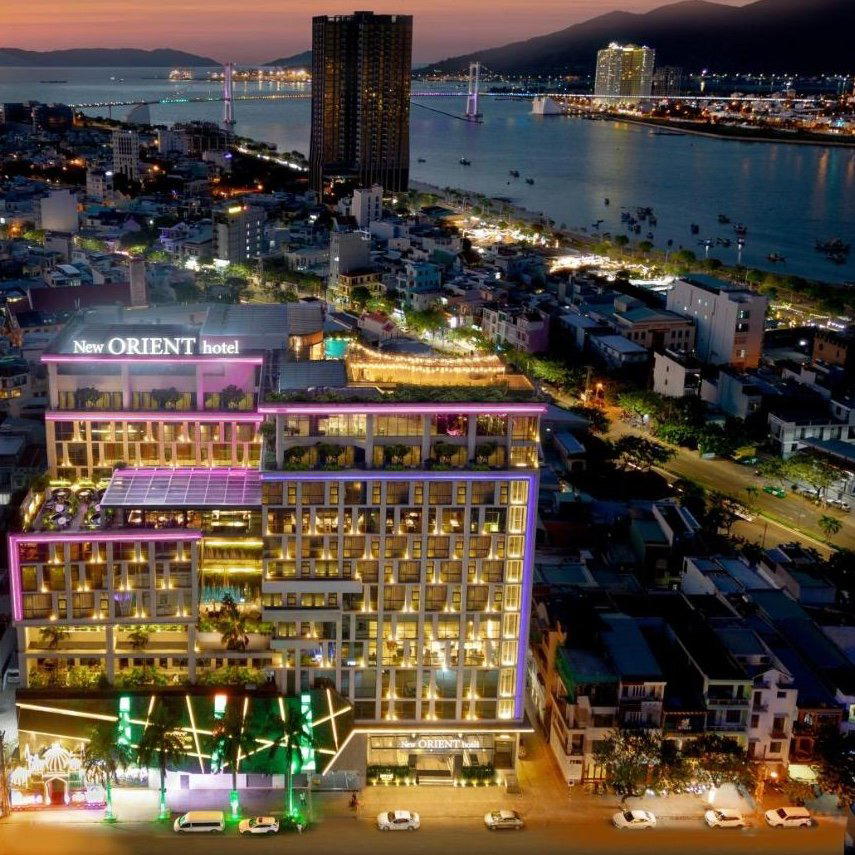
Serene and refined, with a calm resort atmosphere shaped by beachfront, mountain, and bay scenery; reviews and site copy emphasize spacious villas, private pools, and a peaceful setting.