On Phan Châu Trinh, one of Hải Châu district's most food-dense streets, Banh Mi Ba Lan represents the kind of focused, single-format operation that defines Da Nang's street-level dining culture. Where the city's higher-end addresses pursue French-Vietnamese fusion or seafood spectacle, this address stays in the lane that made Vietnamese street food worth writing about: the bánh mì, executed with discipline and served fast. A reference point for the format in a city that takes its sandwiches seriously.
Pearl is the En Primeur Club membership app — saves, bookings, and concierge access live there. Same editors, same standards.
- Address
- 48 Phan Châu Trinh, Hải Châu, Đà Nẵng 550000, Vietnam
- Directions
- Get directions
 Saves & bookings on Pearl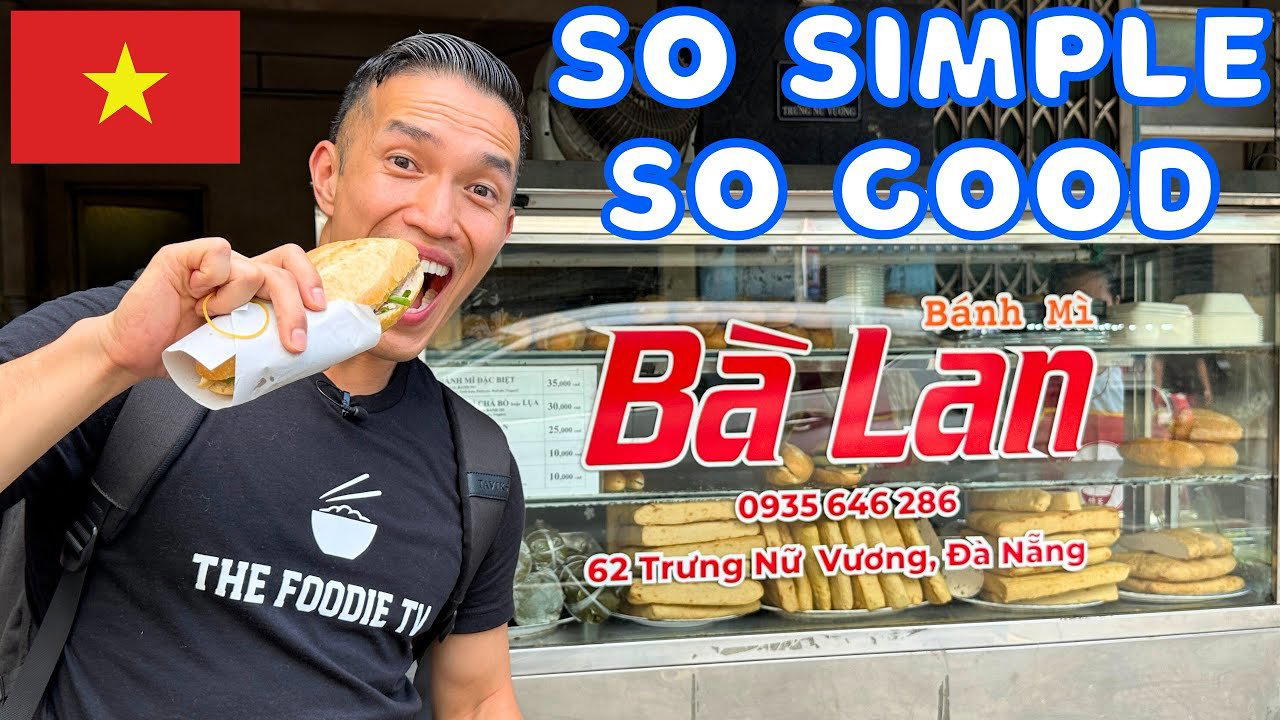
Phan Châu Trinh and the Street That Feeds Da Nang
There is a particular kind of street in every Vietnamese city where the food operates at a frequency most restaurants cannot match. Phan Châu Trinh in Hải Châu district is one of those streets in Da Nang: a central corridor where the footpath economy runs from early morning into the afternoon, and where the gap between a 30,000-dong meal and a genuinely considered one is smaller than anywhere else in the city. Banh Mi Ba Lan sits at number 48, which places it squarely in the commercial and civic heart of the district, walkable from Da Nang's main administrative quarter and from the Han River waterfront that anchors the city's geography.
The street context matters here more than it would for, say, a hotel restaurant or a tasting-menu counter. Bánh mì is a format that lives or dies by its surroundings: the competition is immediate and visible, the customer is usually in motion, and loyalty is built through repetition rather than occasion dining. A bánh mì stall or shophouse on a street like Phan Châu Trinh is competing with every other bánh mì within a five-minute walk, and the filtering mechanism is brutal. Longevity on a street like this is itself a credential.
The Format and What It Demands
Bánh mì as a category sits at one of the more interesting intersections in Vietnamese food history. The baguette arrived with French colonial infrastructure in the nineteenth century, was absorbed into local food culture, and was progressively transformed until the Vietnamese version bore only structural resemblance to its origin. The bread is lighter, more shatteringly crisp, with less of the dense crumb that characterises French boulangerie. The fillings drew from Vietnamese pantry logic: pork preparations, fresh herbs, pickled daikon and carrot, chilli, and pâté in the classic assemblage.
What this means in practice is that the bánh mì is one of the few dishes in Vietnamese street food where the bread itself is a performance variable. A shophouse that controls its own baking or sources from a consistent local bakery is operating with a structural advantage over one that relies on inconsistent supply. The ratio of filling to bread, the freshness of the herbs, and the balance between the fat of the pâté or meat and the acidity of the pickles are the technical variables on which the format turns. In a city with as many options as Da Nang, these details are what separate a version people return to from one they forget.
Da Nang's bánh mì scene sits between the southern dominance of Ho Chi Minh City, where the format is almost maximalist in its filling combinations, and the leaner, herb-forward versions common in central Vietnam. The city's own preference tends toward the middle: generous but not overloaded, with the pickled vegetables doing real work rather than acting as garnish. For context on how Da Nang's broader street food culture positions itself, our full Da Nang restaurants guide maps the city's dining tiers from street level to fine dining.
Where Banh Mi Ba Lan Sits in the City's Food Hierarchy
Da Nang's restaurant spectrum in 2024 runs from hawker-price street food at the ₫ tier all the way to French Contemporary at La Maison 1888, where price points and service formality operate in a different register entirely. Banh Mi Ba Lan belongs to the street-food end of that spectrum, in the same price bracket as addresses like Bà Diệu and the noodle specialists on nearby streets.
That positioning is not a limitation. The ₫ tier in Da Nang covers some of the city's most technically precise cooking, precisely because the format constraints force clarity. There is nowhere to hide in a bánh mì: the bread, the filling, the condiments, and the assembly are all visible and immediate. Compare this to a multi-course setting where a weak element can be buffered by the sequence around it. The single-item street format is, in this sense, a more demanding test of consistency than a full menu.
The Hải Châu addresses that do Vietnamese-format cooking well tend to cluster around a few streets where the foot traffic and the supplier networks converge. Ba Be handles the steamed rice cake formats that represent a different strand of central Vietnamese street food, while Bà Diệu on Tran Tong Street and Bà Đông anchor the noodle category. Banh Mi Ba Lan operates in a different lane within the same street-food tier, serving a format that has broader cross-demographic appeal than the more regionally specific preparations.
For travellers moving between Vietnamese cities, the comparison points matter. Akuna in Ho Chi Minh City and Gia in Hanoi represent the higher end of the Vietnamese dining conversation nationally; Banh Mi Ba Lan operates in a category where the reference frame is local and immediate rather than national. That is appropriate to the format. Bánh mì is not a dish that scales up to tasting-menu logic. It belongs to the street, and the street is where it should be judged.
Planning a Visit
Banh Mi Ba Lan is located at 48 Phan Châu Trinh in Hải Châu, Da Nang's central district, which makes it accessible on foot from the main hotel corridor along the Han River. Phan Châu Trinh runs east-west through the district and is direct to reach by grab-bike from most central accommodation. Street-food operations in this part of Da Nang typically run through morning into early afternoon, with supply often running out before a Western-format lunch service would conclude; arriving before midday is the practical approach. Phone and website details are not publicly listed, which is standard for addresses at this format level. No reservation is needed or possible.
How Banh Mi Ba Lan Da Nang: Hours & Planning Guide compares with similar nearby venues.
| Venue | Cuisine | Price |
|---|---|---|
| Bún Bò Huế Bà Thương | Noodles | ₫ |
| Mỳ Quảng Sứa Hồng Vân | Street Food | ₫ |
| Bếp Hên | Vietnamese | ₫ |
At a Glance
- Rustic
- Casual Hangout
- Standalone
Current opening hours
- Monday
- 3–10:30 PM
- Tuesday
- 3–10:30 PM
- Wednesday
- 3–10:30 PM
- Thursday
- 3–10:30 PM
- Friday
- 3–10:30 PM
- Saturday
- 3–10:30 PM
- Sunday
- 3–10:30 PM
Hours can change for holidays and private events. Last verified .
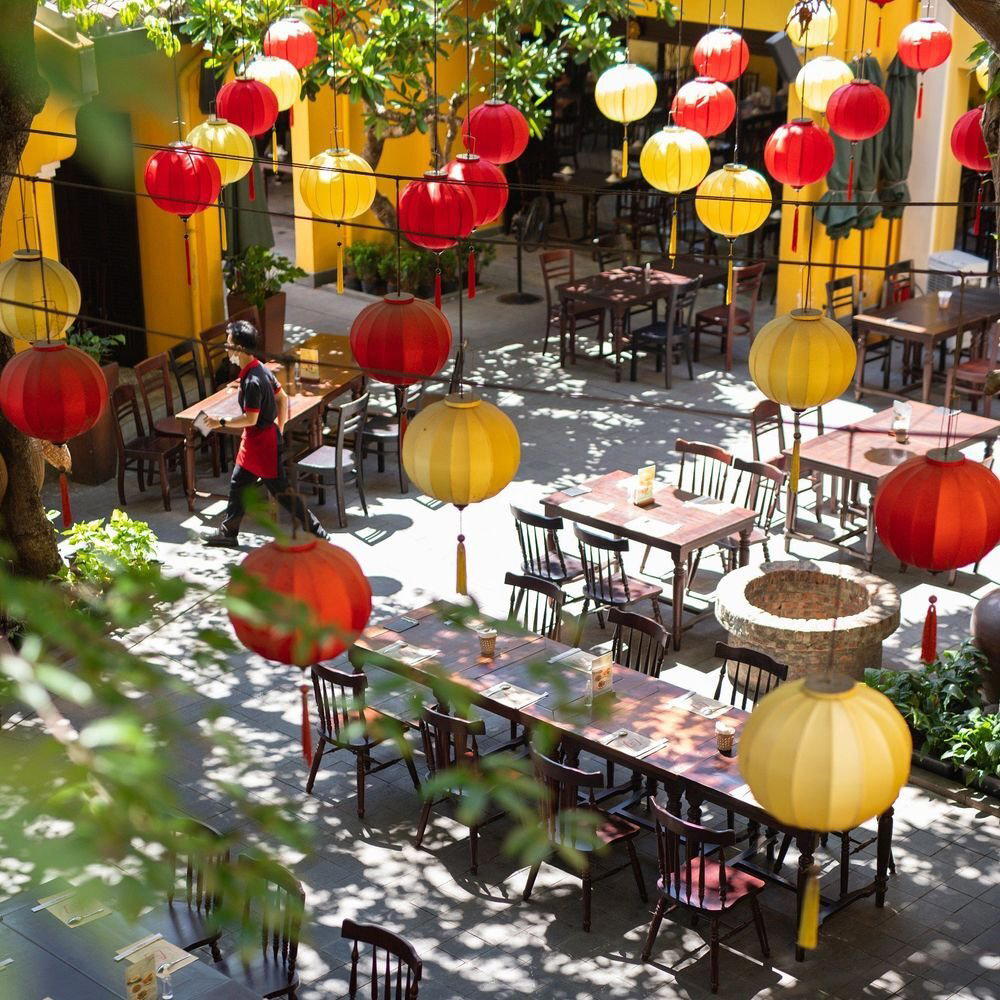
Casual street stall atmosphere with local crowds and busy service.
Know Before You Go
- Getting there
- 48 Phan Châu Trinh, Hải Châu, Đà Nẵng 550000, Vietnam