
Our verdict
Phed Mark sits inside Bangkok's broader wave of Thai restaurants reclaiming the full heat and complexity that older fine-dining formats tended to soften. The name itself signals intent: in Thai, it reads as a marker of serious spice. Understanding where it fits in a city now producing some of Southeast Asia's most closely watched cooking requires looking at the wider scene it operates within.

Pearl is the En Primeur Club membership app, where members save venues, book tables and use the concierge.

The menu
What to order
- Wagyu Pad Krapao
- Phed Maak Pad Krapao
Bangkok's Heat-Forward Dining Scene and Where Phed Mark Sits
Bangkok has spent the better part of a decade building a fine-dining infrastructure that the wider world now pays attention to. The city's highest-profile restaurants Sorn (Southern Thai), Baan Tepa (Thai contemporary), and peers like Gaa (Modern Indian) and Sühring (German), represent different answers to the same question: what does serious cooking look like in a city where street food already sets a high technical baseline? Phed Mark approaches that question from the angle of heat and regional Thai authenticity rather than Western-influenced tasting menus or fusion frameworks.
The name itself functions as a signal. In Thai vernacular, "phed mark" translates roughly to "very spicy", a declaration of intent that positions the restaurant differently from the softened, international-palate-friendly versions of Thai food that dominated the city's mid-market dining rooms a generation ago. In a dining environment where Michelin-starred addresses like Sorn have made a case for Southern Thai cuisine's complexity at the highest tier of recognition, a name like Phed Mark reads as an alignment with that reassertion of Thai cooking on its own terms.
The Physical Environment: Entering Phed Mark
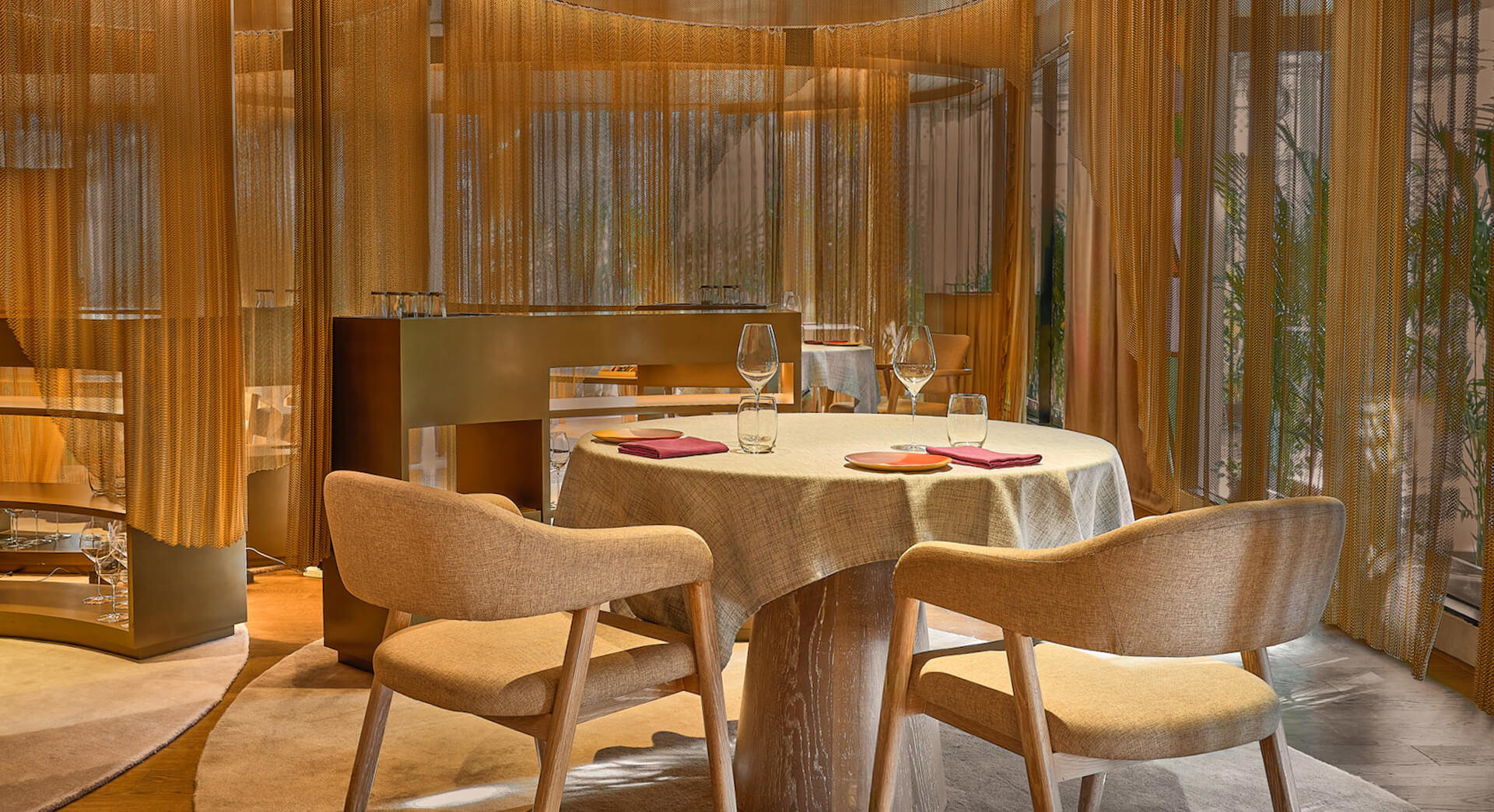
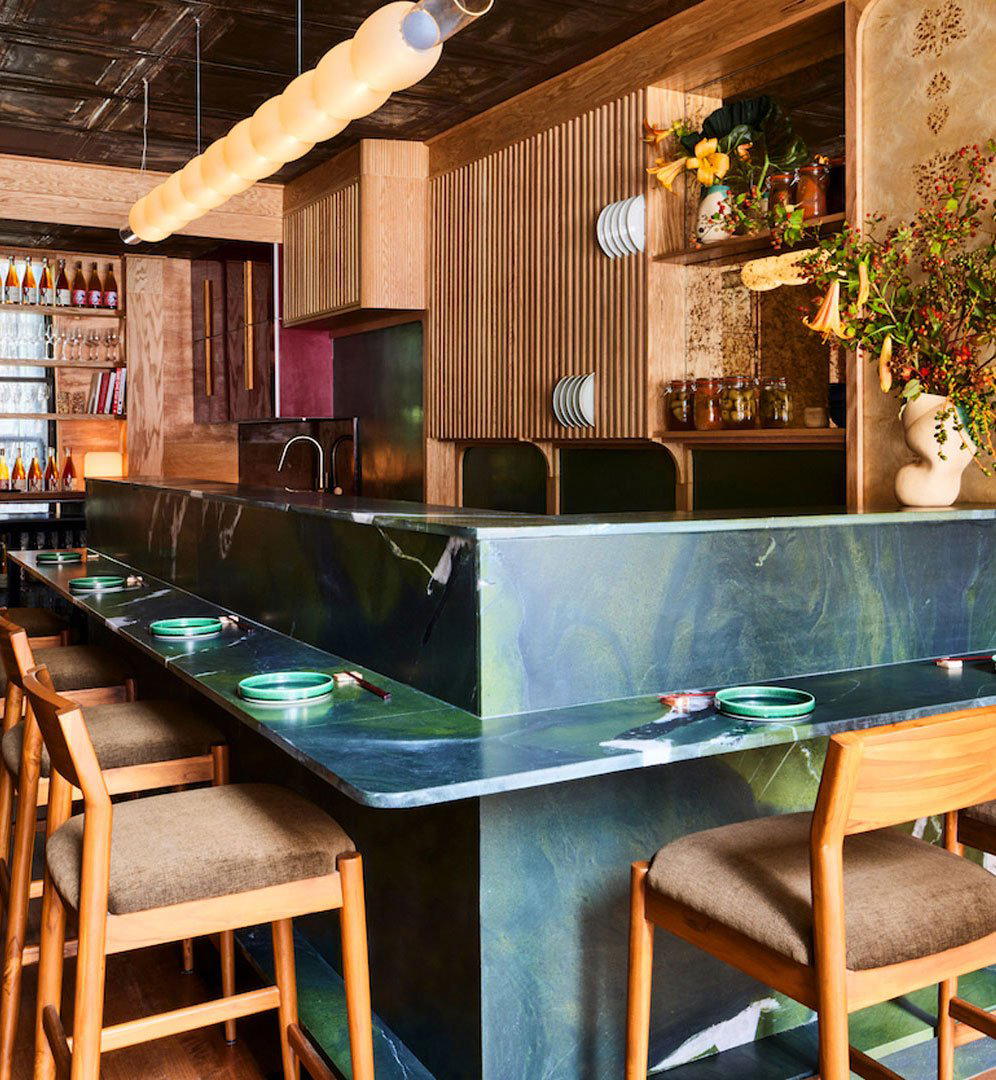
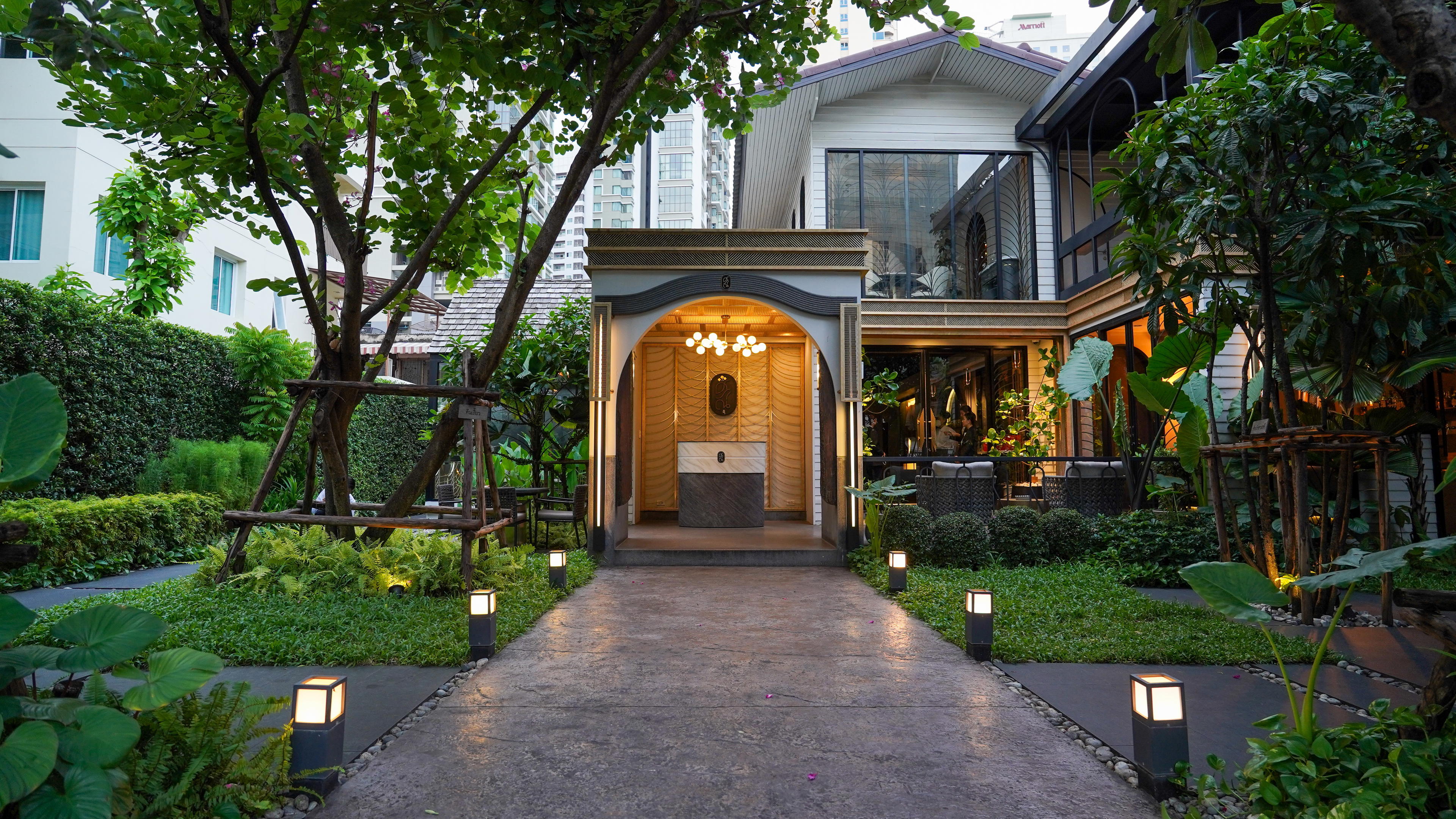
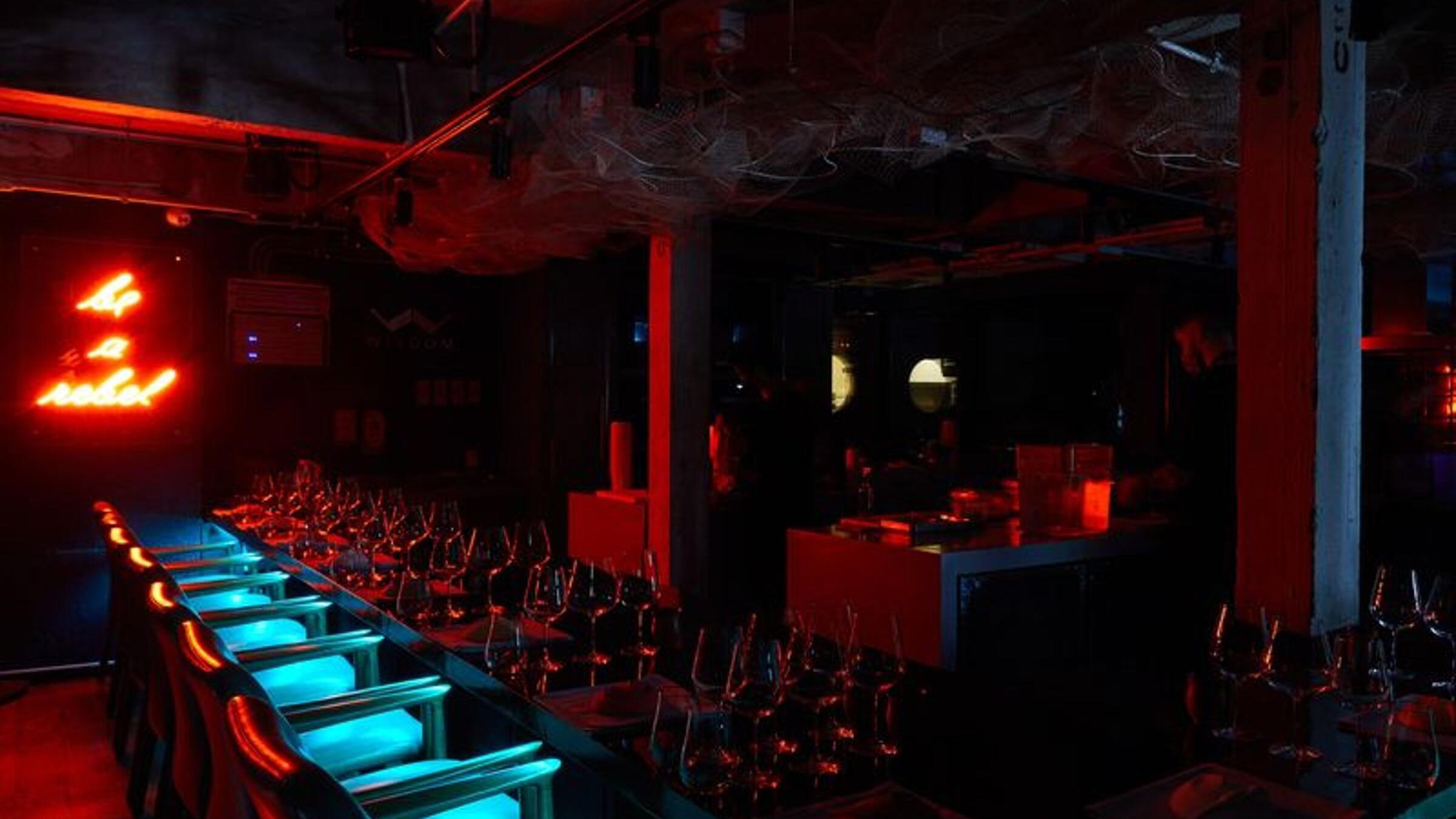
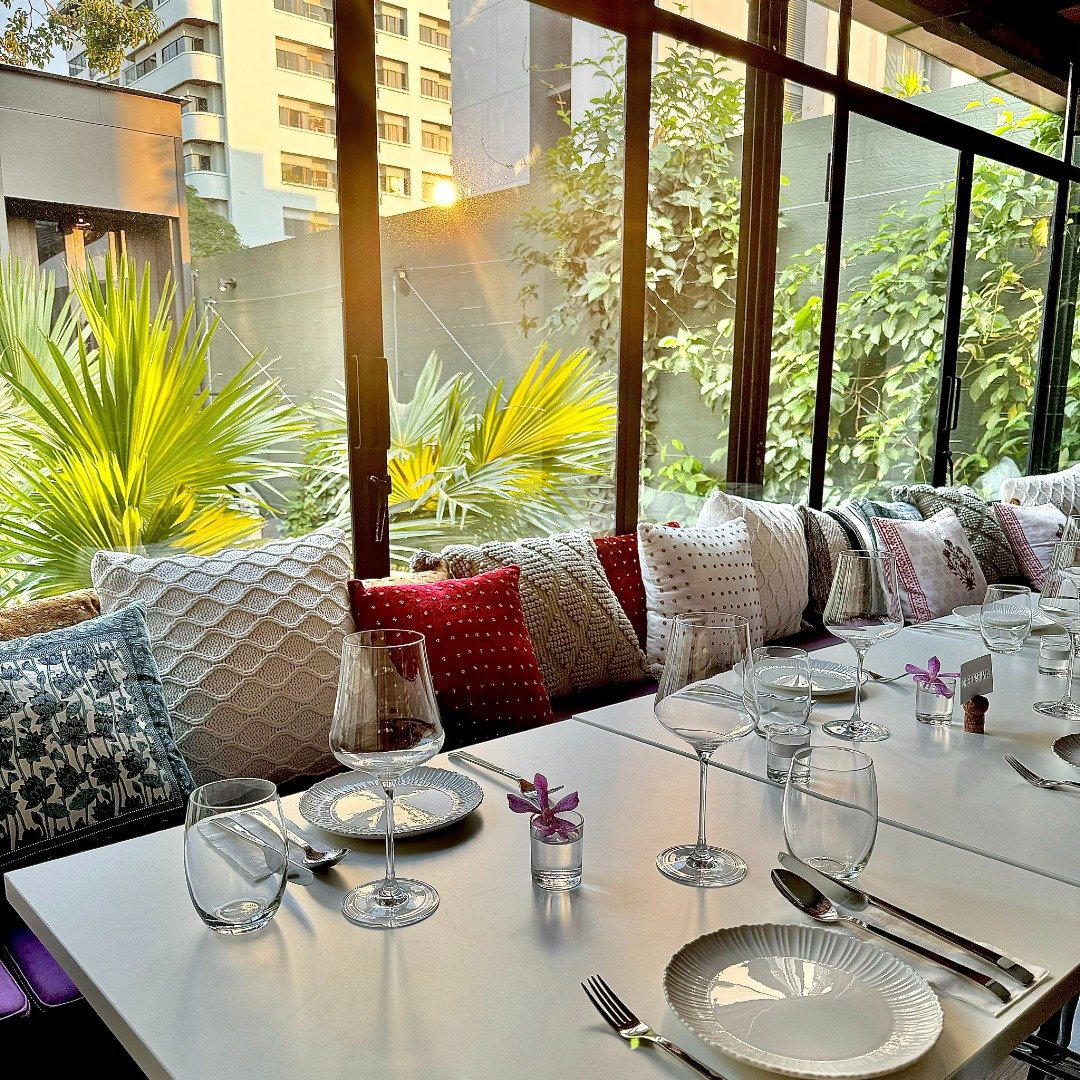
Bangkok's restaurant openings over the past several years have split between two dominant formats: sprawling multi-room venues that play to the city's appetite for spectacle, and tighter, more considered spaces where the room itself communicates restraint. The latter tend to concentrate attention on what arrives at the table rather than on the architecture surrounding it. Phed Mark operates within this second current, a space where proximity to the kitchen's output is the primary atmospheric variable, and where the ambient heat of serious Thai cooking, both literal and figurative, becomes part of the dining experience rather than something to be engineered away.
Thai cooking at its most honest is a coordination exercise between fire, ferment, and seasoning, a balance that communicates differently when the room is small enough for the kitchen's work to be perceptible. That directness is increasingly what distinguishes Bangkok's most serious Thai tables from international peers working in similarly ambitious registers, places as far removed as Le Bernardin in New York City or Atomix in New York City, where the food-to-room relationship is mediated by a very different set of cultural assumptions.
The Team Dynamic: Coordination as the Core Discipline
At the sharper end of Bangkok's restaurant market, the leading performances tend to be ensemble efforts. The team dynamic at a serious Thai restaurant involves a different set of pressures than those at European fine-dining equivalents. Where a classical French kitchen leans on a brigade hierarchy with clearly delineated stations, a Thai kitchen working at a high level requires fluency across aromatic variables, paste preparation, wok control, fermentation timing, that resist the kind of clean compartmentalization a Western brigade model assumes.
Front-of-house at this tier does more than guide diners through a menu. In Bangkok restaurants committed to regional Thai cooking, the floor team often functions as translators between a kitchen working in a specific regional vocabulary, the funky depth of Southern fish pastes, the layered sourness of fermented ingredients, the specific heat profiles of different chilli varieties, and a dining room that may include international guests encountering these flavours for the first time. The coordination between kitchen and floor in this context is where the dining experience is either made coherent or lost.
Beverage programs at serious Thai tables have evolved to meet this challenge. The older assumption, that spicy food and formal wine service don't intersect cleanly, has been dismantled by a generation of Bangkok sommeliers and drinks leads who have built programs around high-acid whites, skin-contact wines, and craft spirits that engage with heat rather than retreating from it.
Placing Phed Mark in Bangkok's Thai Dining Hierarchy
Bangkok's Thai restaurant market has stratified sharply. At the leading, Michelin-starred addresses like Sorn and Baan Tepa operate at the ฿฿฿฿ price point, with booking windows that can extend several weeks and menus that treat regional sourcing and heritage ingredients as primary editorial material. Below that tier, a mid-market of technically serious but less formally structured restaurants has expanded considerably, places where the cooking is anchored in specific regional traditions without the full choreography of a tasting-menu format.
Phed Mark sits in this conversation. The name's directness suggests a kitchen less interested in softening its reference points for an international crowd and more focused on the kind of cooking that Bangkok residents who grew up eating serious Thai food will recognise as honest. That positioning is increasingly viable commercially in a city where food-literate locals have become the primary audience for ambitious Thai restaurants, rather than the tourist or expat market that once shaped menus toward familiarity.
For context on how this plays out across Thailand more broadly, the same reassertion of regional specificity is visible at AKKEE in Pak Kret, at PRU in Phuket, and in the more vernacular registers of Cherng Doi Roast Chicken in Chiang Mai and Loet Rot in Mueang Chiang Mai, each representing a different tier of the same broader project of taking Thai food seriously on its own terms rather than translating it for export.
Planning Your Visit
Bangkok's dining room landscape rewards those who plan ahead, particularly for restaurants that have built word-of-mouth reputations without the scaffolding of a major PR campaign. Specific booking details, current hours, and pricing for Phed Mark are best confirmed through current channels, the restaurant's own platforms or our full Bangkok restaurants guide, since operational specifics at this level change more frequently than published listings reflect. What remains consistent across Bangkok's serious Thai dining tier is that weekday evenings tend to allow more focused service than weekend sittings, and that arriving without a reservation at a restaurant of this type is an unreliable strategy in a city where food-literate diners book purposefully.
Those building a wider Bangkok itinerary will find useful contrast at Côte by Mauro Colagreco, which represents the international fine-dining end of the city's spectrum, or at more locally focused addresses like Hoy Tord Chao Lay (หอยทอดชาวเล) and Hinata, which sit at different registers but illuminate what Bangkok does particularly well when it's working in its own idiom rather than importing one.
Frequently asked questions
What dish is Phed Mark famous for?
What's the signature at Phed Mark?
Can I walk in to Phed Mark?
Is Phed Mark good for vegetarians?
Is Phed Mark worth the price?
Should I go to Phed Mark on a weekday or weekend?
How does Phed Mark fit into Bangkok's wider movement toward regional Thai cooking?
Same-City Peers
Comparable venues nearby, for context on price, style, and recognition.
| Venue | Cuisine | Price | Notes |
|---|---|---|---|
| Phed MarkThis venue (the venue you are viewing) | Spicy Pad Krapao Specialist | $1–10 | Not listed |
| Thapthim Krop Wat Sutthi | Thai Dessert Shop | Not listed | Sathon |
| Cross da Fence Noodles Shop | Thai Noodle Shop | Not listed | Bangkok |
| Bangkok Bold Kitchen | Bold, regional Thai comfort food | $1–10 | Pathum Wan |
| Baan Yai Phad Thai | Charcoal-Grilled Pad Thai | $1–10 | Sam Saen Nok |
| Seng Potchana | Thai-Chinese Seafood | $20–30 | Sukhumvit (between Thong Lo and Phrom Phong) |
Recognition history
Dated appearances from independent guides and award organizations, with the underlying list record or original source where available.
Opinionated About Dining Casual in Asia Ranked #128
Opinionated About Dining
Continue exploring
More in Bangkok
Restaurants in Bangkok
All restaurants in Bangkok →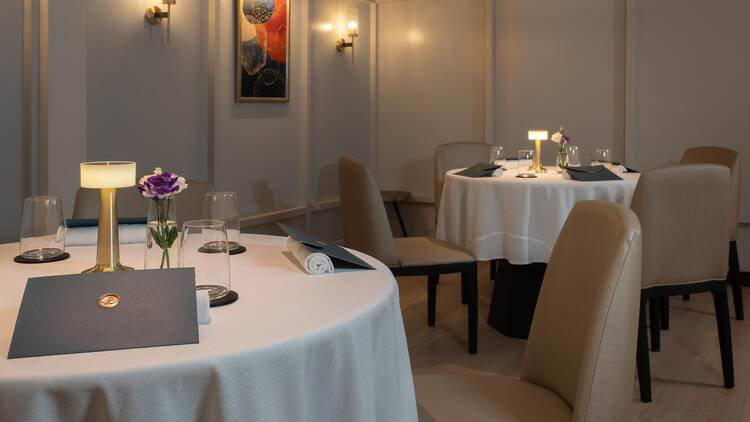

Details
- Trendy
- Lively
- Casual Hangout
- Standalone
- A La Carte
- Vegetarian Friendly
Casual and energetic small restaurant atmosphere centered around bold, spicy wok-fried Thai street food.