Red Bowl occupies a address on Rechte Wienzeile in Vienna's 5th district, placing it in a neighbourhood where everyday Viennese life and a growing independent dining scene intersect. The venue sits in a city that has long balanced its grand fine-dining tradition with a quieter, more locally rooted tier of cooking. For visitors tracing Vienna's broader restaurant map, Red Bowl represents that second layer worth knowing.
Pearl is the En Primeur Club membership app — saves, bookings, and concierge access live there. Same editors, same standards.
- Address
- Rechte Wienzeile 49, 1050 Wien, Austria
- Phone
- +436763256933
- Website
- red-bowl.at
- Directions
- Get directions
 Saves & bookings on Pearl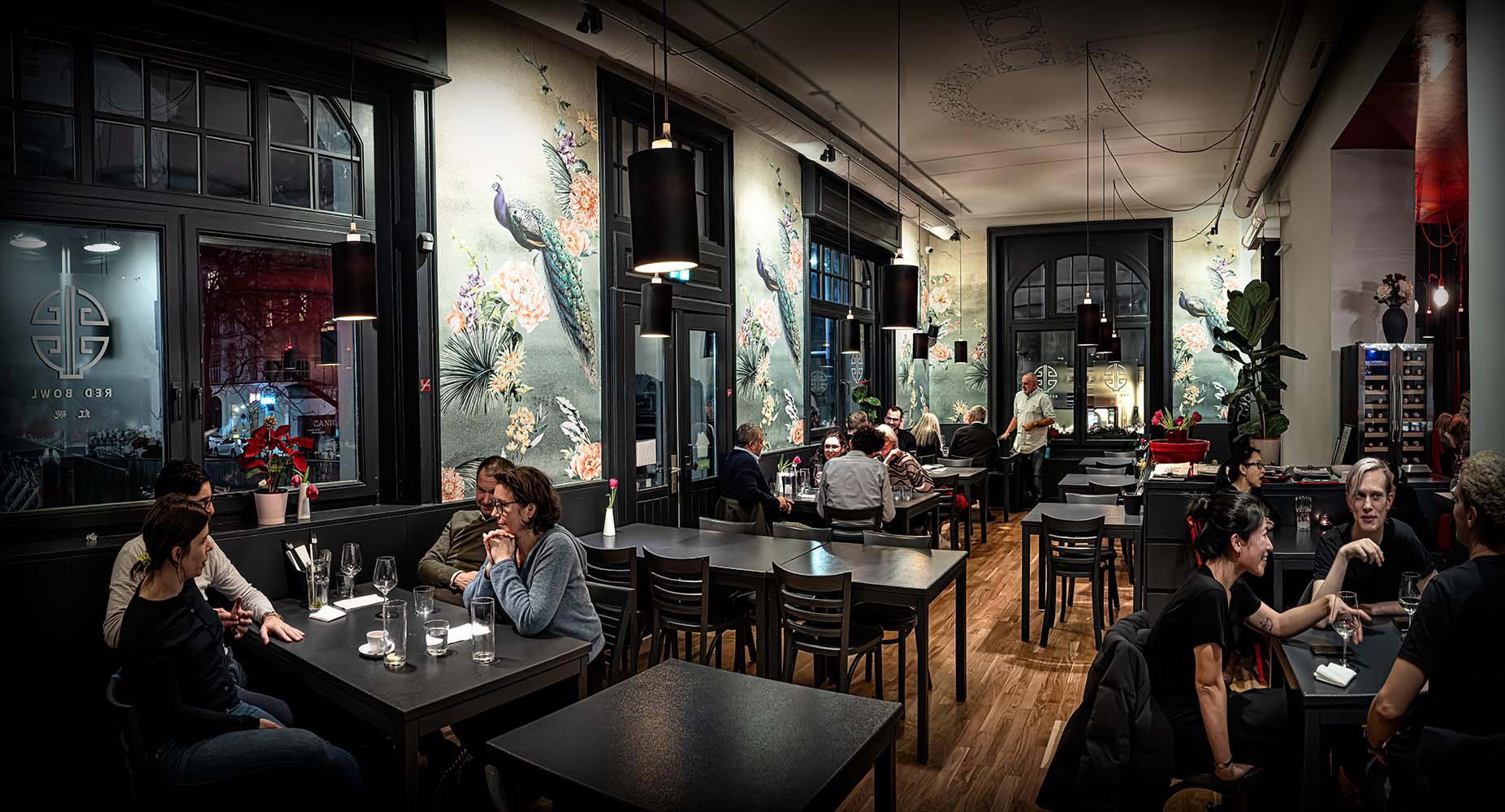
Rechte Wienzeile and the Fifth District's Dining Register
Vienna's 5th district, Margareten, does not announce itself the way the Innere Stadt does. There are no grand boulevards flanked by imperial facades, no Michelin three-star rooms drawing international reservation queues months in advance. What Margareten offers instead is a denser, more resident-facing version of Viennese daily life, and it is in neighbourhoods like this one that a city's middle register of dining tends to form most honestly. Red Bowl, addressed at Rechte Wienzeile 49, sits on the artery that runs southwest from the Naschmarkt along the Wien river canal, a stretch populated by local grocers, small workshops, and the kind of restaurants that serve the neighbourhood before they serve the tourist trail.
The Naschmarkt itself, a few hundred metres to the northeast, remains one ingredient-dense market in Vienna. Open six days a week and running for over a kilometre between Karlsplatz and Kettenbrückengasse, it has supplied Vienna's kitchens for more than a century with produce from Austrian farms, Balkan traders, and Middle Eastern importers who have made the market their commercial base for decades. Any restaurant positioned within walking distance of the Naschmarkt operates in a context shaped by that supply chain, whether it sources from the market directly or simply exists in a neighbourhood where the conversation about ingredients runs closer to the surface.
Where Red Bowl Sits in Vienna's Restaurant Tiers
Vienna's restaurant scene has a well-documented upper tier: Steirereck im Stadtpark holds its position among Europe's most-cited fine dining rooms, while Konstantin Filippou, Mraz and Sohn, and Amador operate in the Michelin-decorated bracket that attracts visitors who plan their dining before their flights. Beneath that tier, the city's independent neighbourhood restaurants occupy a different register entirely: shorter menus, less ceremony, and a closer relationship with the sourcing logic that makes Austrian regional cooking interesting in the first place.
Red Bowl occupies a position in the city that places it in the broad category of venues that earn their following through repeated visits rather than international press coverage. That is not a disadvantage in a city where Viennese diners have always distinguished between the rooms they book for occasions and the rooms they return to every few weeks without thinking twice. The comparison set for Red Bowl is not Doubek or the tasting-menu circuit; it is the smaller, more consistent neighbourhood tier that feeds the city between the headline restaurants.
The Ingredient Sourcing Logic of Central European City Dining
Austrian restaurant cooking at every price point is shaped by a sourcing geography that differs from Western European models. The country's federal structure means that regional identities in food remain strong: Styrian pumpkin oil, Waldviertel poppy seeds, alpine dairy from Vorarlberg and Tyrol, freshwater fish from the river systems that cross the country east to west. Vienna restaurants that take sourcing seriously have access to a supply chain that is both geographically compact and seasonally distinct in ways that, say, a London or Paris restaurant working at the same price point would find difficult to replicate.
That seasonal specificity matters most in the transition months. Spring in Austria brings white asparagus from the Marchfeld east of Vienna, a crop that dominates menus across the city from late April through June with a reliability that functions almost like a culinary calendar event. Autumn shifts the conversation to game, mushrooms from Lower Austrian forests, and the new-press wine, Sturm, that arrives in Heuriger across the city before fermentation is complete. Restaurants positioned near good supply channels, as a venue on Rechte Wienzeile close to the Naschmarkt would be, can respond to those seasonal shifts at shorter notice than kitchens that source through longer distribution chains.
Austria's broader fine dining circuit draws on this sourcing logic too. Döllerer in Golling an der Salzach has built a sustained reputation around Alpine-sourced ingredients. Obauer in Werfen has operated in the same Salzburg-region tradition for decades. Kräuterreich by Vitus Winkler in Sankt Veit im Pongau frames its entire menu around herb cultivation and regional plant sourcing. These are venues where the sourcing argument is made explicitly, as a proposition to the diner. At neighbourhood level in Vienna, that argument tends to be made more quietly, through the produce on the plate rather than the language on the menu.
Vienna as a Reference Point for Central European Restaurant Culture
Vienna's position in European dining is an interesting one to calibrate. The city's reputation for coffee house culture and grand Heuriger tradition is well established, but its fine dining scene has spent the past fifteen years assembling a more technically serious identity, placing it closer to the conversation occupied by cities like Copenhagen, Zürich, and Lyon than its tourist-facing identity might suggest. Ikarus in Salzburg, while not Viennese, reflects the broader Austrian appetite for international culinary dialogue; Landhaus Bacher in Mautern an der Donau demonstrates how deeply that seriousness runs outside the capital.
For visitors who have worked through Vienna's awarded rooms, the neighbourhood layer offers a different reading of the city. The same diner who has sat at a counter at Atomix in New York City or watched the fish preparation at Le Bernardin will find that Vienna's independent restaurant tier rewards the same quality of attention, just applied to a different scale and different ambition. The restaurant, at its Margareten address, participates in that neighbourhood tier without the apparatus of the Michelin-facing rooms.
Planning Your Visit
The restaurant is located at Rechte Wienzeile 49, 1050 Wien, in Vienna's 5th district, a short walk from the Kettenbrückengasse U4 station and the southern end of the Naschmarkt. The 5th district is leading visited on foot; the streets between the market and the Gürtel are compact and navigable without a car. Booking is recommended, and current hours run Mon: 11:30 AM to 11 PM; Tue: 11:30 AM to 11 PM; Wed: 11:30 AM to 11 PM; Thu: 11:30 AM to 11 PM; Fri: 11:30 AM to 11 PM; Sat: 11:30 AM to 11 PM; Sun: 12 to 10 PM. The neighbourhood is active year-round, but the period from late April through June, when Marchfeld asparagus dominates local menus, and September through November, when Austrian game and mushroom seasons are in full effect, represent the moments when sourcing-led kitchens in this part of the city tend to be at their most responsive.
Comparable Venues
Comparable venues nearby, for context on price, style, and recognition.
| Venue | Cuisine | Price | Notes |
|---|---|---|---|
| Red BowlThis venue — the venue you are viewing | Traditional Chinese | $$ | Not listed |
| Chinacy | Modern Chinese Tapas | $$ | Innere Stadt |
| Chen's | Authentic Chinese Noodle House | $$ | Staatsoper |
| Feine Sichuan-Küche | Authentic Sichuan Chinese | $$ | Breitensee |
| Jin's Hietzing | Chinese Ramen and Dumplings | $$ | Hietzing |
| Chinabar | Modern Sichuan-Chinese Fusion | $$ | Neubau |
Continue exploring
More in Vienna
Restaurants in Vienna
Browse all →
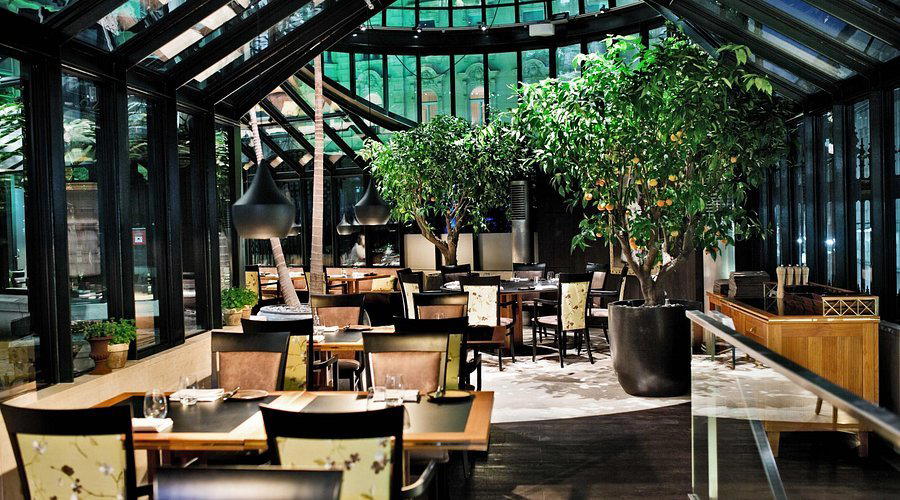
![[aend] restaurant in Vienna](https://cdn.enprimeurclub.com/storage/v1/object/public/images/locations/recsVyRkMfzCxPmp0/hero2.jpg?width=3840&quality=75)
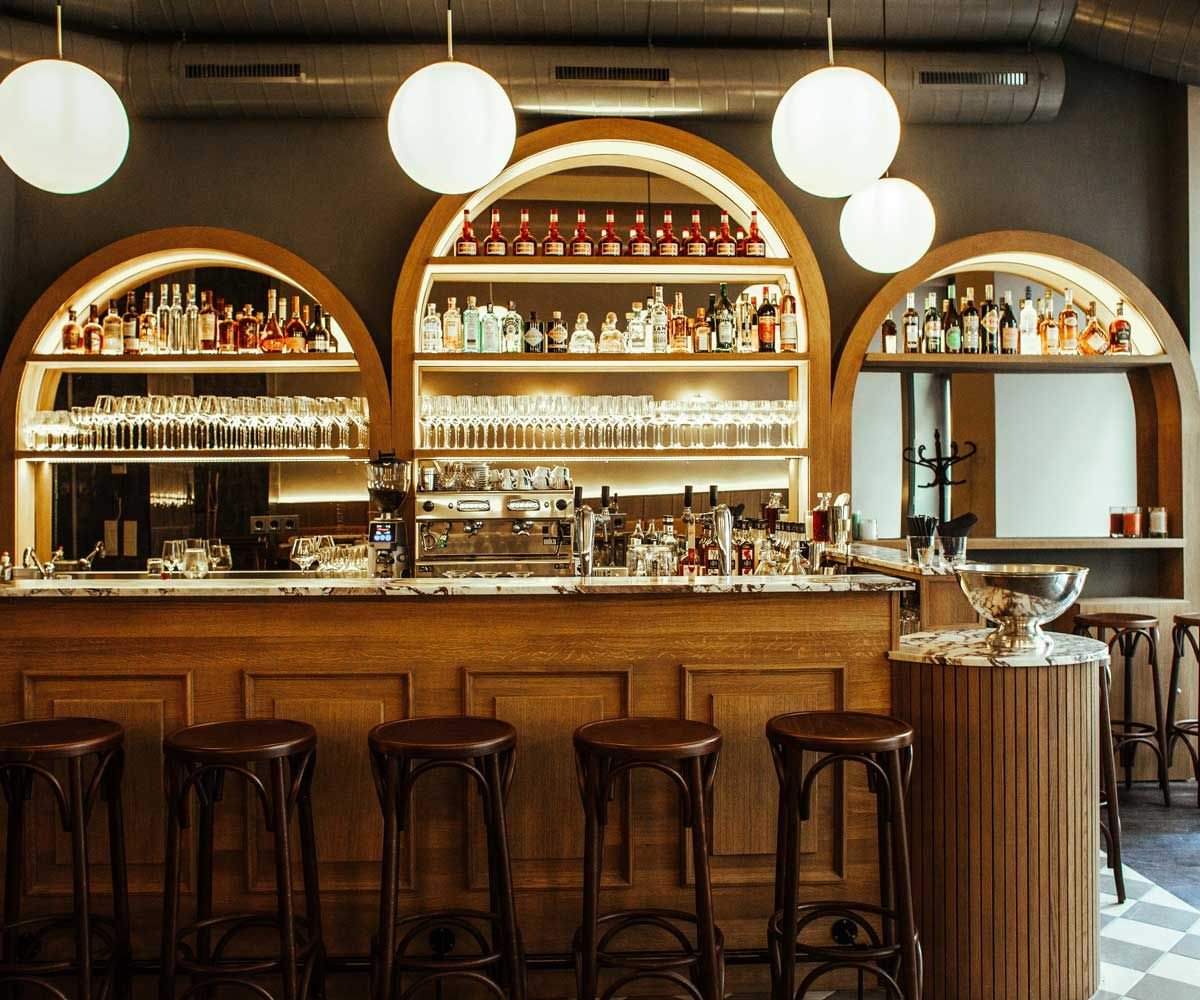
Bars in Vienna
Browse all →

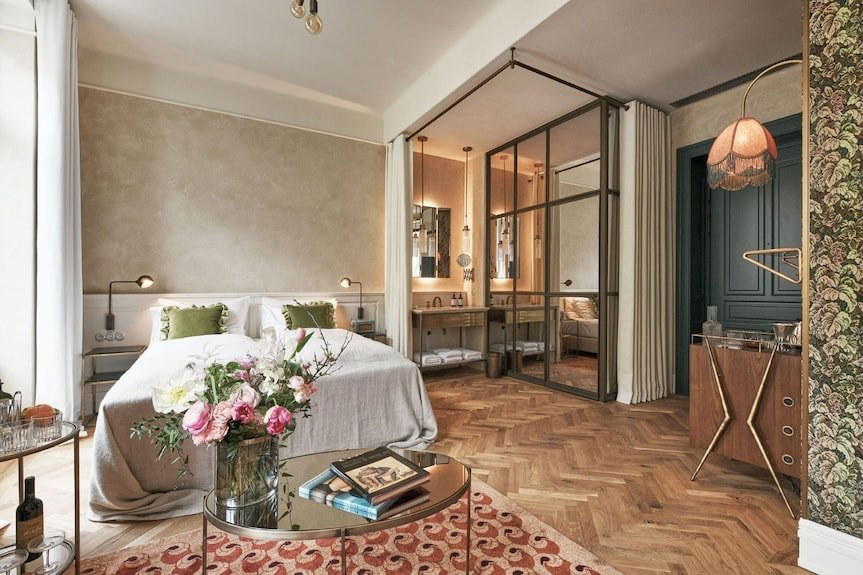
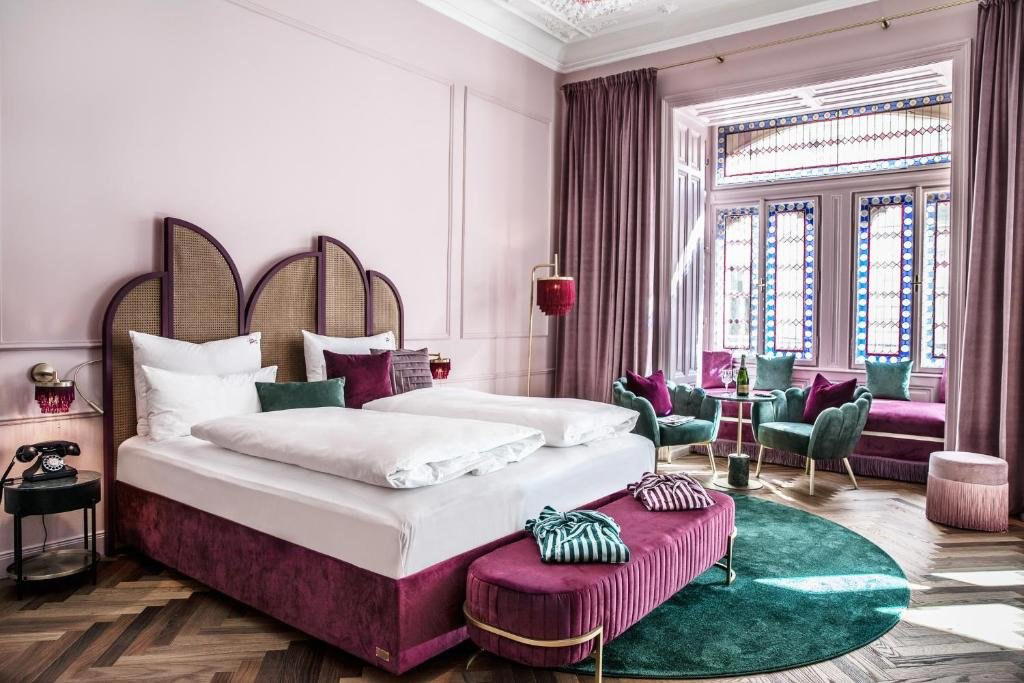
Hotels in Vienna
Browse all →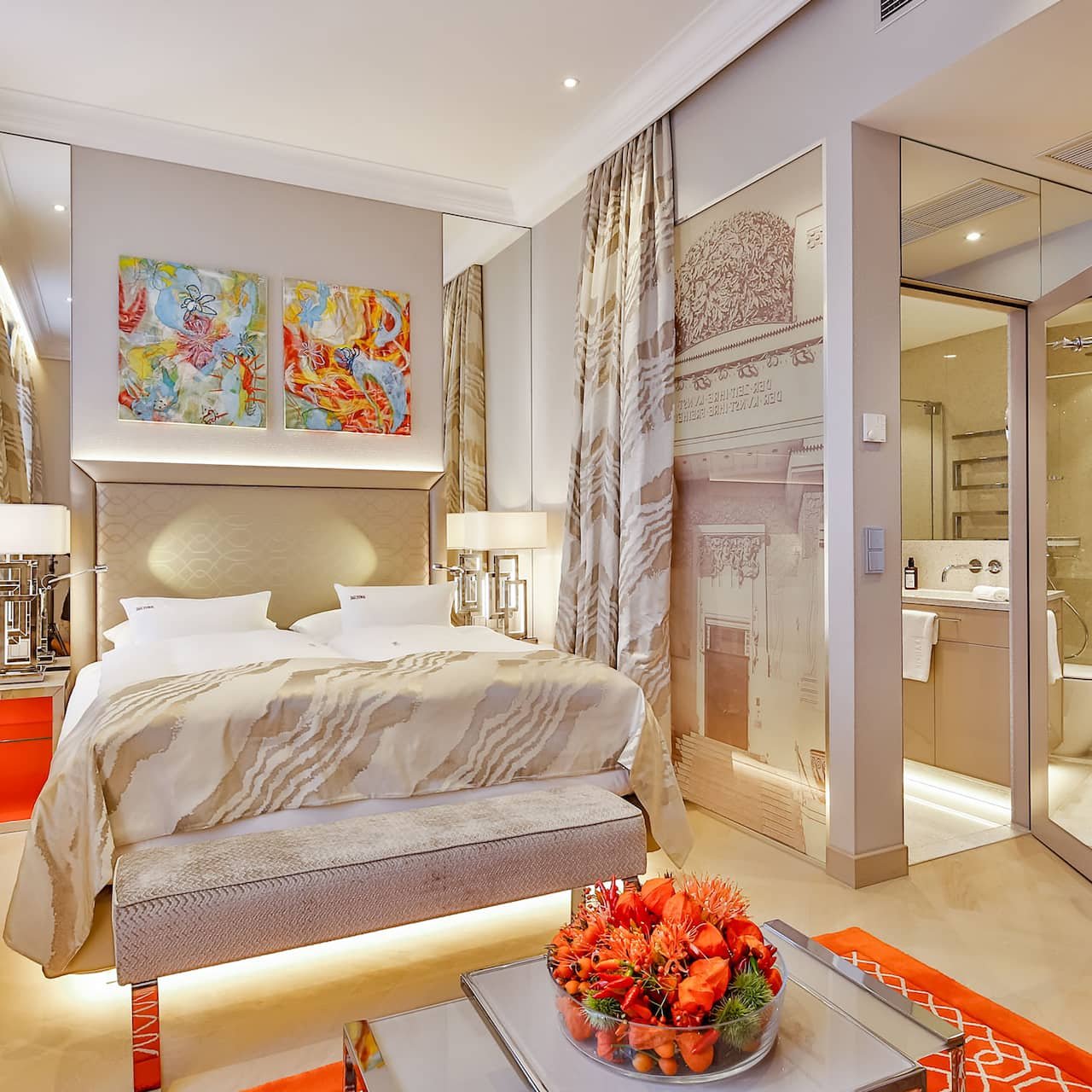
At a Glance
- Cozy
- Elegant
- Casual Hangout
- Date Night
Current opening hours
- Monday
- 11:30 AM–11 PM
- Tuesday
- 11:30 AM–11 PM
- Wednesday
- 11:30 AM–11 PM
- Thursday
- 11:30 AM–11 PM
- Friday
- 11:30 AM–11 PM
- Saturday
- 11:30 AM–11 PM
- Sunday
- 12–10 PM
Hours can change for holidays and private events. Last verified .
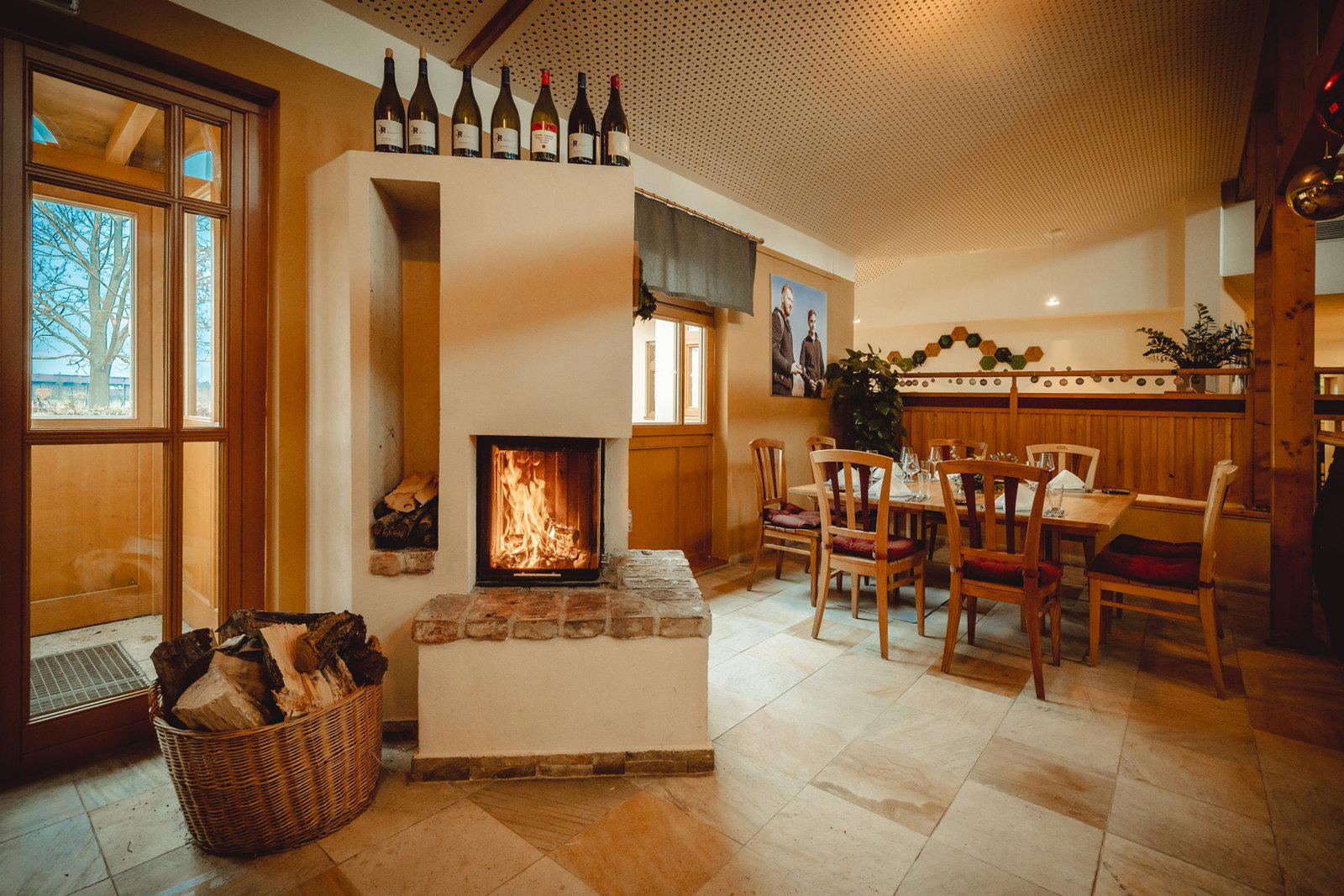
Stylish and cozy atmosphere inviting lingering with traditional Chinese charm.