Kenny's occupies a quiet stretch of Porzellangasse in Vienna's 9th district, a neighbourhood where the city's academic and artistic communities have long shaped a more considered, less touristic dining culture. Details on the kitchen's current direction remain sparse, which itself says something about how the venue operates: below the radar of the major award circuits, serving a local audience that rarely needs a publicist to find its way through the door.
Pearl is the En Primeur Club membership app — saves, bookings, and concierge access live there. Same editors, same standards.
- Address
- Porzellangasse 52, 1090 Wien, Austria
- Phone
- +436603192561
- Website
- kennys.at
- Directions
- Get directions
 Saves & bookings on Pearl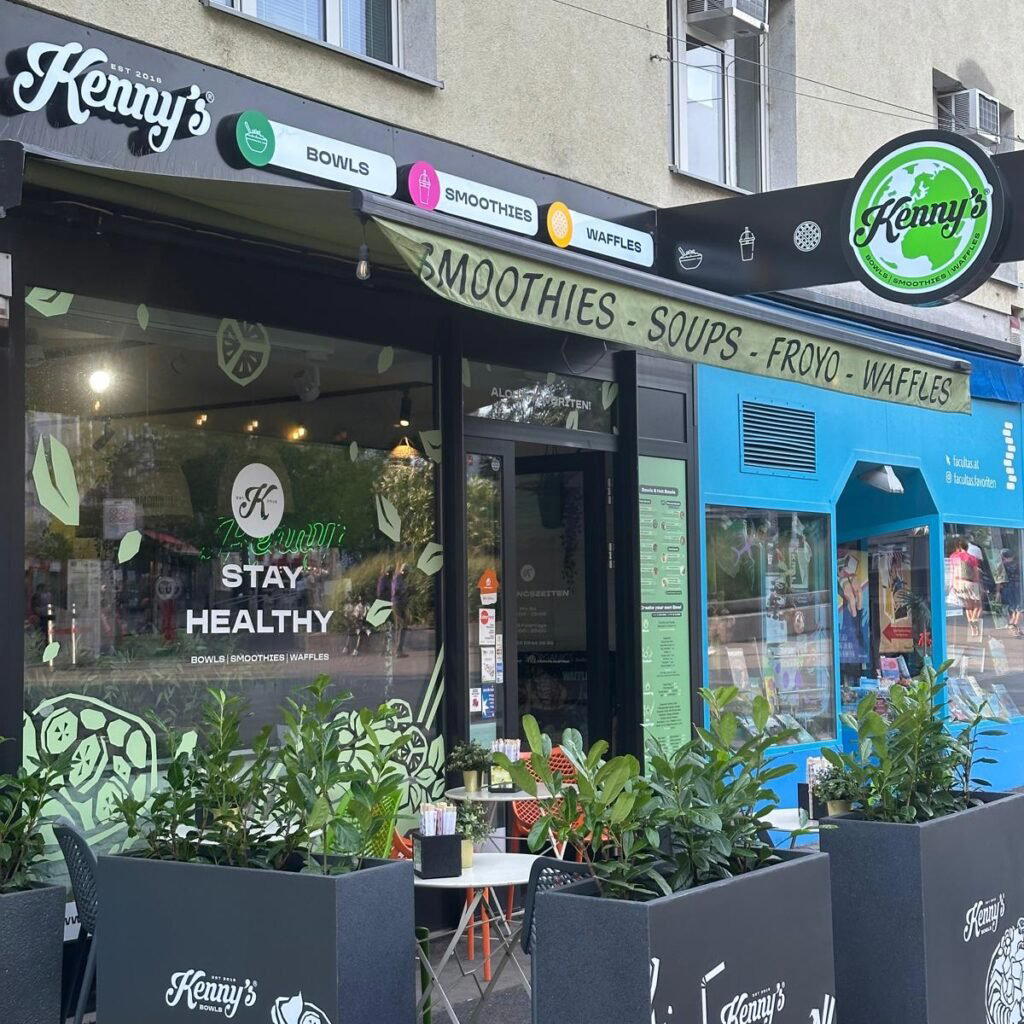
Porzellangasse and the 9th District's Quieter Dining Register
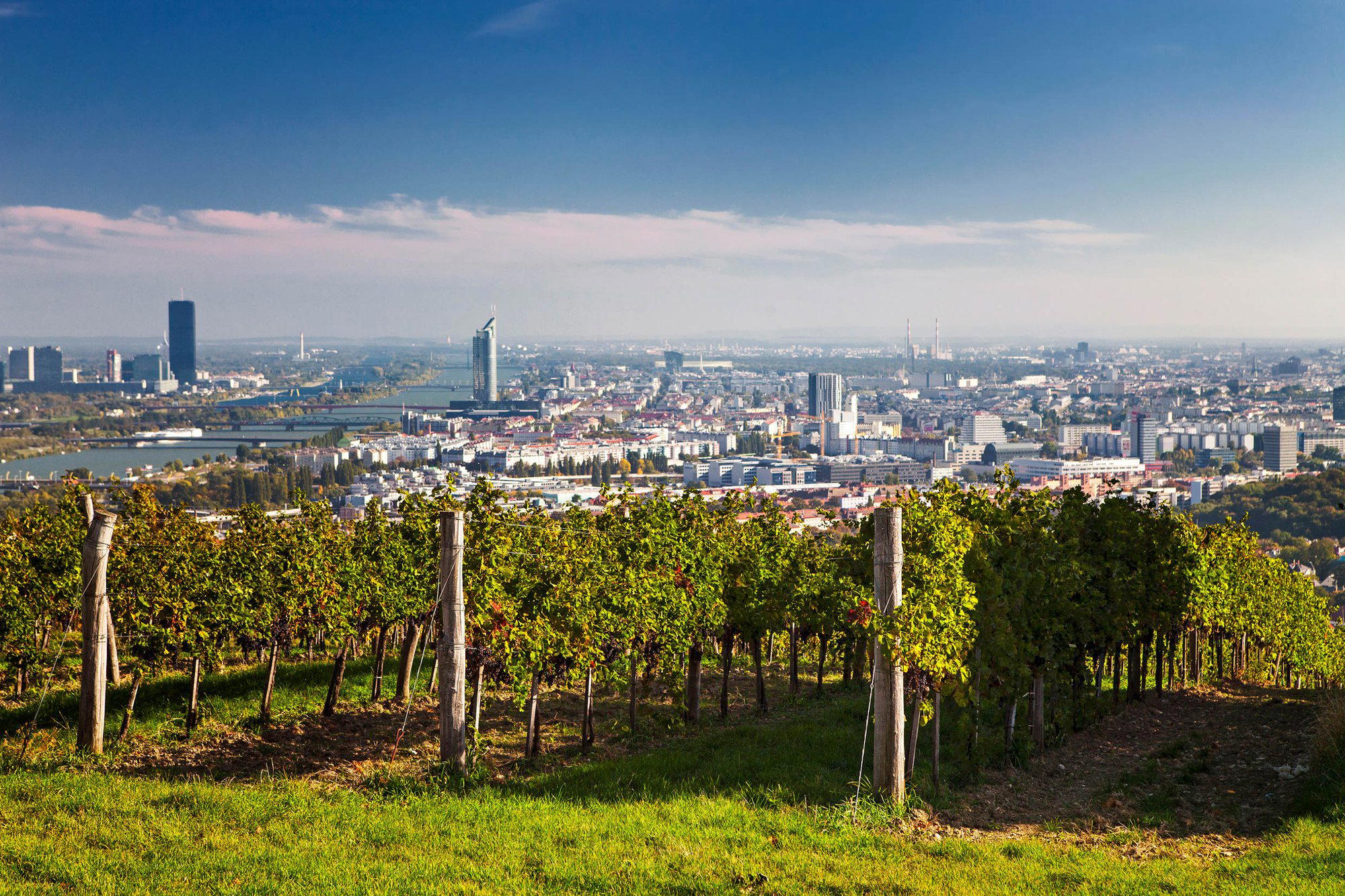
Vienna's 9th district, Alsergrund, runs on a different frequency from the first. There are no grand Ringstrasse facades to photograph, no tourist-facing Viennese schnitzel operations working the lunch rush. What the district has instead is a dense residential character, shaped by the proximity of the university hospital complex and the old bohemian flatshares that have long attracted academics, doctors, and artists. The dining that has grown up here tends to reflect that: smaller rooms, less theatre, more regulars. Porzellangasse itself is a long, low-key artery threading north through the district, and it is on this street, at number 52, that Kenny's sits.
Understanding a venue like Kenny's requires understanding what the 9th actually wants from its restaurants. It is not the neighbourhood that sends Vienna's fine dining reputation abroad. That work is done by the €€€€ tasting-menu circuit: Steirereck im Stadtpark, Amador, Konstantin Filippou, and Mraz & Sohn, each sitting in a tier of Modern Austrian or modern European cooking that competes internationally and prices accordingly. Alsergrund restaurants are not in conversation with that circuit. They are in conversation with the street outside, and with the people who walk it every day.
The Cultural Logic of the Neighbourhood Restaurant
There is a particular kind of European neighbourhood restaurant that resists easy categorisation. It is not a bistro in the French sense, not a trattoria, not a Beisl in the strict Viennese tradition of the wood-panelled tavern with half-litres and boiled beef. It occupies a middle register: unpretentious enough to be a weeknight habit, considered enough to justify a detour. Vienna has a long tradition of these rooms, and they tend to survive precisely because they do not attempt to be something larger. The category does not generate Michelin stars or produce chef-driven column inches. It generates loyalty, which is a more durable currency.
Kenny's, with its Porzellangasse address and its relative absence from the major review circuits, sits somewhere in this tradition. The name itself is worth noting: in a city where restaurant names tend toward the dynastic (the owner's surname, a district reference, a Habsburg-era honorific), something as informal as the restaurant signals a deliberate positioning. It is a first-name place, which in Vienna carries more meaning than it might elsewhere. The city's formal dining culture runs deep, and departures from it are rarely accidental.
What the Wider Austrian Fine Dining Map Provides as Context
For visitors arriving in Vienna after time elsewhere in Austria, the contrast between the capital's formal dining registers and its neighbourhood rooms is worth understanding directly. The country's most recognised kitchens outside Vienna, including Döllerer in Golling an der Salzach, Obauer in Werfen, and Ikarus in Salzburg, operate within a format of destination dining where the journey is part of the proposition. Venues like Griggeler Stuba in Lech, Gourmetrestaurant Tannenhof in Sankt Anton am Arlberg, and Kräuterreich by Vitus Winkler in Sankt Veit im Pongau share a regional, produce-forward identity rooted in alpine terrain. The Wachau wine corridor produces its own dining culture, represented at its most considered by Landhaus Bacher in Mautern an der Donau. Further into the regions, Ois in Neufelden, Schwarzer Adler in Hall in Tirol, and Restaurant 141 by Joachim Jaud in Mieming each anchor a local dining scene that exists largely apart from capital-city media coverage.
Vienna's own neighbourhood dining culture, by contrast, is urban and heterogeneous. The city absorbed waves of migration from across the former Habsburg territories and has never had a single, monolithic local cuisine in the way that, say, Lyon does. Viennese cooking is already a composite, and contemporary neighbourhood rooms in districts like Alsergrund often layer further influences on top of that composite base. A venue with an anglophone name in the 9th could be operating in almost any culinary register. That ambiguity is part of the territory.
Vienna's creative kitchen scene, represented at its upper tier by venues like Doubek, provides a useful reference point for how the city handles influences outside the classical Austrian tradition. The rooms that stay on the right side of that line tend to be the ones where the cooking has something to say beyond the concept.
Approaching Kenny's Without a Full Dossier
The practical reality of the restaurant is that verifiable detail is thin. There is an address: Porzellangasse 52, 1090 Wien. There is a name. Beyond that, the kind of operational data that travels through review platforms and booking systems, the seat count, the menu format, the price range, and the hours are not listed in the record. This is not unusual for smaller Vienna restaurants that draw from a loyal local base rather than from tourist foot traffic or press-driven discovery. For comparison, some of Vienna's most enduringly popular neighbourhood rooms have minimal online presence by design, and the audience that fills them nightly has no need of a booking app to know they exist.
For visitors, the approach that makes most sense is direct: arrive on Porzellangasse with an appetite for the 9th's quieter register and a tolerance for a room that has not curated itself for outside consumption. For those who want the international comparison at the same moment, Le Bernardin in New York City and Atomix in New York City represent how a different city's dining culture handles the relationship between neighbourhood credibility and broader recognition.
Know Before You Go
Address: Porzellangasse 52, 1090 Wien, Austria
District: Alsergrund (9th)
Hours: Mon to Fri, 11 AM to 6 PM; Sat and Sun, closed
Booking: Walk-in friendly
Price range: About $15 per person
Getting there: Porzellangasse 52, 1090 Wien, Austria
Cuisine-First Comparison
Comparable venues nearby, for context on price, style, and recognition.
| Venue | Cuisine | Price | Notes |
|---|---|---|---|
| Kenny'sThis venue — the venue you are viewing | Hawaiian Poke Bowls | $$ | Not listed |
| Gasthaus Grabmüller | Traditional Austrian | $$ | Doebling |
| SoFàre | Authentic Italian Fresh Pasta | $$ | Praterstern Wien Nord |
| Tatarie Marie | Raw Tartare Street Food | $$ | Innere Stadt |
| Nguyen's Pho House | Authentic Vietnamese Pho | $$ | Josefstadt |
| La Stella | Italian Apericafe & Deli | $$ | Staatsoper |
Continue exploring
More in Vienna
Restaurants in Vienna
Browse all →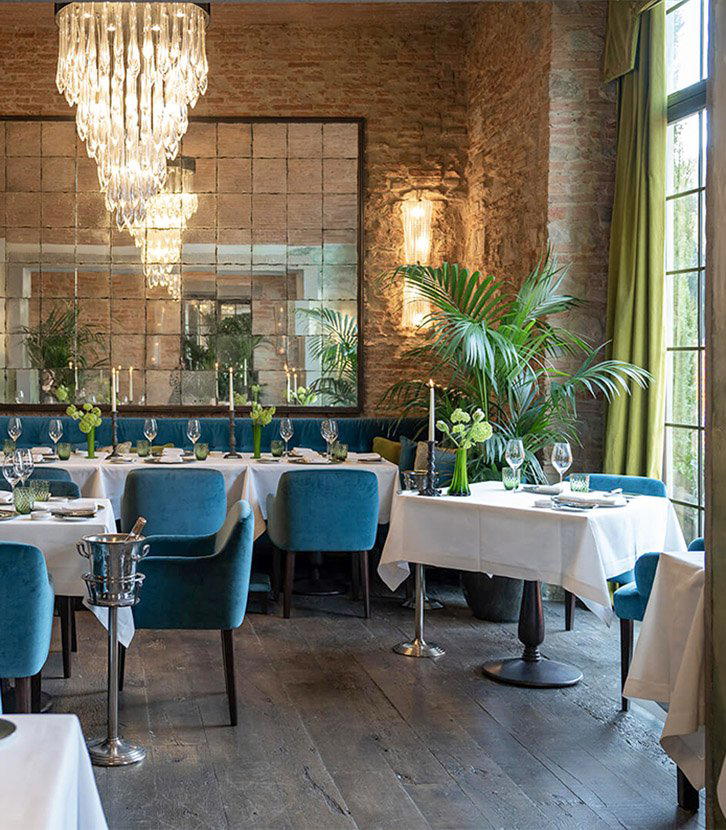
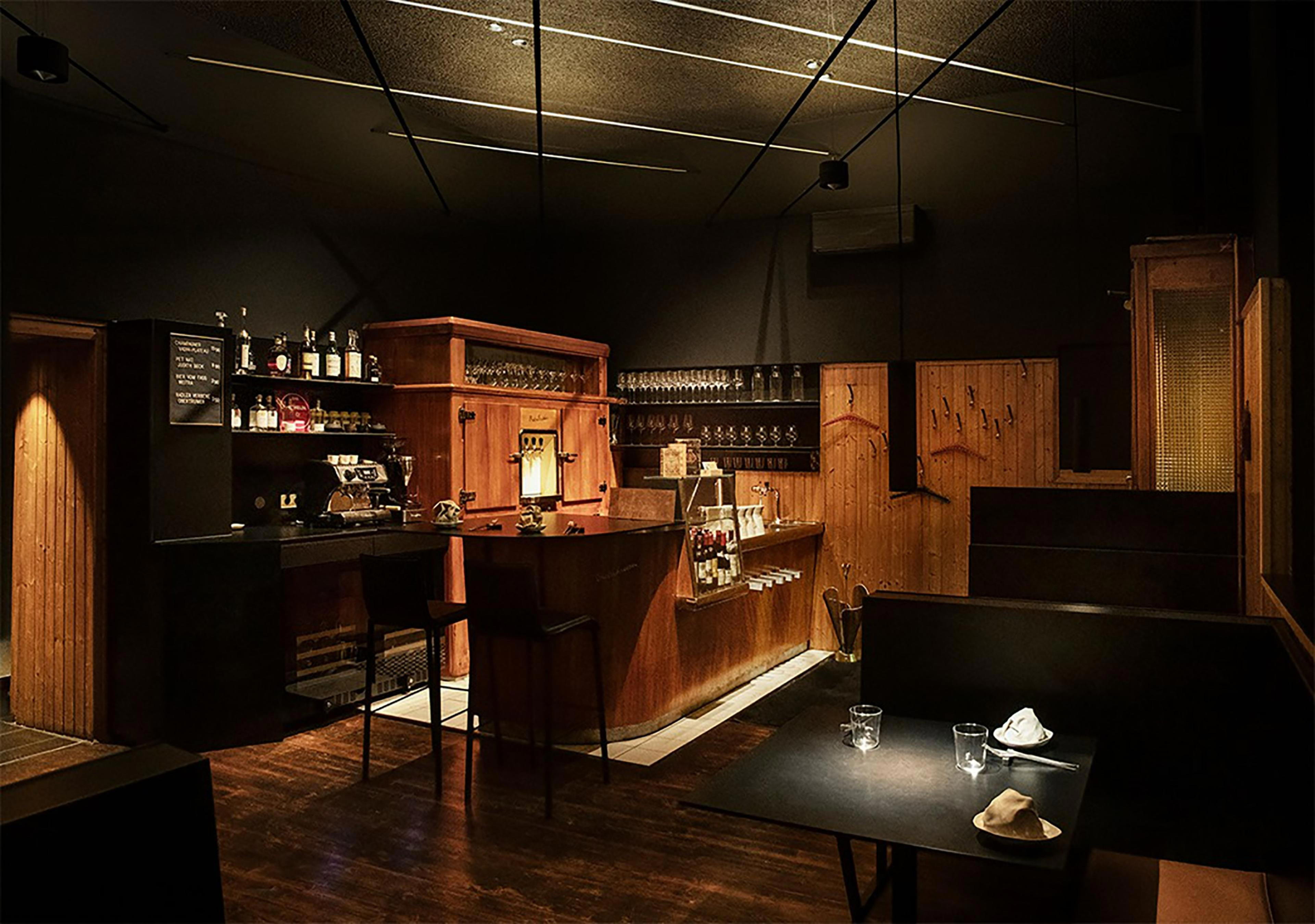
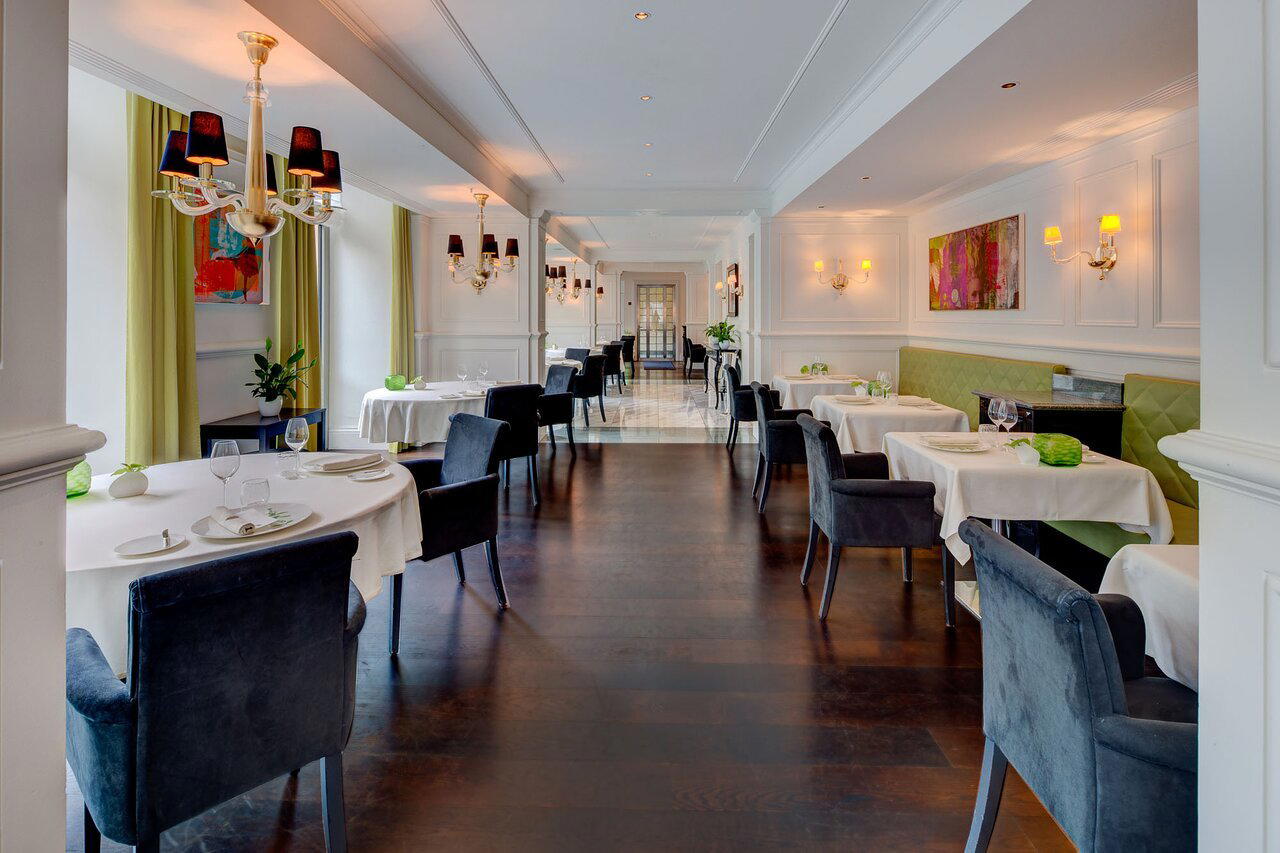
Bars in Vienna
Browse all →
Hotels in Vienna
Browse all →
At a Glance
- Casual
- Modern
- Trendy
- Casual Hangout
- Brunch
- Standalone
Current opening hours
- Monday
- 11 AM–6 PM
- Tuesday
- 11 AM–6 PM
- Wednesday
- 11 AM–6 PM
- Thursday
- 11 AM–6 PM
- Friday
- 11 AM–6 PM
- Saturday
- Closed
- Sunday
- Closed
Hours can change for holidays and private events. Last verified .
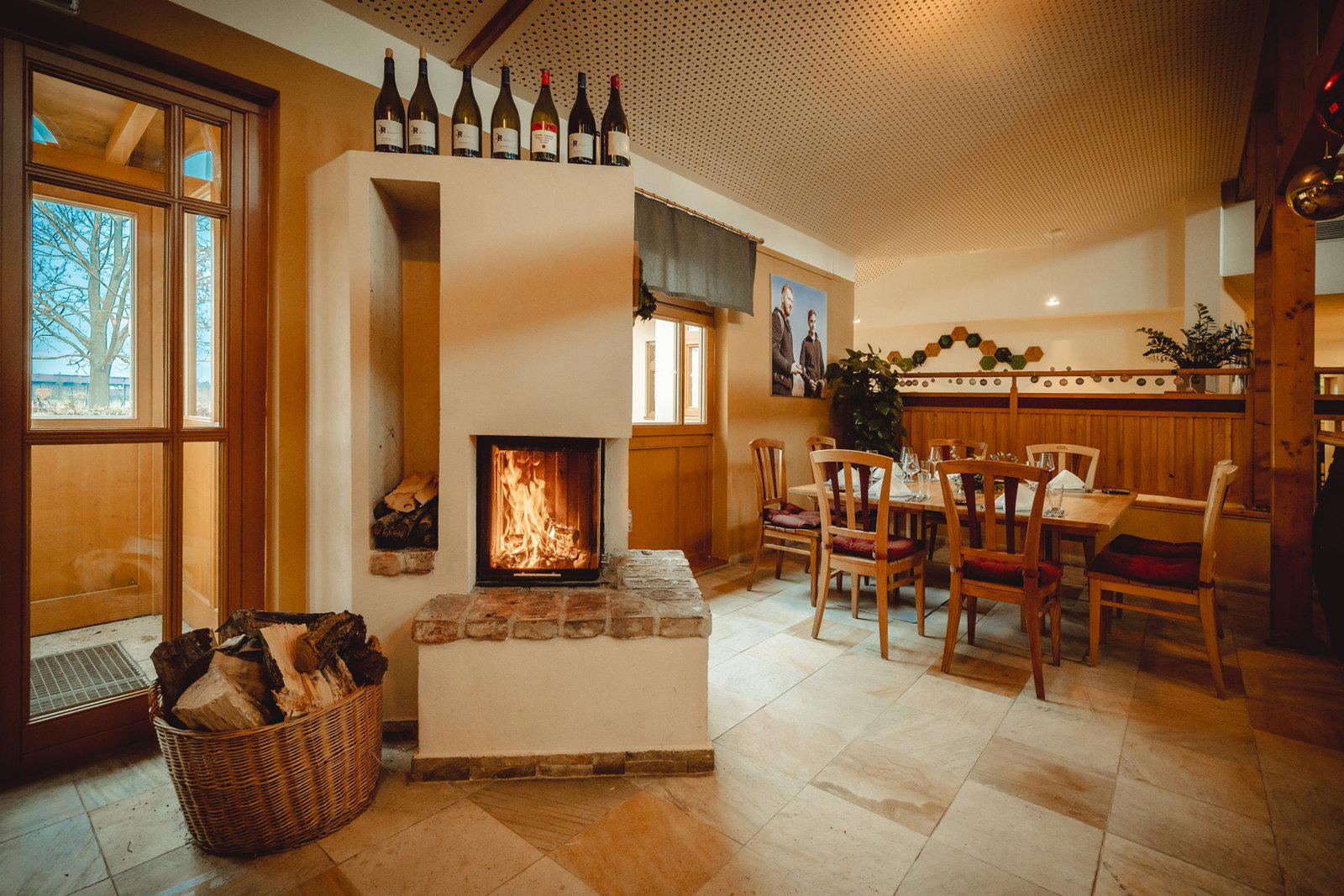
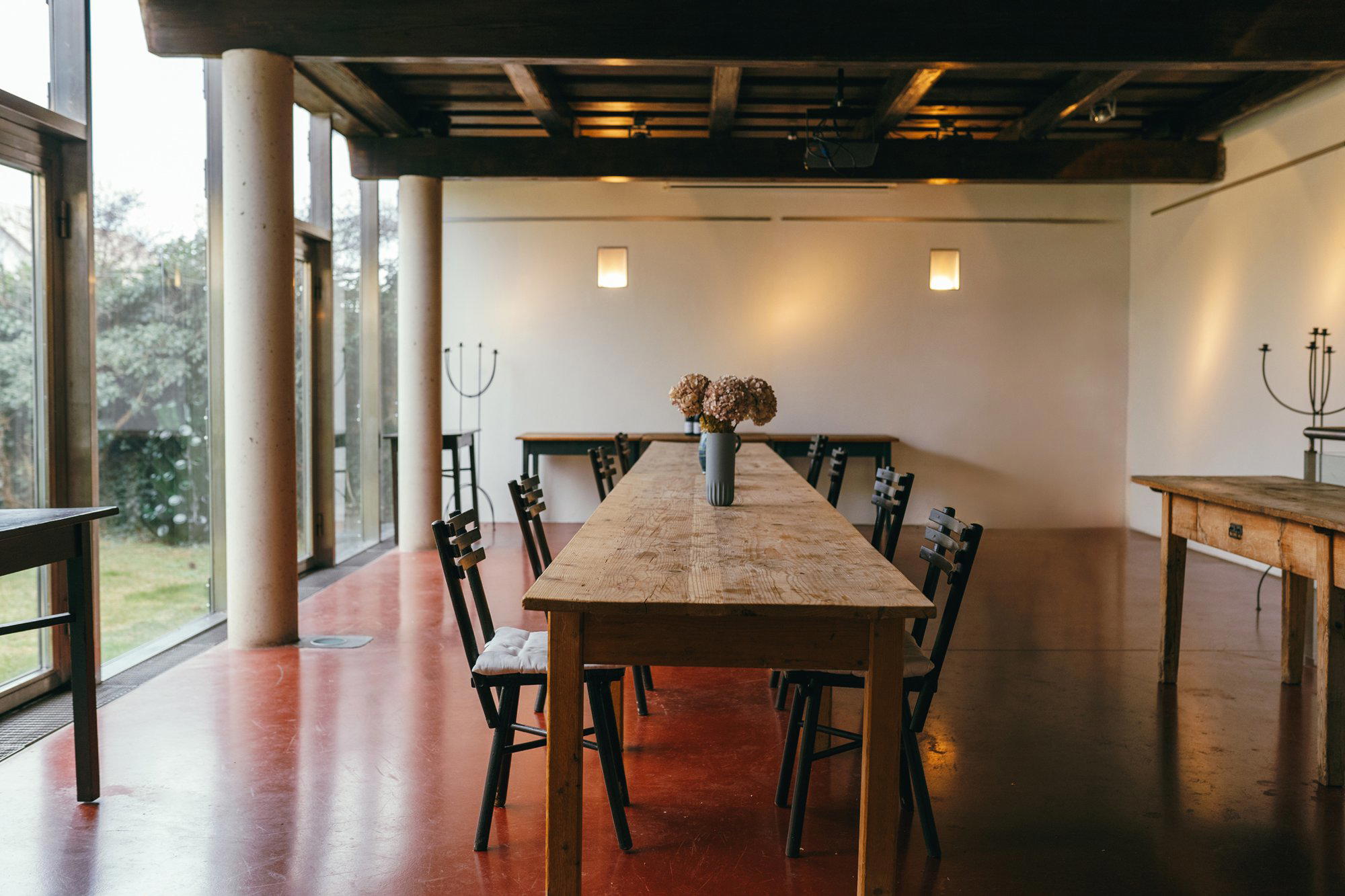
Bright and casual atmosphere with a focus on healthy, fresh urban dining.