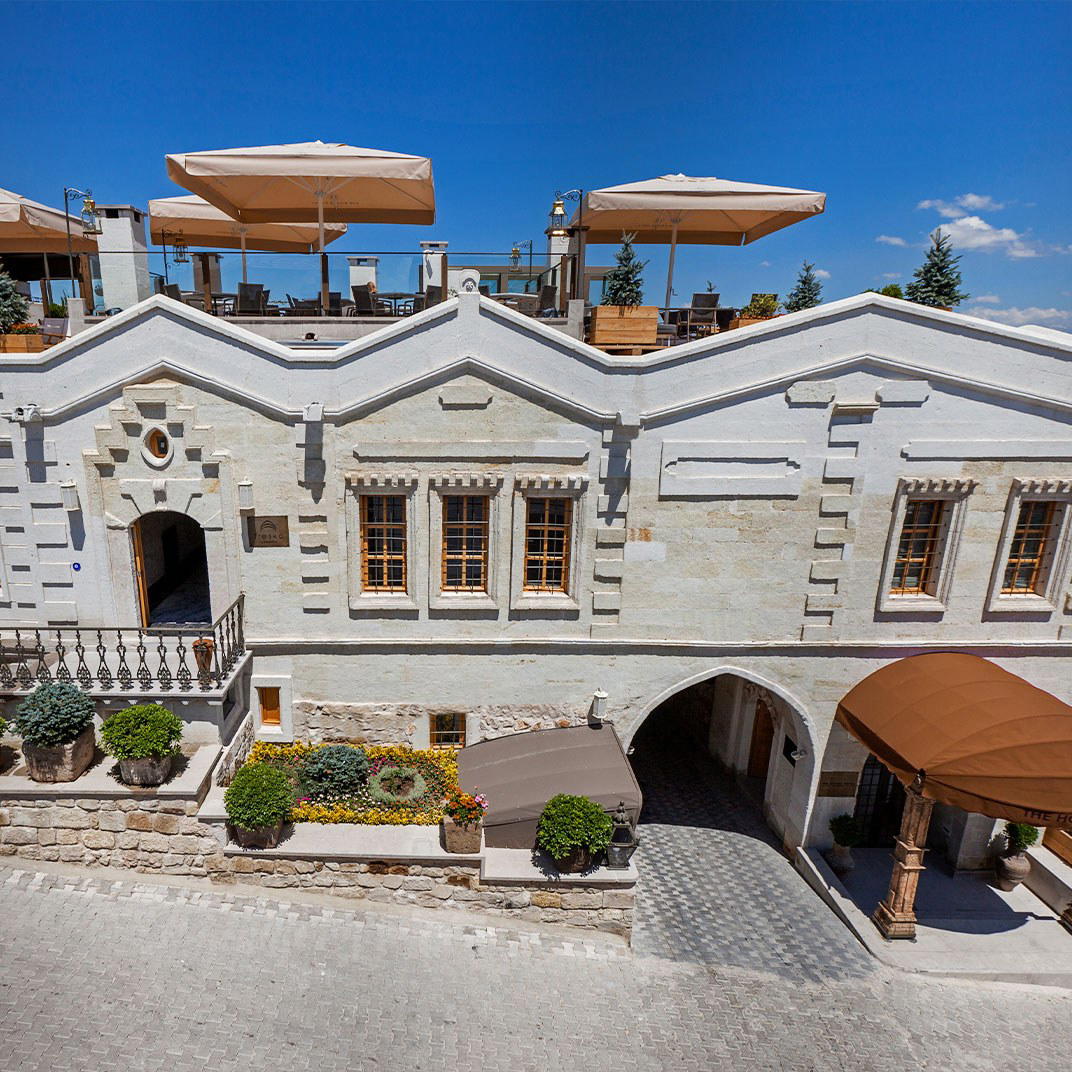
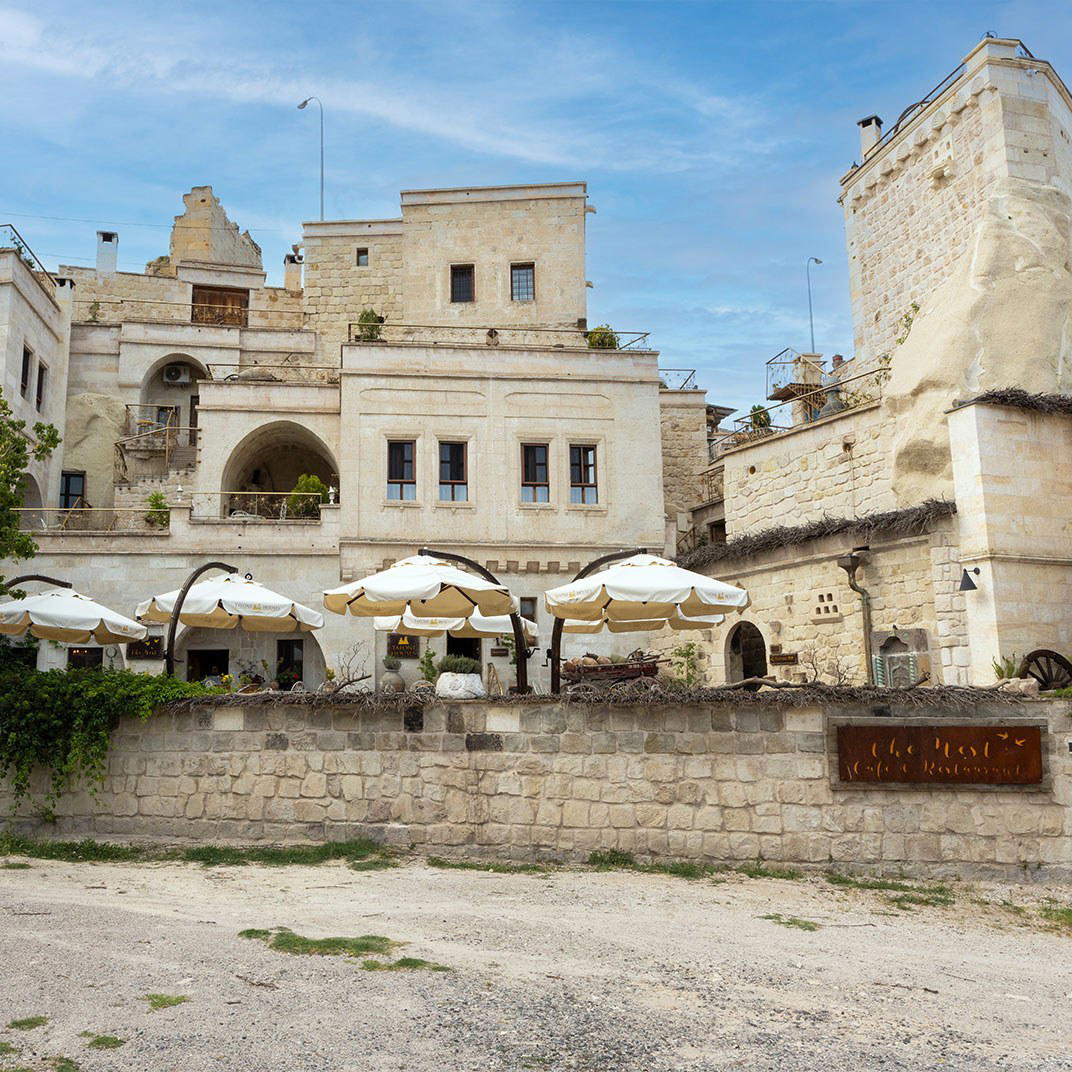
Kemeralti Restaurant sits inside Ortahisar's village market hall, placing it squarely within the produce-driven, unhurried dining culture that defines Cappadocia's smaller settlements. The address alone signals intent: this is not a restaurant performing local identity for tourists, but one embedded in the daily rhythms of a market community where ingredients travel a short distance from stall to table.
Pearl is the En Primeur Club membership app — saves, bookings, and concierge access live there. Same editors, same standards.
- Address
- Ortahisar kasabası hal içi, Eski, No
- Phone
- +905452025050
- Website
- kemeralticaferestaurant.net
- Directions
- Get directions
 Saves & bookings on Pearl
Inside the Market Hall: What Ortahisar's Dining Scene Looks Like From Here
Cappadocia's restaurant offer has fractured along a familiar fault line. On one side sit the cave-dining operations in Ürgüp and Göreme, built around theatrical settings and menus pitched at tour groups rotating through the region on tight schedules. On the other are the smaller, settlement-embedded places that have always fed the people who actually live here. Kemeralti Restaurant occupies the second category, and its address makes that clear before you walk through the door: the market hall in Ortahisar, a village a few kilometres southwest of Ürgüp proper, where local producers bring fruit, vegetables, and dried goods to trade.
Walking into a market-hall restaurant in central Anatolia is a different experience from arriving at a purpose-built dining room. The smell of the building tells you something about what will arrive on the plate: produce in various states of readiness, the dry mineral note of the region's volcanic stone, occasionally the sharp hit of fresh herbs. The hall itself is functional rather than decorative, which in this context is the point. It situates the restaurant within a supply chain rather than apart from it.
The Ingredient Logic of Cappadocia
Cappadocia's culinary identity is inseparable from its agricultural conditions. The volcanic soil of the region, particularly around the Erciyes and Hasan ranges, produces vegetables with a concentrated flavour profile that is distinct from what arrives in coastal markets. Squash, lentils, chickpeas, dried apricots, and the region's particular variety of dried chilli pepper form the backbone of Central Anatolian cooking in a way that reflects centuries of adaptation to altitude, winter severity, and the constraints of a landlocked larder.
A restaurant embedded in a market hall is positioned to work with this supply directly rather than through intermediaries. That structural proximity matters more than any stated philosophy. When the weekly market is the sourcing mechanism rather than a weekly delivery from a regional wholesaler, the menu follows what is seasonally available rather than what is printed on a laminated card. In that sense, market-hall dining in towns like Ortahisar represents one of the more honest expressions of Anatolian cooking you will find anywhere in Turkey.
For context on how this compares to the country's other notable regional cooking traditions, consider that restaurants working seriously with Turkish culinary heritage, from Asitane in Fatih to Turk Fatih Tutak in Istanbul, have built reputations precisely by recovering and formalising ingredient-driven techniques that were always present in market-connected cooking. The difference is one of register rather than underlying logic. Kemeralti operates in the register of the everyday; the Istanbul counterparts operate in the register of the formal restaurant. Both are working from the same root.
Ortahisar's Position Within the Ürgüp Dining Circuit
Ürgüp itself functions as the commercial and hospitality centre of southern Cappadocia, with the wider region's dining spread across several villages and valleys. Ortahisar is close enough to Ürgüp to be a natural extension of the same day or evening, and different enough in character that visiting it changes the texture of a Cappadocia trip. Where Ürgüp has restaurants built around the tourism economy, including Aravan Evi, Babayan Evi Restaurant, Gorgoli, Hezen Restaurant, and the theatrical format of Barbarian Medieval Tavern, Ortahisar's market hall setting suggests a restaurant that serves a different primary constituency.
That does not make it inaccessible to visitors. It does mean the framing is different: you are eating where locals eat, inside a building designed for market activity rather than for hospitality. For travellers who find the cave-dining circuit slightly too curated, the market hall format offers a recalibration.
Getting to Ortahisar from Ürgüp is a short drive, and the village is worth the detour independently of any single restaurant visit. The rock castle that rises above the settlement is one of the more dramatic formations in southern Cappadocia and is open to visitors during daylight hours. Timing a meal at Kemeralti around a morning market visit, when the hall is most active and produce is freshest, is the logical approach. Confirm current opening arrangements locally before travelling, as market-hall restaurants in smaller Anatolian settlements often follow market-day rhythms rather than fixed weekly schedules.
Where Kemeralti Sits in Broader Turkish Restaurant Patterns
Turkey's restaurant culture has a strong tradition of what might be called functional excellence: places that do not perform ambition through design or menu complexity but deliver technically sound, ingredient-led cooking to a local clientele that would notice immediately if standards dropped. This tradition runs from the great kebab specialists of the southeast, such as Ciğerci Mahmut in Adana, through the Aegean fish and meze operations typified by Adil Müftüoğlu in Balcova and coastal venues like Maçakızı in Bodrum, to the market-embedded formats of Central Anatolia.
Kemeralti belongs to that last category, alongside neighbourhood-rooted places across Turkey such as Narımor in Izmir, Dürümzade in Beyoglu, and the historically grounded BUZHANE RESTAURANT VE KONUK EVİ in Eyyubiye. None of these venues are chasing formal recognition. Their authority comes from continuity and local embeddedness rather than from awards or critical attention. That is a different kind of credibility and, in many ways, a harder one to fabricate.
For international travellers more familiar with how market-embedded dining works in, say, European contexts, the comparison is closer to a Lyon bouchon or a Barcelona mercat bar than to the kind of destination restaurant featured in guides. The reference points that matter here are proximity to supply, consistency of format, and the loyalty of a regular clientele.
Planning a Visit
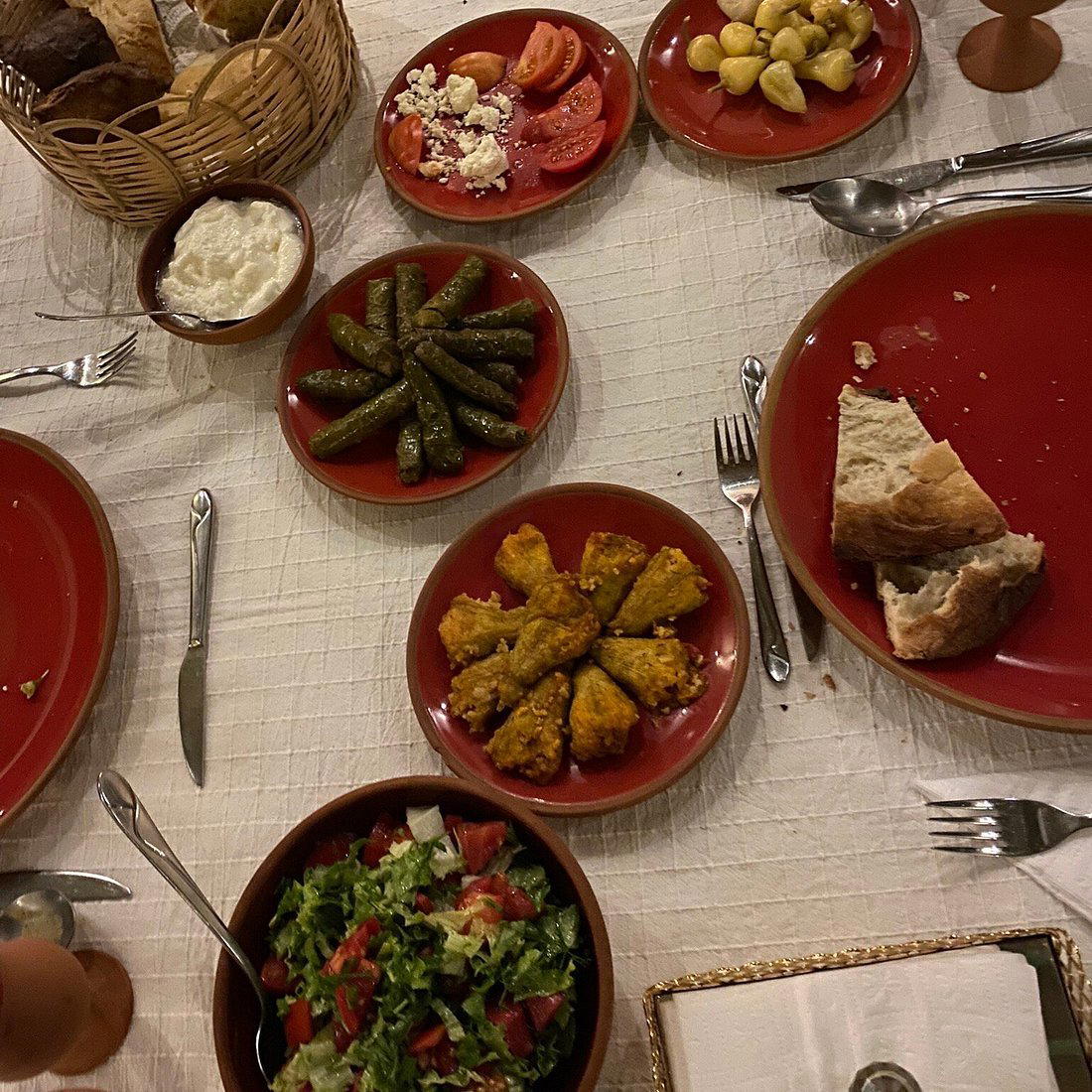
Specific pricing, hours, and booking arrangements for Kemeralti are as follows: about $15 per person, recommended reservations, and opening hours of Mon: 8:30 AM-11 PM; Tue: 8:30 AM-11 PM; Wed: 9 AM-11 PM; Thu: 8:30 AM-11 PM; Fri: 8:30 AM-12 AM; Sat: 8:30 AM-12 AM; Sun: 8 AM-10 PM. The practical advice is to treat a visit as part of a wider Ortahisar morning or afternoon rather than as a standalone reservation. Walk the market if it is active, note what produce is moving, and order accordingly. Central Anatolian mezes, legume-based dishes, and grilled formats tend to anchor the offer at restaurants in this setting; the short distance between market stall and kitchen is the structural advantage.
Travellers staying in Ürgüp's cave hotels will find Ortahisar a natural half-day excursion. Those building a longer Cappadocian itinerary from the broader Turkish circuit, arriving from Casa Lavanda in Sile or Ceres in Bak Rkoy, will find the market hall format a useful counterpoint to more formal dining. Kemeralti does not compete with the formal restaurant canon, as represented internationally by venues like Le Bernardin in New York City or Atomix in New York City. It operates in a different register entirely, one where the value proposition is authenticity of context rather than technical ambition.
Fast Comparison
Comparable venues nearby, for context on price, style, and recognition.
| Venue | Cuisine | Price | Awards | Notes |
|---|---|---|---|---|
| Kemeralti RestaurantThis venue — the venue you are viewing | Authentic Turkish | $$ | Not listed | Not listed |
| Barbarian Medieval Tavern | Turkish Steakhouse & Wine Bar | $$ | Not listed | Urgup |
| Hezen Restaurant | Authentic Cappadocian Turkish | $$$ | Not listed | Ortahisar |
| Old Greek House | Traditional Turkish Country Cooking | $$ | Bib Gourmand | Mustafapaşa |
| Tık Tık Kadın Emeği | Traditional Cappadocian Home Cooking | $ | Michelin Plate | Duayeri |
| Gorgoli | Traditional Turkish Regional Cuisine | $$ | Michelin Plate | Mustafapaşa |
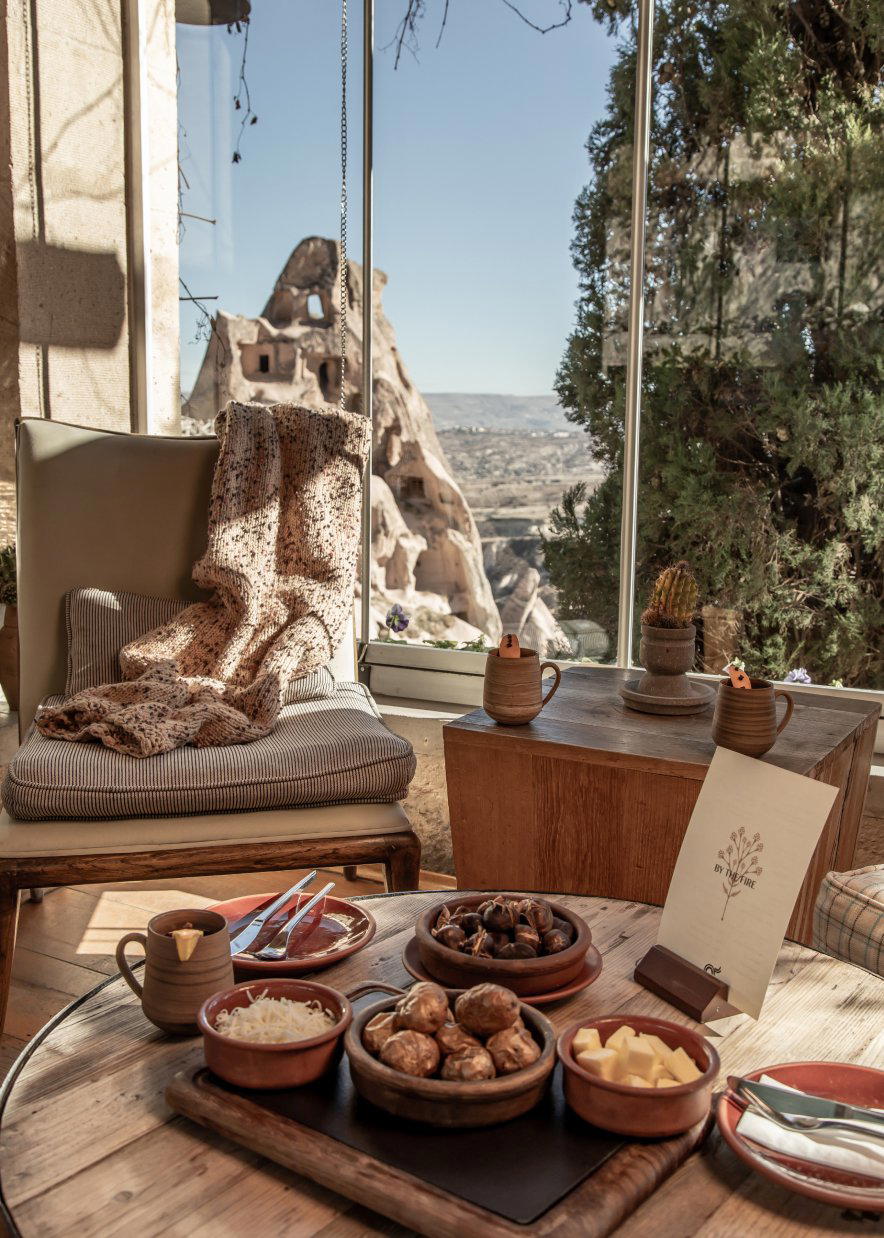
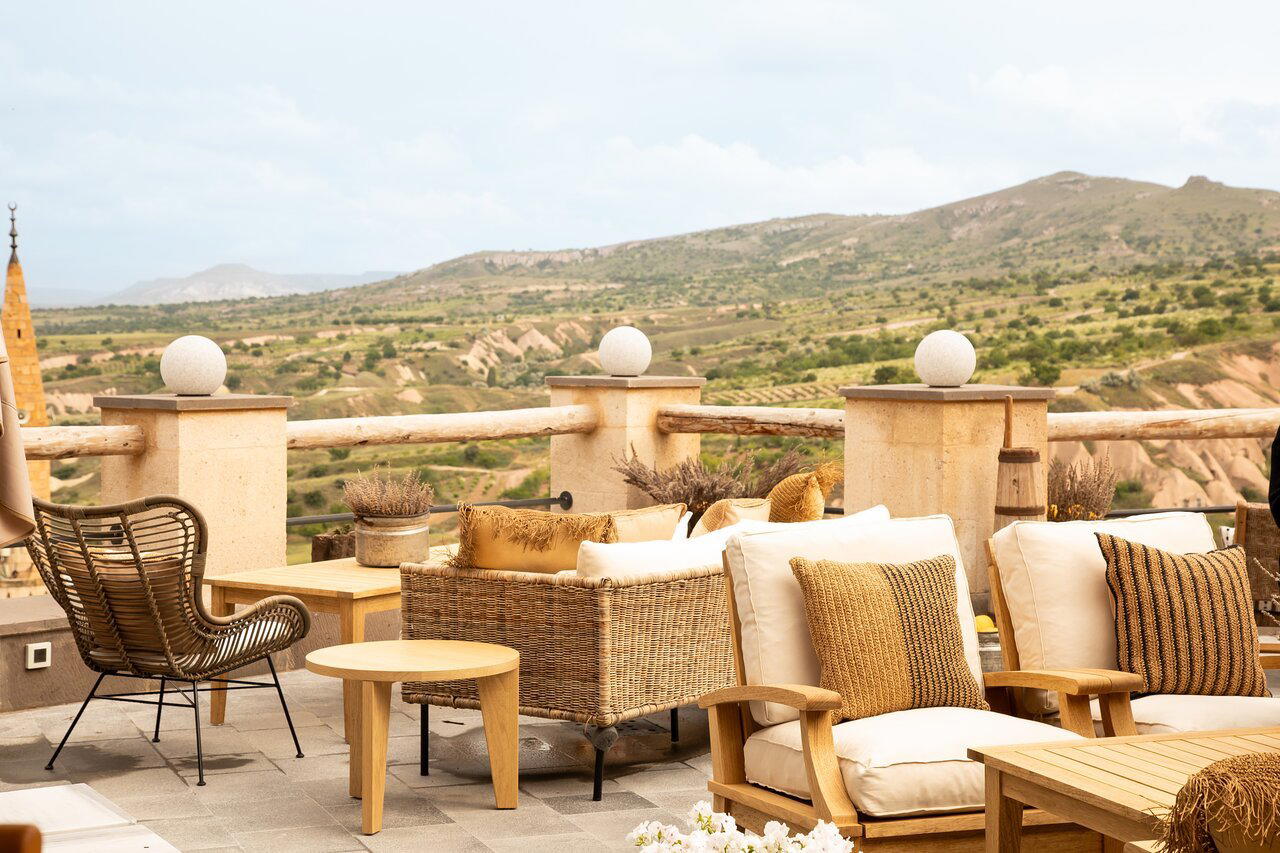
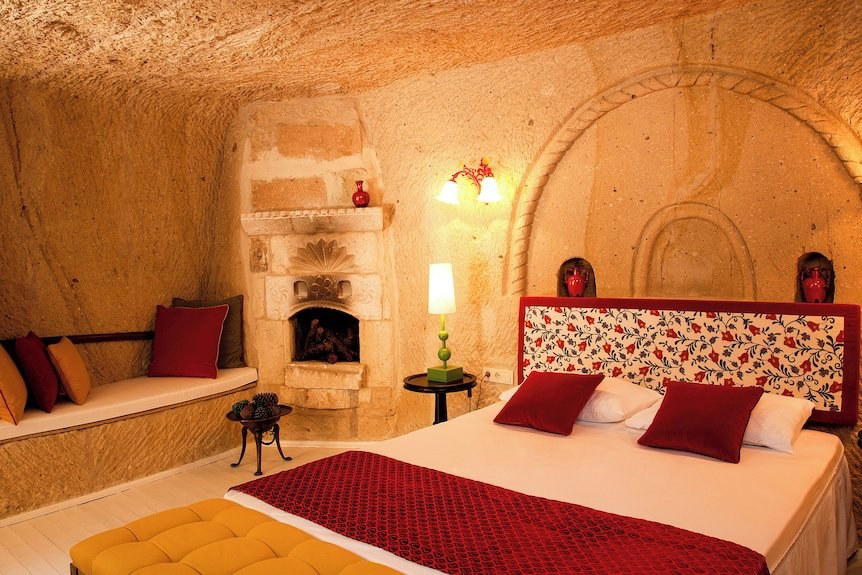
At a Glance
- Rustic
- Cozy
- Casual Hangout
- Mountain
Current opening hours
- Monday
- 8:30 AM–11 PM
- Tuesday
- 8:30 AM–11 PM
- Wednesday
- 9 AM–11 PM
- Thursday
- 8:30 AM–11 PM
- Friday
- 8:30 AM–12 AM
- Saturday
- 8:30 AM–12 AM
- Sunday
- 8 AM–10 PM
Hours can change for holidays and private events. Last verified .
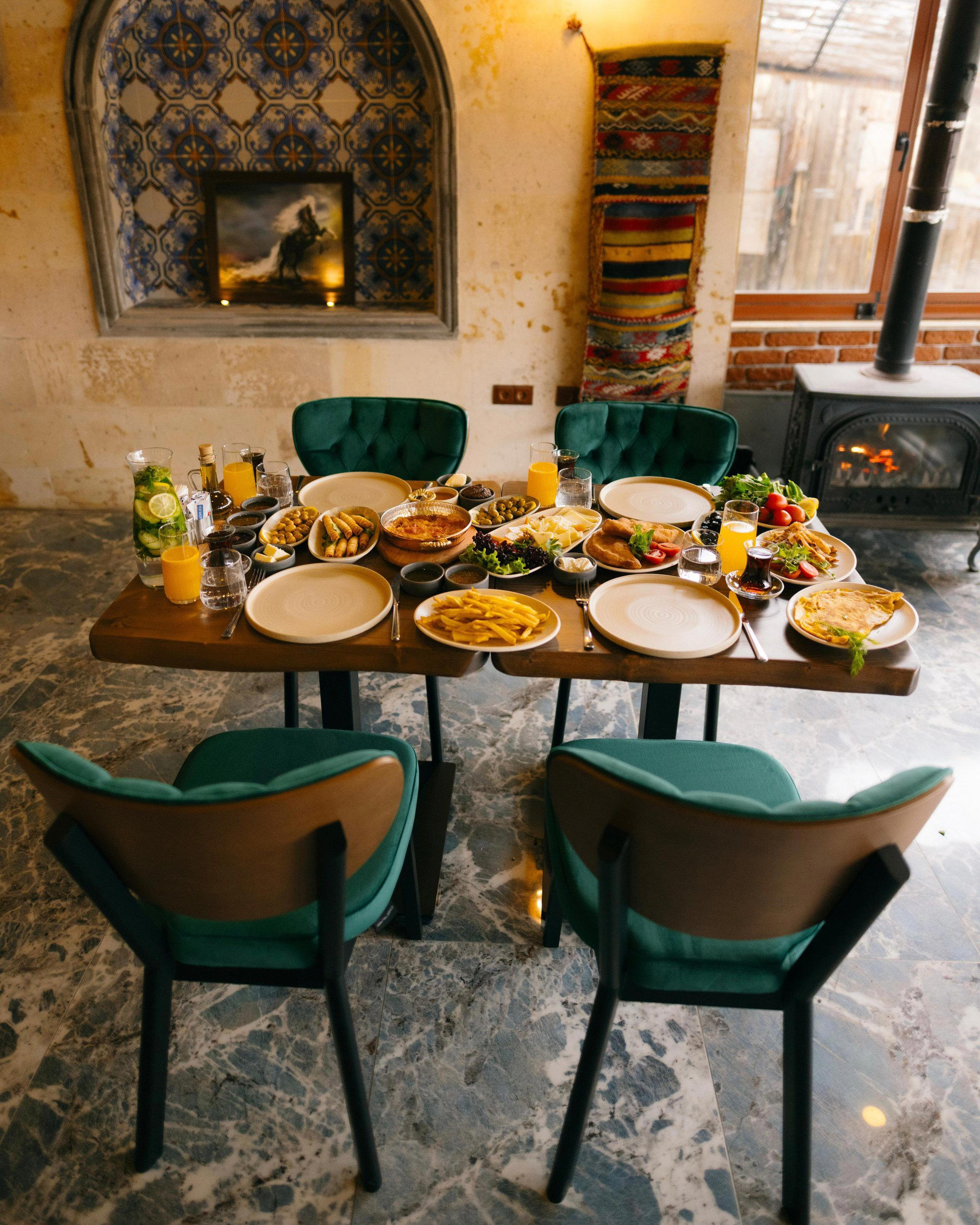
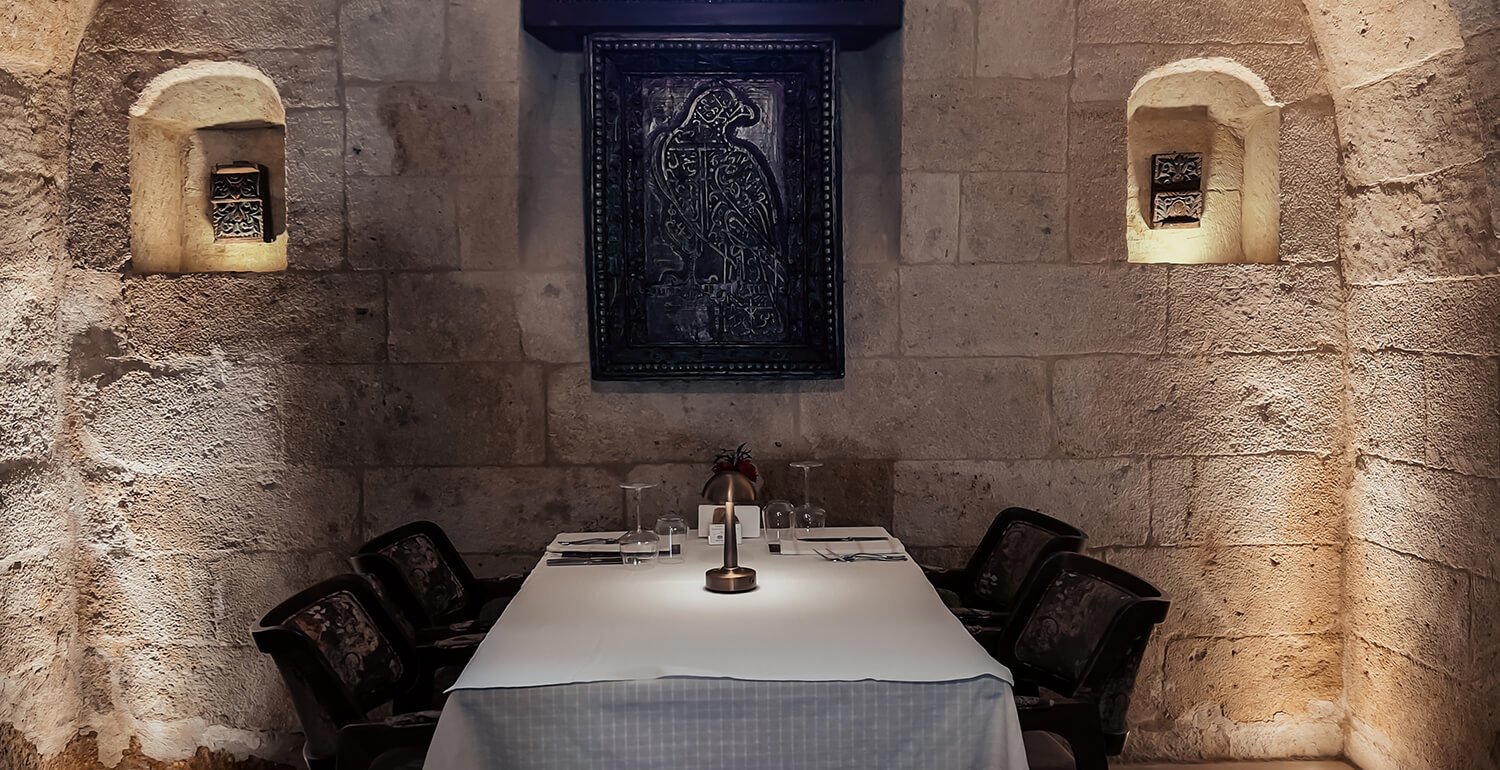
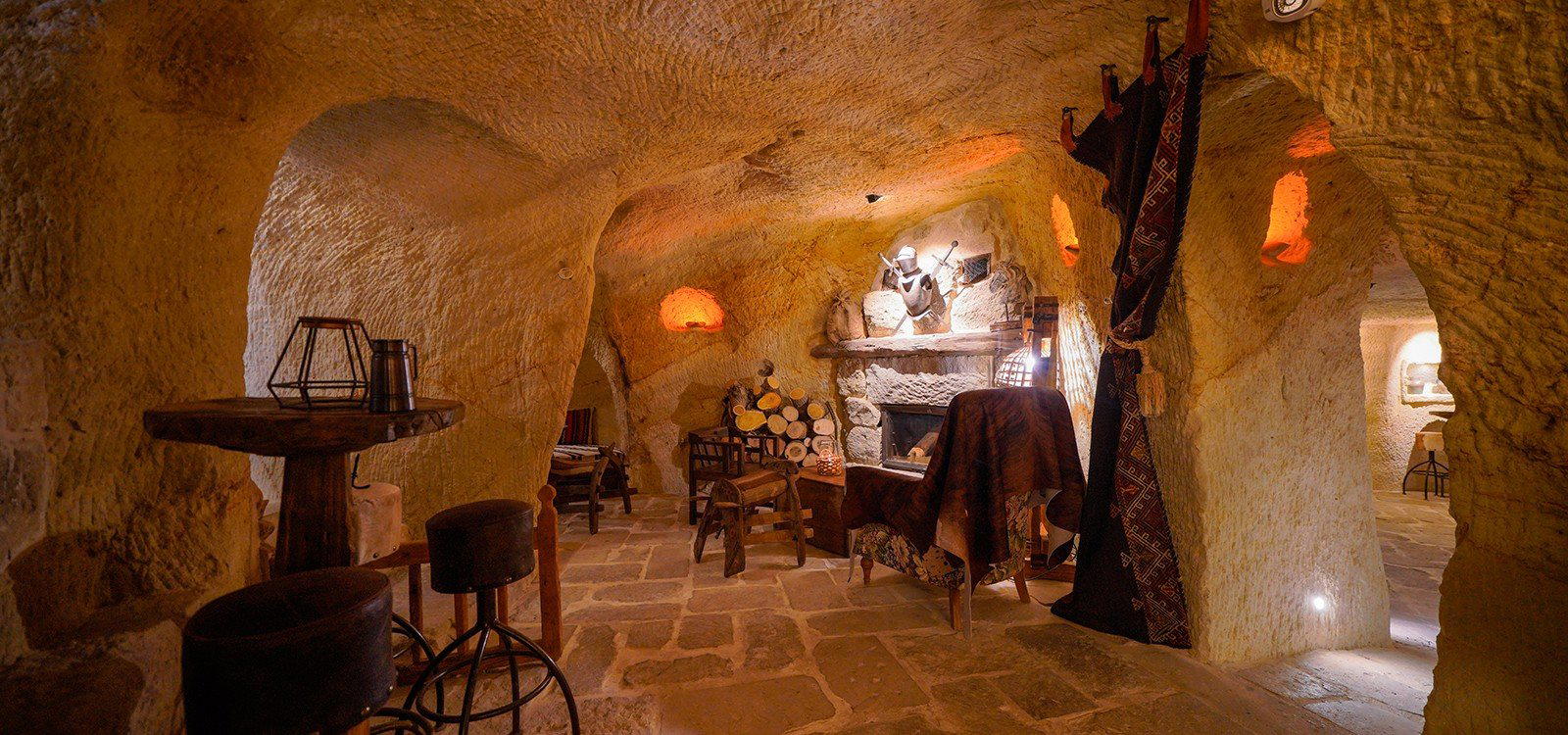
Charming with adorable decor and comfortable seating.