In Eyyubiye, a district where southeastern Anatolian food traditions run deep, Buzhane Restaurant ve Konuk Evi occupies a spot on Bıçakçı Street that doubles as a guesthouse, a format more common to this region than to Turkey's coastal dining circuit. The combination of lodging and table puts it in a small category of places where the kitchen and the hospitality are treated as a single proposition, not separate departments.
Pearl is the En Primeur Club membership app — saves, bookings, and concierge access live there. Same editors, same standards.
- Address
- Bıçakçı, 1249. Sk. 21 C D
- Phone
- +905384031626
- Website
- buzhani.com.tr
- Directions
- Get directions
 Saves & bookings on Pearl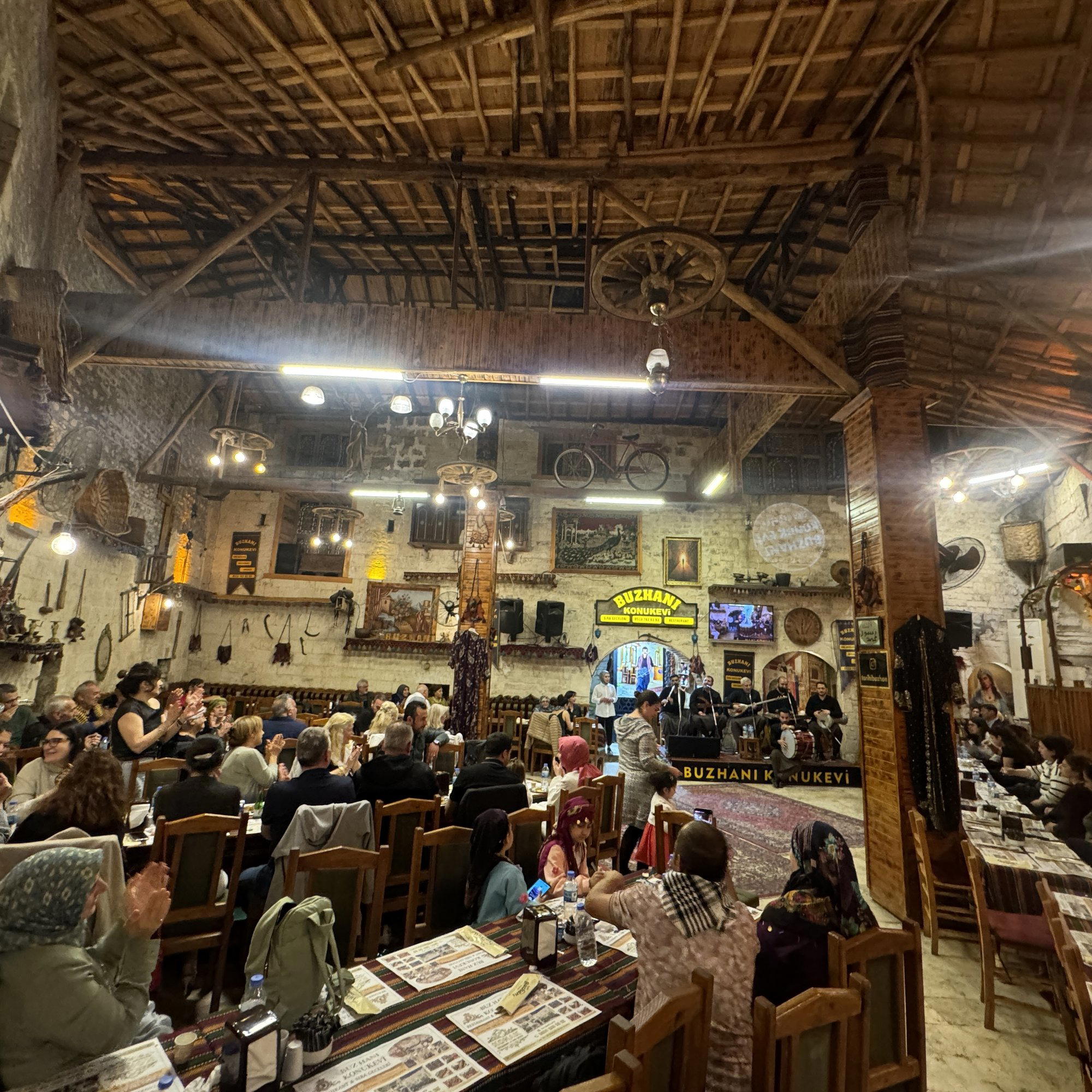
Where Southeastern Anatolia Puts Food and Shelter Under One Roof
The city of Şanlıurfa itself is sometimes called the city of prophets, and its food culture carries that weight: dishes here are tied to agricultural traditions stretching back millennia, rooted in the grain plains, herb-covered hillsides, and livestock pastures of the upper Mesopotamian corridor. It is a region where what arrives on the table is determined far more by what grows or grazes nearby than by any imported trend. Buzhane Restaurant ve Konuk Evi, addressed at Bıçakçı, 1249. Sk. 21 C D, operates inside that tradition.
The venue's dual identity as both restaurant and guesthouse (konuk evi) places it in a format that has long existed across Anatolia. In Turkey's dining conversation, the focus tends to cluster around Istanbul's ₺₺₺₺ tier, places like Turk Fatih Tutak in Istanbul or the contemporary coastal kitchens of Maçakızı in Bodrum. Southeastern Anatolia's konuk evi model operates on a different logic entirely: the kitchen exists to feed guests and locals simultaneously, which tends to produce menus shaped by availability and season rather than by a fixed culinary concept.
Ingredient Logic in the Upper Mesopotamian Corridor
Understanding what arrives on the table at a venue like Buzhane requires understanding what the surrounding land produces. Şanlıurfa Province is one of Turkey's primary agricultural zones, with significant pistachio cultivation (the Antep pistachio belt extends into this region), red pepper production, and cereal crops. Lamb from the region's pastures underpins a broad category of southeastern Anatolian cooking, from çiğ köfte in its original meat form (distinct from the tomato-based version sold elsewhere in Turkey) to slow-cooked preparations using offal and bone. Herbs like sumac grow wild across the hillsides and appear in marinades, salads, and spice blends that would be sourced commercially in most other Turkish cities.
This ingredient proximity is not a marketing position in southeastern Anatolia, it is simply the operational reality. Supply chains to the region's inland towns are less developed than those feeding Istanbul or Izmir, which means kitchens here have historically relied on what is nearby and in season. For a restaurant operating alongside a guesthouse, that constraint shapes the menu more directly than in a standalone fine-dining room. Compare this to Narımor in Izmir, where Aegean coastal produce creates a different sourcing logic, or to Nahita Cappadocia in Nevsehir, where volcanic soil agriculture defines the pantry. Each region of Turkey produces a distinct ingredient ecology, and southeastern Anatolia's version is among the more specific.
The Konuk Evi Format and What It Signals
The konuk evi, or guesthouse, is a form of hospitality that predates the modern hotel in Anatolia. Travelers moving between cities in this part of Turkey have historically relied on households or small establishments that offered both a meal and a bed as a single transaction. The format implies a level of domestic cooking, food prepared as it would be for household guests rather than optimized for restaurant-scale production. This is not a weakness; it is a different promise. In regions like Cappadocia, similar formats have attracted significant attention, as seen at Aravan Evi in Ürgüp, where the guesthouse-restaurant hybrid has been positioned as a premium experience. In Eyyubiye, the format exists without that premium framing, which keeps it closer to the original model.
For the reader considering where to eat in the district, this dual-function setup is worth factoring into expectations. A konuk evi kitchen is typically oriented around feeding whoever is staying that night alongside walk-in diners, which means the rhythm of service and the depth of the menu may differ from a standalone restaurant. It also means the kitchen tends to be more responsive to what was available that morning at the market or from a local supplier. Venues built around this model, from Agora Pansiyon in Milas to smaller establishments across Anatolia, share this characteristic.
Eyyubiye in the Wider Turkish Dining Conversation
Turkey's most-discussed restaurants in international food media occupy a narrow geographic band: Istanbul dominates, with Aegean coastal venues like those reviewed at Mezegi in Fethiye or Ahãma in Göcek forming a secondary cluster. Southeastern Anatolia rarely enters that conversation, despite holding some of the country's most historically grounded food traditions. The gap is not about quality, it reflects the structural realities of how food media allocates attention, which tends to follow tourism infrastructure and English-language accessibility.
Eyyubiye, as a district of Şanlıurfa, sits at a significant remove from that coverage. Venues here are not competing against Divia by Maksut Aşkar in Marmaris for the same diner. They are operating in a local economy with distinct expectations around price, format, and what a meal should accomplish. That is a meaningful distinction for any traveler choosing where to spend a dinner. For those making decisions across Turkey's mid-range regional dining, comparisons with Kardeşler Restoran in Aksaray or Sofram Restaurant in Niğde offer more useful calibration than anything from the Istanbul tier.
Within Eyyubiye itself, Hanehan Restaurant represents one point of comparison for understanding the local dining range.
Planning a Visit
Buzhane Restaurant ve Konuk Evi is located on Bıçakçı Street in Eyyubiye. As a combined restaurant and guesthouse, it serves both overnight guests and dining visitors. Approaching via the physical address or through local accommodation platforms is one reliable route. Given the konuk evi format, arriving with some flexibility in timing and menu expectations is practical. Those seeking a broader set of regional options before committing should consult Happena in Nevşehir and Kokorecci Asim Usta in Bornova for a sense of how different regional kitchen traditions compare.
A Quick Peer Check
Comparable venues nearby, for context on price, style, and recognition.
| Venue | Cuisine | Price | Notes |
|---|---|---|---|
| BUZHANE RESTAURANT VE KONUK EVİThis venue — the venue you are viewing | Traditional Turkish | $ | Not listed |
| Hanehan Restaurant | Turkish Local Cuisine | $$ | Eyyubiye |
| Tarihi Sultanahmet Köftecisi | Traditional Turkish Köfte | $ | Sultanahmet |
| Kofteci Huseyin 1958 | Traditional Turkish Kofte | $ | Beyoglu |
| Karadeniz Doner Ve Pide | Traditional Turkish Döner Kebab | $ | Beşiktaş |
| Baklavaci Zeki Inal | Traditional Turkish Baklava | $$ | Şahinbey |
Continue exploring
More in Eyyubiye
Restaurants in Eyyubiye
Browse all →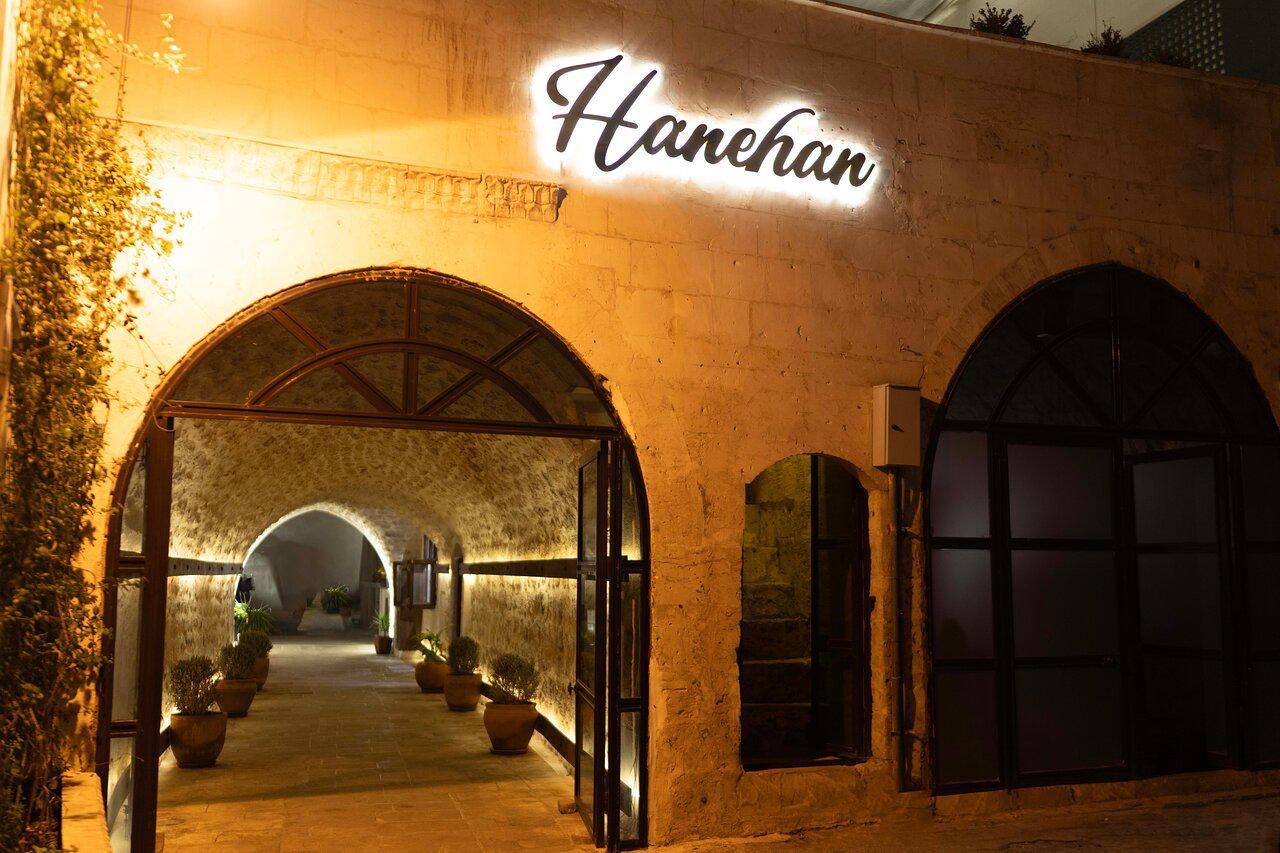
At a Glance
- Family
- Casual Hangout
- Historic Building
Current opening hours
- Monday
- 9 AM–11 PM
- Tuesday
- 9 AM–11 PM
- Wednesday
- 9 AM–11 PM
- Thursday
- 9 AM–11 PM
- Friday
- 9 AM–11 PM
- Saturday
- 9 AM–11 PM
- Sunday
- 9 AM–11 PM
Hours can change for holidays and private events. Last verified .
Cozy and classic historic house atmosphere.