A medieval-themed dining concept in the heart of Ürgüp, Barbarian Medieval Tavern occupies a stone-walled space that mirrors Cappadocia's broader tradition of cave architecture repurposed for hospitality. In a town where the dining scene splits between modern Anatolian cooking and heritage-rooted formats, this tavern stakes its claim on atmosphere and theatrical presentation as much as the food itself.
Pearl is the En Primeur Club membership app — saves, bookings, and concierge access live there. Same editors, same standards.
- Address
- Temenni, Bey Sk. No
- Phone
- +905423417476
- Website
- barbarian.com.tr
- Directions
- Get directions
 Saves & bookings on Pearl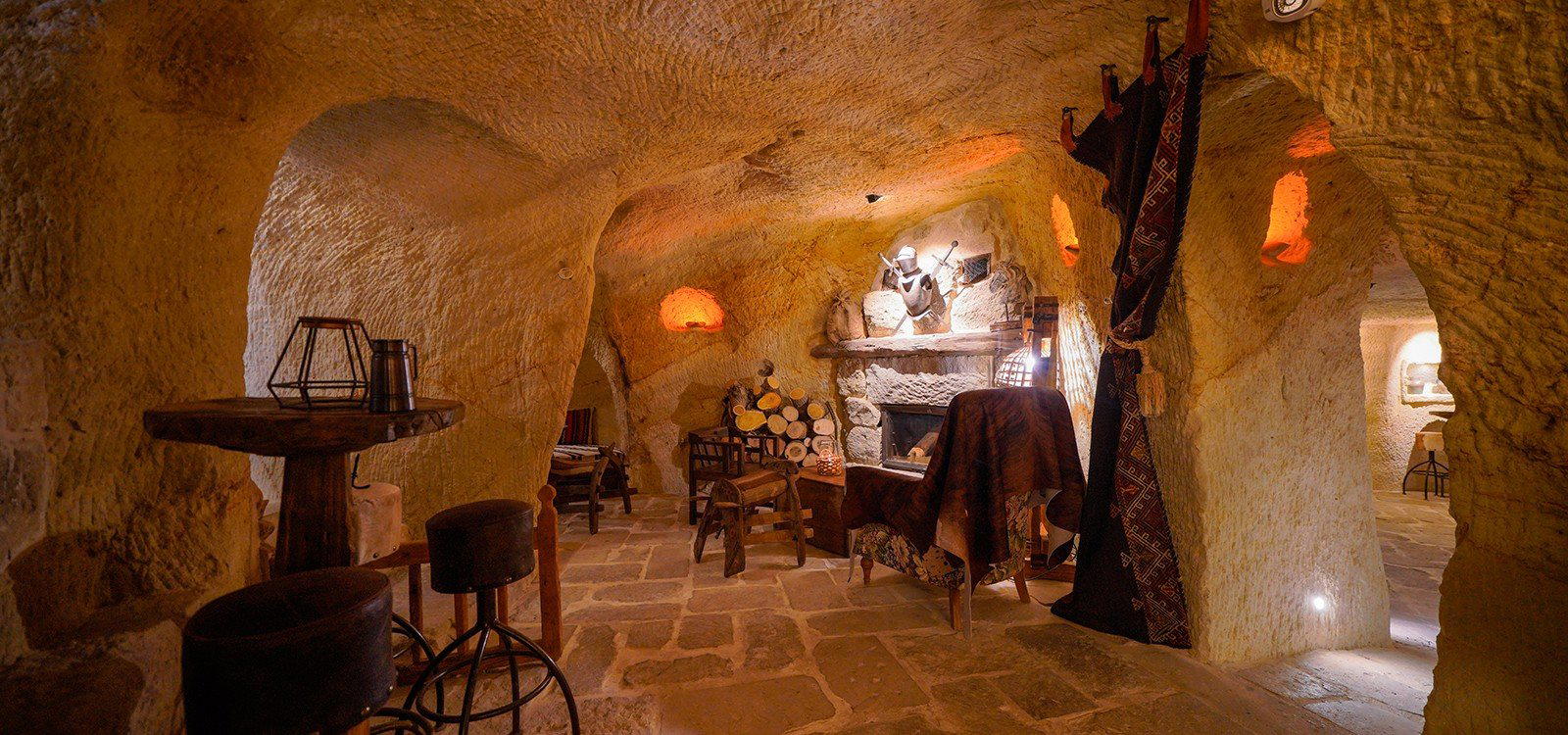
Stone Rooms and the Weight of Cappadocian Hospitality
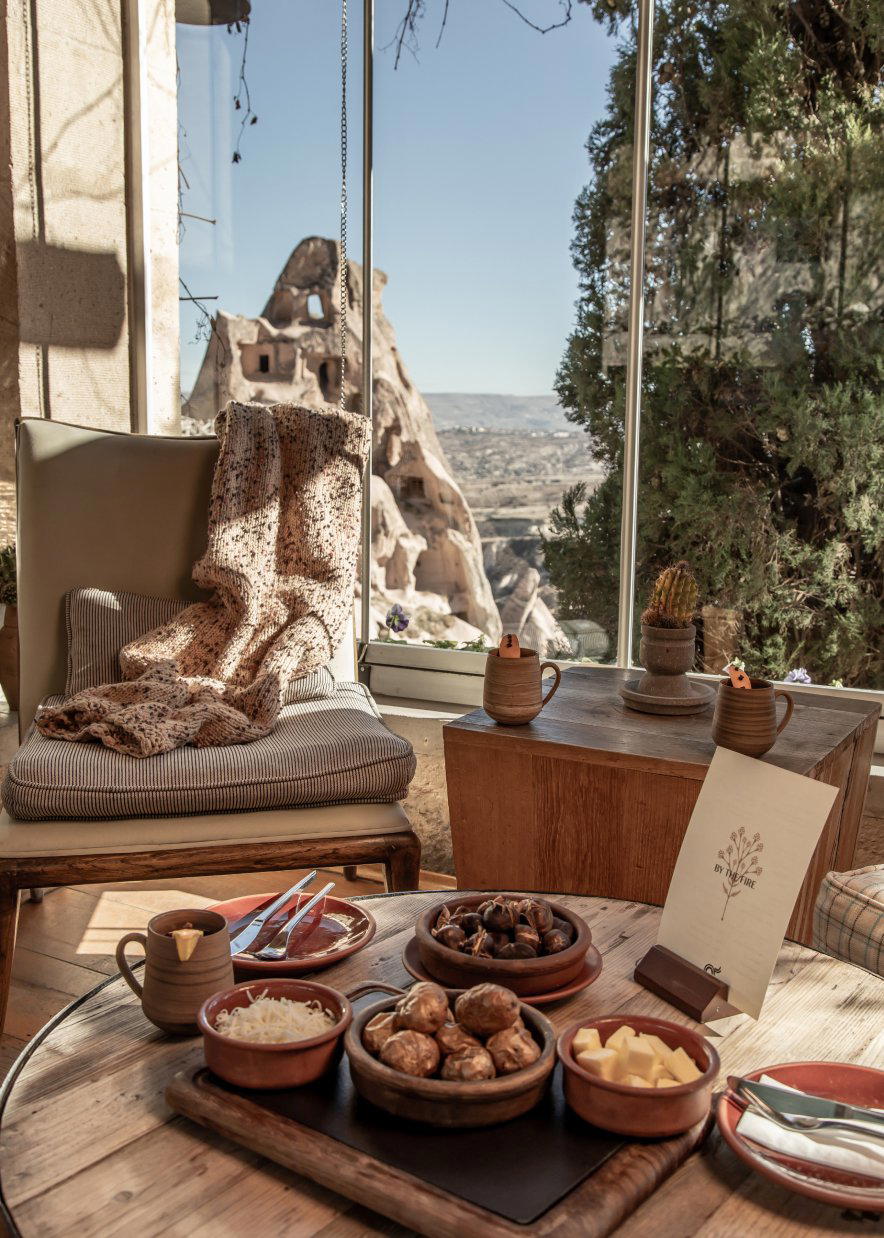
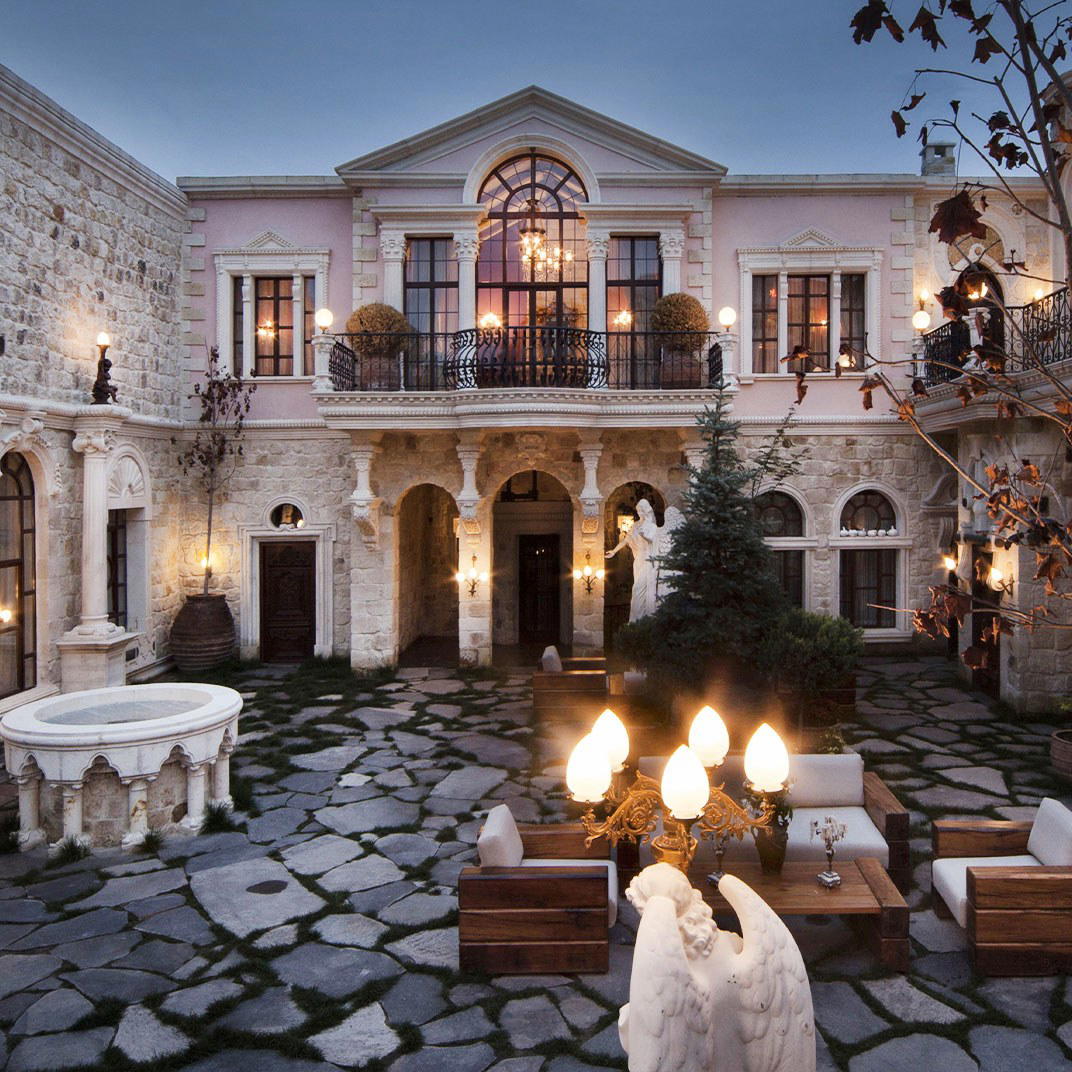
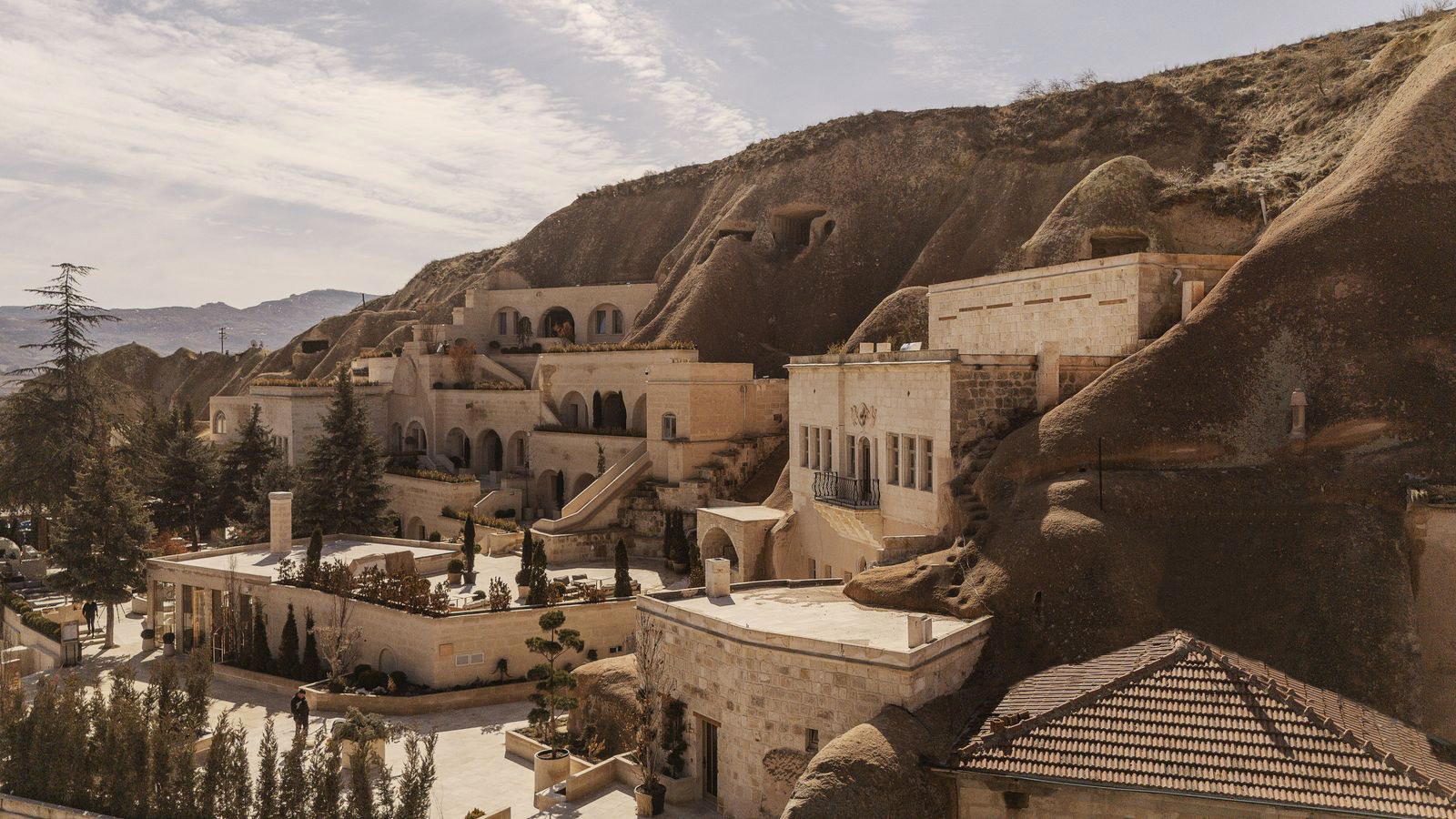
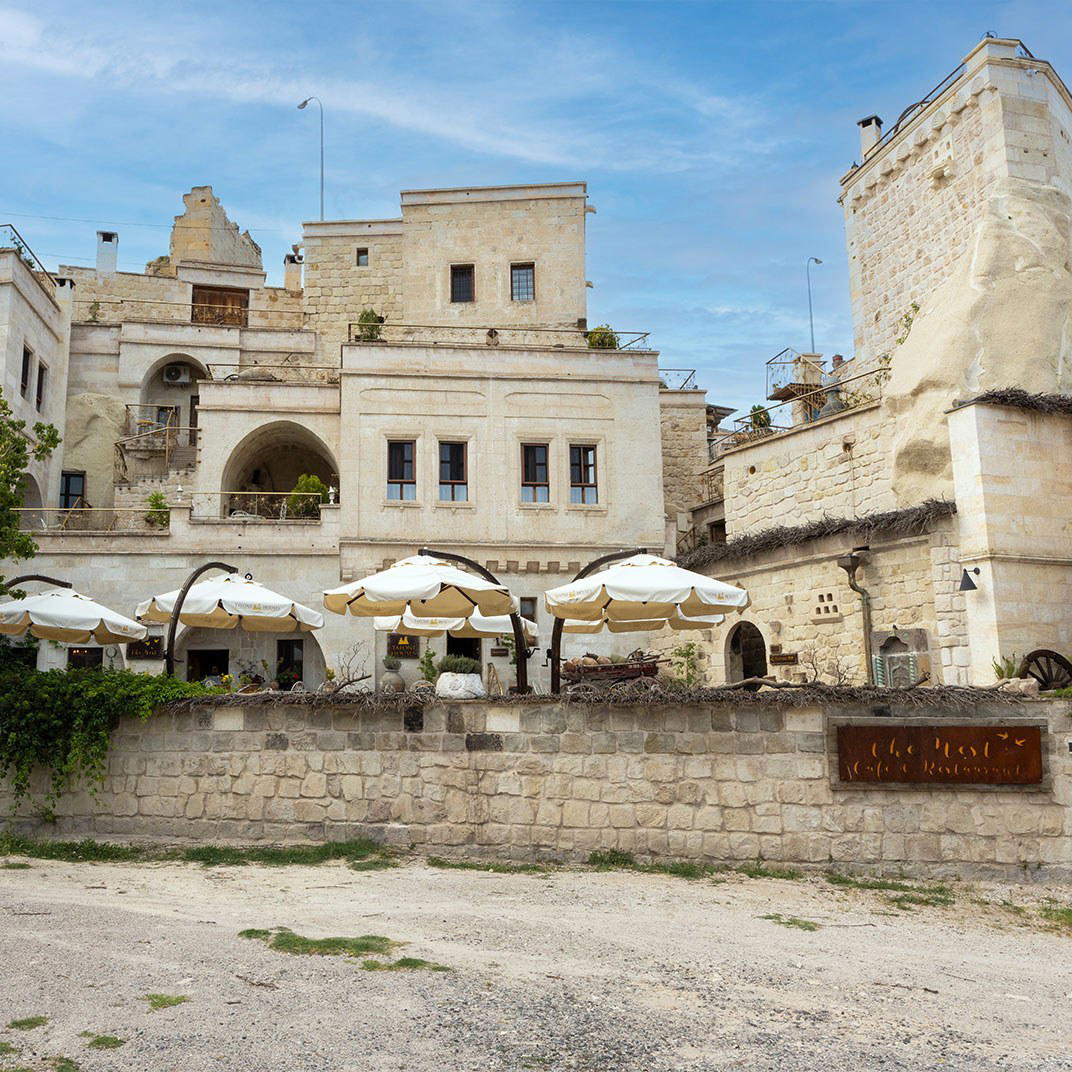
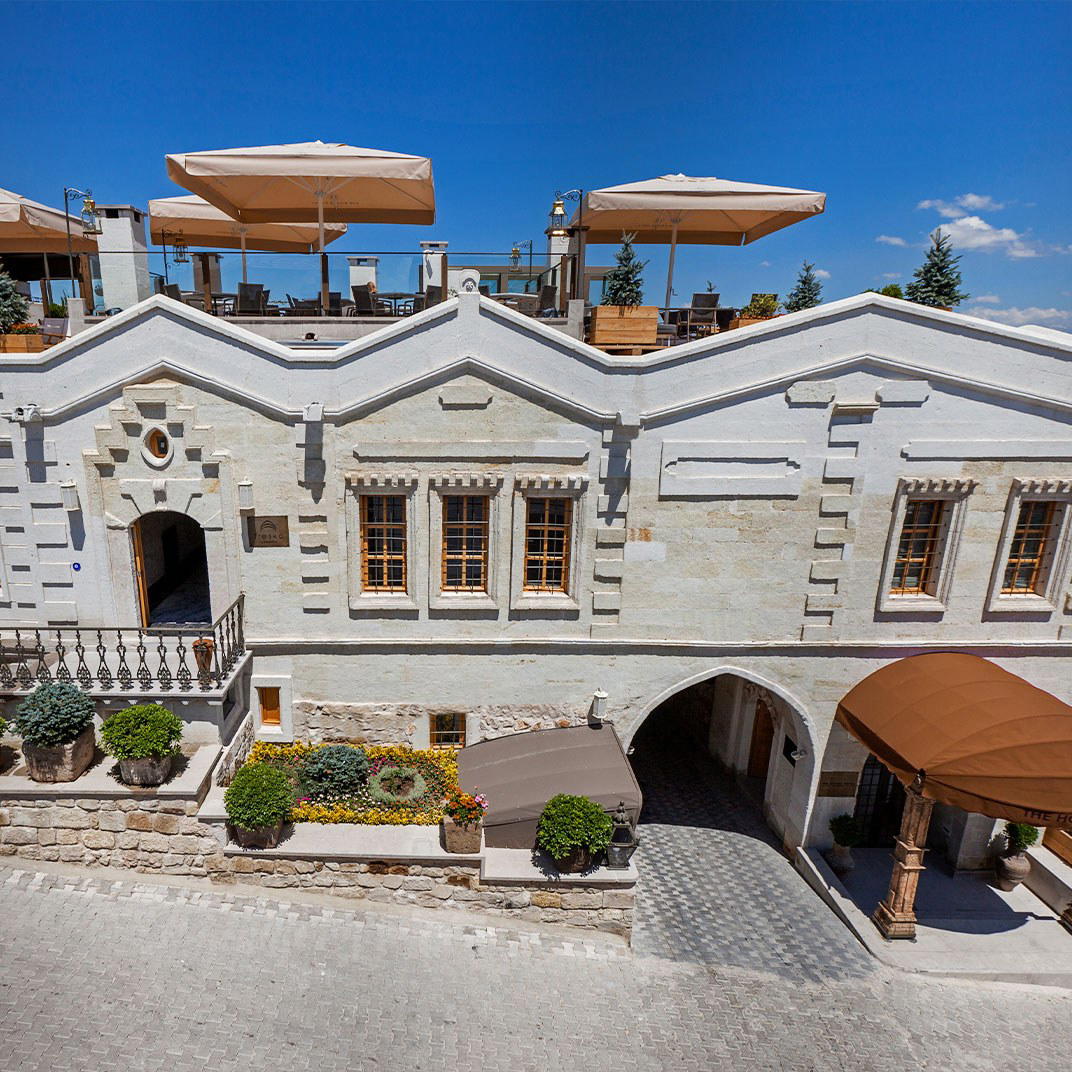
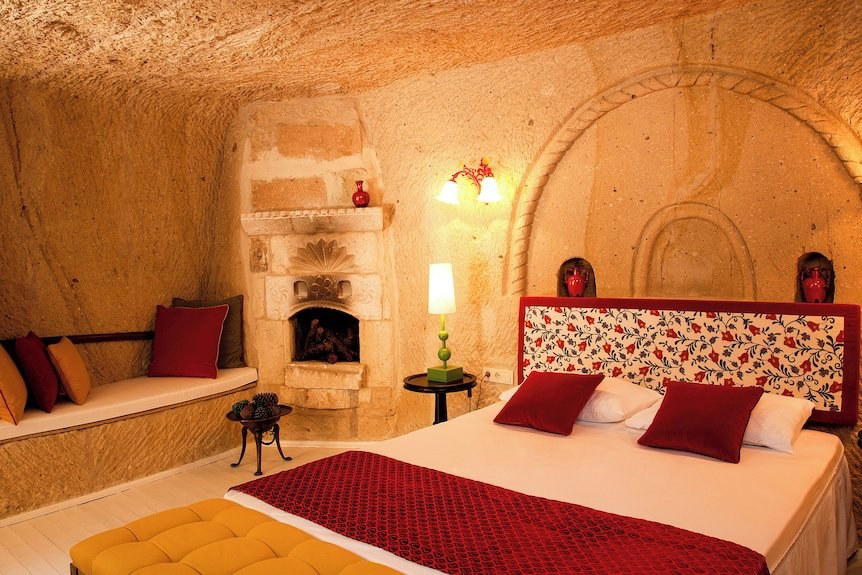
Walk through enough of Ürgüp's older quarters and a pattern emerges: the volcanic tuff that formed these cliffs over millennia has been hollowed, carved, and inhabited long before any restaurant concept arrived. Barbarian Medieval Tavern is a Turkish Steakhouse & Wine Bar in Ürgüp, serving a casual dining crowd in the Temenni district. Cappadocia's cave architecture is not a design choice here; it is the geological reality of the region, and tavern formats that lean into that materiality tend to feel more coherent than those that fight it with imported finishes.
The medieval tavern concept has a specific logic in Central Anatolia. This corridor of Turkey sat along the Silk Road, received Seljuk traders, and built caravanserais that functioned as the period's version of hospitality infrastructure. A dining format that references that era is drawing on documented regional history, not on a vague European fantasy. Whether Barbarian Medieval Tavern executes that reference with precision or relies more heavily on aesthetic shorthand is something visitors will assess for themselves, but the conceptual foundation is locally grounded.
What Cappadocia's Ingredient Culture Looks Like on a Plate
The editorial angle most relevant to any Ürgüp dining table is ingredient provenance, because Cappadocia is one of Turkey's more self-sufficient agricultural zones. The volcanic soil around Nevşehir produces apricots, grapes, and root vegetables with mineral depth that is traceable to the terrain. Lamb from the surrounding plateau has a leanness that reflects the altitude and grazing conditions. Any kitchen in this region that connects its sourcing to these outputs is working with materials unavailable to, say, a Bodrum resort or an Istanbul fine-dining room operating on imported produce logic.
Anatolian interior has a preserved tradition of slow-cooked preparations: testi kebabı, the clay-pot meat dish that Cappadocia has claimed as its most recognisable export, requires both the vessel and a cooking duration that shortcuts cannot replicate. Similarly, mantı, the small filled dumplings served across Central Anatolia, reflects a cuisine where labour intensity is embedded in the tradition rather than added as a premium signal. Restaurants in this region that maintain these preparations are not simply presenting nostalgia; they are operating inside a food culture where process is inseparable from result. For context on how the broader Ürgüp dining scene handles this tension between tradition and modernity,
Among venues in the town itself, Hezen Restaurant and Kemeralti Restaurant represent different points on the spectrum from heritage-format to contemporary Anatolian, and together with Barbarian they give travellers a genuine choice of register rather than a single dominant mode.
The Regional Frame: Where Ürgüp Dining Sits in Turkish Gastronomy
Turkish restaurant culture has bifurcated at the upper end. Istanbul operations like Turk Fatih Tutak and coastal formats like Maçakızı in Bodrum operate at the ₺₺₺₺ tier with modernist technique as their primary identity. The interior of Anatolia, including Cappadocia, represents a different register: heritage formats, regional ingredient specificity, and price structures calibrated to a market where international tourism volume is high but luxury spend per head remains lower than Istanbul or the Aegean coast. Narımor in Izmir sits between these poles, while Nahita Cappadocia in Nevsehir operates closer to the Cappadocian tradition of hospitality-integrated dining.
Within that frame, a medieval tavern concept in Ürgüp is not competing with tasting-menu restaurants. Its comparable set is experiential dining: formats where the setting and the theatrical register of the meal are as much the product as the plate. Lazy Bear in San Francisco and, in a different register, Le Bernardin in New York City both demonstrate that a clearly defined format identity matters more than category prestige. Barbarian Medieval Tavern's value proposition depends almost entirely on how coherently it executes its own brief.
Elsewhere in Turkey, regional specificity is being embraced rather than apologised for. Kokorecci Asim Usta in Bornova, Aravan Evi in Ürgüp, and Mezegi in Fethiye each anchor their identity in locally specific food cultures rather than pan-Mediterranean or globalised menus. That tendency toward rootedness is the operating context into which Barbarian's concept fits, at least geographically.
Visiting Barbarian Medieval Tavern: What to Know Before You Go
Ürgüp sits roughly in the centre of the Cappadocia triangle, accessible from Nevşehir airport (the nearest commercial hub) and well-connected to Göreme, Avanos, and Uçhisar by road. Temenni, the district where the tavern is addressed, is one of the town's older residential and commercial quarters, within walking distance of Ürgüp's main square. Visitors staying at cave hotels in Ürgüp itself will generally be close enough to reach the venue on foot in the evenings.
Reservations are recommended, especially in peak Cappadocia season. The Ürgüp dining scene can fill quickly during festival periods and hot-air balloon rush weeks. For comparison, Happena in Nevşehir and Agora Pansiyon in Milas both field significant advance interest during their respective peak windows, and regional experiential dining formats in Turkey tend to follow similar booking compression patterns.
For travellers with broader Turkish itineraries, the restaurant sits within a wider regional dining network. Divia by Maksut Aşkar in Marmaris, Ahãma in Göcek, Poyraz Sahil Balık Restaurant in Beykoz, and Kardeşler Restoran in Aksaray each represent different points in the country's dining geography, and together they sketch a picture of how varied Turkish dining is once you move beyond Istanbul.
In Context: Similar Options
Comparable venues nearby, for context on price, style, and recognition.
| Venue | Cuisine | Price | Awards | Notes |
|---|---|---|---|---|
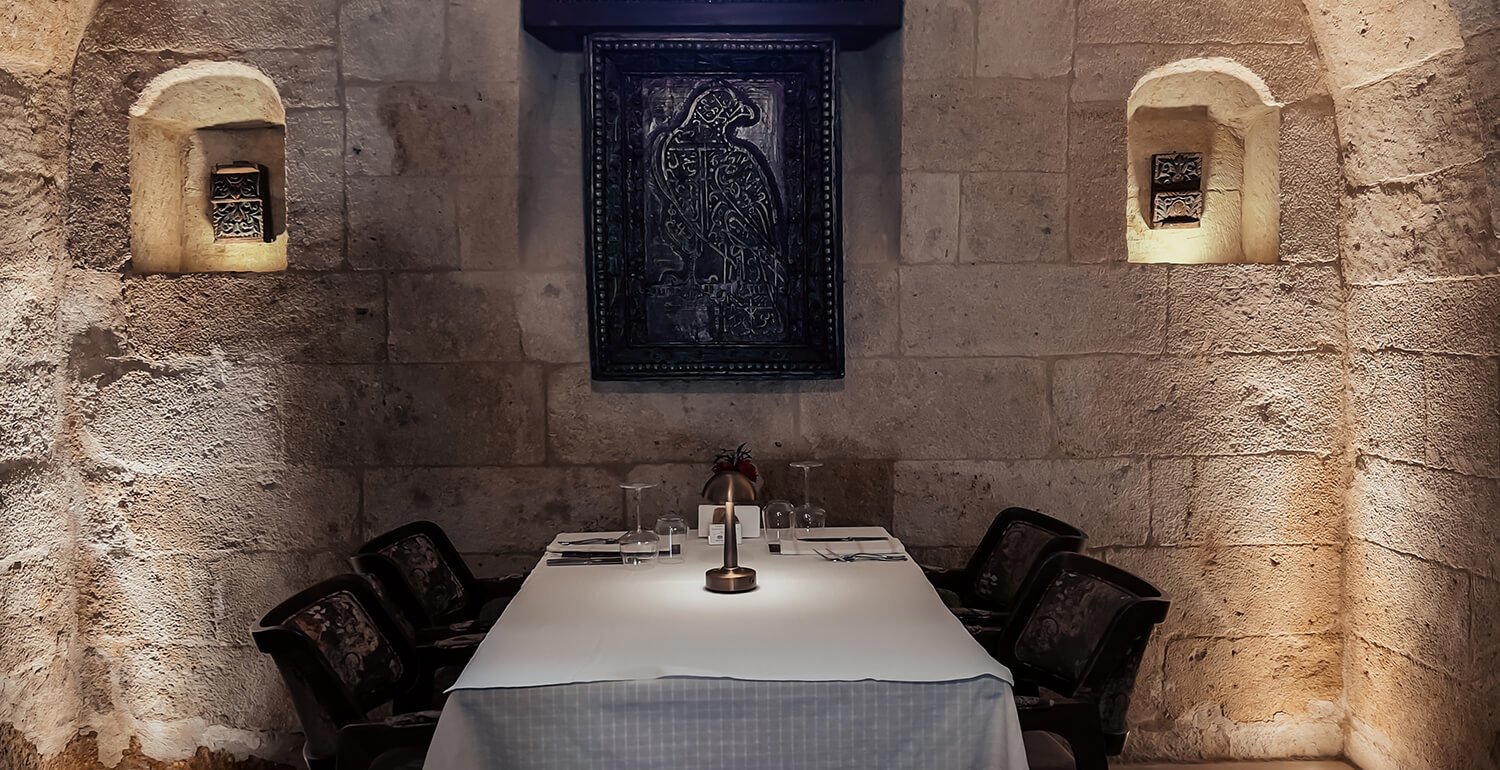
| Barbarian Medieval TavernThis venue — the venue you are viewing | Turkish Steakhouse & Wine Bar | $$ | Not listed | Not listed |
| Gorgoli | Traditional Turkish Regional Cuisine | $$ | Michelin Plate | Mustafapaşa |
| Hezen Restaurant | Authentic Cappadocian Turkish | $$$ | Not listed | Ortahisar |
| Tık Tık Kadın Emeği | Traditional Cappadocian Home Cooking | $ | Michelin Plate | Duayeri |
| Kemeralti Restaurant | Authentic Turkish | $$ | Not listed | Ortahisar |
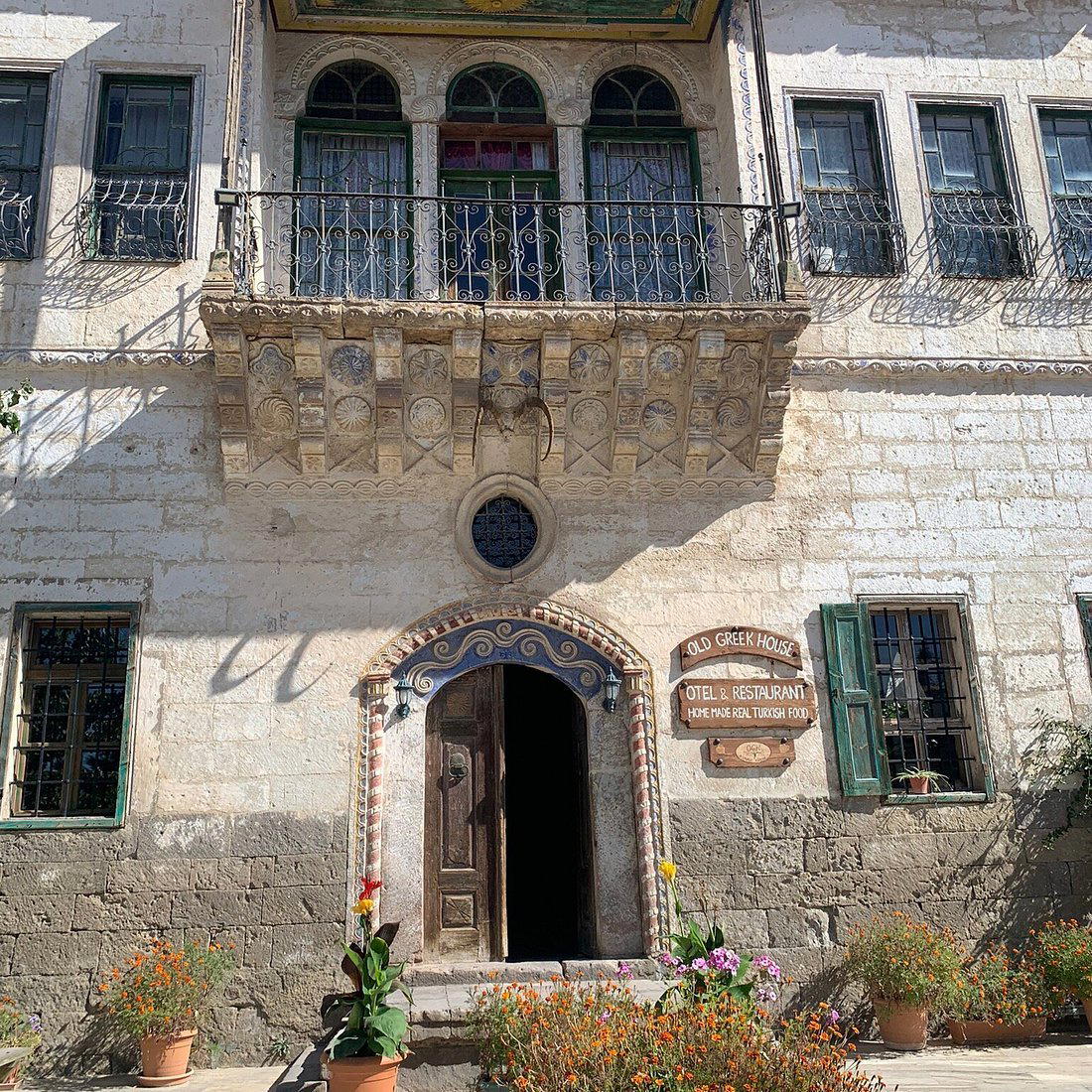
| Old Greek House | Traditional Turkish Country Cooking | $$ | Bib Gourmand | Mustafapaşa |
At a Glance
- Rustic
- Cozy
- Whimsical
- Group Dining
- Celebration
- Casual Hangout
- Historic Building
- Extensive Wine List
Current opening hours
- Monday
- 1 PM–12 AM
- Tuesday
- 1 PM–12 AM
- Wednesday
- 1 PM–12 AM
- Thursday
- 1 PM–12 AM
- Friday
- 1 PM–12 AM
- Saturday
- 12 PM–12 AM
- Sunday
- 12 PM–12 AM
Hours can change for holidays and private events. Last verified .
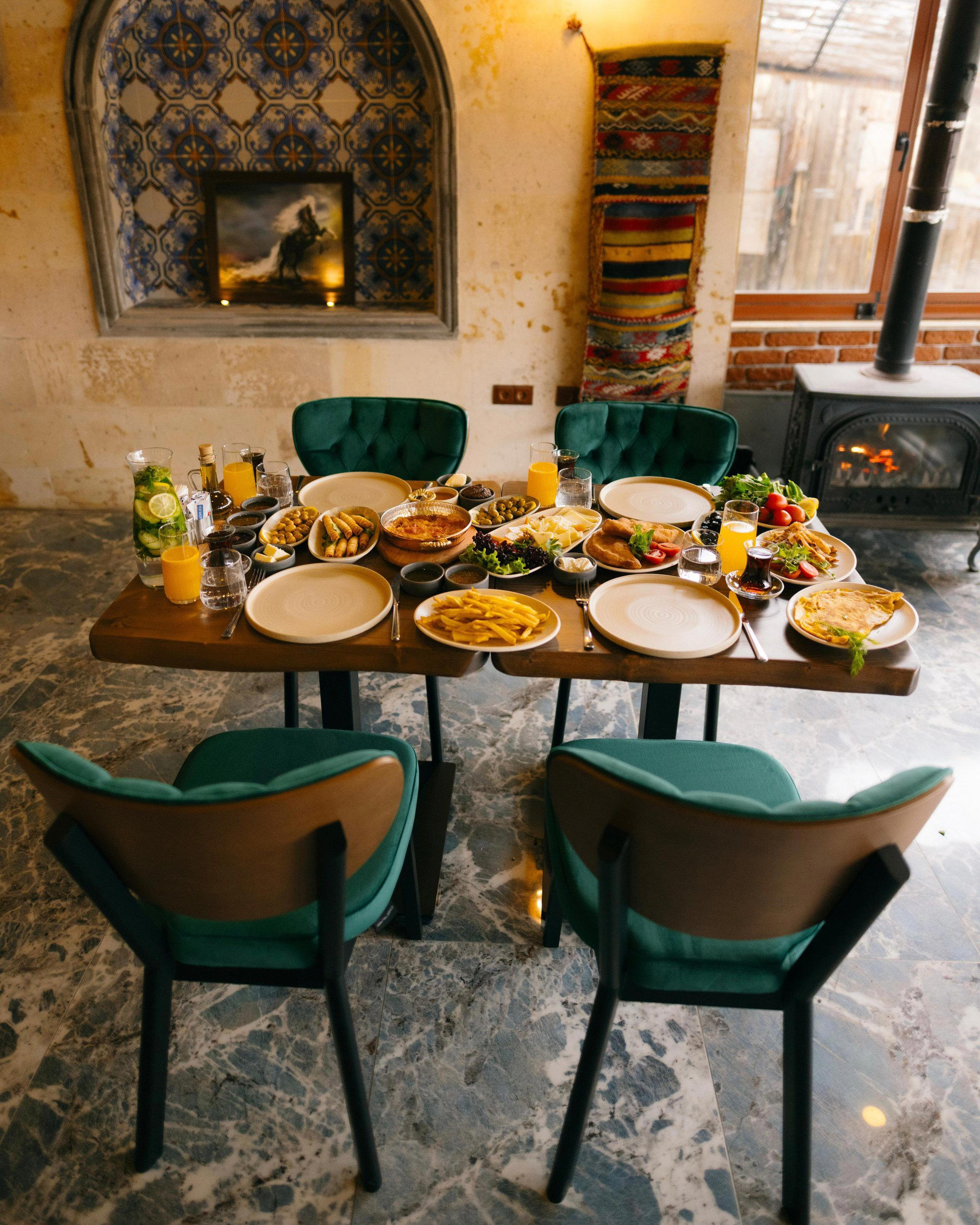
Cozy cave setting with medieval decorations, Viking ambiance, and rowdy tavern tables lit for an atmospheric, period-inspired feel.