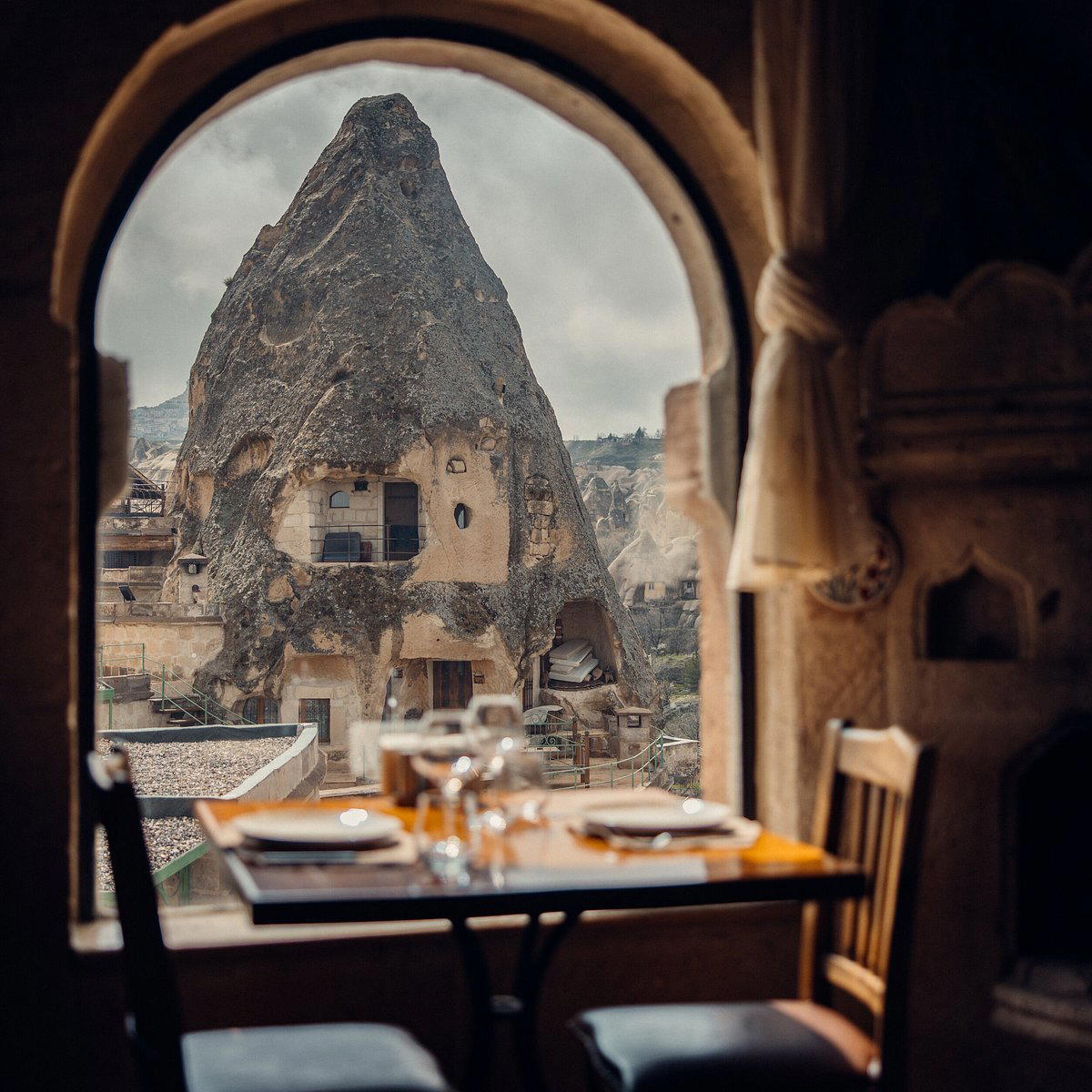
Hezen Restaurant sits in the Ortahisar quarter of Ürgüp, where Cappadocia's cave-carved architecture sets a distinct stage for Central Anatolian cooking. The address places it within the valley's broader dining circuit, where stone-cut interiors and local ingredient traditions define the category. Visitors to Ürgüp's restaurant scene use Hezen as a reference point alongside the area's established table-service houses.
Pearl is the En Primeur Club membership app — saves, bookings, and concierge access live there. Same editors, same standards.
- Address
- Esentepe Mah. Tahirbey sok Ortahisar, Ürgüp, Nevşehir, Cappadocia, 50400 Ürgüp/Nevşehir, Türkiye
- Phone
- +905012573099
- Website
- hezenhotel.com
- Directions
- Get directions
 Saves & bookings on Pearl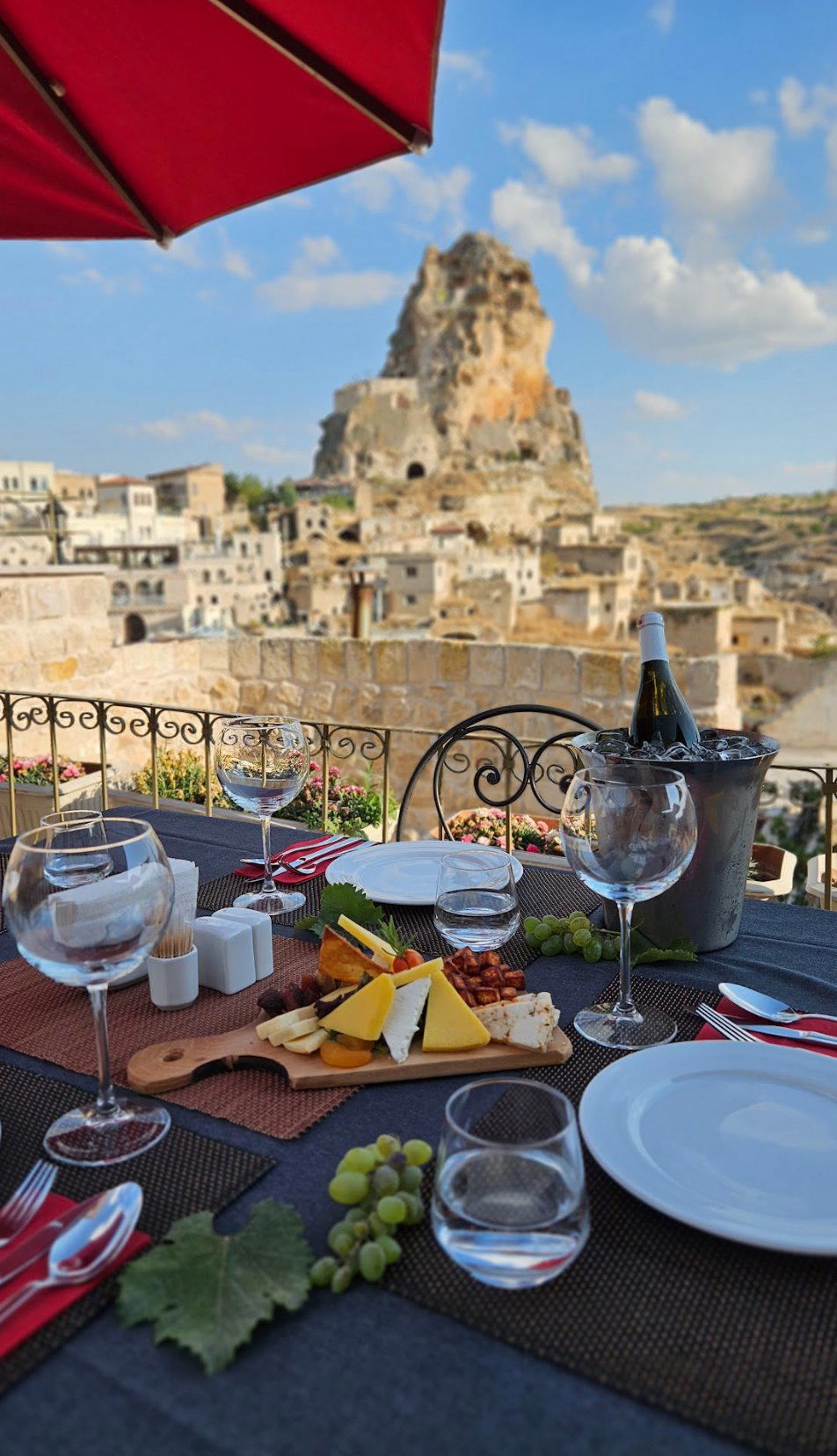
Stone, Valley, and the Table: Dining in Cappadocia's Ürgüp
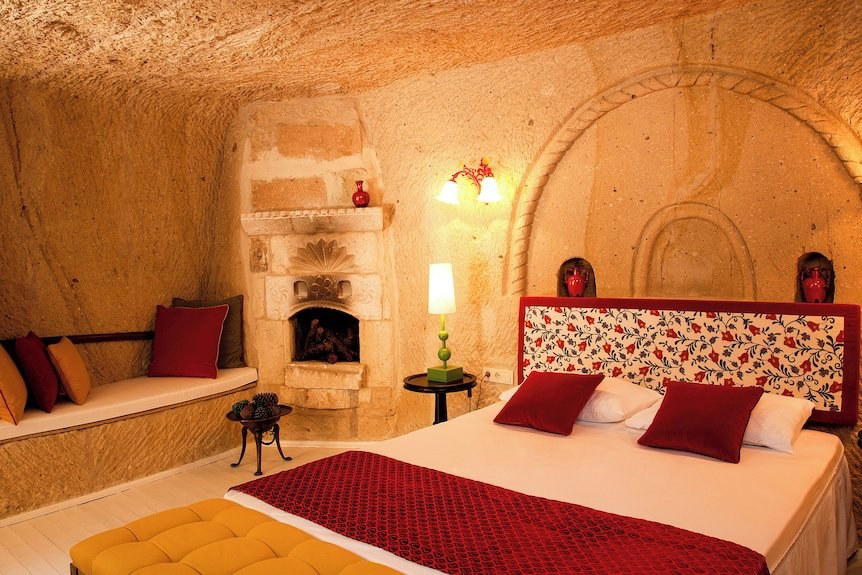
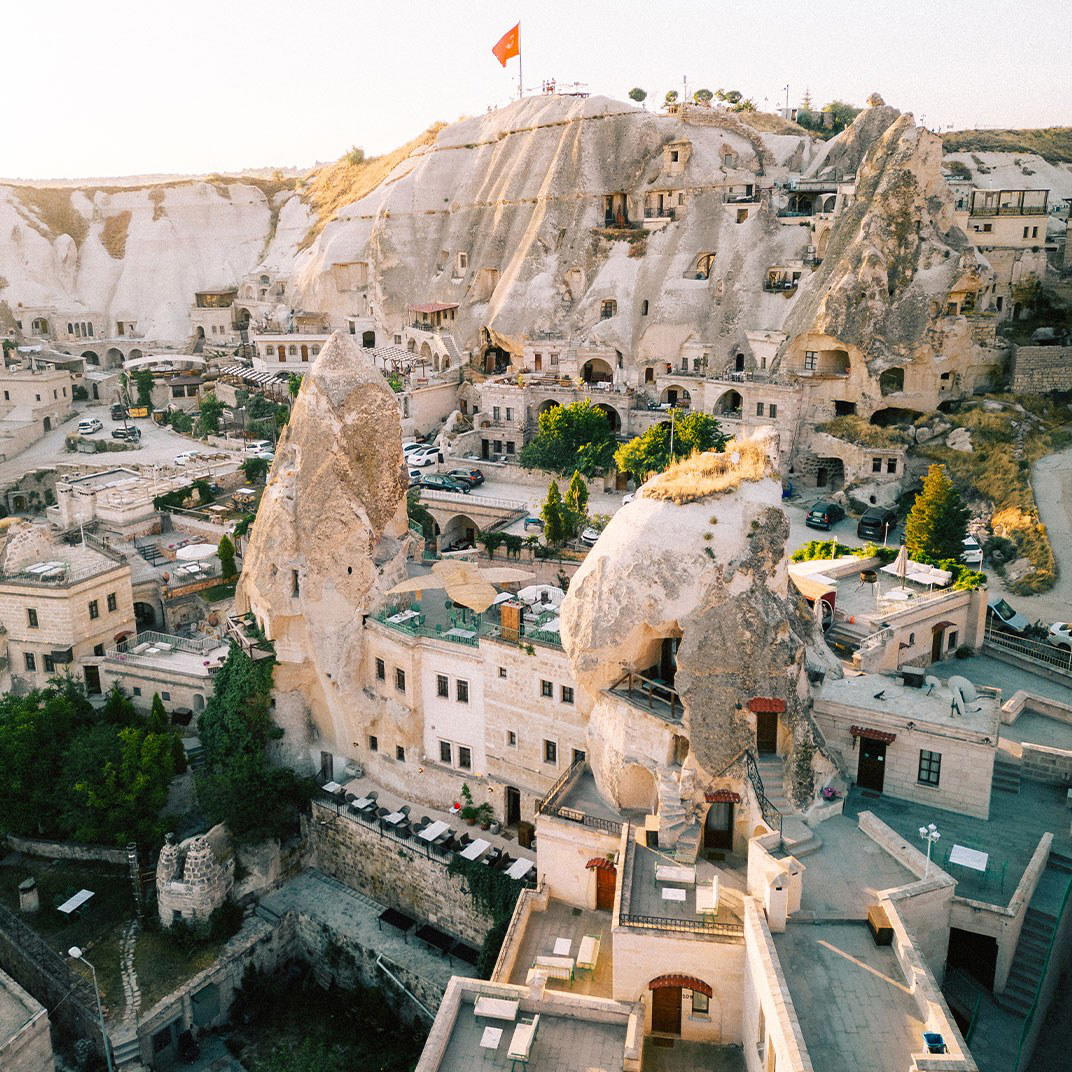
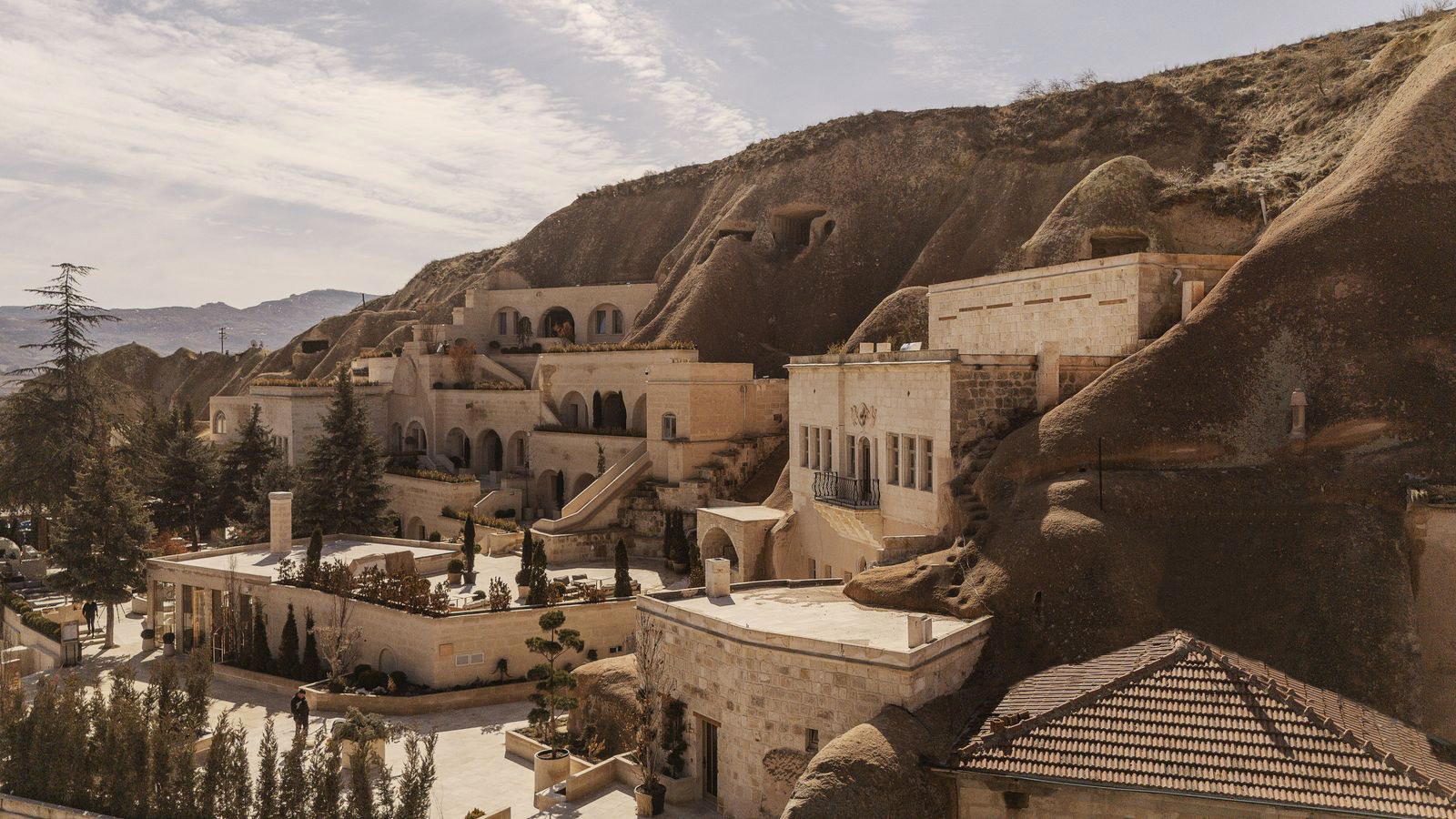
Approach Ürgüp from the Nevşehir road at dusk and the landscape does the work that no restaurant can replicate: volcanic tuff formations, centuries of human excavation, and a sky that turns the colour of dried apricot over the Ortahisar ridge. It is in this built environment, where rooms are carved rather than constructed and walls hold the temperature of the earth, that Cappadocia's restaurant tradition operates. Hezen Restaurant sits within that tradition, addressed on Tahirbey Sokak in the Esentepe neighbourhood near Ortahisar, a quarter where the cave-cut architecture of the district is at its most intact.
Ürgüp occupies a specific position in Turkey's dining geography. Unlike Istanbul, where restaurants such as Turk Fatih Tutak press Anatolian ingredients through a fine-dining lens refined over decades of international competition, or coastal towns where venues like Maçakızı in Bodrum trade on Aegean produce and a resort-adjacent identity, Cappadocia's table-service restaurants work from a different brief. The region's cooking is land-locked and volcanic-soil-dependent, built around ingredients that have supplied Central Anatolian kitchens for generations: tarhana, dried pulses, pottery-cooked lamb, and the grape varieties that grow in mineral-dense soil at altitude. This is not a cuisine that pivots seasonally toward the sea.
Central Anatolian Cooking: What the Region Puts on the Table
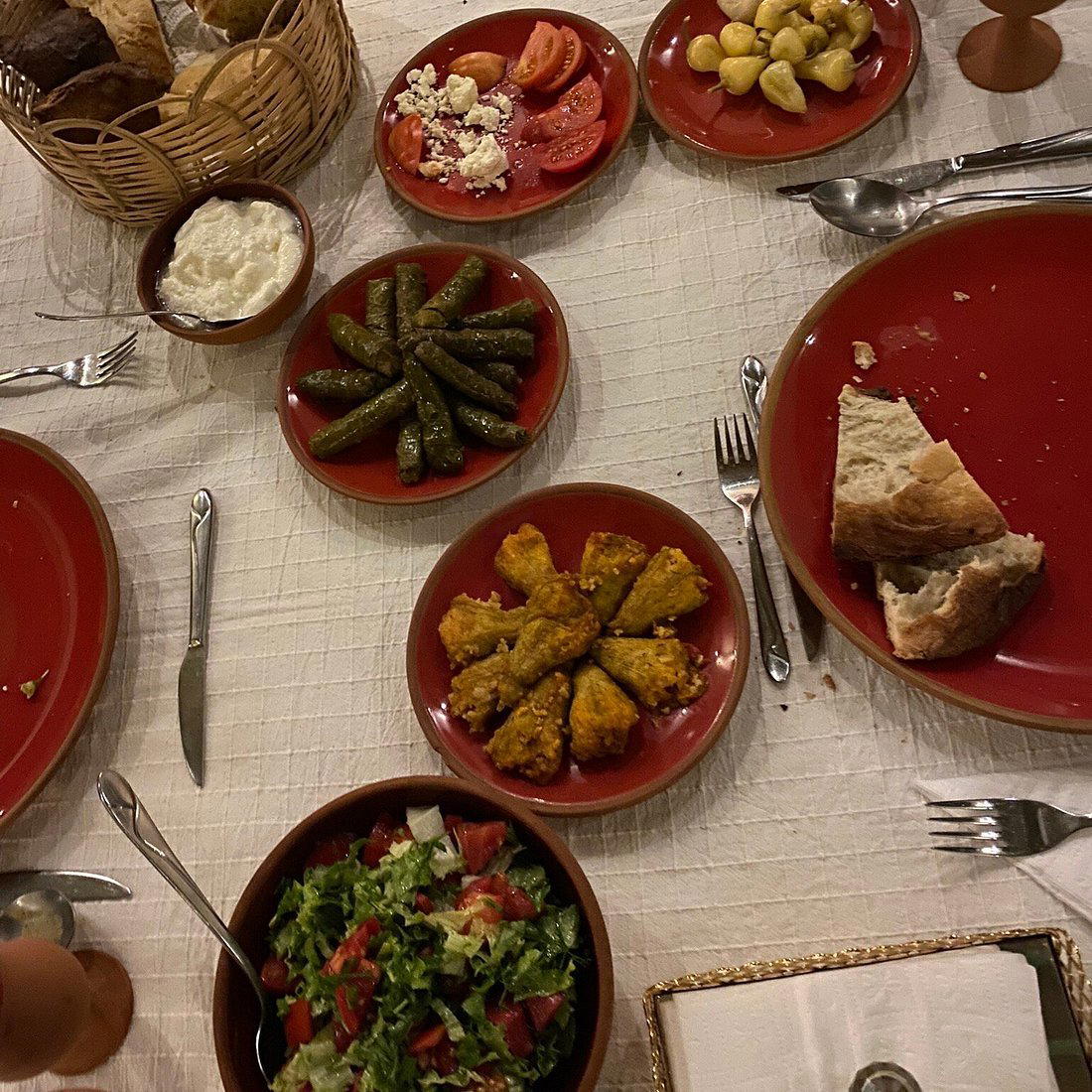
The cultural roots of Cappadocian food run deep enough to predate the modern Turkish republic. The region sat on Silk Road transit routes and absorbed Persian, Byzantine, and Seljuk culinary influences across centuries. What emerged is a cooking tradition characterised by slow application of heat, earthenware vessels, and the preservation techniques that an inland continental climate demands. Pottery kebab, where meat and vegetables seal inside a clay pot and cook under pressure until the vessel is cracked open at the table, is among the more regionally specific preparations a Cappadocian kitchen can claim. It is not a technique borrowed from Istanbul or the coast.
Grape-growing in the Cappadocia region, centred on varieties including Öküzgözü and Kalecik Karası, has created a wine culture that pairs naturally with the region's red-meat-forward cooking. Restaurants in Ürgüp and its surrounding villages increasingly reference local production as part of a dining proposition that positions Cappadocian food not as folkloric nostalgia but as a cuisine with a coherent regional identity. This is the context in which Hezen, and its peers across the valley, operate.
The Ortahisar Quarter and Its Dining Character
Ortahisar is a distinct node within the broader Ürgüp area, anchored by its fortress rock and a village structure that retains more residential character than the tourist-facing centre. Tables in this quarter tend to serve a mix of long-stay visitors and locals rather than the purely transient balloon-tourism crowd that moves through Göreme. That distinction shifts the dining register slightly: less performance, more function, and a price tier that reflects proximity to local supply rather than markup for captive hotel guests.
Hezen's immediate comparable set in Ürgüp includes venues that have built recognition across similar ground. Aravan Evi and Babayan Evi Restaurant both work within converted stone-house formats common to the district. Gorgoli and Kemeralti Restaurant represent the town-centre end of the market. Barbarian Medieval Tavern occupies the theatrical end of the spectrum. Hezen operates in the quieter residential quarter, which places it at a remove from the high-foot-traffic strip without requiring the visitor to travel far from the town's core.
Where Cappadocia Sits in Turkey's Broader Restaurant Map
Turkey's dining scene has fragmented productively over the past decade. Istanbul's historical-cuisine specialists, such as Asitane in Fatih, reconstruct Ottoman court recipes with archival precision. Aegean cities like Izmir produce table-first cooking with documented local sourcing, represented by venues including Narımor. Street-format specialists such as Dürümzade in Beyoglu or Kısmet Etliekmek ve Lahmacun Salonu in Karaman hold their own category, as do regionally focused independents like Hiç Lokanta in Urla or the meyhane tradition kept by venues such as Kritikos Meyhane in Mudanya. Cappadocia's restaurants, by contrast, compete on place as much as plate. The physical environment, the pottery cooking tradition, and the regional wine story give the area's dining a coherence that Istanbul's sheer density makes harder to achieve.
This does not mean Cappadocian restaurants are immune to the pressures facing Central Anatolian tourism generally. Increased visitor volumes from the balloon-tourism circuit have pushed some venues toward simplified menus designed for rapid table turns. The better addresses in Ürgüp, sitting slightly off the main tourism axis, have maintained a more deliberate pace. For reference points outside Turkey entirely, the comparison with tasting-menu-format rooms like Le Bernardin in New York or the fermentation-led precision of Atomix illustrates how different the operating logic of a regional Anatolian table-service house is: the ambition here is fidelity to place, not technical escalation for its own sake. Similarly, coastal-casual formats like Bayramoğlu Döner in Beykoz or Casa Lavanda in Sile illustrate how Turkey's dining geography spreads far beyond any single register.
Planning a Visit
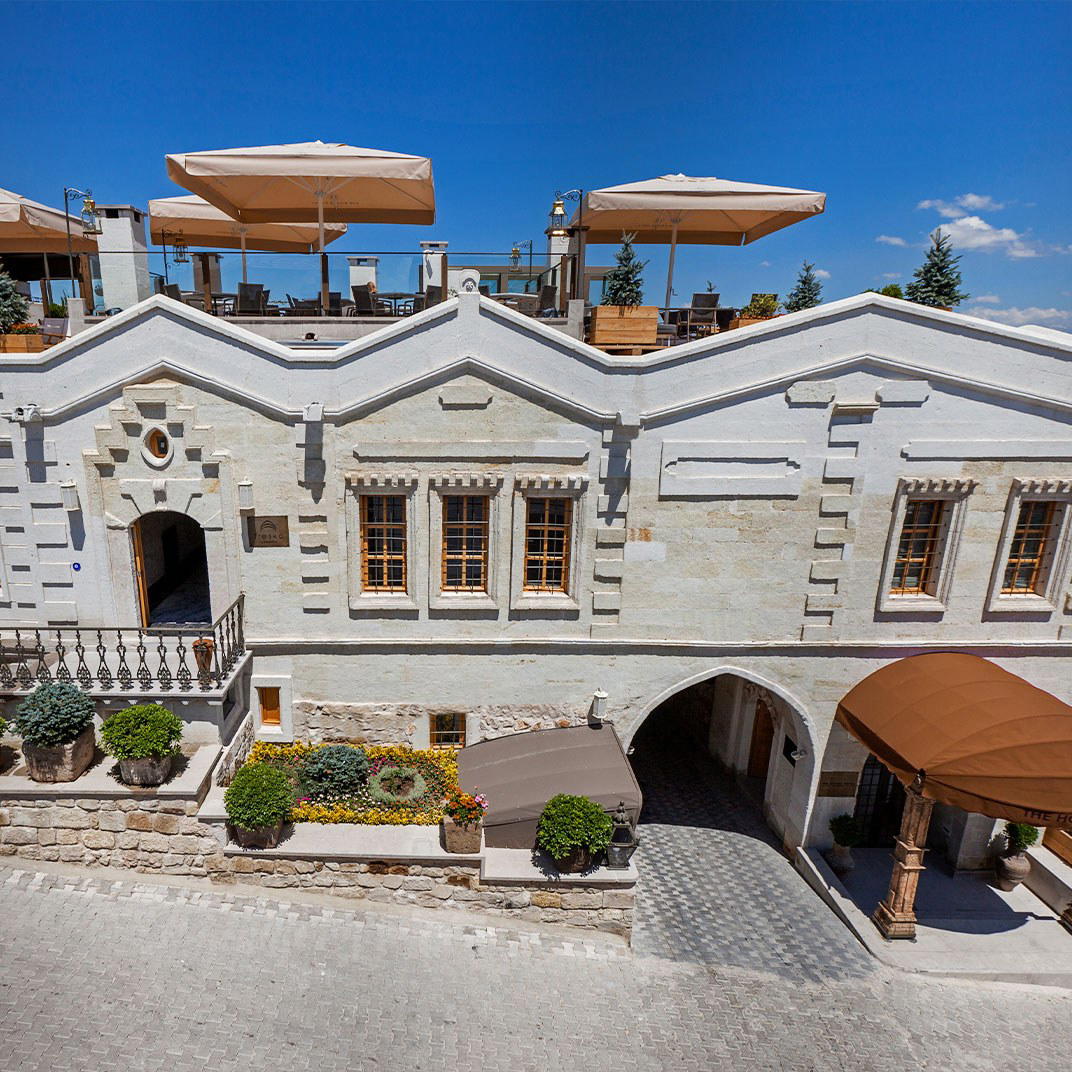
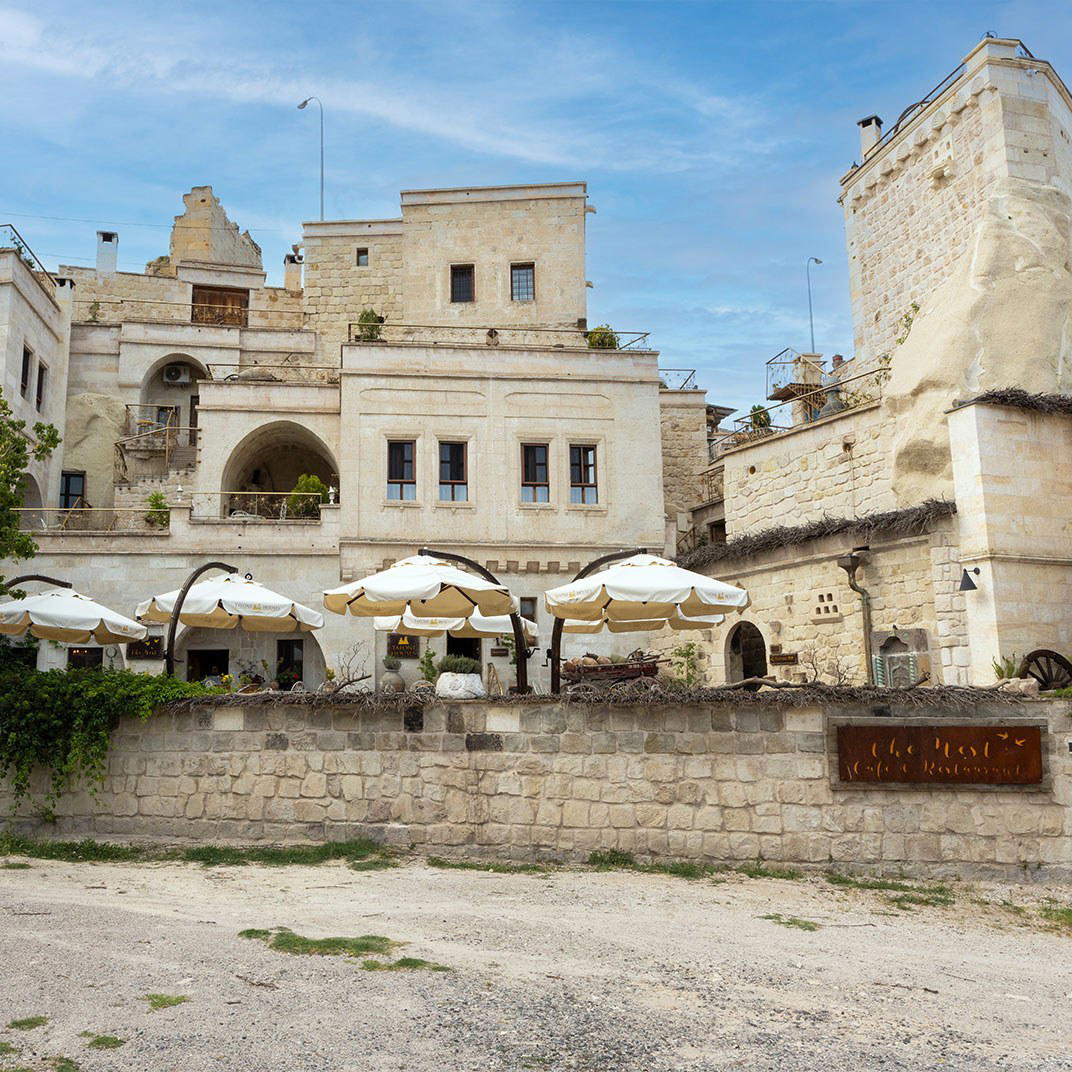
Hezen Restaurant is located at Esentepe Mah. Tahirbey Sokak, Ortahisar, in the 50400 postal district of Ürgüp, Nevşehir Province. The Ortahisar quarter sits a short drive from Ürgüp's central square, and the address is within the residential fabric of the village rather than on a commercial strip, which means arrival on foot from the town centre is direct in daylight. Cappadocia's dining season tracks its tourism calendar: the spring and autumn months, when balloon conditions are optimal and visitor volumes are highest, place greater demand on tables across the valley. Visitors planning a meal during the peak April-to-June or September-to-November windows would do well to confirm availability with the venue directly before arriving. The Ortahisar location, being slightly removed from Göreme's busiest corridors, tends to attract visitors who are staying in Ürgüp itself rather than passing through on a day excursion.
Budget Reality Check
Comparable venues nearby, for context on price, style, and recognition.
| Venue | Cuisine | Price | Awards | Notes |
|---|---|---|---|---|
| Hezen RestaurantThis venue — the venue you are viewing | Ortahisar, Authentic Cappadocian Turkish | $$$ | Not listed | Not listed |
| Barbarian Medieval Tavern | Urgup, Turkish Steakhouse & Wine Bar | $$ | Not listed | Not listed |
| Kemeralti Restaurant | Ortahisar, Authentic Turkish | $$ | Not listed | Not listed |
| Aravan Evi | Not listed | $$ | Bib Gourmand | Ayvalı Köyü, Traditional Turkish Farm-to-Table |
| Tık Tık Kadın Emeği | Not listed | $ | Michelin Plate | Duayeri, Traditional Cappadocian Home Cooking |
| Old Greek House | Not listed | $$ | Bib Gourmand | Mustafapaşa, Traditional Turkish Country Cooking |
At a Glance
- Romantic
- Quiet
- Elegant
- Rustic
- Scenic
- Special Occasion
- Date Night
- Terrace
- Historic Building
- Hotel Restaurant
- Local Sourcing
- Mountain
- Street Scene
Current opening hours
- Monday
- 2:30–10:30 PM
- Tuesday
- Closed
- Wednesday
- 2:30–10:30 PM
- Thursday
- 2:30–10:30 PM
- Friday
- 2:30–10:30 PM
- Saturday
- 2:30–10:30 PM
- Sunday
- 2:30–10:30 PM
Hours can change for holidays and private events. Last verified .
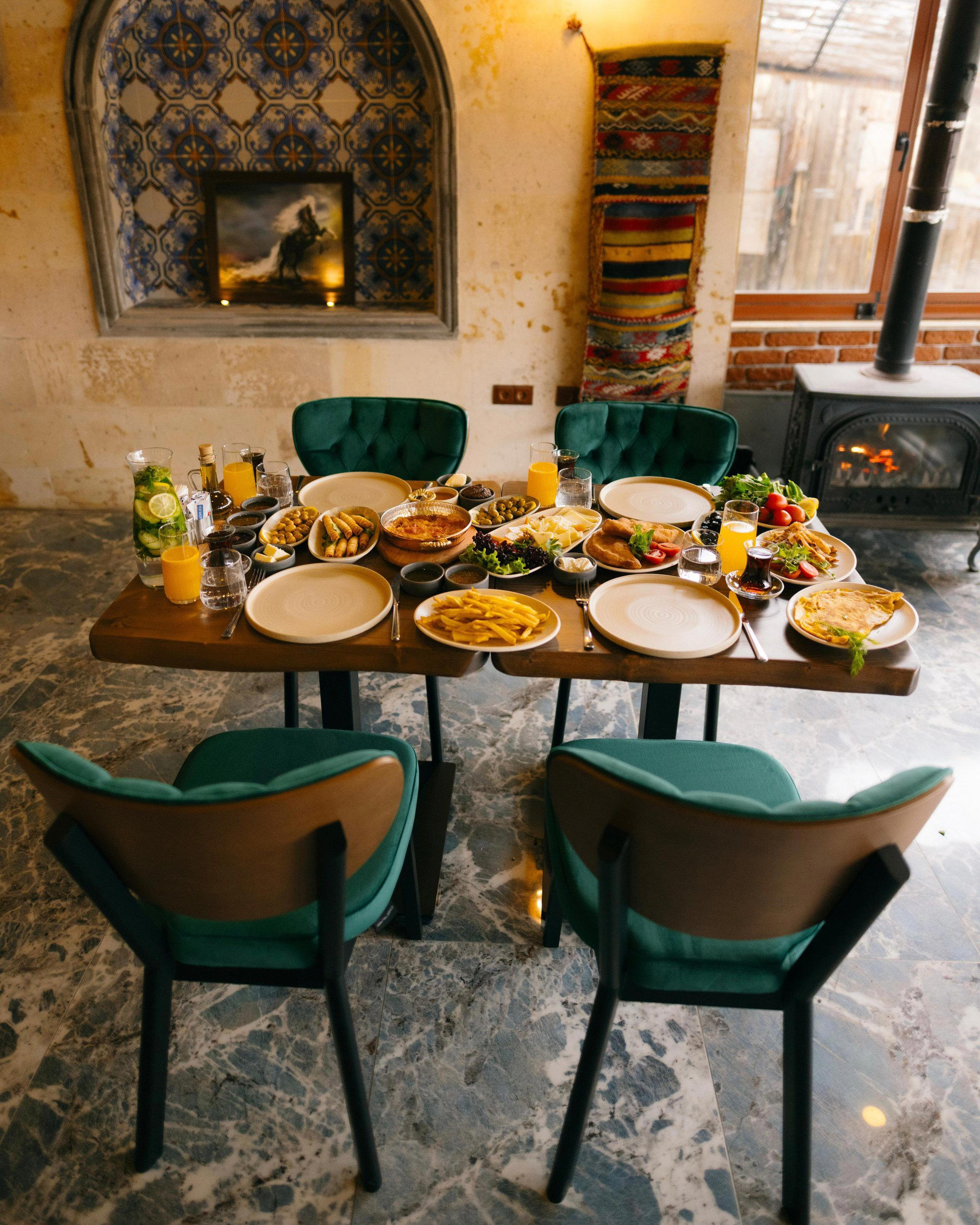
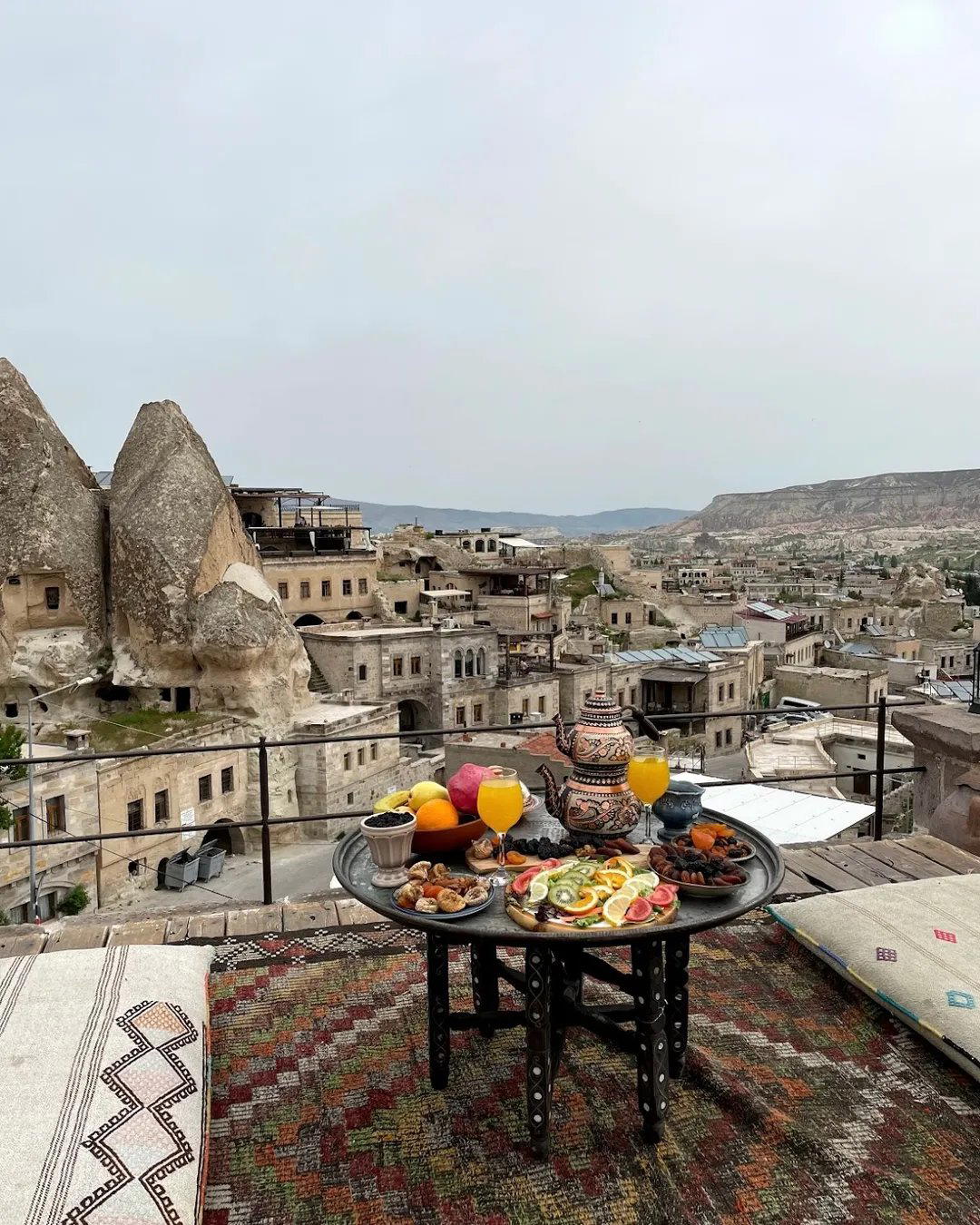
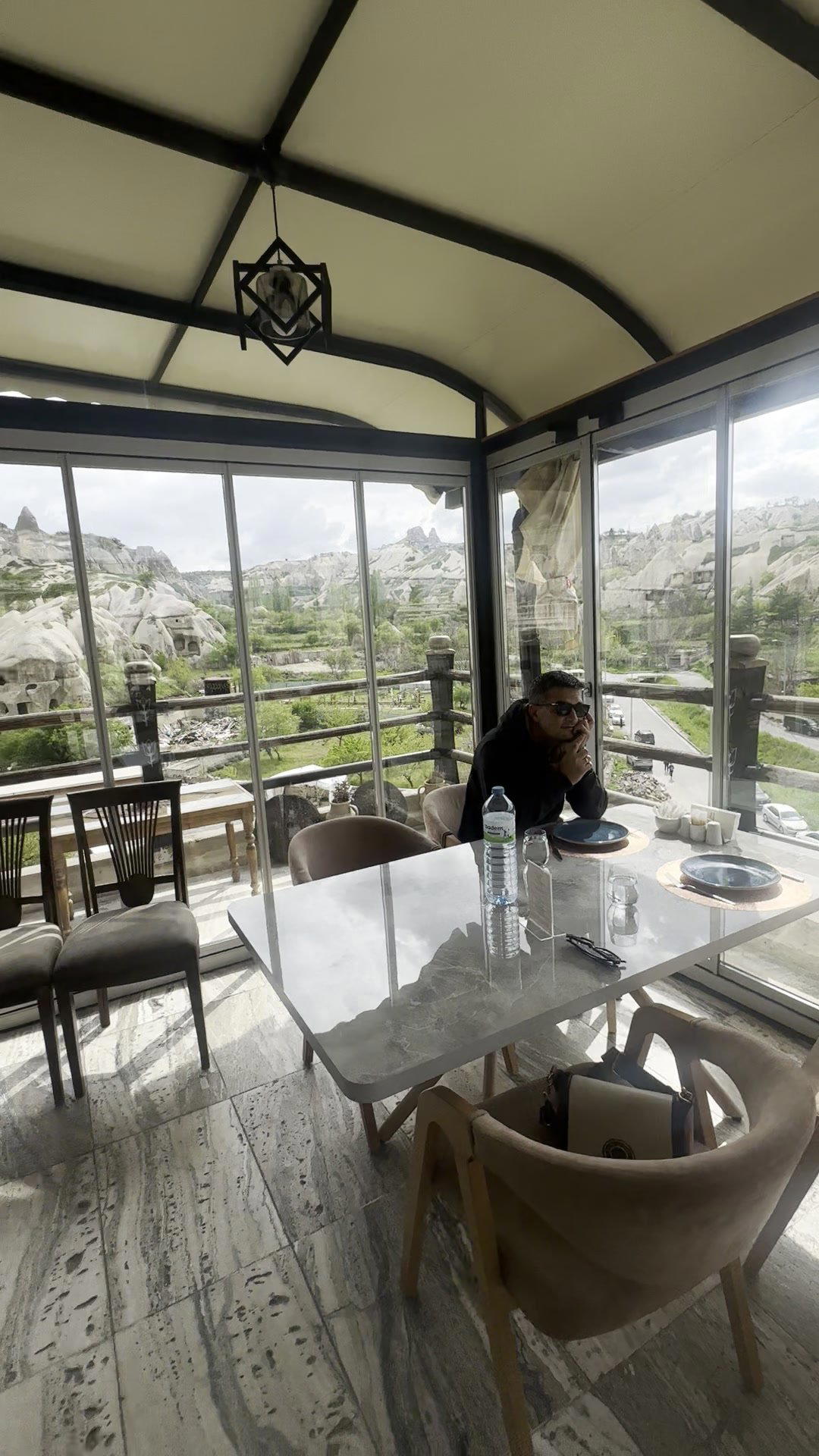
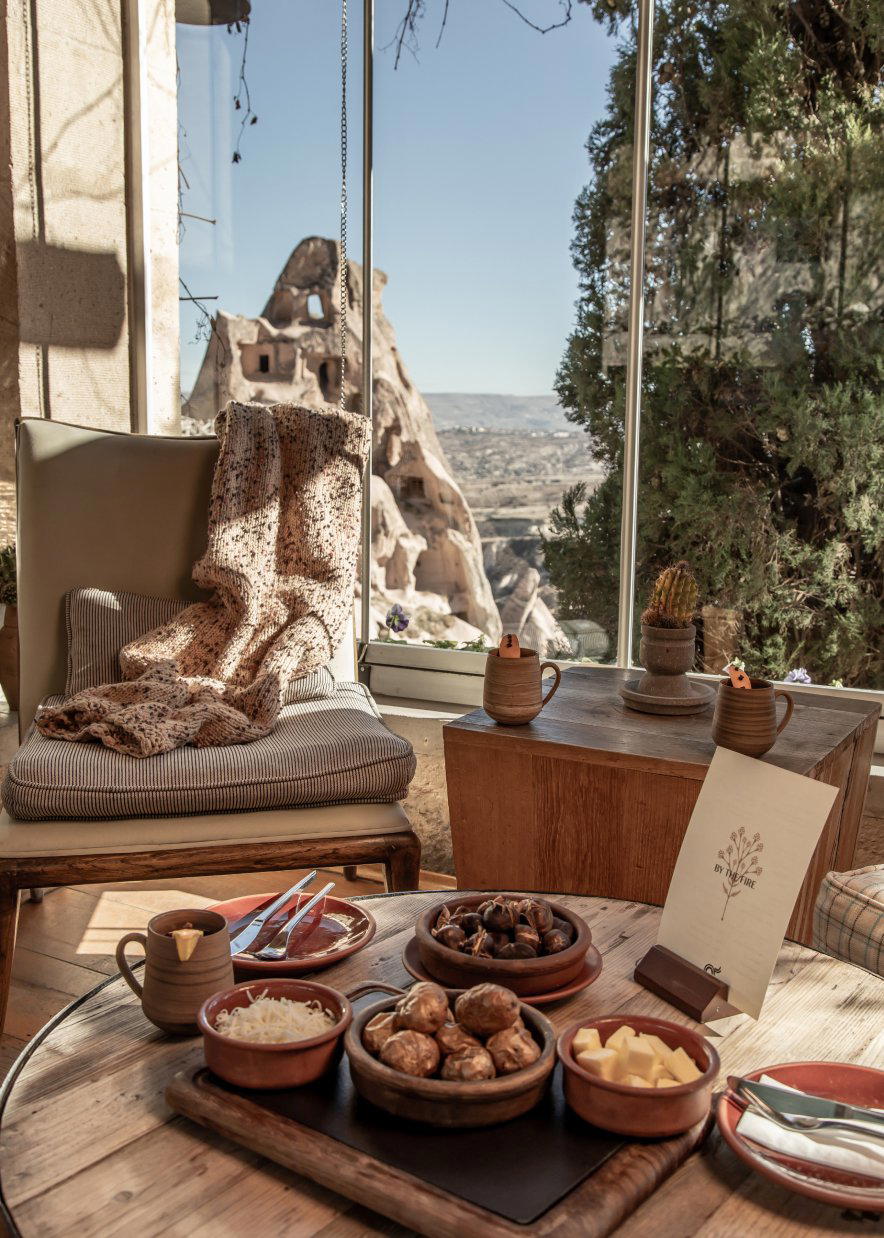
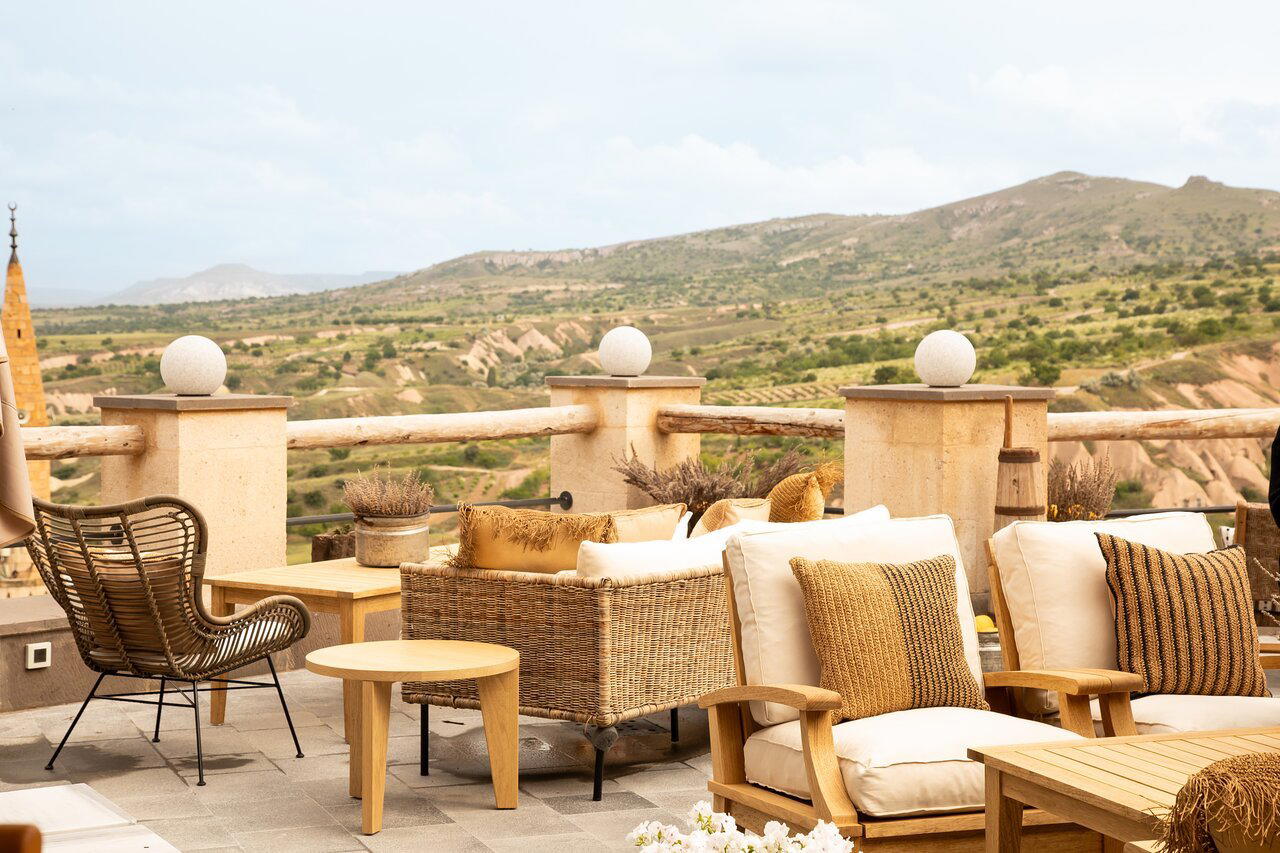
Colorful dining room and sun-drenched terraces with a peaceful, relaxing atmosphere and far-reaching valley views.