
Michelin Bib Gourmand
Our verdict
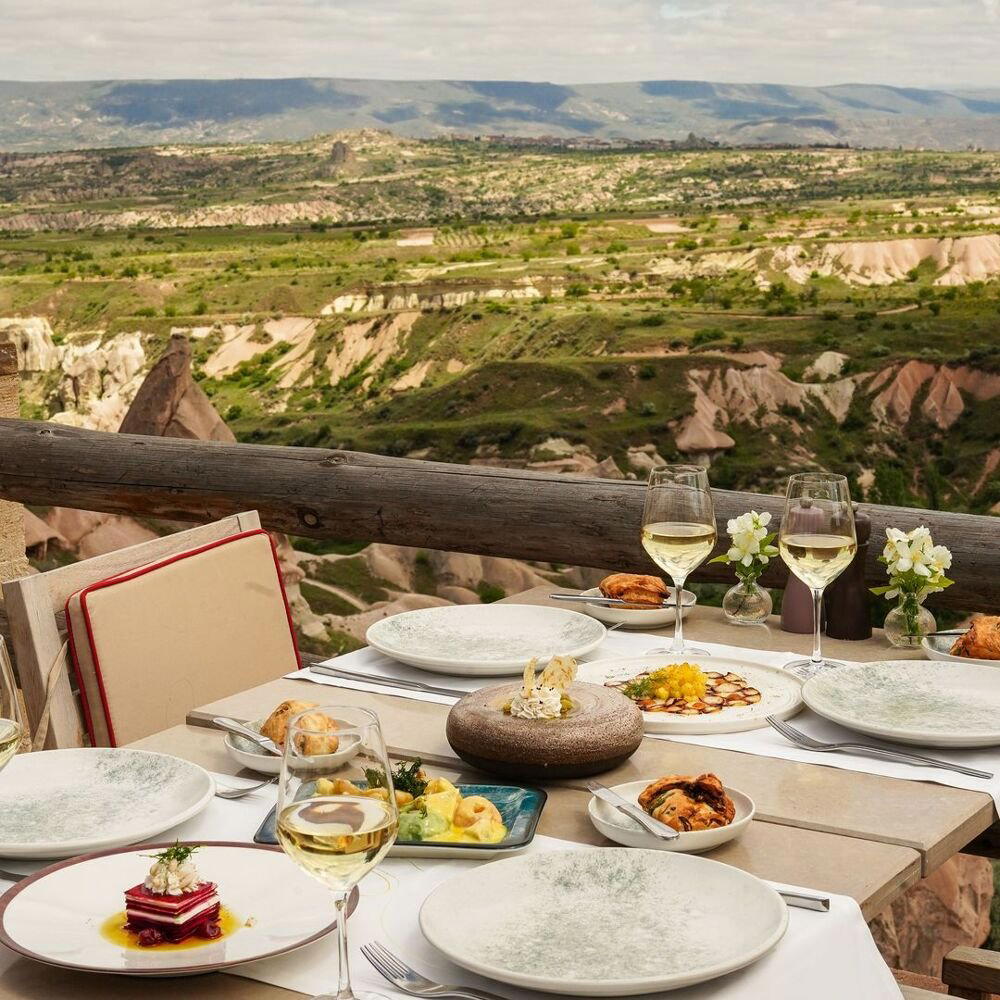
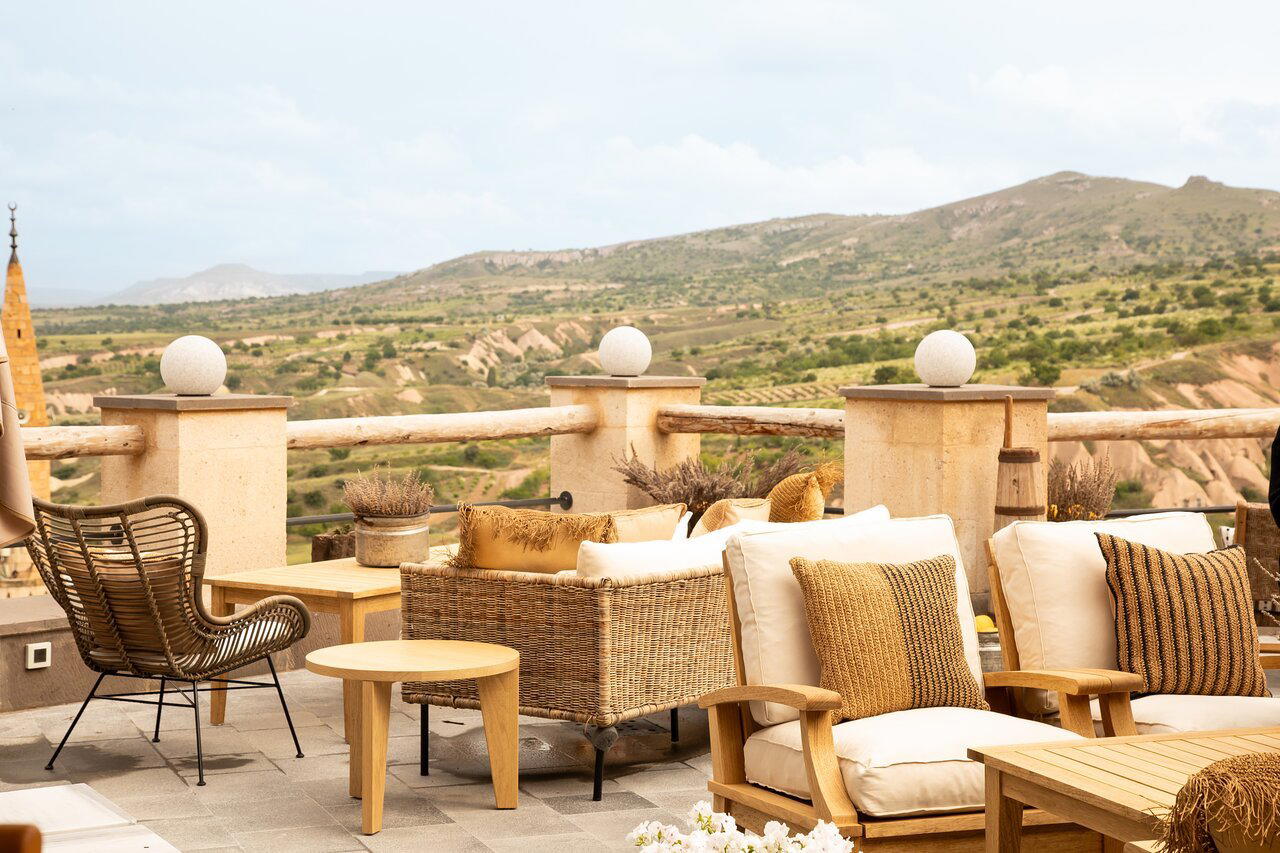
In the volcanic rock village of İbrahimpaşa, Babayan Evi operates out of a traditional Cappadocian house where the terrace looks across a valley of wild flowers, apricot trees, and eroded tufa formations. A single set menu built almost entirely from garden produce and local Anatolian ingredients is served on hand-thrown terracotta. Book well ahead — this is not a walk-in operation.

Pearl is the En Primeur Club membership app — saves, bookings, and concierge access live there. Same editors, same standards.
- Address
- Yukarı Kümeevleri, İbrahimpaşa Köyü İç Yolu No:269 D:285, İbrahimpaşa
- Phone
- +90 543 208 18 97
- Hours
- Daily 8 AM–12 AM
- Website
- babayaneevi.com
- Directions
- Get directions
A Valley View That Sets the Terms
Cappadocia's dining scene divides cleanly into two registers: the resort-hotel operation serving balloon-tour groups, and a smaller, harder-to-find tier of family-run houses where the cooking is inseparable from the land it comes from. Babayan Evi, set in İbrahimpaşa village above Ürgüp, belongs firmly to the second category. The approach to the terrace is itself an argument for the meal ahead: a valley floor spread with wild flowers, apricot and plum trees, and the rugged volcanic rock formations that define this part of central Anatolia. What you see from the table is not incidental scenery. It is, more or less, the menu.
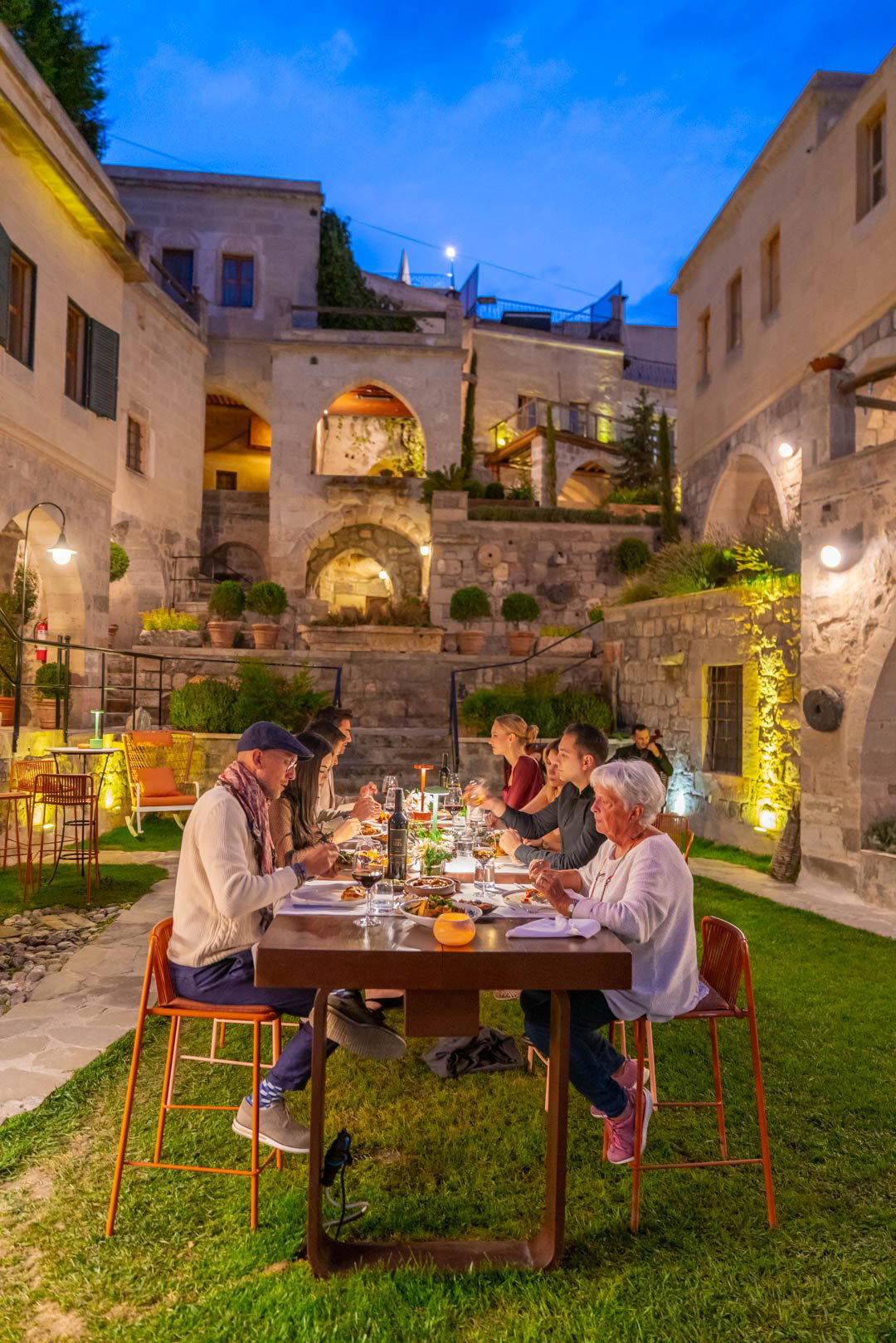
İbrahimpaşa is a quieter address than Göreme or central Ürgüp, which means visitors who make the drive tend to have done their research. The village retains a density of original stone architecture that the more trafficked Cappadocian towns have partly lost to renovation and hotel conversion. Babayan Evi occupies a traditional house within that fabric, and the terrace feels like a continuation of the domestic space rather than a commercial dining room grafted onto it. Tables are limited; the atmosphere is correspondingly unhurried.
The Logic of the Garden
Across Turkey's premium restaurant tier, from Turk Fatih Tutak in Istanbul to Maçakızı in Bodrum, the prevailing move has been to frame Anatolian ingredients within a modernist tasting-menu format. Babayan Evi operates on a different premise entirely. Ayşe and Adem Koçdemir source from their own garden and from the immediate local area, and the cooking does not try to reinterpret or contemporise what those ingredients offer. The terroir is taken seriously in the most literal sense: what the soil and the season produce is what the kitchen uses, and the menu reflects that constraint rather than working around it.
This kind of hyper-local discipline is relatively rare in Anatolian home cooking at this level of finish. Venues like Agora Pansiyon in Milas and Ahãma in Göcek pursue their own versions of regional sourcing on the Aegean coast, but the Cappadocian context adds a further specificity: the volcanic soil, the altitude, and the arid climate produce vegetables and herbs with a particular intensity that does not travel easily. Eating them here, within sight of the landscape that shaped them, makes a different point than eating them plated on fine porcelain in a city restaurant.
What the Set Menu Delivers
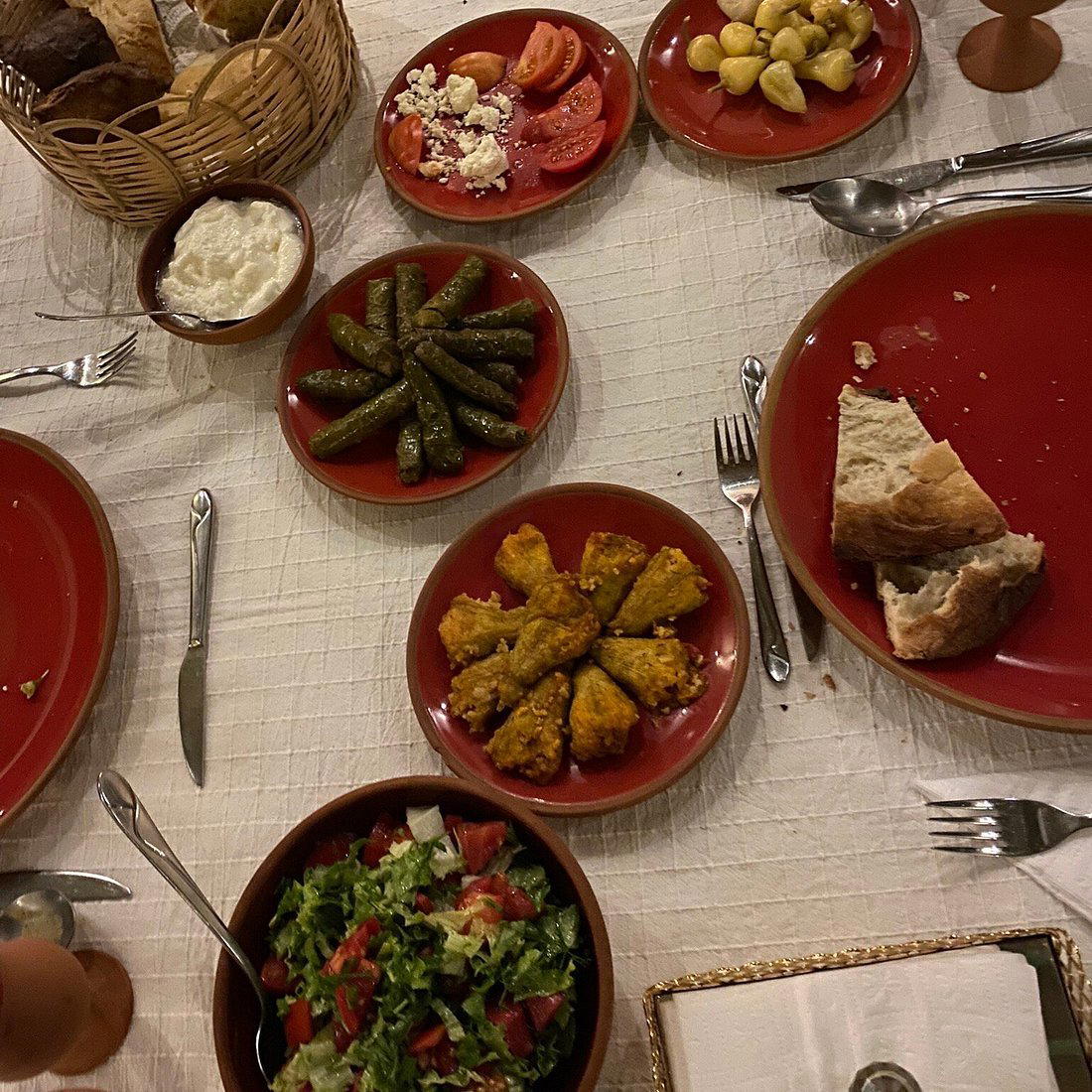
A single set menu is available, with no à la carte alternative. This is not a limitation so much as a declaration of intent: the kitchen cooks what the garden and season allow, and the guest eats accordingly. Stuffed vine leaves with aromatic rice and peppers appear as a further course, drawing on one of the most fundamental techniques in Anatolian cooking. The wood-fired oven is central to the kitchen's method, providing the heat that gives the food its texture and depth without relying on complexity for its own sake.
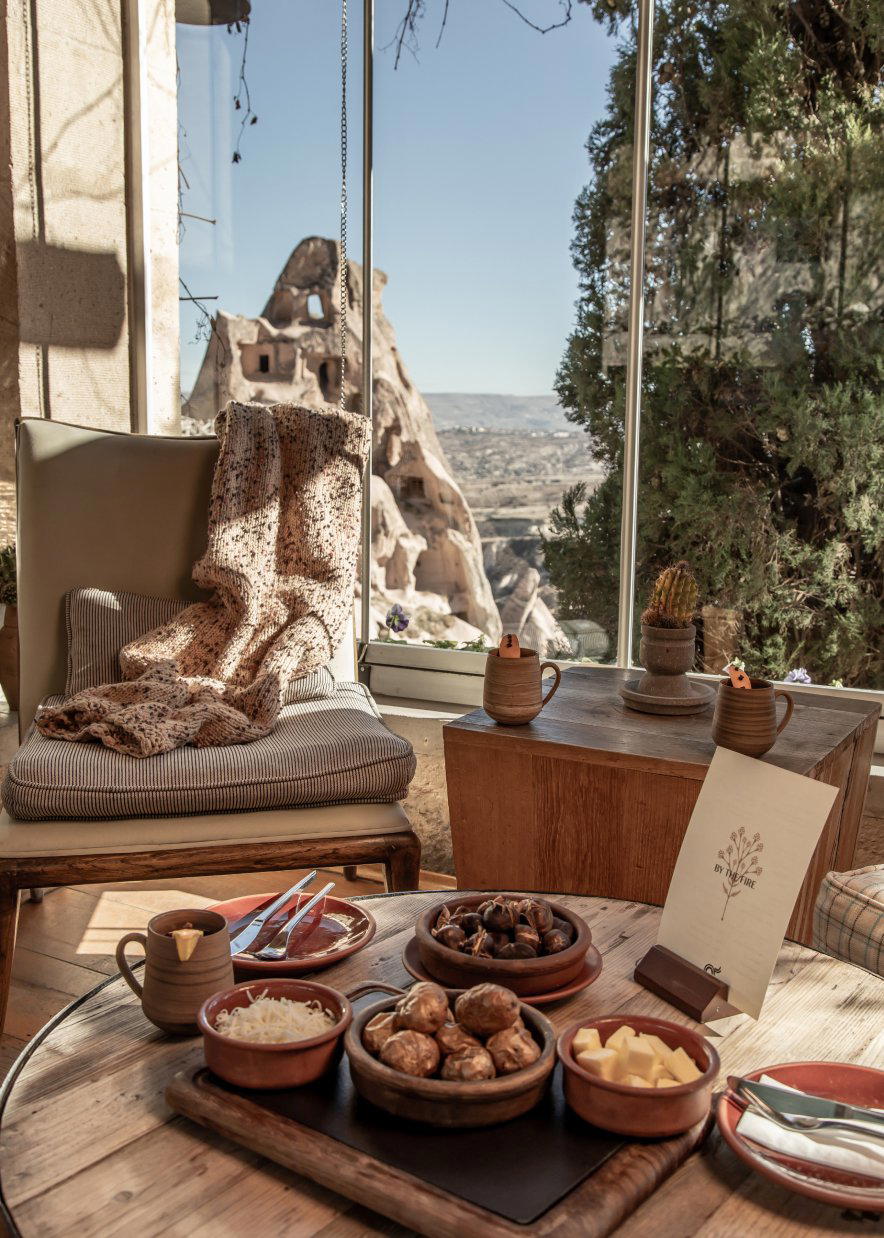
Dishes arrive on terracotta tableware made locally, which reinforces the broader coherence of the experience. The decision to use hand-thrown ceramic rather than imported porcelain is not decorative; it keeps the visual register of the table aligned with the food and the landscape beyond it. Compared to the more elaborately plated presentations at venues like Nahita Cappadocia in Nevsehir, Babayan Evi's approach reads as deliberate restraint rather than absence of ambition.
Elsewhere in Turkey's regional dining scene, Narımor in Izmir and 7 Mehmet in Antalya demonstrate how seriously local sourcing can be pursued at the regional level, while Mori in Fethiye and Divia by Maksut Aşkar in Marmaris show the range of formats that commitment can take. Babayan Evi sits apart from all of them by virtue of its setting and its essentially domestic scale. This is not a restaurant that has grown out of a chef's urban reputation; it is a household that has formalised its table for guests.
Planning the Visit
Advance booking is described as essential, which at a venue of this scale and format is not a formality. The set menu structure means the kitchen prepares quantities in advance; arriving without a reservation is not a workable approach. İbrahimpaşa sits a short drive from central Ürgüp, making it reachable by car or taxi. The terrace is the primary draw, so timing around good weather and daylight makes sense: lunch or early dinner in the spring and autumn months, when the valley flora is at its most visible and the temperature on the terrace is comfortable, gives the setting its full weight.
For visitors building a broader Cappadocian itinerary, Aravan Evi offers a point of comparison within the same tradition of Ürgüp-area home cooking. Our full Ürgüp restaurants guide maps the range from family-run set menus to hotel dining. Accommodation options are covered in our full Ürgüp hotels guide, and for those wanting to extend their time in the region, our full Ürgüp experiences guide, our full Ürgüp bars guide, and our full Ürgüp wineries guide cover the wider territory. Cappadocia's wine production from indigenous varieties including Emir and Öküzgözü has expanded steadily in recent years and pairs logically with a meal at this level of local specificity.
Internationally, the format Babayan Evi operates within, a fixed menu built entirely around what the surrounding land produces, has precedents in venues like Lazy Bear in San Francisco and, at a very different scale, in the sourcing philosophy of Le Bernardin in New York City and Emeril's in New Orleans. The difference at Babayan Evi is one of intimacy and proximity: the garden is not a supplier relationship managed at distance. It is visible from the table.
Frequently asked questions
Is Babayan Evi Restaurant okay with children?
The intimate, home-style setting at İbrahimpaşa village suits families who can manage a single set menu format with no à la carte alternatives. There is no recorded children's menu, so younger diners need to be comfortable eating what the kitchen prepares on the day. The open terrace overlooking the valley provides space, which helps.
What's the vibe at Babayan Evi Restaurant?
Babayan Evi operates from a traditional house in İbrahimpaşa with a terrace that looks out over the Cappadocian valley — wild flowers, apricot and plum trees, and rock formations in the foreground. The format is unhurried and deliberately domestic: terracotta tableware, a wood-fired oven, and a kitchen run by Ayşe and Adem Koçdemir using produce largely from their own garden. This is not a production restaurant; it runs more like a considered private dinner.
What kind of recognition has Babayan Evi Restaurant received?
Babayan Evi Restaurant has received recognition including: The valley spreads before you with wild flowers, apricot and plum trees and rugged rocks – with such a breathtaking view, securing a table on the terrace of this traditional house is a must. Ayşe and Adem Koçdemir have an intimate relations….
What's the signature dish at Babayan Evi Restaurant?
The kitchen does not rotate around a single headline dish, but the tomato broth with peppers and olive oil — served alongside cracked bulgur and wood-fired Turkish bread — has been specifically noted for balancing sweet and confit qualities in one bowl. Stuffed vine leaves with aromatic rice and peppers are equally representative of the kitchen's approach: local produce, restrained technique, and terracotta presentation.
At-a-Glance Comparison
Comparable venues nearby, for context on price, style, and recognition.
| Venue | Cuisine | Price | Awards | Notes |
|---|---|---|---|---|
| Babayan Evi RestaurantThis venue — the venue you are viewing | Traditional Turkish Country Cooking | Not listed | Michelin Bib Gourmand | Not listed |
| Aravan Evi | Traditional Turkish Farm-to-Table | $20–30 | Michelin Bib Gourmand | Ayvalı Köyü |
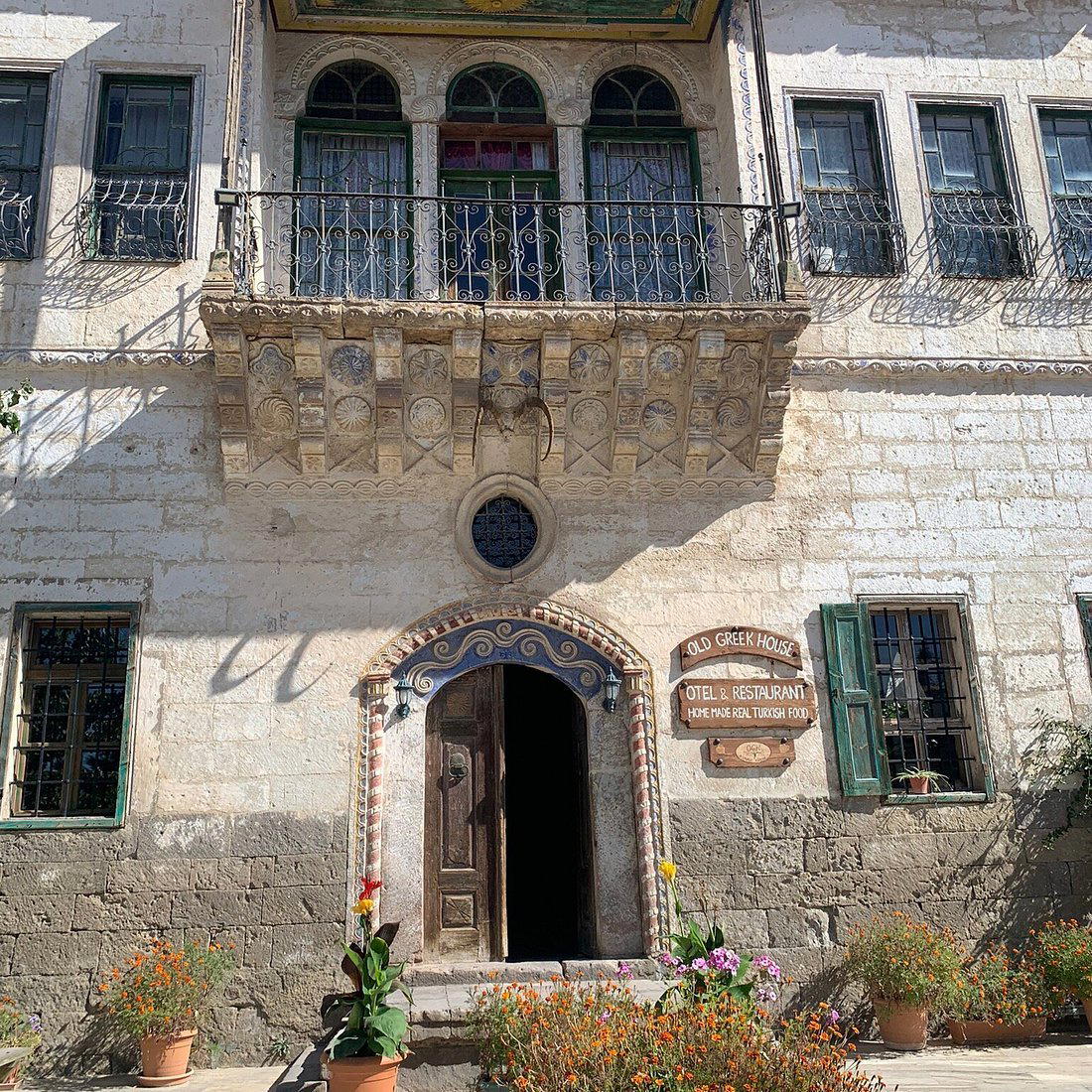
| Old Greek House | Traditional Turkish Country Cooking | $20–30 | Michelin Bib Gourmand | Mustafapaşa |
| Revithia | Modern Cappadocian Tasting Menu | $50–100 | 1 Michelin Star · Gault & Millau Türkiye 2 Toques | Kayakapı |
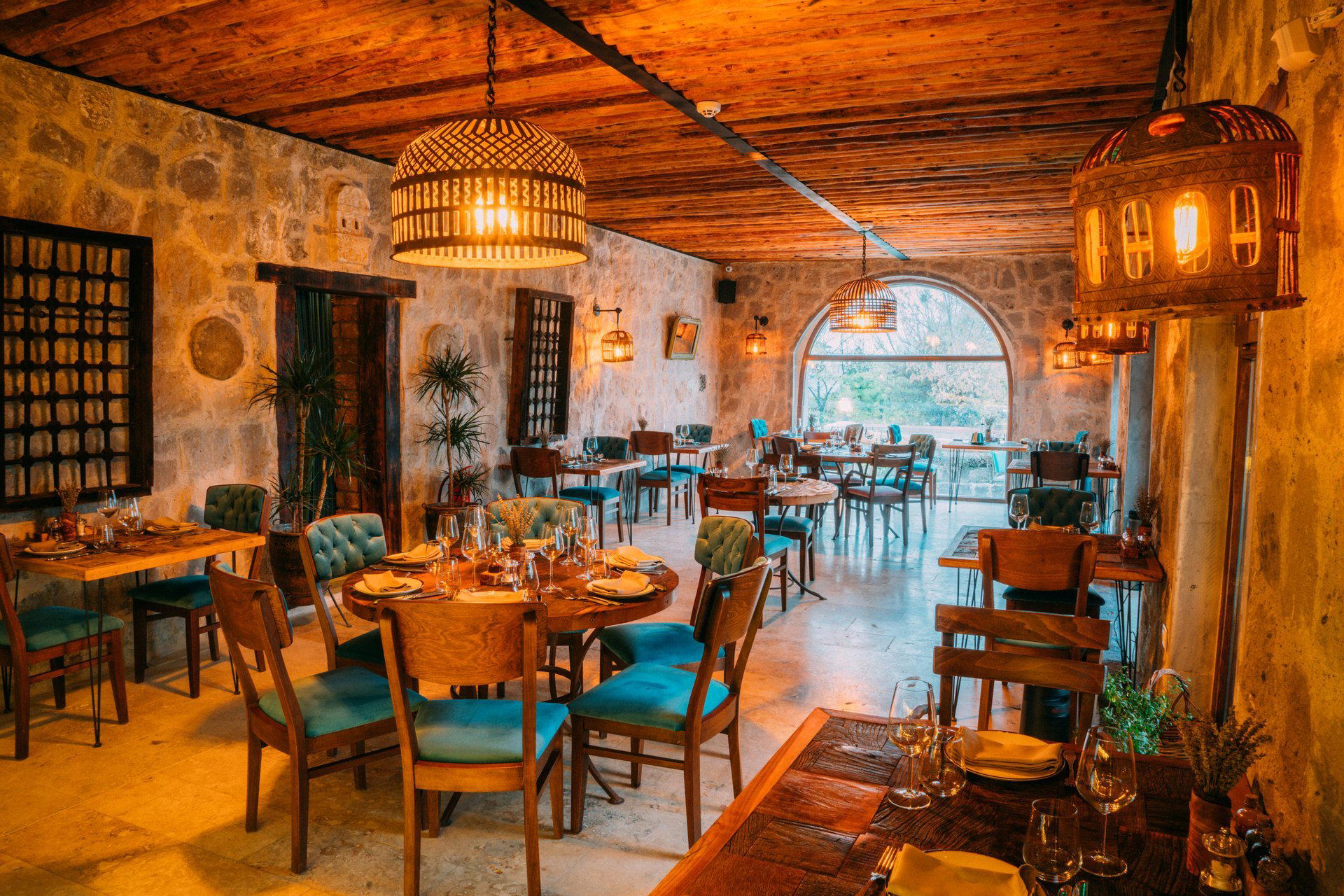
| Gorgoli | Traditional Turkish Regional Cuisine | $20–30 | Michelin Plate | Mustafapaşa |
| Kemeralti Restaurant | Authentic Turkish | $10–20 | Not listed | Ortahisar |
Recognition history
Dated appearances from independent guides and award organizations, with the underlying list record or original source where available.
Michelin Bib Gourmand
Michelin
Details
- Rustic
- Cozy
- Intimate
- Date Night
- Special Occasion
- Terrace
- Garden
- Local Sourcing
- Mountain
- Set Menu
- Halal
Current opening hours
- Monday
- 8 AM–12 AM
- Tuesday
- 8 AM–12 AM
- Wednesday
- 8 AM–12 AM
- Thursday
- 8 AM–12 AM
- Friday
- 8 AM–12 AM
- Saturday
- 8 AM–12 AM
- Sunday
- 8 AM–12 AM
Hours can change for holidays and private events. Last verified .
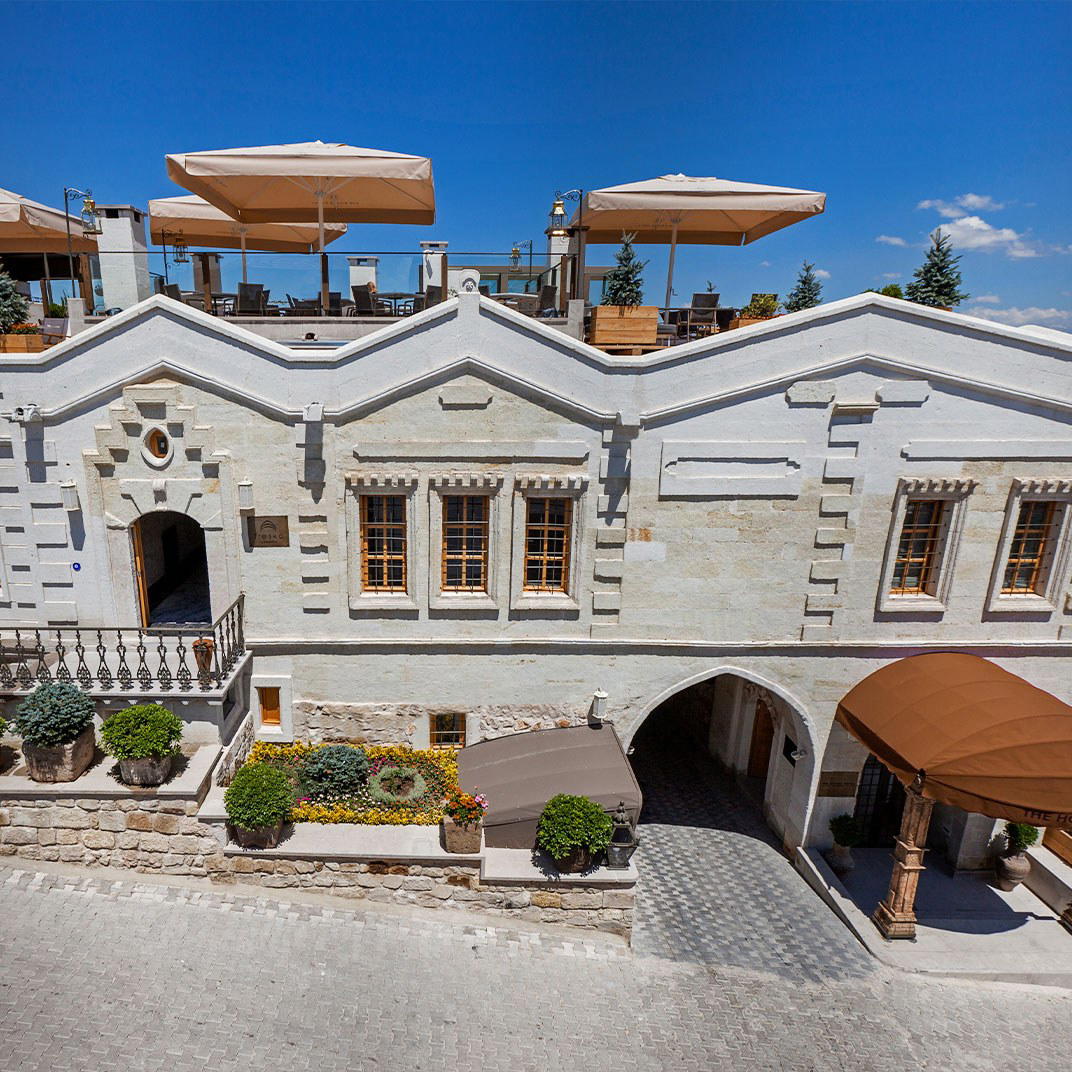
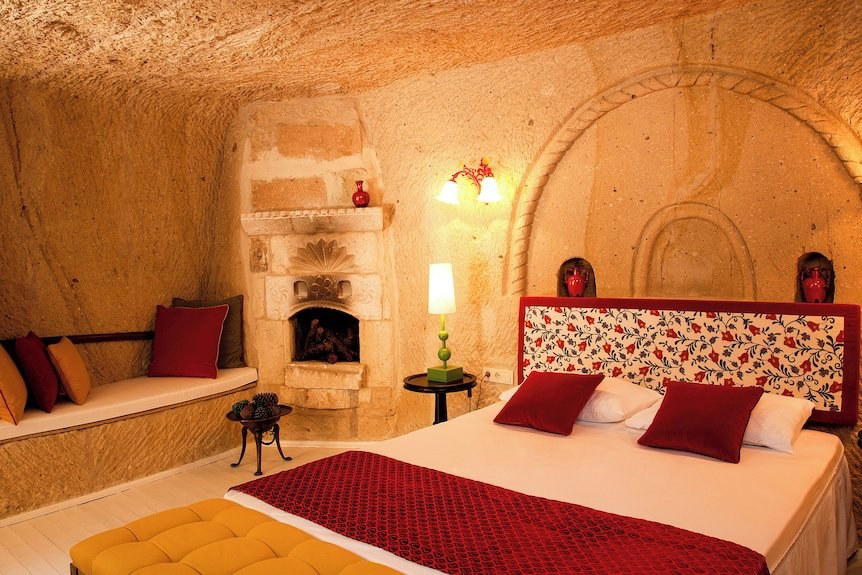
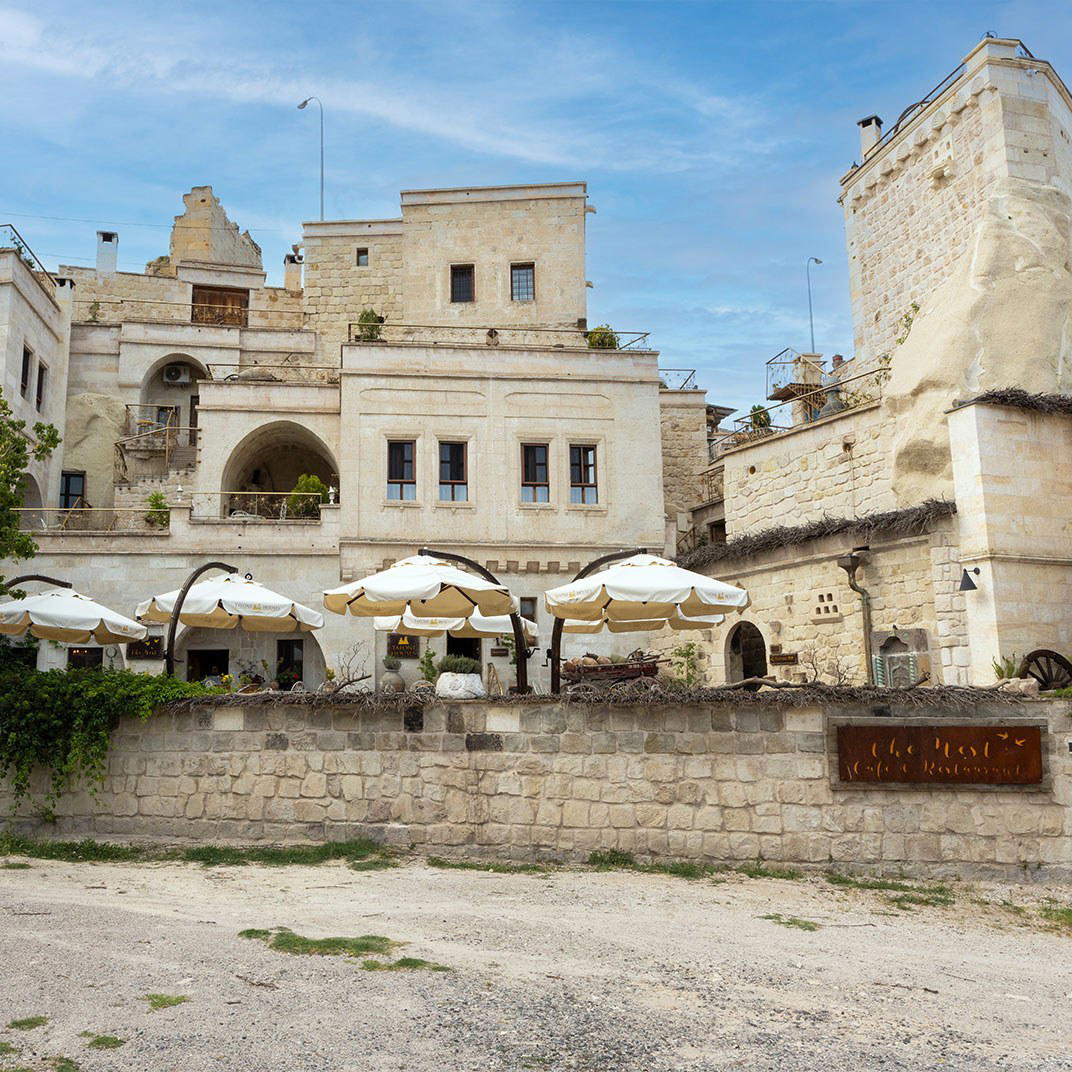
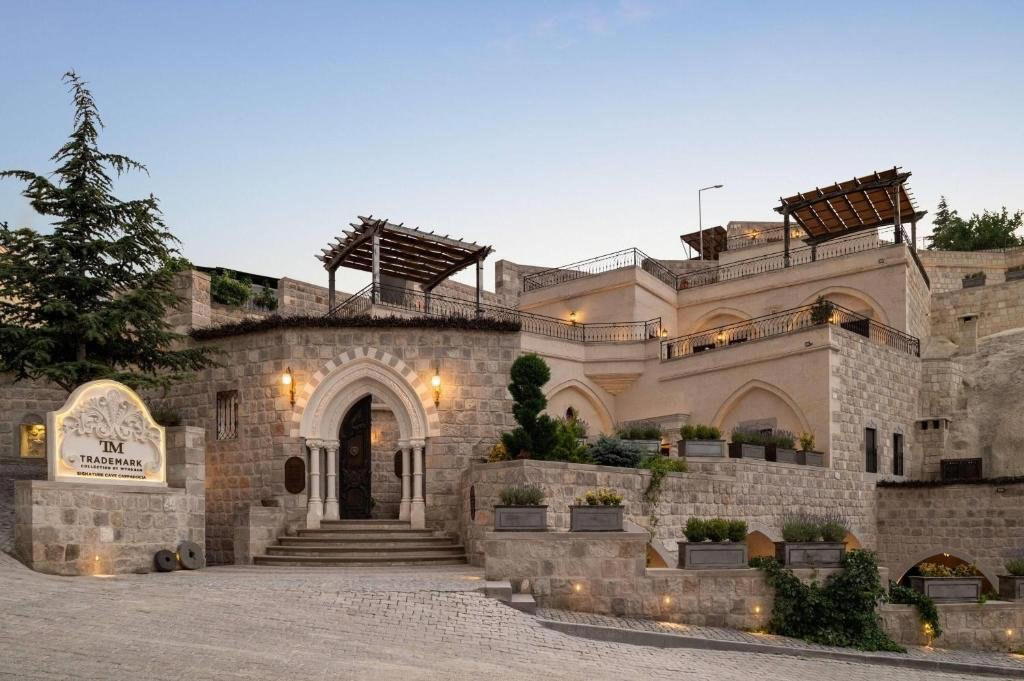
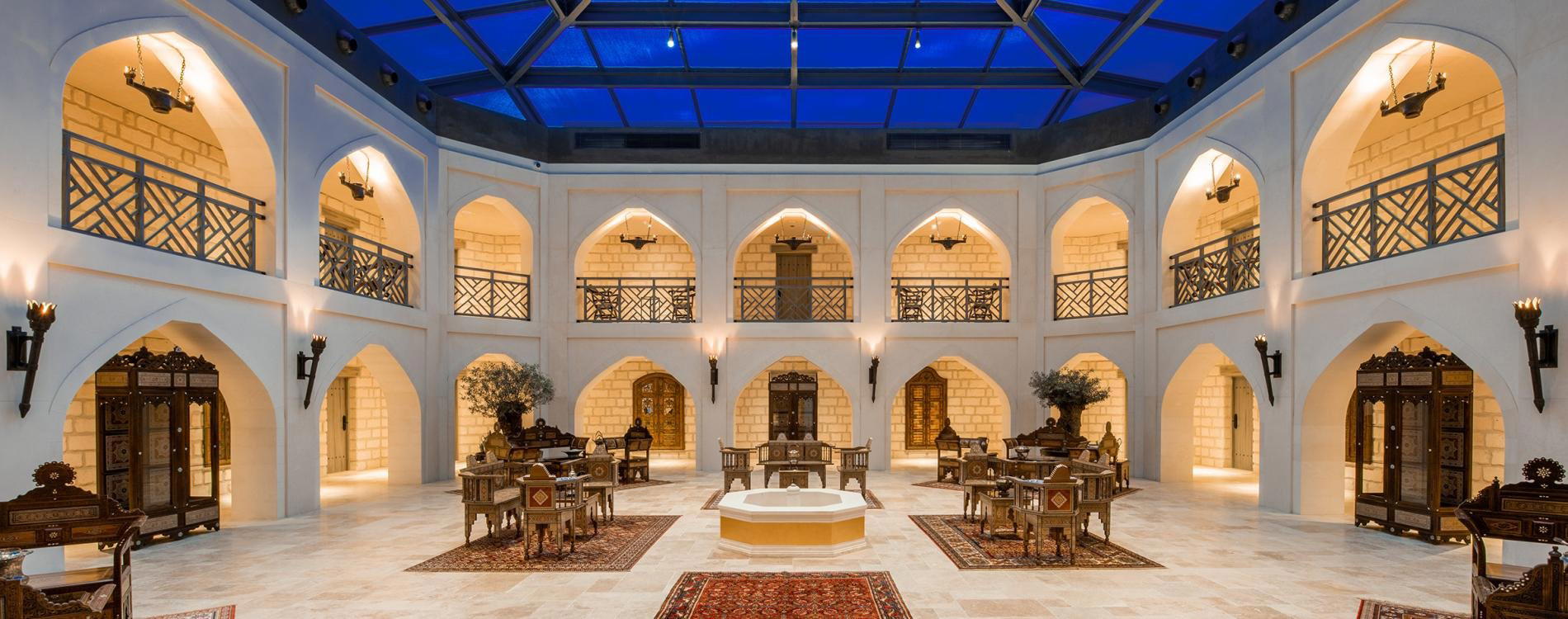
Warm, welcoming terrace dining with natural light amid wildflowers, trees, and rugged rocks, creating a peaceful rustic atmosphere.