
Michelin Bib Gourmand
Our verdict
Old Greek House serves Traditional Turkish Country Cooking in a historic building with courtyard and terrace seating in Mustafapaşa; pacing is leisurely and conversational.

Pearl is the En Primeur Club membership app — saves, bookings, and concierge access live there. Same editors, same standards.
- Address
- Davutlu, Şahin Caddesi No:12, Mustafapaşa
- Phone
- +90 384 353 53 06
- Website
- oldgreekhouse.com
- Directions
- Get directions
The menu
What to order
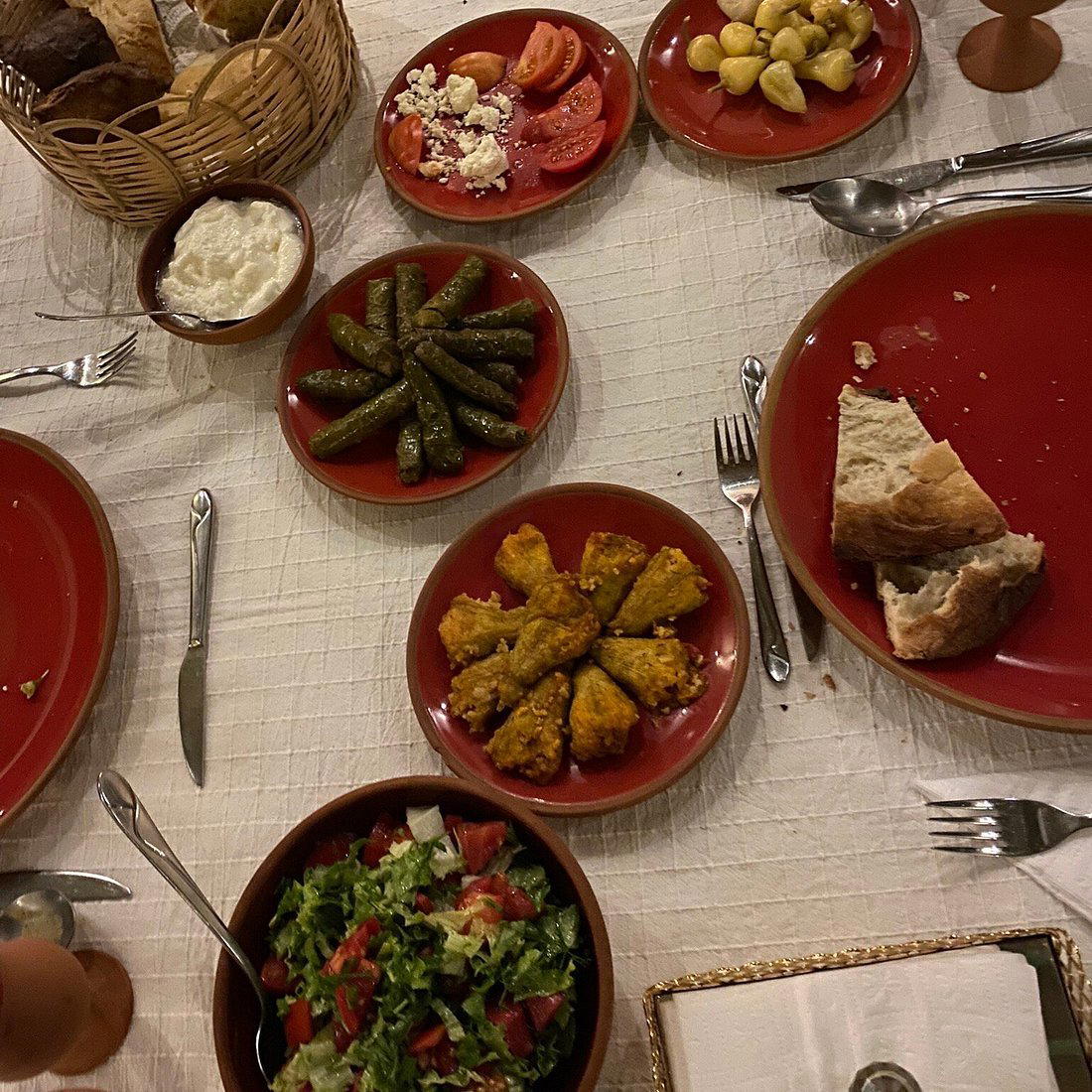
- Sac tava
- Baklava with candied nuts
- Hunkar Begendi
- Clay pot kebab
- Stuffed grape leaves
- Karniyarik
Where Ottoman Stone Meets Aegean Memory
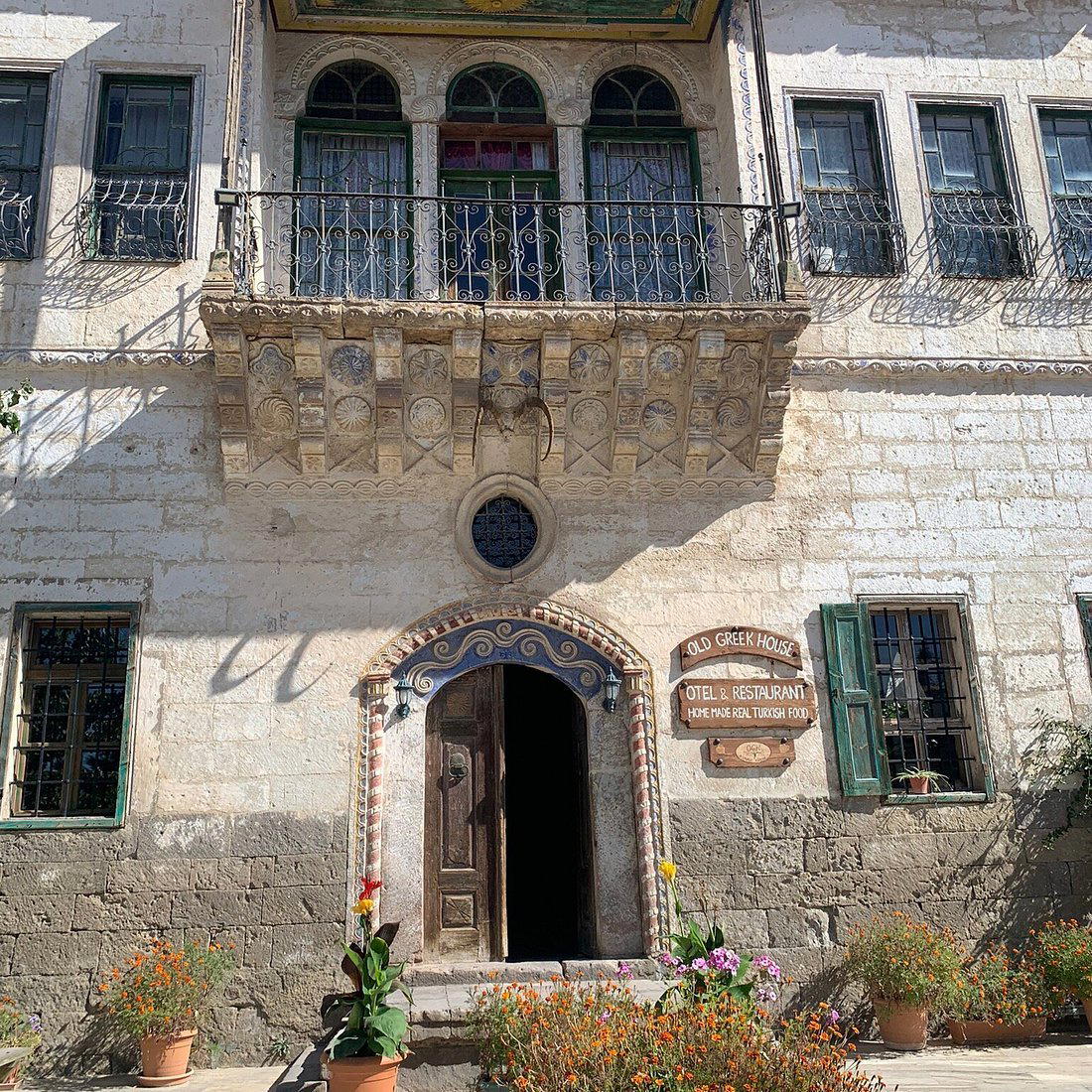
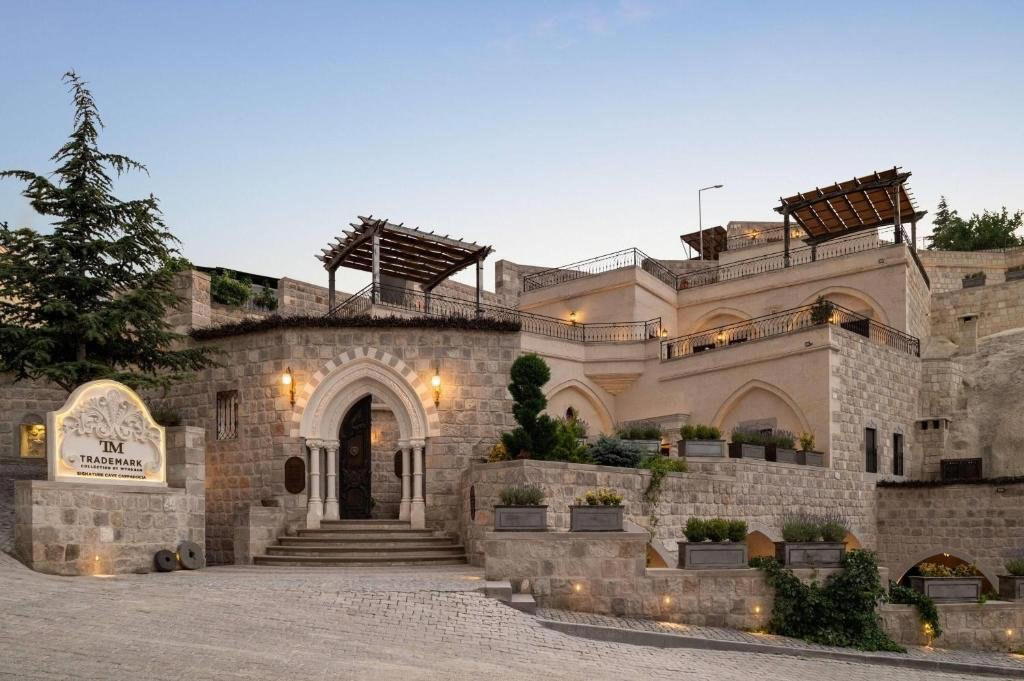
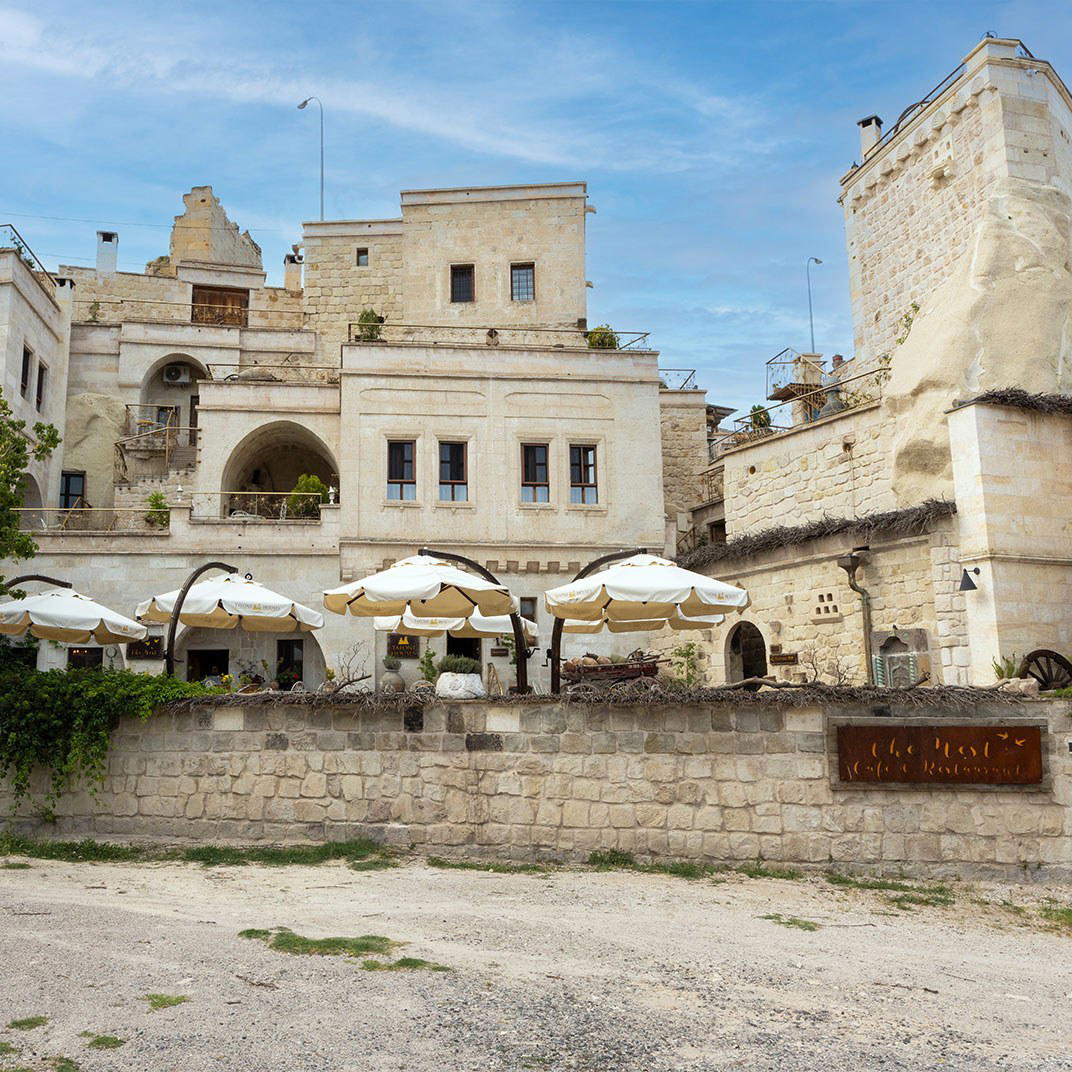
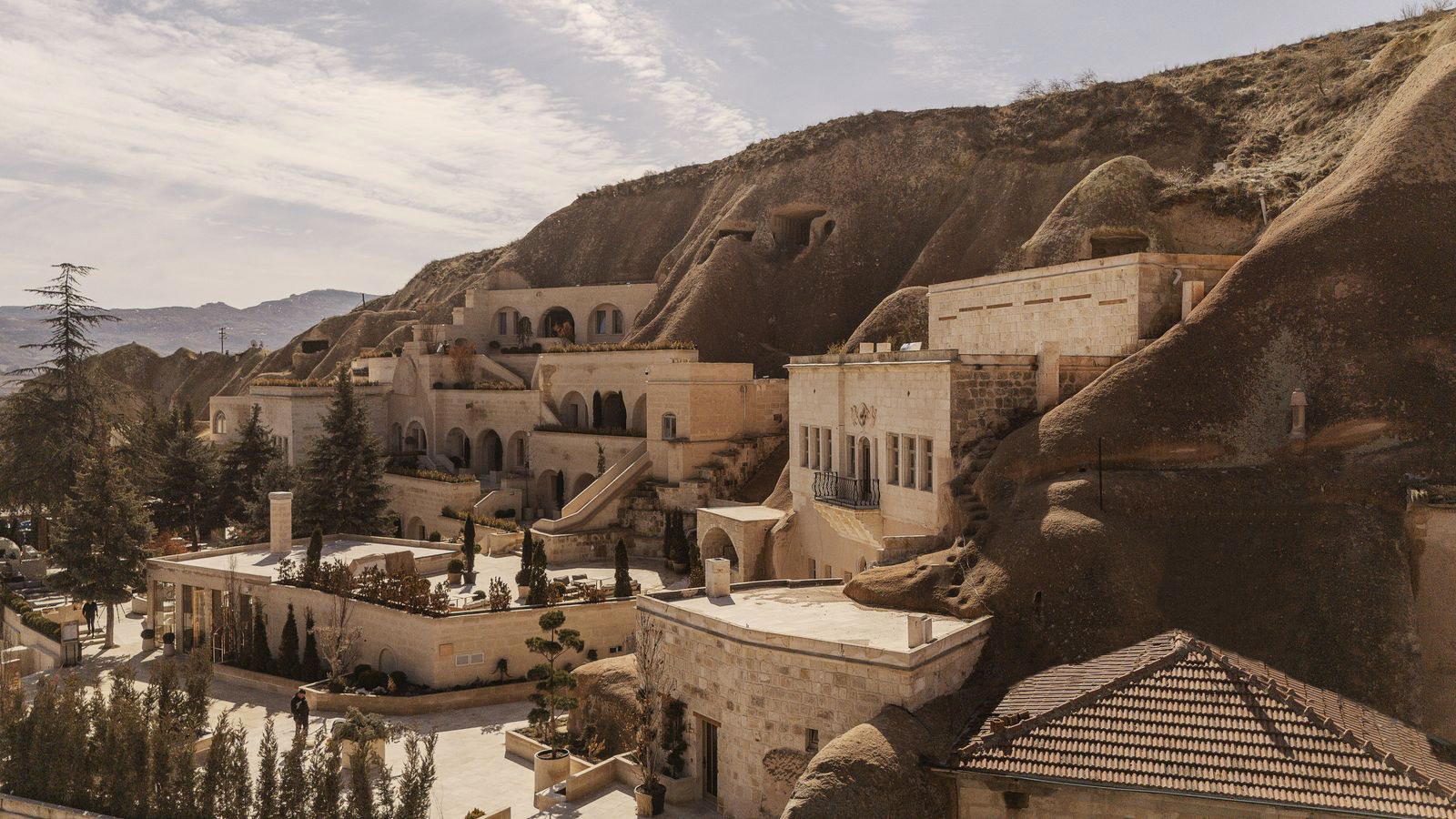
The village of Mustafapaşa, roughly six kilometres south of Ürgüp, carries a particular kind of historical weight. For most of the nineteenth century and into the early twentieth, this was Sinasos, a prosperous Greek Orthodox community whose residents built the carved stone mansions that still line its narrow streets. When the 1923 population exchange between Greece and Turkey emptied those households overnight, the architecture remained: vaulted ceilings, ornate balconies, arcaded courtyards. Old Greek House occupies one of the most complete survivors, a nineteenth-century structure on Şahin Caddesi whose façade, internal frescoes, and vine-shaded courtyard have aged with a kind of accidental dignity that no restoration project could replicate.
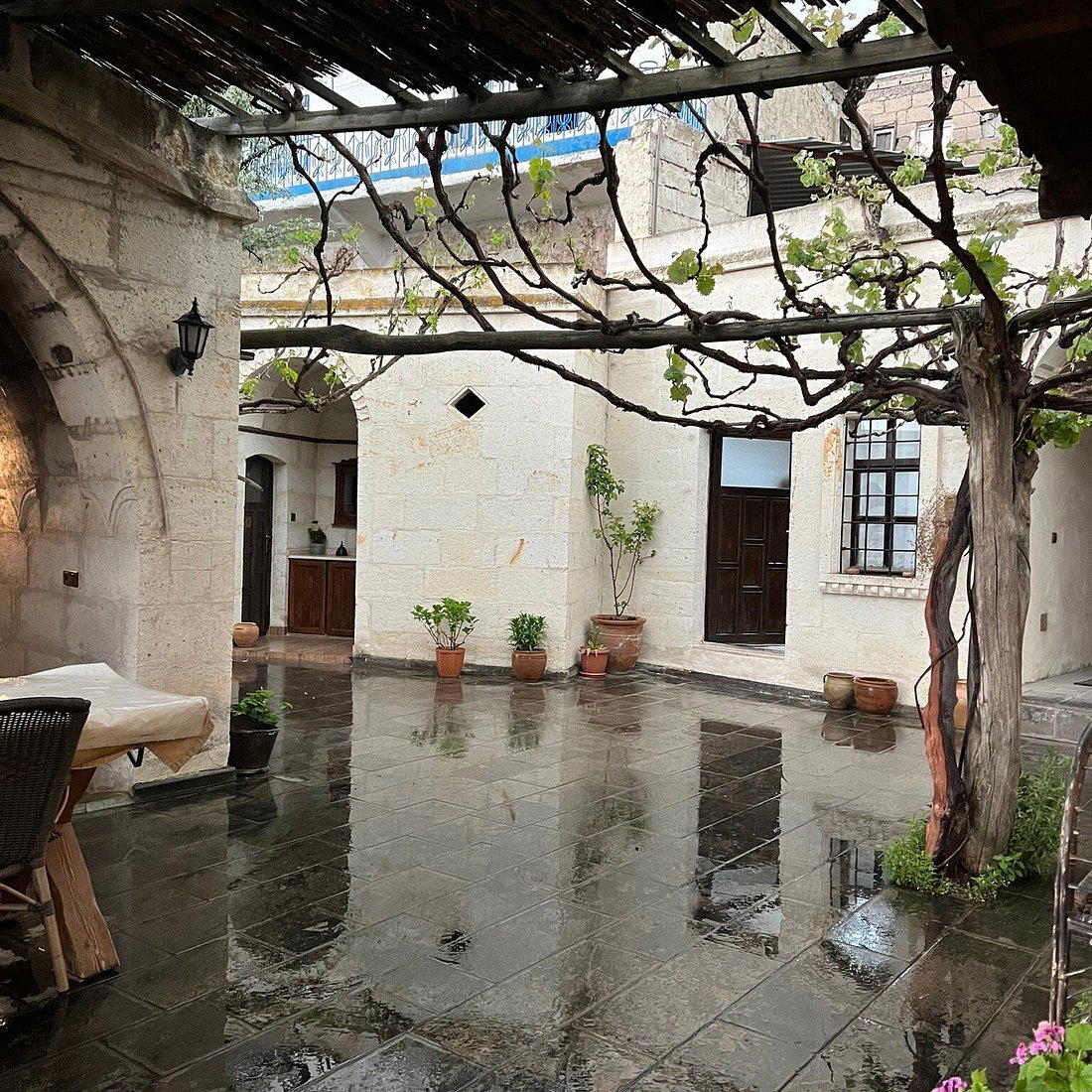
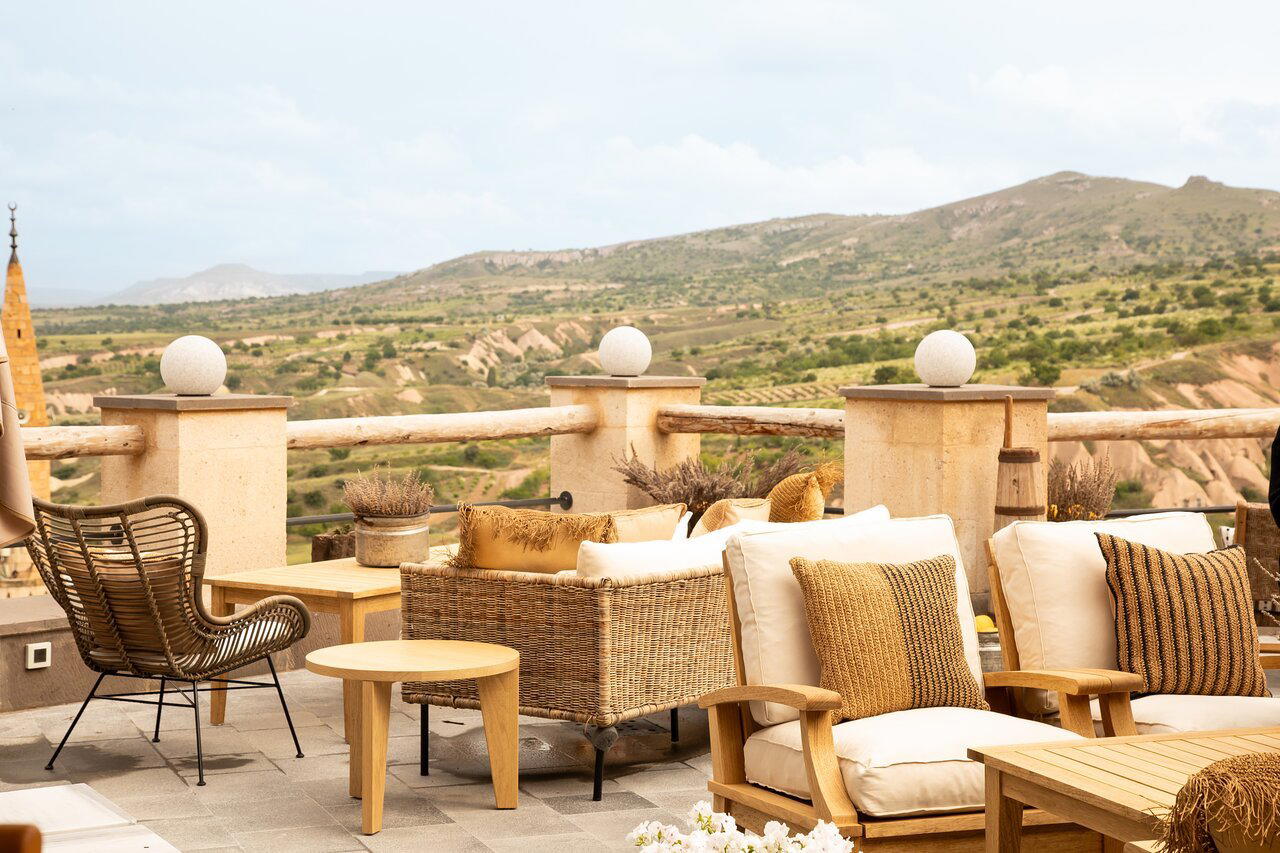
Arriving here feels different from pulling up to one of Cappadocia's cave-hotel complexes or the newer boutique properties closer to Ürgüp's central square. The building announces itself through architecture before you have ordered anything, or even sat down: a traditional balcony projecting over the street, stonework in the warm ochre tone characteristic of the region, and a courtyard where old frescoes survive under the open sky. The dining area sits beneath a canopy of vine leaves, which means the quality of light changes with the season and the time of day in a way that a designed interior cannot simulate.
The Cultural Seam Between Turkish and Greek Kitchens
Cappadocia's culinary identity is usually framed around pottery-cooked stews, testi kebab, and the slow-fire traditions of Anatolian hospitality. That framing is accurate but incomplete. The communities who built Mustafapaşa were Greek Orthodox, and the cooking that developed in this borderland reflected centuries of exchange: shared spices, shared preservation methods, shared vegetable traditions. Old Greek House sits precisely on that seam, with a kitchen that draws from Turkish culinary practice while acknowledging the Greek inheritance embedded in the building itself.
The matriarch of the Öztürk family runs the kitchen, and several family members were born within these walls, which gives the establishment a continuity that is rare in a region where tourism has accelerated turnover significantly. Family-run restaurants of this kind, where the cooking reflects generations of household knowledge rather than a formalized brigade system, occupy a different register from the more polished dining rooms in central Ürgüp. The seasonal salad with vinegar and tomato, the sac tava cooked in its shallow pan, the baklava finished with candied nuts: these are dishes rooted in technique and habit rather than menu engineering. Elsewhere in Turkey, comparable family-kitchen models can be found at places like Agora Pansiyon in Milas and Ahãma in Göcek, though each reflects its own regional inheritance.
The broader Turkish dining scene has moved in a different direction at the upper end. Restaurants like Turk Fatih Tutak in Istanbul and Maçakızı in Bodrum approach Anatolian ingredients through a modernist or coastal-luxury lens. Narımor in Izmir and 7 Mehmet in Antalya represent the kind of long-established regional institution that has professionalized over decades of domestic and international recognition. Old Greek House operates outside that competitive set entirely, its authority grounded in architectural heritage and household cooking rather than awards or kitchen credentials.
Mustafapaşa in the Ürgüp Dining Context
Ürgüp has developed a restaurant scene that reflects the particular pressures of Cappadocian tourism: high seasonal volume, an international visitor base, and a premium accommodation market that has pulled food and drink upward in price and presentation. Several of the town's better-regarded restaurants now position themselves within that premium tier. In Mustafapaşa, the dynamic is different. The village sees fewer visitors, the pace is slower, and the handful of restaurants operating here tend to function as extensions of household or community cooking rather than as hospitality businesses designed for volume.
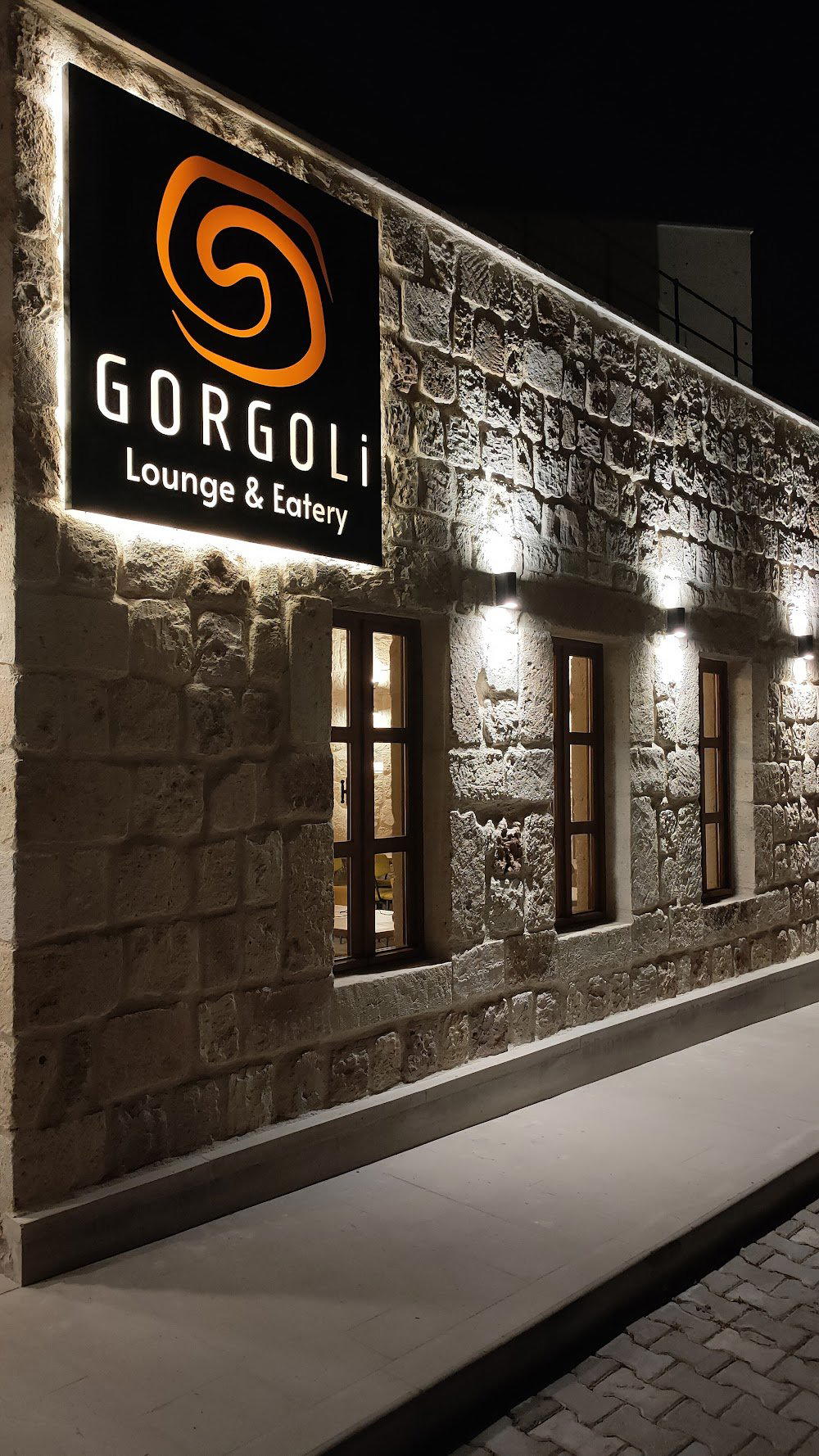
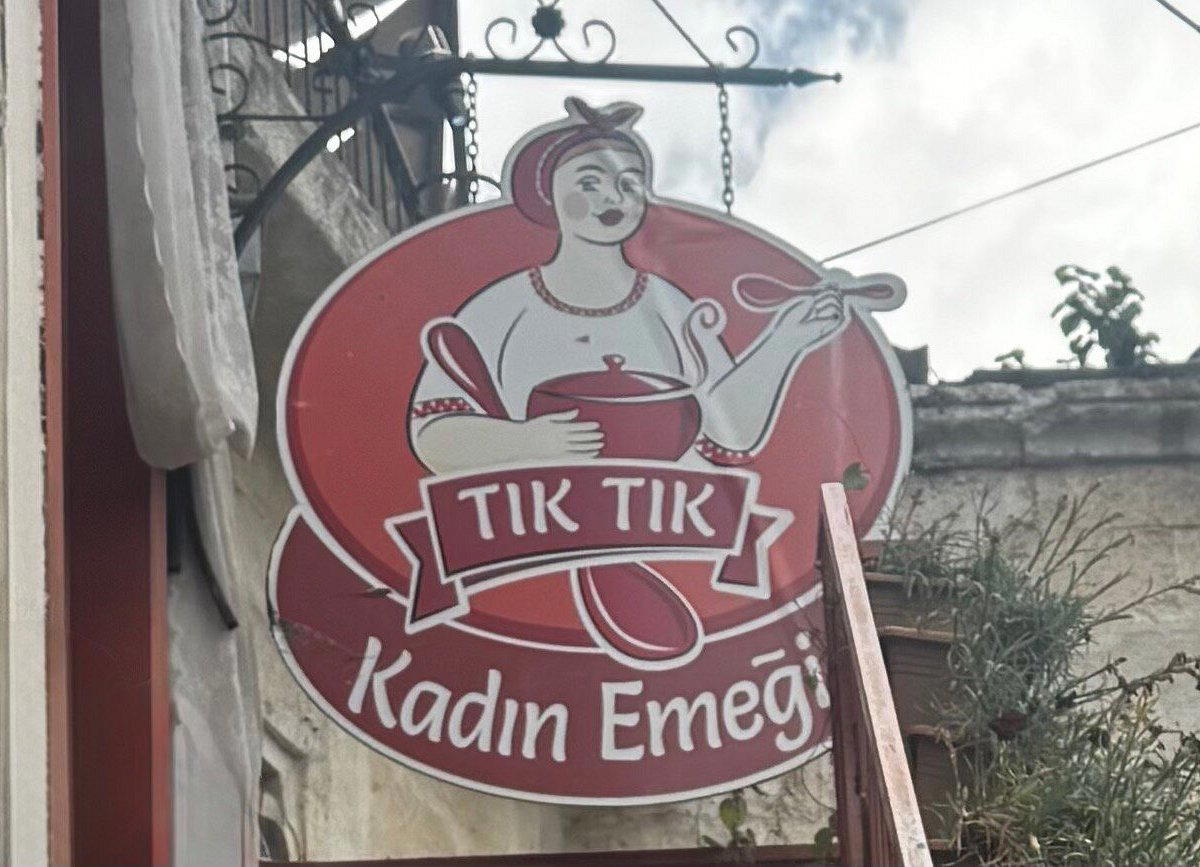
Within Ürgüp's broader restaurant scene, Old Greek House fits alongside establishments like Aravan Evi, Babayan Evi Restaurant, and Gorgoli, each of which draws on the region's historic architecture or culinary tradition in some form. Revithia and Tık Tık Kadın Emeği extend the picture further, offering different entry points into local cooking. Our full Ürgüp restaurants guide maps the range in detail. For the region more broadly, see our guides to Ürgüp hotels, Ürgüp bars, Ürgüp wineries, and Ürgüp experiences.
For context on how family-run hospitality models function at their most engaged in other settings, the contrast with high-production international operations like Le Bernardin in New York City or Emeril's in New Orleans is instructive. The distance between those kitchens and a matriarch cooking sac tava in a nineteenth-century Greek house is not merely geographical.
Planning a Visit
Old Greek House is located at Davutlu, Şahin Caddesi No:12, Mustafapaşa, which places it in the village rather than central Ürgüp. The drive from Ürgüp takes around ten minutes by car, and the address is direct to locate. The property also operates guestrooms, which makes an overnight stay a practical option for visitors who want to use Mustafapaşa as a quieter base for exploring the wider Cappadocia region, including the valley walks and rock-cut churches accessible from the village. Given the family-run scale of the operation, booking ahead is advisable, particularly during the high tourist seasons of spring and autumn when Cappadocia's visitor numbers peak.
Frequently asked questions
What distinctions does Old Greek House have?
Old Greek House has received recognition including: Yes, this is indeed an old Greek house from the 19C, and what a beauty it is! The striking façade with its distinctive traditional balcony, the arcaded courtyard adorned with old frescoes and the open dining area under a canopy of vine leav….
What's Old Greek House's location?
Old Greek House is located at Davutlu, Şahin Caddesi No:12, Mustafapaşa, Ürgüp.
What's the must-try dish at Old Greek House?
The sac tava and baklava with candied nuts are the dishes most cited by reviewers. Beyond those, the seasonal salad, sharpened with vinegar and ripe tomato, gives a clear sense of how the kitchen operates: simple produce, precise seasoning, no fuss.
What's the best way to book Old Greek House?
Old Greek House is a small family-run establishment in Mustafapaşa village, roughly six kilometres from central Ürgüp. If you plan to stay overnight in one of the guestrooms, arrange that in advance given the limited number of rooms.
What has Old Greek House built its reputation on?
The house itself is the foundation: a 19th-century Greek-built stone property with a frescoed arcaded courtyard and a vine-canopied dining area that reviewers consistently describe as one of Cappadocia's most atmospheric settings. The kitchen, run by the Özturk family matriarch, layers Turkish culinary tradition with Greek-influenced dishes, a combination rare in the Ürgüp dining scene where most menus focus on standard Anatolian formats.
What if I have allergies at Old Greek House?
The baklava contains nuts. For any specific dietary requirements, raise them directly with the family on arrival or when making your booking.
Price and Positioning
Comparable venues nearby, for context on price, style, and recognition.
| Venue | Cuisine | Price | Awards | Notes |
|---|---|---|---|---|
| Old Greek HouseThis venue — the venue you are viewing | Traditional Turkish Country Cooking | $20–30 | Michelin Bib Gourmand | Not listed |
| Aravan Evi | Traditional Turkish Farm-to-Table | $20–30 | Michelin Bib Gourmand | Ayvalı Köyü, Traditional Turkish Farm-to-Table |
| Babayan Evi Restaurant | Traditional Turkish Country Cooking | Not listed | Michelin Bib Gourmand | Ibrahimpaşa Village, Traditional Turkish Country Cooking |
| Kemeralti Restaurant | Authentic Turkish | $10–20 | Not listed | Ortahisar, Authentic Turkish |
| Gorgoli | Traditional Turkish Regional Cuisine | $20–30 | Michelin Plate | Mustafapaşa, Traditional Turkish Regional Cuisine |
| Barbarian Medieval Tavern | Turkish Steakhouse & Wine Bar | Not listed | Not listed | Urgup, Turkish Steakhouse & Wine Bar |
Recognition history
Dated appearances from independent guides and award organizations, with the underlying list record or original source where available.
Michelin Bib Gourmand
Michelin
Details
- Romantic
- Rustic
- Well Known
- Cozy
- Historic
- Date Night
- Family
- Group Dining
- Special Occasion
- Historic Building
- Courtyard
- Terrace
- Private Dining
- Beer Program
- Local Sourcing
- Garden
- Family Style
- A La Carte
- Local Cappadocian Wine
- Turkish Wine
- Vegetarian Friendly
- Vegan Options
- Gluten Free Options
- Halal
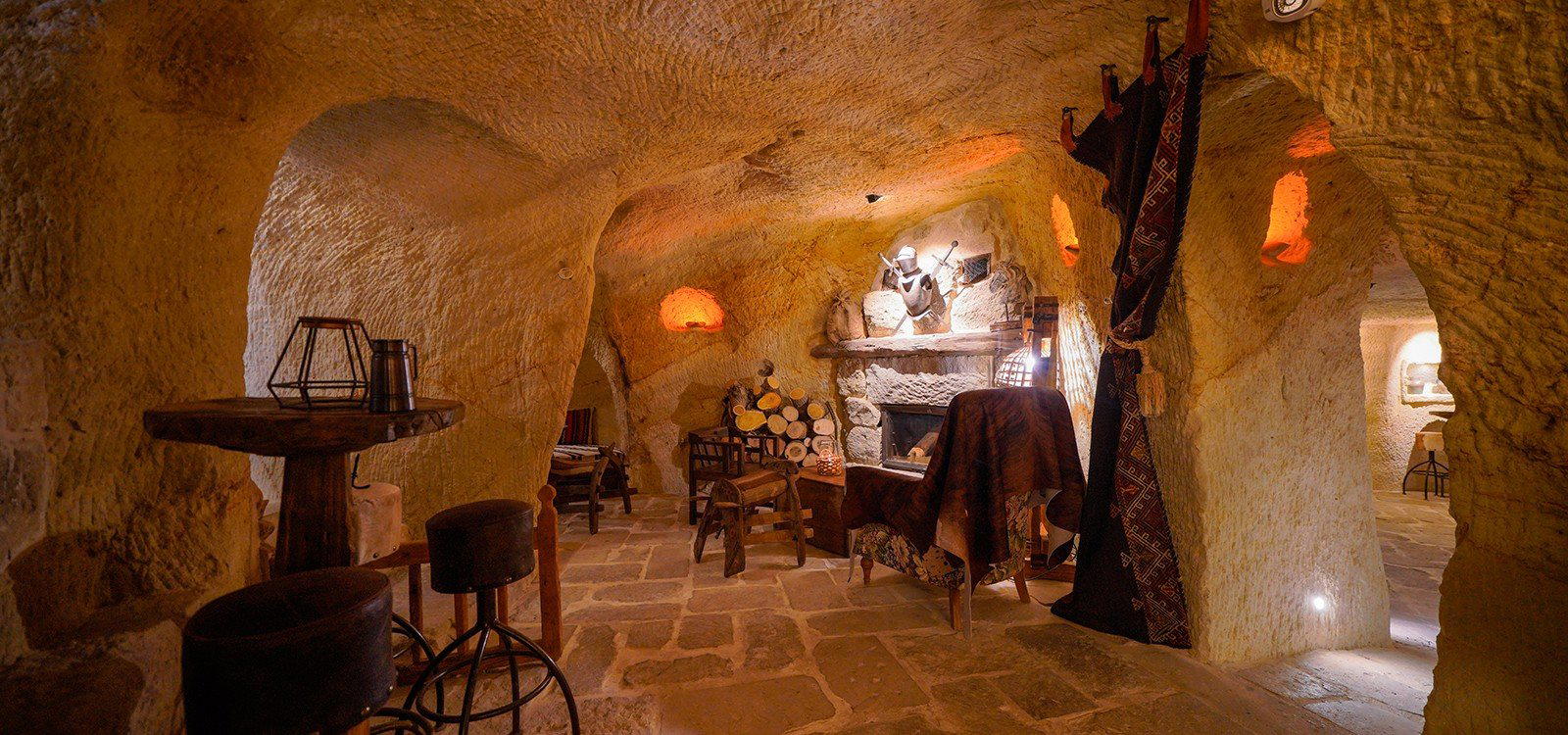
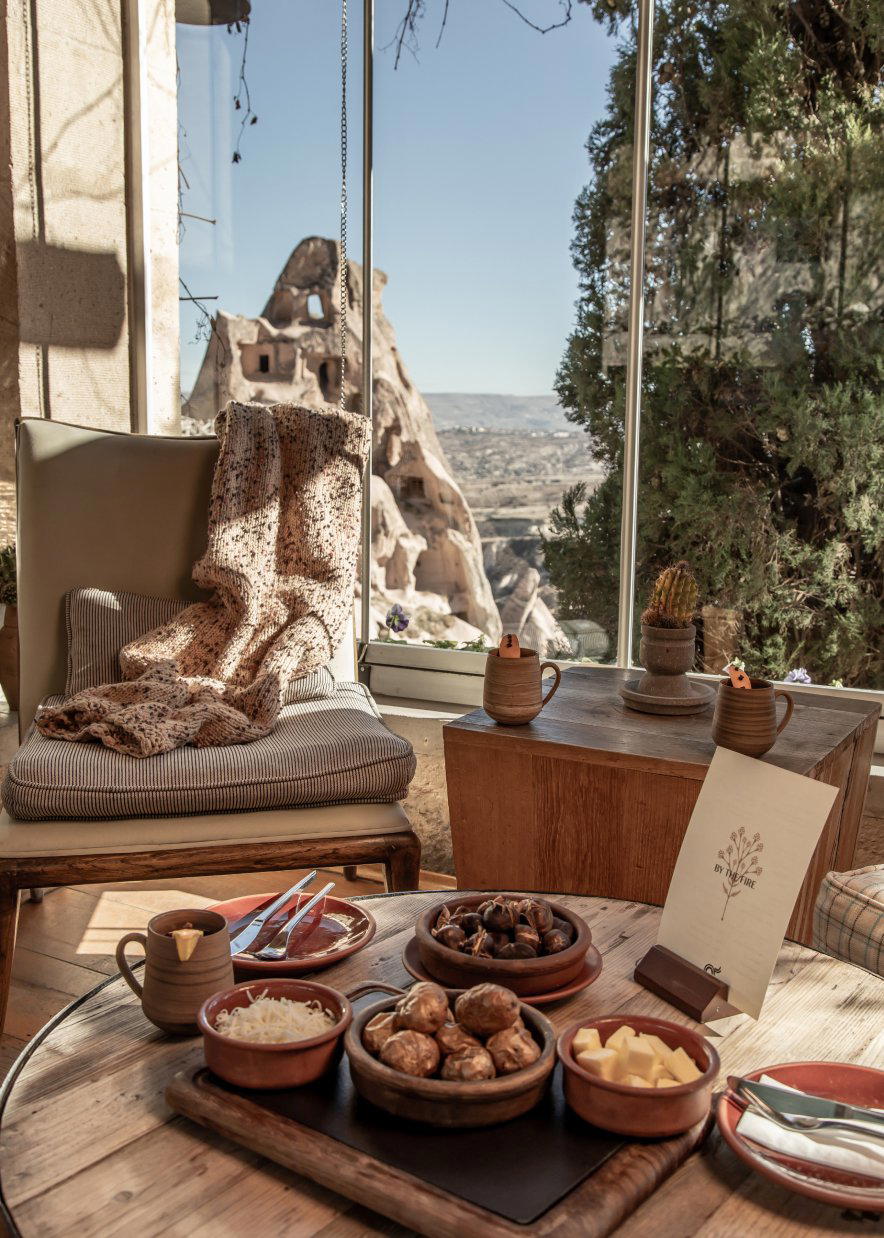
Warm, nostalgic atmosphere with exposed stone walls, painted beams, and candlelit indoor/outdoor spaces under grape vines; feels like stepping back in time to a Mediterranean home.