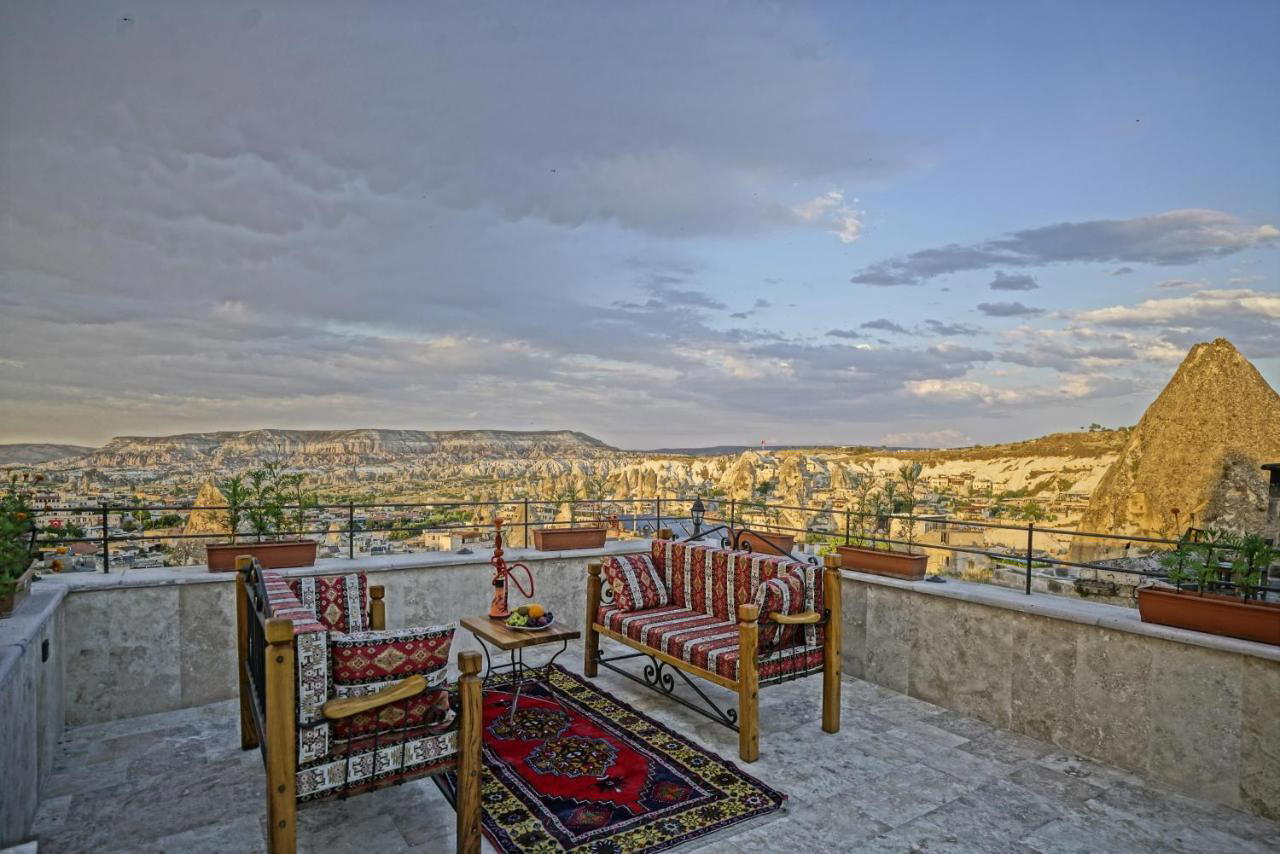
In the Cappadocian town of Ortahisar, Hezen Cave Hotel occupies a rock-carved setting where sandstone walls and contemporary design work in considered combination. Twenty rooms are priced from $168 per night, placing it in the accessible mid-range of Cappadocia's cave hotel tier. The property sits within a town where the architecture itself is the experience, with rock houses climbing the hillside in the manner the region has practised for centuries.

Pearl is the En Primeur Club membership app, where members save venues, book tables and use the concierge.
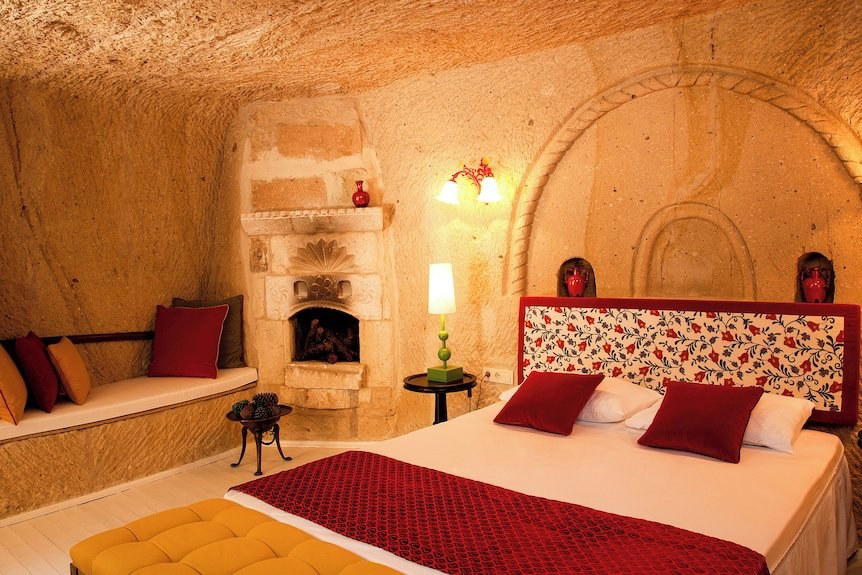
Stone, Silence, and the Architecture of Central Turkey
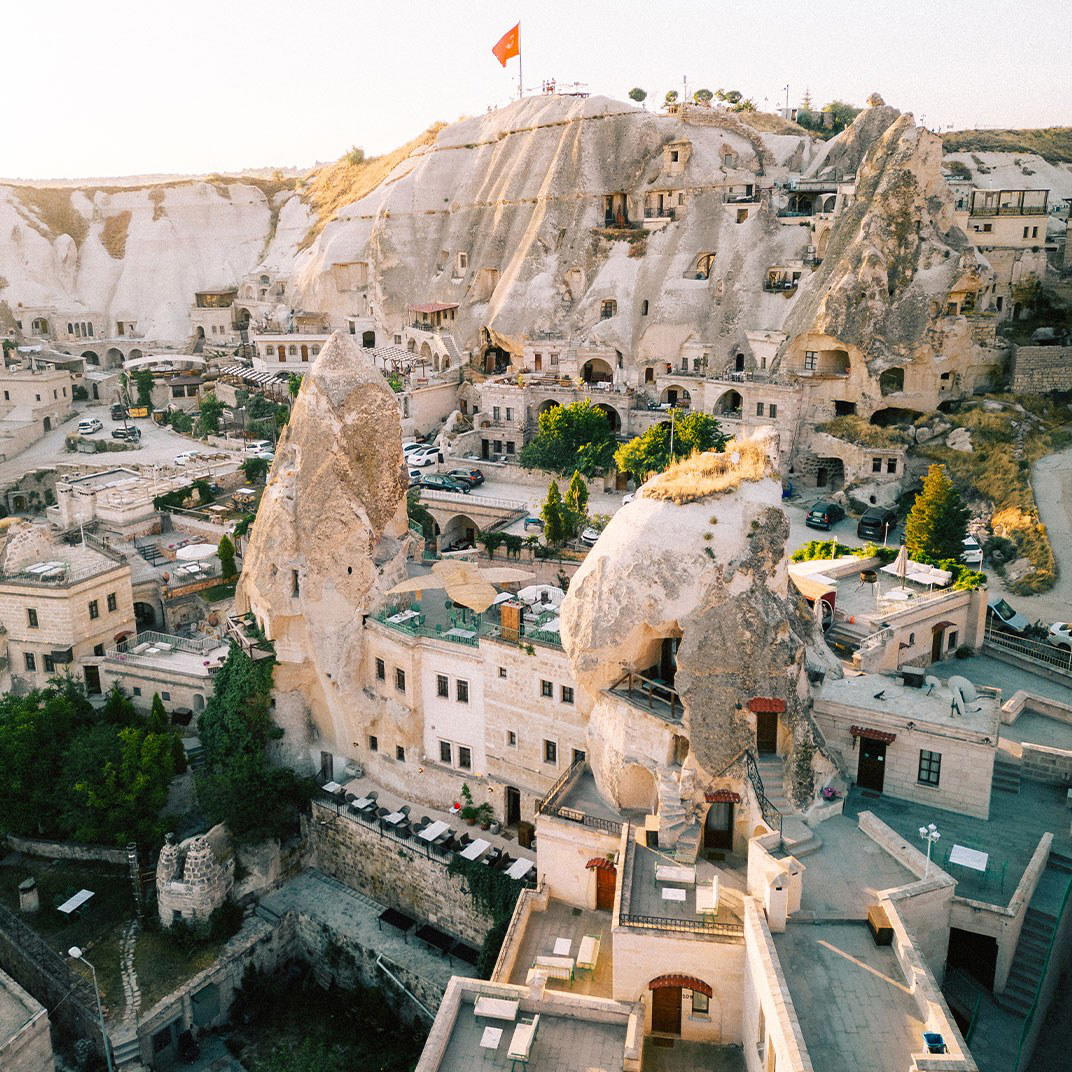
Approaching Ortahisar from the Ürgüp road, the first thing that registers is not a hotel sign but a skyline: volcanic tufa formations and stone-cut dwellings stacked up a hillside with an arrangement that no architect could have planned. This is the visual grammar of Cappadocia, a region where human habitation has followed the logic of the rock for thousands of years. Cave hotels here are not a gimmick retrofitted for tourism; they are a continuation of a building tradition that the region has maintained through Byzantine, Seljuk, and Ottoman periods alike. Hezen Cave Hotel sits within that tradition in Ortahisar, a quieter town than the better-trafficked Göreme, and one that gives a more direct sense of how Cappadocians have always lived within and against the stone.
Where Hezen Sits in the Cappadocia Hotel Market
Cappadocia's accommodation tier has expanded sharply over the past decade, pulling in both large resort-format properties and smaller design-led cave hotels. The latter category now splits broadly between budget conversions, mid-range properties with considered interiors, and a smaller bracket of luxury cave hotels with hot air balloon terraces, tasting menus, and rates that reflect their position. At $168 per night with 20 rooms, Hezen Cave Hotel occupies the mid-range tier, where the proposition is built around architectural character and relative intimacy rather than on-site food and beverage programming. For comparison, properties in the upper Cappadocia bracket such as Argos in Cappadocia or Hu of Cappadocia in Uçhisar carry rates and service infrastructure that position them against international boutique luxury, while Hezen competes on a different basis: accessible entry into the cave hotel format without sacrificing design quality. The 20-room scale keeps the property from feeling corporate, and the Ortahisar location keeps it slightly removed from the Göreme tourist circuit, which is either a drawback or an advantage depending on what you are in Cappadocia for.
The Design Approach: Contemporary Interiors in Ancient Stone
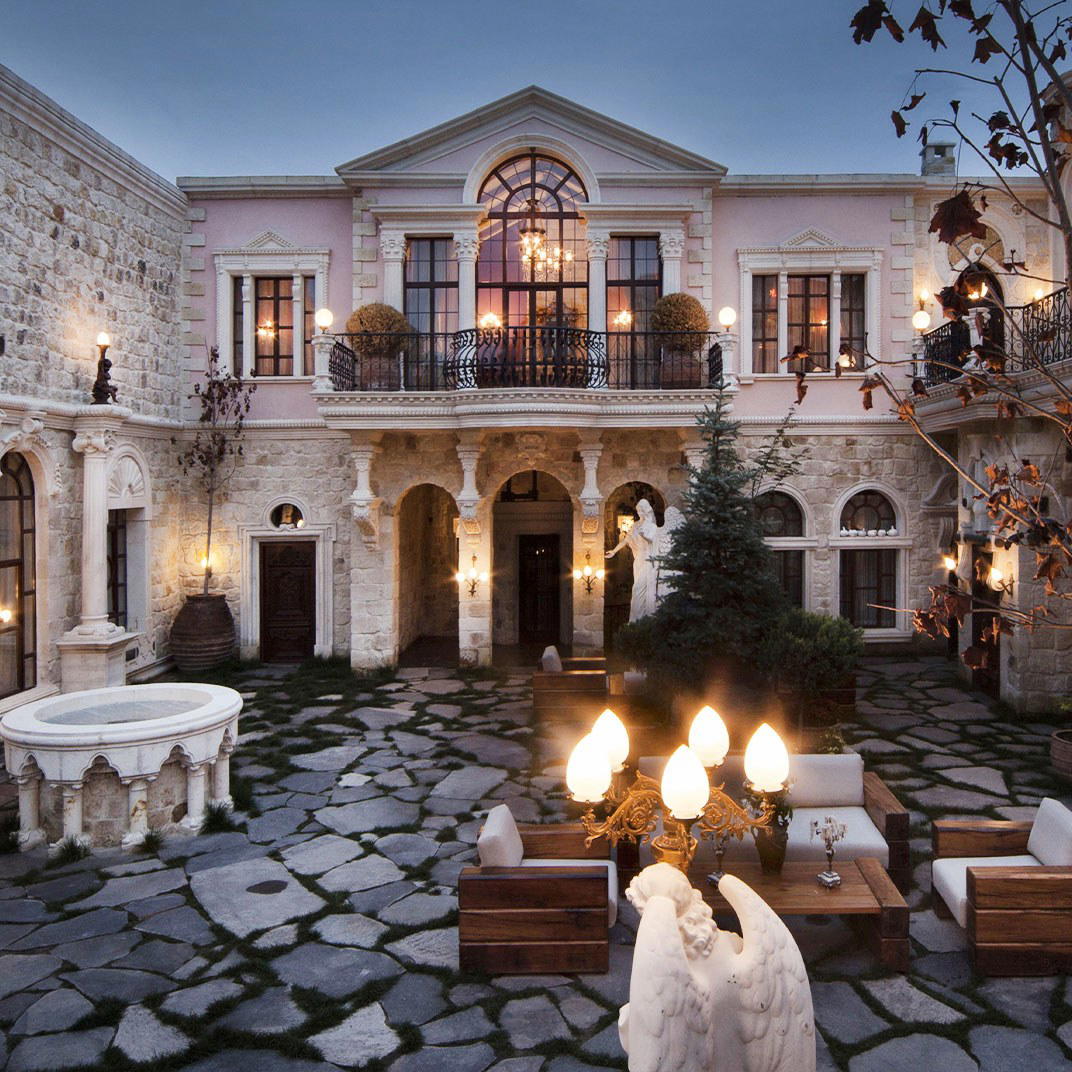
What distinguishes the better cave hotels from the merely atmospheric is what happens once you move past the sandstone walls. Cappadocia's rock architecture provides a ready-made sense of place, but the interior decisions either sustain or undercut it. At Hezen, the design approach leans European in its contemporary references while keeping the stone as the dominant material presence. The effect, as described in the property's own framing, is something like a modern design hotel transposed into a geological setting: the walls and ceilings do the heavy contextual work, while the furnishings and finishes bring enough comfort and visual coherence to make the rooms liveable rather than merely theatrical. The silence that characterises the property is less a design feature than a structural consequence: stone walls of the thickness required for cave construction absorb sound in ways that no standard hotel room can replicate. This acoustic quality is one of the most consistently remarked-upon features of Cappadocian cave hotels as a category, and it is worth factoring into any decision about whether to stay here or in a conventional property.
Ortahisar: The Town Context
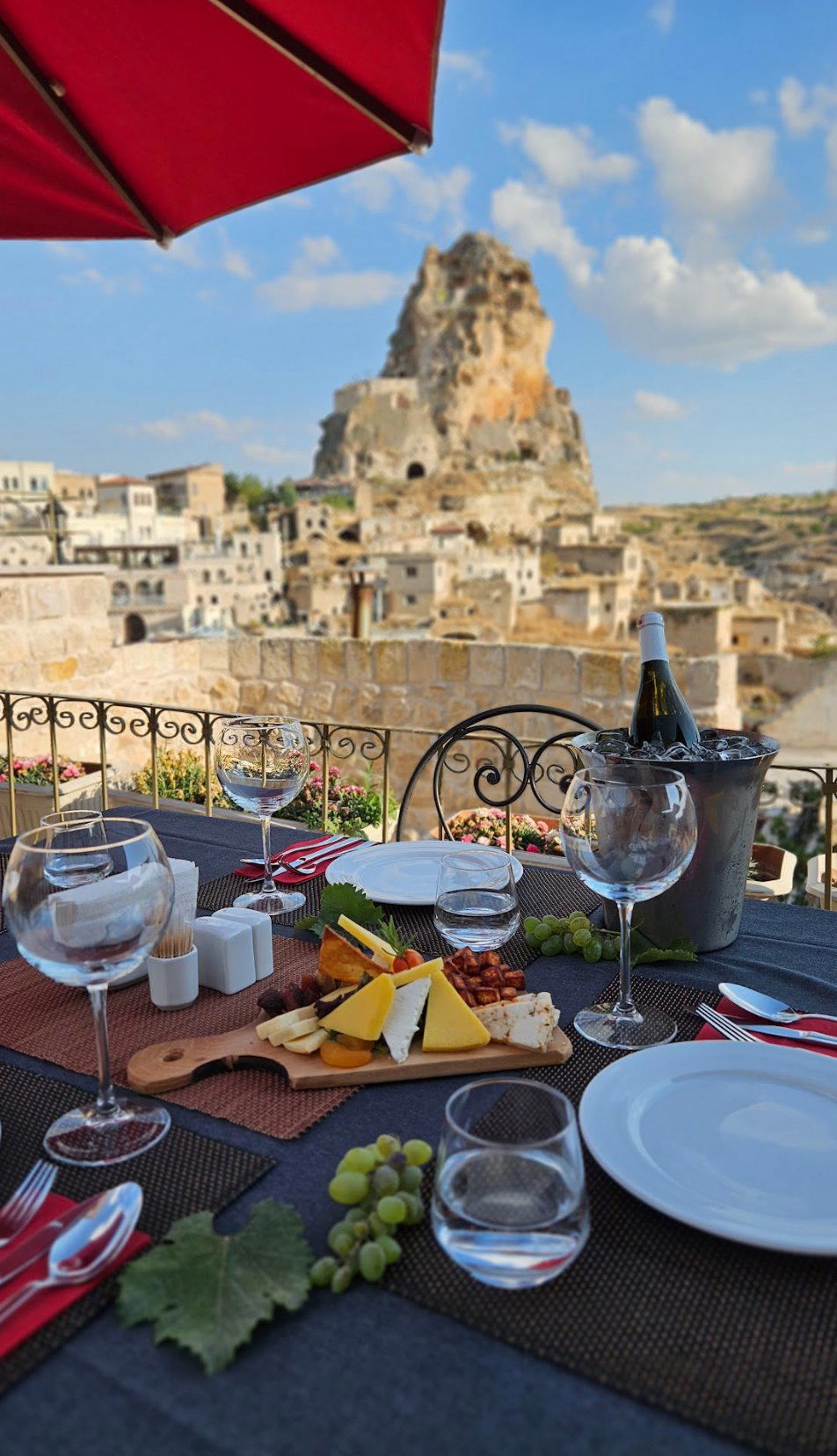
Ortahisar is a working Cappadocian town rather than a purpose-built tourist centre, and that distinction matters for how a stay here reads. The castle rock that defines the town's silhouette is one of the taller natural formations in the region, and the surrounding streets retain a residential character that Göreme has largely traded away for souvenir shops and balloon-watching terraces. Staying in Ortahisar positions you within reach of the central Cappadocia sites while keeping you at one remove from the high-season density. Ürgüp, the larger nearby town, is accessible by local transport and offers the region's most concentrated stretch of restaurants and wine producers; for dining beyond the hotel, our full Ürgüp restaurants guide covers the options in that tier. The broader Cappadocia hotel market also includes Ajwa Cappadocia in Ürgüp itself, which operates at a higher price point with a different set of amenities for travellers whose priorities shift toward formal dining and spa infrastructure.
The Dining Question at Cave-Format Properties
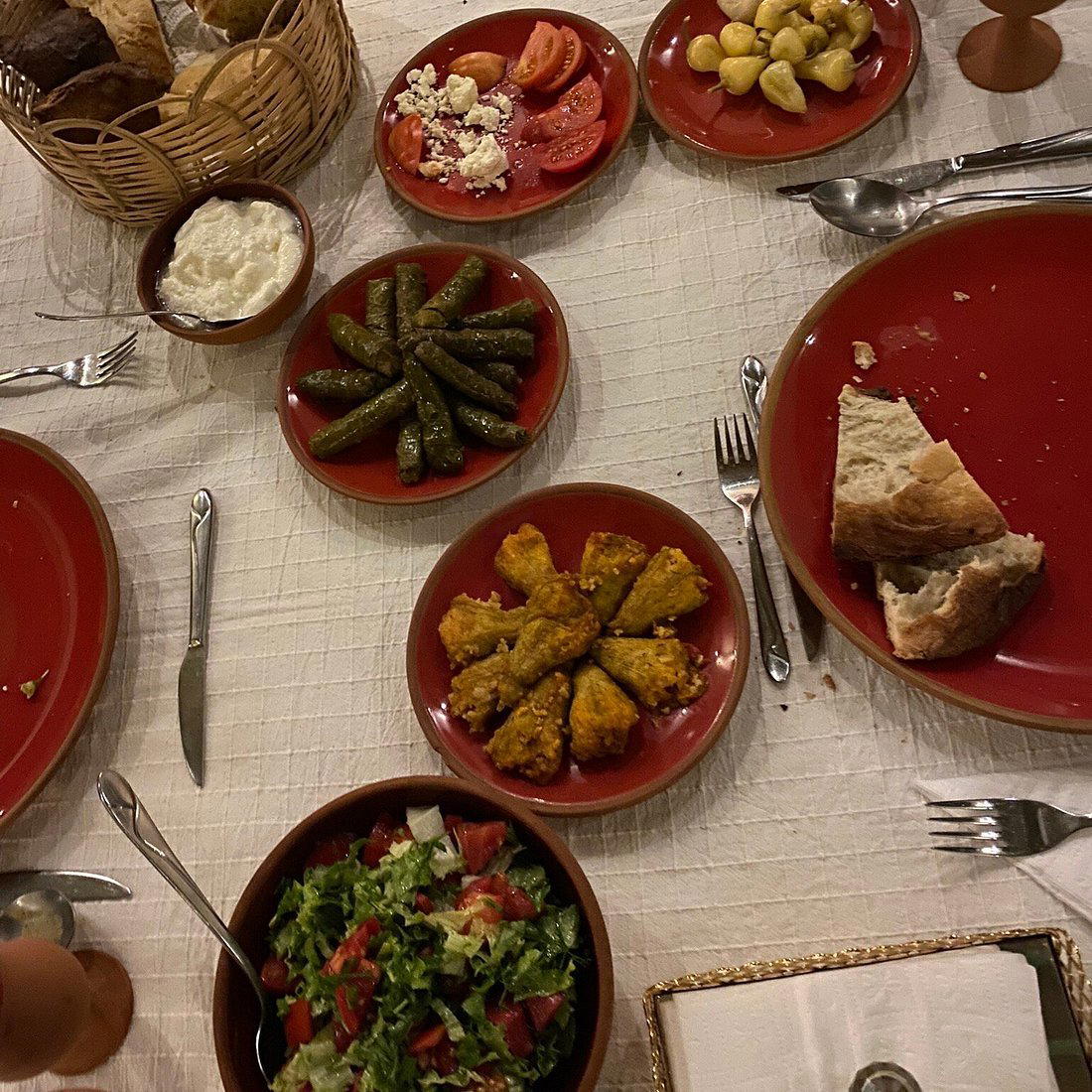
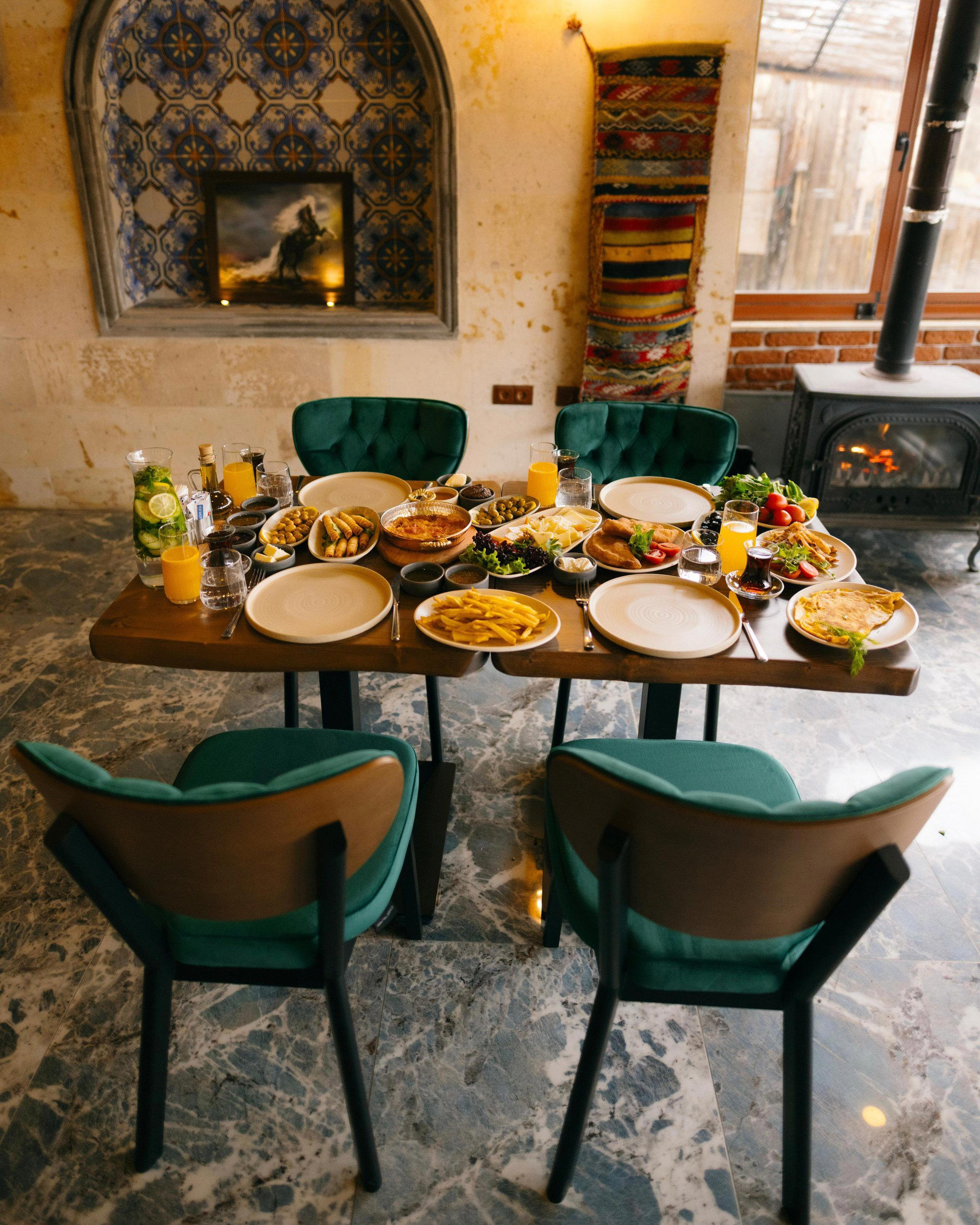
This is not unusual in the mid-range cave hotel tier, where breakfast service is typically included and dinner is expected to happen off-property or through arrangements with local restaurants. What this means practically is that a stay here is not structured around an in-house dining experience in the way that, say, MACAKIZI BODRUM in Bodrum or D Maris Bay in Hisarönü are built around their beach clubs and food programmes. The food story at Hezen is the region's story: Cappadocian cuisine draws on Central Anatolian traditions, with pottery-cooked lamb, testi kebab, and local red wines from the Emir and Öküzgözü grapes grown in the volcanic soils of the Avanos and Ürgüp districts. These are experiences that happen in the town, not necessarily within the hotel walls.
How This Fits the Wider Turkey Hotel Picture
Turkey's hotel market is diverse enough that it rarely makes sense to compare a 20-room cave property in Ortahisar against the full-service resort tier of Regnum Carya in Belek or Kempinski Hotel The Dome Belek in Antalya. The logic of choosing Hezen is not about competitive amenity sets; it is about choosing Cappadocia specifically, and within Cappadocia, choosing a property that prioritises architectural authenticity and town-level immersion over poolside infrastructure. The same design-led, smaller-property logic applies in other Turkish destinations: Alavya in Alaçatı and Ahãma in Göcek operate on a similarly boutique scale with locally-rooted design approaches, though in coastal rather than volcanic settings. Akbıyık Cd. in Istanbul offers yet another register, showing how Turkey's independent hotel sector ranges across formats and geographies. For travellers building a longer Turkey itinerary around Cappadocia, the Renaissance Izmir Hotel and Princes' Palace Resort in Büyükada represent the larger-city and island alternatives in the same country at different price and format points.
Planning a Stay
The address places Hezen in Ortahisar, accessible from Kayseri Airport (the main Cappadocia gateway, approximately 45 minutes by transfer) or Nevşehir Airport for those flying from Istanbul. Cappadocia's high season runs spring and autumn, when balloon flight conditions are most reliable and the landscape is at its most photogenic; summer brings heat and peak crowds, while winter offers a dramatically different version of the region, with snow settling on the rock formations and significantly reduced visitor numbers. At $168 per night for a 20-room property in this location, the rate is competitive within the mid-range cave hotel category. Booking windows for Cappadocia properties in the shoulder seasons tend to fill several weeks to months in advance, particularly for rooms with better views or terrace access.
Cost Snapshot
Comparable venues nearby, for context on price, style, and recognition.
| Venue | Cuisine | Price | Awards | Notes |
|---|---|---|---|---|
| Hezen Cave HotelThis venue (the venue you are viewing) | Not listed | $100–200 | Not listed | Not listed |
| Ajwa Cappadocia | Not listed | $200–300 | Preferred Hotels Member | Mustafa Pasa Koyu, Luxury cave hotel with traditional caravanserai and artistic bazaar buildings |
| Sacred House | Not listed | $200–300 | Michelin Selected | Dutlu Cami, Historic boutique mansion with neo-classical and Gothic restoration |
| Maxx Royal Kemer | Not listed | Not listed | Michelin Guide New Hotels New Hotel · Michelin Selected | Kemer, ultra-modern hillside villas harmoniously integrated with nature |
| Rixos Premium Belek | Belek, luxury all-inclusive resort | $200–300 | World Travel Awards | Not listed |
| Sultan Cave Suites | Not listed | $100–200 | Michelin Selected | Goreme, Cave hotel terraced above Goreme village blending ancient rock dwellings with modern luxury. |
Continue exploring
More in Ürgüp
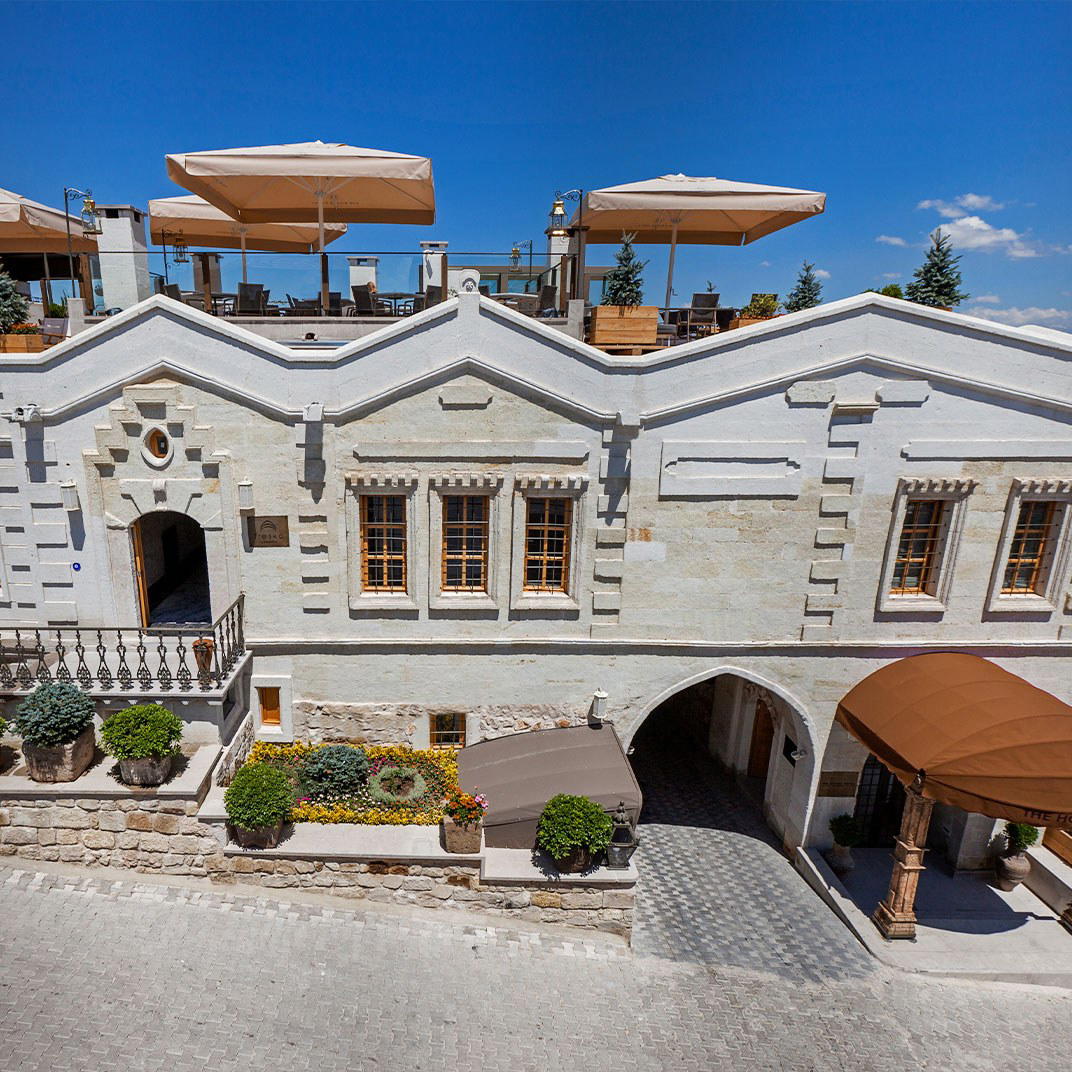
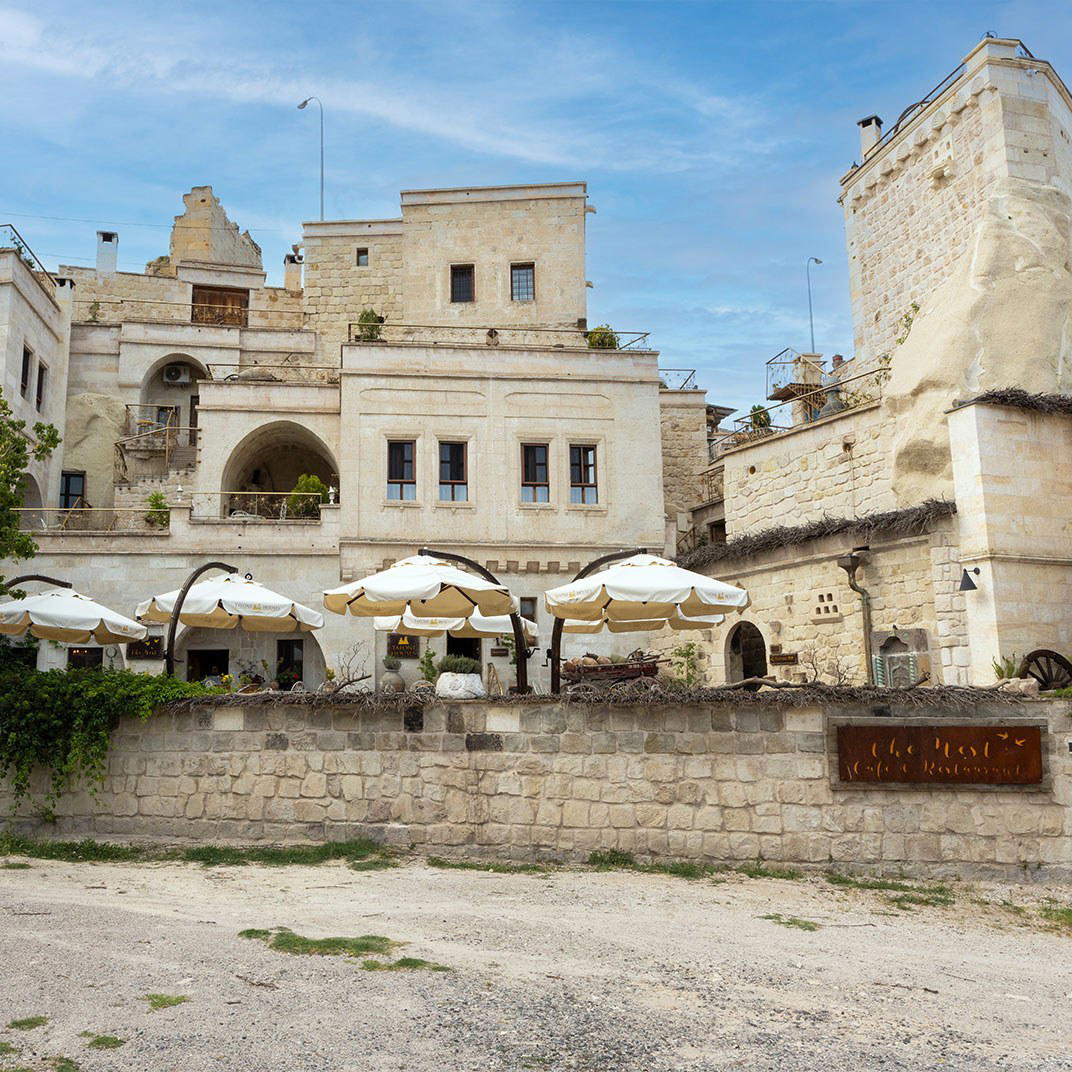

Details
- Romantic
- Scenic
- Cozy
- Rustic
- Intimate
- Romantic Getaway
- Honeymoon
- Weekend Escape
- Historic Building
- Panoramic View
- Terrace
- Wi Fi
- Restaurant
- Room Service
- Concierge
- Free Parking
- Garden
- Mountain
- Garden
Cozy and peaceful cave atmosphere with warm hospitality, natural surroundings, and a relaxing dining area, though some rooms may have low lighting.