Chinese Cooking in Cappadocia: What the Address Tells You Göreme sits at the centre of one of Turkey's most-visited regions, a range of tuff-carved valleys and cave hotels where the dining scene has, for most of its recent history, leaned almost...
Pearl is the En Primeur Club membership app — saves, bookings, and concierge access live there. Same editors, same standards.
- Address
- Gaferli Mah, Gerdiş Sk. No:22, 50180 Göreme/Cappadocia/Nevşehir, Türkiye
- Phone
- +90 384 271 27 71
 Saves & bookings on Pearl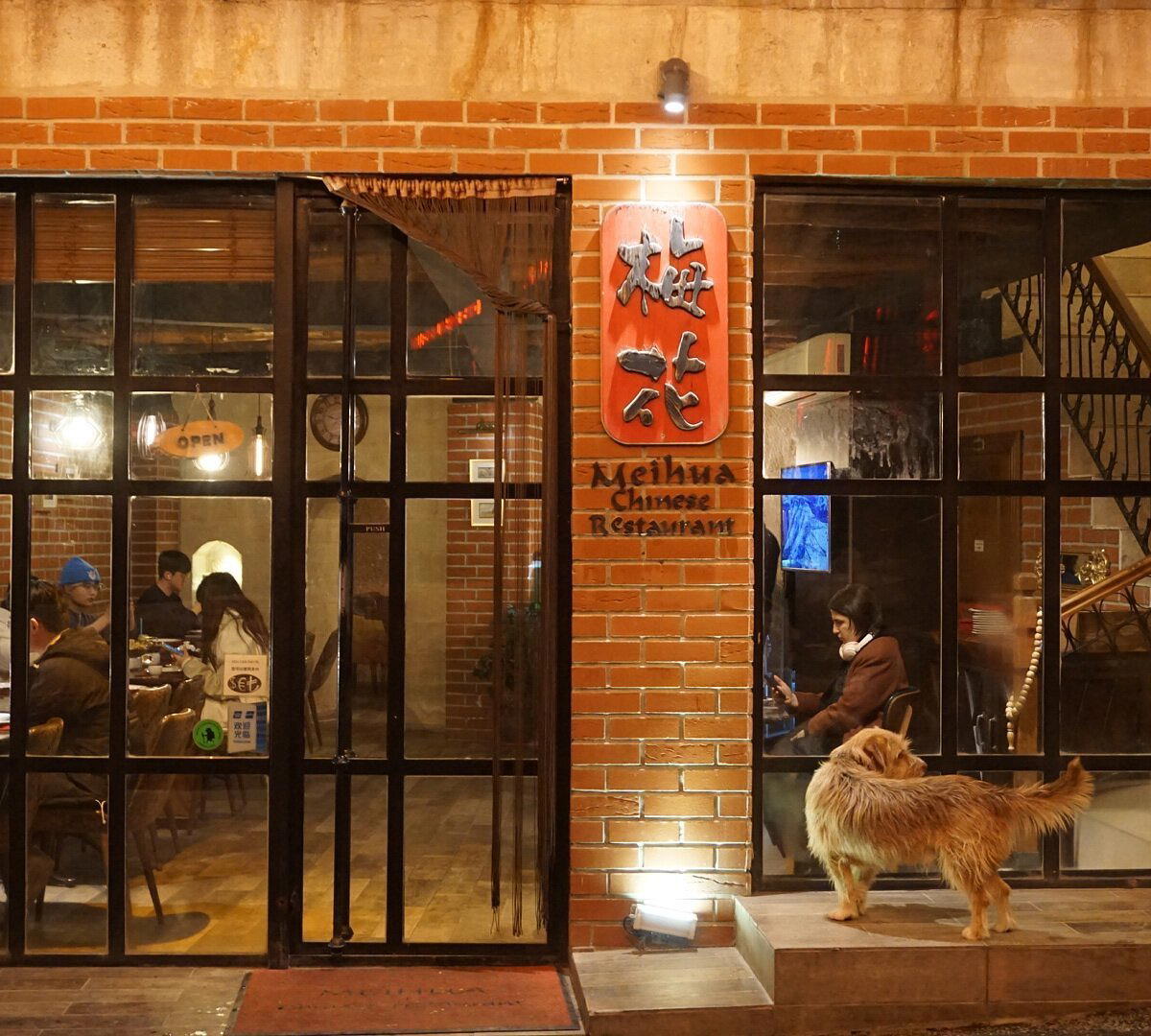
Chinese Cooking in Cappadocia: What the Address Tells You
Göreme sits at the centre of one of Turkey's most-visited regions, a range of tuff-carved valleys and cave hotels where the dining scene has, for most of its recent history, leaned almost exclusively on Anatolian staples: slow-braised lamb, lentil soups, flatbreads cooked on stone. Against that backdrop, the presence of a Chinese restaurant on a narrow side street in the Gaferli neighbourhood is worth pausing on. Meihua Chinese Restaurant occupies a position on Gerdiş Sokak in Göreme, Nevşehir, and serves Authentic Sichuan Chinese food at a casual, recommended-reservation address.
That geography matters for ingredient questions. In cities with established Chinese communities, specialist supply chains bring dried mushrooms, fermented pastes, and specific rice varieties within reach of restaurant kitchens. In a small Cappadocian town, a kitchen cooking Chinese food draws on a hybrid sourcing logic: some pantry staples imported or sourced from Istanbul's wholesale markets, some fresh produce pulled from the same central Anatolian suppliers that feed every other kitchen in the region. The result, wherever it lands on the quality spectrum, is a version of Chinese cooking shaped by local availability in ways that a kitchen in Istanbul or Izmir simply is not.
Ingredient Logic at the Edge of a Cuisine's Range
The editorial interest in a venue like Meihua is less about whether it matches a Sichuan specialist in Shanghai and more about what it reveals regarding how cuisines travel. Chinese cooking has a long history of adaptation: the chilli-forward dishes of Sichuan developed partly from New World imports; Cantonese roasting traditions shifted when practitioners moved to Southeast Asia and then to Western cities. Each migration forced negotiation with local supply. A Chinese restaurant in Cappadocia is another node in that pattern.
Central Anatolia offers certain ingredients that are genuinely useful in Chinese-adjacent cooking: good-quality lamb and offal, stone-ground grains, dried legumes, and the region's distinctive honey and preserves. What it does not reliably offer is the full spectrum of aromatics, specific soy varieties, or the fresh seafood that defines coastal Chinese menus. A kitchen working within those constraints either narrows its repertoire or substitutes, and the direction it chooses says a great deal about its priorities. For context on how ingredient sourcing defines restaurant identity across Turkey, restaurants like Hiç Lokanta in Urla and Narımor in Izmir have built reputations precisely by tying their menus to what grows within reach of their kitchens.
Göreme's Dining Scene and Where This Fits
Cappadocia's restaurant scene has matured considerably alongside its tourism infrastructure. The region now supports a range of dining formats, from cave-set hotel restaurants targeting international guests to neighbourhood spots working the local lunch trade. Within Göreme specifically, the concentration of visitors from across Europe, East Asia, and the Gulf has created demand for cuisines that fall outside Turkish tradition. That demand explains why a Chinese restaurant exists here at all.
Göreme's peer restaurants, most of them Turkish in focus, cover a range of price points and formats. Lil'a (Turkish Cuisine) works within the regional tradition with some care for presentation. Happena, Moniq Restaurant, Nahita Cappadocia, and Reserved Restaurant each occupy different positions in a scene that is growing but still relatively small. Meihua sits outside that local peer group by cuisine category, which gives it a certain practical monopoly among diners specifically looking for Chinese food in the region.
Turkish Chinese Cooking as a Distinct Category
Turkey has a small but established tradition of Chinese restaurants, concentrated in Istanbul and anchored primarily to communities with historical East Asian connections. That Istanbul scene is a reference point worth holding: restaurants there can access broader ingredient networks, more varied supply, and a customer base with higher baseline familiarity with Chinese regional cooking. The gap between what Istanbul's Chinese restaurants can produce and what a Cappadocian kitchen can manage is largely a logistics story.
This is not a dismissal of Meihua. Cuisines that adapt to local supply often produce dishes that, over time, develop their own internal coherence. The versions of Chinese cooking that took root in Malaysia, Peru, or the American Midwest are not lesser expressions of the original; they are distinct ones. Whether Meihua operates at that level of considered adaptation or functions as a direct comfort option for travellers craving something outside the Anatolian register remains a question for diners themselves.
For comparison on how ambitious kitchens handle the tension between cultural authenticity and local sourcing, Atomix in New York City and Le Bernardin in New York City each, in different ways, show what happens when sourcing discipline becomes the defining editorial statement of a restaurant. Closer to home, Turk Fatih Tutak in Istanbul has made Anatolian ingredient provenance central to its identity, and Asitane in Fatih does something similar with Ottoman culinary history. Each represents a kitchen that has made a clear decision about where its ingredients come from and why that choice matters.
Planning a Visit: What to Know Before You Go
Meihua Chinese Restaurant is located at Gaferli Mah, Gerdiş Sk. No:22, in Göreme, within Nevşehir province. The Gaferli neighbourhood sits on the quieter eastern side of Göreme village, accessible on foot from most of the area's hotels in under fifteen minutes. Meihua Chinese Restaurant is open daily from 11:30 AM to 10 PM, and reservations are recommended. Turkey's broader dining culture also rewards those who ask at street level rather than relying on static listings: Dürümzade in Beyoglu and Bayramoğlu Döner in Beykoz are examples of spots where local knowledge outperforms any published guide.
Side-by-Side Snapshot
Comparable venues nearby, for context on price, style, and recognition.
| Venue | Cuisine | Price | Awards | Notes |
|---|---|---|---|---|
| Meihua Chinese RestaurantThis venue — the venue you are viewing | Authentic Sichuan Chinese | $$ | , | |
| Uzundere Kapadokya Mutfağı | Traditional Cappadocian Turkish | $$ | Michelin Plate | Göreme |
| Reserved Restaurant | Modern Traditional Turkish | $$$ | Michelin Plate | Uçhisar |
| Saklı Konak Cappadocia | Traditional Cappadocian Turkish | $$$ | Michelin Plate | Uchisar |
| Lil'a | Contemporary Anatolian & Cappadocian Fine Dining | $$$$ | Uchisar | |
| Happena | Ancient Hittite-Inspired Turkish Cuisine | $$ | Bib Gourmand | Göreme |
Continue exploring
More in Nevsehir
Restaurants in Nevsehir
Browse all →

At a Glance
- Cozy
- Intimate
- Casual Hangout
- Terrace
- Street Scene
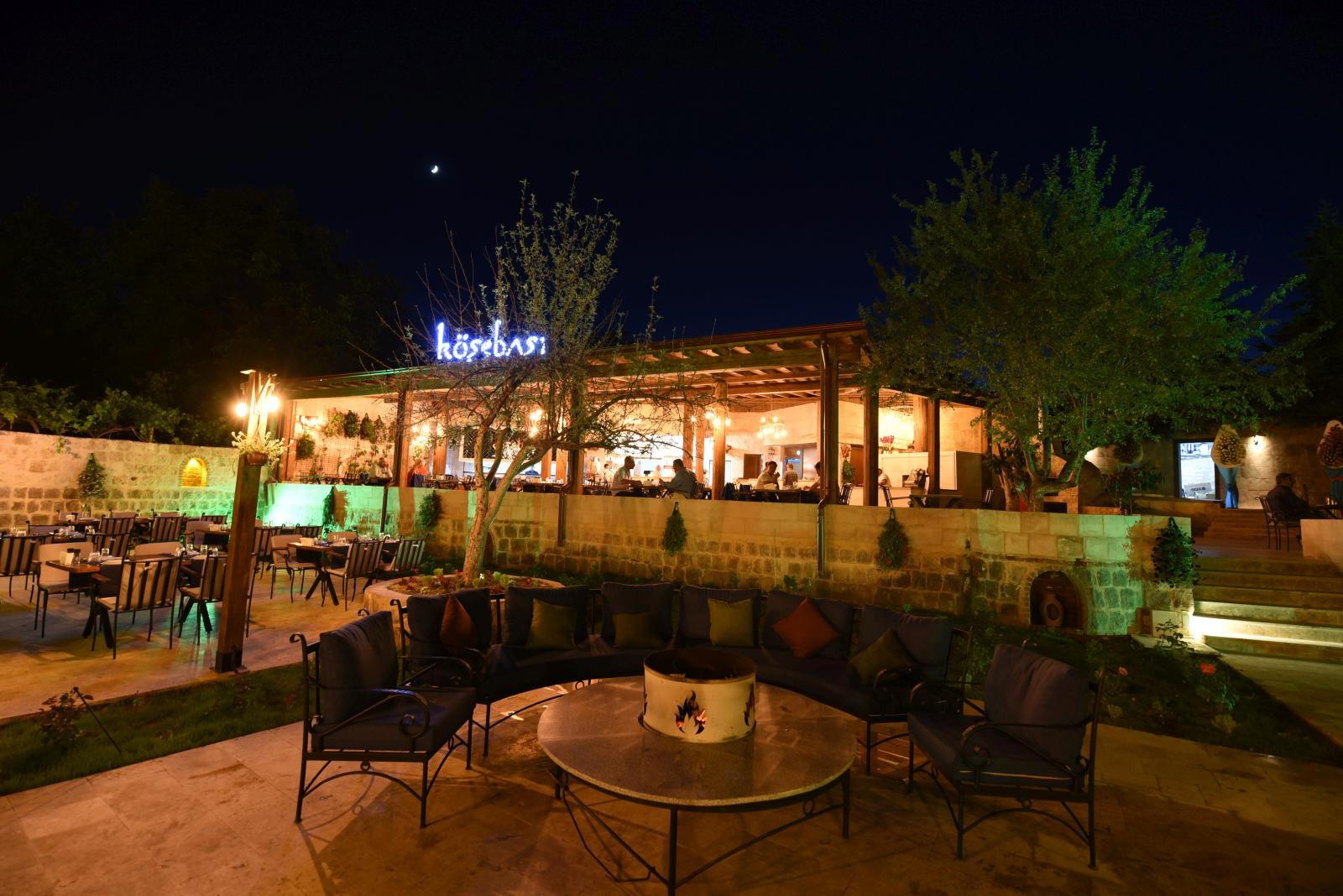
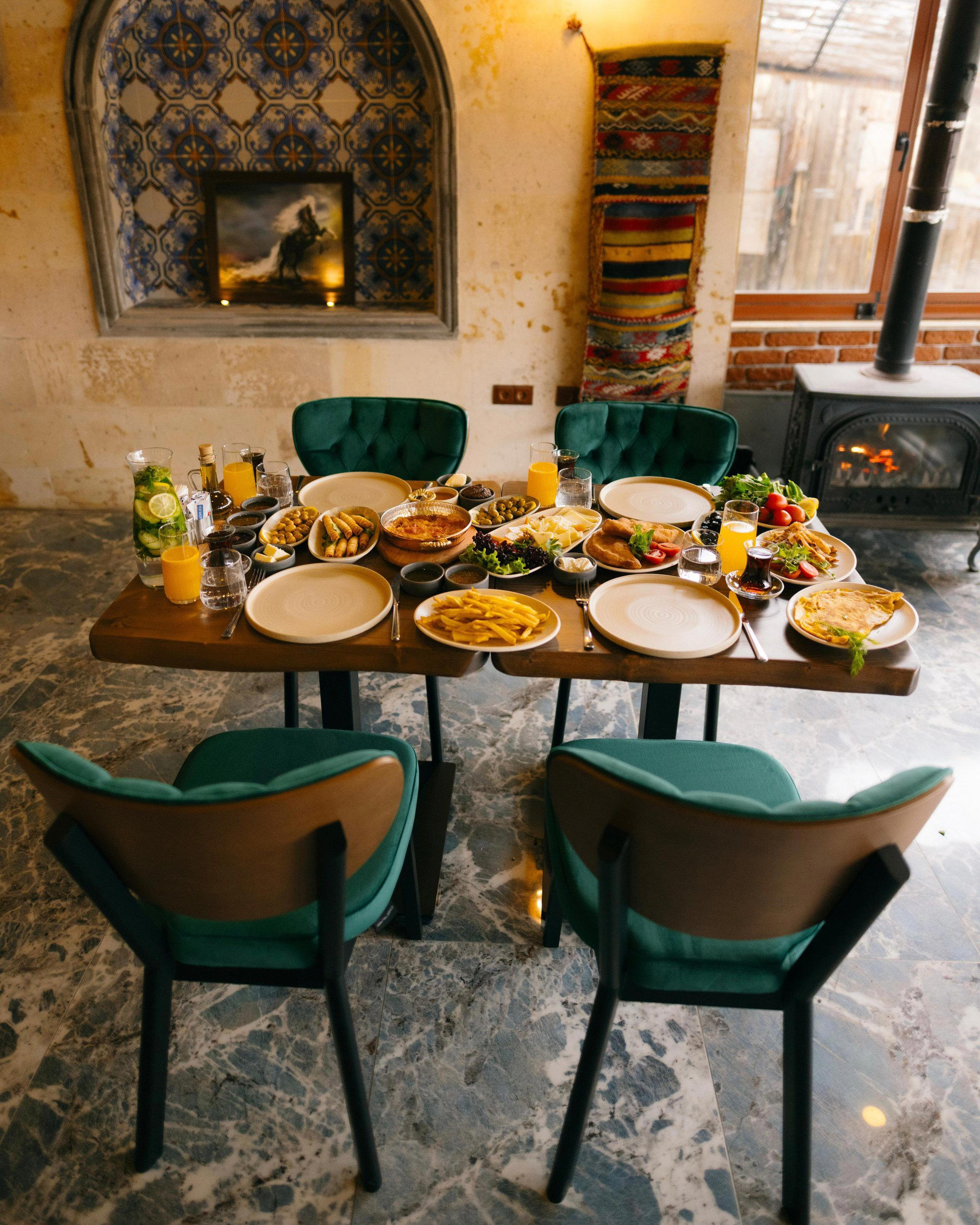
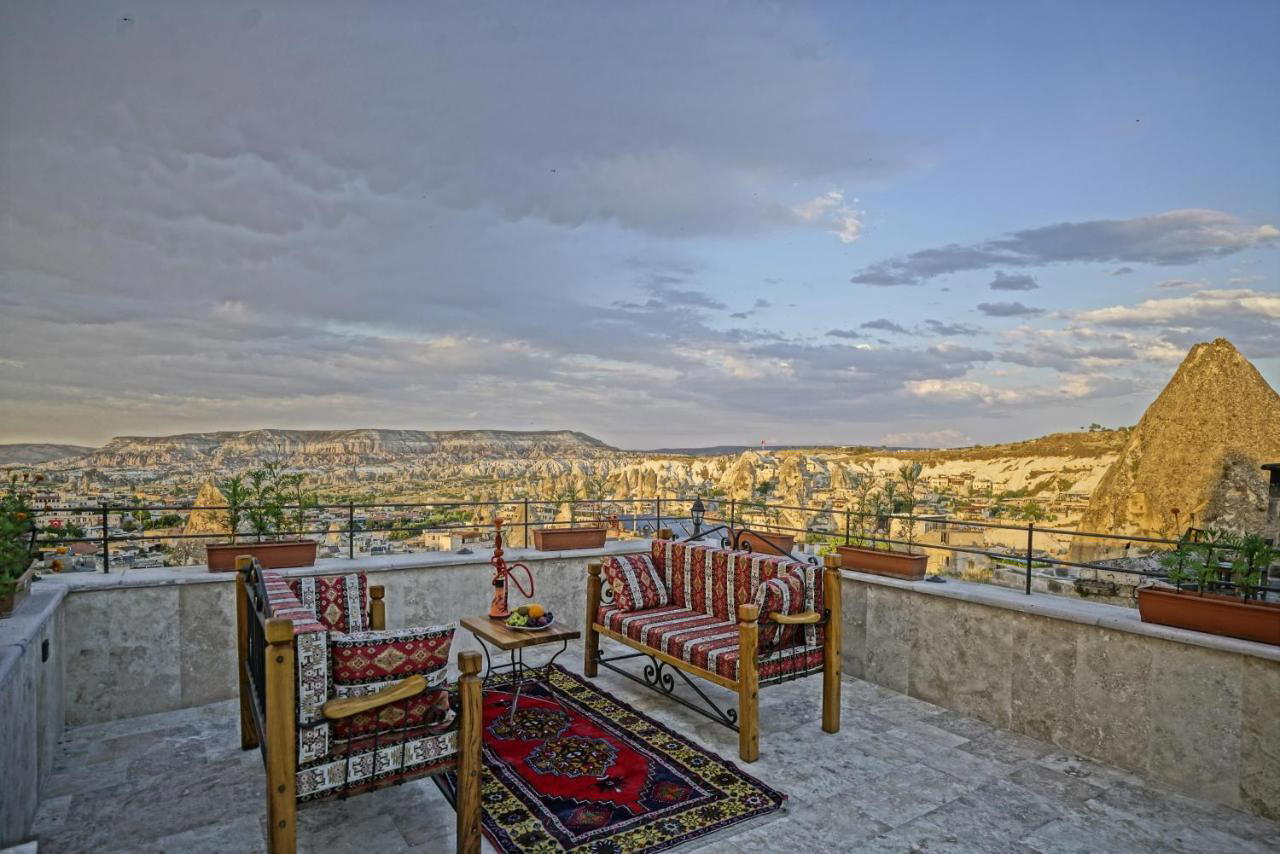
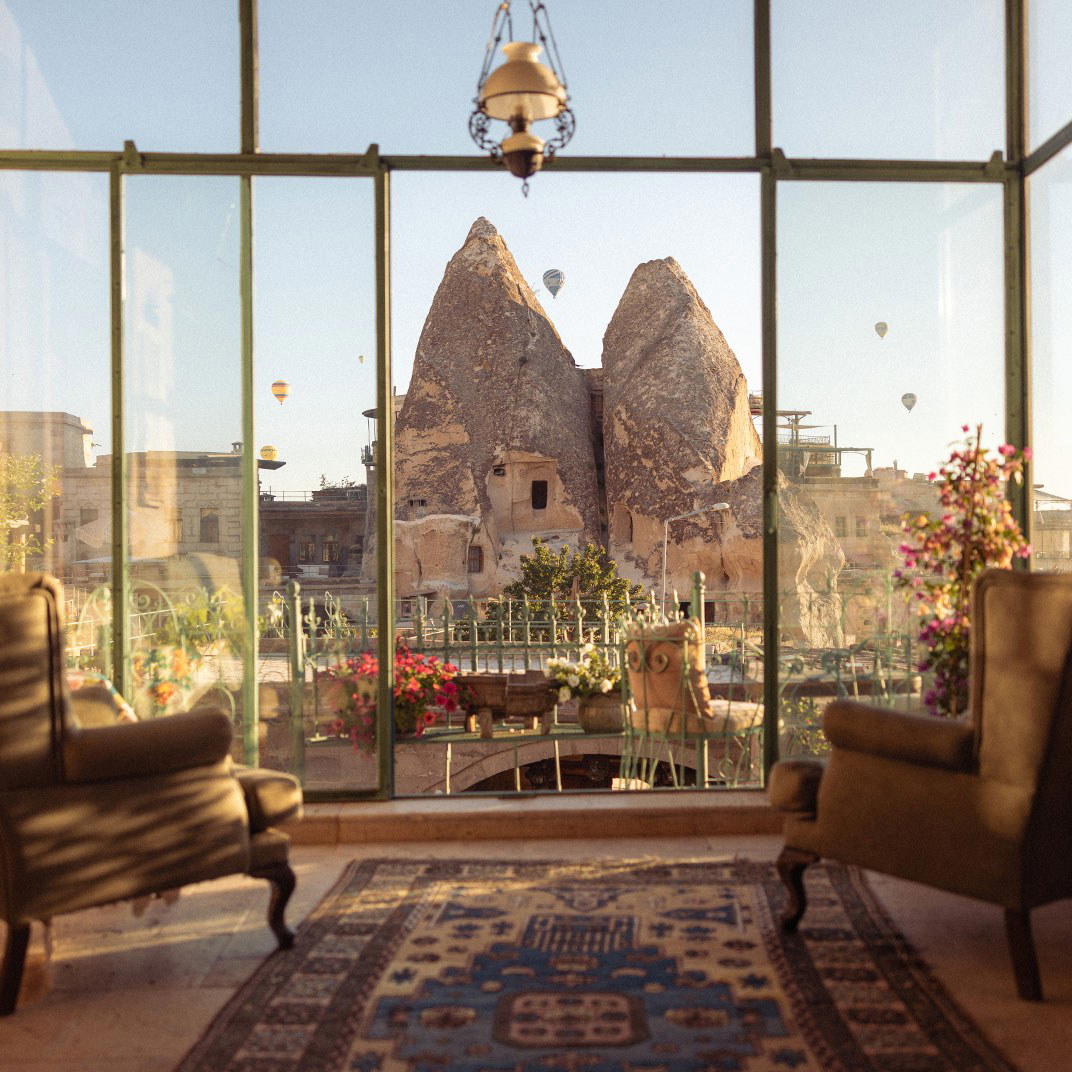
Pretty interior with terrace seating that is shaded and breezy, described as cute and cozy by guests.