
Michelin Plate
Our verdict
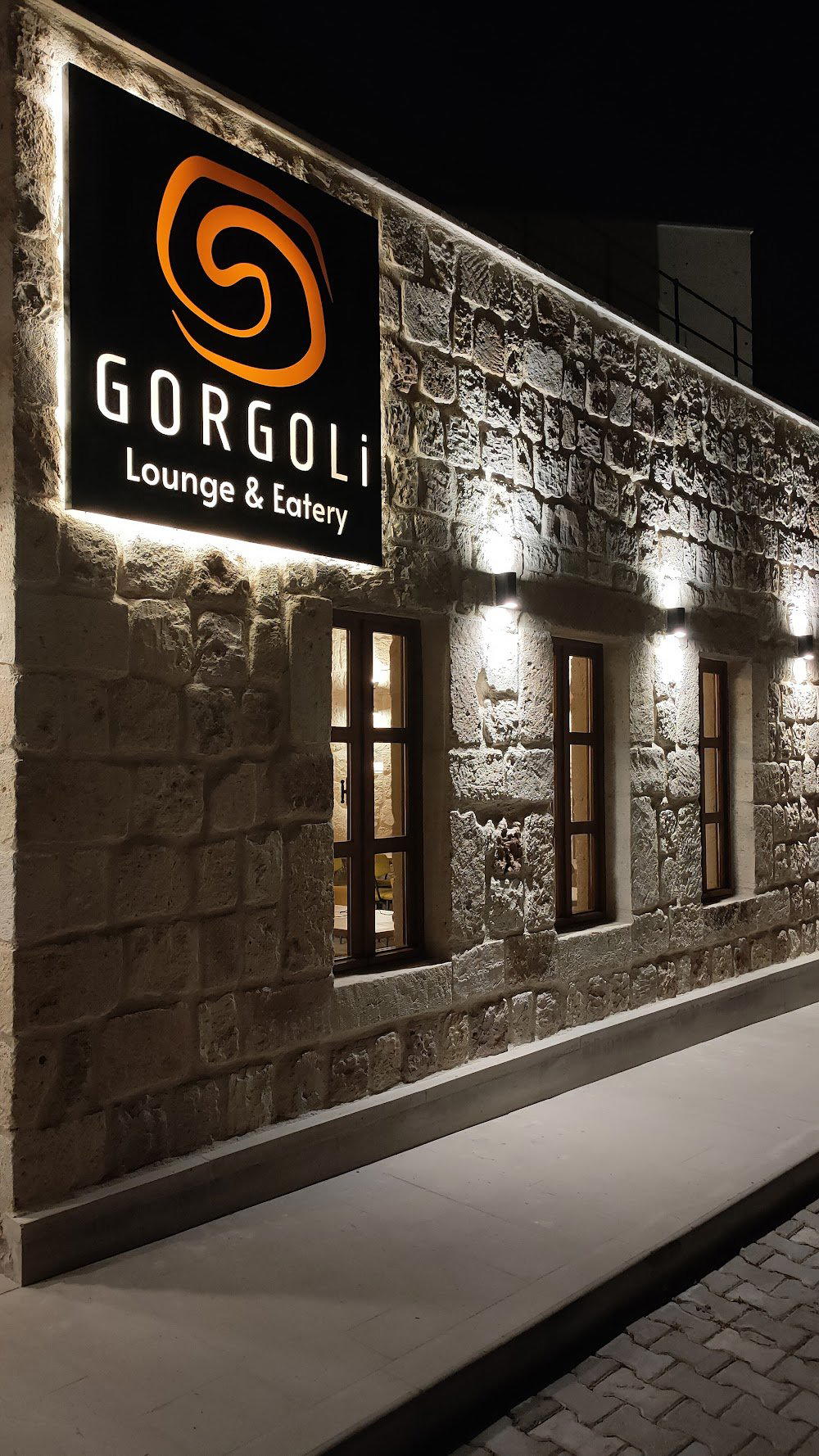
In the quiet village of Mustafapaşa, just outside Ürgüp, Gorgoli draws its menu directly from the valley that shares its name. The cooking is rooted in Central Anatolian tradition: grilled aubergine and peppers, slow-cooked lamb, creamy wheat preparations. It is the kind of place that rewards attention to where the food comes from rather than to the performance of cooking it.

Pearl is the En Primeur Club membership app — saves, bookings, and concierge access live there. Same editors, same standards.
- Address
- Yılmaz Sokak No:10, Mustafapaşa
- Phone
- +90 552 982 44 75
- Hours
- Daily 9 AM–10 PM
- Website
- gorgoli.com
- Directions
- Get directions
- Booking
- Book on the venue's website
The menu
What to order
- Slow-cooked lamb
- Grilled aubergine and peppers
A Valley on the Plate: Eating at Gorgoli in Mustafapaşa
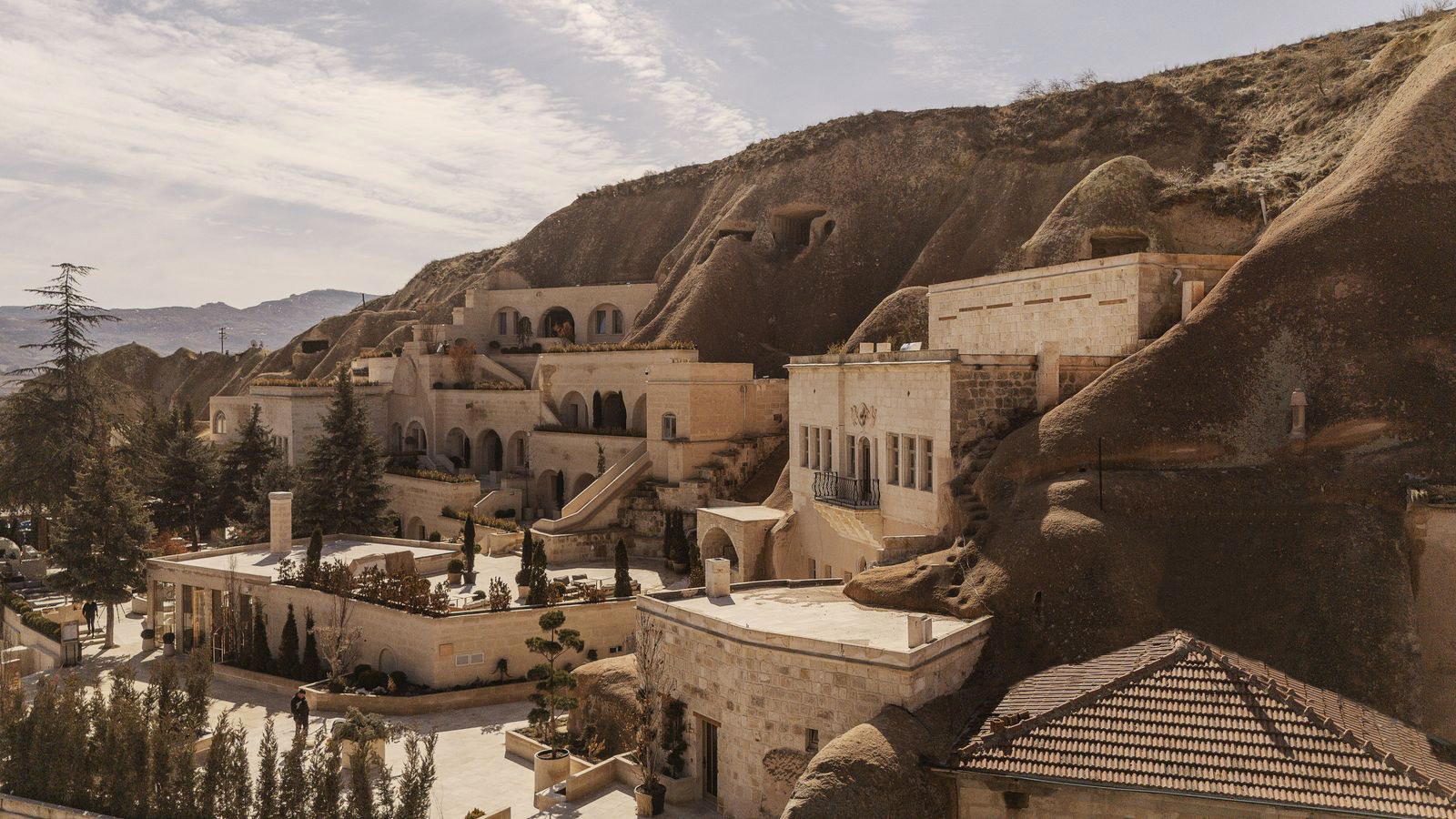
Mustafapaşa sits a short drive south of Ürgüp along a road that drops into the quieter, less trafficked part of Cappadocia. The village still carries the architectural bones of its Ottoman Greek past: carved stone facades, symmetrical courtyard gates, a pace that has nothing to prove. Arriving at Yılmaz Sokak, the street feels residential rather than commercial, and Gorgoli keeps it that way. There is no signage engineered for passing tourists, no laminated menu mounted outside. The room is simply appointed in the way that confident regional cooking often is, where the ingredients carry the weight and the décor steps aside.
The Gorgoli Valley sits close by, and that proximity is the organising principle of the kitchen. Restaurants across Turkey's fine dining tier, from Turk Fatih Tutak in Istanbul to Narımor in Izmir, have built reputations around sourcing discipline and seasonal constraint. Gorgoli operates on the same logic, but at village scale and without the infrastructure of a major city to fall back on. What the valley provides shapes the menu directly. That is not a marketing claim here; it is a practical reality of cooking in a small settlement where long supply chains are both expensive and beside the point.
The Sourcing Logic Behind the Menu
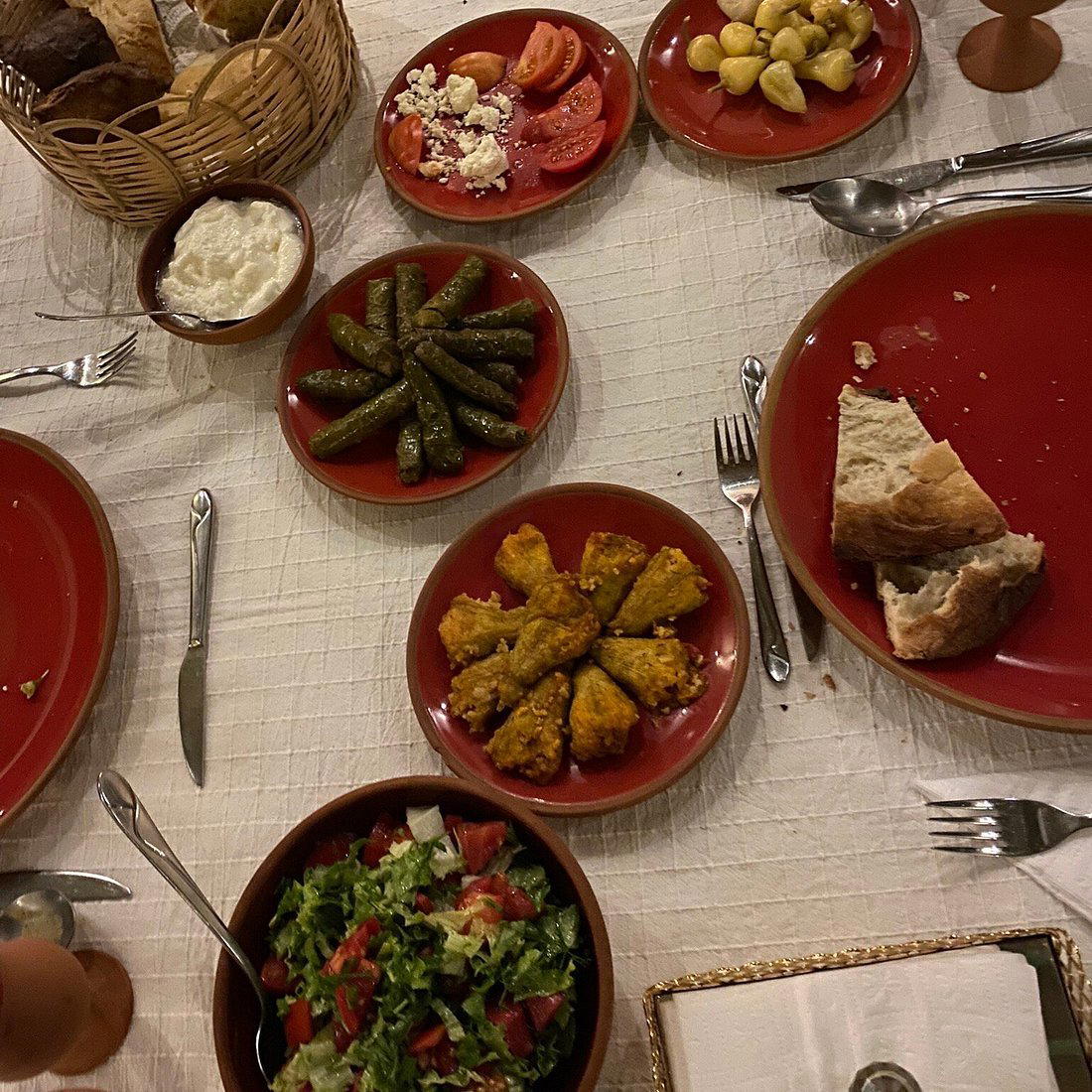
Central Anatolia's volcanic soil and dry continental climate produce produce with a concentrated intensity that differs from the milder, more abundant yields of the Aegean coast. Aubergines grown in this region carry a denser flesh and a pronounced sweetness when exposed to high heat. Peppers develop a complex char. The kitchen at Gorgoli works with these characteristics directly: aubergine and peppers are grilled to coax out the smoky-sweet register that open-flame cooking unlocks in both vegetables, served as a starter that establishes the kitchen's restraint early. Nothing is masked by excess oil or competing spice. The vegetable is the point.
That philosophy extends to the lamb. Slow cooking is one of the oldest techniques in Anatolian tradition, developed partly from necessity in a pastoral economy where tougher cuts needed time and low heat to become tender, and partly because the method concentrates flavour rather than diluting it. The lamb at Gorgoli arrives after that kind of patient treatment, served alongside a creamy wheat preparation that sits within the tradition of Central Anatolian grain cookery. Wheat in this part of Turkey has a long culinary history as a base for savoury preparations that predate the region's exposure to Mediterranean rice culture. The combination is not innovative in any contemporary sense; it is accurate to a specific place and time.
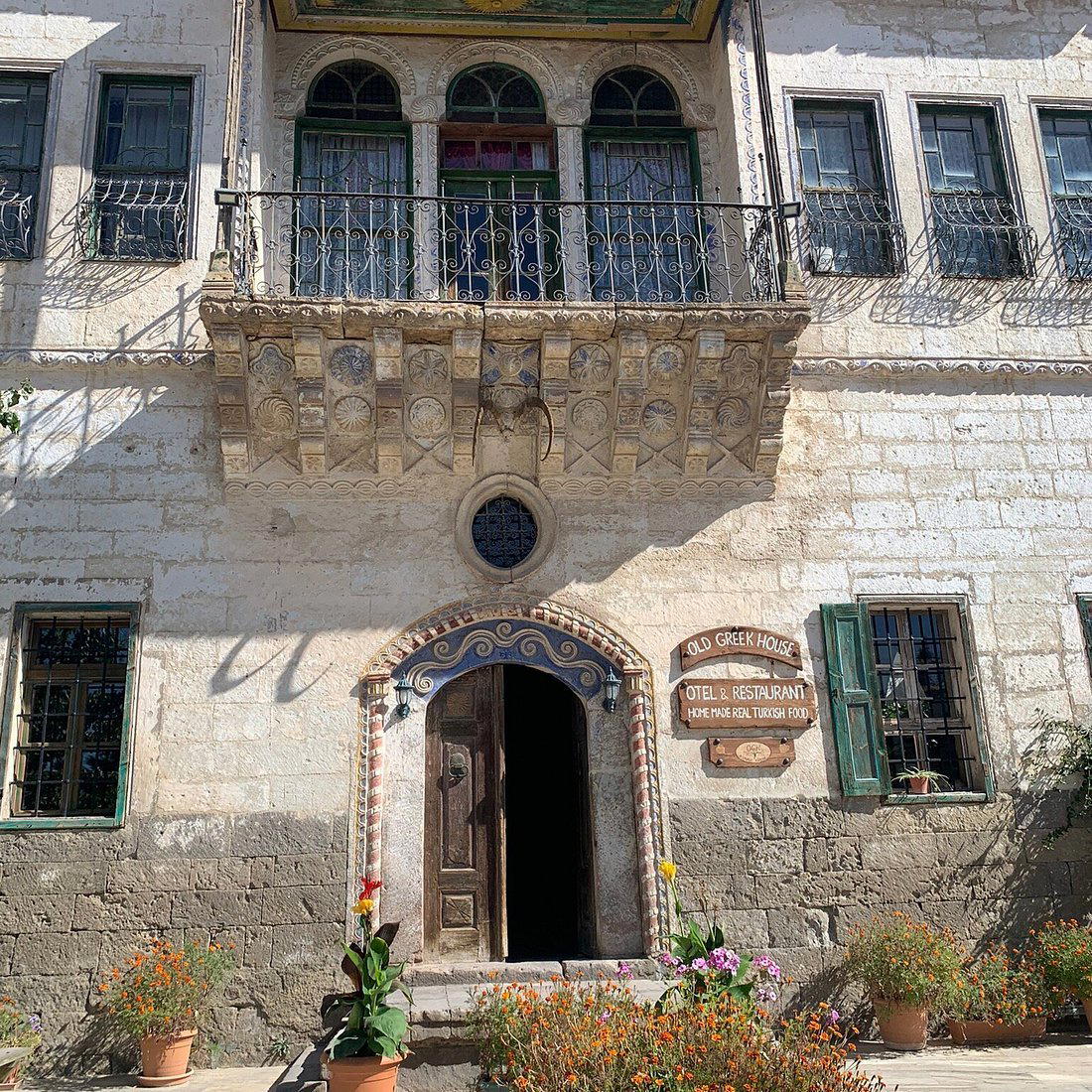
For context on how Cappadocian kitchens approach regional ingredients, Aravan Evi and Old Greek House both work within the same Ürgüp-area tradition of produce-led cooking, though each takes a different angle on the Greek and Ottoman layers of the region's culinary history. Babayan Evi Restaurant similarly draws on the village setting as a frame for its menu. Gorgoli's specific claim is its direct relationship with the named valley, which narrows the sourcing geography to an unusual degree for any restaurant in this price tier.
What the Extensive Menu Signals
An extensive menu in a small village kitchen carries different implications than the same format in a city restaurant. In Cappadocia's village dining context, breadth often reflects the seasonal abundance of a well-connected local supply network rather than ambition for ambition's sake. The kitchen can offer a wide range because the valley provides a wide range across the growing season. Visitors arriving in late summer will find the aubergine and pepper preparations at their peak; the lamb and wheat dishes are less seasonal and anchor the menu year-round. Revithia and Tık Tık Kadın Emeği also operate within this village-kitchen model, where the breadth of offering reflects genuine local supply rather than a resort hotel's need to accommodate every dietary preference simultaneously.
The comparison with more formally structured restaurants elsewhere in Turkey is instructive. At 7 Mehmet in Antalya or Maçakızı in Bodrum, menus are built around consistent supply lines and controlled execution at scale. At Agora Pansiyon in Milas or Ahãma in Göcek, the kitchen operates in a smaller register but still within a broader tourist economy. Gorgoli sits in a different category: a kitchen that operates primarily within a local and regional frame, with the valley as its direct larder. That is a rarer position than it sounds in a region where tourism pressure tends to pull menus toward broader, safer ground over time.
Planning a Visit
Mustafapaşa is accessible by car or taxi from Ürgüp, a journey of roughly ten kilometres along a direct road. The village has limited foot traffic compared to the main Ürgüp strip or the Göreme trailheads, which means Gorgoli operates without the passing trade that sustains restaurants in more central locations. Contact details and booking methods are not published in the standard channels, so arriving early in service or making enquiries locally in Mustafapaşa is the practical approach. The address at Yılmaz Sokak No:10 is specific enough to navigate to without difficulty. Dress is casual; the room's simplicity sets that expectation from the moment you arrive. For broader planning across the region, our full Ürgüp restaurants guide, our full Ürgüp hotels guide, our full Ürgüp bars guide, our full Ürgüp wineries guide, and our full Ürgüp experiences guide cover the surrounding area in full. Restaurants with a longer international profile, such as Le Bernardin in New York City or Emeril's in New Orleans, operate with advance booking infrastructure and published hours; Gorgoli asks for a different kind of traveller patience.
Frequently asked questions
What's the address for Gorgoli?
Gorgoli is located at Yılmaz Sokak No:10, Mustafapaşa, Ürgüp.
What kind of recognition has Gorgoli received?
Gorgoli has received recognition including: This simply appointed restaurant is nestled in the charming university town of Mustafapaşa. The Gorgoli Valley is just nearby, and for the chef it's a privileged source of all manner of produce. The extensive menu reflects his deep respect ….
What do regulars order at Gorgoli?
The grilled aubergine and pepper starter draws consistent attention for its smoky-sweet depth, achieved without over-manipulation of the ingredients. Slow-cooked lamb served alongside a creamy wheat risotto is the main course that defines the kitchen's approach. Both dishes come directly from the Gorgoli Valley sourcing logic the chef has built the menu around.
What's the best way to book Gorgoli?
Gorgoli is located at Yılmaz Sokak No:10, Mustafapaşa, and given no phone number or website is publicly listed, visiting in person or asking your Ürgüp accommodation to make contact locally is the most reliable approach. Mustafapaşa is a small village, and the restaurant operates on a scale where direct local outreach tends to work. Arriving without a reservation carries risk, particularly in peak Cappadocia season.
What's the defining dish or idea at Gorgoli?
The defining idea is restraint in service of ingredient quality: produce sourced from the nearby Gorgoli Valley, prepared with minimal intervention. The slow-cooked lamb with wheat risotto is the most complete expression of this, combining a Central Anatolian staple grain with a cooking method that prioritises flavour concentration over technique display. Nothing on the menu is worked beyond what the ingredient requires.
Can Gorgoli handle vegetarian requests?
The extensive menu includes vegetable-led dishes, with grilled aubergine and peppers noted as a substantial starter in their own right. Central Anatolian cooking has a strong tradition of grain and vegetable preparations, and the Gorgoli Valley sourcing suggests seasonal produce plays a significant role across the menu. Specific vegetarian-only courses are not documented, so it is worth confirming options when booking or on arrival.
How far is Gorgoli from the main Cappadocia tourist areas, and is it worth the detour from Ürgüp?
Mustafapaşa sits approximately ten kilometres south of Ürgüp, making Gorgoli a short taxi or car journey from the main Cappadocia hotel belt. The village receives considerably less foot traffic than Göreme or central Ürgüp, which means the kitchen at Yılmaz Sokak No:10 operates largely for a local and intentional audience rather than passing tourists. For anyone following the Gorgoli Valley produce trail into the plate, that distance is the point.
Quick Comparison
Comparable venues nearby, for context on price, style, and recognition.
| Venue | Cuisine | Price | Awards | Notes |
|---|---|---|---|---|
| GorgoliThis venue — the venue you are viewing | Traditional Turkish Regional Cuisine | $20–30 | Michelin Plate | Not listed |
| Kemeralti Restaurant | Authentic Turkish | $10–20 | Not listed | Ortahisar |
| Barbarian Medieval Tavern | Turkish Steakhouse & Wine Bar | Not listed | Not listed | Urgup |
| Old Greek House | Traditional Turkish Country Cooking | $20–30 | Michelin Bib Gourmand | Mustafapaşa |
| Hezen Restaurant | Authentic Cappadocian Turkish | Not listed | Not listed | Ortahisar |
| Babayan Evi Restaurant | Traditional Turkish Country Cooking | Not listed | Michelin Bib Gourmand | Ibrahimpaşa Village |
Recognition history
Dated appearances from independent guides and award organizations, with the underlying list record or original source where available.
Michelin Plate
Michelin · 2026 Michelin Plate
Details
- Cozy
- Rustic
- Scenic
- Family
- Casual Hangout
- Terrace
- Open Kitchen
- Local Sourcing
- Garden
- A La Carte
- Vegetarian Friendly
- Vegan Options
Current opening hours
- Monday
- 9 AM–10 PM
- Tuesday
- 9 AM–10 PM
- Wednesday
- 9 AM–10 PM
- Thursday
- 9 AM–10 PM
- Friday
- 9 AM–10 PM
- Saturday
- 9 AM–10 PM
- Sunday
- 9 AM–10 PM
Hours can change for holidays and private events. Last verified .
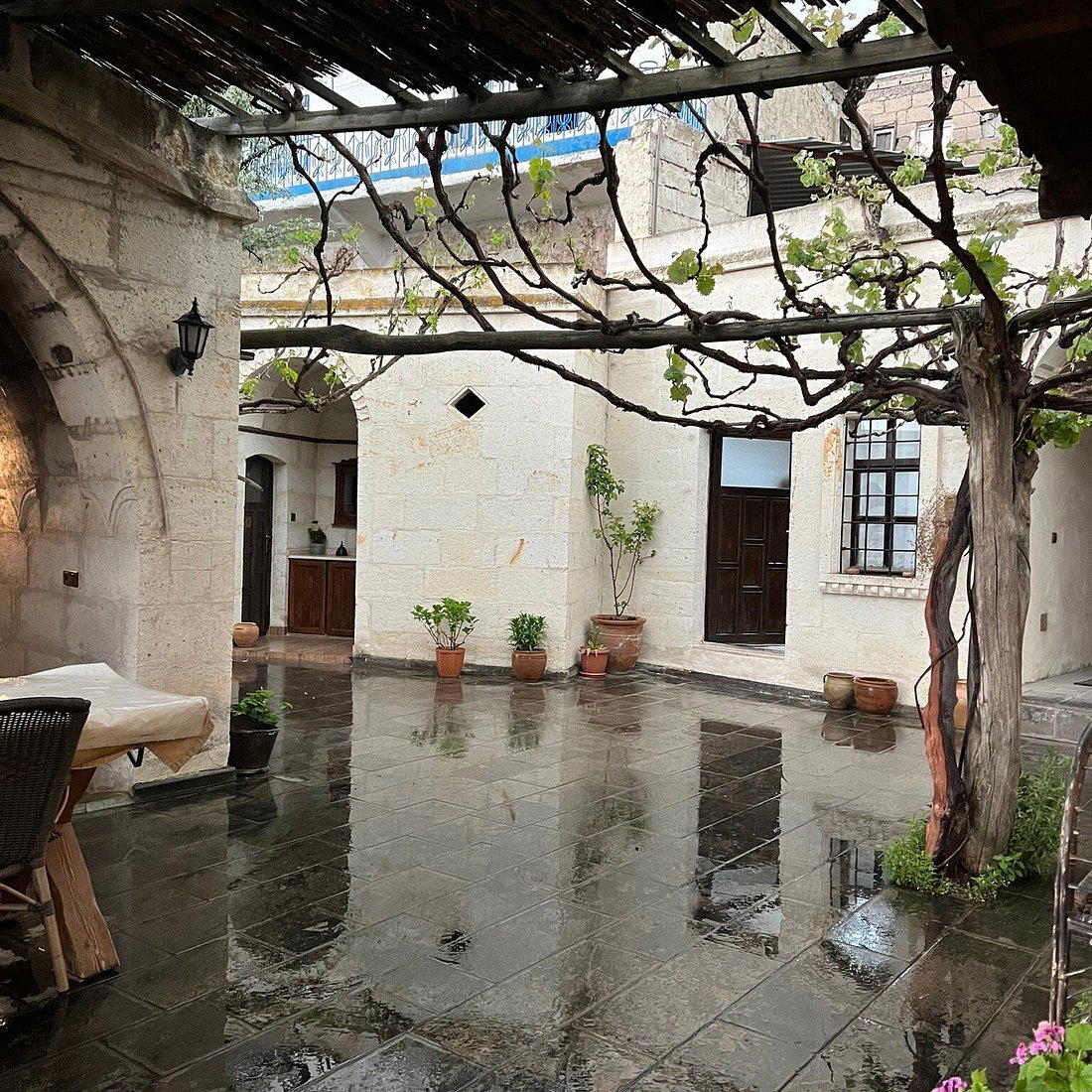
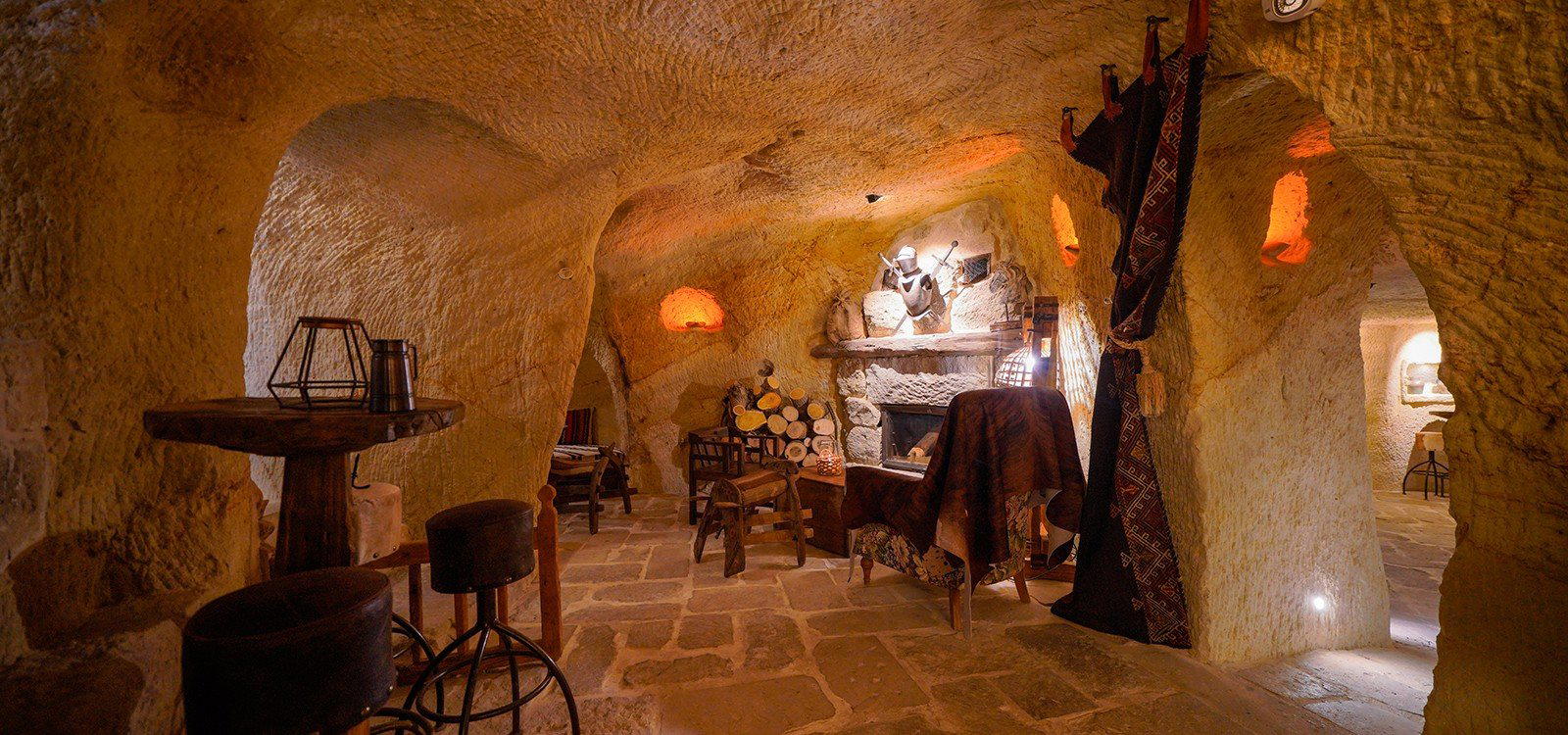
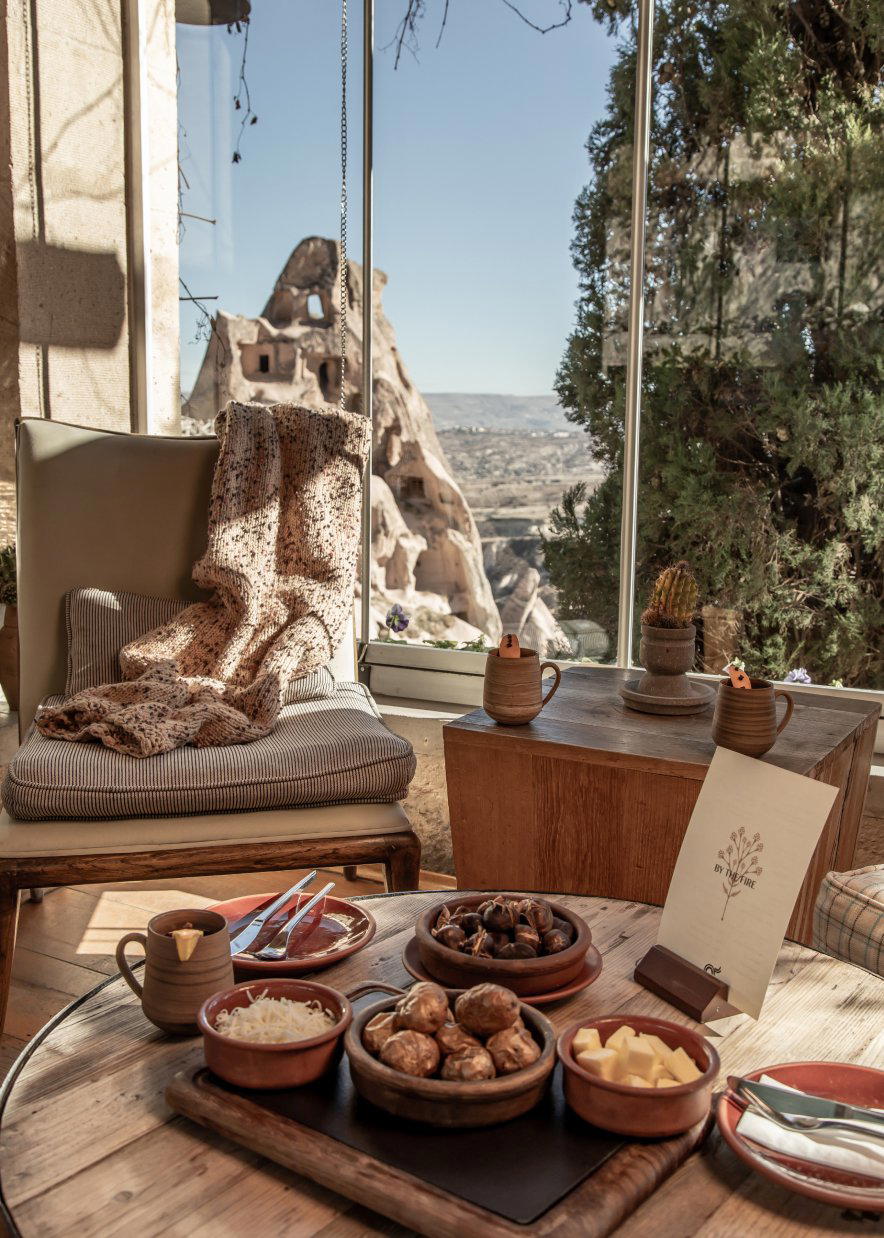
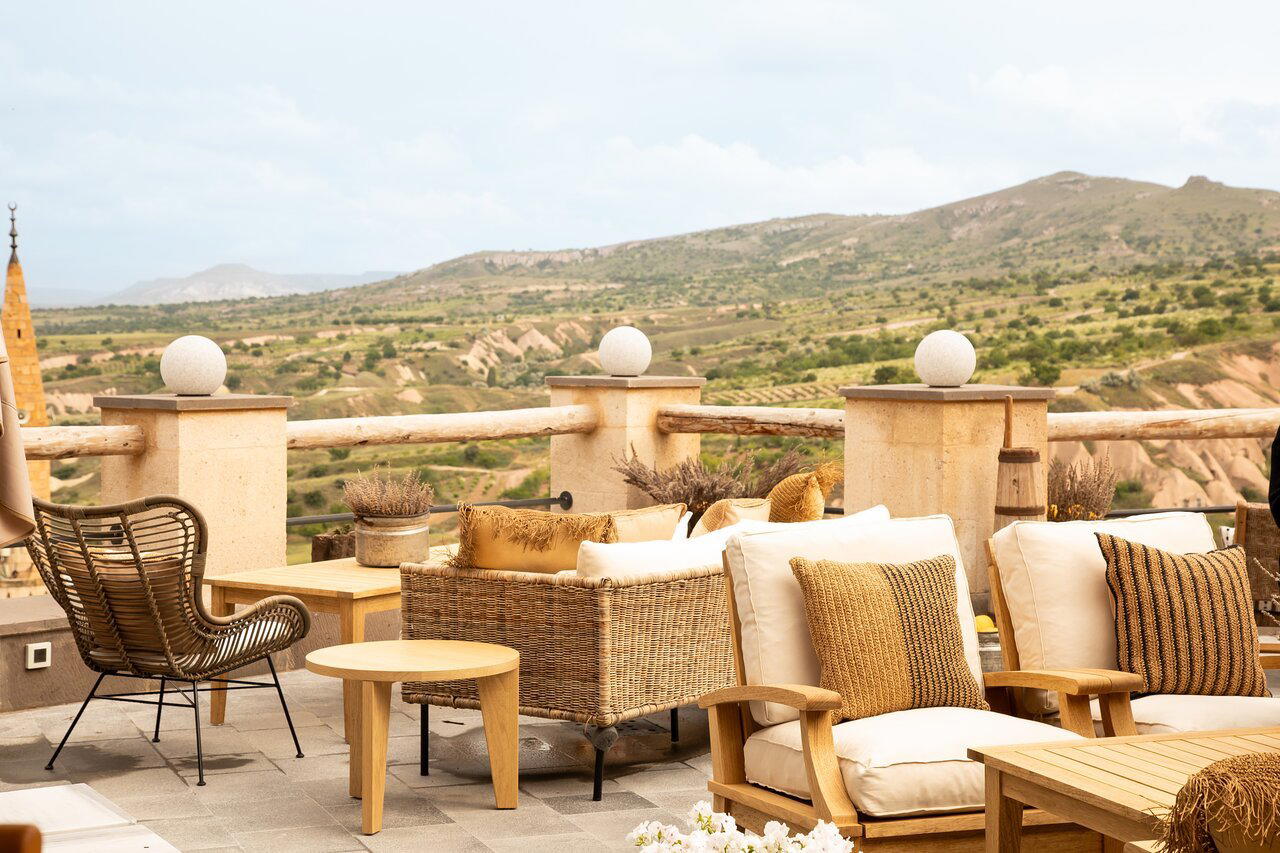
Cozy and beautiful setting with shady outdoor terrace and modern interior, praised for its serene and charming atmosphere.