Our verdict
Ceres sits in Bakırköy, one of Istanbul's older European-shore districts, where the dining scene tends toward neighborhood regulars rather than destination crowds. The address on Rauf Orbay Caddesi places it within reach of the Ataköy coastline, and the restaurant draws from a tradition of ingredient-led cooking that has quietly defined this part of the city for decades. Cross-reference with our broader Istanbul guides for competitive context.

Pearl is the En Primeur Club membership app — saves, bookings, and concierge access live there. Same editors, same standards.
- Address
- Ataköy 2-5-6. Kısım, Rauf Orbay Cd. No:2 D:1 D:1, 34158 Bakırköy/İstanbul, Türkiye
- Phone
- +902124130101
- Hours
- Daily 7 AM–11 PM
- Website
- morecravings.com
- Directions
- Get directions
- Booking
- Book on the venue's website
Bakırköy and the Case for the European Shore
Istanbul's dining conversation defaults to Beyoğlu, Karaköy, and the Bosphorus-facing restaurants that command the most editorial attention. The European shore south of the old city — Bakırköy, Ataköy, Yeşilköy — operates on a different register. The neighborhood has its own culinary rhythm: fewer destination-tourist tables, more locals who return weekly, and a supply chain that leans on the Sea of Marmara rather than the prestige of Bosphorus seafood routes. Ceres on Rauf Orbay Caddesi sits inside that quieter, more residential tradition.
Ataköy's coastal strip has historically attracted restaurants that do not need to perform for out-of-towners. That produces a particular kind of cooking discipline, one where the sourcing argument has to be made to people who already know the region's produce, who shop at the same markets and fish stalls, and who notice when something is off-season or sourced lazily. In that context, ingredient provenance is not a marketing position; it is simply table stakes.
Where the Food Comes From
The ingredient sourcing conversation in Istanbul has sharpened considerably over the past decade. Restaurants at the higher end of the market, places like Turk Fatih Tutak in Istanbul, have built their reputations partly on articulating Anatolian supply chains with precision. That same pressure has filtered down to neighborhood-tier restaurants on the European shore, where proximity to Marmara fishing grounds and Thrace agricultural produce gives kitchens a geographic advantage that the Bosphorus-facing competitors do not always share.
Bakırköy is positioned within practical reach of the fish markets at Kumkapı and the produce corridors running in from Edirne and Tekirdağ. The Thracian hinterland supplies some of Turkey's most reliable dairy, grain, and seasonal vegetable production, and the Marmara's smaller fishing operations, bluefish, sea bass, gilt-head bream, follow seasonal runs that a locally-rooted kitchen can track more closely than a venue operating from a centralized distributor. Restaurants in this zone that take sourcing seriously operate with a freshness window that is genuinely shorter and more direct than what a high-visibility Istanbul address typically manages.
For comparison, the farm-to-table posture at Narımor in Izmir and the ingredient-led approach at Maçakızı in Bodrum both depend on their coastal geography in similar ways, regional sourcing is not an aesthetic choice so much as a structural condition of being in the right place. Bakırköy shares that geographic logic with those Aegean destinations.
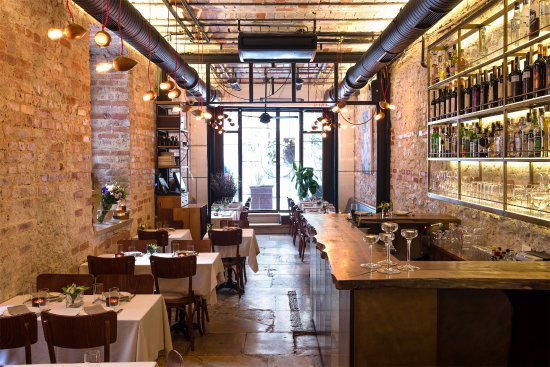
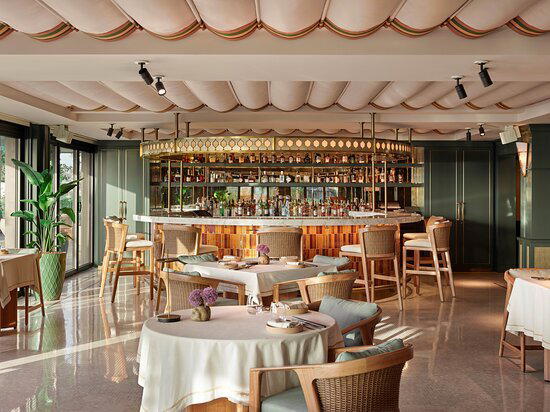
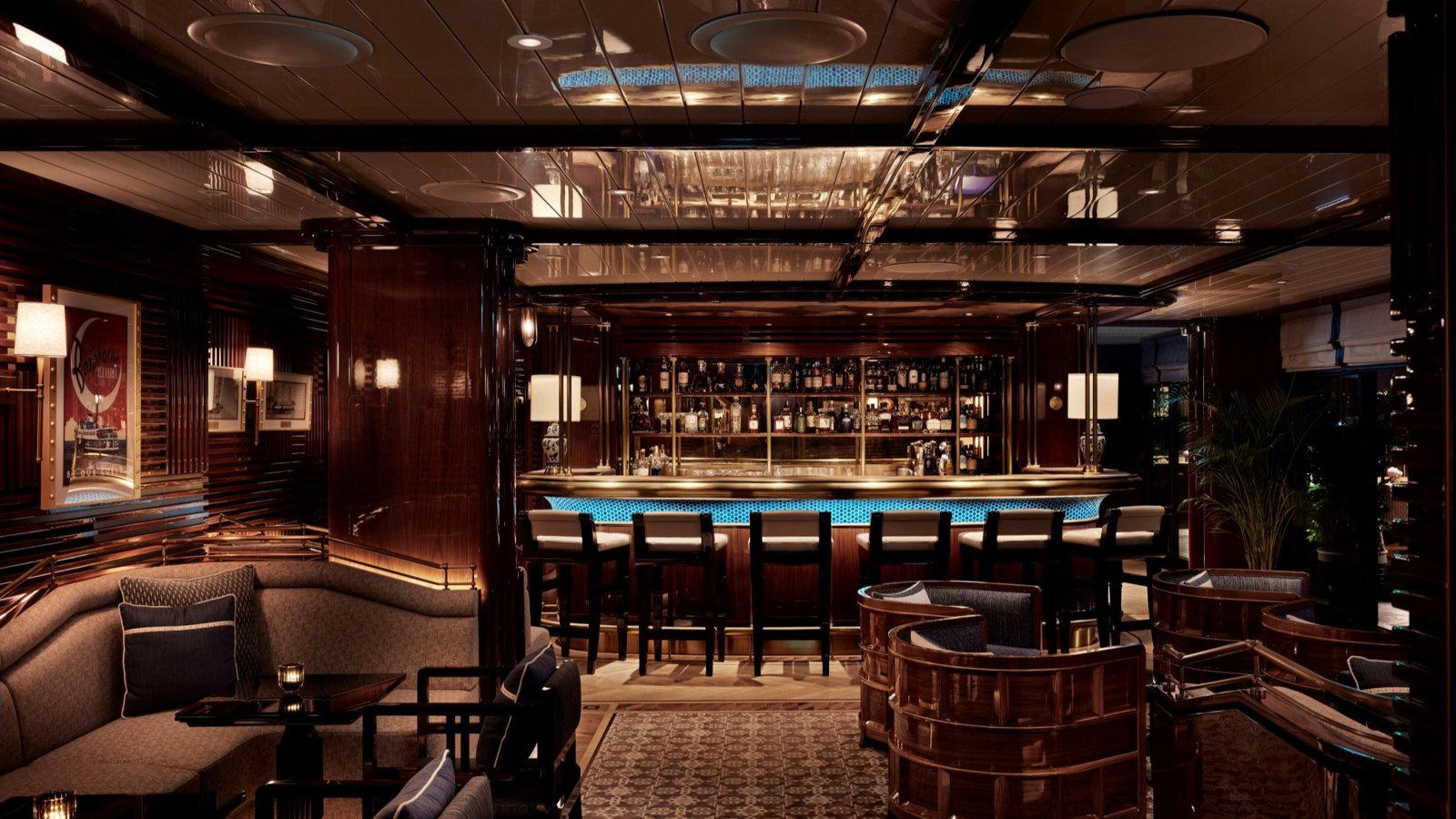
The Dining Room: What the Setting Signals
The address, Ataköy 2-5-6. Kısım on Rauf Orbay Caddesi, places Ceres inside a residential and commercial zone that has evolved over the past three decades from a purely functional district into one with a more considered food culture. The Ataköy Marina development nearby has drawn investment and a more varied dining public, but the neighborhood's identity has not fully pivoted to the waterfront-tourism model that defines parts of Ortaköy or Bebek further up the coast.
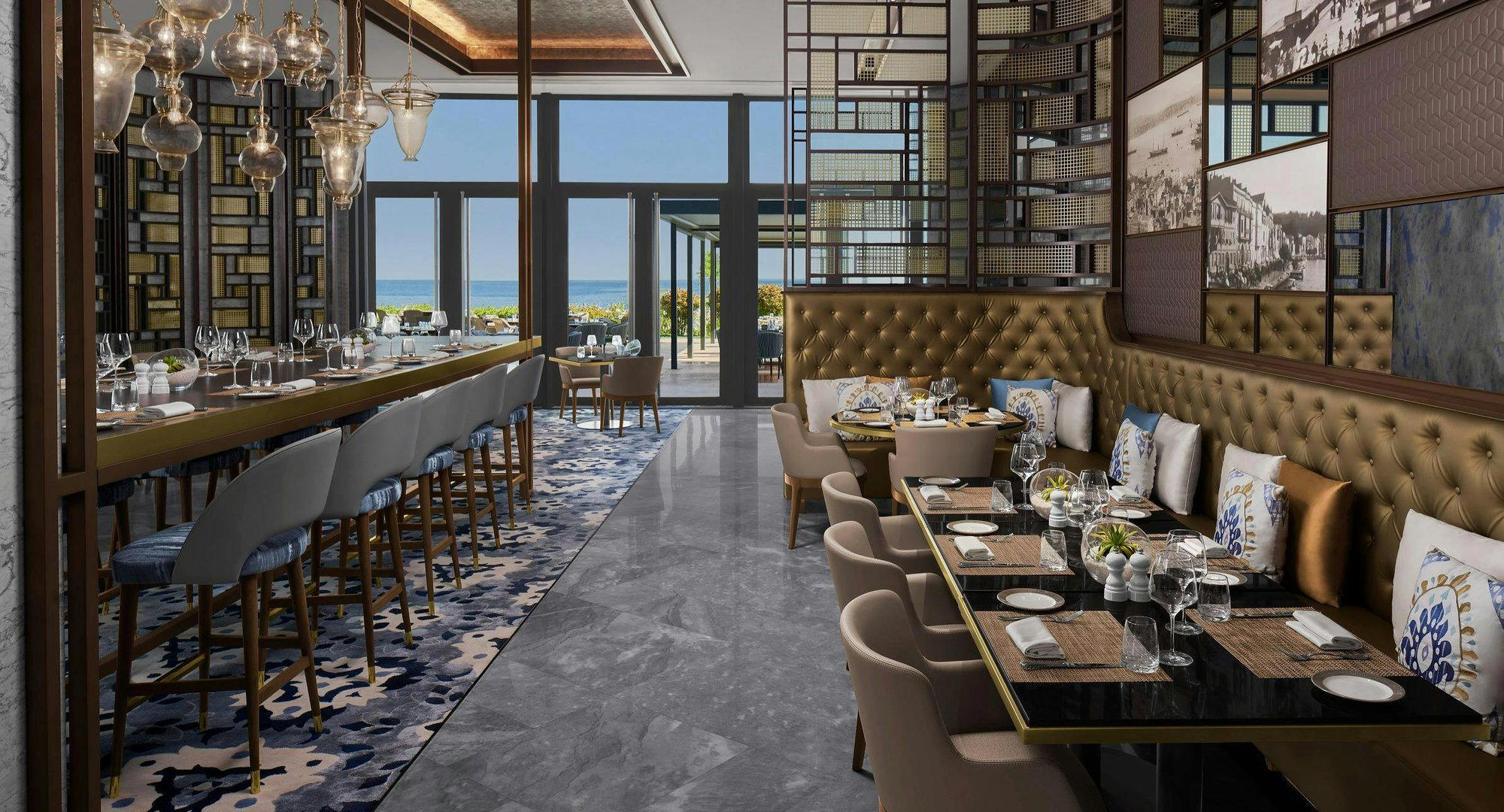
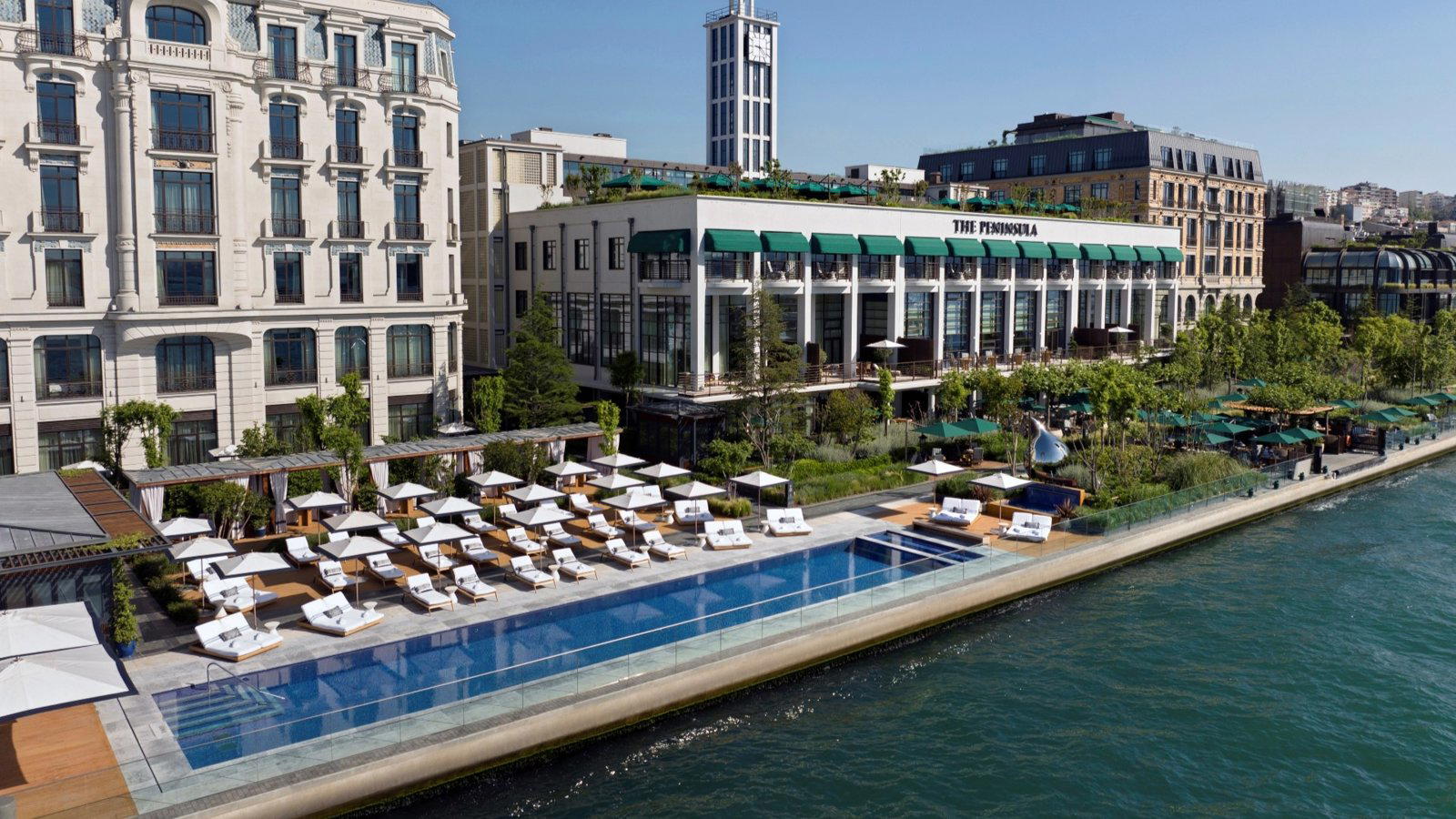
That means the physical approach to a restaurant like Ceres carries different signals than a Bosphorus-view room. There is no spectacle of water and light to do the work for the kitchen. The environment forces the food and service to be the primary argument, which historically filters out venues that rely on location as a substitute for cooking quality. Neighborhood restaurants in Ataköy and Bakırköy that have sustained a following tend to have done so through consistency over time, not through designed Instagram moments.
Visitors used to the theatrics of Istanbul's rooftop and waterfront dining will find this part of the city a different kind of evening. The pace is slower, the tables tend to be local, and the assumption is that guests are there to eat rather than to experience an architectural set piece. For some that is precisely the point. It is worth noting that comparable neighborhood-embedded restaurants in other Turkish cities, Happena in Nevşehir or Aravan Evi in Ürgüp, succeed on a similar premise: the room is not the attraction.
The Broader Bakırköy Scene
Bakırköy does not have a single dominant culinary identity in the way that some of Istanbul's more-discussed neighborhoods do. What it has is density and variety at the neighborhood level, meyhanes, fish restaurants, köfte specialists, and a small number of more contemporary operations. Havuş Lokantası represents the traditional lokanta end of that spectrum, operating in a format that prioritizes daily-changing prepared dishes over a static menu. Nathan's Famous occupies the casual international-chain tier. Ceres, based on its address and positioning in the Ataköy zone, sits between those poles.
The district's food culture also reflects its demographic mix. Bakırköy has one of Istanbul's older, more established middle-class populations, with a dining public that tends to be less trend-driven and more focused on value fidelity, the expectation that quality remains consistent across visits. That is a harder standard in some ways than the novelty-seeking audience of Beyoğlu, because it rewards repetition rather than spectacle. Restaurants that hold a local following in Bakırköy have generally earned it through exactly that kind of reliability.
For a fuller picture of where Ceres fits within the district's current dining options, our full Bakırköy restaurants guide maps the range of cuisines and price points across the neighborhood. Cross-references to Turkey's wider ingredient-led dining scene are available through venues like Mezegi in Fethiye, Ahãma in Göcek, and Divia by Maksut Aşkar in Marmaris, each operating in coastal settings with their own regional sourcing logic. For a sense of how Anatolian interior cuisine differs from the Marmara coast model, Nahita Cappadocia in Nevsehir and Kardeşler Restoran in Aksaray offer instructive contrasts. Istanbul's own seafood tradition on the Bosphorus has a strong comparator in Poyraz Sahil Balık Restaurant in Beykoz on the Asian shore, and for a benchmark of how ingredient provenance gets applied at the upper end of international fine dining, Le Bernardin in New York City and Lazy Bear in San Francisco show how sourcing narratives can anchor full tasting-menu formats. Regional Turkish offal and specialty traditions are covered by Kokorecci Asim Usta in Bornova and Agora Pansiyon in Milas.
Planning a Visit
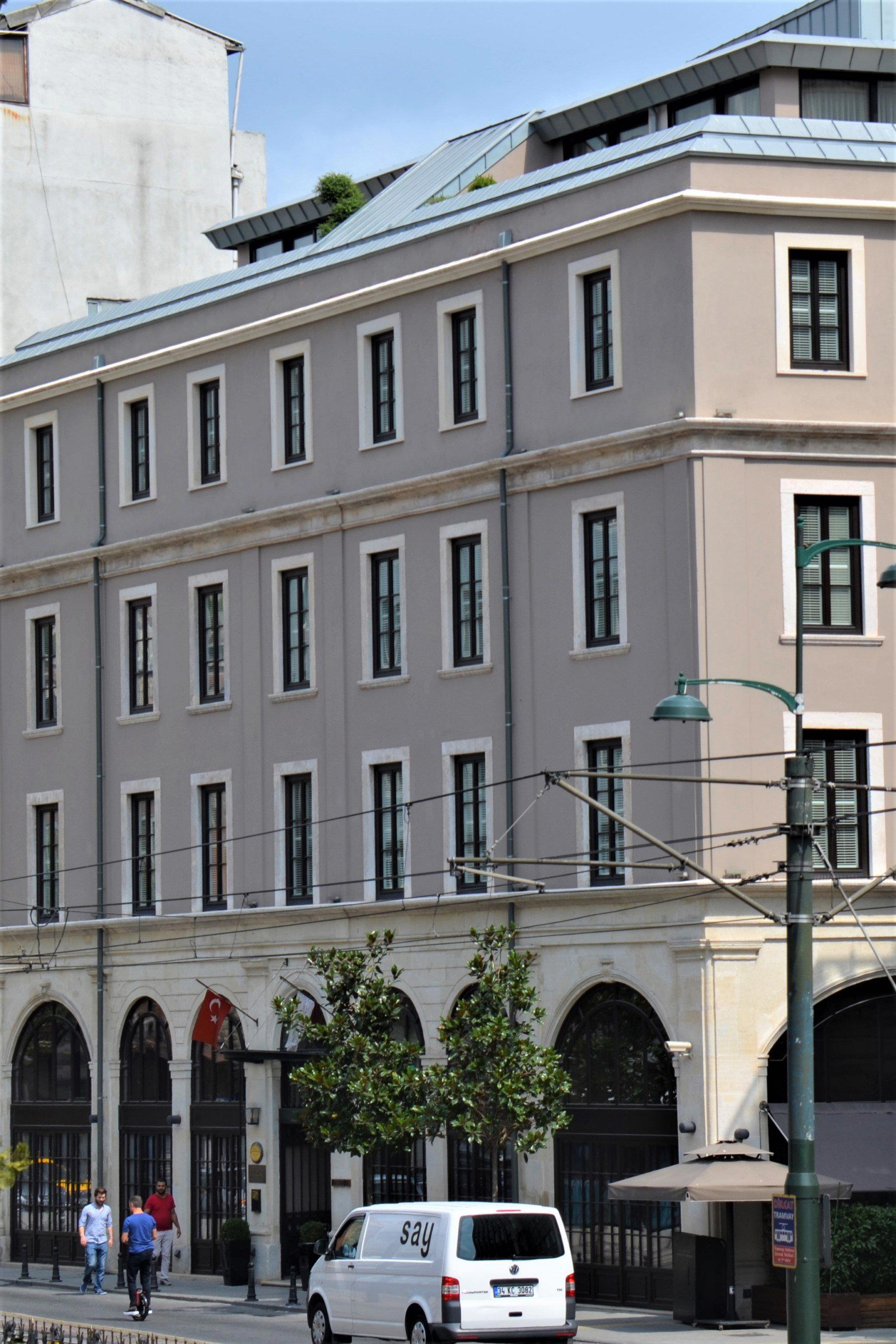
Ceres is located at Ataköy 2-5-6. Kısım, Rauf Orbay Caddesi No:2, Bakırköy, Istanbul. The Ataköy zone is accessible by metro from central Istanbul via the M1 line (Ataköy-Şirinevler station is the closest stop on that corridor), and the area is served by several bus routes running along the coastal road.
Frequently asked questions
Is Ceres okay with children?
Bakırköy's dining culture skews residential rather than tourist-facing, and restaurants in the Ataköy zone — where Ceres sits on Rauf Orbay Caddesi — tend to reflect the neighbourhood's family makeup.
What should I expect atmosphere-wise at Ceres?
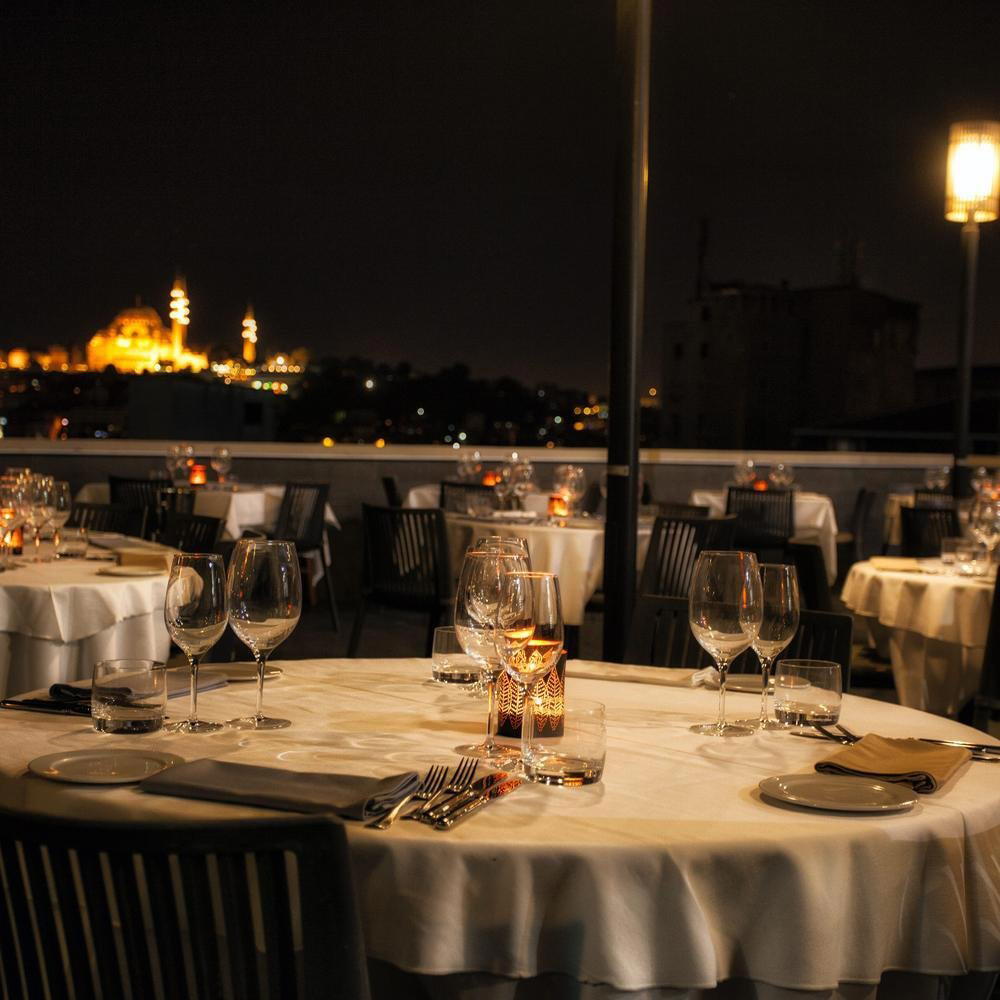
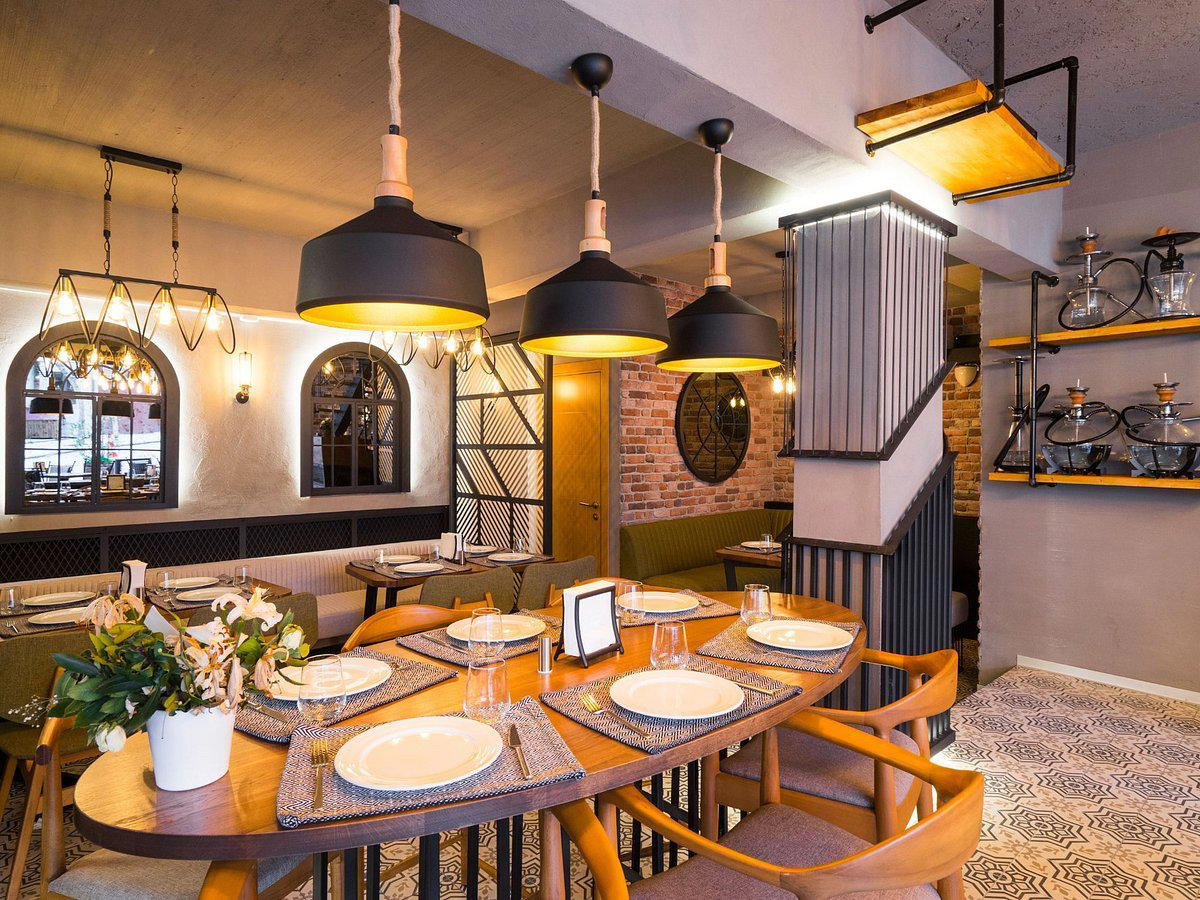
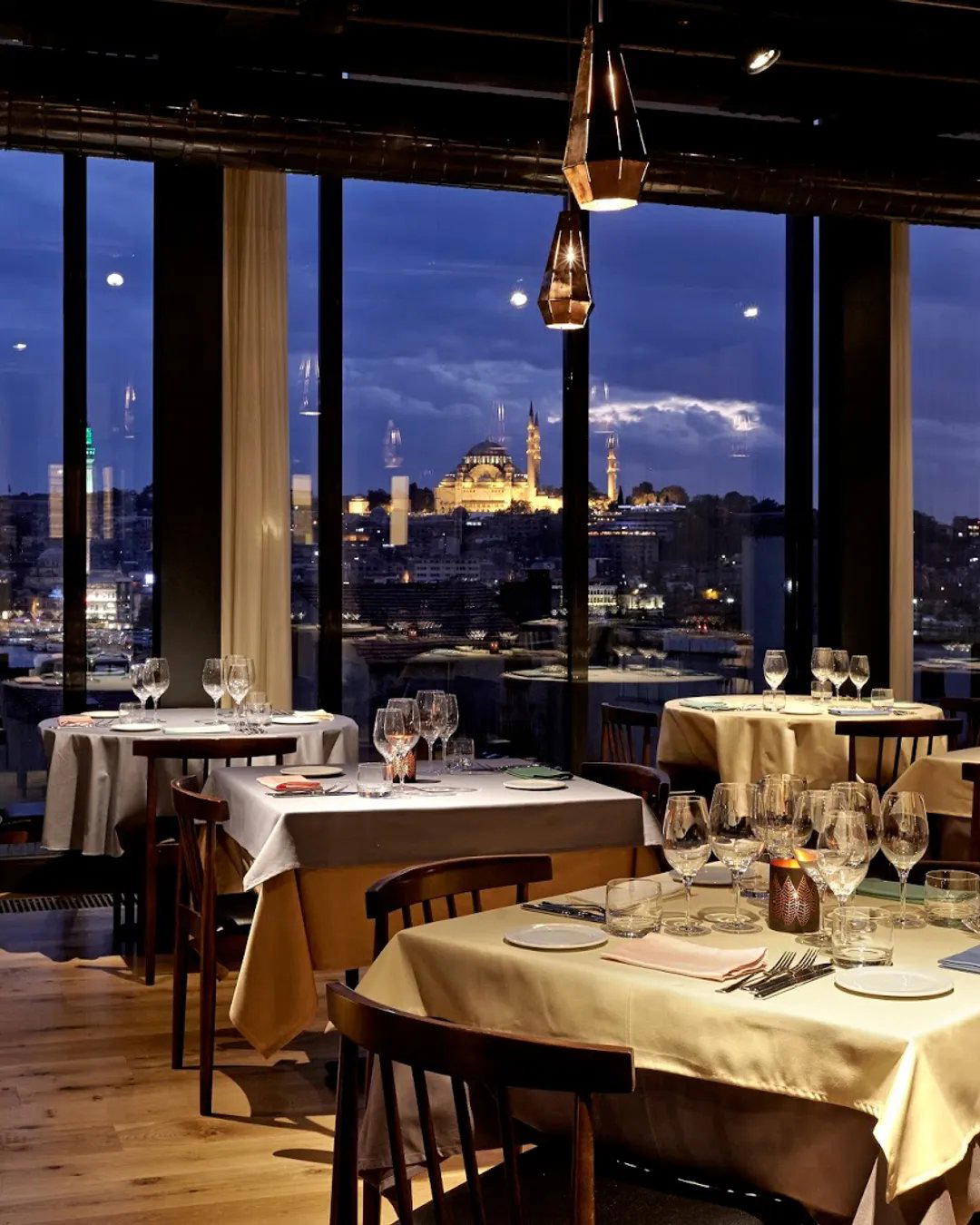
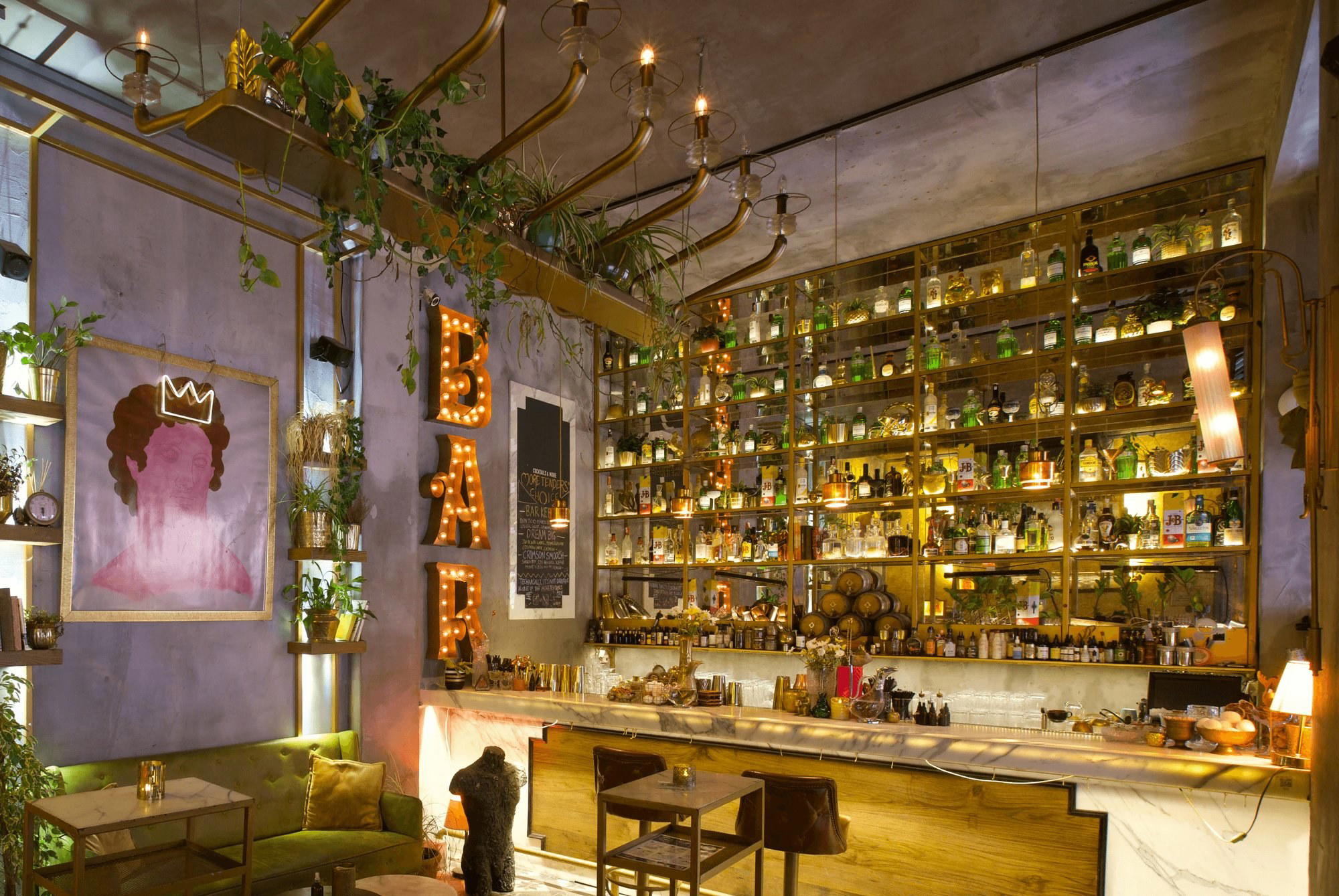
The Ataköy address in Bakırköy places Ceres within a residential and commercial district rather than the high-footfall corridors of Beyoğlu or Karaköy. Restaurants in this part of Istanbul's European shore typically draw a local crowd and operate at a lower ambient intensity than venues competing for tourist attention. The setting on Rauf Orbay Caddesi signals a neighbourhood-first approach rather than a destination-dining one.
How does Ceres fit into Istanbul's broader dining scene given its Bakırköy location?
Ceres operates in Bakırköy, a district on Istanbul's European shore that sits outside the neighbourhoods — Beyoğlu, Karaköy, Nişantaşı — that absorb most of the city's food press coverage. Restaurants in this part of the city compete on local reputation rather than critic visibility, which often translates to a more grounded, community-facing operation. The Ataköy zone specifically has developed a denser dining offer over the past decade as the residential population along this stretch of the Marmara coast has grown.
What's the signature dish at Ceres?
The cuisine type is also unlisted at this time. For the most accurate and current menu information, contacting the venue directly or checking their current listings before visiting is the reliable approach.
Comparison Snapshot
| Venue | Cuisine | Price | Awards | Notes |
|---|---|---|---|---|
| CeresThis venue — the venue you are viewing | Hotel Dining | Not listed | Not listed | Not listed |
| Turk Fatih Tutak | Modern Turkish Fine Dining | $200–300 | 2 Michelin Stars · World's 50 Best #66 | Modern Turkish, ₺₺₺₺ |
| Maçakızı | Modern Aegean | $150–200 | 1 Michelin Star · World's 50 Best #96 | Modern Cuisine, ₺₺₺₺ |
| Mikla | New Anatolian Kitchen | $100–150 | 1 Michelin Star · World's 50 Best #44 | Modern Turkish, Mediterranean Cuisine, ₺₺₺₺ |
| Neolokal | Modern Turkish Fine Dining | $200–300 | 1 Michelin Star · World's 50 Best #100 | Modern Turkish, Turkish, ₺₺₺₺ |
| Vino Locale | Seasonal Mediterranean Fine Dining | $50–100 | 2 Michelin Stars · Gault & Millau Türkiye 3 Toques | Country cooking, ₺₺₺ |
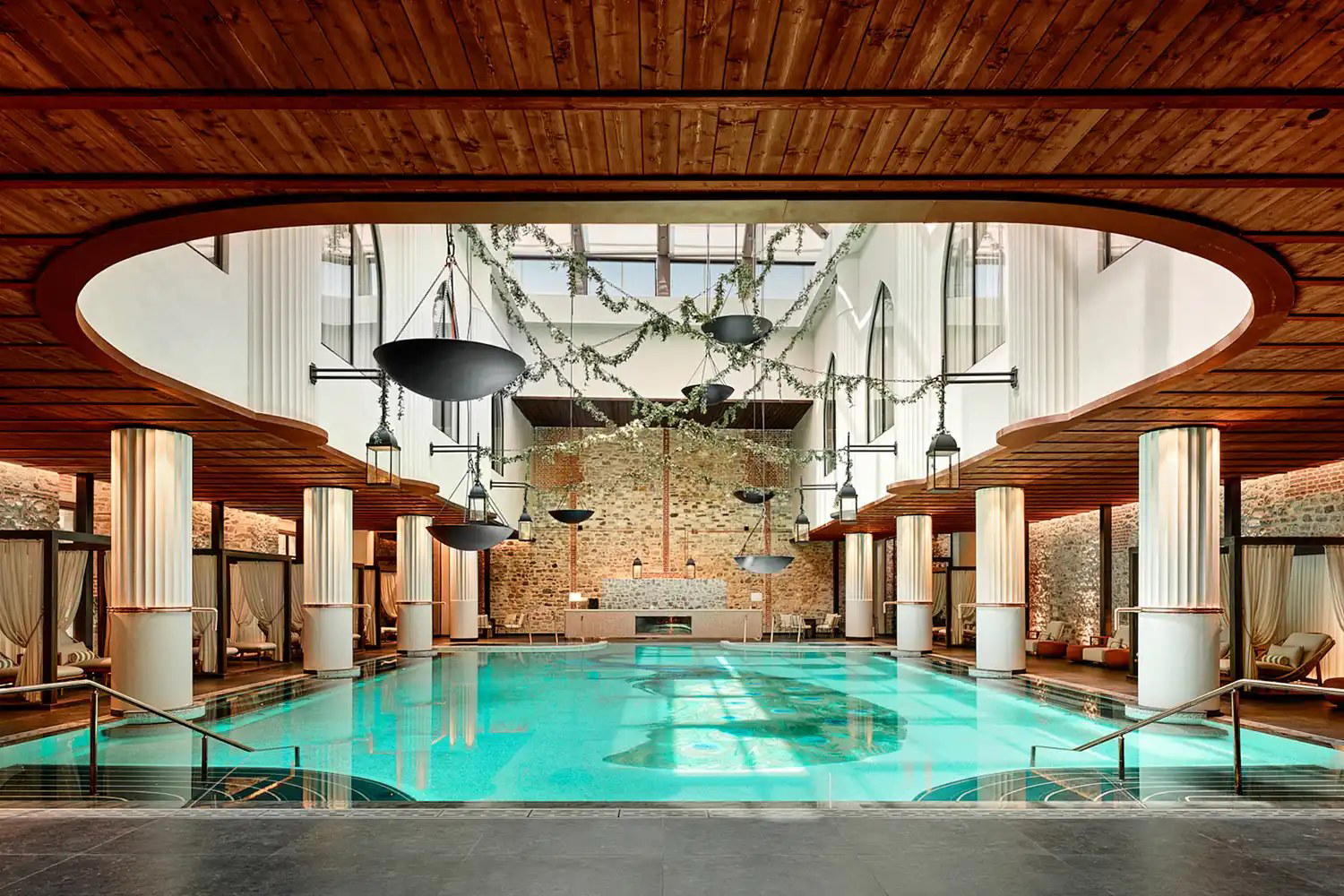
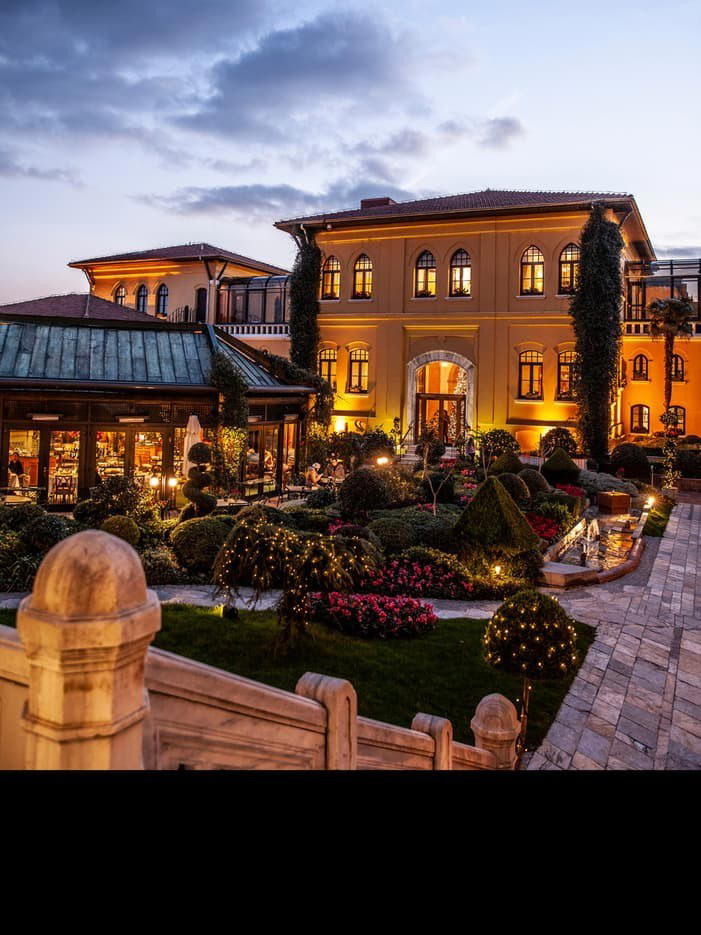
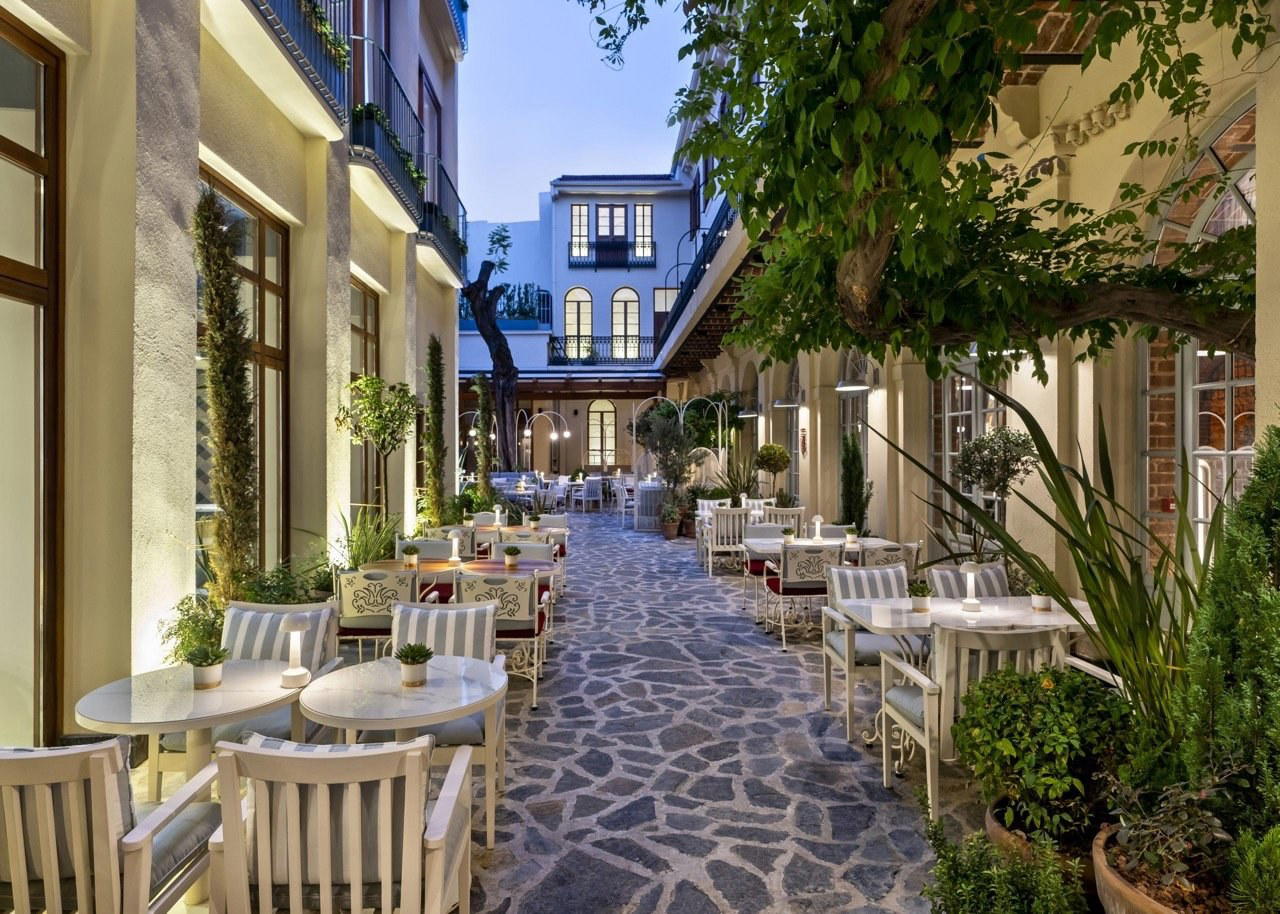
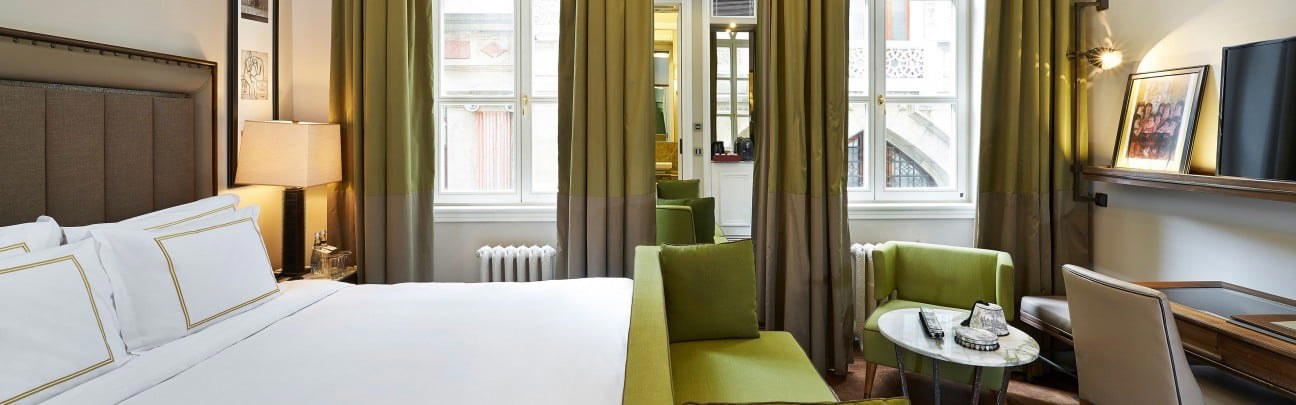
Details
- Modern
- Brunch
- Hotel Restaurant
Current opening hours
- Monday
- 7 AM–11 PM
- Tuesday
- 7 AM–11 PM
- Wednesday
- 7 AM–11 PM
- Thursday
- 7 AM–11 PM
- Friday
- 7 AM–11 PM
- Saturday
- 7 AM–11 PM
- Sunday
- 7 AM–11 PM
Hours can change for holidays and private events. Last verified .
Energetic atmosphere with positive guest feedback on food and service.