
Kawa no Saki no Ue belongs to Yokohama’s serious everyday ramen tier: modest spend, small room, and enough local credibility to earn Tabelog Ramen KANAGAWA 100 selection in 2025, 2024, and Ramen EAST 2021. Its appeal is less about luxury ritual than ingredient-led ramen and gyoza in Kamiooka, where repeatable craft matters more than theatre.
Pearl is the En Primeur Club membership app — saves, bookings, and concierge access live there. Same editors, same standards.
- Address
- Japan, 〒233-0007 Kanagawa, Yokohama, Konan Ward, Okubo, 1 Chome−15−36 2F
- Phone
- +81 45-374-5133
- Website
- twitter.com
 Saves & bookings on Pearl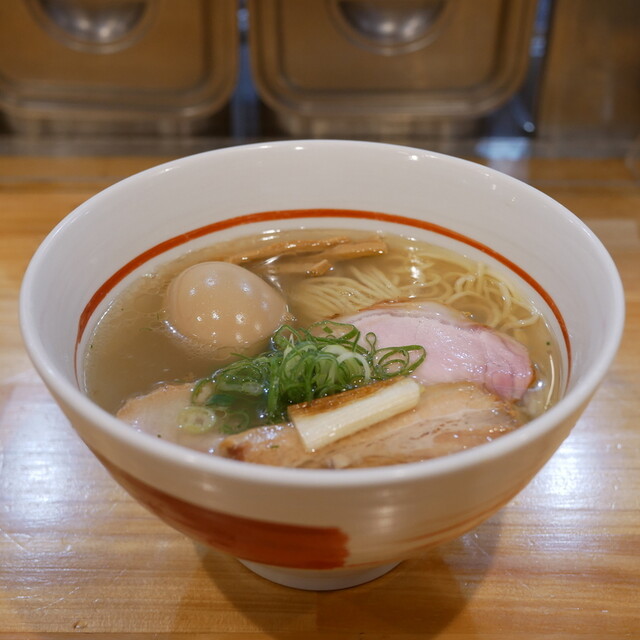
Kamiooka’s ramen rooms often announce themselves quietly: a stairway, a second-floor address, counter seats for solo diners, and table space that keeps the meal in everyday Yokohama rather than destination dining. Kawa no Saki no Ue fits that grammar. The signal is compression, not ceremony: ramen, dumpling, a compact room, and a local audience treating a bowl as serious lunch or dinner, not a prelude to something grander.
Yokohama’s noodle culture is often framed through ie-kei ramen, the pork-and-soy style born in the city, but the scene reads more broadly. Commuter density supports quick bowls; residential loyalty punishes inconsistency; regional competition across Kanagawa makes casual pricing fiercely competitive. In that setting, selection for Tabelog Ramen KANAGAWA 100 in 2025 and 2024, after a Ramen EAST 100 selection in 2021, is a useful trust marker, placing the shop inside a curated ramen conversation rather than the larger pool of station-area convenience dining.
Ingredient-led ramen without the luxury costume
The defining idea is ramen as sourcing-and-balance exercise, not a chef’s biographical performance. With the public category between ramen and dumpling, the relevant comparison is not Yokohama’s formal tasting-menu counters but its high-functioning everyday specialists: places where stock, tare, noodle texture, and side dishes carry the argument. At this tier, error margins are thin because the price band is accessible and the audience returns often enough to judge consistency.
That is where Kawa no Saki no Ue’s awards matter. Tabelog’s Hyakumeiten lists reward restaurants sustaining strong user attention within a specific genre and geography. For ramen in Kanagawa, that means competing with a deep field of neighbourhood shops, station-adjacent counters, and destination noodle rooms. A score of 3.73 in that environment is not decorative; it signals enough repeat validation to move beyond casual local discovery.
The ingredient question in ramen is never only provenance. It is how raw materials become legible in the bowl: broth base, salt or soy profile, fat level, noodle resistance, and toppings that support rather than bury the structure. No named signature dish is publicly listed, so the safer reading is by format. Ramen and gyoza are a classic pairing because one tests stock discipline and noodle handling while the other tests seasoning, texture, and pan control. Together, they give the kitchen two ways to prove everyday food as craft.
Yokohama diners mapping the city’s casual range can set this against other local entries rather than forcing it into a luxury frame. 1000 (Yakitori (Grilled chicken skewers)) works from the grill-and-skewer tradition, while Aichun, Ajowan, and Alpenjiro Honten show how Yokohama’s non-ramen casual restaurants build loyalty through a narrower brief. The point is range: the city’s strength is not only special-occasion rooms, but specialists keeping one category sharp.
Kamiooka puts the bowl in a commuter-city context
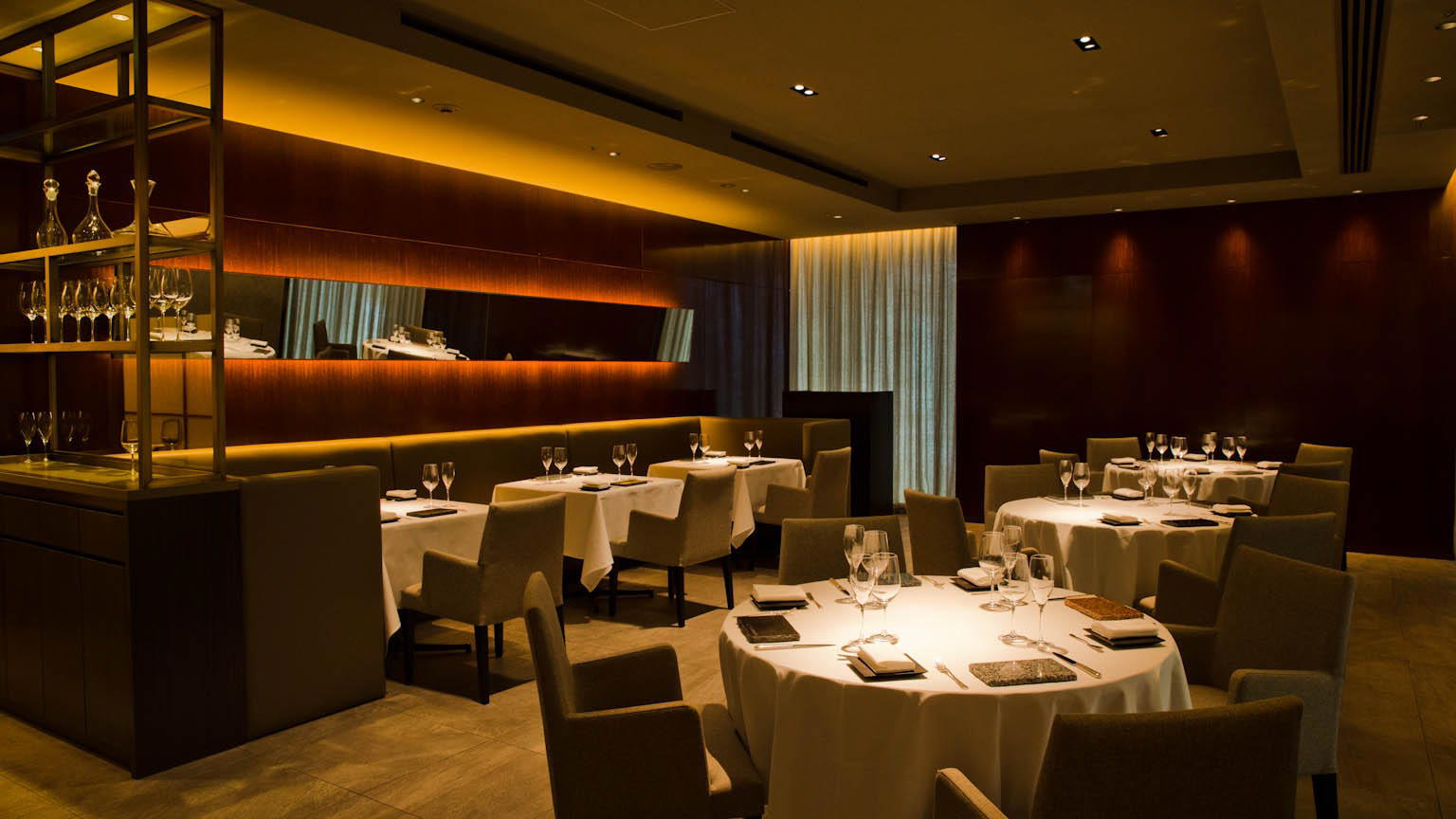
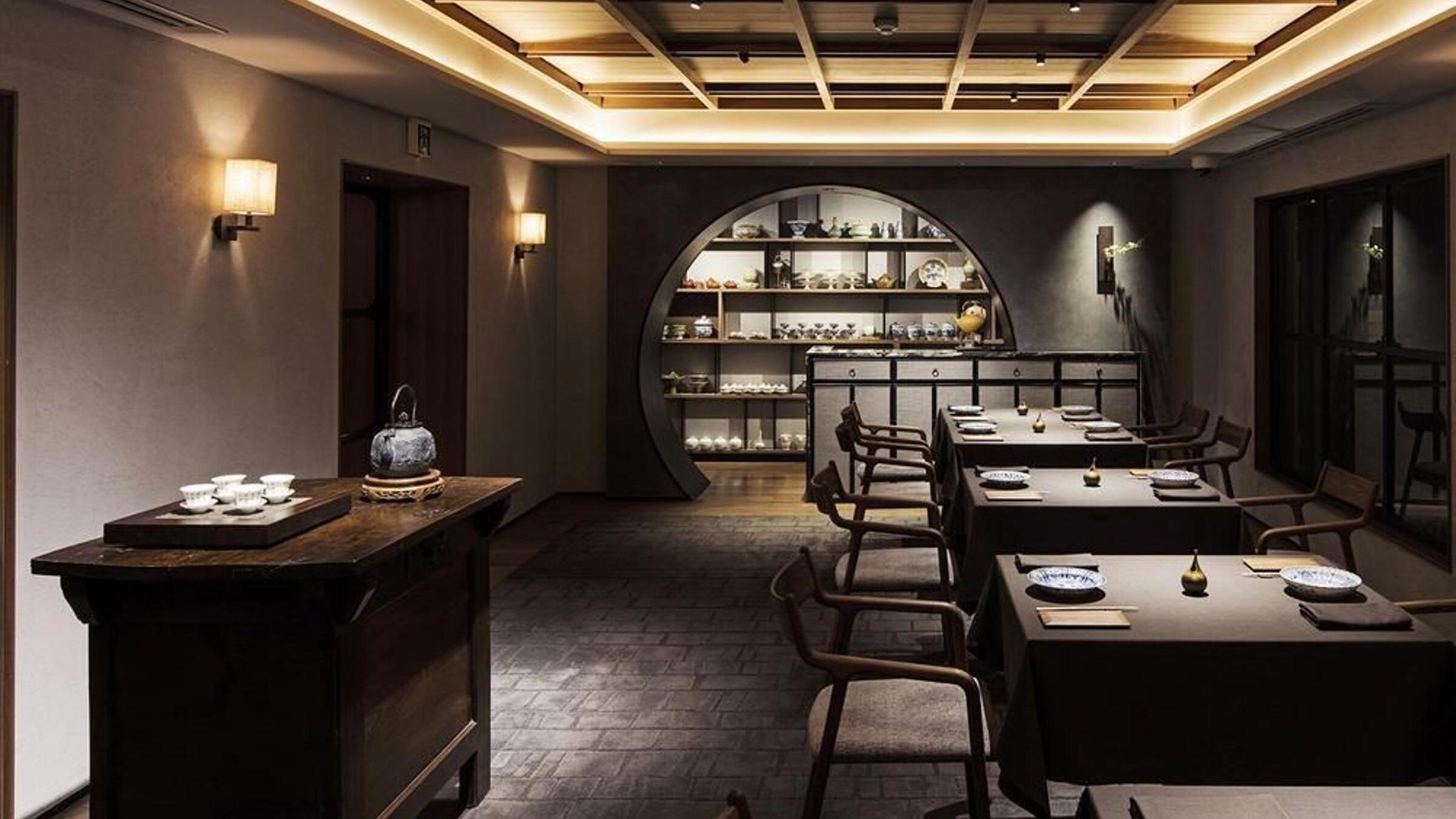
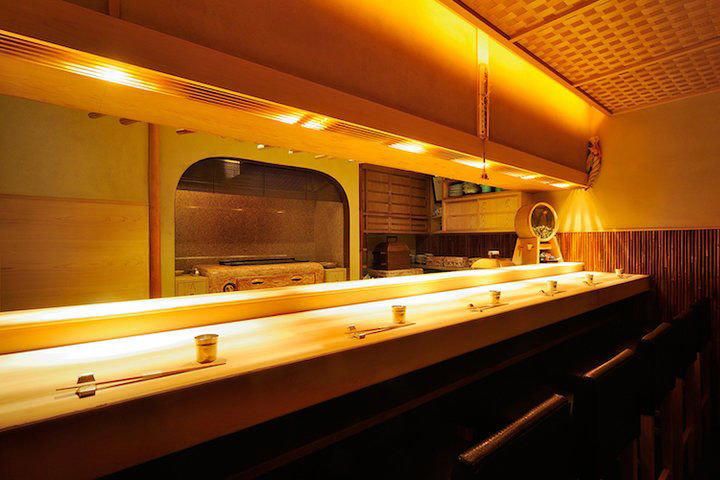
Kamiooka is not postcard Yokohama. It is a working hub tied to rail movement, daily shopping, and residential routines. That matters for ramen. Shops here cannot rely only on tourists or destination diners; they need local trust to fill seats across ordinary service periods. A 19-seat room, with counter seating and tables, creates a hybrid rhythm: solo diners can eat quickly, while small groups and families need not treat ramen as solitary.
The family-friendly note is not trivial in Japan’s ramen culture. Many ramen shops optimize for speed, queue discipline, and individual diners. Here, table seating and a children-welcome policy place the experience closer to neighbourhood utility without diluting the seriousness of the category. For travellers, that distinction matters: the restaurant belongs to an award-recognized ramen set, but the format remains accessible rather than rarefied.
Compared with nearby Yokohama ramen peers at lower casual spend, including Susurimase nka and G Men 7, this shop sits in a slightly higher everyday band. Against broader local casual dining, it remains far below places such as Tonkatsu Souki, where the meal format and spending pattern differ. That gap is the point. In Kanagawa, ramen can carry award-level attention while staying in a price range that encourages repeat visits rather than occasion planning.
For wider city planning, place it within a Yokohama food day rather than around it. Our full Yokohama restaurants guide is the natural starting point for dining routes, while Our full Yokohama hotels guide, Our full Yokohama bars guide, Our full Yokohama wineries guide, and Our full Yokohama experiences guide frame the city beyond the bowl. Visitors building a broader Japan itinerary can also compare regional casual dining through Anzen Shokudo, (Shoku) Vietnam in Kawasaki, -Grilled beef Sukiyaki- KAMAKURA TANUKIAN 鎌倉 たぬき庵 in Kamakura. 鮪と炭火焼き うお炭 秋葉原店 in Tokyo.cafe in Osaka.know in Kumamoto, [Curry Senmon Ten] Maruyama Kyoju. in Sapporo, Jōdo Saké Bar in Los Angeles, and Onigiri Time in Pasadena.
How to read the experience
Expect disciplined casual dining: a no-smoking ramen-and-dumpling shop with award recognition, limited seating, and a format suited to solo diners and families. Reservations are unavailable, so treat it as a walk-in ramen stop rather than a scheduled fine-dining appointment. Payment is practical: transport IC cards accepted, credit cards not accepted.
The critical case for Kawa no Saki no Ue is strongest for travellers who care about the middle layer of Japanese dining: not bargain hunting or luxury chasing, but the serious everyday craft that gives a city its flavour memory. Yokohama has flashier dining stories, but Kanagawa ramen is one of its clearest local arguments. This address earns attention by showing how much precision can sit inside an ordinary bowl-and-gyoza format.
Side-by-Side Snapshot
Comparable venues in the metro at similar price points.
| Venue | Cuisine | Price | Notes |
|---|---|---|---|
| Kawa no Saki no UeThis venue — the venue you are viewing | Japanese Ramen | $ | Not listed |
| Menya Numata | Specialty Shio Ramen Shop | $ | Tsurumi |
| Ramen Dohyo Kakureihoho | Ramen & Tsukemen Shop | $ | Tsurumi |
| Tsurumigawa Bashi Motsu Niku Ten | Japanese tachinomi offal bar | $ | Tsurumi |
| Raamen Mu | Traditional Ramen & Tsukemen Counter | $ | Kanagawa |
| Torakichi Ya Hikaru | Yokohama-style ramen shop | $ | Kanagawa |
Recognition history
Dated appearances from independent guides and award organizations, with the underlying list record or original source where available.
Tabelog 100 #65 · No. 65
Tabelog · Tabelog 100 - Ramen - KANAGAWA - 2025









At a Glance
- Cozy
- Classic
- Solo
- Casual Hangout
- Standalone
- Design Destination
Current opening hours
- Monday
- 11:30 AM–9:30 PM
- Tuesday
- 11:30 AM–9:30 PM
- Wednesday
- Closed
- Thursday
- 11:30 AM–9:30 PM
- Friday
- 11:30 AM–9:30 PM
- Saturday
- 11:30 AM–9:30 PM
- Sunday
- 11:30 AM–9:30 PM
Hours can change for holidays and private events. Last verified .
Casual, compact ramen-shop atmosphere with a counter-focused, locally rooted feel.