
Kumamoto’s tonkatsu culture sits closer to everyday craft than ceremony: pork cutlet, rice, cabbage, sauce, and a room built for repeat local use. Katsuretsu Tei Minami kumamoto ten belongs to that practical tradition, with Tabelog Tonkatsu 100 selection in 2026 and a large sunken-seating dining room that makes the format accessible beyond counter-only specialists.
Pearl is the En Primeur Club membership app — saves, bookings, and concierge access live there. Same editors, same standards.
- Address
- 2-5 Hagiwaramachi, Chuo Ward, Kumamoto, 860-0832, Japan
- Phone
- +81 96-334-5451
- Website
- hayashi-sangyo.jp
 Saves & bookings on Pearl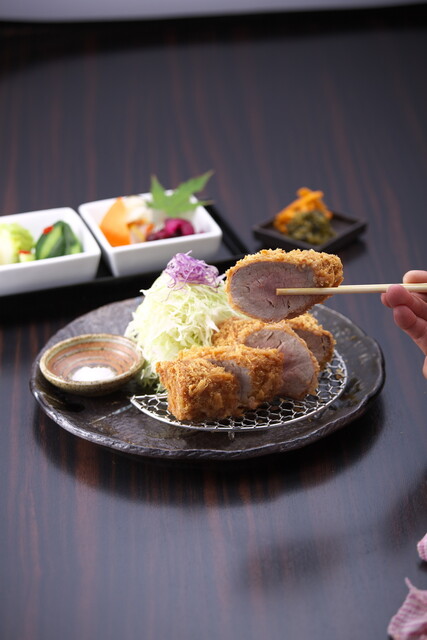
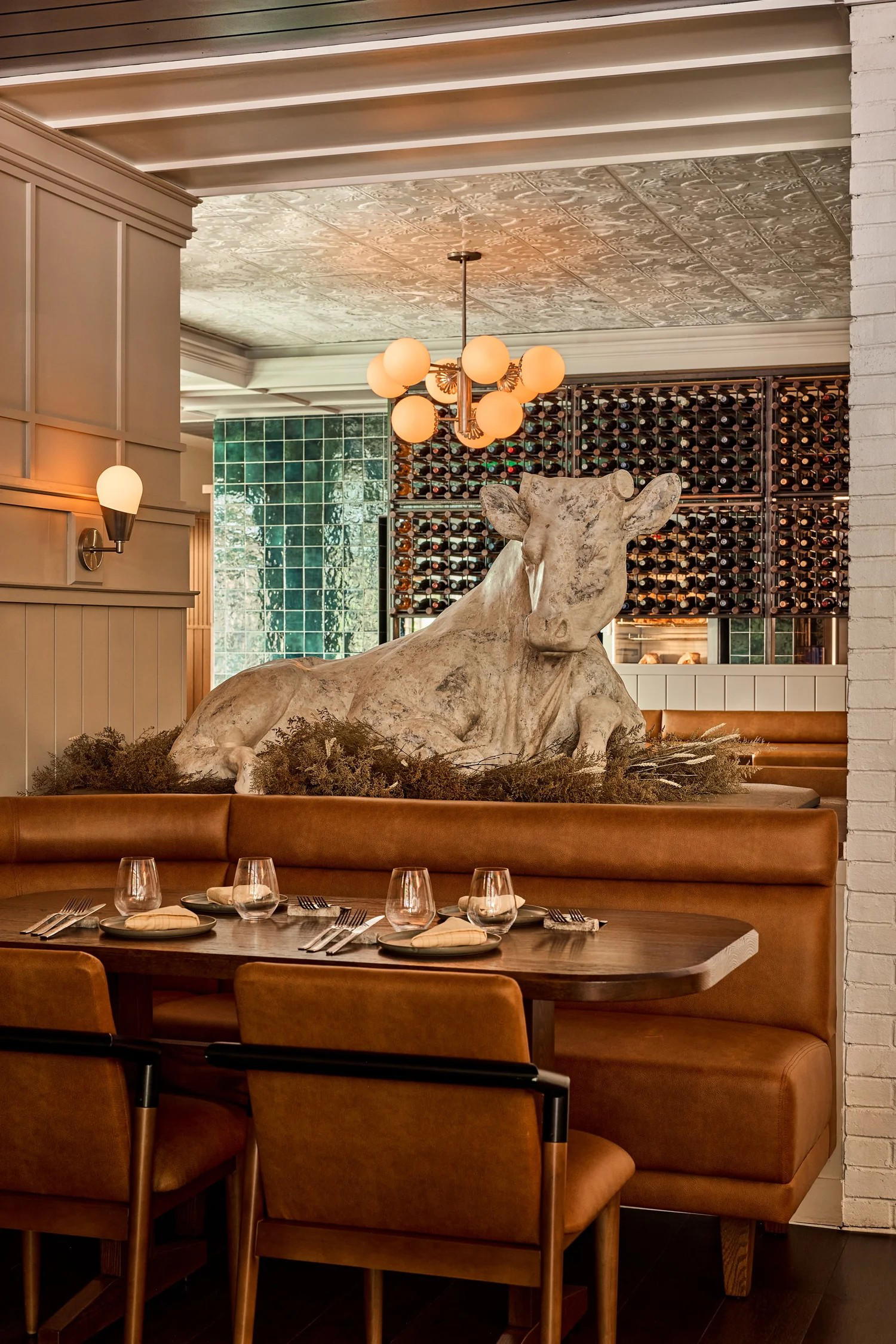
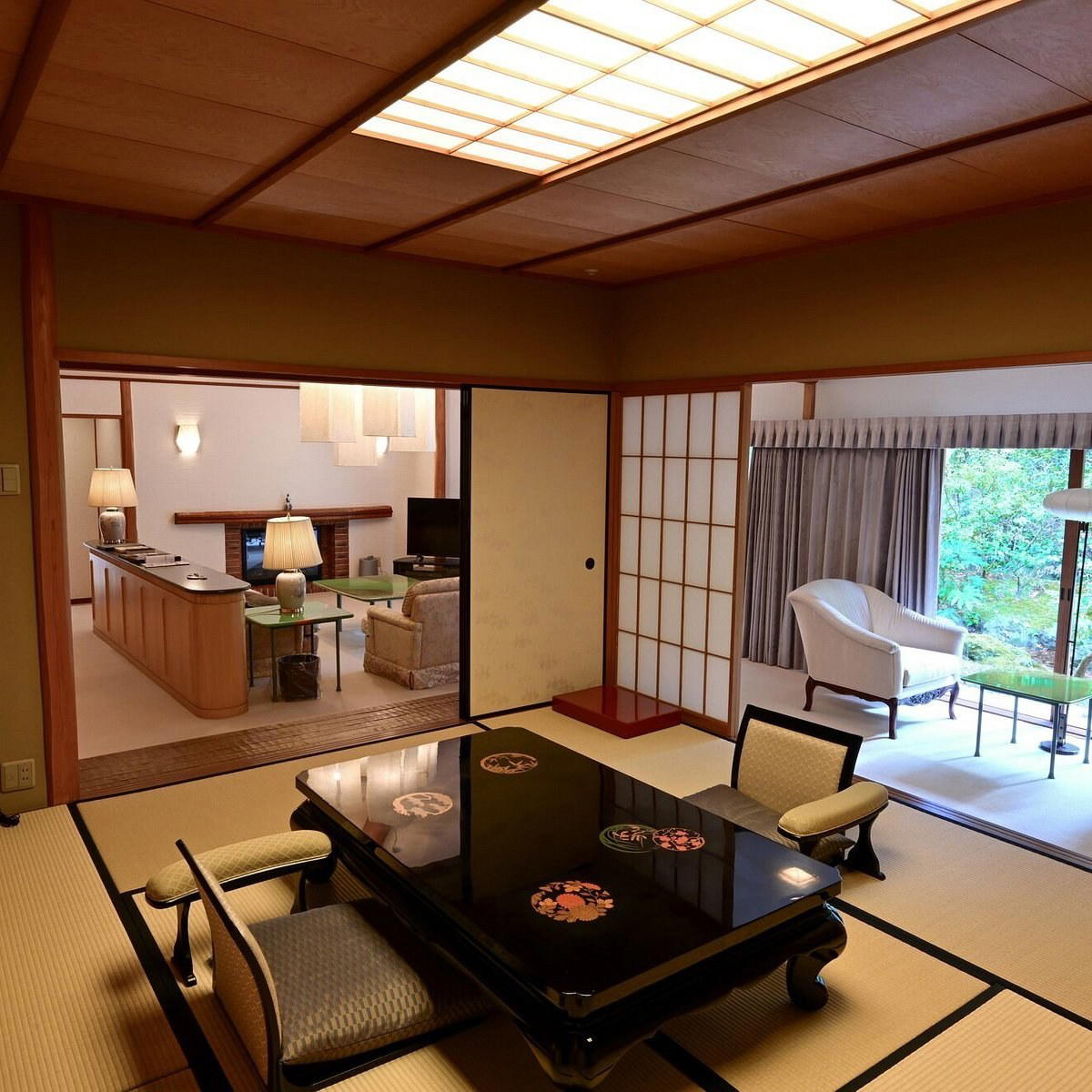
The approach is not the hushed theatre of a Tokyo counter. This is Kumamoto tonkatsu in its civic, everyday form: a house-style restaurant, low tables set into sunken seating, families and small groups moving through a room designed for volume rather than ceremony. That physical scale matters. Tonkatsu is often judged at the plate, but in regional Japan its social role is just as revealing: a fried pork cutlet house has to work for lunch, dinner, children, office workers, and drivers, not only for diners chasing a narrow tasting-menu experience.
Katsuretsu Tei Minami kumamoto ten sits in that lane with unusual national recognition for such a practical format. Its 2026 selection for Tabelog’s Tonkatsu 100 places it inside a category that rewards a highly specific Japanese comfort-food discipline: pork selection, breading, frying, cabbage, rice, and sauce all need consistency because the dish leaves little room to hide. In Kumamoto, where local dining identity often orbits ramen, horse meat, shochu, and Kyushu produce, a tonkatsu address with this recognition gives the city another register: not regional novelty, but a benchmark version of a postwar Japanese staple.
Tonkatsu as Kumamoto comfort food, not counter theatre
Tonkatsu’s appeal in Japan has always depended on a tension between simplicity and precision. The form is familiar enough to be democratic, yet exacting enough that small errors show immediately: meat dried by overfrying, breading that collapses, oil that carries fatigue, cabbage cut too coarsely to reset the palate. The serious tonkatsu houses build loyalty by making those parts repeatable, not by turning the meal into a performance.
That is why the Minami Kumamoto branch reads differently from smaller specialist rooms. With 113 seats, including counter seats and sunken tables, the restaurant belongs to a broader Japanese category of high-function local dining: efficient, generous in format, and built for people who may not be treating dinner as an occasion. The house’s roots date to 1975, while this branch opened in 2010, giving it both brand heritage and a contemporary suburban-city dining footprint.
The food identity is centered on tonkatsu, with Rokuhaku Kurobuta named in the restaurant’s own description as a key pork reference. That detail matters because Kyushu has a strong pork culture, and black pork carries a particular regional association across southern Japan. The point is not novelty; it is clarity of category. A diner choosing this address is choosing a cutlet specialist over the wider Kumamoto field, where Amakusa Daiou Senmon Ten Tosaka points toward chicken, China Sichuan Togen toward Sichuan cooking, and antica locanda MIYAMOTO toward a more European register.
A large local room with national category recognition
The award signal is useful because tonkatsu is a crowded field in Japan, and national lists tend to expose which regional restaurants have moved beyond neighbourhood familiarity. Tabelog Tonkatsu 100 recognition in 2022, 2024, and 2026 suggests continuity rather than a single burst of attention. The score listed at 3.69 reinforces the same point: this is not a luxury-coded room, but it operates in a category where regular diners are quick to punish inconsistency.
Within Kumamoto, the comparison is instructive. Kumamoto Ramen Kokutei Honten occupies the city’s ramen conversation at a lower casual price band, while cocina uchida and Mexico Restaurant Toru Tacos sit in broader dining-out territory. Katsuretsu Tei Shinishigai honten, the central sibling, is the more obvious downtown reference point for the same tonkatsu lineage. The Minami Kumamoto branch answers a different need: space, parking, and a format that can absorb families without losing the specialist identity.
The drinks list also says something about how the room functions. Sake, shochu, and wine are listed, which places the meal between quick lunch and relaxed evening table rather than in a purely fast-casual box. Take-out is available, private rooms are not, and the room is non-smoking with a designated smoking area. These details are less glamorous than chef biography, but they explain the restaurant’s place in Kumamoto life more accurately than personality-led storytelling would.
How to place it in a Kumamoto food itinerary
For visitors, the smarter reading is not “destination dining” in the international tasting-menu sense. It is a grounded Kumamoto meal that shows how a nationally recognized Japanese comfort-food category functions outside Tokyo and Osaka. That makes it useful alongside more city-specific choices: ramen for Kumamoto’s garlic-oil identity, chicken or local izakaya cooking for Kyushu produce, and tonkatsu here for a disciplined version of a national staple.
The location near Minami Kumamoto Station and the large parking provision make it a pragmatic stop for travelers moving around the city by train, bus, or car. The no-reservation policy changes the calculation: this is a queue-and-turnover restaurant rather than a table secured weeks ahead. Families have an easier path here than at many compact specialists, with children welcomed, children’s lunches listed, and chairs for children available.
For a wider Kumamoto plan, use Our full Kumamoto restaurants guide to balance tonkatsu with ramen, local chicken, Chinese, and European-leaning rooms. Travelers building a longer stay can cross-reference Our full Kumamoto hotels guide, Our full Kumamoto bars guide, Our full Kumamoto wineries guide, and Our full Kumamoto experiences guide. For broader Japan context across casual specialists and tightly focused rooms, compare the editorial spread from .know, BARON, -Grilled beef Sukiyaki- KAMAKURA TANUKIAN 鎌倉 たぬき庵 in Kamakura. 鮪と炭火焼き うお炭 秋葉原店 in Tokyo.cafe in Osaka, (Shoku) Vietnam in Kawasaki, [Curry Senmon Ten] Maruyama Kyoju. in Sapporo, [ki:] in Kyoto, Jōdo Saké Bar in Los Angeles, and Onigiri Time in Pasadena.
- Thick-cut rosu katsu (pork loin cutlet)
- Roppaku Kurobuta hire katsu (pork fillet cutlet)
- Mixed fry platter
- Special large ebi fry
- Katsu-jū (pork cutlet rice box)
- Tonkatsu bento
Cost Snapshot
Comparable venues by cuisine and price in the same metro.
| Venue | Cuisine | Price | Notes |
|---|---|---|---|
| Katsuretsu Tei Minami kumamoto tenThis venue — the venue you are viewing | Chuo Ward, Kumamoto tonkatsu specialist | $$ | Not listed |
| Iroha | Not listed | $$ | Suizenji Park, Chuo Ward, Traditional Kumamoto Izakaya with Horse Meat Dishes |
| .know | Gionbashi, Creative Japanese Fine Dining | $$$ | Not listed |
| Katsuretsu Tei | Not listed | $$ | Chuo-ku, Tonkatsu (Pork Cutlet) |
| Katsuretsu Tei (勝烈亭 新市街本店) | Not listed | $$ | Shinshigai, Chuo-ku, Traditional Tonkatsu (Pork Cutlet) |
| Hyogo Dori | Chuo Ward, Yakitori & Chicken Dishes | $$$ | Not listed |
Recognition history
Dated appearances from independent guides and award organizations, with the underlying list record or original source where available.
Tabelog 100 #34 · No. 34
Tabelog · Tabelog 100 - Tonkatsu - 2026

At a Glance
- Lively
- Classic
- Cozy
- Family
- Group Dining
- Casual Hangout
- Solo
- After Work
- Standalone
- Local Sourcing
Current opening hours
- Monday
- 11 AM–9:30 PM
- Tuesday
- 11 AM–9:30 PM
- Wednesday
- 11 AM–9:30 PM
- Thursday
- 11 AM–9:30 PM
- Friday
- 11 AM–9:30 PM
- Saturday
- 11 AM–9:30 PM
- Sunday
- 11 AM–9:30 PM
Hours can change for holidays and private events. Last verified .
Casual, family-friendly tonkatsu restaurant atmosphere with a warm, classic feel; busy and energetic at peak times but comfortable enough for relaxed meals.