
Kabukicho’s tonkatsu culture is not only about frying technique; it is also about how a room manages pace, comfort, and appetite in one of Tokyo’s densest dining districts. Katsu Pulipo brings that format into a 50-seat, non-smoking second-floor setting with semi-private rooms, a Tabelog Tonkatsu 100 selection in 2026, and a pork-focused brief that rewards diners who care about cut, fat, and texture.
Pearl is the En Primeur Club membership app — saves, bookings, and concierge access live there. Same editors, same standards.
- Address
- 1 Chome-10-3 Kabukicho, Shinjuku City, Tokyo 160-0021, Japan
- Phone
- +81 3-3209-2930
- Website
- instagram.com
 Saves & bookings on Pearl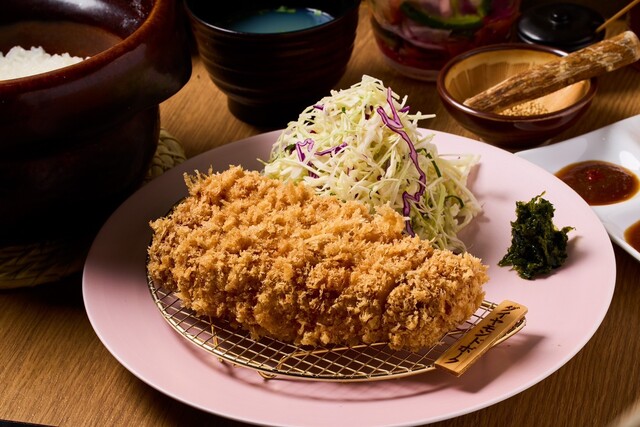
Kabukicho changes register fast: cinema façades, late-night signage, station traffic, then the compression of a second-floor dining room where tonkatsu becomes studied comfort rather than snack. In Tokyo, serious pork cutlet houses turn on small variables: cut selection, frying control, rice timing, cabbage, sauce, and a room that avoids rushed turnover. Katsu Pulipo sits in that conversation, using a larger 50-seat format and semi-private rooms to make a dish often associated with counter-like focus work for groups, families, and drink-led dinners.
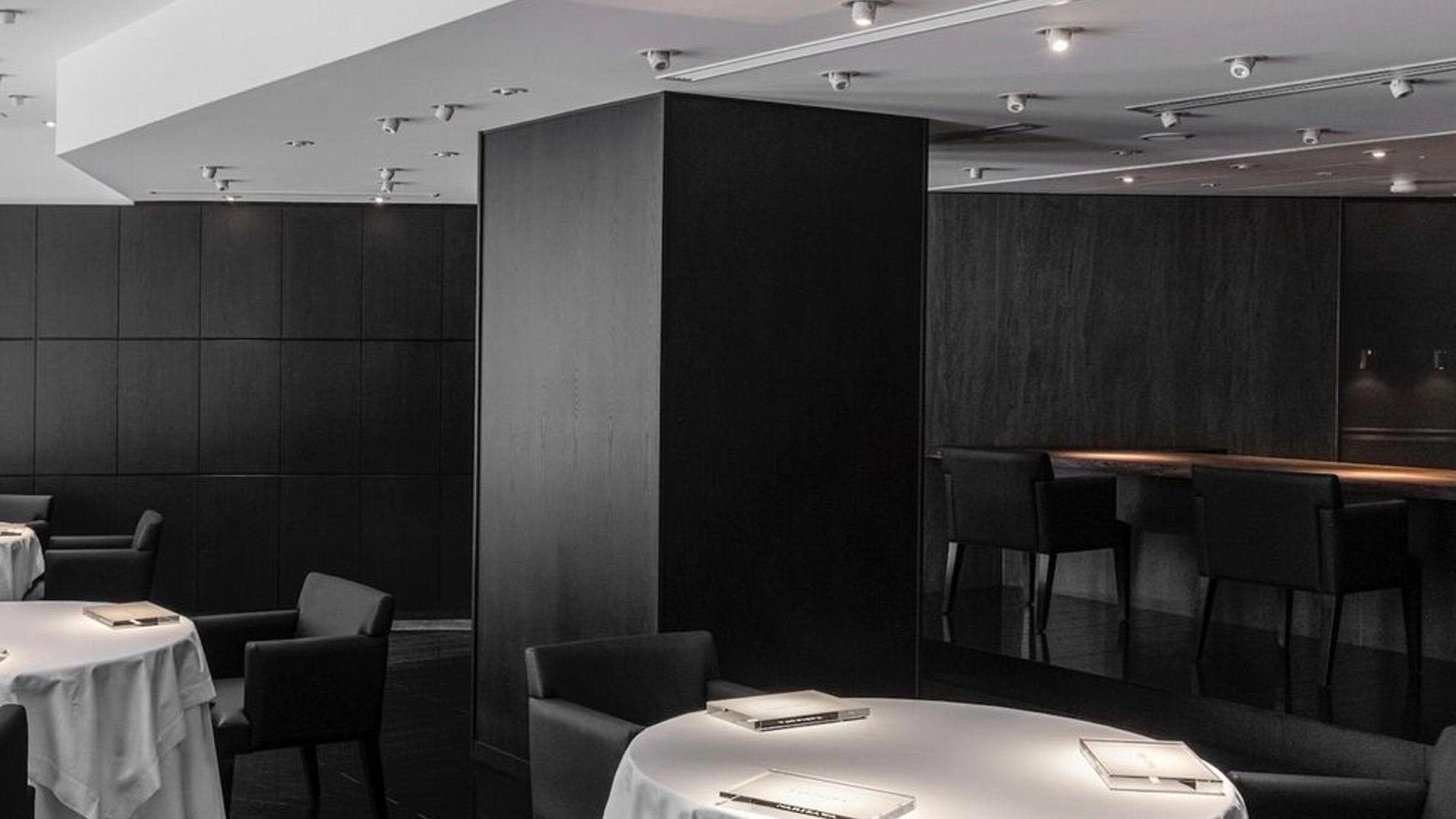
The room matters because tonkatsu is timing-sensitive. A thin, cramped space can sharpen the experience, but also turns a meal into a clock. Sofa seating, power outlets, free Wi-Fi, and private-room options shift the category toward a full restaurant evening. Unlike the austere cutlet specialist where food arrives, rice empties, and the seat is needed, this container suggests a flexible Tokyo tonkatsu model: not casual in ambition, not ceremonial like Ginza sushi, but built for longer meals and mixed parties.
Kabukicho tonkatsu, read through the room rather than the fryer
Tonkatsu in Tokyo has split into queue-driven specialists, old neighbourhood shops, pork-brand showcases, and higher-budget rooms that make the cutlet part of a broader meal. Katsu Pulipo belongs to the pork-brand showcase lane, with tonkatsu and katsu-don as core categories and a drinks list covering nihonshu, shochu, wine, and cocktails. In Kabukicho, where dinner culture often stretches beyond one plate, the one-drink dinner policy positions it as a sit-down evening restaurant, not a quick fried-cutlet stop.
The cut language is more useful than generic praise. Pork loin is served with roughly 1 cm of fat attached, signalling how the kitchen wants diners to read branded Japanese pork: sweetness and flavour carried by fat, not only lean meat. Diners wanting a leaner profile are directed to shoulder loin or tenderloin. That distinction is central to Japanese tonkatsu culture, where the choice is not simply “pork cutlet” but how much richness, chew, and fat the meal should carry. It also avoids treating loin as the default for every appetite.
Recognition gives context. Selection for Tabelog Tonkatsu 100 in 2026 places Katsu Pulipo in a national conversation around specialist pork cutlet restaurants, alongside prior selections in 2024 and 2022. Tabelog’s category lists reward consistency within a narrow genre, so the signal differs from a tasting-menu award: execution inside a familiar Japanese form. With a Tabelog score listed at 3.91, the restaurant operates in a competitive Tokyo bracket where small differences in fry, pork sourcing, and comfort matter.
The design choice: a pork cutlet house that can handle groups
Tokyo’s higher-regarded tonkatsu rooms often ask diners to accept friction: queues, tight seating, cash habits, or narrow menus. The design question here is how a pork specialist scales without losing focus. A 50-seat restaurant with semi-private rooms for two, four, six, and eight changes tonkatsu’s social use. It can serve a parent with a stroller, an after-work group, or a visitor wanting Japanese comfort food without decoding a tiny counter. Children are welcome, strollers are accepted, and the room is non-smoking, placing the experience closer to contemporary Tokyo family dining than old-school fried-food shop culture.
That does not make the format neutral. Larger rooms require discipline because fried food punishes drift. The stronger editorial read is that the design widens the audience for serious tonkatsu while keeping decisions centred on pork cuts. For travellers comparing Shinjuku meals, 12/10 Shinjuku ten offers another read on the district’s restaurant density, while 2D Cafe shows the neighbourhood’s appetite for visual concept dining. The restaurant is quieter than spectacle-led Kabukicho, but not anonymous: its semi-private layout and comfort features are part of the proposition.
Comparison clarifies price and intent without reducing the meal to spend alone. PRETTY PORK FACTORY, another Tokyo pork-focused address in the comparison set, sits in a lower listed budget range, while Yugen Tei Shinjuku is listed above it. The restaurant occupies the middle-to-upper tonkatsu dinner band, structured for a deliberate meal but without luxury Japanese dining’s formality. Michishirube, Hinomaru, and Robot Restaurant sit in other registers of the wider Shinjuku mix, reminding that Kabukicho compresses specialist eating, nightlife, and entertainment into a few blocks rather than separating them neatly.
How to place it in a Tokyo eating itinerary
The strongest use case is not the diner hunting novelty, but the diner wanting to understand how Tokyo treats a familiar dish with care. Tonkatsu is accessible, but not simple. The better meal comes from choosing the cut intentionally, accepting that fat is part of the point, and treating drinks as part of dinner. Reservation availability and private-room options make it more practical than many small specialist rooms, particularly for mixed-age groups or travellers using Shinjuku as a base.
Nearby and Japan-wide contrasts sharpen the picture:. 鮪と炭火焼き うお炭 秋葉原店 points toward charcoal and tuna in Akihabara, 124. KAGURAZAKA (Yakitori) toward skewered chicken craft, and 3 Chome no Curry Ya San toward Tokyo’s curry counter culture. Further afield, the Japanese comfort-food spectrum runs from -Grilled beef Sukiyaki- KAMAKURA TANUKIAN 鎌倉 たぬき庵 in Kamakura to [Curry Senmon Ten] Maruyama Kyoju. in Sapporo, while [ki:] in Kyoto.cafe in Osaka.know in Kumamoto, and (Shoku) Vietnam in Kawasaki show how regional dining categories bend outside Tokyo. Across the Pacific, Jōdo Saké Bar in Los Angeles and Onigiri Time in Pasadena are useful counterpoints for how Japanese formats translate abroad.
The restaurant’s appeal is specific: a Kabukicho tonkatsu room where design supports a broader dinner rhythm, and pork cut choice matters as much as convenience. In a city packed with specialist counters, that combination gives the restaurant a clear role: serious enough for tonkatsu-focused diners, comfortable enough for groups wanting Tokyo’s fried-pork tradition without turning the meal into a test of endurance.
Comparable Spots
Comparable venues by price and recognition.
| Venue | Cuisine | Price | Notes |
|---|---|---|---|
| Katsu PulipoThis venue — the venue you are viewing | Tonkatsu & Pork Cutlet Bowls | $$ | Not listed |
| Tengoku | Retro Japanese Cafe | $$ | Asakusa |
| 梢 | Modern Zero Waste Cafe | $$ | Shinjuku |
| Yakitori Ogawa | Yakitori | $$ | Shinjuku |
| 傳 | japanese | Not listed | Shibuya |
| Anpuku Ikebukuro ten | Creative Udon / Japanese Izakaya | $$ | Toshima |
Recognition history
Dated appearances from independent guides and award organizations, with the underlying list record or original source where available.
Tabelog 100 #88 · No. 88
Tabelog · Tabelog 100 - Tonkatsu - 2026













At a Glance
- Modern
- Cozy
- Trendy
- Solo
- Family
- Casual Hangout
- After Work
- Group Dining
- Standalone
Current opening hours
- Monday
- 12–3 PM, 5–10 PM
- Tuesday
- 12–3 PM, 5–10 PM
- Wednesday
- 12–3 PM, 5–10 PM
- Thursday
- 12–3 PM, 5–10 PM
- Friday
- 12–3 PM, 5–10 PM
- Saturday
- 12–3 PM, 5–10 PM
- Sunday
- 12–3 PM, 5–10 PM
Hours can change for holidays and private events. Last verified .
A compact, modern tonkatsu shop with clean interiors and flower accents shared with Pretty Pork Factory, giving a cozy yet slightly stylish feel rather than a traditional greasy spoon vibe.