Katik Wuppertal sits on Schwanenstraße in the heart of Wuppertal's city centre, contributing to a dining scene that continues to draw attention in a city long underestimated by German food press. The address places it within reach of the Schwebebahn corridor and the broader mix of independent restaurants that define eating out in this part of the Bergisches Land.
Pearl is the En Primeur Club membership app — saves, bookings, and concierge access live there. Same editors, same standards.
- Address
- Schwanenstraße 31, 42103 Wuppertal, Germany
- Website
- katik.eu
- Directions
- Get directions
 Saves & bookings on Pearl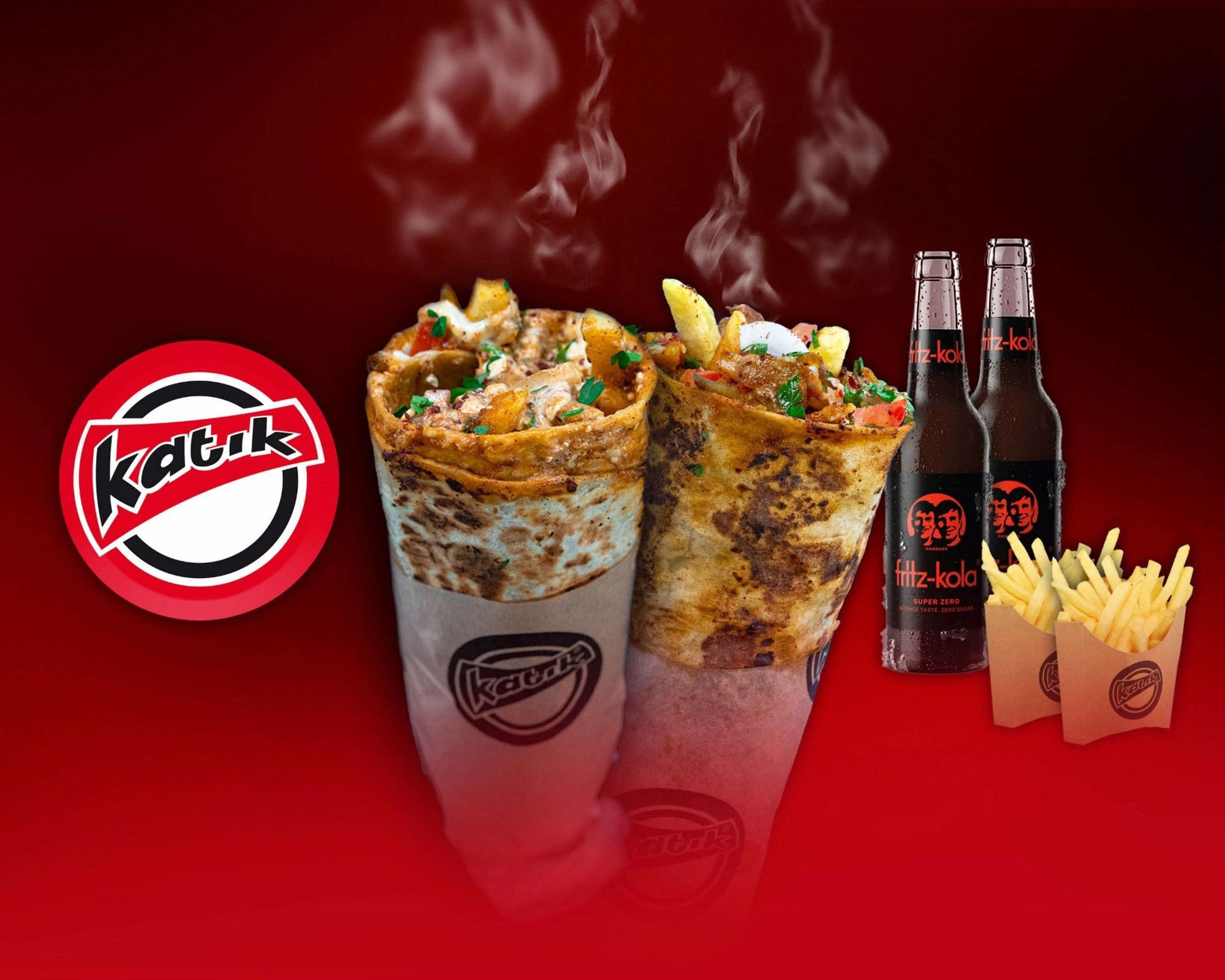
Wuppertal's Dining Scene and Where Katik Fits
Wuppertal occupies an unusual position in the German dining conversation. The city lacks the institutional weight of Hamburg or Munich, and the kind of Michelin density you find at Vendôme in Bergisch Gladbach or Aqua in Wolfsburg belongs to a different tier of the country's fine dining circuit. What Wuppertal has instead is a cluster of independent, neighbourhood-rooted restaurants that operate without the scaffolding of hotel groups or celebrity backing. Katik, at Schwanenstraße 31 in the 42103 postal district, is one address within that independent cluster.
The street sits in central Wuppertal, close enough to the Schwebebahn stops that connect the city's elongated valley geography to make it accessible from either the Elberfeld or Barmen ends. That accessibility matters in a city whose unusual topography means dining decisions are often made by train-stop proximity as much as cuisine type.
The Ingredient Question in Bergisches Land
Across Germany's mid-tier dining scene, sourcing has become the distinguishing variable between restaurants that simply serve food and those that build a culinary argument around it. The Bergisches Land region, of which Wuppertal is the urban centre, sits adjacent to agricultural land that has historically supplied both the Ruhr's industrial population and the more rurally oriented communities to the east. Restaurants in this zone that engage seriously with local supply chains occupy a different register from those importing produce from distant wholesale networks.
The farm-to-table model has found a foothold in Wuppertal, as evidenced by the presence of 79°, which operates explicitly within that sourcing framework at the €€ price point. The question any new or less-documented address like Katik raises is where it positions itself on that spectrum: whether it draws on regional produce relationships or sources more broadly.
The independent restaurant cohort in Wuppertal now spans a wider range of culinary registers than the city's modest national profile would suggest. Shiraz operates in the creative tier at the top of the local price range. Esskultürk and kriegsfuss represent different registers of the city's dining identity, while Meson Alegria anchors the Spanish-influenced end of the offer. Katik's address on Schwanenstraße places it in the city-centre concentration of this scene rather than in any of the outer residential neighbourhoods.
This central positioning matters because it puts Katik in direct conversation with the highest-footfall section of Wuppertal's dining geography, where competition from international fast-casual and mid-market chains is sharpest. Independent restaurants that hold ground in that environment typically do so through a defined identity, repeat local custom, or both. The broader German restaurant context provides useful calibration here: the restaurants earning sustained critical attention nationally, places like JAN in Munich, Schwarzwaldstube in Baiersbronn, or ES:SENZ in Grassau, operate with a clarity of concept that makes their sourcing philosophy inseparable from their identity. That standard, while set at a different altitude than what most Wuppertal restaurants are reaching for, frames what it means to build a coherent dining offer in Germany today.
Planning a Visit
Katik is located at Schwanenstraße 31 in central Wuppertal, a part of the city walkable from the main Elberfeld shopping district and reachable by the Schwebebahn at Ohligsmühle or Alter Markt stops. For visitors arriving from outside the city, Wuppertal Hauptbahnhof connects to Düsseldorf in under 30 minutes and to Cologne in approximately 45. The Schwanenstraße address sits roughly midway between those two anchor cities' orbital dining circuits, making Wuppertal a reasonable stop in a broader Rhineland itinerary rather than a destination requiring its own overnight stay.
Visiting in person or checking current platforms directly is the safest approach for planning purposes. For a fuller picture of what Wuppertal's restaurant scene offers across formats and price points, the EP Club Wuppertal restaurants guide covers the city's independent dining in more depth.
Germany's Wider Fine Dining Context
Situating any Wuppertal address within Germany's national dining frame requires acknowledging the distance between the city's independent scene and the country's awarded tier. Victor's Fine Dining by Christian Bau in Perl, Waldhotel Sonnora in Dreis, and Restaurant Haerlin in Hamburg operate in a structurally different category, where produce sourcing, tasting menu architecture, and kitchen pedigree are documented in detail and benchmarked annually. Schanz in Piesport and CODA Dessert Dining in Berlin similarly represent a level of conceptual specificity that shapes expectations at the leading end. Internationally, the precision sourcing models at Le Bernardin in New York or the seasonal discipline at Atomix demonstrate how ingredient provenance, when treated as a central argument rather than a marketing point, reshapes the entire dining experience.
What it does occupy is the independent mid-market in a city where that sector has more texture than its national reputation implies. The Wuppertal dining scene is not a waiting room for restaurants aspiring to larger cities. It has its own logic, its own repeat-customer economy, and its own version of what sourcing locally means when the Bergisches Land is your immediate geography.
How Katik Wuppertal compares with similar nearby venues.
| Venue | Cuisine | Price |
|---|---|---|
| 79 ° | Farm to table | €€ |
Continue exploring
More in Wuppertal
Restaurants in Wuppertal
Browse all →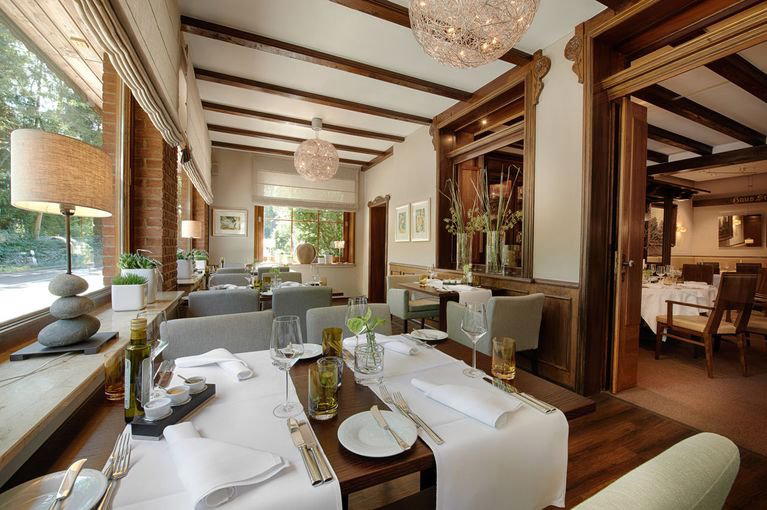
Bars in Wuppertal
Browse all →
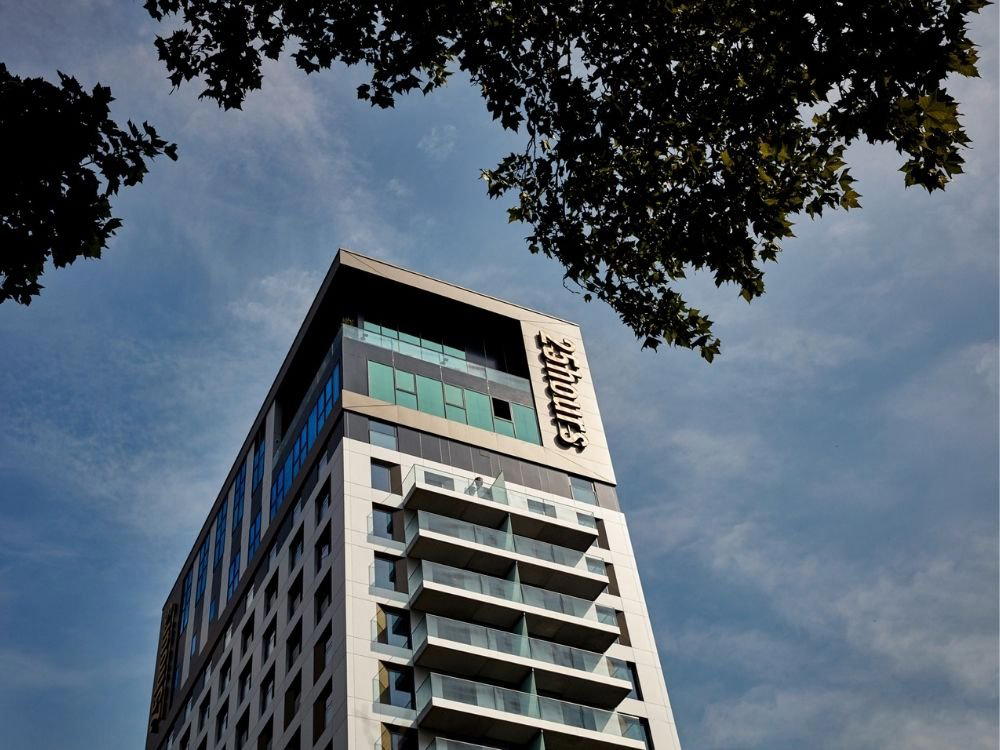
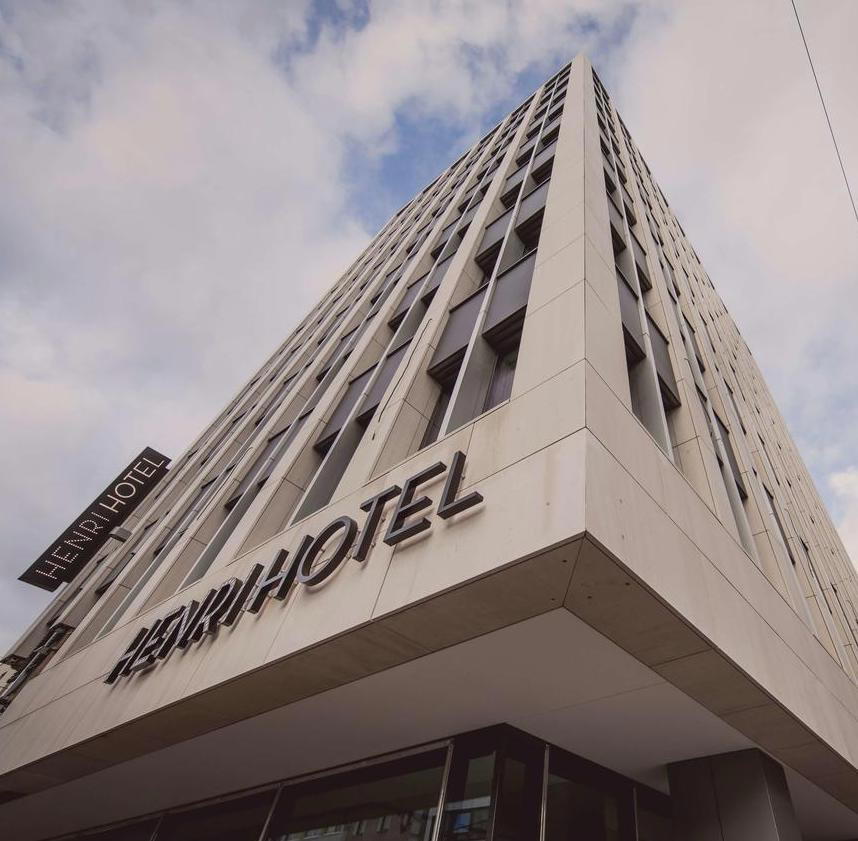
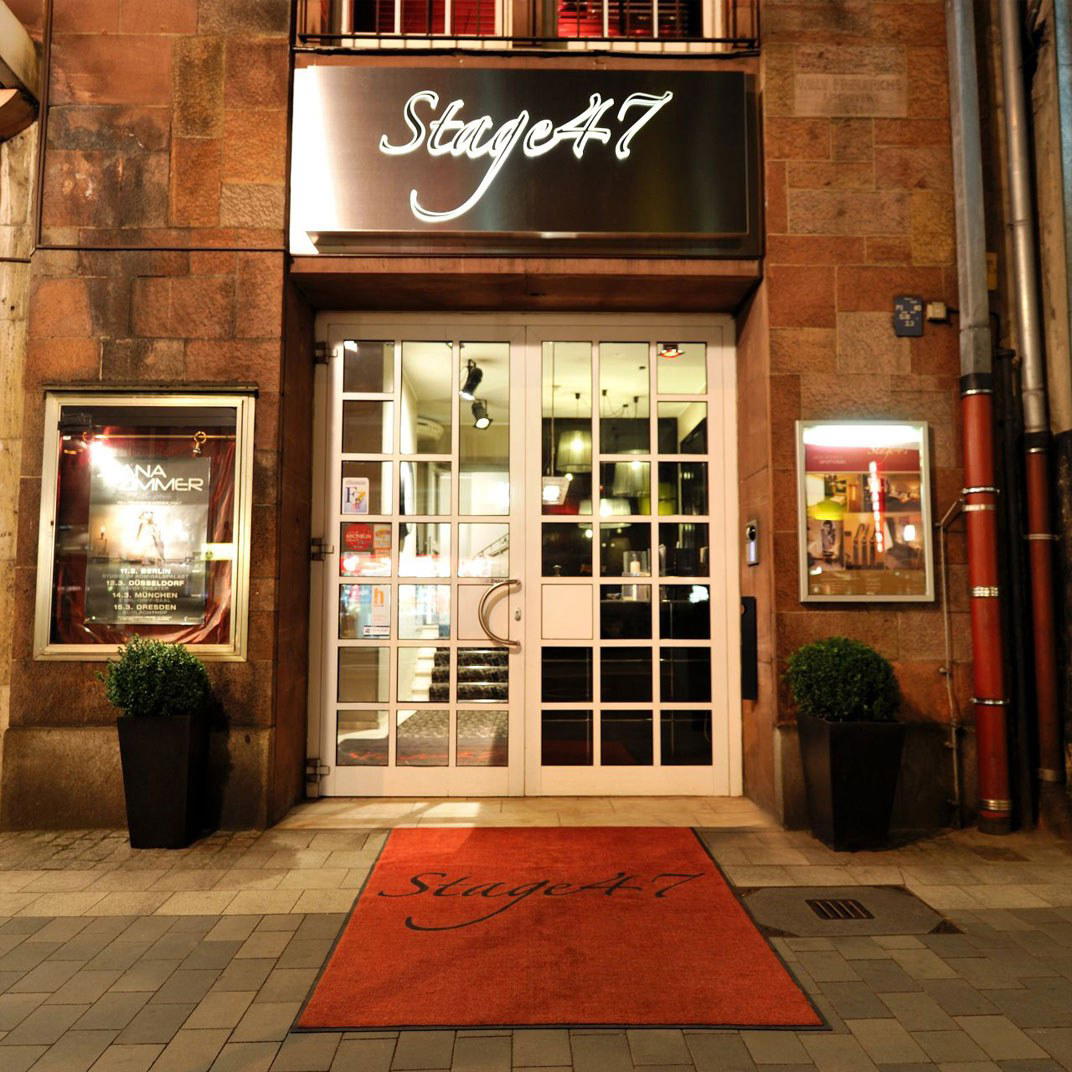
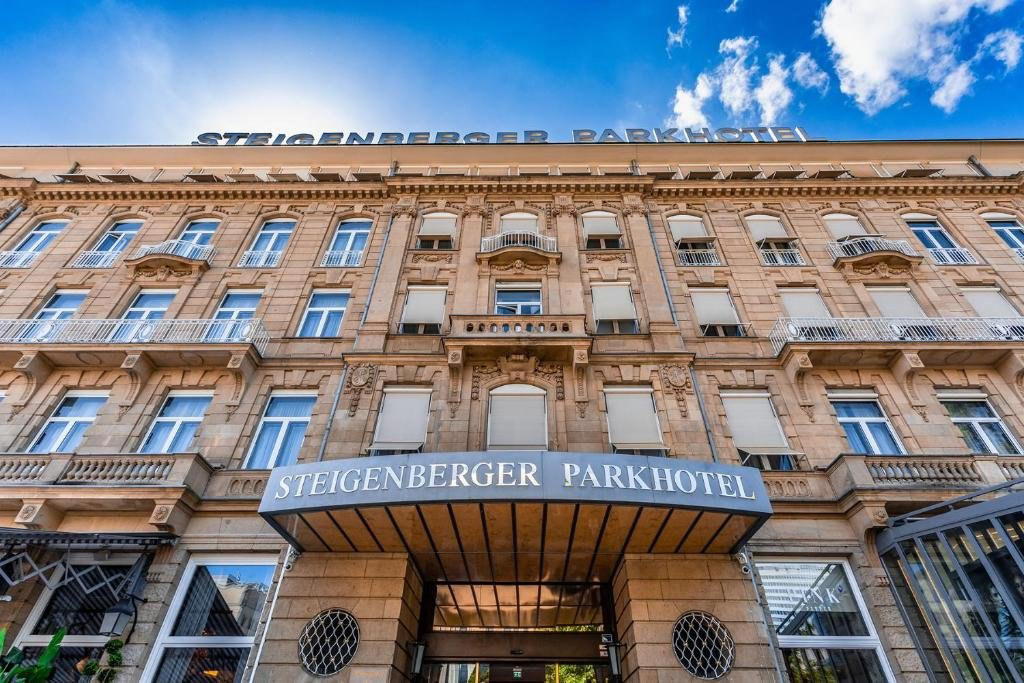
Hotels in Wuppertal
Browse all →
Wineries in Wuppertal
Browse all →
At a Glance
- Modern
- Trendy
- Energetic
- Casual Hangout
- Solo
- Group Dining
- After Work
- Late Night
- Standalone
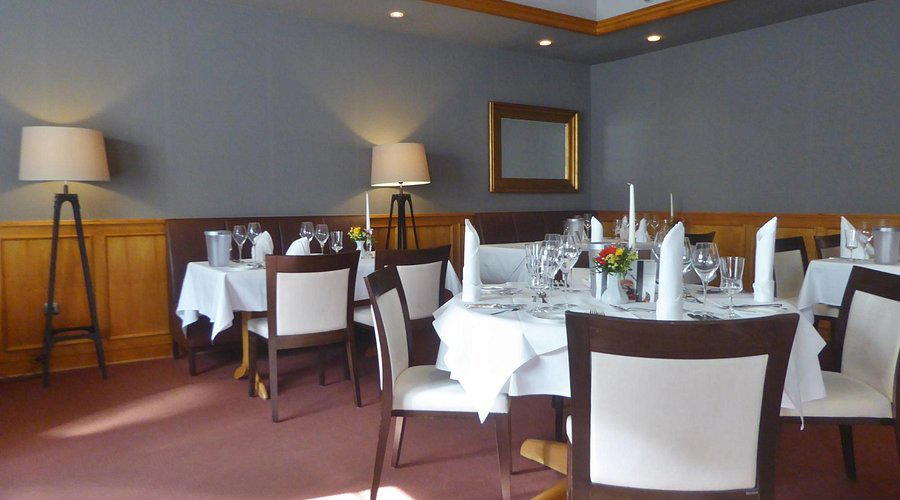
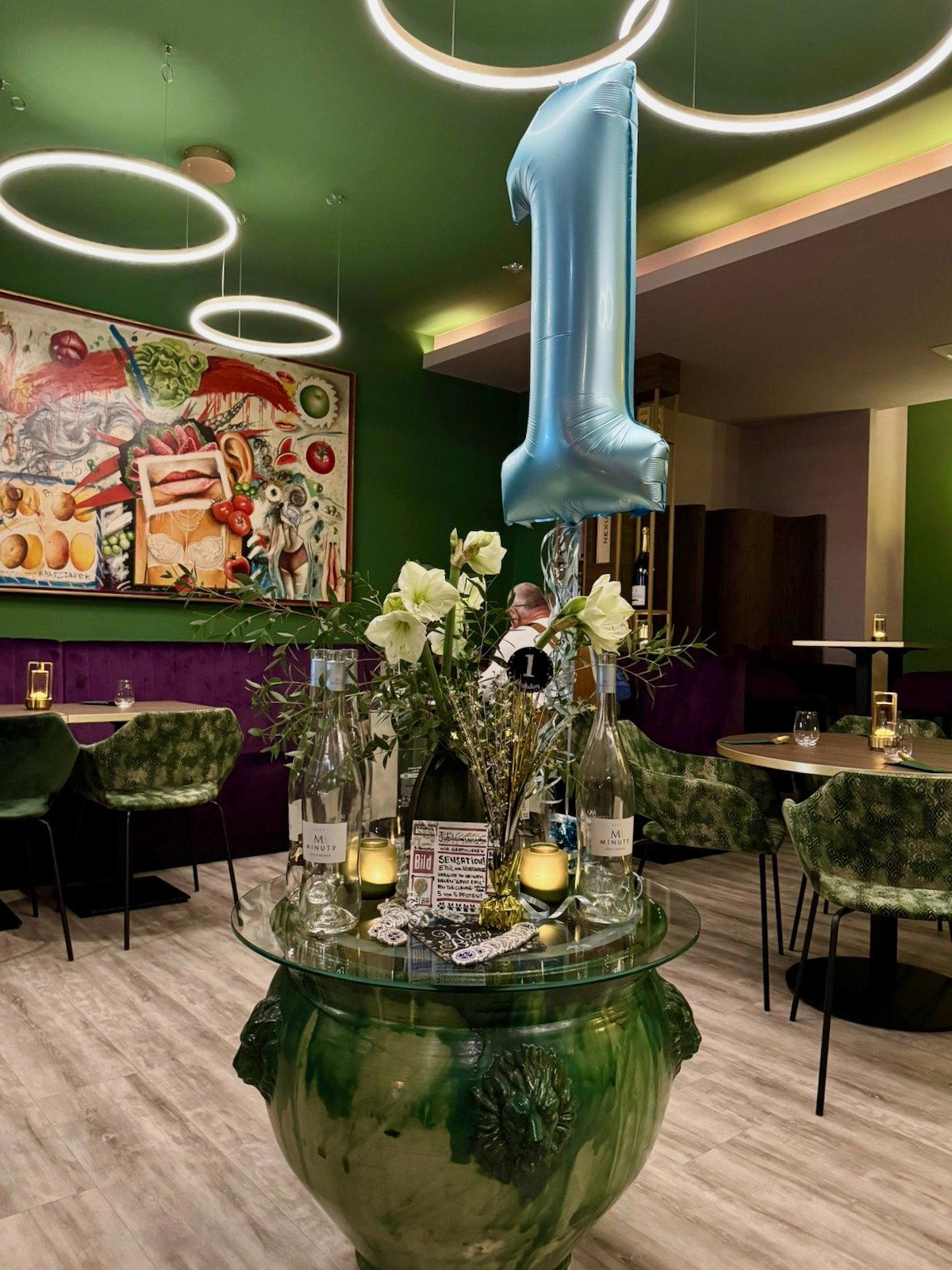
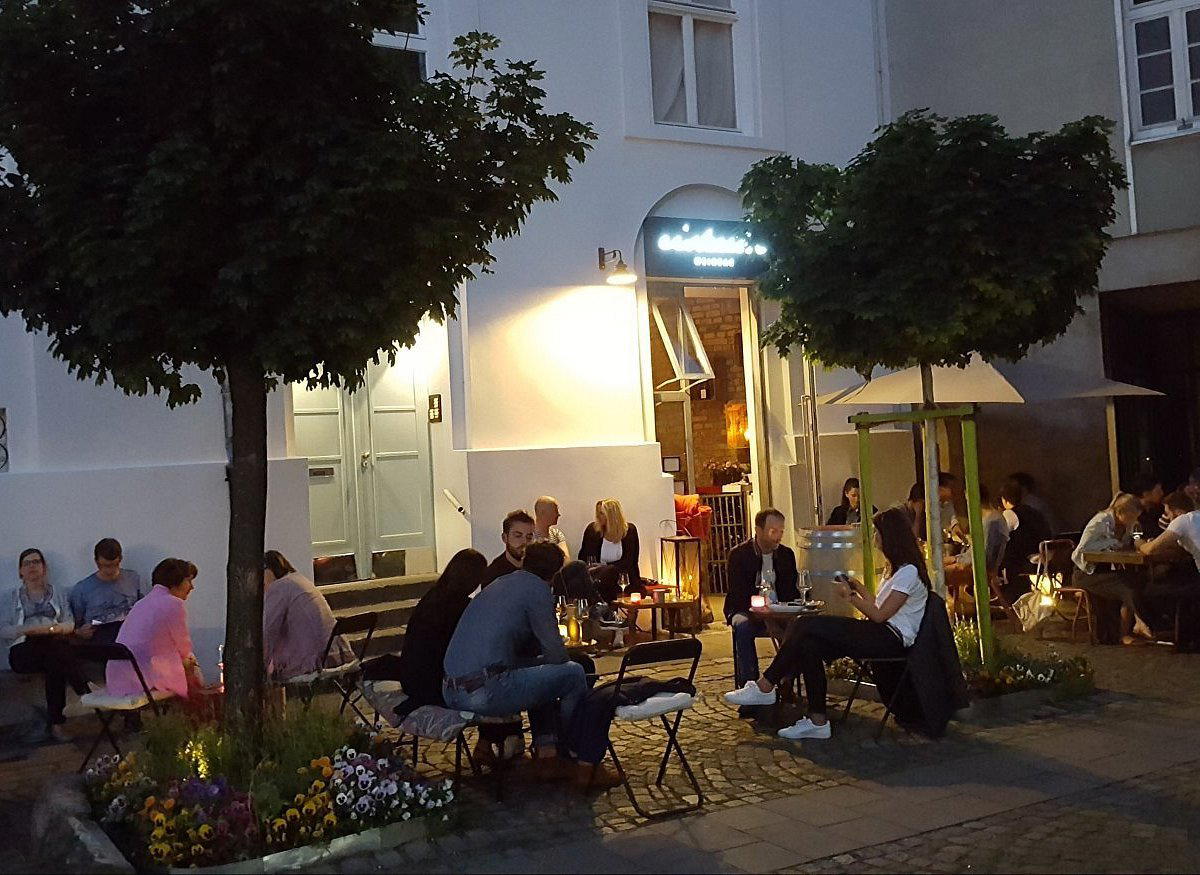
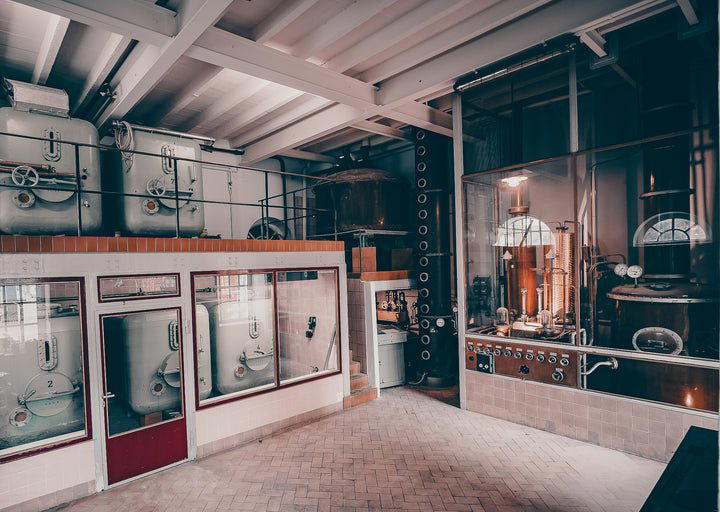
Modern design with lively atmosphere, casual fast-food environment optimized for quick service.