

1 Michelin Star
Our verdict
A Michelin-starred address in Velbert's residential outskirts, Haus Stemberg has held its star continuously and climbed to #330 in Opinionated About Dining's Classical Europe ranking for 2025. Chef Sascha Stemberg works within a modern European and farm-to-table framework that places the restaurant in a distinct tier among NRW's serious dining destinations, well outside the Düsseldorf–Cologne circuit yet drawing guests who seek it out specifically.

Pearl is the En Primeur Club membership app — saves, bookings, and concierge access live there. Same editors, same standards.
- Address
- Kuhlendahler Str. 295, 42553 Velbert, Germany
- Phone
- +49 2053 5649
- Hours
- Mon–Wed 6–11 PMThu–Fri ClosedSat–Sun 12–3 PM, 6–11 PM
- Website
- haus-stemberg.de
- Directions
- Get directions
- Booking
- Book on TheFork
The menu
What to order
- Königsberger Klopse
- Oma's Schokoladenpudding
That tradition is worth placing in context. Schwarzwaldstube in Baiersbronn and Waldhotel Sonnora in Dreis both operate on similar logic: the address is not fashionable, the food is the reason anyone drives there. Haus Stemberg belongs to that cohort rather than to the city-centre fine-dining bracket, and understanding that distinction shapes how you evaluate it.
What the Rankings Signal
Haus Stemberg holds a Michelin star for 2025, a distinction it has maintained through consecutive award cycles. More telling, perhaps, is its trajectory on the Opinionated About Dining Classical Europe list: recommended in 2023, ranked #375 in 2024, and climbing to #330 in 2025. OAD's Classical Europe list is compiled from the votes of frequent, experienced diners rather than anonymous inspector visits, which means the upward movement reflects repeat engagement from a sophisticated audience rather than a one-time evaluation.
For comparative positioning, consider where the star sits relative to the broader NRW field. Vendôme in Bergisch Gladbach, roughly 30 kilometres south, operates at the two-star level with a €€€€ price point and a distinctly different scale of ambition. The decision to remain at that price level while maintaining a star is itself an editorial stance — a signal about who the restaurant is trying to feed and what kind of experience it considers primary.
The Chef in the Building
Chef Sascha Stemberg works within a modern European and farm-to-table framework, a pairing that in lesser hands produces menus full of seasonal decoration without much structural thought. In the context of a restaurant with this kind of consistent critical approval, it signals something more considered: sourcing that shapes the menu rather than illustrates it, and European technique applied with enough restraint to let ingredient quality carry weight.
The generational dimension of Haus Stemberg is relevant here not as biography but as context for the style. Restaurants that have operated under a family name across decades develop a particular kind of cooking identity: one that tends to prioritise coherence over novelty, and that accumulates a sense of place over time rather than chasing trend cycles. That trajectory is visible in the OAD ranking movement, which rewards exactly this kind of sustained, disciplined approach. Compare this with more concept-driven peers like CODA Dessert Dining in Berlin or JAN in Munich, both of which operate in urban settings with more explicit format identities. Haus Stemberg's identity is quieter and more durational.
It is worth noting how this compares internationally. Restaurants with a similar profile, family-run, rural or semi-rural address, farm-to-table orientation, single Michelin star, consistent critical recognition, exist across France, Belgium, and northern Spain as a recognisable and respected category. For context on what single-star European cooking can achieve at the top of its range, Schanz in Piesport and ES:SENZ in Grassau offer instructive comparisons in different German regions.
Format and Service Pattern
The kitchen operates on a schedule that reflects the restaurant's priorities. Monday through Wednesday, service runs evenings only, from 6 to 11 pm. Saturday and Sunday both offer a lunch sitting from noon to 3 pm in addition to the evening service. Thursday and Friday are closed. This is not a seven-days-a-week hospitality operation; it is a restaurant that has set limits on its output, which typically correlates with tighter kitchen control and more consistent execution. For visitors travelling from outside the immediate region, the Saturday lunch format offers the most practical entry point, combining a full service window with the possibility of exploring the Bergisches Land before or after the meal.
Velbert itself is reachable from Düsseldorf in under 30 minutes by car and sits within an easy drive from Essen and Wuppertal. It is not well-served by rail connections that would make it accessible for an international visitor without a car, so the practical assumption is that most guests arrive by road. Accommodation options in Velbert are limited; most visitors staying overnight base themselves in Düsseldorf or Wuppertal and drive out for the meal. For a fuller picture of what the area offers, see our full Velbert hotels guide, our full Velbert bars guide, and our full Velbert experiences guide.enprimeurclub.com/restaurants/restaurant-haerlin-hamburg-restaurant">Restaurant Haerlin, Aqua in Wolfsburg at the three-star level, Victor's Fine Dining by Christian Bau in Perl in the Saar region. Haus Stemberg sits squarely in that network, and its OAD ranking places it among the more closely watched names within it.
For those building a wider itinerary around German fine dining, Bagatelle in Trier and the three-star Le Bernardin in New York City to Atomix in New York City, though the comparison with Haus Stemberg is one of shared critical rigour rather than stylistic overlap.
For the full picture of serious dining in the area, our full Velbert restaurants guide covers the broader field. Those planning around wine should also consult our full Velbert wineries guide for context on regional producers that may appear on the list.
Frequently asked questions
Is Haus Stemberg suitable for children?
What is the atmosphere like at Haus Stemberg?
What dish is Haus Stemberg famous for?
Comparison Snapshot
| Venue | Cuisine | Awards |
|---|---|---|
| Haus StembergThis venue — the venue you are viewing | Modern German Fine Dining | 1 Michelin Star |
| Schwarzwaldstube | French, Classic French | Michelin 3 Star |
| Aqua | Contemporary German, Italian/Japanese, Creative | Michelin 3 Star |
| CODA Dessert Dining | Creative | Michelin 2 Star |
| Tantris | Modern French, French Contemporary | Michelin 2 Star |
| Vendôme | Modern European, Creative | Michelin 2 Star |
Recognition history
Dated appearances from independent guides and award organizations, with the underlying list record or original source where available.
Michelin 1 Star
Michelin
Opinionated About Dining Classical in Europe Ranked #330
Opinionated About Dining
Full recognition history (6 entries)
Michelin 1 Star
Michelin
Michelin 1 Star
Michelin
Opinionated About Dining Classical in Europe Ranked #375
Opinionated About Dining
Opinionated About Dining Classical in Europe Recommended
Opinionated About Dining
Continue exploring
More in Velbert
Restaurants in Velbert
Browse all →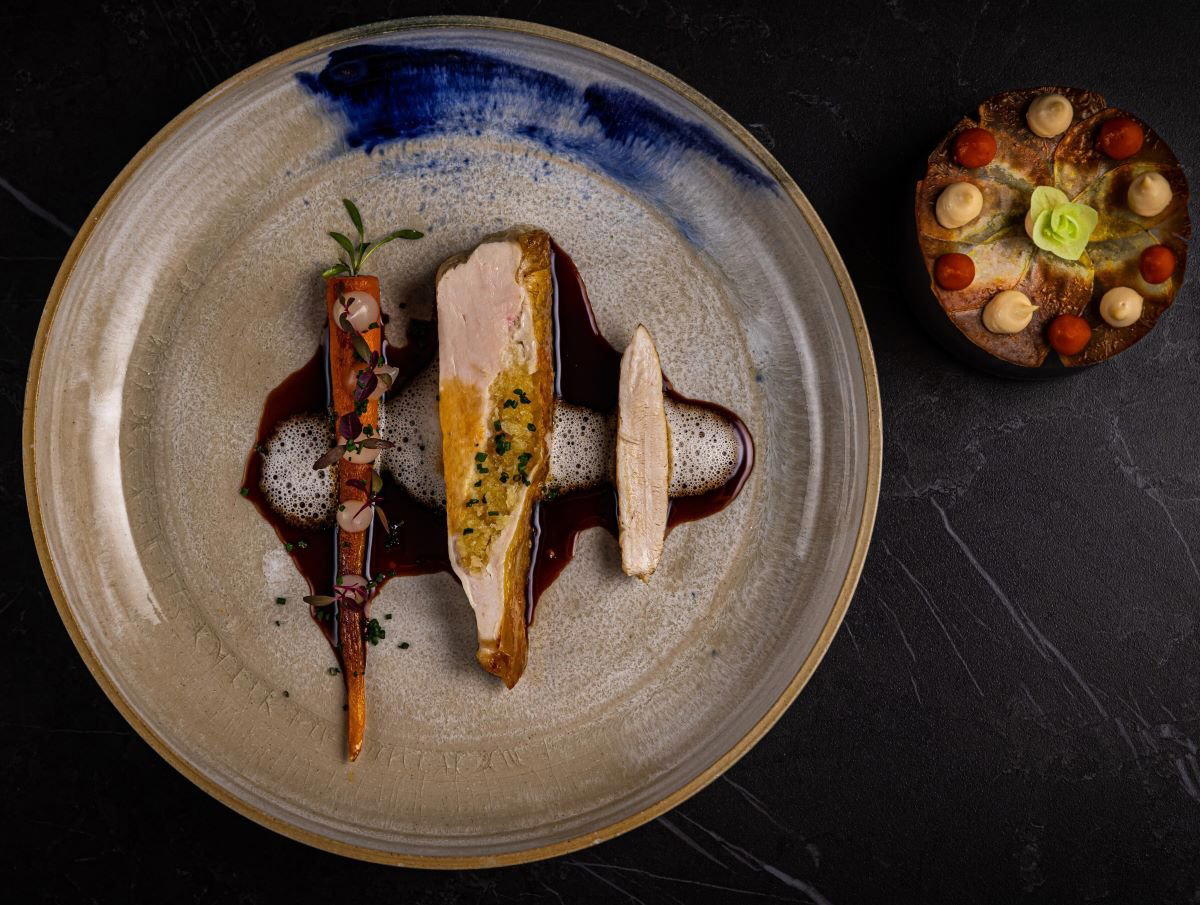
Bars in Velbert
Browse all →
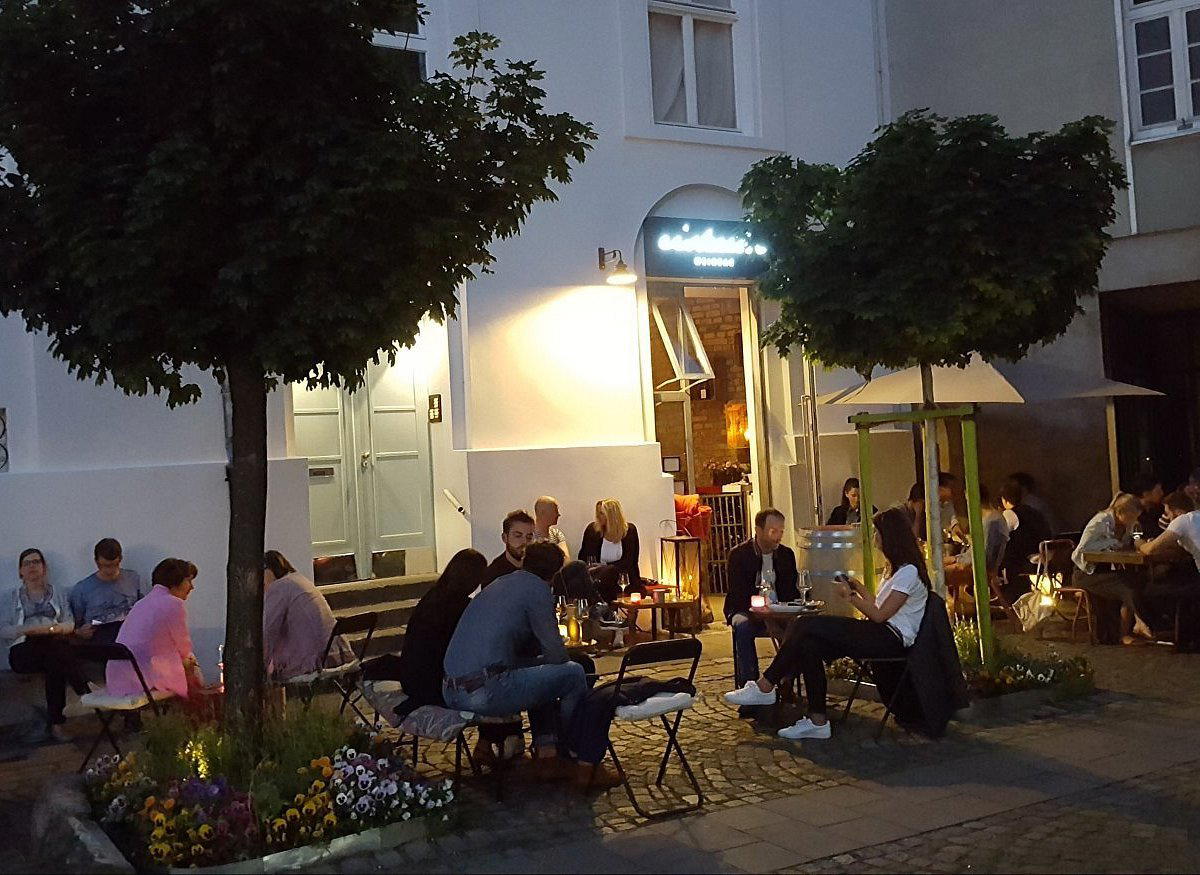
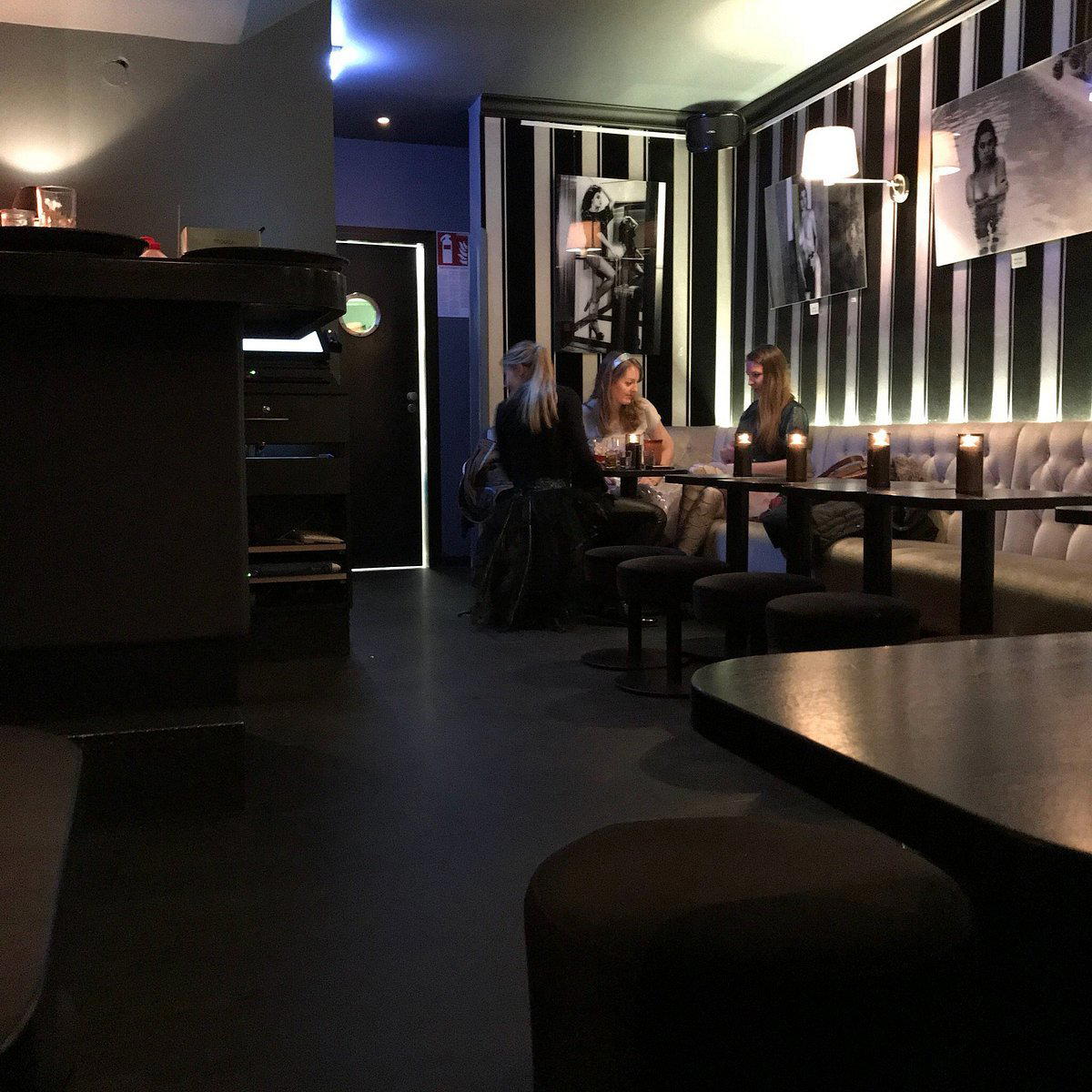
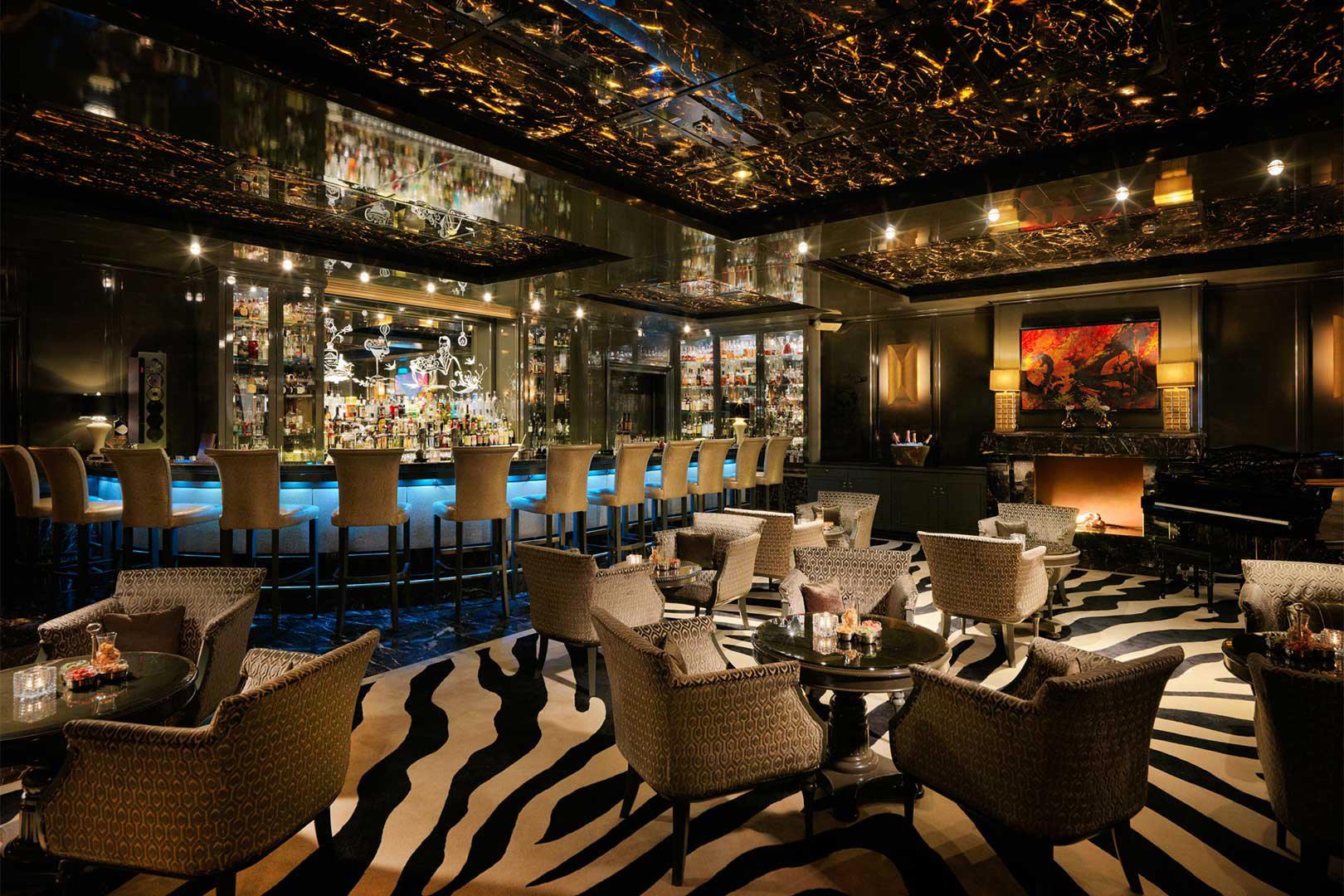
Hotels in Velbert
Browse all →
Wineries in Velbert
Browse all →
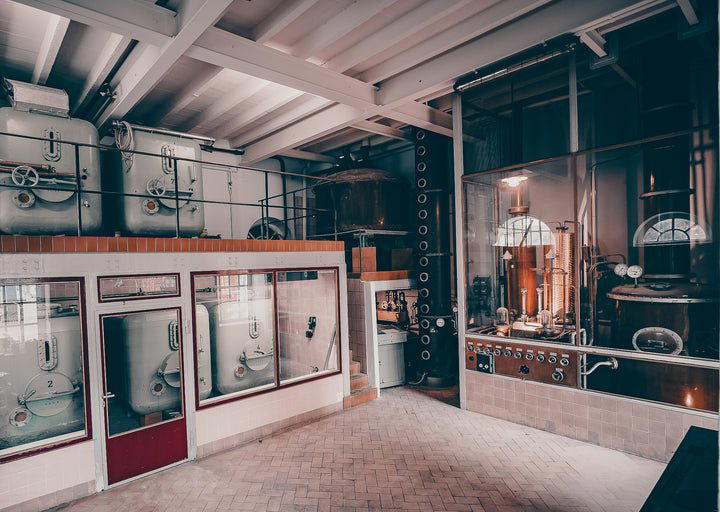
Haus Stemberg
The wine
- Wine program
- Exceptional wine program
- Extensive wine list
Details
- Elegant
- Cozy
- Sophisticated
- Rustic
- Date Night
- Special Occasion
- Celebration
- Historic Building
- Extensive Wine List
- Farm To Table
- Local Sourcing
- Tasting Menu
- A La Carte
- Vegetarian Friendly
- Vegan Options
- Gluten Free Options
Current opening hours
- Monday
- 6–11 PM
- Tuesday
- 6–11 PM
- Wednesday
- 6–11 PM
- Thursday
- Closed
- Friday
- Closed
- Saturday
- 12–3 PM, 6–11 PM
- Sunday
- 12–3 PM, 6–11 PM
Hours can change for holidays and private events. Last verified .
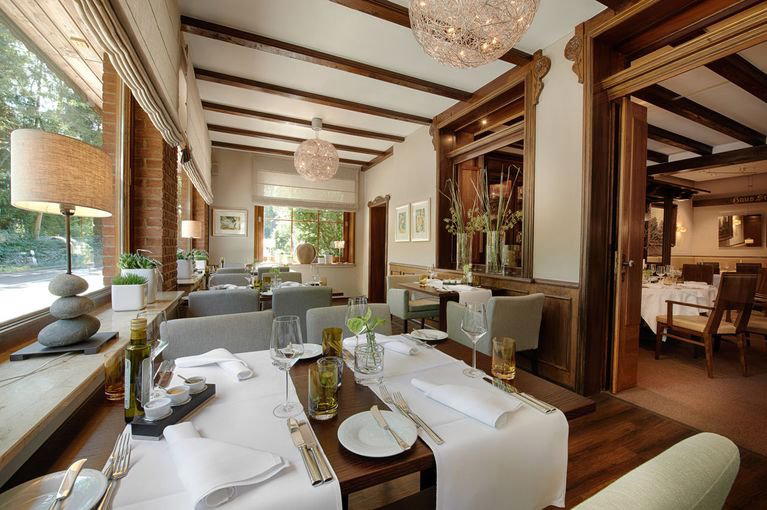
Pleasant and inviting atmosphere with stylish rustic interior, warm lighting, and laid-back yet attentive service creating familial hospitality.