Bar Cherie

Star Wine List
Bar Cherie has occupied its corner of Düsseldorf's Altstadt long enough to qualify as a genuine institution, which in the Kurze Strasse means something. Candlelight, shabby-chic French atmosphere, and a summer terrace make it a natural gathering point in one of Germany's most bar-dense city centres. For a neighbourhood that defaults to Altbier and loud crowds, Bar Cherie offers a noticeably different register.

Pearl is the En Primeur Club membership app, where members save venues, book tables and use the concierge.
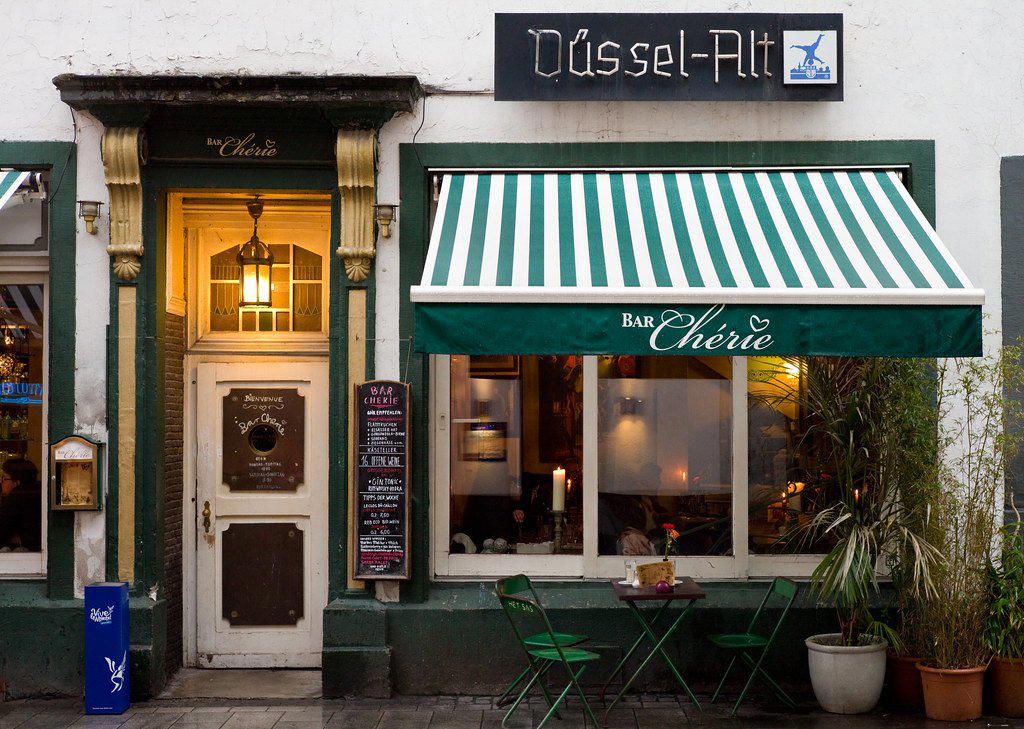
Candlelight and Shabby-Chic in the Altstadt: What Bar Cherie Represents
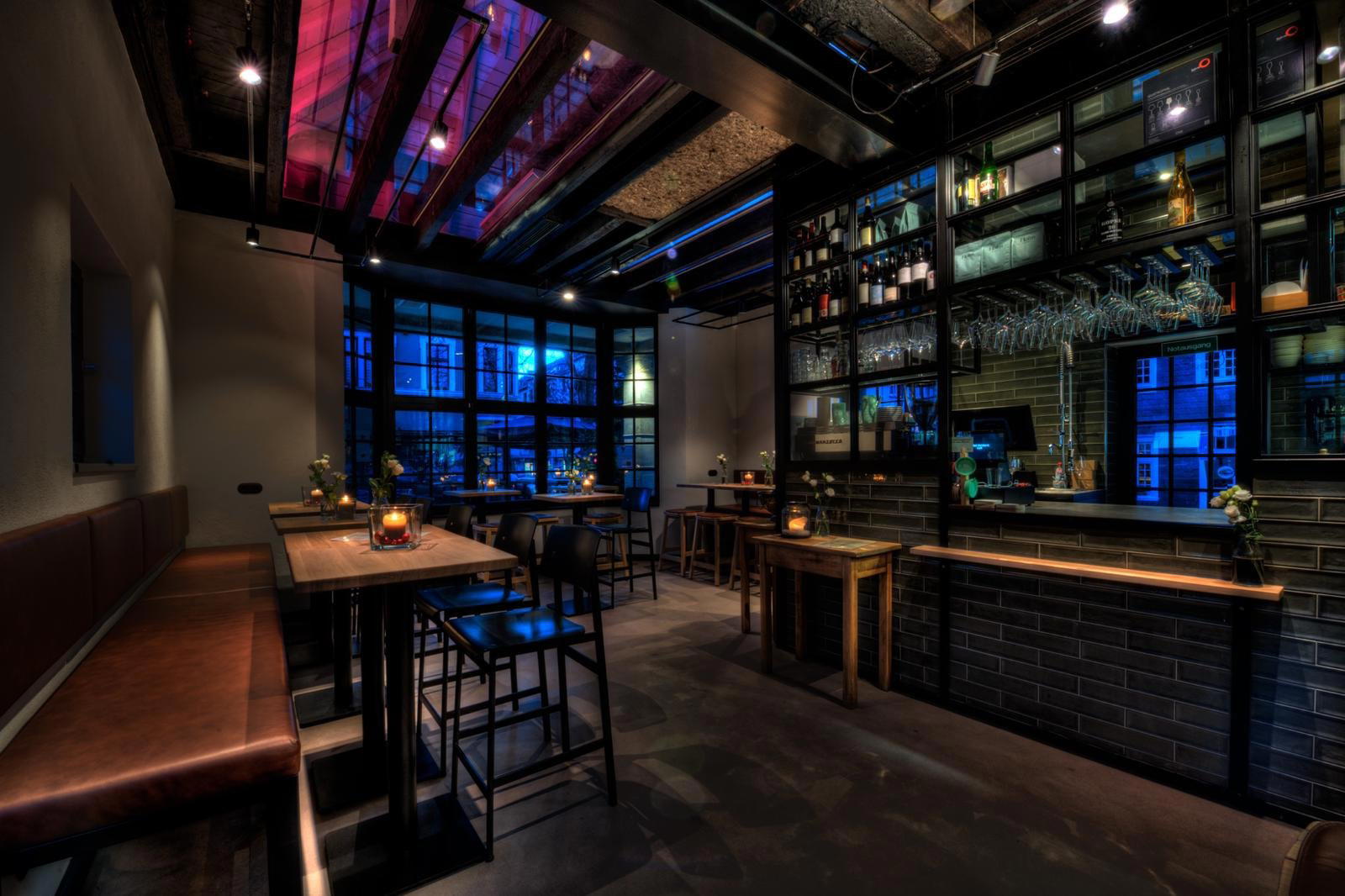
Düsseldorf's Altstadt carries a reputation that precedes it: the densest concentration of bars per square kilometre in Germany, a title the city has traded on for decades. The majority of what lines those streets follows a familiar formula, Altbier on tap, standing crowds, noise levels calibrated against any possibility of conversation. Against that backdrop, Bar Cherie at Kurze Strasse 2 operates in a deliberately different register. The candlelit interior, the worn textures of its shabby-chic fit-out, the French atmospheric touches, these are not accidental contrasts to the street outside. They are a position statement about what kind of bar this is, and what kind of evening it is designed to hold.
That positioning has held long enough for Bar Cherie to be considered a genuine institution in the city, which is a meaningful designation in a district where bars open and close on short cycles. Longevity in the Altstadt is earned, not assumed, and the bar's sustained presence points to something that resonates beyond novelty.
The Atmosphere in Detail
Walking into Bar Cherie after dark, the tonal shift from the Altstadt's main drag is immediate. Candlelight does a specific kind of work in a bar: it flattens time, it reduces the radius of social attention, it makes the conversation at your table feel more weighted than anything happening elsewhere. The shabby-chic aesthetic, which arrived in German bar culture via French café tradition, reads here as considered rather than trend-chasing. Worn surfaces alongside soft light create an environment where the drink in hand takes on more focus than it might in a brighter, louder room.
The French accent in the design connects Bar Cherie to a broader tradition of Parisian-inflected bar culture that has never entirely settled in Germany the way it has in cities like Vienna or Amsterdam. In Düsseldorf, where the dominant social drinking culture skews towards the communal and the unpretentious, a bar with this kind of deliberate atmosphere occupies a small but well-defined niche. It draws people who want the Altstadt's geography without its loudest characteristics.
In summer, the dynamic extends outdoors. A terrace seating arrangement brings the bar's atmosphere into the street, which changes the experience materially. Outdoor seating in the Altstadt is not a differentiator by itself, much of the neighbourhood moves outside when temperatures allow, but the ability to extend Bar Cherie's particular tone into a terrace setting, rather than simply adding more chairs to a pavement, is worth noting when planning a warm-weather visit. The summer configuration tends to draw the bar's regular crowd outward rather than replacing it with a different clientele.
The Drinks Context
Germany's cocktail bar scene has undergone a quiet structural shift over the past decade. The country's major cities now host a tier of technical cocktail programmes that compete credibly with those in London, New York, or Tokyo. In Düsseldorf, venues like CLAUDE wein bar, Concept Riesling, and Eiskeller Weinbar represent different ends of that spectrum, from wine-focused formats to cellar-concept drinking. Bar Cherie sits within this broader scene but with a different emphasis: atmosphere as the primary offering, drinks as an integral part of the mood rather than the headline proposition.
That framing is not a weakness. Some of the most enduring bars in European cities function exactly this way, they have a reliable, well-executed drinks selection that supports the environment without requiring the environment to justify itself through cocktail technique. The French-inflected setting naturally pulls toward classic European bar formats: spirits, wine, simple long drinks assembled with care. In the broader context of Germany's bar culture, where the tension between Altbier tradition and contemporary cocktail ambition is constant, this is a coherent and deliberate position.
For comparison, bars operating at the technical cocktail end of the German market include Buck and Breck in Berlin, which has held sustained international recognition for its low-capacity, high-craft format, and Goldene Bar in Munich, which combines heritage setting with a programmatic drinks approach. The Parlour in Frankfurt offers another point of reference for atmosphere-led bar culture in a German financial city context.
Who Goes and When
The Altstadt draws a wide demographic, but within that general flow, Bar Cherie's atmosphere self-selects toward an older, less occasion-driven crowd than the area's dominant bar type. The candlelit interior and the quieter pitch of the space make it a better fit for a date, a small group of friends who want to talk, or a solo evening with a glass and a book than for the communal standing-crowd formats that define much of the street. This is not the place where large stag parties or hen groups tend to linger.
Seasonally, the bar's character shifts between its winter interior and summer terrace modes. The interior version, which is the one that has built Bar Cherie's reputation over time, is at its most characteristic in the colder months, when candlelight and warmth carry more atmospheric weight against the cold outside. Summer visits trade some of that enclosed intimacy for the ease of outdoor seating, which suits a different kind of evening.
Planning a Visit
Bar Cherie sits at Kurze Strasse 2, within walking distance of the Altstadt's central cluster and easily reachable from Düsseldorf's Hauptbahnhof. As with most Altstadt bars, the area is leading approached on foot once you arrive in the neighbourhood. For a bar of this character and scale, booking is not standard practice, walk-in is the norm. Weekend evenings in the Altstadt move quickly, so earlier arrival works better if you want to choose your seat rather than take what's available. For further context on the broader Düsseldorf drinking scene, see our full Düsseldorf bars guide.
Those building a longer Düsseldorf visit around food and drink will find additional orientation in our full Düsseldorf restaurants guide, our full Düsseldorf hotels guide, our full Düsseldorf wineries guide, and our full Düsseldorf experiences guide. For international reference points on atmosphere-led bar culture that shares something of Bar Cherie's register, Bar Leather Apron in Honolulu is worth examining as a case study in how a specific, sustained atmosphere can anchor a bar's identity across years of operation.
A Quick Peer Check
Comparable venues nearby, for context on price, style, and recognition.
| Venue | Cuisine | Price | Awards | Notes |
|---|---|---|---|---|
| Bar CherieThis venue (the venue you are viewing) | wine_bar | $20–30 | Star Wine List | Not listed |
| Concept Riesling | wine_bar | $20–30 | Star Wine List · Falstaff Wine Bar - 91 Falstaff Points | Carlstadt |
| CLAUDE wein bar | wine_bar | $30–50 | Star Wine List · Falstaff Wine Bar - 91 Falstaff Points | Friedrichstadt |
| Weinlokal Galerie | wine_bar | $20–30 | Star Wine List · Falstaff Restaurant - 90 Falstaff Points | Carlstadt |
| Pommes und Wein (Pelican Fly) | wine_bar | $20–30 | Star Wine List | Unterbilk |
| Wyno Weinbar | wine_bar | $20–30 | Star Wine List · Falstaff Wine Bar - 89 Falstaff Points | Flingern Nord |
Recognition history
Dated appearances from independent guides and award organizations, with the underlying list record or original source where available.
Star Wine List
Star Wine List
Continue exploring
More in Düsseldorf
Bars in Düsseldorf
All bars in Düsseldorf →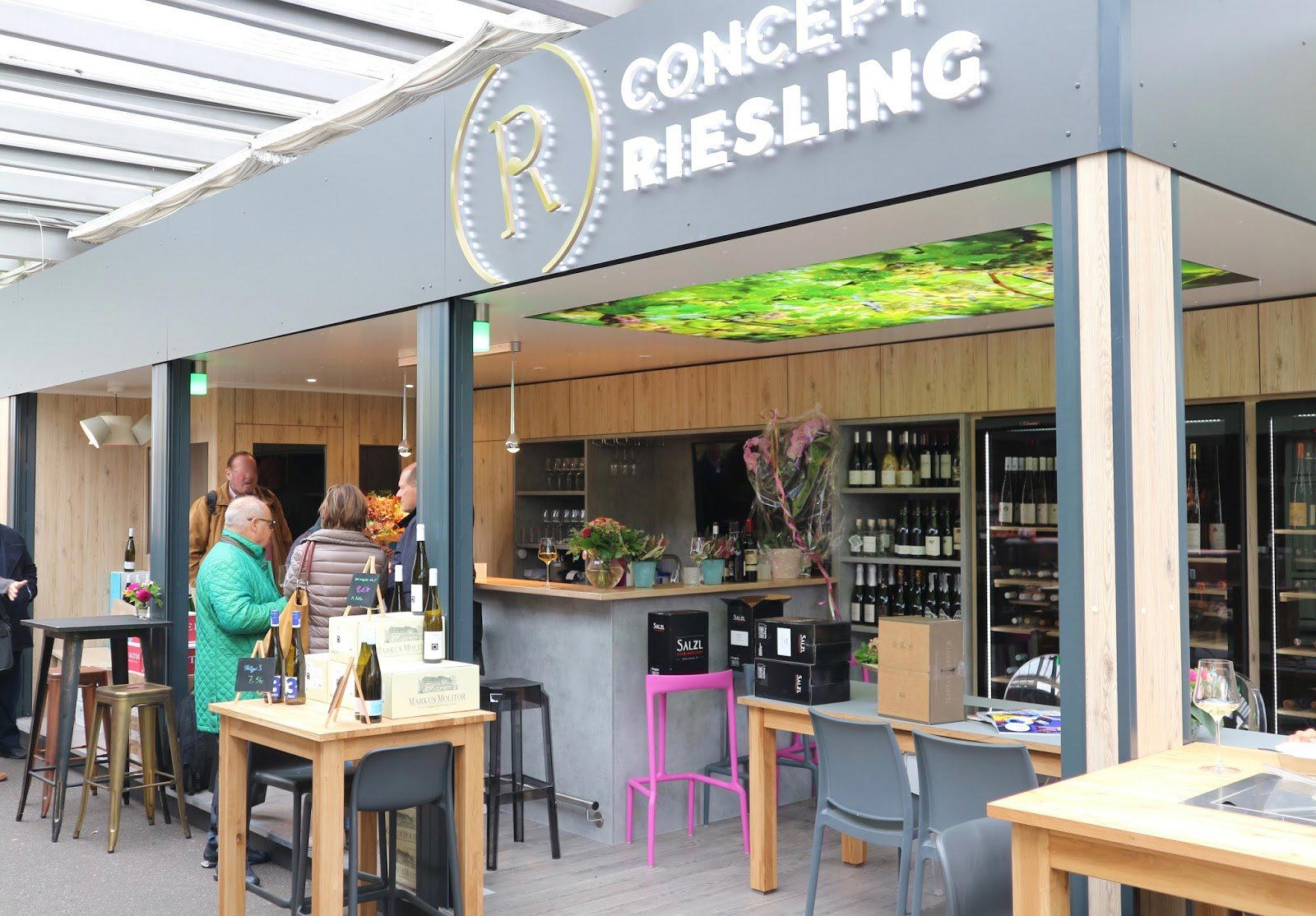
Restaurants in Düsseldorf
All restaurants in Düsseldorf →
Hotels in Düsseldorf
All hotels in Düsseldorf →
Wineries in Düsseldorf
Browse all →
Details
- Cozy
- Trendy
- Intimate
- Whimsical
- Date Night
- Casual Hangout
- Standalone
- Seated Bar
- Lounge Seating
- Classic Cocktails
- Conventional Wine
Current opening hours
- Monday
- 5 PM–2 AM
- Tuesday
- 5 PM–2 AM
- Wednesday
- 5 PM–2 AM
- Thursday
- 5 PM–3 AM
- Friday
- 5 PM–4 AM
- Saturday
- 3 PM–4 AM
- Sunday
- 3 PM–2 AM
Hours can change for holidays and private events. Hours as of .
Cozy and lively with a distinctive old-fashioned, slightly seedy Parisian vibe, artistic flair, and warm lighting.