LA VIE by thomas bühner



LA VIE by Thomas Bühner holds a Michelin star (2025) and a We're Smart 5 Radishes recognition for its plant-forward modern cuisine at Schlüterstraße 1, Düsseldorf. Resident chef Timo Fritsche drives the kitchen's seasonal plant-based programme, placing the restaurant in the narrow tier of Düsseldorf fine dining where vegetable-led tasting menus compete on the same level as classic European formats.
Pearl is the En Primeur Club membership app — saves, bookings, and concierge access live there. Same editors, same standards.
- Address
- Schlüterstraße 1, 40235 Düsseldorf, Germany
- Phone
- +49 1517 2385555
- Website
- laviebythomasbuehner.de
- Directions
- Get directions
 Saves & bookings on Pearl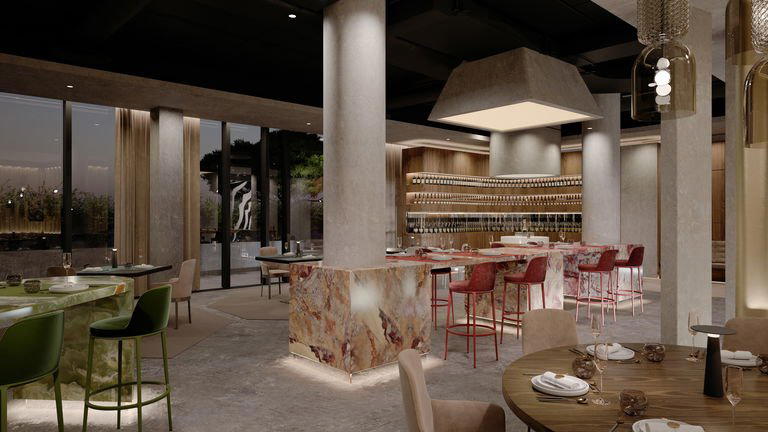
Where Düsseldorf's Fine Dining Turns Toward the Garden
Schlüterstraße is not the address most visitors associate with Düsseldorf's haute cuisine circuit. The city's fine dining tends to concentrate around the Altstadt waterfront and the Königsallee corridor, which makes LA VIE's position in the residential pocket of Düsseldorf-Flingern a quiet signal in itself. Arriving here, you are already outside the competitive cluster that includes Grande Étoile and the more central multi-course rooms. The separation is partly geographical, but it also describes something about the kitchen's priorities: this is a room that has positioned itself against a national comparable set rather than a neighbourhood one.
In the broader German fine dining conversation, plant-forward tasting menus have moved from novelty to a recognised sub-category with its own credentialing system. LA VIE holds a Michelin star alongside strong plant-based recognition, giving the restaurant a second axis of reputation to build on. LA VIE holds a Michelin star alongside strong plant-based recognition, a combination that places it in a small cohort of German kitchens operating simultaneously across both frameworks. For context, CODA Dessert Dining in Berlin occupies a similarly niche credential position, a room whose identity is defined as much by what it refuses to do as by what it executes.
The Arc of the Meal
Modern cuisine at this price tier in Germany, LA VIE is priced at €€€€, almost always delivers through a tasting menu format, and the logic here is particularly well suited to that structure. A plant-based progression depends on building complexity across courses in a way that a single plate cannot achieve: the early courses establish acidity and freshness, the middle courses carry the textural and umami load, and the final savoury stages need enough density to satisfy without animal protein doing the structural work. Getting that arc right requires kitchen discipline that is harder to assess from outside than the Michelin star it produces.
Resident chef Timo Fritsche is the figure shaping that progression. Within plant-based fine dining, the 5 Radishes designation is a meaningful credential: it signals a kitchen working with 100% plant-sourced ingredients at the leading level of technique, not a kitchen that has added a vegetarian option to an otherwise conventional menu. The distinction matters when comparing LA VIE to Düsseldorf peers like 1876 Daniel Dal-Ben or Agata's, both of which operate in the creative fine dining tier but without the same plant-specific framing.
The seasonal dimension of the menu is, in a kitchen of this type, not a marketing term but a structural necessity. Plant-based cuisine at this level relies on ingredient quality in a more exposed way than kitchens that can use protein as a flavour anchor regardless of seasonal fluctuation. A root vegetable in January and the same vegetable in October are not the same ingredient, and the menu's credibility depends on the kitchen treating them differently. This is where the tasting format's arc becomes most visible: a well-executed progression will use seasonal peaks to determine which courses carry which functions in the meal's overall narrative.
Düsseldorf's Fine Dining Tier: Where LA VIE Sits
Düsseldorf's Michelin-recognised restaurants occupy a range from single-star rooms to the three-star level of Im Schiffchen. Within that spread, LA VIE's single star situates it in the city's second tier by star count, but the We're Smart recognition adds a dimension that the Michelin hierarchy does not capture. Germany's plant-based fine dining circuit runs through a small number of rooms that have committed fully to the format, and LA VIE is one visible entry point in the Rhine-Ruhr region. Nationally, that places it in a conversation with rooms like Schwarzwaldstube in Baiersbronn and Vendôme in Bergisch Gladbach, the latter a three-star benchmark that contextualises how far the category can travel.
Internationally, the model has precedents in rooms like Frantzén in Stockholm, where the tasting format uses ingredient sourcing as the central narrative. The difference is that LA VIE's commitment is categorical: there is no meat or fish menu to fall back on. That creates a more demanding brief for the kitchen and a more defined expectation for the guest. Diners considering LA VIE who have experienced Lido Hafen or Setzkasten in Düsseldorf's more conventional format will find the experience structured around different reference points.
Thomas Bühner's Role in the Wider Programme
Chef-owner Thomas Bühner's position in the kitchen is worth clarifying for anyone booking. Bühner is not the chef running daily service at Schlüterstraße 1. The kitchen's day-to-day standards are carried by Fritsche, which is a familiar structure in German fine dining: a named chef-owner whose reputation anchors the room, and a resident chef whose technique determines what actually arrives on the table. The arrangement is comparable in structure, though not in scale, to the way Aqua in Wolfsburg operates within the Ritz-Carlton framework, institutional identity supported by the person working the pass each service.
Bühner's decision to orient the restaurant around plant-based cuisine at this level represents a deliberate positioning choice. Among German Michelin-starred kitchens, the ratio of rooms committed to fully plant-based menus remains small. The restaurant's dual credentialing, star plus radishes, is not accidental; it reflects a kitchen that has chosen to be evaluated on both scales simultaneously, which few rooms attempt.
Planning a Visit
LA VIE is located at Schlüterstraße 1, 40235 Düsseldorf, in the Flingern district, accessible by tram or a short taxi from the Hauptbahnhof. At the €€€€ price point, matching the level of Düsseldorf peers such as Nagaya and Im Schiffchen, guests should approach the booking as they would any single-star tasting room: advance reservation is necessary, and the format suits guests who are prepared for a full-evening commitment rather than a shorter dinner.
The full Düsseldorf restaurants guide situates LA VIE within the city's complete fine dining range, including rooms at adjacent price points and format types. Those planning a broader German tour with fine dining as the throughline might also consider JAN in Munich and ES:SENZ in Grassau for regional contrast, or extend internationally to FZN by Björn Frantzén in Dubai for a different take on the chef-owner travelling-kitchen model.
Cost and Credentials
Comparable venues nearby, for context on price, style, and recognition.
| Venue | Cuisine | Price | Awards | Notes |
|---|---|---|---|---|
| LA VIE by thomas bühner | Not listed | $$$$ | Michelin 1 Star | Flingern Nord, French-Asian Fusion Fine Dining |
| Agata's | Not listed | $$$$ | Michelin 1 Star | Unterbilk, Modern International with Asian Influences |
| 1876 Daniel Dal-Ben | Düsseltal, Modern Creative Fine Dining | $$$$ | Michelin 1 Star | Not listed |
| Setzkasten | Not listed | $$$$ | Michelin 1 Star | Stadtmitte, Modern German Fine Dining with Central Asian Influences |
| Jae | Not listed | $$$$ | Michelin 1 Star | Friedrichstadt, Modern Korean-European Fusion |
| Yoshi by Nagaya | Stadtmitte, Modern Japanese Omakase | $$$$ | Michelin 1 Star | Not listed |
Recognition history
Dated appearances from independent guides and award organizations, with the underlying list record or original source where available.
Falstaff Restaurant - 93 Falstaff Points
Falstaff
Michelin 1 Star
Michelin
Michelin 1 Star
Michelin
We're Smart World Top 100 #83
We're Smart World
We're Smart World 5 Radishes
We're Smart World
Continue exploring
More in Düsseldorf
Restaurants in Düsseldorf
Browse all →
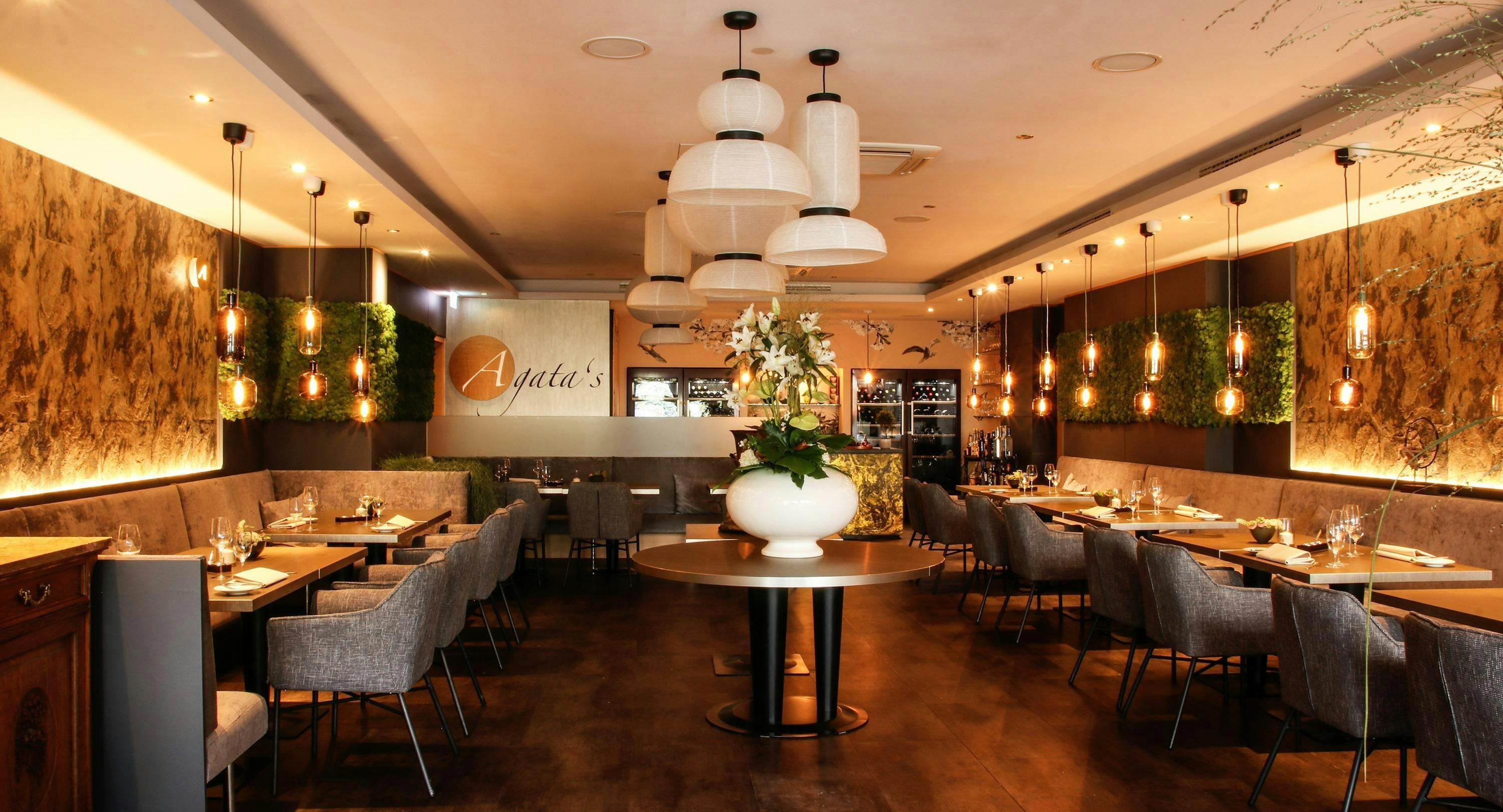
Bars in Düsseldorf
Browse all →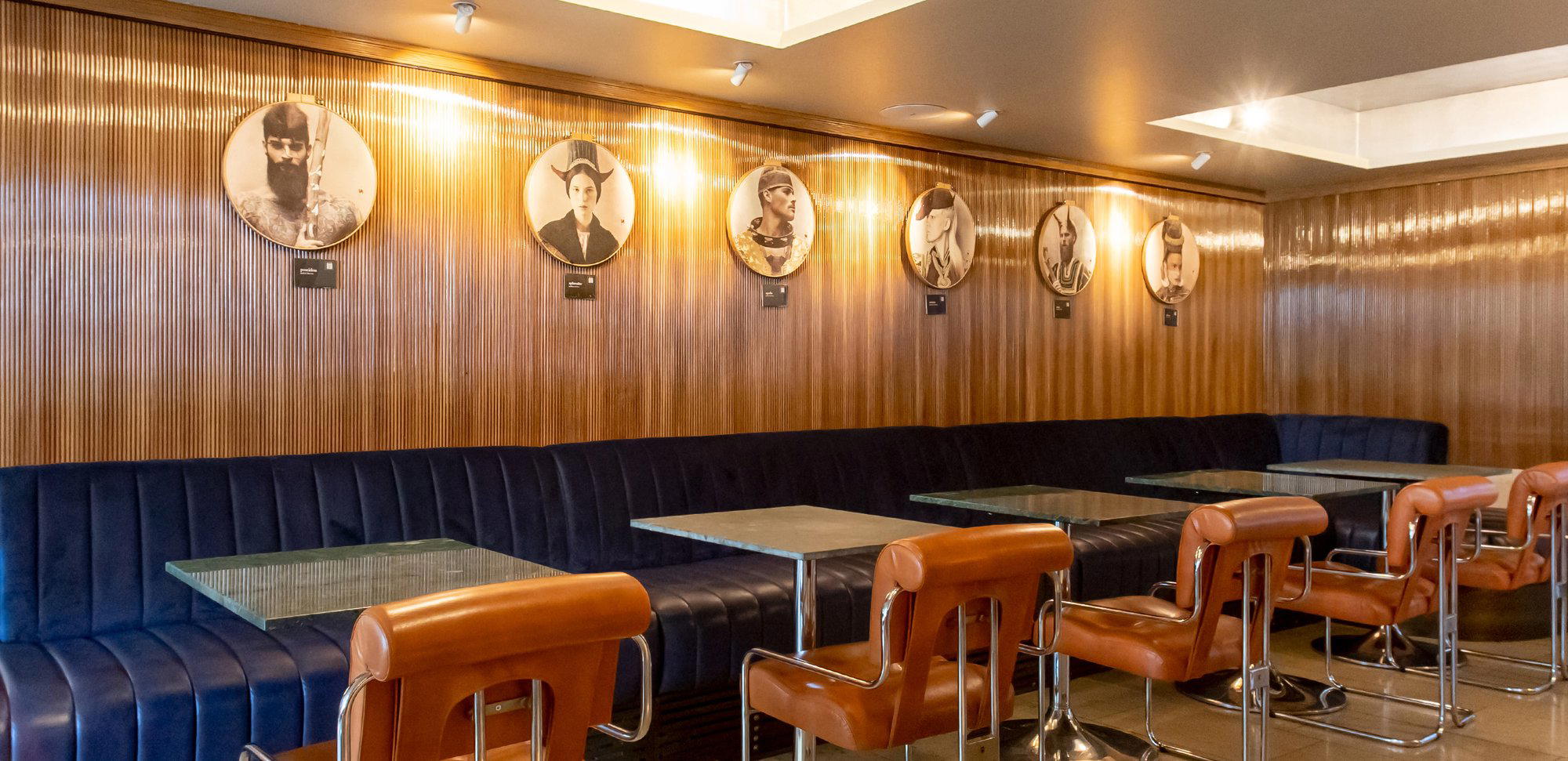
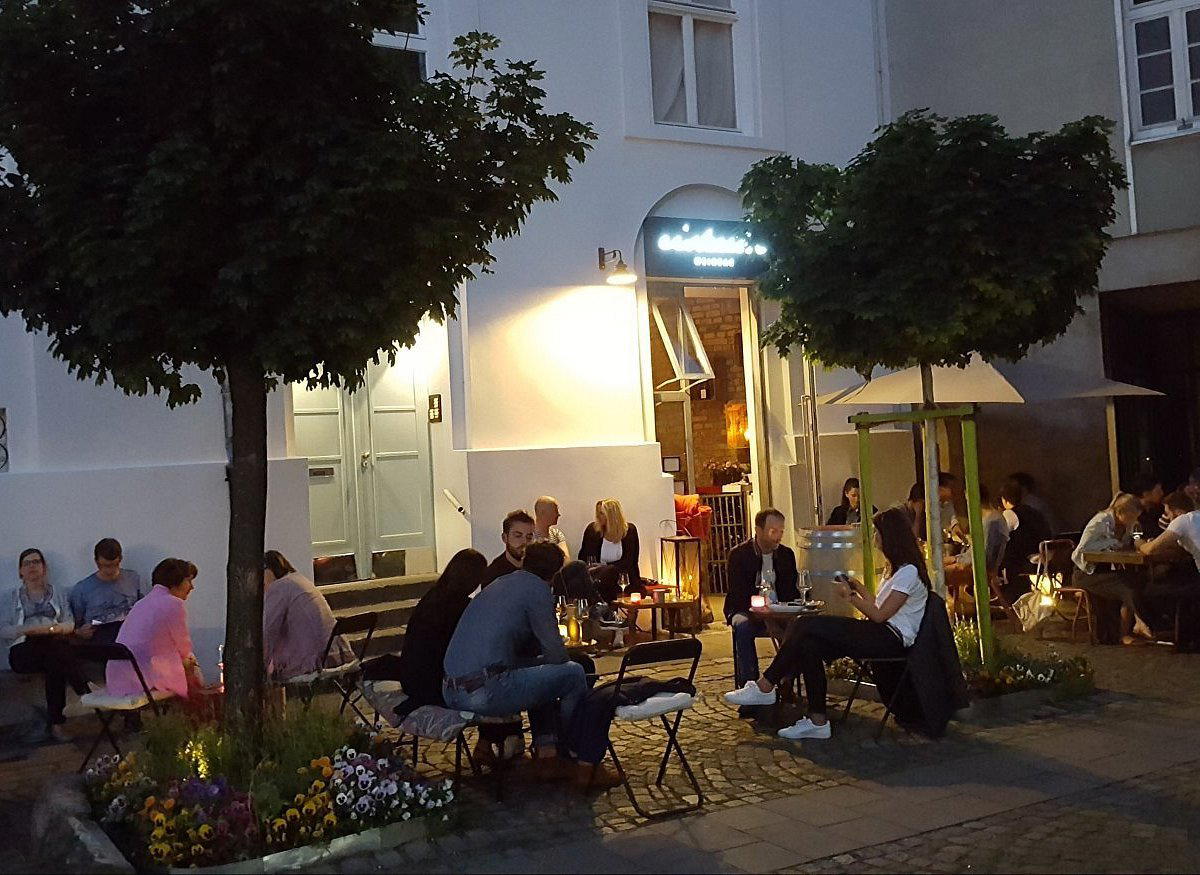
Hotels in Düsseldorf
Browse all →
Wineries in Düsseldorf
Browse all →
At a Glance
- Elegant
- Sophisticated
- Modern
- Intimate
- Date Night
- Special Occasion
- Standalone
- Sommelier Led
- Local Sourcing
Current opening hours
- Monday
- Closed
- Tuesday
- Closed
- Wednesday
- 6:30–11 PM
- Thursday
- 6:30–11 PM
- Friday
- 6:30–8:30 PM
- Saturday
- 6:30–8:30 PM
- Sunday
- 12:30–2:30 PM
Hours can change for holidays and private events. Last verified .
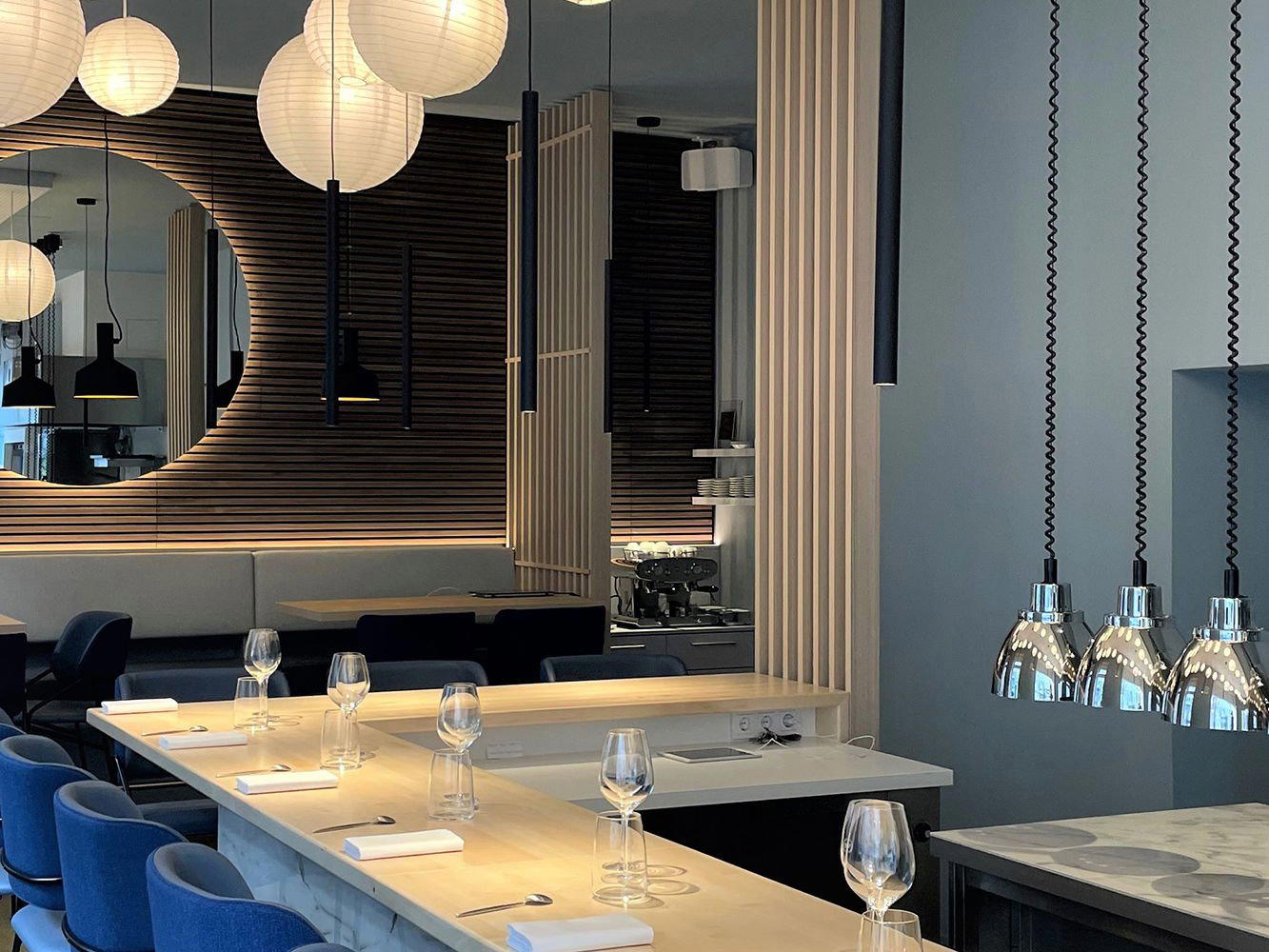
Timelessly elegant interior with high design standards, creating a sensory total experience where architecture enhances culinary enjoyment.