A Turkish restaurant in Wuppertal's Oberbarmen district, Esskultürk sits in a city where mid-market international dining has grown considerably over the past decade. The address on Besenbruchstraße places it within a neighbourhood that reflects Wuppertal's substantial Turkish-German community, giving the kitchen a direct connection to the cultural traditions that shape its menu. For visitors exploring the city's less-toured dining options, it represents a practical and grounded entry point into that scene.
Pearl is the En Primeur Club membership app — saves, bookings, and concierge access live there. Same editors, same standards.
- Address
- Besenbruchstraße 7, 42285 Wuppertal, Germany
- Phone
- +4920225349135
- Website
- esskultuerk.de
- Directions
- Get directions
 Saves & bookings on Pearl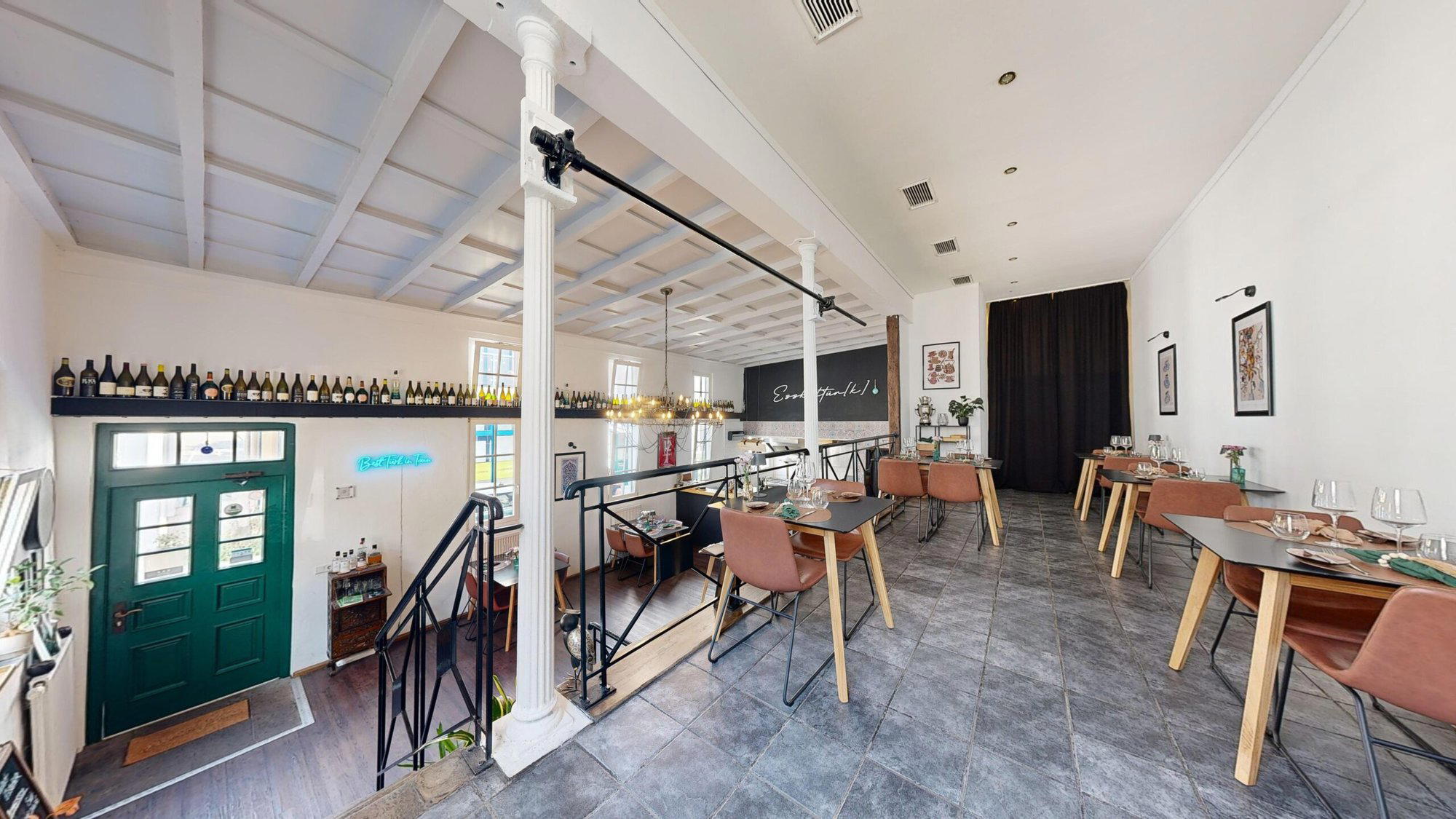
Where Wuppertal's Turkish Dining Scene Actually Lives
Wuppertal is not a city that appears on standard German fine-dining itineraries. While the country's recognised high-end tables cluster elsewhere, from Schwarzwaldstube in Baiersbronn to Aqua in Wolfsburg and JAN in Munich, Wuppertal operates on a different register entirely: a post-industrial Bergisches Land city where the dining culture is shaped less by Michelin ambition and more by the communities that have made it home over several generations. The Oberbarmen district, where Esskultürk operates from Besenbruchstraße 7, is central to understanding that character. This is a neighbourhood with a long-established Turkish-German population, and the restaurants here are not performing an imported cuisine for curious outsiders. They are feeding a community that knows the difference.
That community context matters when thinking about ingredient sourcing in Turkish cooking. Traditional Anatolian and Turkish-German restaurant kitchens, particularly those embedded in residential neighbourhoods rather than tourist centres, tend to maintain direct relationships with specialist suppliers: halal butchers, importers of dried goods and spices from Turkey, and local market traders who stock the vegetables that actually appear in the cuisine rather than convenient substitutes. The result, when that supply chain is intact, is food that reads differently from what you find at Turkish restaurants in city centres calibrated for broader audiences. The produce is specific. The seasoning assumptions are made for people who eat this food regularly.
The Neighbourhood as Culinary Context
Besenbruchstraße sits in the 42285 postcode, a part of Wuppertal where the street-level economy reflects decades of Turkish-German settlement. Bakeries, grocers, and tea houses in this part of the city operate alongside restaurants in a way that creates a self-contained food culture rather than a series of individual venues. For a restaurant like Esskultürk, that surrounding infrastructure is relevant. Access to quality ingredients, the presence of a knowledgeable regular clientele, and the absence of pressure to dilute the cooking for uninitiated diners all contribute to what ends up on the plate.
This stands in contrast to Turkish dining in more central or tourist-facing parts of German cities, where menus frequently compress the cuisine into a handful of recognisable items, doner and its variations, for a high-volume lunch trade. Neighbourhood restaurants in districts like Oberbarmen have no structural reason to make that compromise. The regulars would notice immediately.
Within Wuppertal's broader dining options, the city's mid-range international restaurants occupy a tier that sits well below the prices at destination tables like Vendôme in Bergisch Gladbach or Victor's Fine Dining by Christian Bau in Perl, and that affordability is one of Wuppertal's consistent dining strengths. For context on where Esskultürk fits locally, it is worth comparing it with the city's other independent restaurants. 79° operates in the farm-to-table format at the €€ price point, while Shiraz occupies a creative, higher-spend position at €€€€. Esskultürk operates in the community-restaurant tier, where the primary value is authenticity of execution rather than culinary experimentation.
Turkish Cuisine and the Sourcing Question
Turkish cooking, at its most grounded, is intensely ingredient-driven. The flavour of a proper lahmacun depends on the quality and fat content of the minced meat and the freshness of the tomato and herb mixture spread across it. A well-made lentil soup is defined by the ratio of lentils to aromatics and the quality of the olive oil finished on leading. These are not dishes that hide behind technique or presentation. They surface or expose the quality of what the kitchen starts with.
In communities with strong Turkish-German food networks, the sourcing infrastructure exists to do this properly. Spice blends arrive from specific producers. Flatbreads are either made in-house or sourced from specialist bakeries rather than generic distributors. When these supply relationships are working, the difference registers in the food in ways that are immediate and clear to anyone who has eaten Turkish cooking in Turkey or in well-supplied diaspora communities.
Germany's Turkish-German population is the largest outside Turkey itself, and the food culture that has developed over several decades in cities like Wuppertal, Cologne, and Berlin reflects a level of culinary depth that goes well beyond the doner kebab formats that define the cuisine's international reputation. Restaurants operating inside that community, as Esskultürk appears to, tend to offer a more complete picture of what Turkish domestic cooking actually looks like.
How It Sits in the Wuppertal Dining Scene
Wuppertal's restaurant scene rewards visitors who look beyond the city's more visible addresses. Alongside Esskultürk, a handful of independent restaurants are worth knowing. Katik Wuppertal, kriegsfuss, and Meson Alegria each occupy distinct positions in the city's mid-market, and together they illustrate how genuinely varied Wuppertal's independent dining has become for a city of its size. The full Wuppertal restaurants guide covers this wider context in more detail.
For visitors arriving from cities where the restaurant conversation centres on formats like CODA Dessert Dining in Berlin or ES:SENZ in Grassau, Wuppertal's mid-range independent scene requires a recalibration of expectations. The ambition here is not tasting menus and wine pairings. It is accurate, community-rooted cooking at prices that reflect the neighbourhood rather than the hype around it.
Planning a Visit
Esskultürk is located at Besenbruchstraße 7 in the 42285 postcode, within the Oberbarmen area of Wuppertal. The address is accessible by the city's Schwebebahn, the famous suspended monorail that connects Wuppertal's districts, with Oberbarmen station within reasonable walking distance. As a neighbourhood restaurant rather than a destination dining address, it is most productively visited as part of a broader exploration of the area rather than as a standalone evening excursion. Comparable community-level restaurants in this tier across Germany, such as Schanz in Piesport or Waldhotel Sonnora in Dreis at the opposite end of the formality spectrum, typically recommend advance contact for any group larger than four. For international context, the community-restaurant model Esskultürk appears to represent has parallels in cities like New York, where neighbourhood-anchored restaurants such as Le Bernardin and community spots like Lazy Bear in San Francisco demonstrate how deeply local roots shape a restaurant's identity, regardless of its price point or format. Similarly, Restaurant Haerlin in Hamburg illustrates how German cities at different scales develop their own internal dining hierarchies.
Continue exploring
More in Wuppertal
Restaurants in Wuppertal
Browse all →
Bars in Wuppertal
Browse all →
Hotels in Wuppertal
Browse all →
Wineries in Wuppertal
Browse all →
At a Glance
- Modern
- Trendy
- Elegant
- Cozy
- Date Night
- Group Dining
- Special Occasion
- Standalone
Current opening hours
- Monday
- Closed
- Tuesday
- 6–9:30 PM
- Wednesday
- 6–9:30 PM
- Thursday
- 6–9:30 PM
- Friday
- 6–9:30 PM
- Saturday
- 6–9:30 PM
- Sunday
- Closed
Hours can change for holidays and private events. Last verified .
Charming and trendy atmosphere with thoughtful design in a cozy neighborhood setting that feels both upscale and welcoming.