Sugo Handmade Pasta sits on Marienstraße in central Wuppertal, occupying a niche that few restaurants in this Bergisches Land city have claimed: fresh, handmade pasta as the main event rather than an afterthought. In a dining scene more associated with Turkish-German street food and creative European bistros, Sugo plants a flag for Italian craft. It is the kind of address that rewards locals who pay attention to what is happening at street level.
Pearl is the En Primeur Club membership app — saves, bookings, and concierge access live there. Same editors, same standards.
- Address
- Marienstraße 13, 42105 Wuppertal, Germany
- Phone
- +4920225319329
- Website
- sugo-handmadepasta.eatbu.com
- Directions
- Get directions
 Saves & bookings on Pearl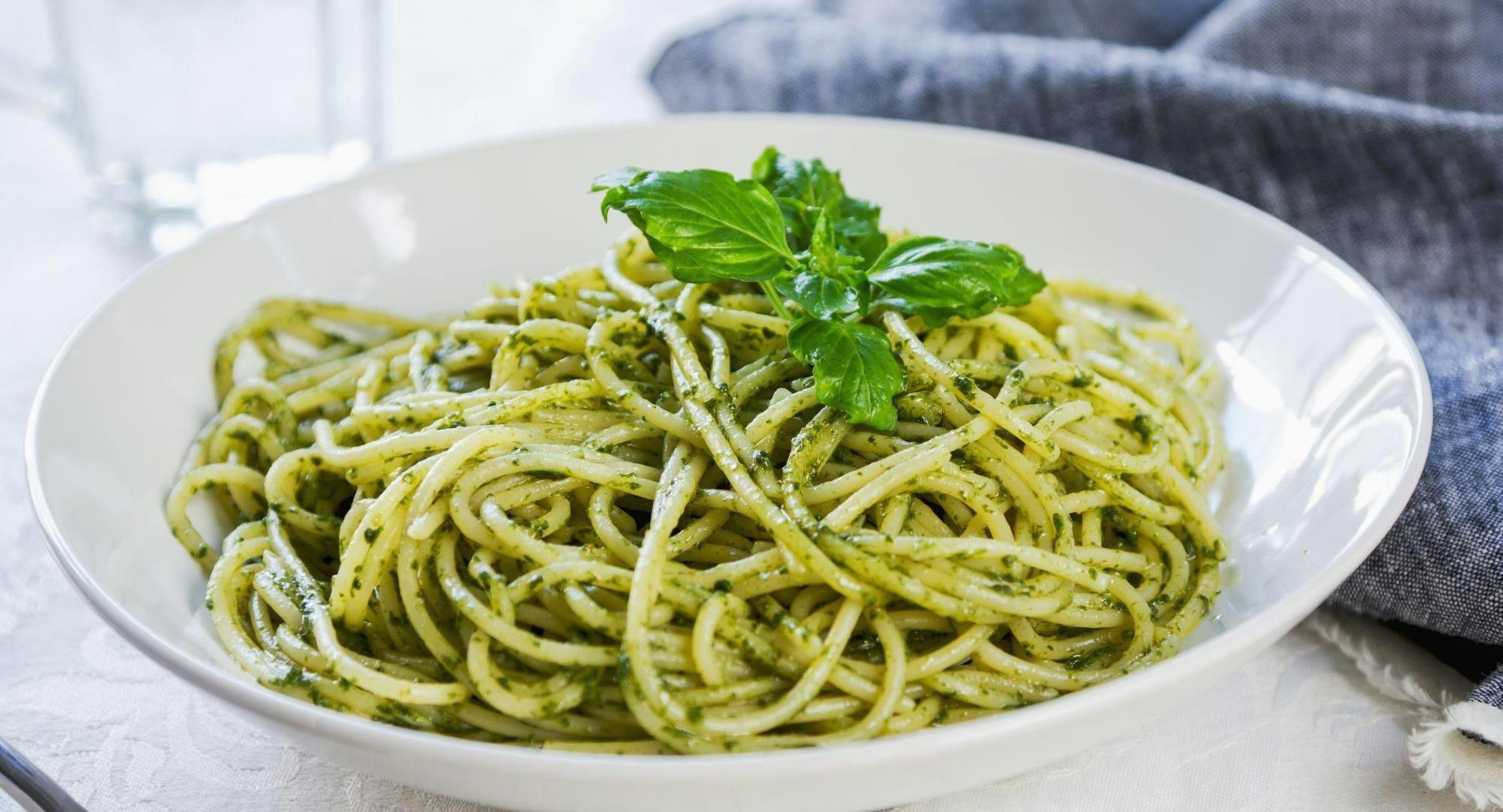
Marienstraße and the Wuppertal Dining Grain
Wuppertal does not announce itself as a dining destination. The city most travellers know from its suspended Schwebebahn monorail and its industrial Bergisches Land backdrop has a restaurant scene that operates below the radar of the German food press, which tends to cluster around Düsseldorf, Cologne, and the Michelin circuits of the Black Forest or Wolfsburg. Yet Wuppertal's streets, particularly in the Elberfeld district around Marienstraße, carry a density of independent operators that tells a different story: a city eating seriously without performing for outside approval.
Sugo Handmade Pasta, at Marienstraße 13, sits in that Elberfeld fabric. The address places it within walking distance of the area's other independent restaurants, including the creative European cooking at Shiraz and the farm-to-table programme at 79°. What Sugo brings to that neighbourhood is a specific register: Italian pasta craft, made by hand, positioned as the central discipline rather than a menu section. In a city where Esskultürk and Katik Wuppertal anchor a strong Turkish-German culinary tradition, and where kriegsfuss holds its own corner of the independent scene, a handmade pasta specialist fills a gap that matters.
What Handmade Pasta Actually Means at This Level
Across Germany, Italian restaurants occupy a wide range. At one end, there are the red-and-white-tablecloth trattorias serving dried pasta with industrially produced sauces that have been a fixture of German high streets since the 1970s. At the other, a smaller group of operators has built programmes around the craft of pasta production itself: hand-rolled sfoglia, fresh dough made daily, shapes chosen to carry specific sauces rather than to fill a menu page. Sugo's name and format place it in the second category. The word sugo means sauce in Italian, specifically the kind of slow-cooked, ingredient-driven sauce that defines regional Italian cooking from Bologna to Naples. Naming a restaurant after the sauce rather than the pasta is a statement about where the craft emphasis falls.
That emphasis matters in a broader German context. German cities with strong Italian dining traditions, such as Düsseldorf or Munich, have long supported pasta-forward independents alongside their Michelin-tracked fine dining. Wuppertal's version of that conversation has been quieter, which makes Sugo's position on Marienstraße more significant locally than it might appear on a regional map.
The Neighbourhood as Context
Marienstraße in Elberfeld functions as one of Wuppertal's more walkable dining streets, connecting residential blocks with independent retail and a mix of restaurants that span price points and cuisines. The street does not carry the self-conscious gastro-district branding of, say, Düsseldorf's Bilk or Hamburg's Eppendorf, but it operates with the same underlying logic: a concentration of owner-operated places where the food is the point. Walking to Sugo, you pass the kind of urban texture that characterises mid-sized German cities doing interesting things quietly, shopfronts with hand-painted signs, a mix of long-established and recently arrived, no obvious anchor brand pulling foot traffic.
That context shapes the experience at Sugo before you sit down. This is not a restaurant opening onto a scenic square or a converted industrial space with a design brief. It is a restaurant on a working city street, which means the clientele skews local, the atmosphere is determined by repeat visitors rather than tourists, and the pressure to perform for a transient audience is absent. For pasta craft, that dynamic is often a positive signal. The kitchen is cooking for people who will return, which tends to sharpen the attention paid to consistency.
Placing Sugo in the Wider German Dining Picture
Germany's formal fine dining circuit runs through a different set of addresses entirely. Closer to Wuppertal, JAN in Munich, CODA Dessert Dining in Berlin, and Restaurant Haerlin in Hamburg represent Germany's serious mid-to-high tier. Further afield, ES:SENZ in Grassau, Victor's Fine Dining by Christian Bau in Perl, Waldhotel Sonnora in Dreis, and Schanz in Piesport anchor regional excellence in their respective corners of the country.
Sugo does not sit in that tier, nor does it attempt to. Internationally, the equivalent conversation is being had at pasta specialists in New York, where the breadth of Italian-American dining ranges from institution-level addresses like Le Bernardin (for seafood, not pasta, but the marker of a city taking food craft seriously) to the kind of focused operators Sugo resembles. The comparison with Atomix in New York City is not about cuisine but about format logic: a single strong discipline, executed at depth, in a city whose dining scene rewards that specificity.
Planning a Visit
Sugo Handmade Pasta is located at Marienstraße 13, 42105 Wuppertal, in the Elberfeld district. Wuppertal Hauptbahnhof is the main rail entry point for the city, and Elberfeld is accessible from there by the Schwebebahn or on foot depending on your starting direction. For visitors combining Sugo with a wider read of Wuppertal's restaurant scene, the full Wuppertal restaurants guide maps the broader picture. Booking details, hours, and current menu information are best confirmed directly with the restaurant, as operational specifics are subject to change.
How Sugo Handmade Pasta Wuppertal compares with similar nearby venues.
| Venue | Cuisine | Price |
|---|---|---|
| 79 ° | Farm to table | €€ |
Continue exploring
More in Wuppertal
Restaurants in Wuppertal
Browse all →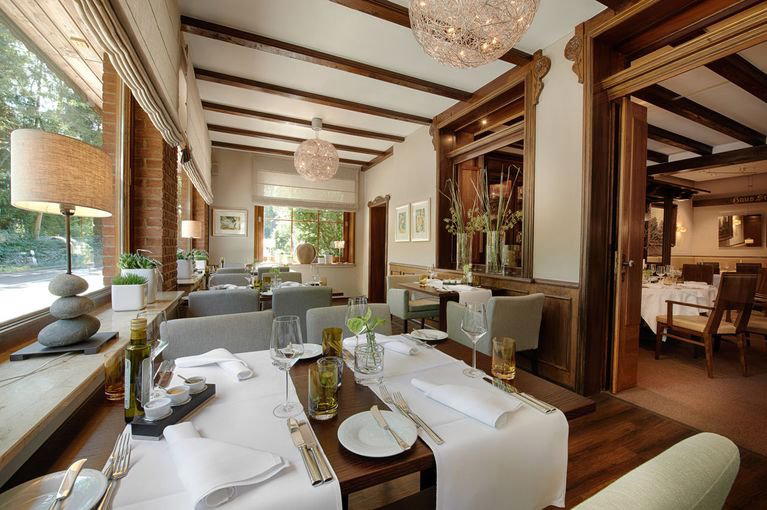
Bars in Wuppertal
Browse all →
Hotels in Wuppertal
Browse all →
Wineries in Wuppertal
Browse all →
At a Glance
- Cozy
- Casual Hangout
- Open Kitchen
Current opening hours
- Monday
- Closed
- Tuesday
- Closed
- Wednesday
- 5:30–9 PM
- Thursday
- 5:30–9 PM
- Friday
- 5:30–9 PM
- Saturday
- 5–9 PM
- Sunday
- 5–9 PM
Hours can change for holidays and private events. Last verified .
Cozy atmosphere with open kitchen where pasta is prepared live.
Know Before You Go
- Getting there
- Marienstraße 13, 42105 Wuppertal, Germany