Meson Alegria serves Authentic Spanish Tapas at Briller Str. 19 in Wuppertal, with gambas al ajillo, patatas bravas, and tortilla de patatas for dinner.
Pearl is the En Primeur Club membership app — saves, bookings, and concierge access live there. Same editors, same standards.
- Address
- Briller Str. 19, 42105 Wuppertal, Germany
- Phone
- +4949202300263
- Website
- meson-alegria.de
- Directions
- Get directions
 Saves & bookings on Pearl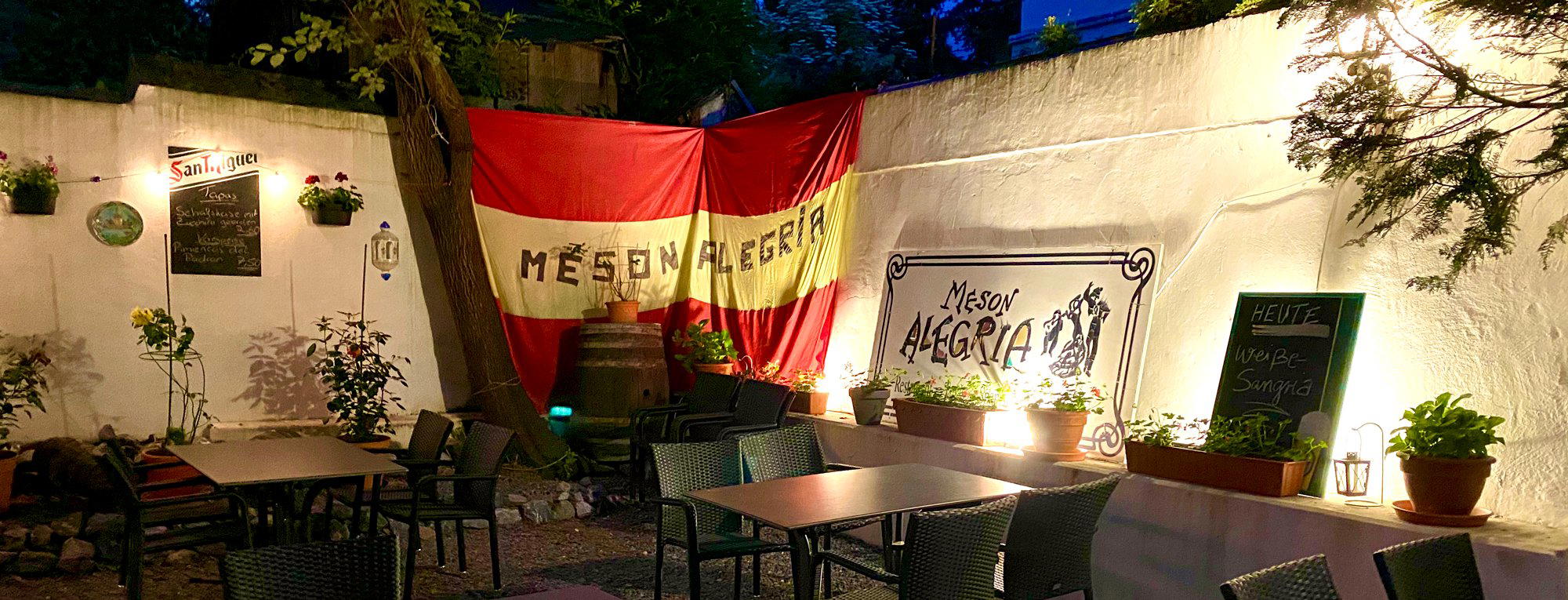
A Spanish Table on the Wupper
Briller Strasse cuts through one of Wuppertal's quieter residential quarters, where the architectural rhythm is domestic and unhurried. A Spanish restaurant in this setting is not an anomaly so much as a deliberate counterpoint: the warmth of Iberian dining tradition transplanted into a German city that has never positioned itself as a destination table. That contrast is part of what Meson Alegria offers. The name itself signals intent — alegria, joy, is the organizing principle of Spanish communal eating, and the address on Briller Str. 19 frames that tradition in a neighbourhood that rewards those who seek it out rather than stumble upon it.
Spanish dining in Germany occupies an interesting structural position. Unlike Italian or Turkish cuisines, which have deep roots in German urban eating across decades of migration and cultural exchange, Spanish cooking remains less commodified at the mid-market level. That means Spanish restaurants outside Frankfurt or Düsseldorf tend to operate with a degree of independence from trend cycles, drawing on a more self-contained culinary logic. Wuppertal, a city whose dining identity has historically been shaped by its industrial past and its mix of communities, hosts a small but considered set of independent restaurants. Meson Alegria sits in that peer group alongside addresses like Shiraz, which takes a creative approach at the upper price tier, and 79°, which works a farm-to-table format at a more accessible price point. The Spanish format here operates differently from either of those: the ritual of the meal is the product.
The Ritual of the Spanish Meal
What distinguishes Spanish dining culture from its northern European equivalents is pacing. The Spanish table is not organized around efficiency. Dishes arrive in sequence but rarely with urgency; the gap between courses is not a service failure but an invitation to continue the conversation. Tapas and raciones formats, if present, further dissolve the linear structure of a meal into something more lateral — a series of shared decisions rather than a predetermined path. This is the tradition Meson Alegria draws from, and it shapes what a visit there asks of the diner: a willingness to slow down and let the meal set its own tempo.
In Wuppertal's dining context, that ask is not trivial. The city's restaurant culture skews toward formats that are familiar to German urban diners, clear menus, defined courses, predictable service cadence. A Spanish table that holds to its own conventions rather than adapting to those expectations is making a specific editorial choice about its audience. It is pitching to the diner who already understands, or is curious to understand, how Iberian meals are supposed to work.
The broader German fine dining scene offers reference points for understanding where this kind of regional independent fits. Closer to Wuppertal, Vendôme in Bergisch Gladbach has long anchored the region's fine dining conversation. Meson Alegria does not compete in that register. Its value is cultural and atmospheric rather than technical or accolade-driven, which places it in a different but legitimate category of restaurant worth knowing.
What Wuppertal's Independent Scene Looks Like
Wuppertal is not a city that appears frequently in national dining coverage, which means its independent restaurants operate largely without the visibility amplifier that press attention provides. That cuts both ways: it keeps the dining room from being overwhelmed by out-of-town visitors, and it means that quality restaurants here develop a more local, relationship-based clientele. Regulars matter more than discovery traffic, and the rhythm of service reflects that. Addresses like Esskultürk and Katik Wuppertal represent different facets of the city's culturally diverse food offer, while kriegsfuss anchors another corner of the independent scene. Meson Alegria is part of this ecosystem, a restaurant sustained by its neighbourhood rather than by tourism or awards recognition.
For context on the wider German dining scene, it is worth knowing that Germany's most decorated restaurants, from JAN in Munich to Victor's Fine Dining by Christian Bau in Perl, and from Restaurant Haerlin in Hamburg to ES:SENZ in Grassau, share a commitment to craft and precision that has made German cooking a serious force in European fine dining. What smaller independents like Meson Alegria offer is a different set of satisfactions: the ease of a well-worn neighbourhood room, a cuisine rooted in tradition rather than invention, and a meal that moves at the pace of the guest rather than the kitchen's ambition. Internationally, that same distinction plays out at places like Le Bernardin in New York City or Atomix in New York City, where precision and concept dominate; the independent neighbourhood Spanish restaurant answers a completely different question.
Planning Your Visit
Meson Alegria is located at Briller Str. 19, 42105 Wuppertal. The address sits in the Elberfeld-West area, accessible from central Wuppertal by the city's Schwebebahn suspension railway or by tram. Given the restaurant's scale and neighbourhood positioning, booking ahead is advisable, particularly on weekend evenings when the dining room is likely to be at capacity. Current contact and booking details are best confirmed directly, as online booking infrastructure for smaller independent restaurants in Wuppertal can be limited. Visiting mid-week allows for a more relaxed experience in terms of pacing and service attention. For a broader picture of what Wuppertal's dining scene offers, the full Wuppertal restaurants guide covers the city's full range across cuisines and price tiers. Those with an appetite for the German scene at its most ambitious should also look at Waldhotel Sonnora in Dreis or Schanz in Piesport for the contrast that broader context provides. For dessert-led innovation at the other end of the conceptual spectrum, CODA Dessert Dining in Berlin remains a reference point for how German restaurants continue to reframe what a meal can be.
How Meson Alegria Wuppertal compares with similar nearby venues.
| Venue | Cuisine | Price |
|---|---|---|
| 79 ° | Farm to table | €€ |
Continue exploring
More in Wuppertal
Restaurants in Wuppertal
Browse all →
Bars in Wuppertal
Browse all →
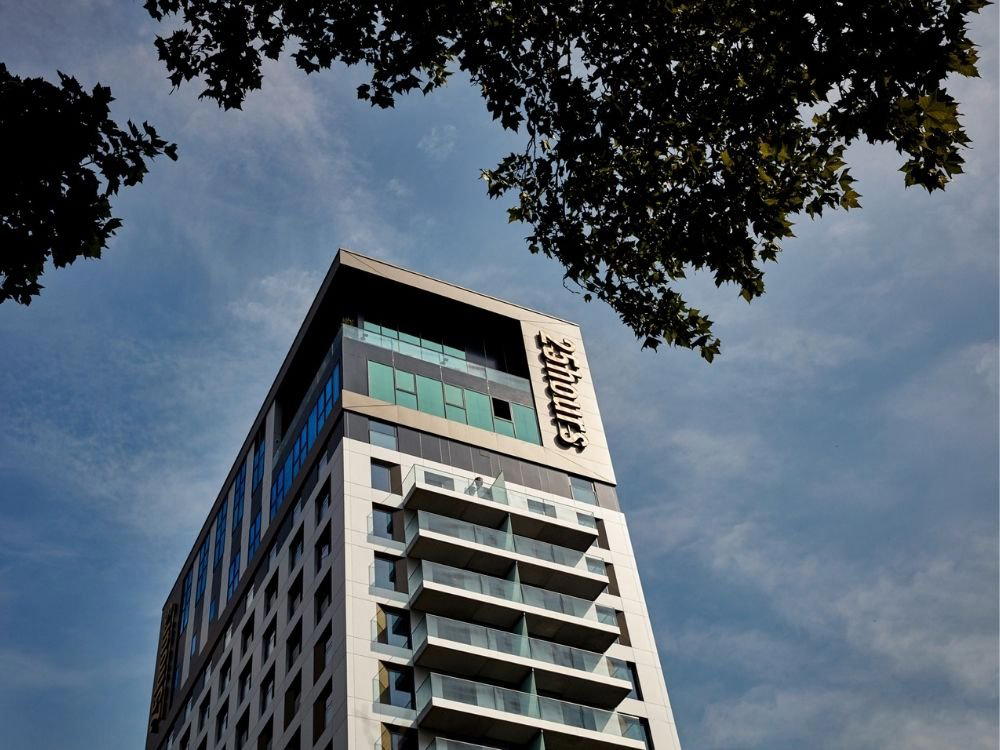
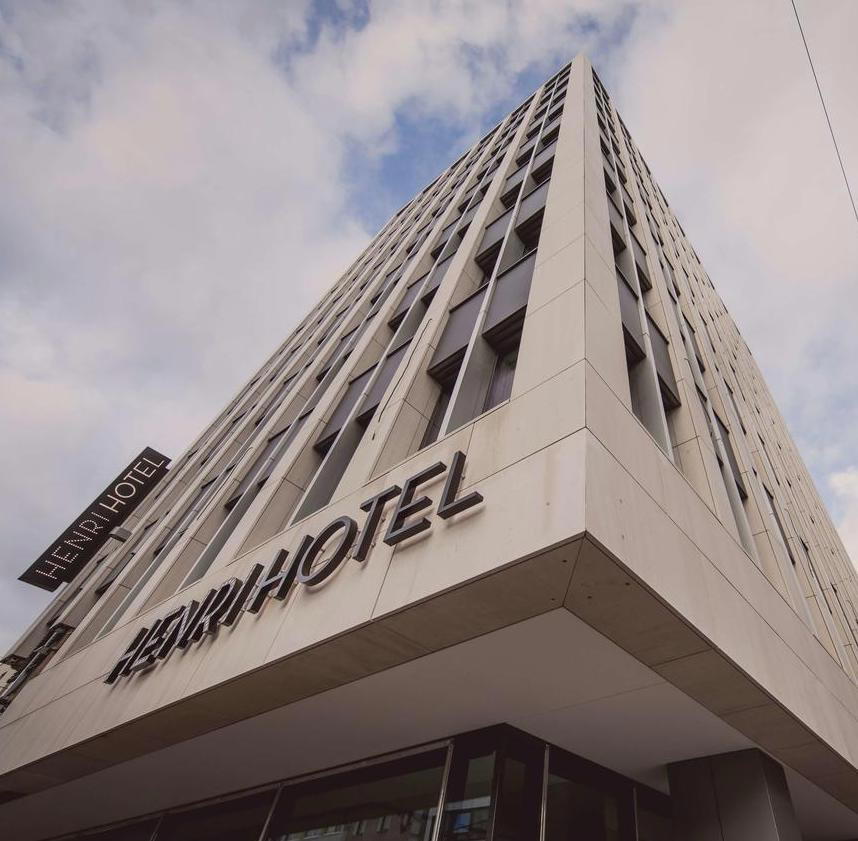
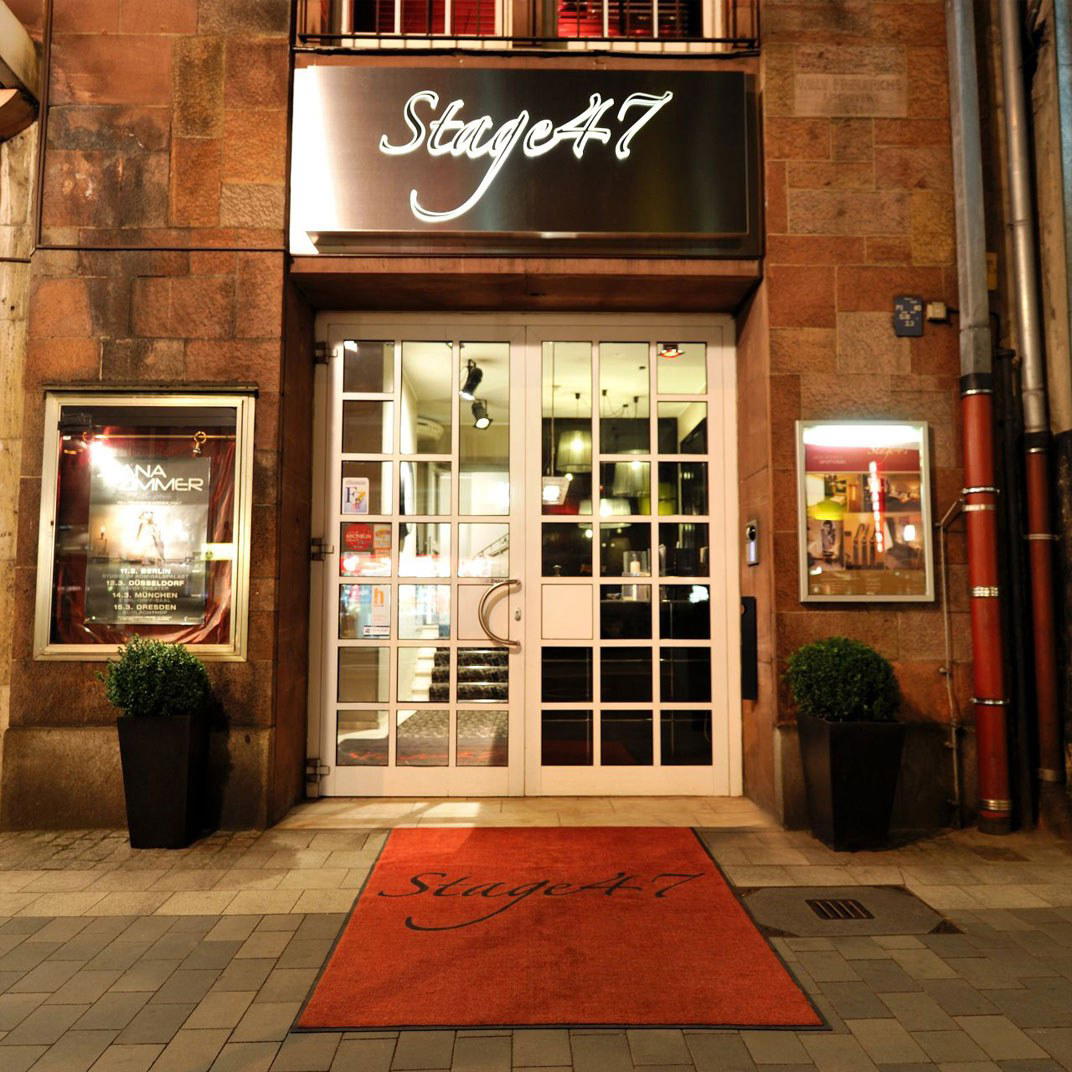
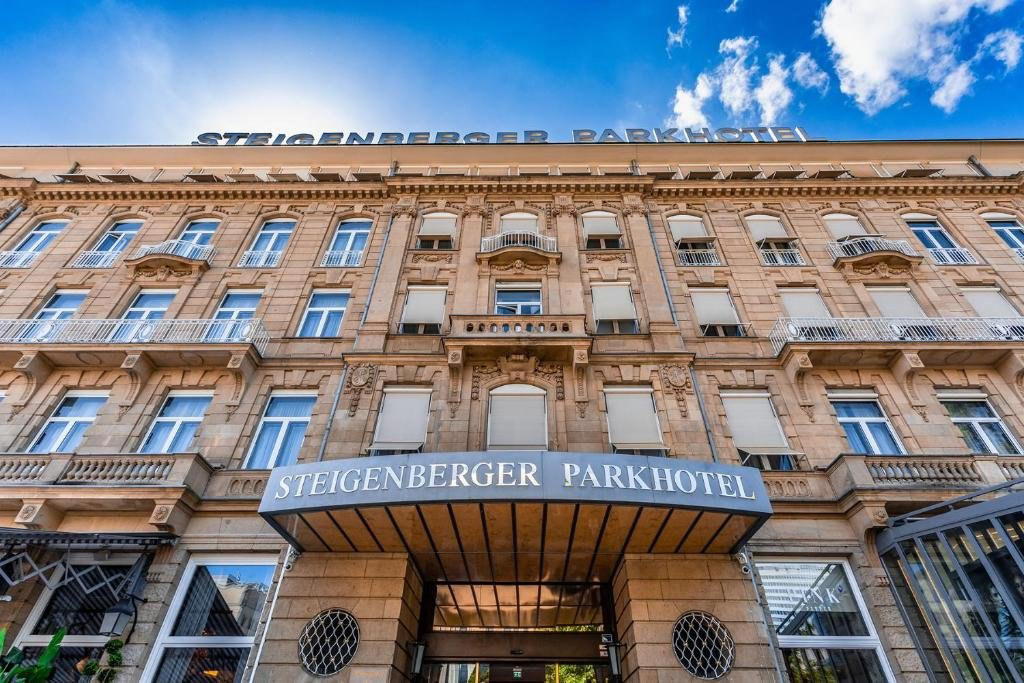
Hotels in Wuppertal
Browse all →
Wineries in Wuppertal
Browse all →
At a Glance
- Rustic
- Cozy
- Date Night
- Casual Hangout
Current opening hours
- Monday
- Closed
- Tuesday
- 6 PM–12 AM
- Wednesday
- 6 PM–12 AM
- Thursday
- 6 PM–12 AM
- Friday
- 6 PM–12 AM
- Saturday
- 6 PM–12 AM
- Sunday
- 6 PM–12 AM
Hours can change for holidays and private events. Last verified .
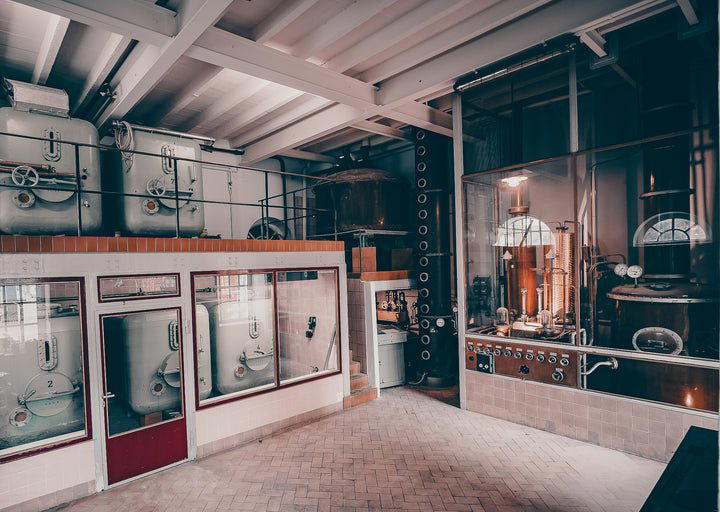
Cozy and rustic with bright lighting and welcoming Spanish holiday vibe