Garner Essen Handelshof occupies one of the Ruhr region's most architecturally significant addresses, a landmark trading hall that anchors the city's commercial heart. The venue sits within a tradition of grand civic architecture that shaped Essen's early twentieth-century identity. For visitors seeking a sense of the city's industrial-era ambition rendered in stone and steel, it offers a direct connection to that history.
 Discover on Pearl
Pearl is the En Primeur Club membership app — saves, bookings, and concierge access live there. Same editors, same standards.
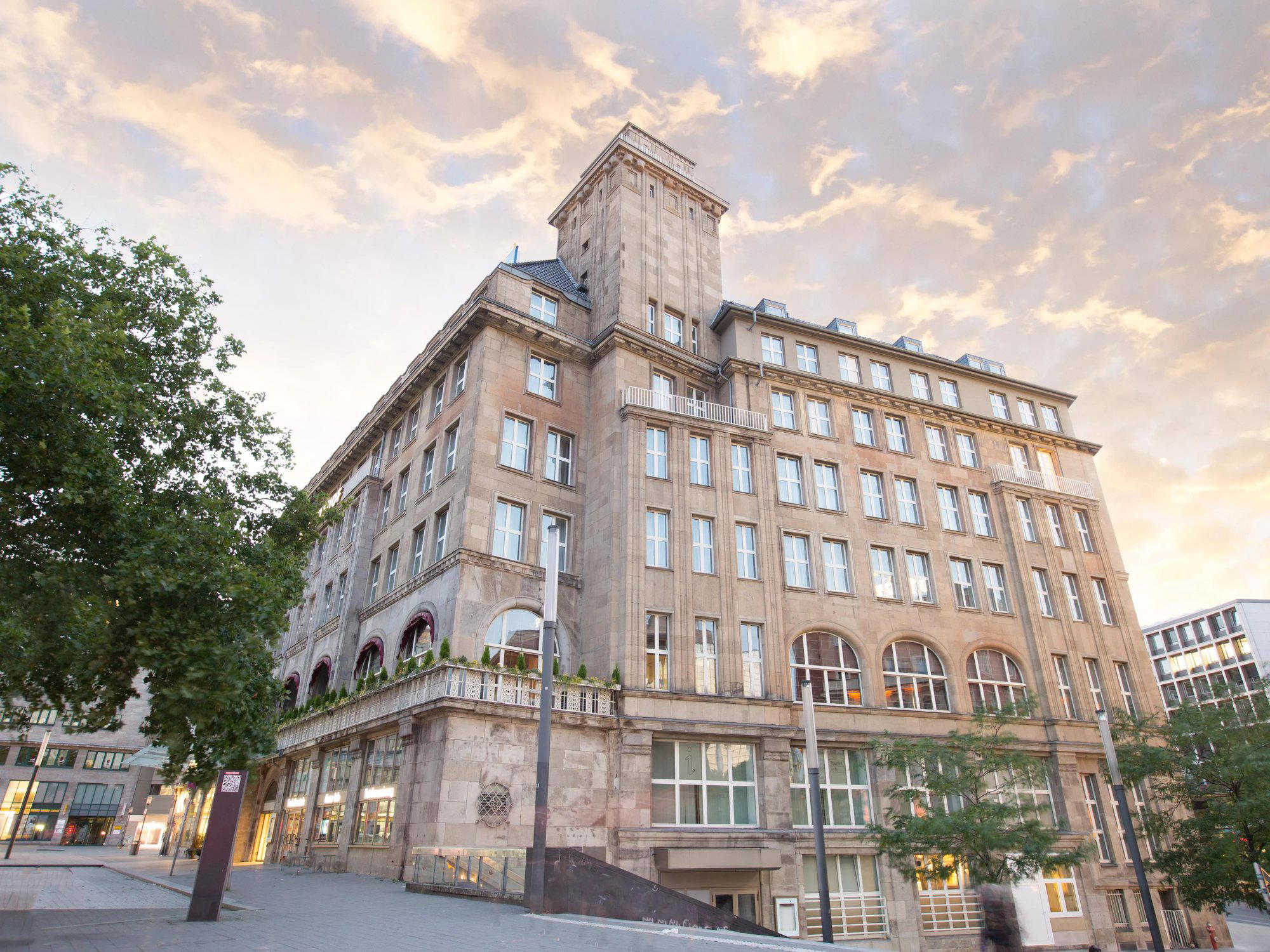
The Building Before the Room
Essen is not a city that announces itself quietly. The Ruhr's industrial capital built its public architecture in the early twentieth century with the confidence of a place that expected to matter for a long time, and the Handelshof, a trading hall conceived at the height of the region's commercial power, belongs to that tradition. Structures of this type, built as civic-commercial anchors in Wilhelmine and Weimar-era Germany, were designed to consolidate trade, hospitality, and civic prestige under a single roof. The type has largely disappeared from active use in smaller German cities; Essen's example endures as one of the more intact representatives of the form in the Ruhr.
Architecture as Atmosphere
The Handelshof typology in German-speaking Europe draws on a specific set of design conventions: load-bearing masonry facades with classical or historicist detailing, interior volumes designed to accommodate large public gatherings, and circulation spaces, lobbies, corridors, staircases, scaled well above domestic proportion. These were not buildings designed for intimacy. They were designed to project institutional permanence, and the spatial experience of entering one carries that weight whether the original trading function survives or not.
Essen's urban core, heavily reconstructed after wartime damage, retains pockets of pre-war commercial architecture that give the city a layered rather than uniformly postwar character. The Handelshof sits within this context, and its architectural presence reads differently depending on whether a visitor arrives from the rebuilt retail districts or from the direction of the main station, where the scale of early twentieth-century civic ambition is more legible at street level. This is the kind of spatial intelligence that distinguishes a building worth understanding from one that merely occupies a prominent address.
Essen's Place in the German Dining and Hospitality Tier
The Ruhr cities, Essen, Dortmund, Bochum, Duisburg, occupy a specific and sometimes underestimated position in Germany's hospitality geography. The region's industrial legacy shaped a civic culture oriented toward function and scale rather than resort leisure or cultural tourism, and premium hospitality here tends toward the urban-commercial model: business hotels, event-capable venues, restaurants built around professional and corporate demand. This distinguishes the Ruhr from the southern German luxury tier represented by properties like Mandarin Oriental Munich or Althoff Seehotel Überfahrt in Rottach-Egern, or from the resort-spa model found at Hotel Bareiss in Baiersbronn and Schloss Elmau in Elmau.
Within Essen specifically, the hospitality offer has evolved alongside the city's post-industrial reorientation toward culture, design, and the knowledge economy. The UNESCO World Heritage status of the Zollverein Coal Mine Industrial Complex has shifted the city's visitor profile toward cultural and architectural tourism, a shift that creates demand for venues capable of reflecting that context rather than merely accommodating guests. Handelshof-type properties, with their embedded architectural history, serve a different function in this environment than purpose-built modern hotels.
The Handelshof Format in Context
Trading halls built in Germany between roughly 1900 and 1930 followed a recognizable programme: a primary event or trading floor, ancillary rooms for smaller commercial gatherings, food and beverage facilities calibrated to business entertaining, and accommodation where the building's scale permitted. The social logic was to keep commerce, hospitality, and networking in close proximity, a model that pre-dates the modern conference hotel by several decades but anticipates much of its function. Properties that survive with something close to this original programme intact occupy a specific niche in the hospitality market: they offer historical legibility that new-build convention hotels cannot replicate, and they attract clients for whom setting is part of the professional signal.
This positions the Handelshof within a competitive set that includes grand urban hotels across Germany's major cities. The Fairmont Hotel Vier Jahreszeiten in Hamburg operates in a comparable register, historic building, urban commercial location, business and event orientation, as does the Bülow Palais in Dresden and the Esplanade in Saarbrücken. These are properties where the architectural fabric carries part of the hospitality offer, and where the guest's awareness of place is built into the spatial experience rather than delivered through amenity or service alone.
Planning a Visit
Essen's main railway station places the city within direct reach of the wider Ruhr and, via high-speed connections, of Cologne, Düsseldorf, and Frankfurt. The Handelshof's central location makes it accessible on foot from the station. Visitors combining a trip to Essen with broader Ruhr cultural itineraries, the Zollverein site, the Ruhr Museum, the Folkwang Museum, will find the city's compact centre navigable without a car. International travellers arriving via Frankfurt or Düsseldorf airports will find Essen accessible by direct rail in under an hour from both hubs.
In Context: Similar Options
Comparable venues nearby, for context on price, style, and recognition.
| Venue | Cuisine | Price | Awards | Notes |
|---|---|---|---|---|
| Garner Essen HandelshofThis venue — the venue you are viewing | Historic city hotel with modern comforts | $$$ | 4-Star | |
| Hotel Ritter Durbach | Historic country hotel with contemporary renovations | $$$ | 4-Star | Durbach |
| AMERON Hamburg Speicherstadt | Mid-century modern in historic warehouse building | $$$ | 4-Star | Speicherstadt |
| Hyatt Regency Mainz | Modern business hotel integrated into historic fortress | $$$ | 4-Star | Altstadt Mainz |
| Boutique Hotel Mühle Schluchsee | Contemporary classic in a historic grain mill | $$$ | 4-Star | Schluchsee |
| Hotel Bergheim41 | Modern city hotel in historic building | $$$ | 4-Star | Bergheim |
Continue exploring
More in Essen
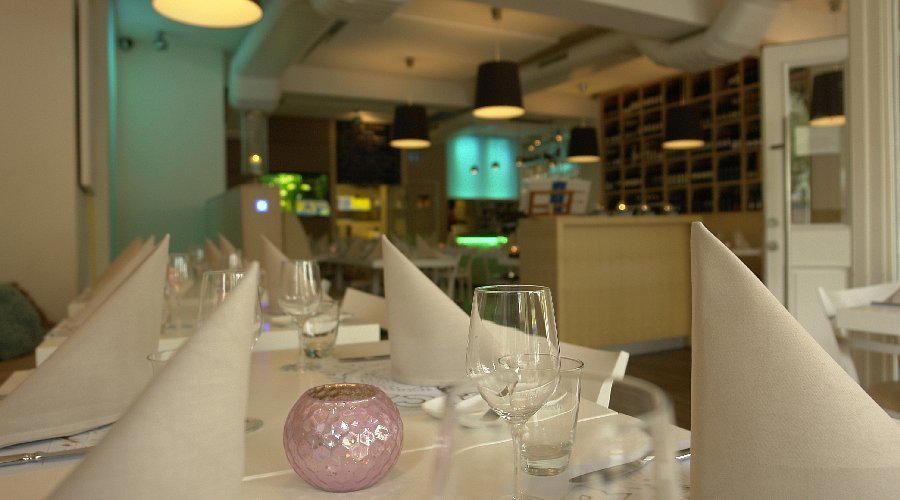
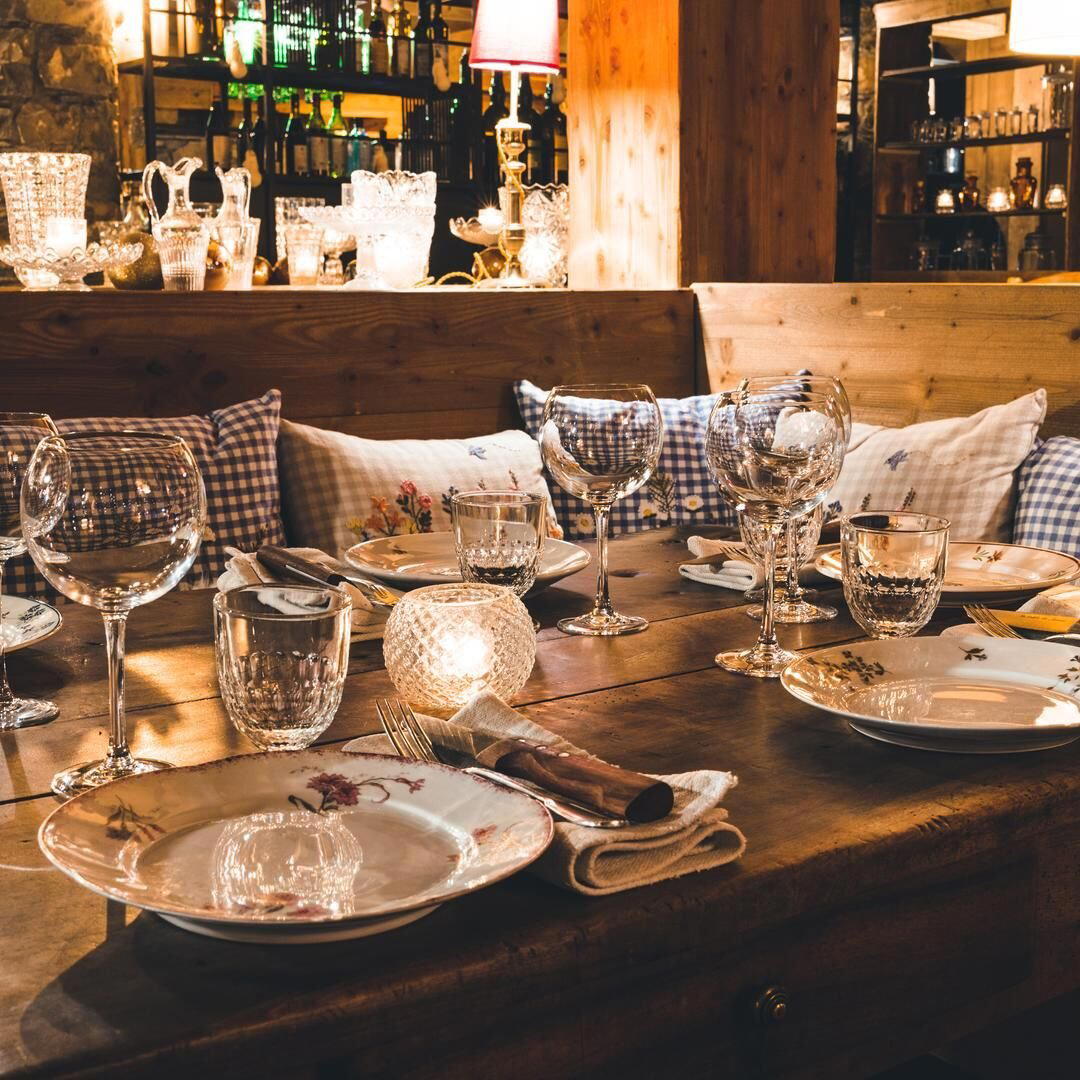
At a Glance
- Modern
- Classic
- Sophisticated
- Business Trip
- Weekend Escape
- Historic Building
- Wifi
- Restaurant
- Bar
- Fitness Center
- Meeting Room
- Business Center
- Room Service
- Laundry Service
- Street Scene
Tastefully furnished modern rooms in historic building with comfortable, clean, and spacious accommodations praised by guests.