On Kastanienallee in Prenzlauer Berg, Kastanien Curry Junction sits inside one of Berlin's most culturally layered streets, where the currywurst tradition meets the neighbourhood's appetite for casual, counter-culture eating. The address alone places it within a dense local dining scene that rewards walking rather than reservations. A reference point for the Allee's informal food culture.
Pearl is the En Primeur Club membership app — saves, bookings, and concierge access live there. Same editors, same standards.
- Address
- Kastanienallee 48, 10119 Berlin, Germany
- Phone
- +493083204995
- Directions
- Get directions
 Saves & bookings on Pearl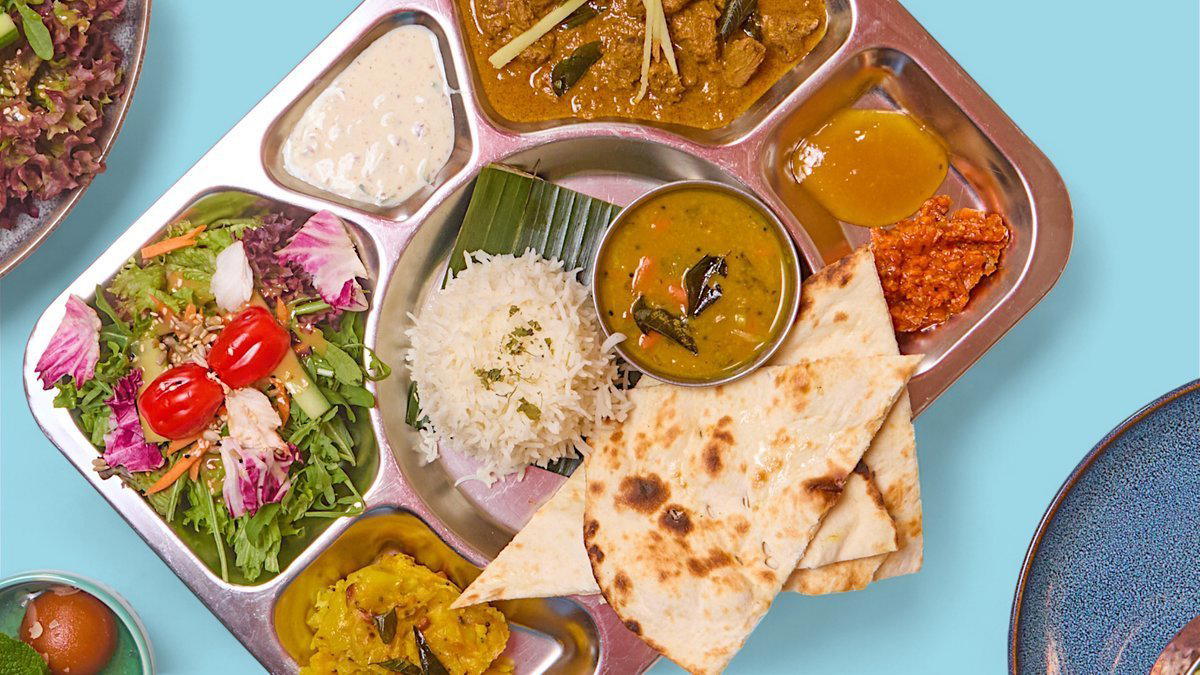
Kastanienallee and the Street Food Tradition It Carries
Kastanienallee has been a barometer for Prenzlauer Berg's shifting identity since reunification. What began as a stripped-back post-Wall corridor of cheap eats and improvised venues has, over three decades, layered in design bars, independent retailers, and a food scene that balances serious neighbourhood cooking with the kind of casual formats that don't require a booking. Kastanien Curry Junction is a restaurant in Berlin serving Indian-Mexican Fusion Curry House cooking at a casual, walk-in-friendly counter on Kastanienallee 48.
Currywurst is the operative reference here, and it's worth understanding what that means in Berlin rather than what tourists expect it to mean. The dish, sliced or whole pork sausage, typically fried or grilled, served with a spiced ketchup and curry powder, is a Berlin invention with a documented origin in the late 1940s, attributed to Herta Heuwer in Charlottenburg. Since then it has split into two distinct registers: the mass-produced, theme-park version sold near major transit hubs, and the neighbourhood iteration where sourcing, sauce balance, and the temperature of the fries actually matter to the people ordering them. Kastanienallee is firmly in the second register.
Where This Address Sits in Berlin's Casual Dining Picture
Berlin's restaurant scene has a well-documented upper tier: Rutz and Nobelhart & Schmutzig anchor the modern German fine dining conversation; CODA Dessert Dining and FACIL operate at the creative, multi-course end of the €€€€ bracket; Restaurant Tim Raue represents the city's most internationally visible fine dining address. Kastanien Curry Junction operates at the opposite end of that spectrum, in the informal, walk-in, counter-service format that has always been the structural base of Berlin's eating culture. These two tiers are not in competition, they serve entirely different reader decisions, but understanding where one sits helps calibrate expectations for the other.
The Prenzlauer Berg casual food scene is denser and more considered than it looks from the outside. The neighbourhood has a long-standing local population that eats out frequently and holds informal venues to real standards around consistency, value, and sourcing. A curry spot that fails on any of those three counts does not last long on Kastanienallee. The address at number 48 has a presence on a street where longevity itself functions as a trust signal.
The Role of Team Dynamic in Informal Formats
The editorial angle around team collaboration typically gets applied to tasting-menu restaurants, where the handoff between kitchen, floor, and wine program is visible and choreographed. In informal street food formats, the equivalent dynamic operates at the counter: the person taking the order is usually the same person managing queue flow, communicating with the kitchen, and reading how busy the next twenty minutes will be. In high-throughput Berlin curry spots, that front-counter role is operationally demanding in ways that tableside service at a fine dining restaurant often is not. There is no sommelier to hand a guest over to, no pacing of courses to manage the experience. The entire interaction, order, wait, collect, eat, is compressed into a few minutes, and whether it feels considered or chaotic depends almost entirely on how well the counter team works together.
That compression is worth noting because it is where the category either delivers or falls apart. The leading informal counters in Berlin, and Germany more broadly, function because the team behind them has internalized the rhythm well enough that it becomes invisible to the person eating. Venues like Aqua in Wolfsburg, JAN in Munich, or Schwarzwaldstube in Baiersbronn are benchmarks at the fine dining end of German hospitality; Kastanienallee's informal tier is governed by different metrics, but the underlying principle, that operational coherence produces a better experience than individual effort, holds across price points.
Prenzlauer Berg as a Food Neighbourhood
Understanding Kastanienallee requires understanding Prenzlauer Berg's particular food culture, which differs meaningfully from Mitte's tourist-facing restaurant density or Kreuzberg's more aggressively independent dining scene. Prenzlauer Berg eats as a residential neighbourhood: lunch is functional, dinner is local, and the places that do well are the ones that the same people return to on a Tuesday as on a Saturday. Kastanienallee is the neighbourhood's most commercially active artery, and the food addresses along it reflect a population that knows what it likes and is not easily impressed by concept.
German dining culture at the serious end of the spectrum, represented by venues like Vendôme in Bergisch Gladbach, Victor's Fine Dining by Christian Bau in Perl, or Waldhotel Sonnora in Dreis, operates at a different register entirely, but the informal street food culture those chefs grew up eating is part of the same continuum. Restaurant Haerlin in Hamburg, Schanz in Piesport, and Bagatelle in Trier all exist within a national food culture that has always balanced precision at the leading with directness at the base. The currywurst counter is not a lesser version of that culture, it is a load-bearing part of it.
For comparison outside Germany: the informal counter format that Kastanien Curry Junction represents has equivalents in cities where street food operates as a serious cultural register rather than a tourist accommodation. Le Bernardin in New York City and Atomix in New York City anchor the formal end of that city's dining spectrum; the informal end is governed by entirely different rules, and the same is true in Berlin. ES:SENZ in Grassau adds another data point in the German fine dining conversation.
Know Before You Go
| Address | Kastanienallee 48, 10119 Berlin, Germany |
|---|---|
| Neighbourhood | Prenzlauer Berg |
| Format | Informal street food counter |
| Booking | Walk-in |
| Price range | About $15 per person |
| Hours | Mon-Sun: 12-10 PM |
Standing Among Peers
Comparable venues nearby, for context on price, style, and recognition.
| Venue | Cuisine | Price | Notes |
|---|---|---|---|
| Kastanien Curry JunctionThis venue — the venue you are viewing | Indian-Mexican Fusion Curry House | $$ | Not listed |
| House of Small Wonder | Japanese-American Fusion Brunch Cafe | $$ | Mitte |
| CRACKBUNS | Japanese-American Burger Sliders | $$ | Kreuzberg |
| JÓMO Restaurant | Modern International Fusion | $$$ | Prenzlauer Berg |
| Burger Joint | Classic American Burgers | $$ | Mitte |
| Lieschen Mueller | Traditional German and Berliner Cuisine | $$ | Mitte |

At a Glance
- Casual
- Trendy
- Casual Hangout
- Street Scene
Current opening hours
- Monday
- 12–10 PM
- Tuesday
- 12–10 PM
- Wednesday
- 12–10 PM
- Thursday
- 12–10 PM
- Friday
- 12–10 PM
- Saturday
- 12–10 PM
- Sunday
- 12–10 PM
Hours can change for holidays and private events. Last verified .
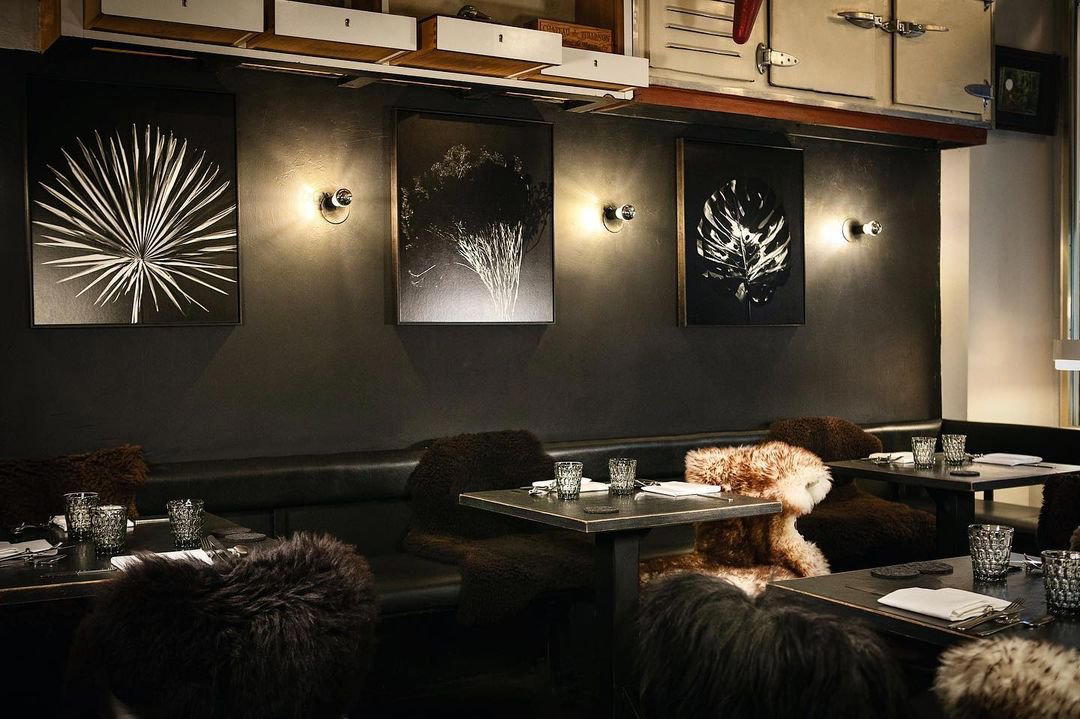
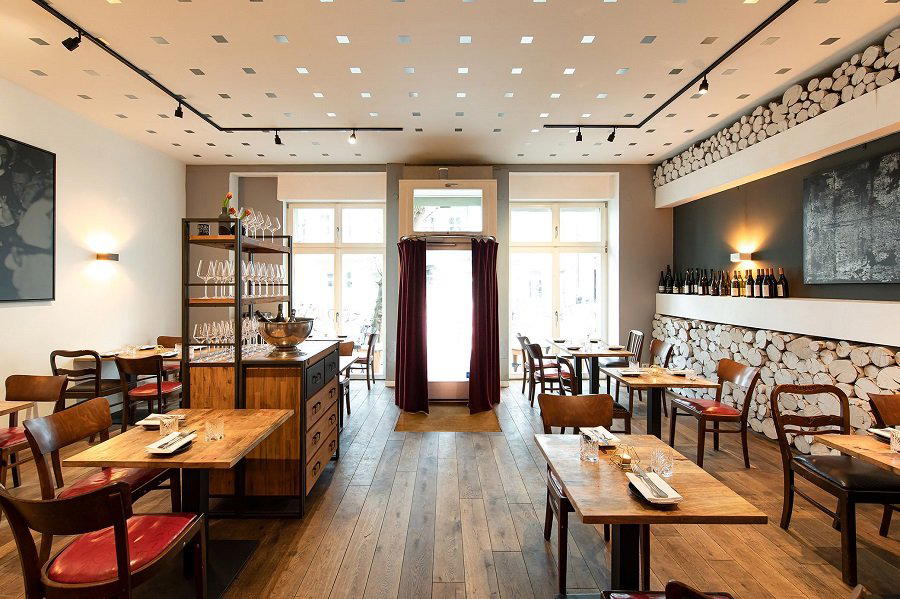
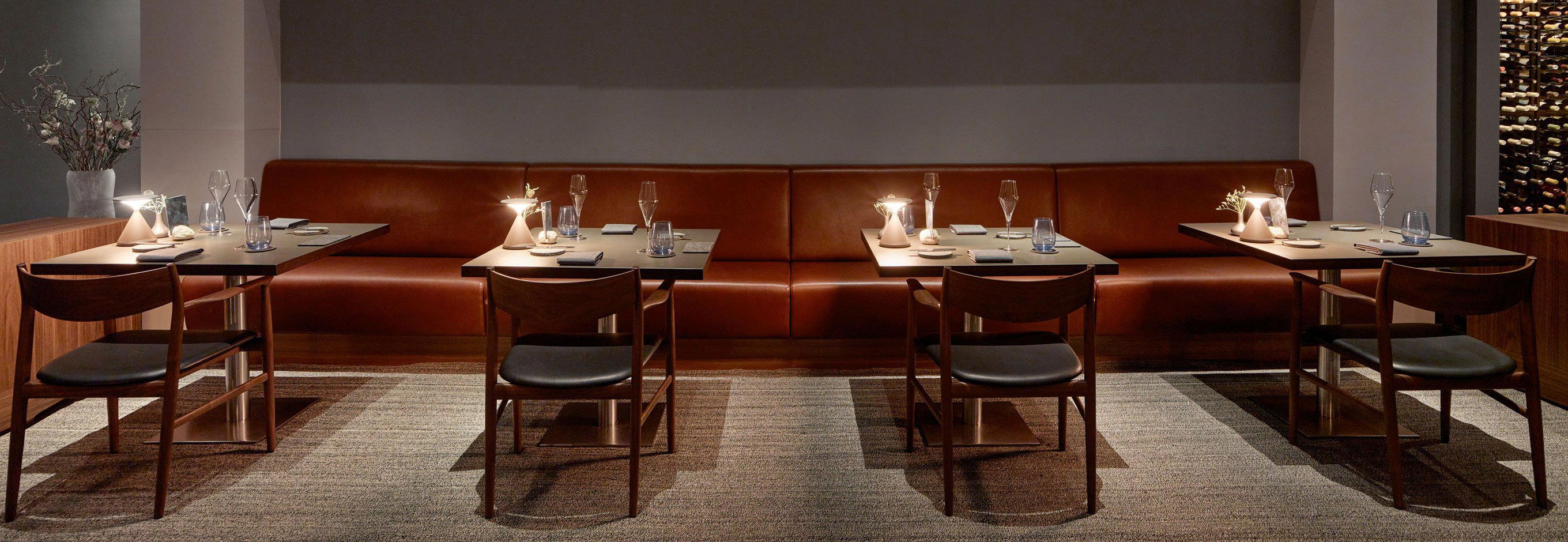
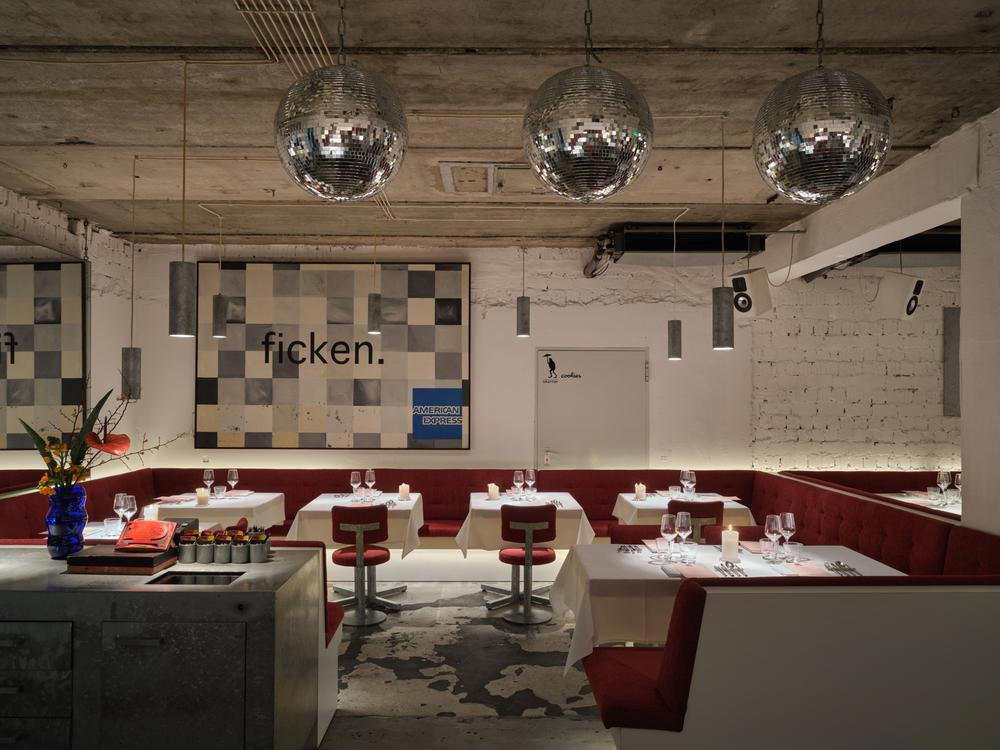
Casual counter-service spot with a laid-back neighborhood feel, enhanced by outdoor seating on warmer days.