"While several spots can justifiably claim to serve up the burger in Berlin (the Bird, Burgermeister, Shiso Burger), there is something effortlessly simple and exquisitely tasty about Tommi’s version that makes it particularly good. The limited menu, handwritten on signs above and to the side of the counter, basically consists of the extra toppings (bacon, avocado, cheese) or sides (fries) you may want with your handmade patty of organic Scottish beef. The burger is flame-grilled and placed between a soft, freshly baked bun filled with crunchy lettuce, tomatoes, and other delicious additions. Despite the American-influenced, casual shacklike interior, this place is actually run by an Icelandic family that has similar outlets in London, Copenhagen, and Reykjavík."
Pearl is the En Primeur Club membership app — saves, bookings, and concierge access live there. Same editors, same standards.
- Address
- Invalidenstraße 160, 10115 Berlin, Germany
- Phone
- +49 30 52132190
- Website
- tommis.is
- Directions
- Get directions
 Saves & bookings on Pearl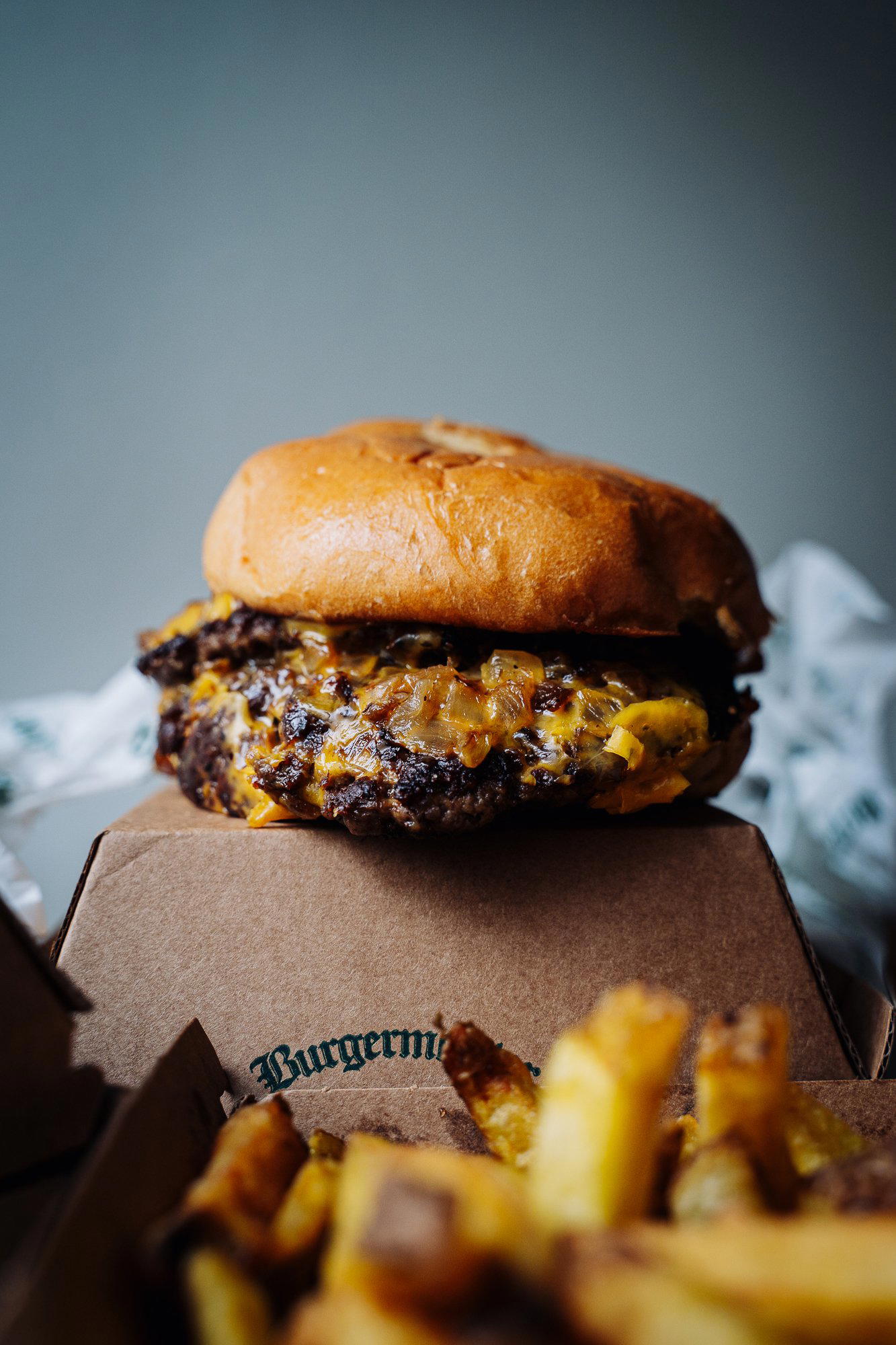
Mitte's Casual Counter in a City That Rarely Does Casual Simply
Invalidenstraße runs through one of Berlin's denser residential and institutional corridors, a street more associated with museums, clinics, and the commuter rhythm of central Mitte than with destination eating. That address context matters, because it shapes what Burger Joint is and what it is not. Berlin's premium dining tier, represented by tasting-menu operations like Rutz, Nobelhart & Schmutzig, and FACIL, clusters in different pockets of the city and operates in a register of controlled formality. Burger Joint is a casual counter on Invalidenstraße 160 in Berlin, serving Classic American Burgers at about $15 per person. Burger Joint occupies a different register entirely, one where the physical environment signals the offer before a single item arrives.
The Space as Statement
In Berlin's casual dining sector, the interior often carries more ideological weight than the menu. The city has a long tradition of stripped-back rooms where the absence of decoration is itself a position, a rejection of the aspirational staging common in other European capitals. The restaurant on Invalidenstraße reads within that tradition. The room is built for throughput and ease rather than lingering ceremony. Seating arrangements at operations in this category typically prioritise density over comfort margins, and the materials tend toward hard surfaces that amplify the ambient energy of a busy service. That acoustic character, the overlap of conversation, the sound of a working kitchen nearby, is part of the experience rather than incidental to it.
The design logic of casual counter formats in Berlin has shifted over the past decade. What once meant functional indifference now more often reflects a deliberate spatial philosophy: clear sightlines to the kitchen, minimal barriers between production and consumption, and a seating layout that makes the act of eating feel direct rather than theatrical. CODA Dessert Dining represents the opposite pole of this spectrum, where the room is composed around a specific dining tempo. The restaurant, by contrast, belongs to the category where the space accelerates rather than retards the pace of eating.
Where It Sits in Berlin's Burger Market
Berlin's burger market has stratified considerably since the early 2010s. The lowest tier remains fast-food chains and their domestic equivalents. Above that, a middle tier of craft-burger operators proliferated across Prenzlauer Berg, Friedrichshain, and Kreuzberg, many of them built on the same template: sourced patties, brioche buns, a short list of house sauces, and a beer selection skewed toward local craft labels. Above that again, a smaller group of operations has positioned the burger as a precision product, with dry-aged beef programmes, specific fat ratios in the grind, and kitchen disciplines borrowed from fine-dining production.
The restaurant at Invalidenstraße sits in the Mitte catchment, which gives it a slightly different customer base than the Kreuzberg operators. Mitte draws office workers, gallery visitors, medical district traffic, and a portion of tourists staying in the central hotel belt. That mix rewards consistency and speed over novelty. For comparison, operators at the precision end of the German burger market, or indeed at the fine-dining end of German cooking generally, require a different kind of patience from the diner. The three-Michelin-star level represented by restaurants like Schwarzwaldstube in Baiersbronn or Aqua in Wolfsburg operates in an entirely separate economy of time, money, and attention. The restaurant makes no claim on that economy and is stronger for not trying.
Berlin's Casual Dining Character
Understanding the restaurant requires understanding what Berlin tolerates and rewards in casual formats. The city has historically been suspicious of polish applied for its own sake. A room that looks too finished, a menu that reads too carefully, service that performs warmth rather than delivers it: Berlin's dining public has a reliable instinct for dismissing all three. The operations that last in casual categories here tend to be the ones that identify a specific, narrow offer and execute it without drift. That discipline is visible in the longer-running burger operations across the city, and it is the standard against which any entrant on Invalidenstraße gets measured.
Germany's broader fine-dining scene, from Vendôme in Bergisch Gladbach to Victor's Fine Dining by Christian Bau in Perl and JAN in Munich, operates on long booking windows and high ceremony. The casual end of the market exists partly in dialogue with that formality, offering a deliberate counter-experience. In Berlin specifically, that counter-experience has cultural purchase in a way it does not in, say, Munich or Hamburg, cities where the aspiration to formality runs deeper. Berlin's casual dining culture does not apologise for itself, and neither should any operation that wants to thrive within it.
Planning a Visit
Invalidenstraße 160 sits in the 10115 postcode, placing it within walking distance of the Hauptbahnhof and the natural history museum quarter. For visitors combining a visit with broader Berlin dining, the street is accessible by U-Bahn and S-Bahn connections at Hauptbahnhof, making it a practical stop before or after cross-city movement. Walk-in friendly service fits the format, and the restaurant is open daily from 12 to 11 PM.
For those building a broader German itinerary around Michelin-recognised cooking, the contrast between the restaurant's register and operations like Waldhotel Sonnora in Dreis, Restaurant Haerlin in Hamburg, or Schanz in Piesport is instructive rather than ironic. Germany's restaurant culture is broad enough to accommodate both ends of the spectrum, and Berlin is the city where that breadth is most visible in a single afternoon's walk.
At a Glance
Comparable venues nearby, for context on price, style, and recognition.
| Venue | Cuisine | Price | Notes |
|---|---|---|---|
| Burger JointThis venue — the venue you are viewing | Mitte, Classic American Burgers | $$ | Not listed |
| Burger Turm | Tiergarten, Handcrafted American Burgers | $$ | Not listed |
| Fergy – Detroit Pan Pizza | Scheunenviertel, Detroit-Style Pan Pizza | $$ | Not listed |
| Benedict | Wilmersdorf, All-Day Breakfast Diner | $$ | Not listed |
| Marthas Delicious Burgers | Kreuzberg, American Burgers | $ | Not listed |
| Magic John's | Not listed | $$ | Mitte, New York-Style Pizza & Detroit Deep Dish |
Continue exploring
More in Berlin
Restaurants in Berlin
Browse all →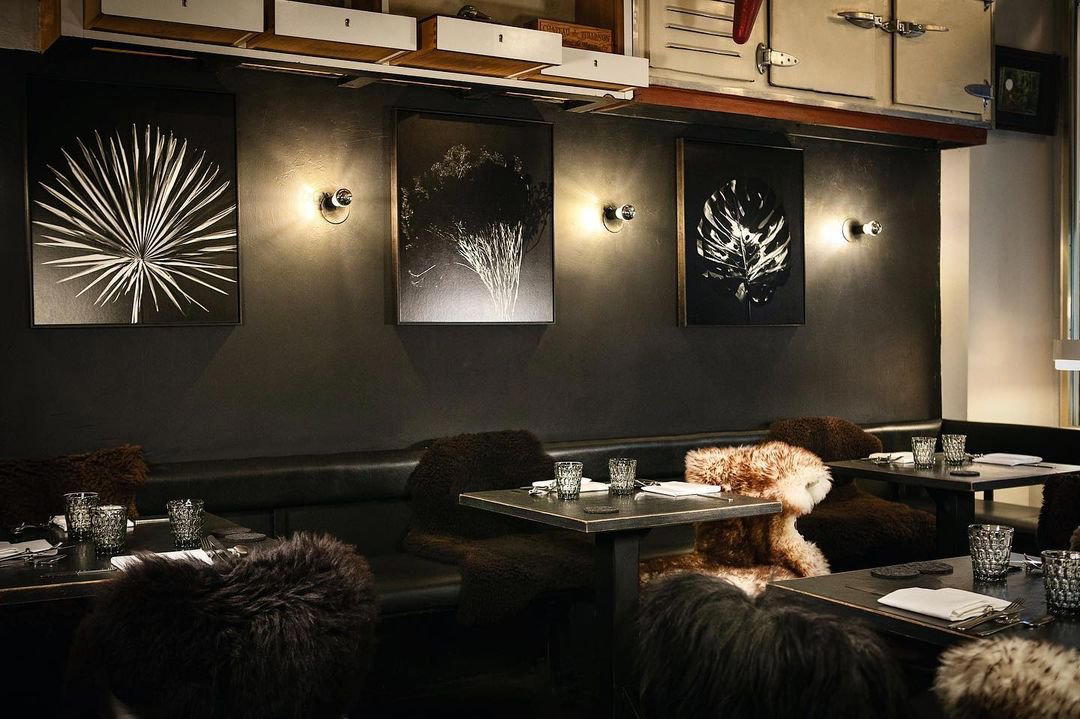
Bars in Berlin
Browse all →
Hotels in Berlin
Browse all →

At a Glance
- Trendy
- Casual
- Casual Hangout
Current opening hours
- Monday
- 12–11 PM
- Tuesday
- 12–11 PM
- Wednesday
- 12–11 PM
- Thursday
- 12–11 PM
- Friday
- 12–11 PM
- Saturday
- 12–11 PM
- Sunday
- 12–11 PM
Hours can change for holidays and private events. Last verified .
Retro hipster decor with a casual, clean and tastefully decorated atmosphere.