On a quiet Prenzlauer Berg street, JÓMO Restaurant occupies a position in Berlin's growing cohort of sustainability-led fine dining. Sitting alongside ethically driven peers like Nobelhart & Schmutzig, JÓMO draws on local sourcing and low-waste kitchen practice as structural principles, not marketing add-ons. It is a restaurant shaped by the city's appetite for cooking that accounts for where food comes from and what happens to what remains.
Pearl is the En Primeur Club membership app — saves, bookings, and concierge access live there. Same editors, same standards.
- Address
- Rykestraße 14, 10405 Berlin, Germany
- Phone
- +493031489028
- Website
- jomo.berlin
- Directions
- Get directions
 Saves & bookings on Pearl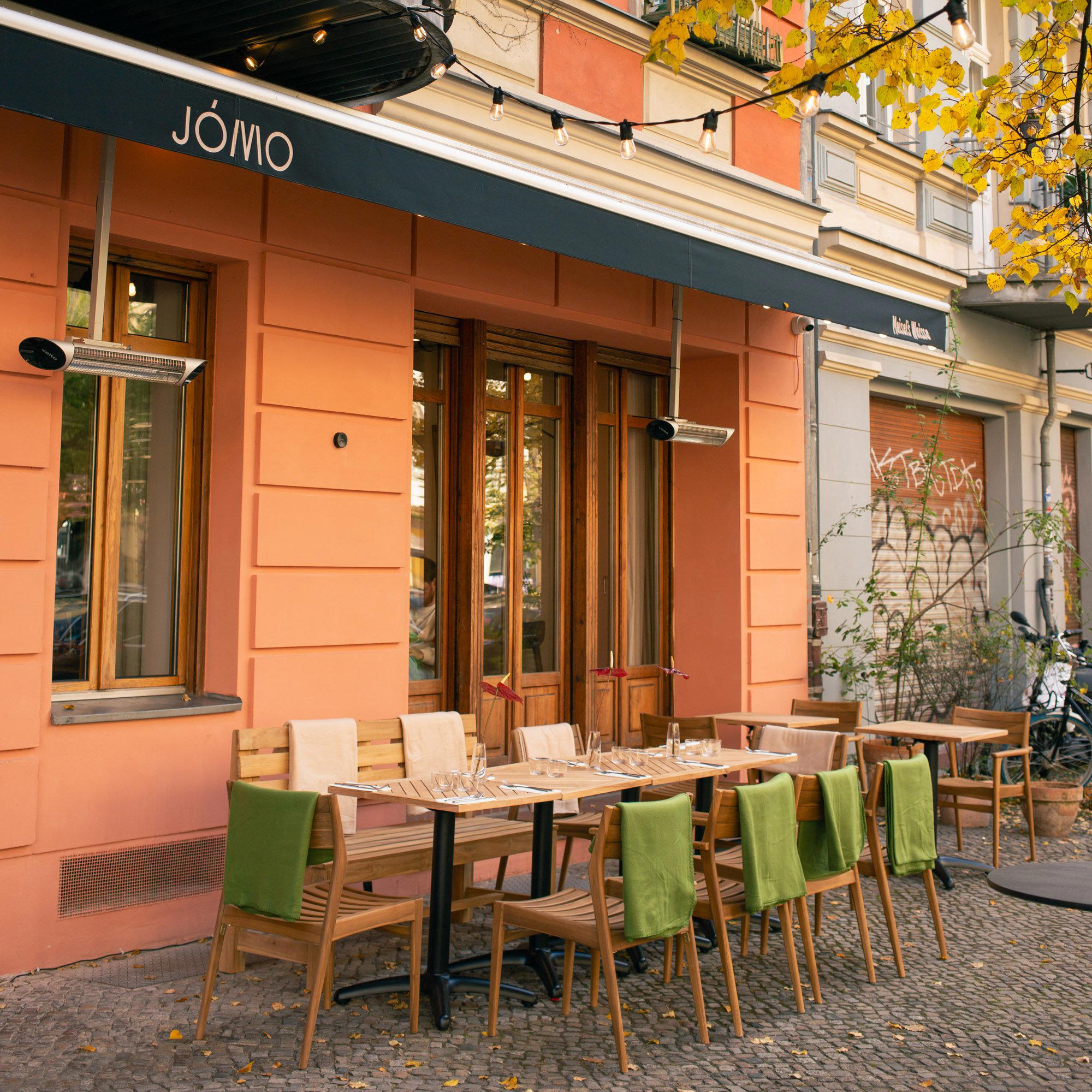
Prenzlauer Berg and the Ethics of the Plate
Berlin's fine dining conversation has shifted considerably over the past decade. Where the city once lagged behind Hamburg and Munich in Michelin recognition, it has developed a distinct culinary identity built not on luxury for its own sake but on an increasingly rigorous relationship between kitchen and supply chain. Prenzlauer Berg, historically a residential neighbourhood of prewar apartment blocks and independent traders, has become one of the quieter addresses for this movement. Rykestraße sits in the middle of it: a tree-lined street more associated with the neighbourhood's famous water tower and its 1904 synagogue than with destination dining. JÓMO Restaurant occupies Rykestraße 14 in Berlin, and its setting says something important about the kind of dining Berlin is developing, grounded in neighbourhood rather than spectacle.
Approaching from the street, the restaurant reads as deliberate in its restraint. This is a pattern across Berlin's sustainability-oriented tier: the properties that make the loudest claims about ethical sourcing tend to do the least about interior theatrics, while the ones genuinely committed to the practice tend to let the cooking speak. JÓMO fits the latter profile, placing it in a comparable set that includes Nobelhart & Schmutzig, the disciplined practitioner of regional-only sourcing in Germany's capital, and the broader community of Berlin restaurants treating provenance as kitchen architecture rather than menu footnote.
Sustainability as Method, Not Positioning
The distinction between restaurants that list sustainability on their websites and those that build their entire operational logic around it is increasingly visible to anyone who eats in this sector regularly. In the first category, local sourcing appears as a seasonal special or a highlighted section of the menu. In the second, it determines what the kitchen can and cannot do on any given week, shapes the menu's structure, and creates a direct relationship between the team and the producers who supply them.
Berlin has produced some of the more compelling examples of the second approach in German dining. Rutz has developed a sourcing program that extends into its wine list. FACIL operates within the constraints of a hotel kitchen while maintaining a creative European approach with seasonal discipline. CODA applies the same methodological rigour to a dessert-only format. JÓMO's address on Rykestraße positions it within this broader pattern: a restaurant shaped by the principles of what is available, what can be used fully, and what the land around Berlin actually produces at any given point in the season.
Waste reduction in a fine dining context is a different discipline from waste reduction in a casual kitchen. At the level of cooking where presentation and precision are non-negotiable, the challenge is using the whole product without allowing that constraint to compromise the plate. Across the restaurants that do this well, including international reference points like Le Bernardin in New York, which has long applied rigorous fish-sourcing ethics, and Atomix, whose tasting format allows for complete control of ingredient use, the solution is almost always a tasting menu structure. It allows the kitchen to plan production with precision, reduce what enters the bin, and use secondary cuts and off-cuts in courses where they belong rather than hiding them.
Where JÓMO Sits in Berlin's Fine Dining Tier
Berlin's high-end restaurant scene has a different profile from Munich or Hamburg. The city's restaurant-goers tend to be more sensitive to price, more open to informality, and more interested in cooking with a point of view than in the ceremonial aspects of service. This has created a particular kind of fine dining: technically serious, often relatively austere in room design, and weighted toward tasting formats where the kitchen controls the experience. The restaurants that have found particularly durable audiences here, Nobelhart & Schmutzig with its hyper-regional counter format, Restaurant Tim Raue with its sustained international profile, have done so by being clearly themselves rather than approximating a European luxury standard.
JÓMO on Rykestraße operates within that context. It does not sit in the central hotel-adjacent corridor where Berlin's more conventionally formatted luxury restaurants cluster. It is a neighbourhood restaurant in the truest sense, which in Berlin's fine dining tier is a distinction rather than a limitation. For comparison, restaurants at a similar positioning elsewhere in Germany, Schanz in Piesport or Bagatelle in Trier, draw from regional identities and local agricultural networks that shape what appears on the plate. JÓMO works from a Berlin and Brandenburg agricultural frame, which is a different supply context: more urban-adjacent, more reliant on market networks and smaller-scale producers operating near the city.
Germany's broader fine dining reference points, Aqua in Wolfsburg, Schwarzwaldstube in Baiersbronn, Victor's Fine Dining by Christian Bau in Perl, Vendôme in Bergisch Gladbach, and ES:SENZ in Grassau, tend to operate in destination contexts outside major cities, where a loyal clientele travels specifically to the restaurant. Berlin's version of this, increasingly, is the neighbourhood restaurant that earns its repeat audience through consistency of principle rather than the pull of a famous rural address. JAN in Munich and Restaurant Haerlin in Hamburg represent the urban end of the same dynamic in their respective cities. Waldhotel Sonnora in Dreis sits at the destination extreme. JÓMO is closer to the urban model: a restaurant you return to because the kitchen has something to say, not because the journey itself is the event.
Planning a Visit
Rykestraße 14 is in the heart of Prenzlauer Berg, well served by the U2 line at Eberswalder Straße and within walking distance of the neighbourhood's main restaurant and café concentration. As with most serious Berlin restaurants operating at this level, contacting the restaurant directly in advance is the practical approach, booking windows at sustainability-led tasting-format restaurants in the city typically run several weeks out, particularly on Thursday through Saturday evenings when the neighbourhood draws a broader dining audience. For a fuller view of where JÓMO sits in the city's dining scene, the EP Club Berlin restaurants guide maps the top tier across neighbourhoods and formats.
A Minimal comparable set
Comparable venues nearby, for context on price, style, and recognition.
| Venue | Cuisine | Price | Notes |
|---|---|---|---|
| JÓMO RestaurantThis venue — the venue you are viewing | Not listed | $$$ | Not listed |
| Moon Exquisite | Mitte, Southeast Asian-European Fusion | $$$ | Not listed |
| Qui 31 | Charlottenburg, Modern European Fusion | $$$ | Not listed |
| Kastanien Curry Junction | Not listed | $$ | Scheunenviertel, Indian-Mexican Fusion Curry House |
| BURRO UNCHAINED | Neukolln, Modern Mexican-European Fusion | $$$ | Not listed |
| Anima | Not listed | $$$ | Friedrichshain, Seasonal Mediterranean Small Plates |
Continue exploring
More in Berlin
Restaurants in Berlin
Browse all →
Bars in Berlin
Browse all →
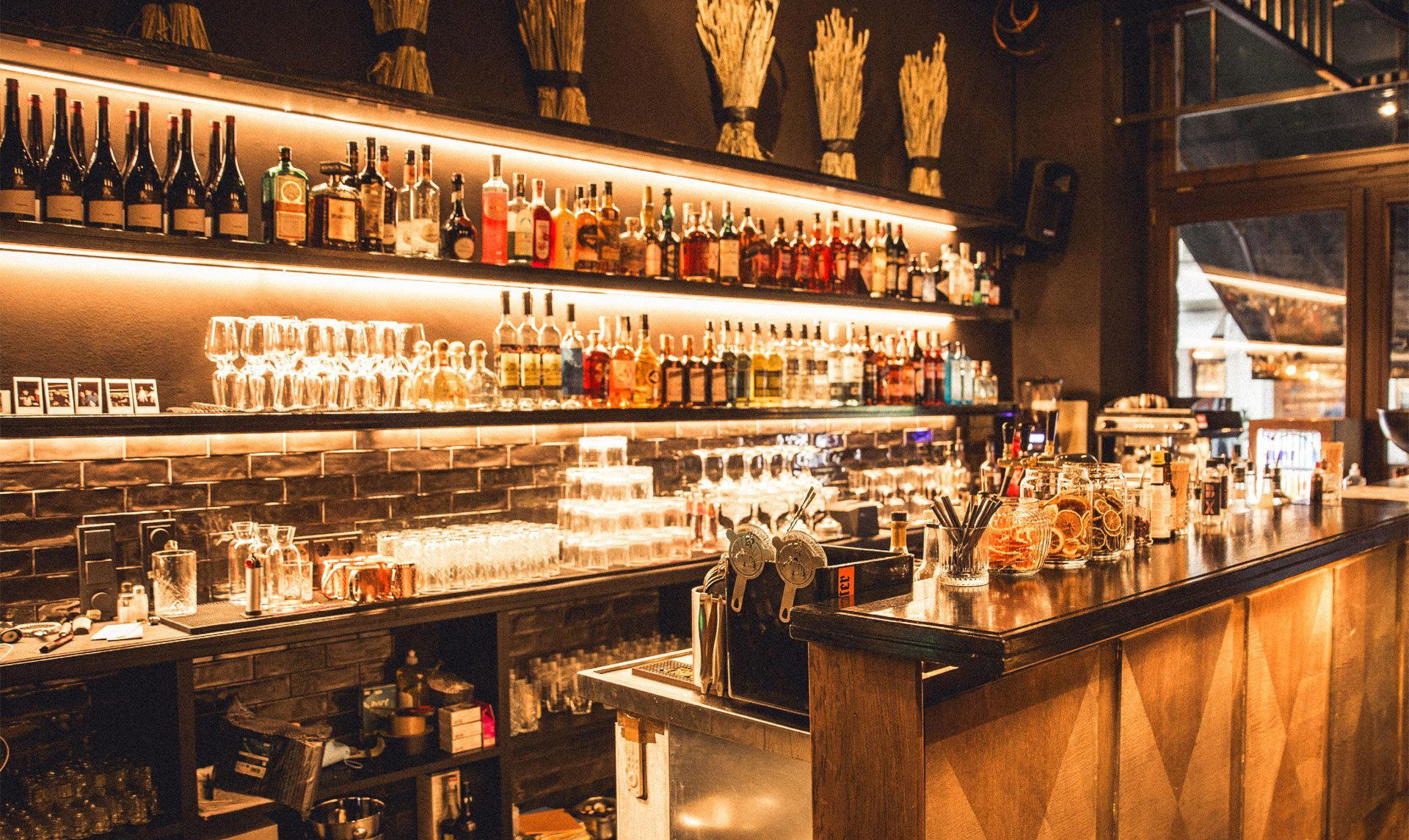
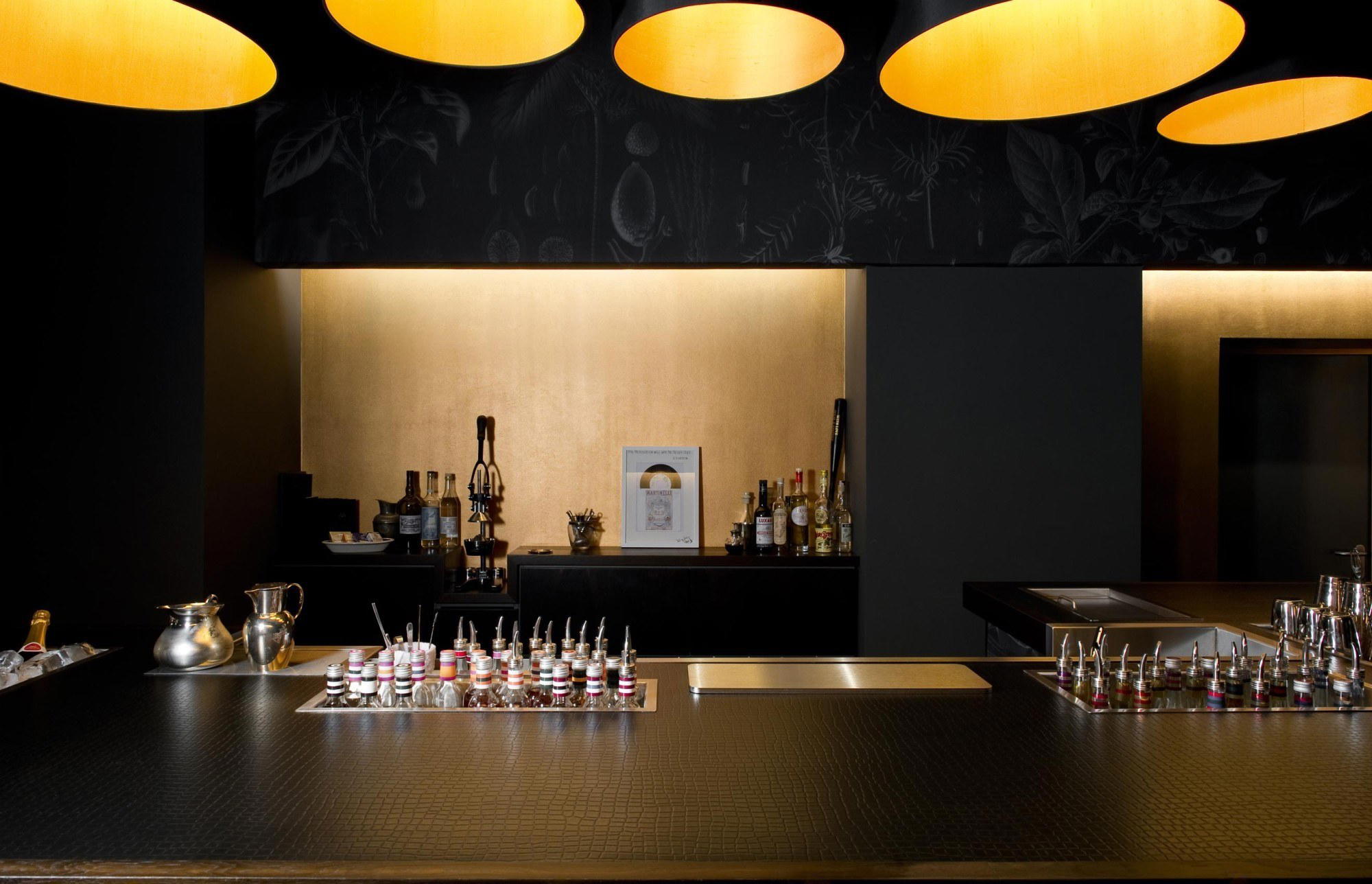
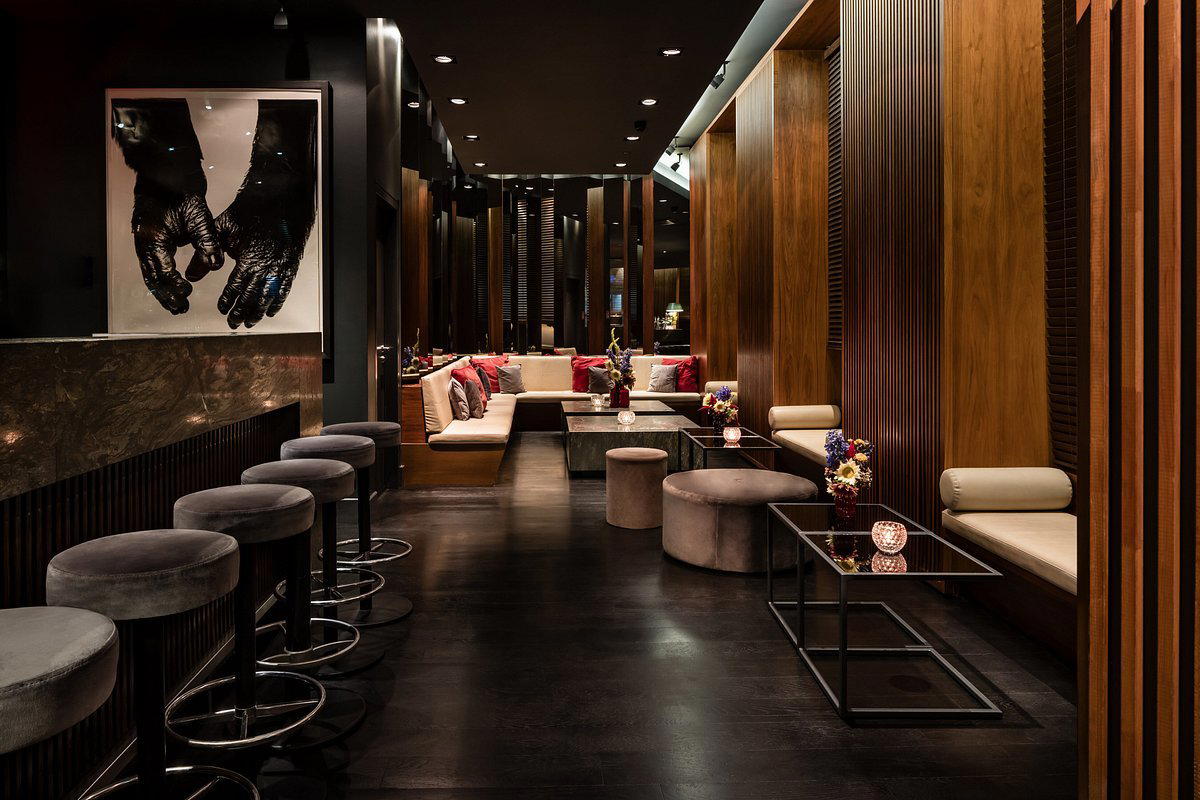
Hotels in Berlin
Browse all →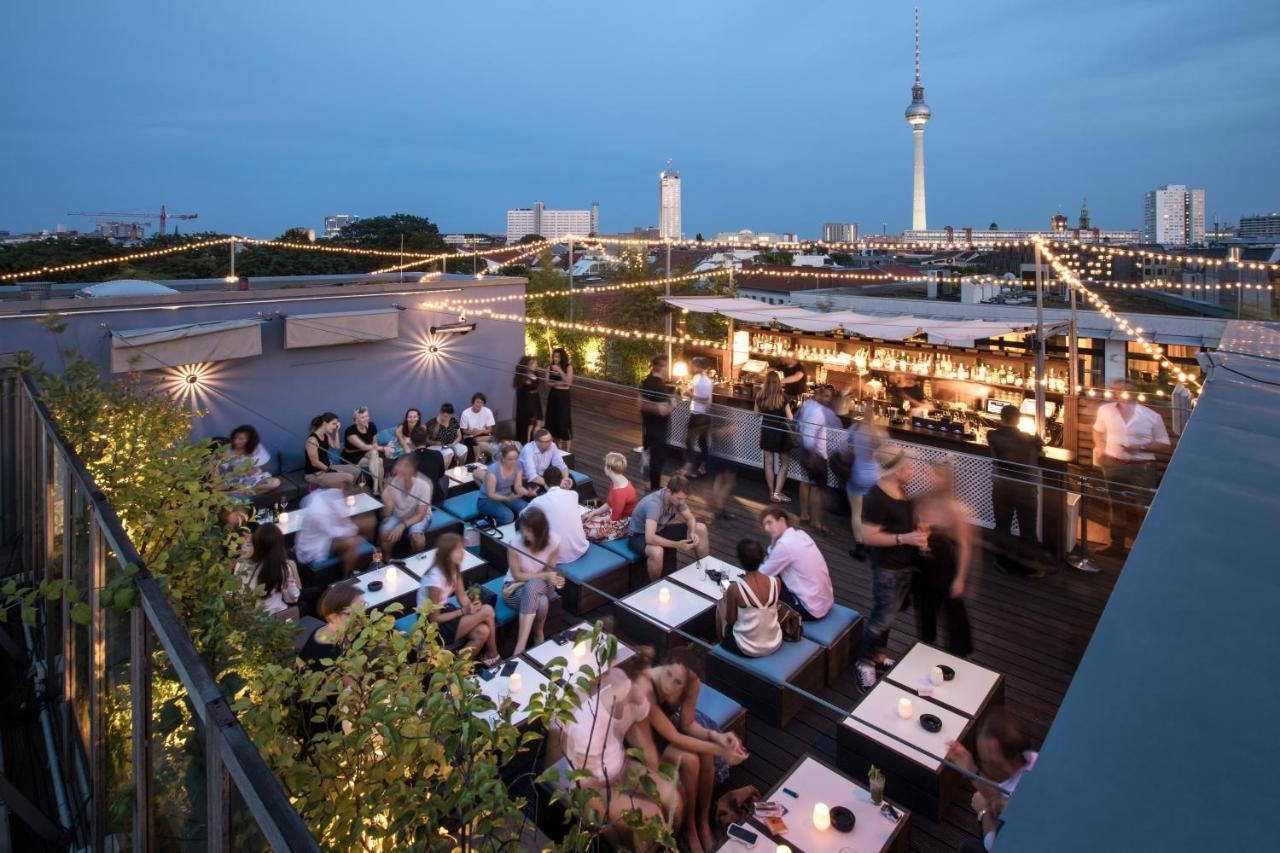
Wineries in Berlin
Browse all →
At a Glance
- Trendy
- Modern
- Cozy
- Date Night
- Brunch
- Casual Hangout
- Terrace
- Natural Wine
Current opening hours
- Monday
- 6–11 PM
- Tuesday
- 6–11 PM
- Wednesday
- 6–11 PM
- Thursday
- 6–11 PM
- Friday
- 6–11:30 PM
- Saturday
- 10 AM–11:30 PM
- Sunday
- 10 AM–11 PM
Hours can change for holidays and private events. Last verified .
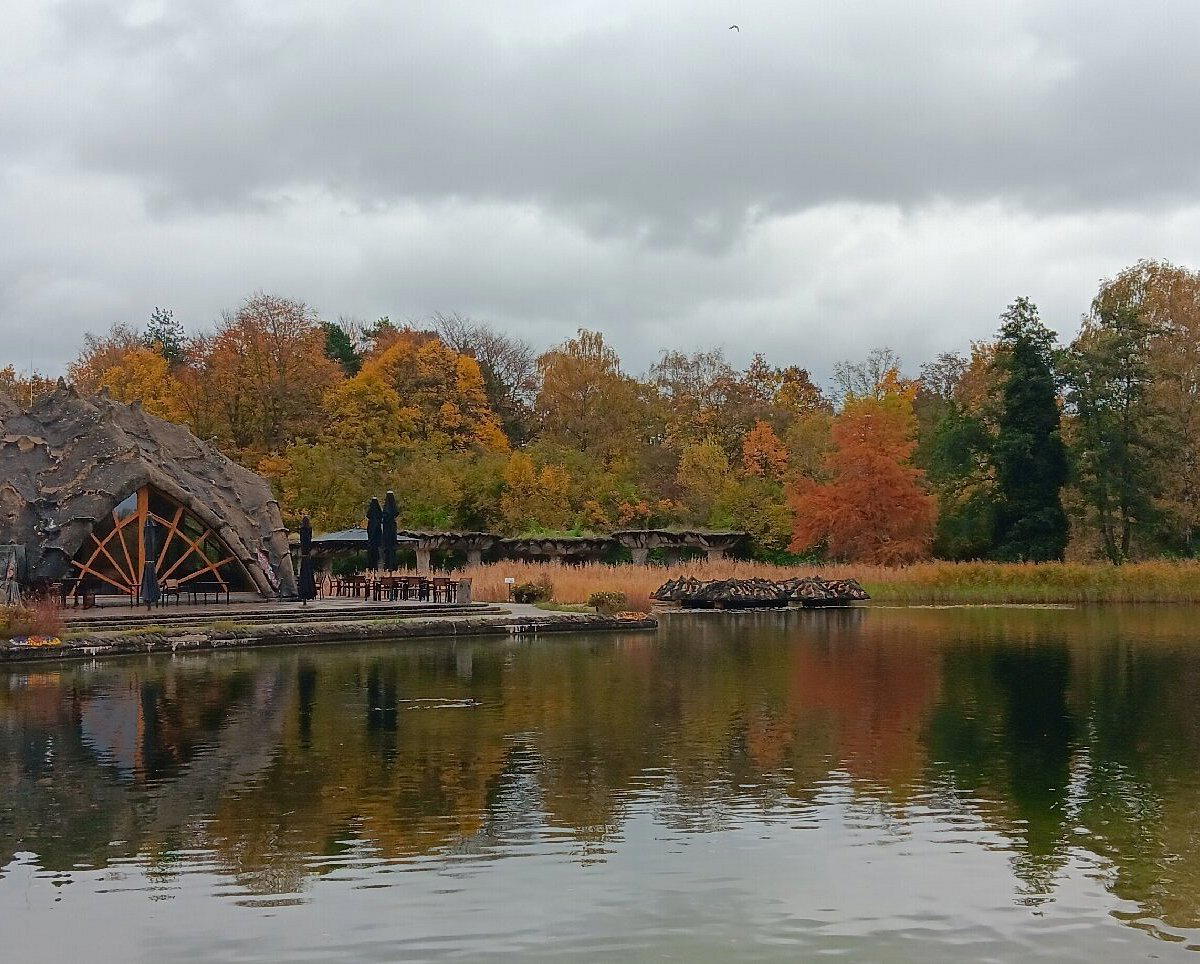
Relaxed and welcoming atmosphere where guests can simply 'be', featuring a wonderful terrace on nice days.