
Kashiwagi brings Tokyo ramen into its compact, low-waste neighborhood form: a small Higashi-Nakano room, counter-led service, no reservations, and recognition in Tabelog’s Ramen TOKYO 100 for 2025 after repeated selections since 2018. The appeal is less ceremony than discipline, with a nine-seat format that keeps the experience close to everyday Tokyo eating rather than luxury performance.
Pearl is the En Primeur Club membership app — saves, bookings, and concierge access live there. Same editors, same standards.
- Address
- 1 Chome-36-7 Higashinakano, Nakano City, Tokyo 164-0003, Japan
- Website
- twitter.com
 Saves & bookings on Pearl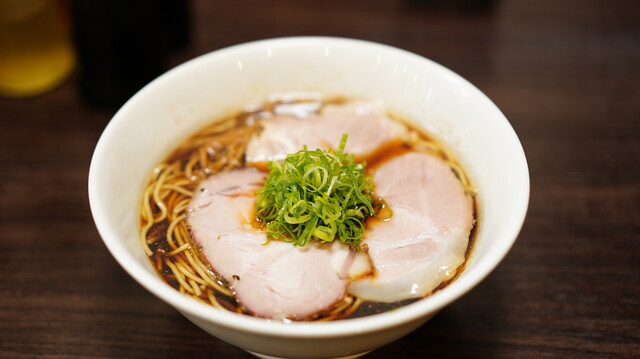
Higashi-Nakano does not announce itself with Ginza polish or Shinjuku volume. Its ramen shops follow west Tokyo’s commuter rhythm: station exits, short walks, narrow rooms, quick turnover, and diners who know what they came for. In that setting, Kashiwagi feels less like a destination staged for spectacle than part of a disciplined urban tradition. The room is small, the format tight, and the meal follows the ramen counter’s older logic: cook, serve, clear, repeat.
That compactness matters. A nine-seat setup, with five counter seats and one table for four, shapes both economics and mood. It limits sprawl, keeps service close to the kitchen, and makes waste harder to hide. Ramen depends on stock management, portion control, and rapid service; in a room this small, those are not abstract values but the operating model. A shop that runs lunch service only on most opening days says something different from a late-night chain with multiple shifts and a broad menu built for indecision.
A compact ramen counter in Tokyo's resource-conscious everyday dining culture
Tokyo ramen has an environmental intelligence easy to miss when discussion stops at rankings and queues. The form rewards concentration: limited footprint, high seat turnover, focused procurement, and menus often built around a few core broths rather than a hotel-restaurant inventory of perishable luxury goods. That does not make every ramen shop sustainable by default, but the category has structural advantages. Small rooms use less space. Short menus reduce kitchen drift. Counter service compresses labor and serviceware demands.
Kashiwagi sits in that tradition with unusual visibility. Selection for Tabelog Ramen TOKYO 100 in 2025 places it in a crowded, reputation-sensitive field where consistency is judged by repeat diners, not a single critic’s ceremonial meal. Appearances in the same Tabelog ramen selection from 2018 through 2025 give the recognition more weight than a one-season flash. Its listed Tabelog score of 3.78 also matters in Japanese review culture, where scores cluster tightly and a high-three rating can signal serious local approval.
The neighborhood sharpens the point. Higashi-Nakano is not the default stop for visitors building a luxury Tokyo itinerary around omakase counters, hotel bars, and department-store dining floors. It is a residential and commuter district where daily credibility is the test. Here, a ramen shop does not need theatrical design. It needs clarity, repeatability, and enough restraint to avoid turning a quick bowl into a bloated concept.
Recognition without the luxury markup
Tokyo ramen now spans several registers: neighborhood shops built around speed and routine, specialist counters with long lines, and higher-priced formats borrowing from kappo or tasting-menu language. The comparison set shows the spread: Koi Nobori sits in a far higher dining bracket at JPY 15,000 to JPY 19,999, while Chuka Soba Chigonoki operates closer to everyday ramen at JPY 1,000 to JPY 1,999.
Within that spectrum, Kashiwagi’s public pricing places it firmly in the accessible ramen tier, while repeated Tabelog Ramen TOKYO 100 selections pull it into a more competitive conversation than price alone suggests. This is the useful tension: it is not trying to behave like a luxury restaurant, yet it carries enough recognition to matter for travelers who plan around credentialed dining. For visitors who understand Tokyo through sushi, tempura, and kaiseki reservations, this counter is a corrective. It shows how much of the city’s food culture operates outside the expensive reservation economy.
The reservation policy reinforces that identity. No-reservation ramen is part of Tokyo’s democratic dining machinery: arrive, wait if necessary, eat efficiently, leave the seat for the next person. That rhythm can feel abrupt to diners used to long tasting menus, but it is central to the category. The compact room and counter seating make lingering feel out of place. The reward is not pampering; it is precision without ceremony.
How to place it in a Tokyo food itinerary
A strong Tokyo itinerary needs contrast. The city can pull travelers into high-cost omakase and hotel-bar polish, but ramen gives a clearer reading of how locals eat between work, trains, and errands. Pairing a small Higashi-Nakano counter with more formal meals elsewhere creates a better map than staying only in luxury districts. Treat this as a focused stop, not a long lunch: the room is small, reservations are unavailable, and payment is cash-only across cards, electronic money, and QR systems.
For broader planning, keep the ramen stop in conversation with other Tokyo categories rather than isolating it as novelty. EP Club’s Tokyo coverage ranges from casual and specialist restaurants to hotels, bars, wineries, and experiences: Our full Tokyo restaurants guide, Our full Tokyo hotels guide, Our full Tokyo bars guide, Our full Tokyo wineries guide, and Our full Tokyo experiences guide. Nearby and citywide restaurant references include. 鮪と炭火焼き うお炭 秋葉原店, 12/10 Shinjuku ten, 124. KAGURAZAKA (Yakitori), 2D Cafe, and 3 Chome no Curry Ya San.
For Japan-wide context, the same itinerary logic applies: move between quick, specialist, regional, and formal formats rather than chasing one dining mood. Useful contrasts include -Grilled beef Sukiyaki- KAMAKURA TANUKIAN 鎌倉 たぬき庵 in Kamakura.cafe in Osaka.know in Kumamoto, (Shoku) Vietnam in Kawasaki, [Curry Senmon Ten] Maruyama Kyoju. in Sapporo, [ki:] in Kyoto, Jōdo Saké Bar in Los Angeles, and Onigiri Time in Pasadena.
The editorial case is not that Kashiwagi mimics fine dining at a lower price. It is that Tokyo ramen, at its disciplined end, offers another kind of seriousness: compressed service, small-scale operations, repeat recognition, and a format that resists excess. Kashiwagi belongs in that conversation because its credentials support the visit without distorting the place. Go for the city’s ramen-counter grammar: short, efficient, compact, and exacting.
Fast Comparison
Comparable venues for orientation by cuisine and category.
| Venue | Cuisine | Price | Notes |
|---|---|---|---|
| KashiwagiThis venue — the venue you are viewing | Ramen shop | $ | Not listed |
| Uogashi Nihon-ichi (魚がし日本一) | Standing Sushi Bar | $ | Shibuya |
| Toranomon Okanoeisen Shinjuku takashimaya ten | Japanese traditional sweets (wagashi) | $ | Shibuya |
| Tokyo Rakkyo Brothers | Hokkaido-style soup curry & Japanese curry | $ | Shinjuku |
| Oishii Curry | Japanese Curry House | $ | Setagaya |
| Hishida Ya | Japanese teishoku cafeteria | $ | Meguro |
Recognition history
Dated appearances from independent guides and award organizations, with the underlying list record or original source where available.
Tabelog 100 #54 · No. 54
Tabelog · Tabelog 100 - Ramen - TOKYO - 2025












At a Glance
- Cozy
- Classic
- Solo
- Casual Hangout
- After Work
- Standalone
Current opening hours
- Monday
- 11:30 AM–3 PM
- Tuesday
- Closed
- Wednesday
- 11:30 AM–3 PM
- Thursday
- 11:30 AM–3 PM
- Friday
- 11:30 AM–3 PM
- Saturday
- 11:30 AM–3 PM
- Sunday
- 11:30 AM–3 PM
Hours can change for holidays and private events. Last verified .
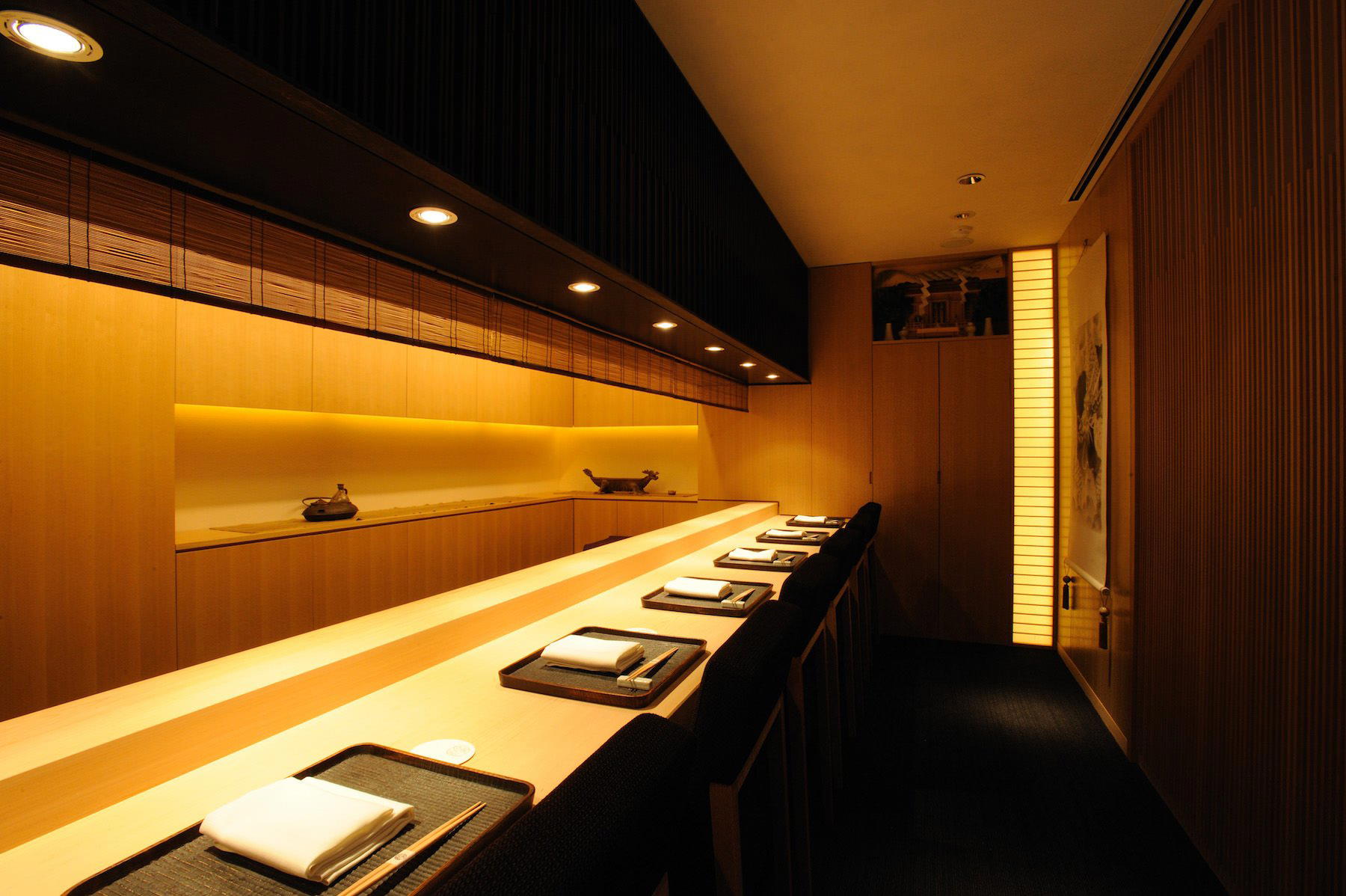
A compact, no-frills ramen shop with only counter and one small table, typically busy and energetic at peak times but with a relaxed neighborhood feel and focus on the steaming bowls rather than decor.