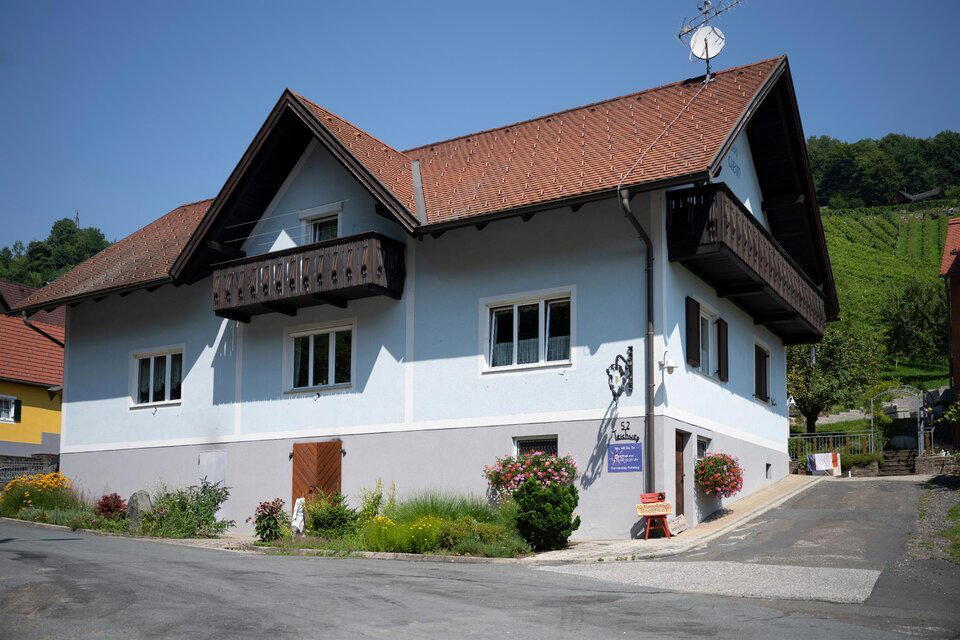
Karpfenwirt sits in the Sulm Valley village of Dörfla, in the heart of Styria's Southern Steiermark wine country. The address alone signals intent: a traditional Austrian inn operating in one of the country's most agriculturally serious regions, where proximity to local produce is a structural fact rather than a marketing choice. For travellers exploring Styrian dining beyond Graz, it represents the rural end of a scene that takes ingredients with considerable seriousness.
Pearl is the En Primeur Club membership app — saves, bookings, and concierge access live there. Same editors, same standards.
- Address
- i.S, Dörfla 25, 8543 St. Martin im Sulmtal, Austria
- Phone
- +434334652307
- Website
- karpfenwirt.at
- Directions
- Get directions
 Saves & bookings on Pearl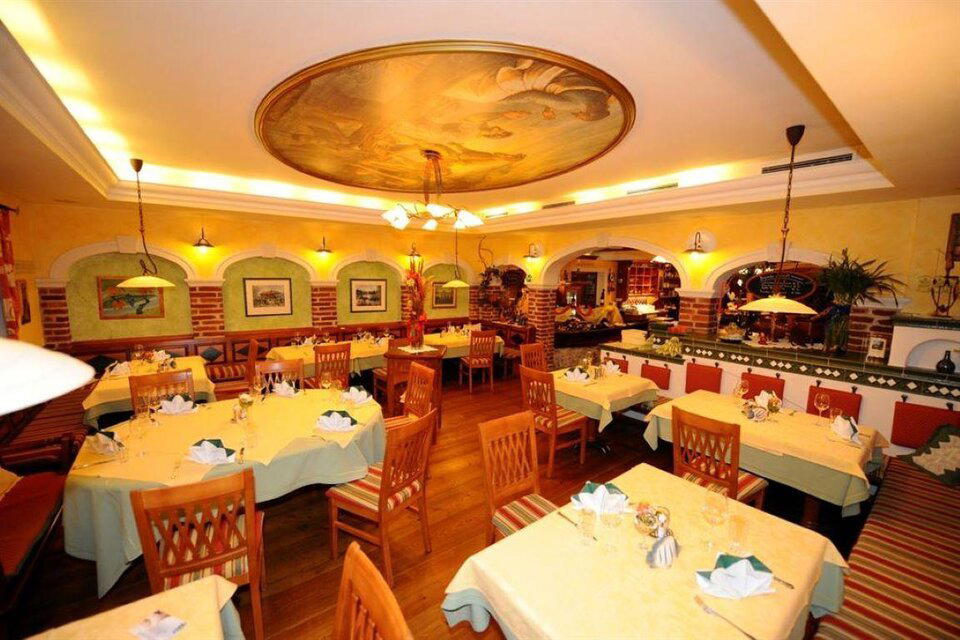
Where the Sulm Valley Sets the Table
Approach Dörfla through the Sulm Valley and the agricultural argument for eating here becomes self-evident before you arrive. The Southern Steiermark sits in a climatic pocket that Austria's wine and produce worlds have long understood: the region grows Sauvignon Blanc and Welschriesling, raises poultry and carp, and operates at a pace where supply chains between producer and kitchen remain short enough to matter. Karpfenwirt, at address i.S, Dörfla 25 in the municipality of St. Martin im Sulmtal, is positioned inside that agricultural geography rather than adjacent to it.
The name itself carries information. "Karpfenwirt" translates directly as "carp innkeeper," pointing toward the freshwater fish tradition that runs through Styrian rural cooking. Carp farming in the river valleys of this part of Austria has a documented history spanning centuries, and the fish remains a marker of regional identity in a way that few ingredients manage elsewhere in Central European cuisine. A venue carrying that name in this valley is making a locational and culinary declaration simultaneously.
The Ingredient Logic of Rural Styria
Austrian dining at its most ambitious now splits between two recognisable poles. At one end, restaurants like Steirereck im Stadtpark in Vienna and Döllerer in Golling an der Salzach bring regional ingredients into technically sophisticated formats, building tasting menus that locate Austria on international fine dining coordinates. At the other end, rural inns in farming communities operate on a different logic: ingredients are local not by curation but by geography, and the cooking exists in conversation with what the surrounding land and water produce rather than as a conscious editorial statement about it.
Karpfenwirt belongs to the second tradition. The Southern Steiermark's agricultural density means that working within a tight local radius is structurally available to a kitchen in a way it simply is not for urban restaurants that must source across longer distances. The Sulm and Saggau river systems, the pumpkin fields that produce Styrian pumpkin seed oil (one of the region's most recognisable exports), the vineyards of the Südsteiermark wine route running nearby: these are not backdrop but supply. Styrian pumpkin seed oil in particular carries PDO (Protected Designation of Origin) status, a credential that confirms the specificity of the regional product. A kitchen in Dörfla sits inside that production area.
This sourcing geography connects Karpfenwirt to a broader pattern visible across Austria's serious rural dining rooms. Properties like Taubenkobel in Schützen am Gebirge and Landhaus Bacher in Mautern an der Donau have built significant reputations by treating regional agricultural identity as a non-negotiable frame rather than an optional theme. The rural inn format, when it takes its location seriously, can access ingredients that urban kitchens negotiate to obtain.
The Styrian Inn Format and What It Signals
The Gasthof or Wirtshaus format in Austria carries specific cultural weight. These are not gastropubs in the British sense, nor are they bistros in the French one. The Austrian inn tradition implies a particular relationship between host, regulars, and occasional visitors: a dining room that serves the community first and the traveller second, with cooking shaped by what the surrounding region produces rather than by what external trends recommend.
In the Southern Steiermark specifically, that format has produced some of the country's more interesting provincial dining. Graz, forty-odd kilometres to the north, contains its own serious restaurant scene, with venues like Artis in Graz representing the city's contemporary end. But the villages of the wine country south of the city operate in a different register: slower, more rooted, and often more directly connected to the agricultural calendar. A meal timed to the autumn pumpkin harvest or the winter carp season in this part of Styria is a meal shaped by conditions that cannot be replicated at other times of year.
Travellers making the comparison between Karpfenwirt and the more prominent Austrian addresses should understand that the relevant comparable set differs by intention. Ikarus in Salzburg, Gourmetrestaurant Tannenhof in Sankt Anton am Arlberg, and Griggeler Stuba in Lech operate in the Michelin-facing, tasting-menu tier. Karpfenwirt is a different proposition: a venue whose value is measured by how faithfully it expresses its valley, not by how many Michelin symbols it has accumulated. The two categories are not in competition; they serve different reader decisions.
Planning a Visit to Dörfla
St. Martin im Sulmtal is reachable by car from Graz in under an hour, making it a viable half-day excursion from the city or a stop on a longer Southern Steiermark wine route itinerary. The Südsteiermark wine road passes through the region, and pairing a meal in Dörfla with visits to the local Sauvignon Blanc producers that have made this sub-region internationally known is a logical way to structure a day. The autumn months, when pumpkin harvest and the wine season overlap, represent the period of highest agricultural interest for first-time visitors to the area. Current hours and reservations are recommended to confirm in advance. Visitors exploring the broader Austrian dining scene at this level may also find context in Obauer in Werfen, Kräuterreich by Vitus Winkler in Sankt Veit im Pongau, Ois in Neufelden, and Schwarzer Adler in Hall in Tirol. Those with broader European reference points can compare the rural sourcing philosophy at play here with what producers-first kitchens have accomplished in other contexts, from Atelier Fischer in Sankt Gilgen to Restaurant 141 by Joachim Jaud in Mieming, and even internationally at Le Bernardin in New York City or Atomix in New York City, where ingredient sourcing carries equivalent structural weight in different culinary idioms.
Fast Comparison
Comparable venues nearby, for context on price, style, and recognition.
| Venue | Cuisine | Price | Notes |
|---|---|---|---|
| KarpfenwirtThis venue — the venue you are viewing | Austrian Seafood | $$ | Not listed |
| Electric Garden | Contemporary Austrian Lakeside | $$ | Techelsberg am Wörthersee |
| Kornberg | Regional Styrian Castle Cuisine | $$ | Kornberg bei Riegersburg |
| Merak | Balkan Charcoal Barbecue | $$ | Westbahnhof |
| Salims | Cocktail Bar Snacks | $$ | Josefstadt |
| Pepper & Ginny | Vegan Deli | $$ | Innere Stadt |
Continue exploring
More in Doerfla
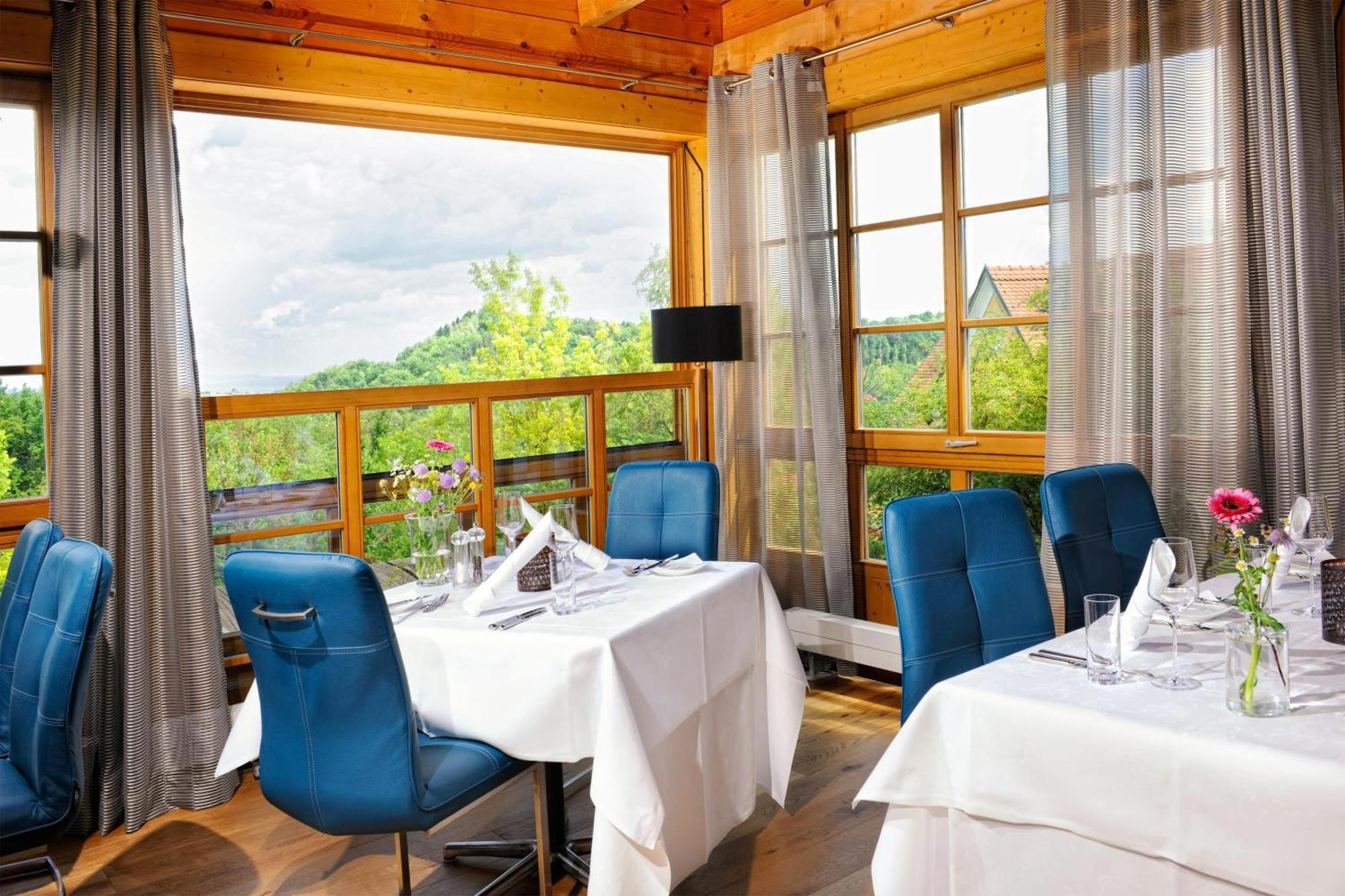
Restaurants in Doerfla
Browse all →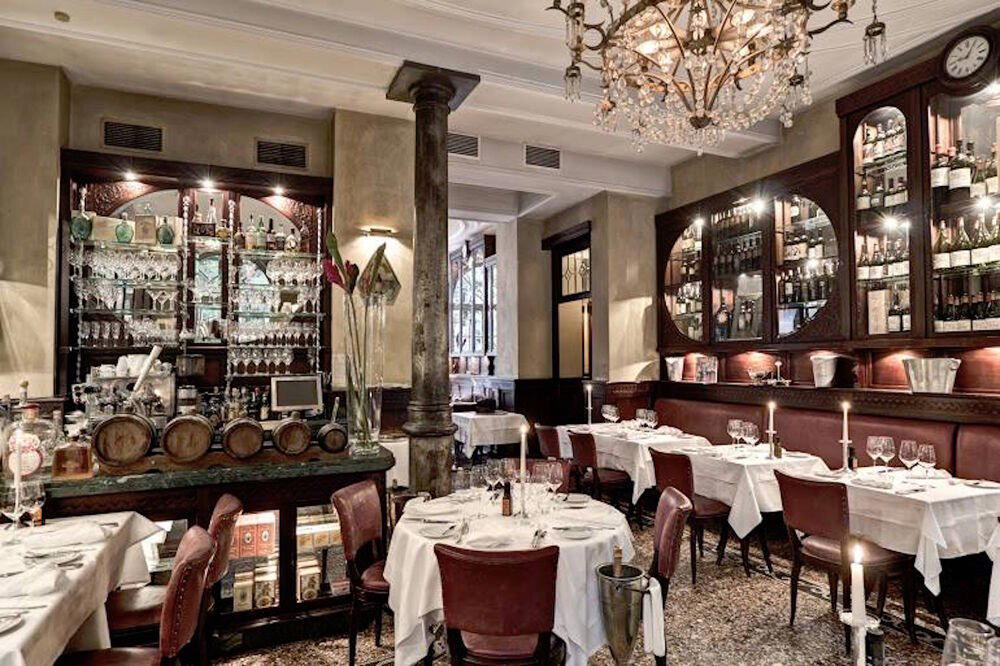
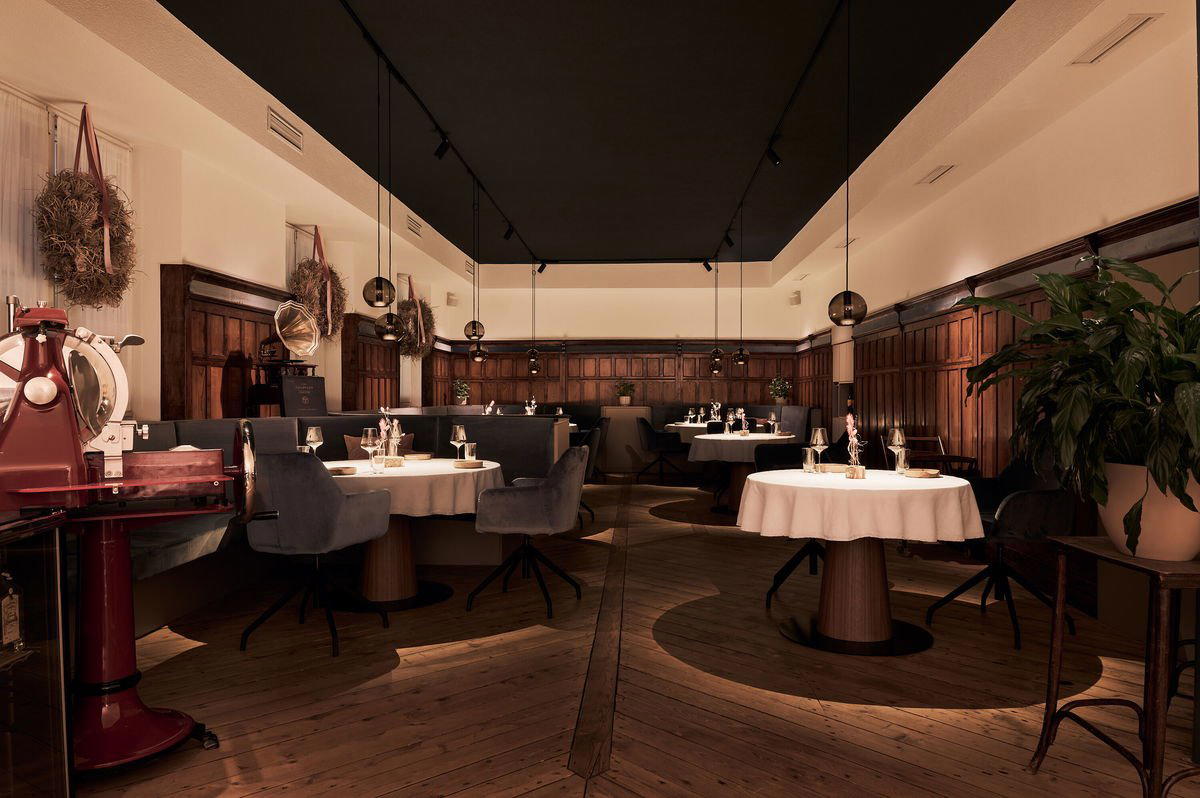
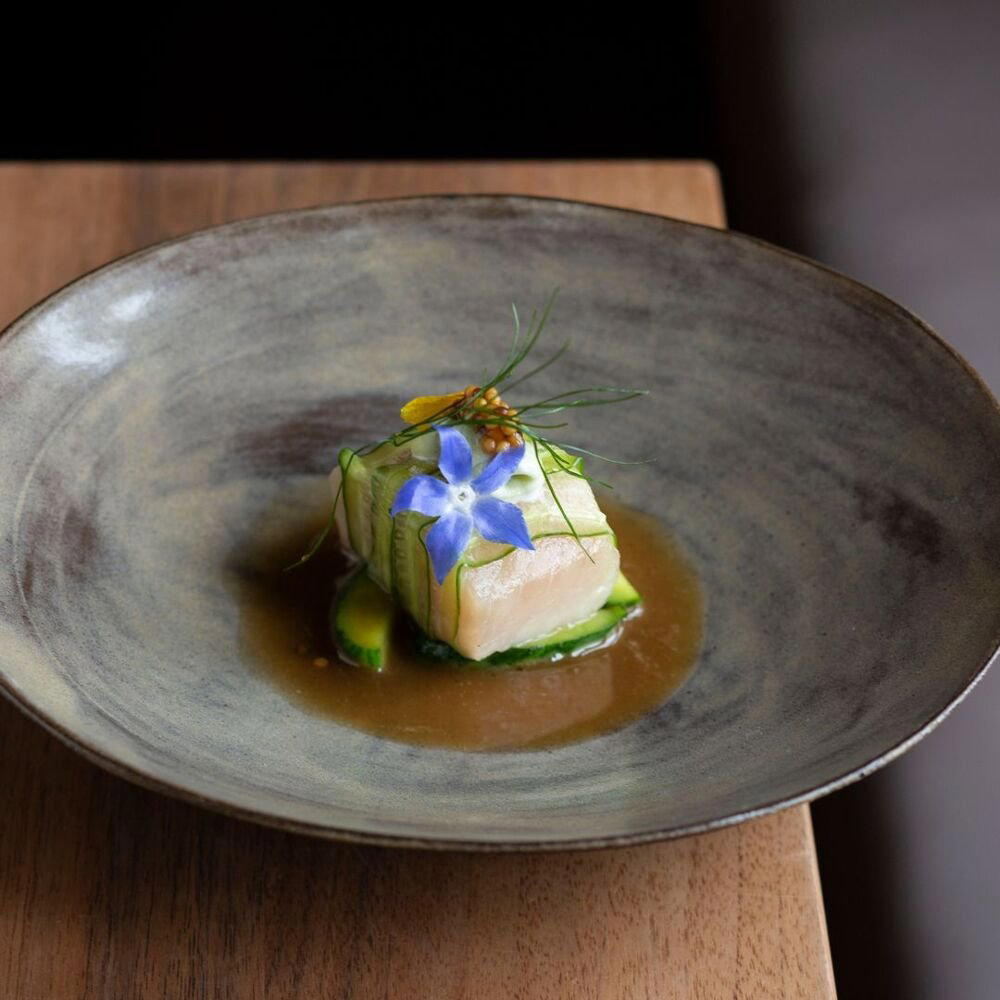

Bars in Doerfla
Browse all →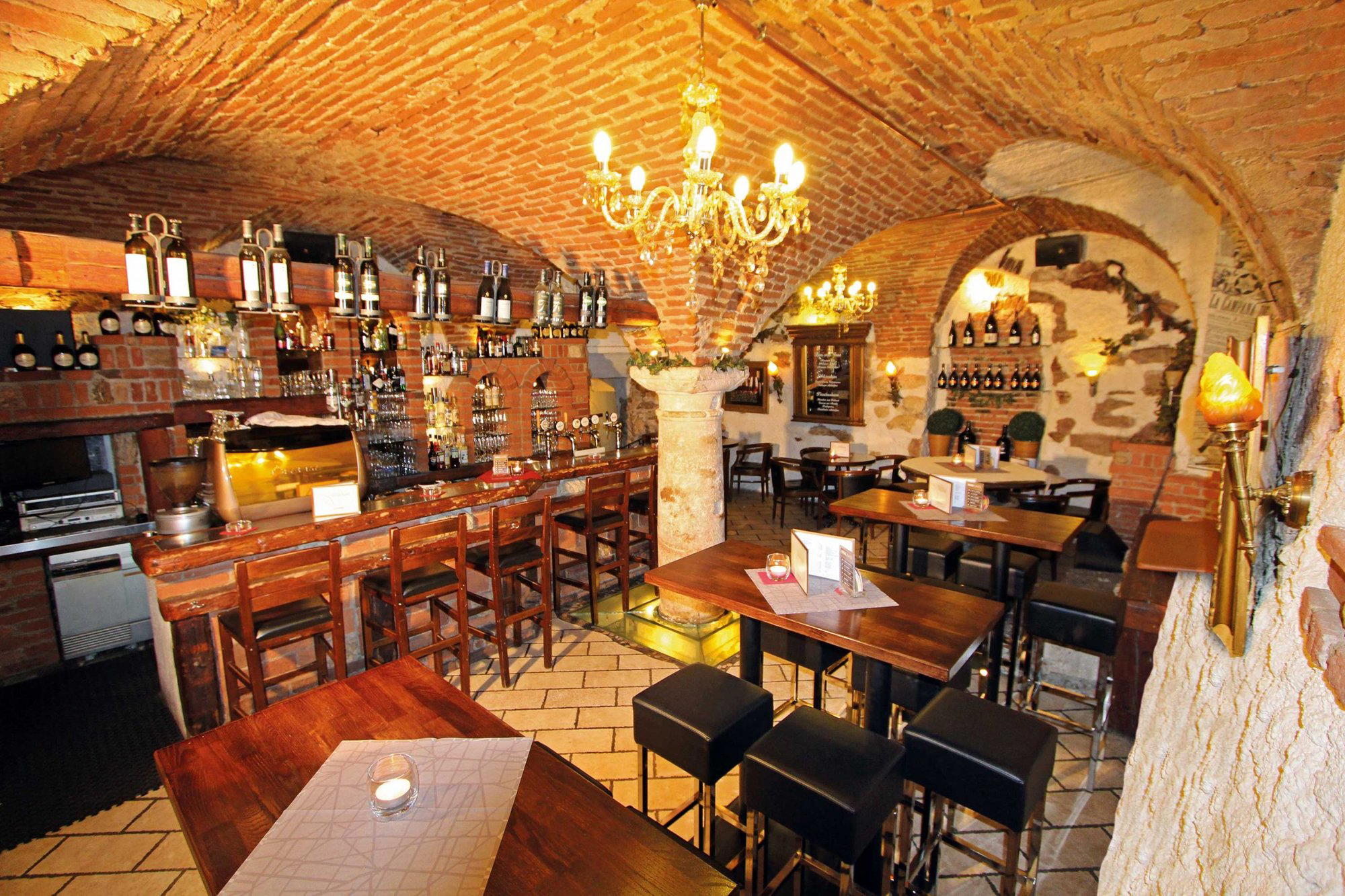
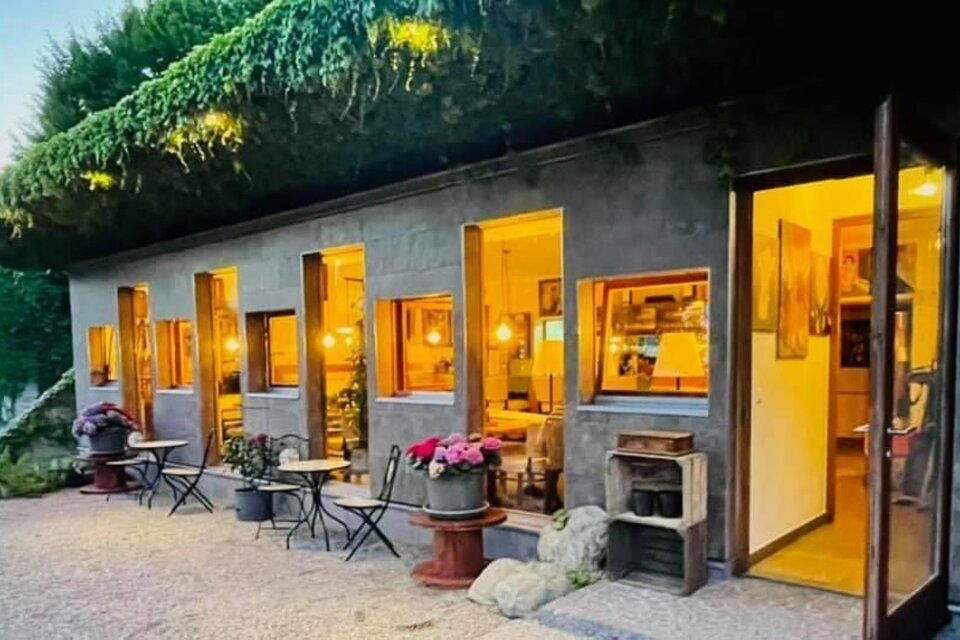
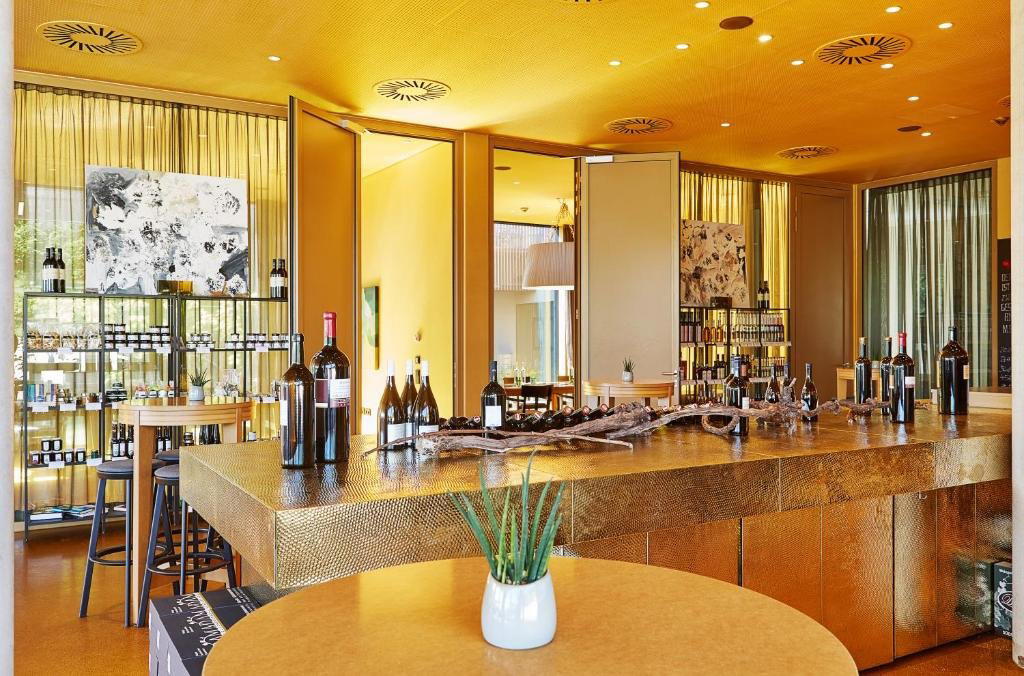
Hotels in Doerfla
Browse all →






At a Glance
- Rustic
- Cozy
- Classic
- Family
- Casual Hangout
- Historic Building
Current opening hours
- Monday
- Closed
- Tuesday
- Closed
- Wednesday
- 9 AM–3:30 PM
- Thursday
- 9 AM–10 PM
- Friday
- 9 AM–10 PM
- Saturday
- 9 AM–10 PM
- Sunday
- 9 AM–5 PM
Hours can change for holidays and private events. Last verified .
Nice clean place with classic table settings and welcoming atmosphere.