Electric Garden
Electric Garden sits at Saag 15 on the shores of Wörther See in Techelsberg, Austria, a setting that positions it within a region better known for lake tourism than destination dining.
Pearl is the En Primeur Club membership app — saves, bookings, and concierge access live there. Same editors, same standards.
- Address
- Saag 15, 9220 Gemeinde Techelsberg am Wörther See, Austria
- Phone
- +43 676 9304141
- Website
- electricgarden.at
- Directions
- Get directions
 Saves & bookings on Pearl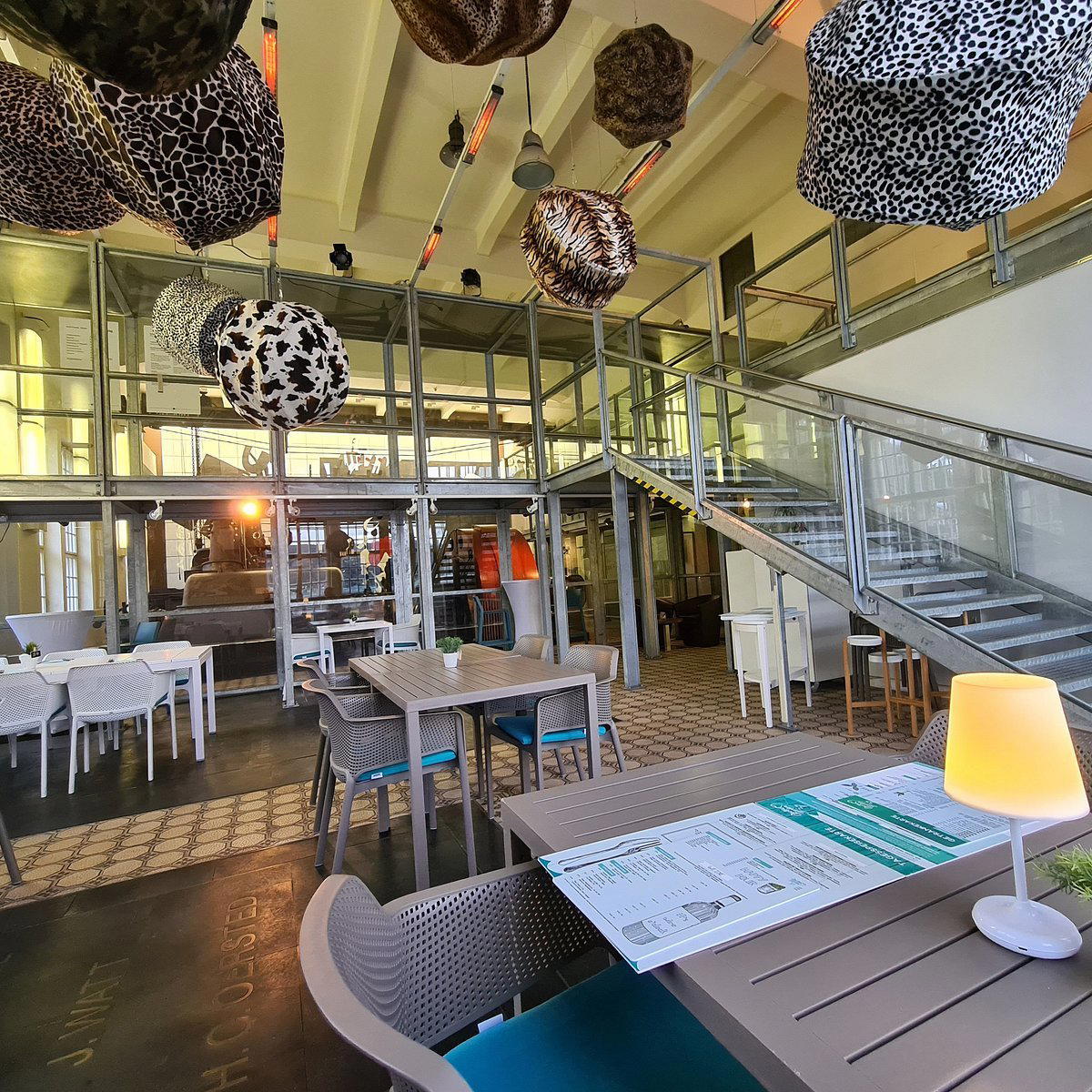
Where Carinthia's Lake Country Meets the Table
Electric Garden is a restaurant in Techelsberg am Wörther See, Carinthia, with, recommended-reservation format. Wörther See, the warm glacial lake that anchors the region, draws visitors for its water and its light, a particular alpine-Mediterranean quality that softens the landscape through summer and gives the area a character distinct from the mountain-heavy Tirol or the vineyard-threaded Styrian south. Techelsberg am Wörther See, a small municipality on the lake's northern shore, sits within this geography: quiet, residential, and oriented around the water rather than around any culinary reputation. It is precisely in places like this that locally embedded dining tends to operate, away from the infrastructure of urban food media.
Electric Garden, addressed at Saag 15 in Techelsberg, occupies this context. The name alone signals something at a slight angle to the conventional Austrian Gasthaus tradition, a deliberate framing, a mood rather than a category. In a country where ingredient provenance has become one of the defining tensions in contemporary restaurant culture, a venue that positions itself around a garden concept, whether literal or conceptual, is making a statement about sourcing and seasonality that matters to understand before the plate arrives.
The Sourcing Logic of the Austrian Countryside
Austria's most recognised restaurants have, over the past two decades, built their reputations substantially on proximity to source. Steirereck im Stadtpark in Vienna operates its own farm and has made the traceability of alpine herbs and freshwater fish central to its identity. Döllerer in Golling an der Salzach frames its contemporary Austrian cooking explicitly through alpine foraging and regional producers. Landhaus Bacher in Mautern an der Donau and Obauer in Werfen have each built multigenerational credibility through tight relationships with local growers and livestock farmers. The pattern is consistent: at the serious end of Austrian dining, the kitchen's relationship to the land around it is not incidental, it is the argument.
Carinthia is well-positioned to participate in this conversation. The region produces its own freshwater fish from Wörther See and the surrounding lakes, a category that includes Reinanke (a local whitefish), crayfish, and perch. Its proximity to Slovenia adds a culinary dimension absent from most Austrian regions: Slovenian herb traditions, pumpkin-seed oil culture from Styria just to the north, and a general tendency toward earthy, forest-floor flavours that distinguish the south from Vienna's more refined register. A venue in Techelsberg drawing on this geography has access to a genuinely differentiated ingredient palette.
Reading a Venue Through Its Setting
Techelsberg's address on the northern shore of Wörther See places Electric Garden within easy reach of Klagenfurt, the Carinthian capital, which sits roughly 15 kilometres to the east. Visitors arriving from Klagenfurt can reach Techelsberg by car in under 20 minutes; the village is also accessible by regional bus along the lake road. For those arriving from further afield, Klagenfurt Airport connects to Vienna with regular Austrian Airlines services, and the city's main train station links to Graz, Vienna, and Salzburg on the national rail network.
The Wörther See area draws its heaviest visitor traffic through summer, when lake temperatures reach a reliable 25 to 28°C and the shoreside villages fill with Austrian and German holidaymakers. A dining venue in this context operates in a seasonal rhythm that shapes both its supply chain and its pace. Summer kitchens in this region tend to lean on the lake's own fish, garden vegetables at peak maturity, and the kind of herb growth that the warm, humid lake air accelerates. That seasonality, if embraced, produces a menu logic that changes substantively between June and September.
Austria's broader restaurant scene offers useful reference points for understanding what quality dining in the country's smaller towns can look like. Ois in Neufelden demonstrates that serious kitchens exist well outside Vienna and Salzburg. Atelier Fischer in Sankt Gilgen, on the Wolfgangsee, shows that lakeside settings in Austria can support ambitious, ingredient-led cooking without sacrificing the ease of the region. Taubenkobel in Schützen am Gebirge has proved, in the Burgenland wine country, that a venue away from the major cities can build a reputation substantial enough to anchor destination travel. These are the coordinates within which a venue like Electric Garden might be understood, even before the specifics of its kitchen are established.
Further afield, the trajectory of lakeside and countryside dining internationally, from Lazy Bear in San Francisco to European examples like Le Bernardin in New York City, confirms a consistent pattern: the strongest ingredient-sourcing narratives come from kitchens that have made geography a structural choice, not an afterthought. Other Austrian comparators worth knowing include Kräuterreich by Vitus Winkler in Sankt Veit im Pongau, where herb cultivation is literally built into the restaurant's identity, and Schwarzer Adler in Hall in Tirol, which operates within a historic context that shapes its ingredient relationships. Gourmetrestaurant Tannenhof in Sankt Anton am Arlberg, Stüva in Ischgl, Griggeler Stuba in Lech, Ikarus in Salzburg, Restaurant 141 by Joachim Jaud in Mieming, and Thaller - Gasthaus in Sankt Veit am Vogau collectively map a country where serious cooking has dispersed well beyond its capital.
Planning a Visit
The restaurant is located at Saag 15, 9220 Gemeinde Techelsberg am Wörther See, a specific address that places it in a residential lakeside setting rather than a village centre. Prospective visitors should plan ahead, as reservations are recommended. The summer season, running roughly from late May through September, is when Wörther See dining operates at its most active, and advance planning during July and August is advisable.
At-a-Glance Comparison
Comparable venues nearby, for context on price, style, and recognition.
| Venue | Cuisine | Price | Notes |
|---|---|---|---|
| Electric GardenThis venue — the venue you are viewing | Contemporary Austrian Lakeside | $$ | Not listed |
| Wiki Wiki Poke | Hawaiian Poke Bowls | $$ | Lend |
| Glück Auf | Café | $$ | Fohnsdorf |
| Laby | Café Bar | $$ | Hernals |
| Salims | Cocktail Bar Snacks | $$ | Josefstadt |
| Gasthaus Raunig | Traditional Austrian Regional | $$ | Frauenstein |
Continue exploring
More in Techelsberg
Restaurants in Techelsberg
Browse all →
Bars in Techelsberg
Browse all →

Hotels in Techelsberg
Browse all →

At a Glance
- Scenic
- Modern
- Relaxed
- Casual Hangout
- Brunch
- Date Night
- Waterfront
- Terrace
- Waterfront
Current opening hours
- Monday
- Closed
- Tuesday
- 11 AM–7 PM
- Wednesday
- 11 AM–7 PM
- Thursday
- 11 AM–7 PM
- Friday
- 11 AM–8:30 PM
- Saturday
- 11 AM–8:30 PM
- Sunday
- 11 AM–7 PM
Hours can change for holidays and private events. Last verified .
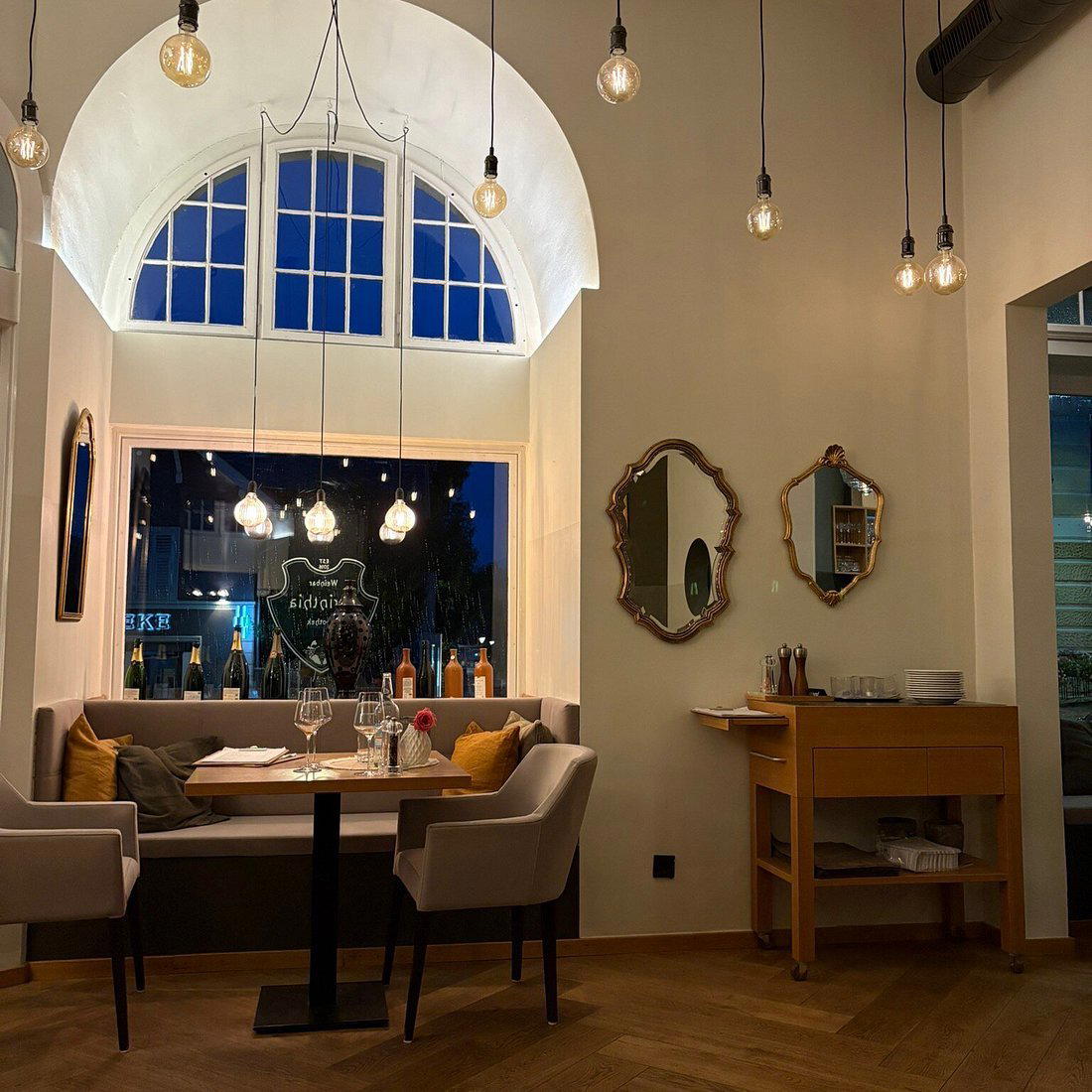
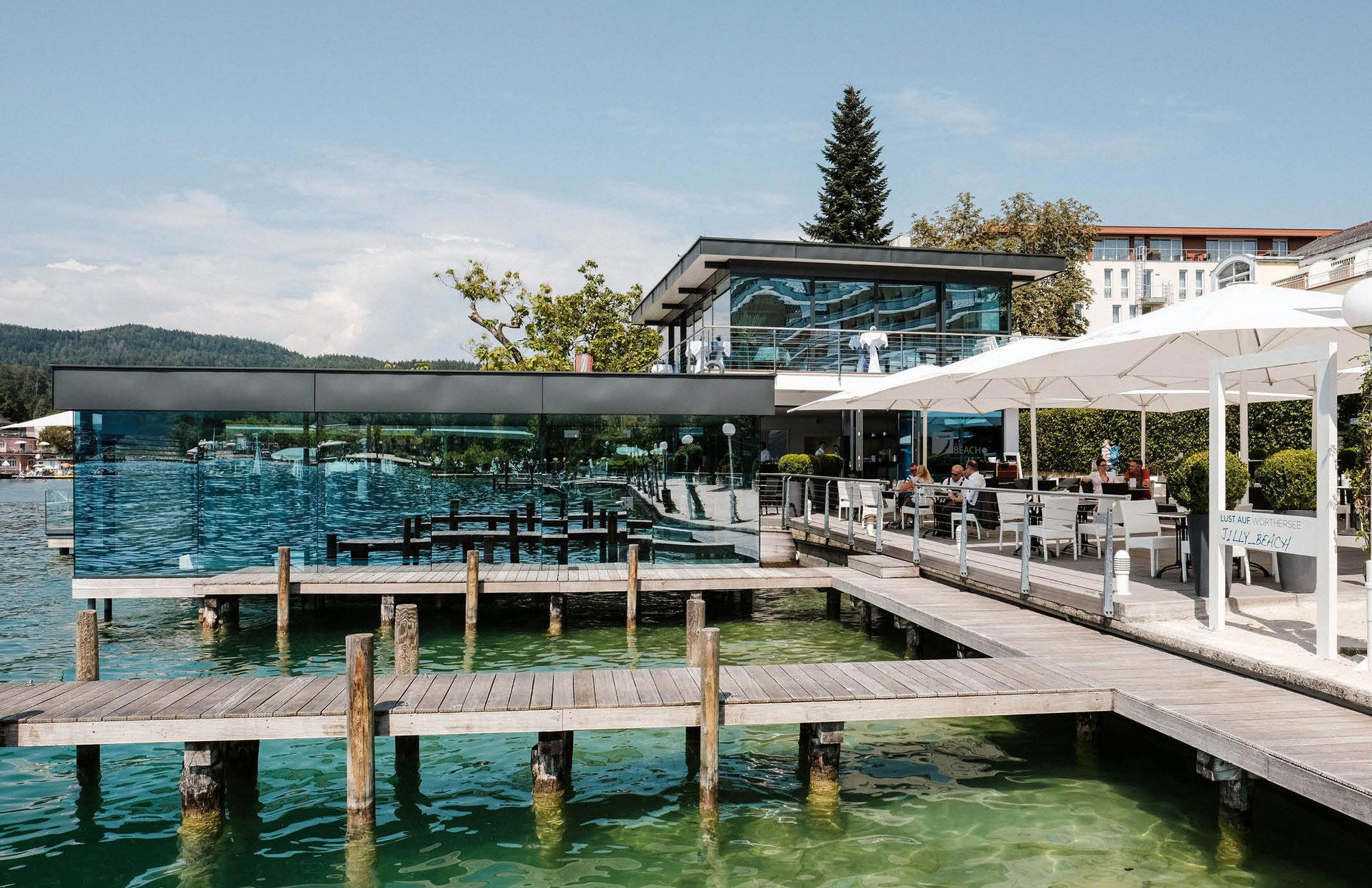
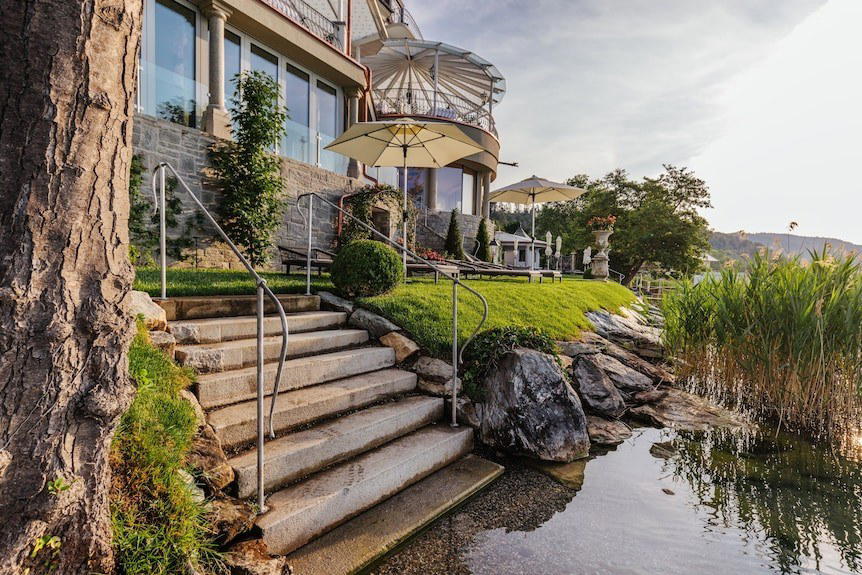
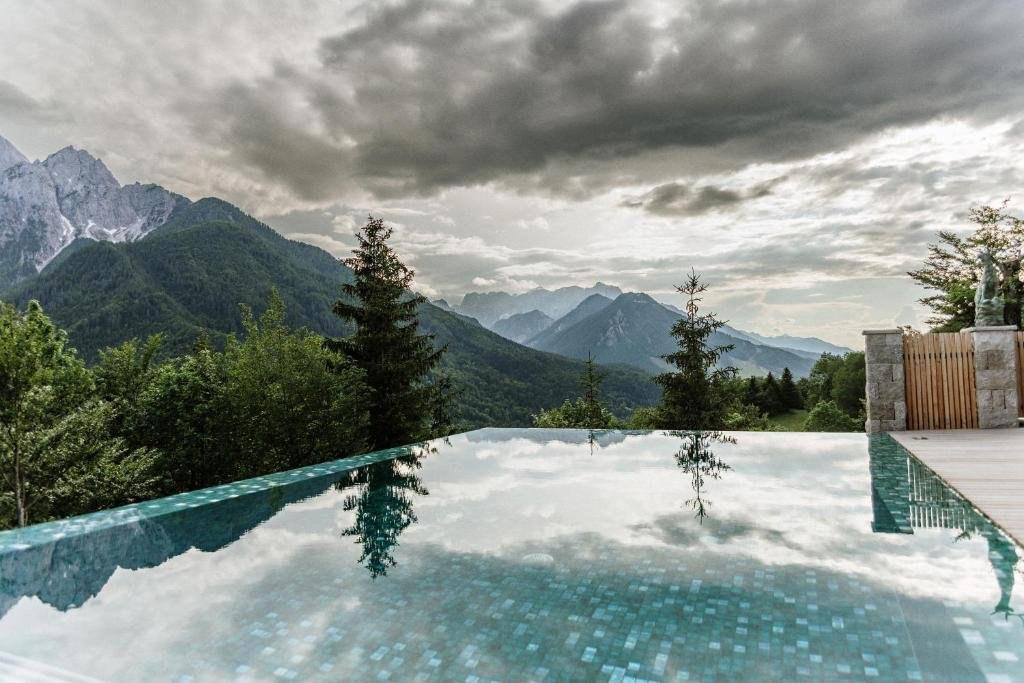
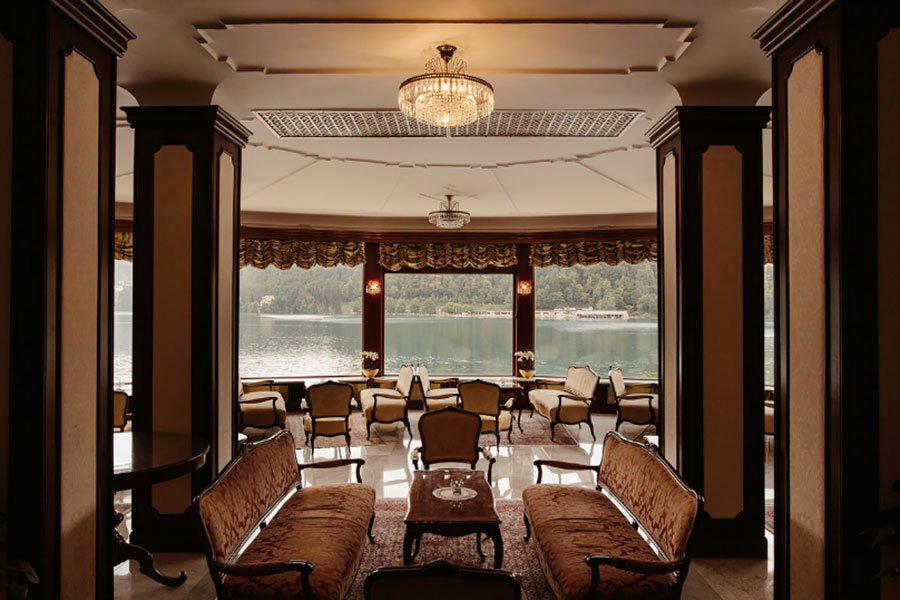
Bright and contemporary with a relaxed summer atmosphere; waterfront views create a light, airy dining environment.