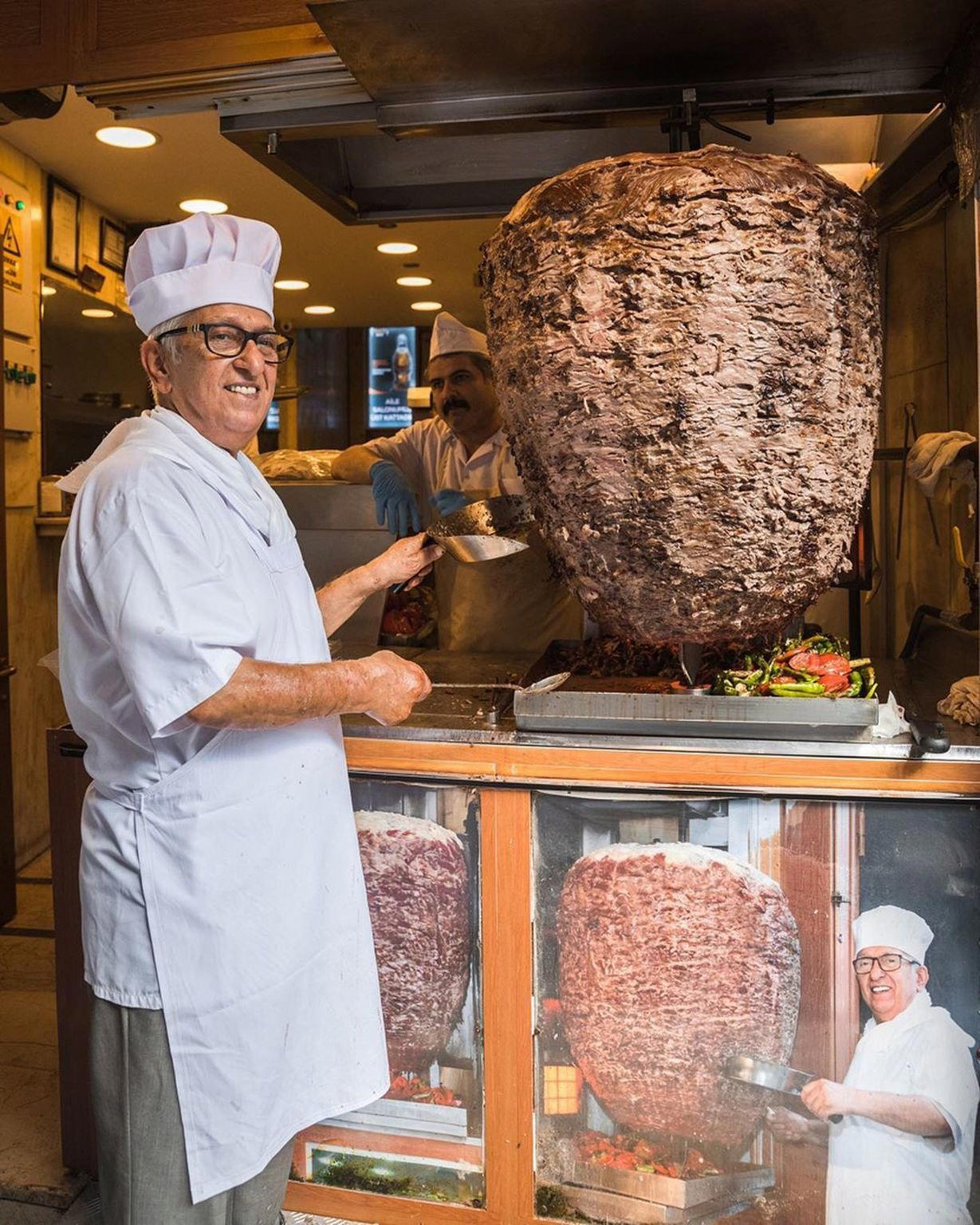
In a city where doner and pide occupy a serious place in daily eating culture, Karadeniz Doner Ve Pide represents Istanbul's direct, no-ceremony tradition of bread-based meals done with care. The name signals a Black Sea (Karadeniz) regional identity, placing it within a specific lineage of Turkish flatbread and spit-roasted meat. For visitors moving between grand tasting menus and neighbourhood tables, this is where the city eats when it eats honestly.

Pearl is the En Primeur Club membership app — saves, bookings, and concierge access live there. Same editors, same standards.
Where Istanbul Eats Without Ceremony
There is a moment, familiar to anyone who has spent time in Istanbul, when the appetite for composed tasting menus and rooftop dining gives way to something more direct. The city runs on bread and meat. Not as a fallback, but as a genuine culinary tradition that predates modern restaurant culture by centuries. Karadeniz Doner Ve Pide is a casual Istanbul restaurant serving Traditional Turkish Döner Kebab and pide at a price of about $8 per person. Its name announces a regional pedigree, the Black Sea coast (Karadeniz), and a menu built around two of Turkey's most practised formats, doner and pide.
Istanbul's dining scene in the premium tier has moved decisively toward reinvention. Places like Turk Fatih Tutak, Mikla, and Neolokal operate at the ₺₺₺₺ tier, reframing Anatolian ingredients through contemporary technique. Karadeniz Doner Ve Pide does not compete in that category, nor should it. It belongs to a parallel tradition: the working Istanbul table, where the measure of quality is consistency and material honesty rather than plating ambition.
The Doner and Pide Tradition in Istanbul
Doner in Istanbul is not a single thing. It spans vertical spit-roasted lamb or chicken served in flatbread or on a plate (the tabak format), sliced thin and layered with intensity. Pide, meanwhile, is a boat-shaped flatbread baked in a stone oven, filled with combinations of minced meat, egg, cheese, or vegetables depending on regional tradition. The Black Sea variant tends toward softer dough and more restrained fillings than the versions you find in central Anatolian cities. That regional specificity is encoded in the venue's name and matters to locals who know the difference.
Across Turkey, the doner-and-pide format represents a culinary category with its own serious practitioners. Dürümzade in Beyoglu has built a reputation specifically around the dürüm format, drawing queues from across the city. Bayramoğlu Döner in Beykoz occupies a similar position on the Asian side. These are not casual operations but venues where a single format has been refined to a point of local authority. Karadeniz Doner Ve Pide positions itself within that tradition, where the name carries a regional signal rather than a personal brand.
Reading the Meal as a Sequence
In a doner and pide house, the meal follows a logic that is worth understanding before you order. It does not progress through European-style courses. Instead, it builds from simple to substantial in a way that is negotiated at the table through shared ordering rather than a fixed sequence.
A considered approach starts with the bread itself. In Black Sea-inflected pide houses, the dough arrives at the table before the main fillings are assembled, sometimes as a plain accompaniment with butter or white cheese. This matters because it signals oven temperature and dough quality before anything else arrives. A well-fired pide has char at the edges and a yielding centre; if the bread is dense or pale, the oven was not hot enough or the dough over-proofed.
The pide fillings represent the substantive middle of the meal. Minced meat (kıymalı) versions are especially commonly ordered and one reliable indicator of a kitchen's seasoning judgment. Egg-topped pide, where a yolk is cracked over the filling mid-bake, requires timing precision; the white should be set while the yolk remains soft. These are the benchmarks any regular visitor to this category of restaurant applies instinctively.
Doner, when eaten in the same sitting, functions more as an ending or a parallel track. Served either in flatbread or plated with rice or chips, it brings a different textural register: the compressed, caramelised exterior layers of meat sliced from a vertical spit against the softer interior. The quality differential between a spit that has been turning long enough to develop that exterior crust and one that is rushed into service is substantial and immediately apparent.
The meal closes, typically, without a formal dessert course. In most venues of this type, the rhythm is a glass of ayran (salted yoghurt drink) or tea throughout, with the table clearing quickly in the way of high-turnover neighbourhood restaurants across the city.
Istanbul's Broader Table: Where This Fits
Understanding where Karadeniz Doner Ve Pide sits requires mapping the full range of Istanbul's food culture. At one end, Michelin-recognised and internationally profiled restaurants like those in the ₺₺₺₺ bracket reimagine Ottoman and Anatolian culinary history. At the other, neighbourhood pide and doner houses operate on volume, speed, and local loyalty. Neither tier negates the other; they serve different moments in the same city's eating day.
For visitors building an Istanbul food itinerary, the architecture of that itinerary matters. A lunch at a pide house, an afternoon visit to a historic meyhane, and an evening at a modernist tasting counter like Arkestra or Casa Lavanda together map a more complete picture of the city than any single tier alone. Comparable logic applies across Turkey: Narımor in Izmir, Maçakızı in Bodrum, and Asitane in Fatih each occupy different registers of the same broad tradition. So do Hiç Lokanta in Urla, Kritikos Meyhane in Mudanya, Kısmet Etliekmek ve Lahmacun Salonu in Karaman, and Kocak Baklava in Gaziantep. Turkish food culture is not a single axis; it is a set of regional traditions operating simultaneously, and the pide house is one of its most persistent and least complicated expressions.
For those comparing Istanbul's honest neighbourhood tables to peer cities globally, the analogy holds across formats: the quality ramen-ya in Tokyo, the trattoria di quartiere in Rome, the pre-theatre brasserie in Paris. These are not compromise choices but category-specific experiences with their own standards. Le Bernardin in New York City and Atomix in New York City represent the fine-dining pole; the neighbourhood pide house is not a lesser version of that but a different category of excellence entirely. Our full Istanbul restaurants guide maps both ends of the spectrum and the ground between.
Planning Your Visit
Venue-specific logistics for the restaurant are best confirmed locally; address, hours, and contact details are most reliably obtained on arrival in Istanbul or through current local listing platforms, as this category of restaurant does not typically maintain an active web presence. The format is walk-in friendly. Midday service, roughly noon to 2pm, draws the heaviest local lunch crowd; arriving just before or after that window generally means faster seating. Prices are about $8 per person, making it a practical option across most budgets.
Reputation Context
Comparable venues nearby, for context on price, style, and recognition.
| Venue | Cuisine | Price | Notes |
|---|---|---|---|
| Karadeniz Doner Ve PideThis venue — the venue you are viewing | Traditional Turkish Döner Kebab | $ | Not listed |
| Ehli Kebap ve Lahmacun | Traditional Turkish Kebap & Lahmacun | $ | Iskenderpasa |
| Şehzade Cağ Kebap | Authentic Turkish Cağ Kebab | $$ | Hocapasa |
| Adana Ocakbasi | Turkish Grill & Kebabs | $$ | Bozkurt |
| Karakoy Gulluoglu | Traditional Turkish Baklava | $$ | Karakoy |
| Van Kahvaltı Evi | Traditional Turkish/Kurdish Breakfast | $ | Kilicali Pasa |
Continue exploring
More in Istanbul
Restaurants in Istanbul
Browse all →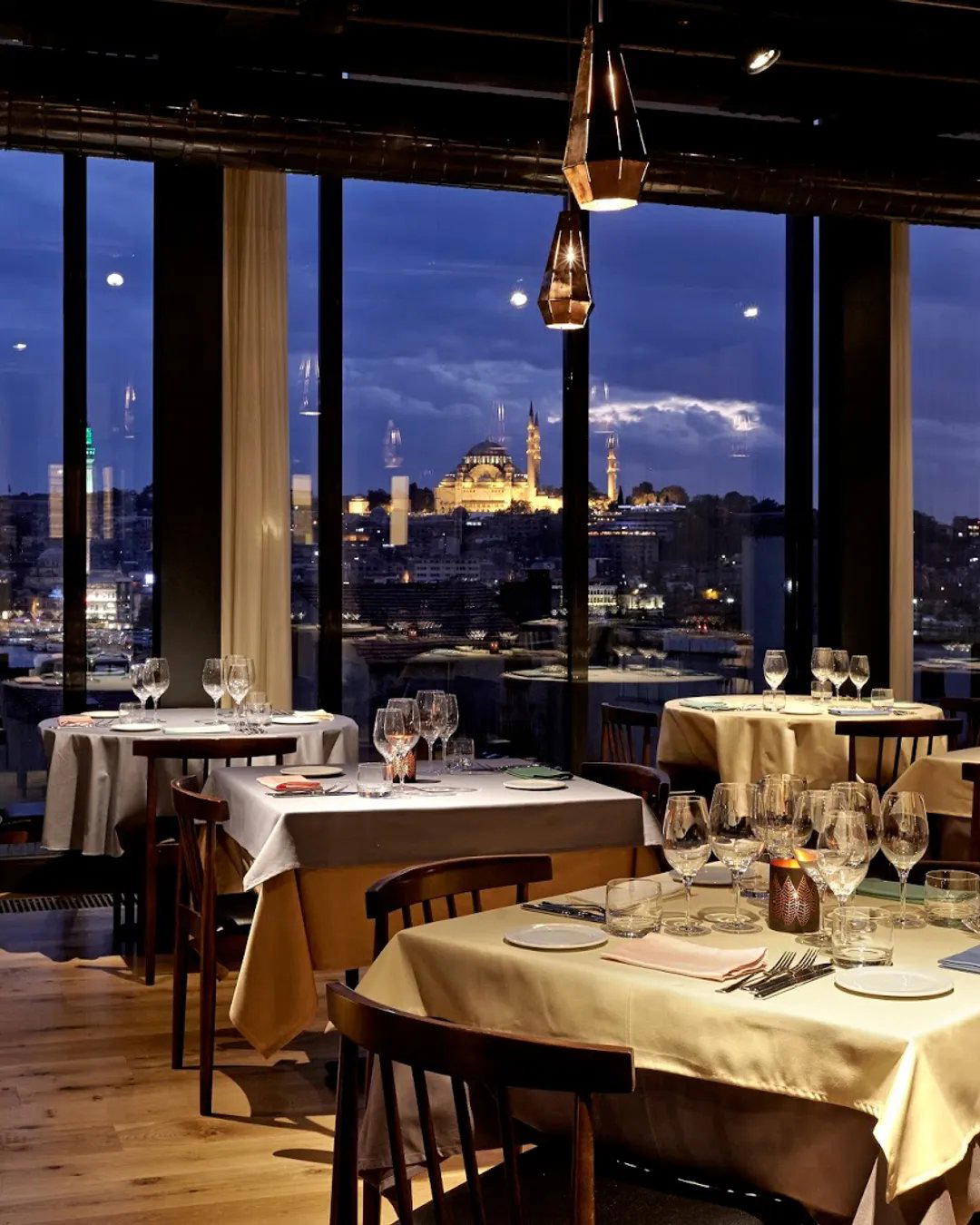
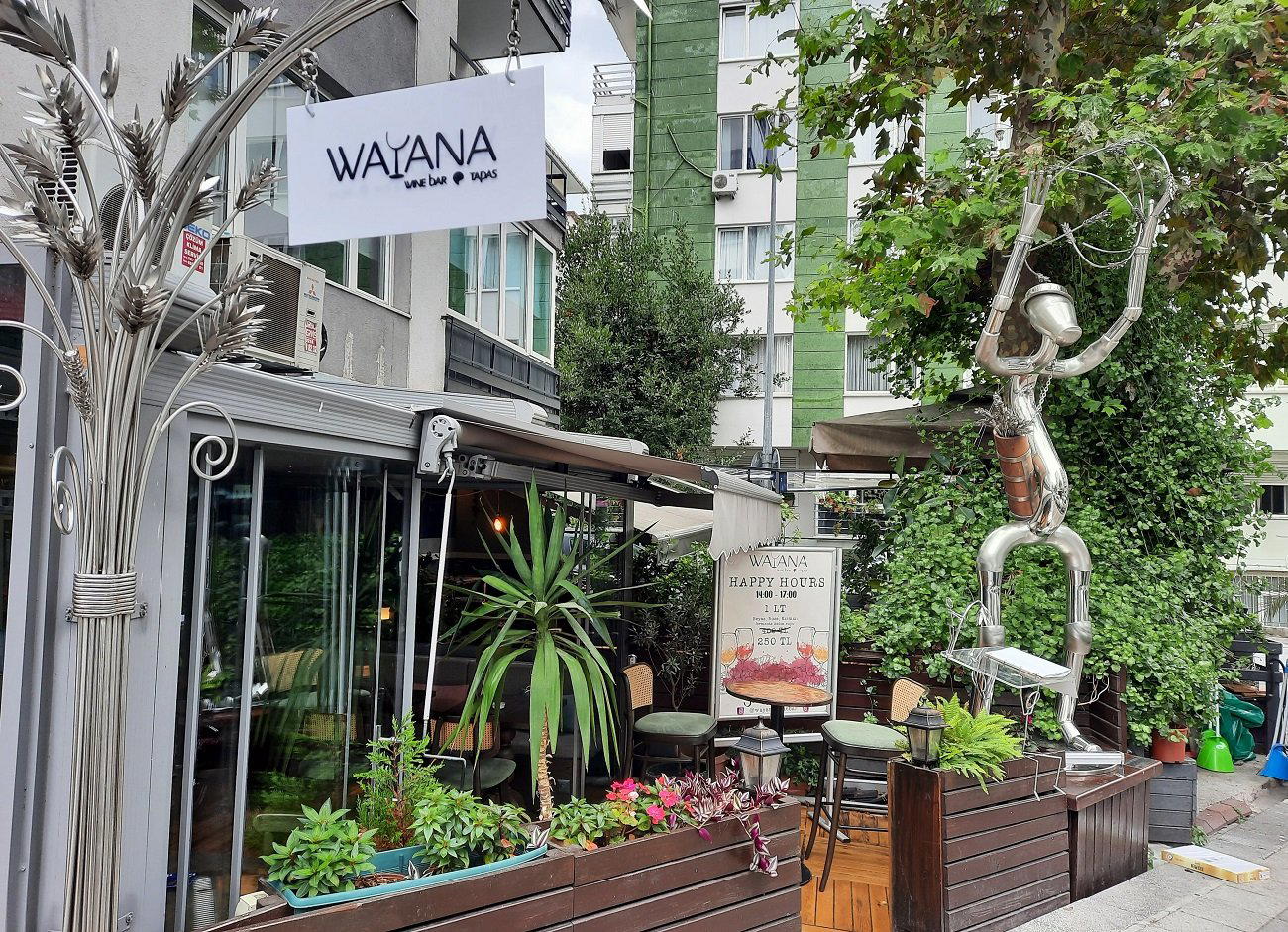
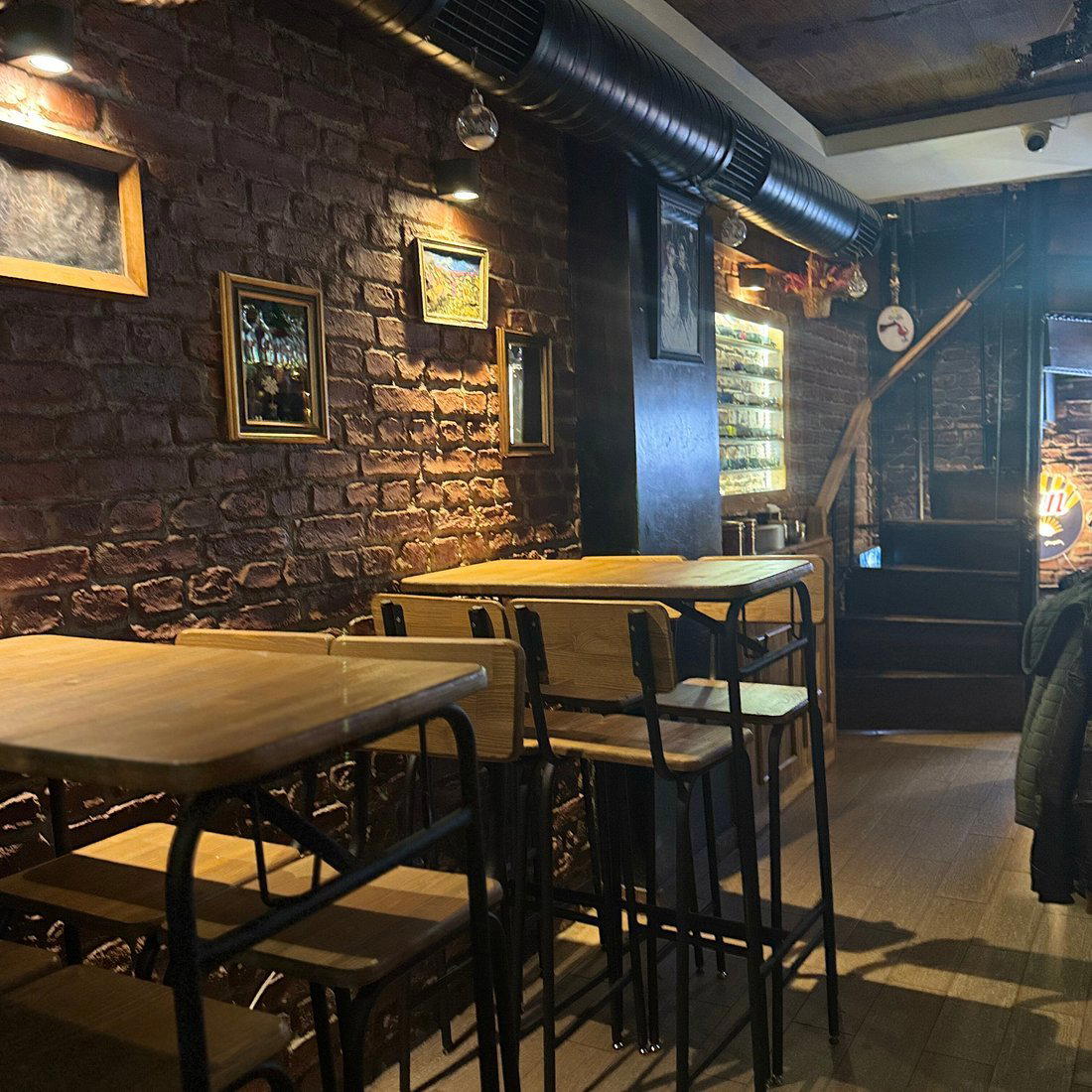
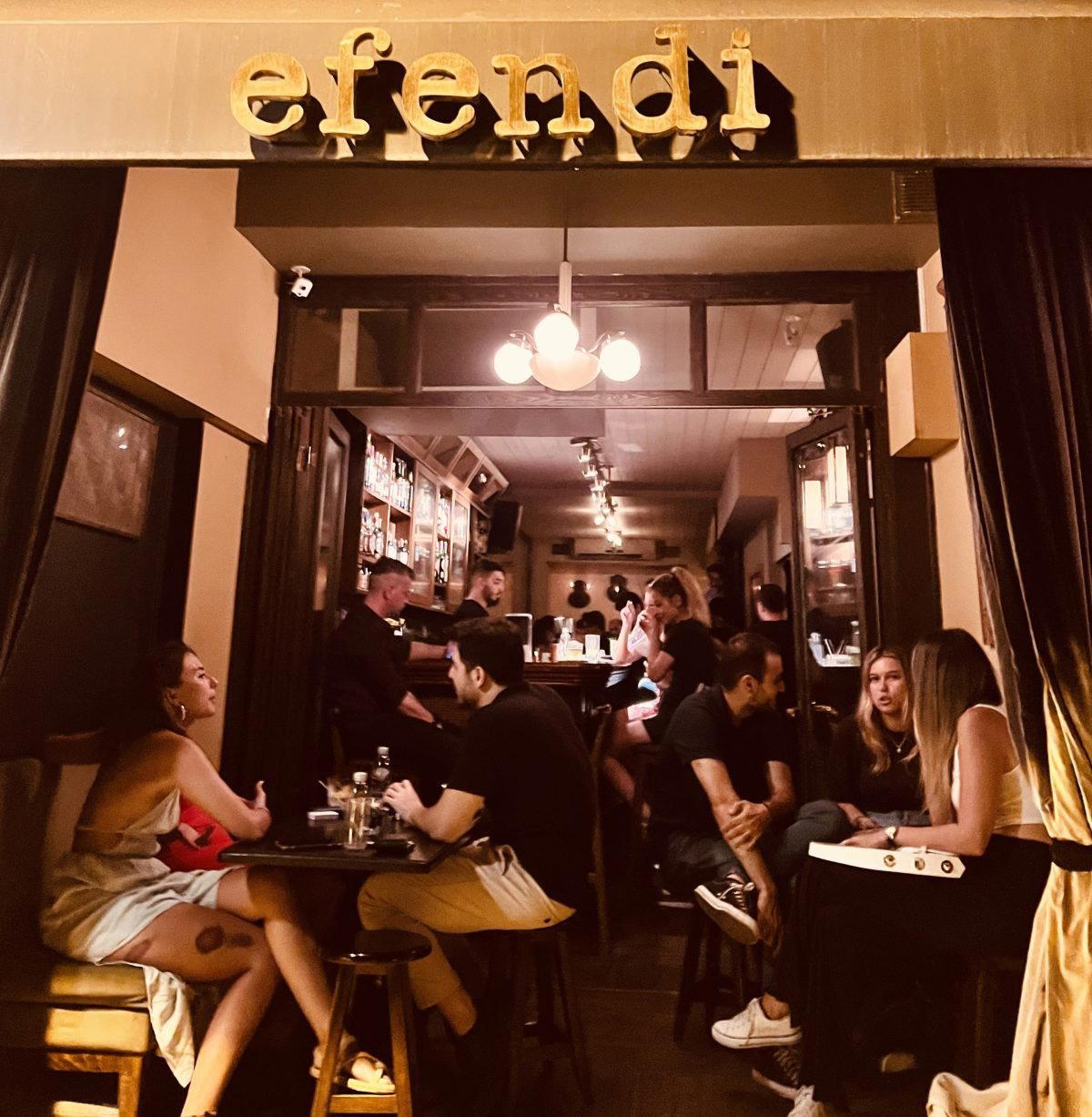
Bars in Istanbul
Browse all →
Hotels in Istanbul
Browse all →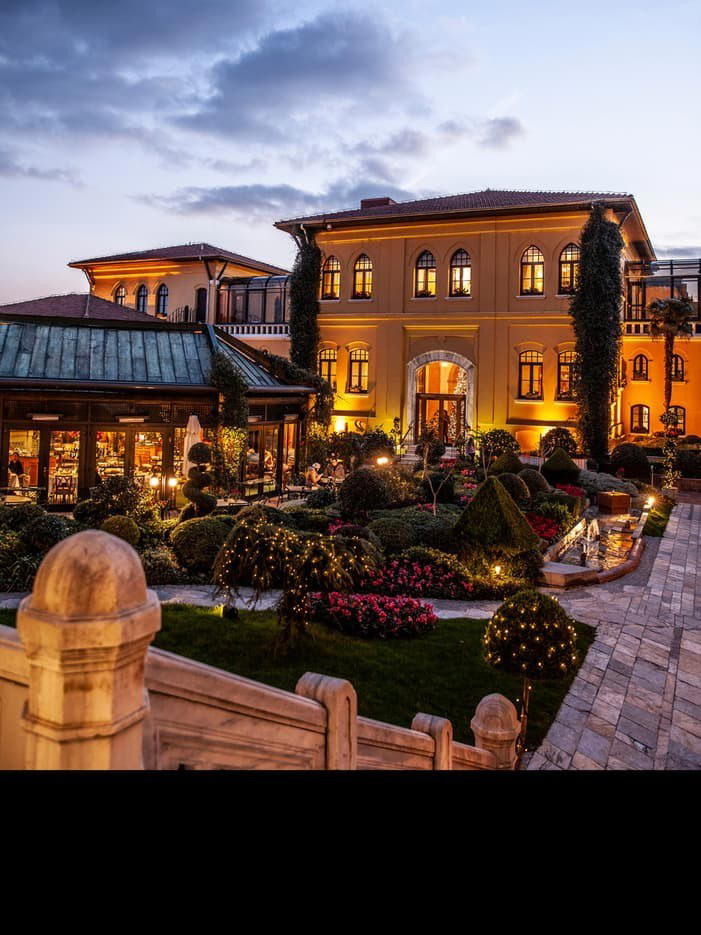
Wineries in Istanbul
Browse all →

At a Glance
- Lively
- Rustic
- Well Known
- Casual Hangout
- Solo
- Open Kitchen
- Standalone
- Street Scene