

1 Michelin Star · Wine Spectator Award of Excellence · Gault & Millau Türkiye 3 Toques
Our verdict
Casa Lavanda holds a Michelin star and sits roughly 40 kilometres from central Istanbul in the coastal town of Şile, attached to a family-run hotel whose garden supplies 80 percent of the kitchen's vegetables. Chef Emre Şen draws on Turkish culinary tradition and Italian technique, pairing a 300-label wine list with terrace tables overlooking a working kitchen garden. It is one of the few starred restaurants operating well outside the city's Bosphorus corridor.

Pearl is the En Primeur Club membership app, where members save venues, book tables and use the concierge.
The menu
What to order
- Homegrown Beetroot & Goat Cheese
- Flame Seared Mackerel
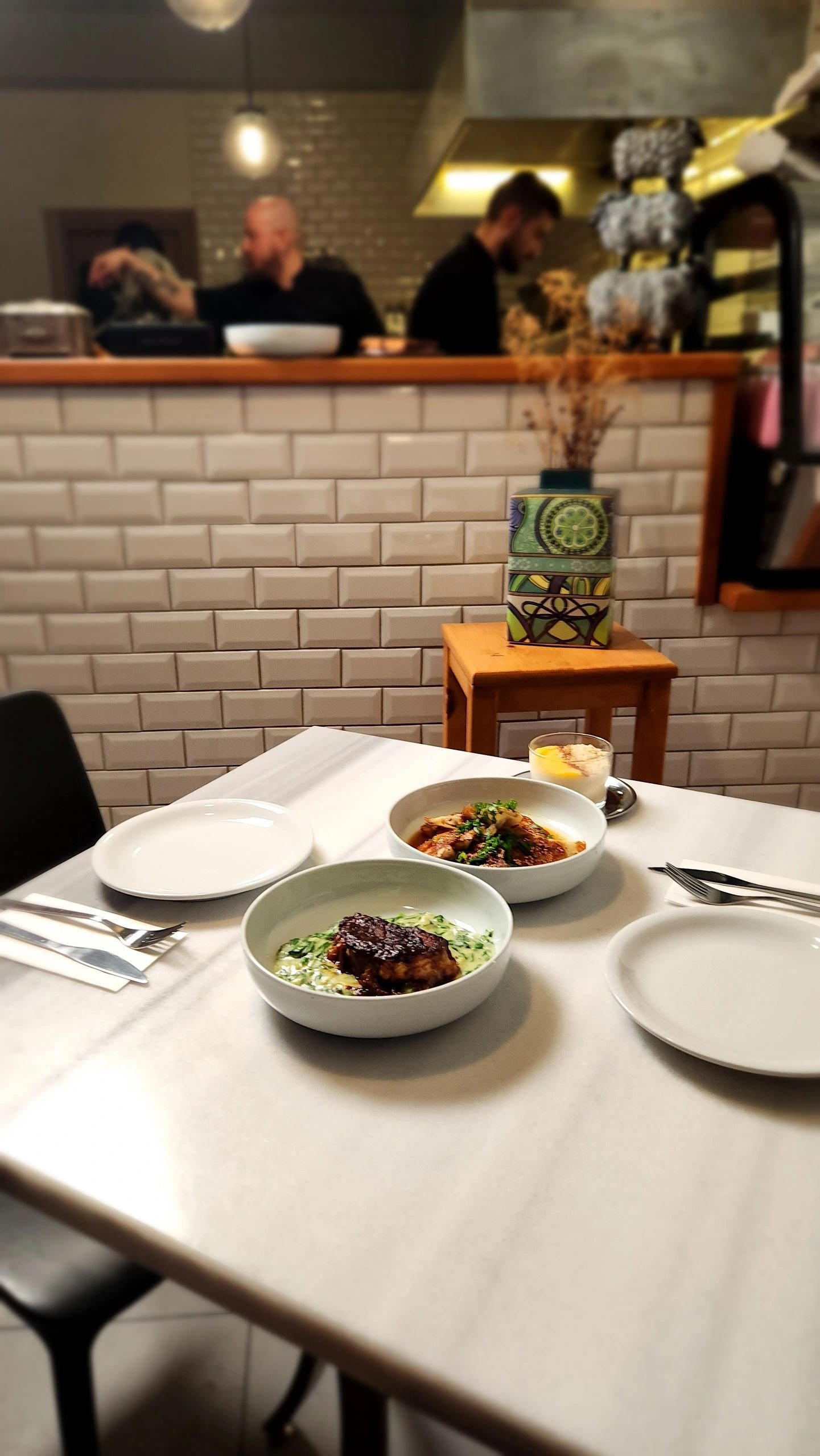
- Slow Roasted Baby Goat
Forty Kilometres from the City, a Different Kind of Istanbul Restaurant
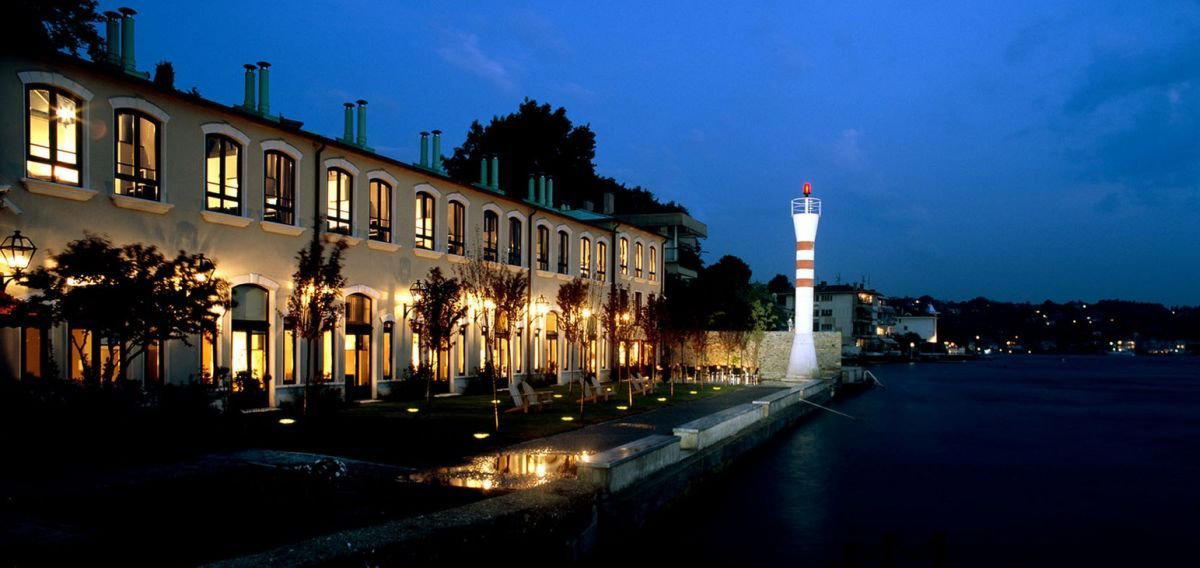
Most of Istanbul's Michelin-starred dining concentrates along the Bosphorus and in the historic peninsula, where restaurants like Turk Fatih Tutak and Mikla compete at the ₺₺₺₺ tier with sweeping skyline views as part of the proposition. Casa Lavanda operates at a different remove, both geographical and conceptual. Located in Şile on the Black Sea coast, approximately 40 kilometres from the city centre, it is attached to a family-run hotel called Lavanda, and it earned its first Michelin star in 2024 while doing almost none of the things that tend to define Istanbul's recognised dining scene.
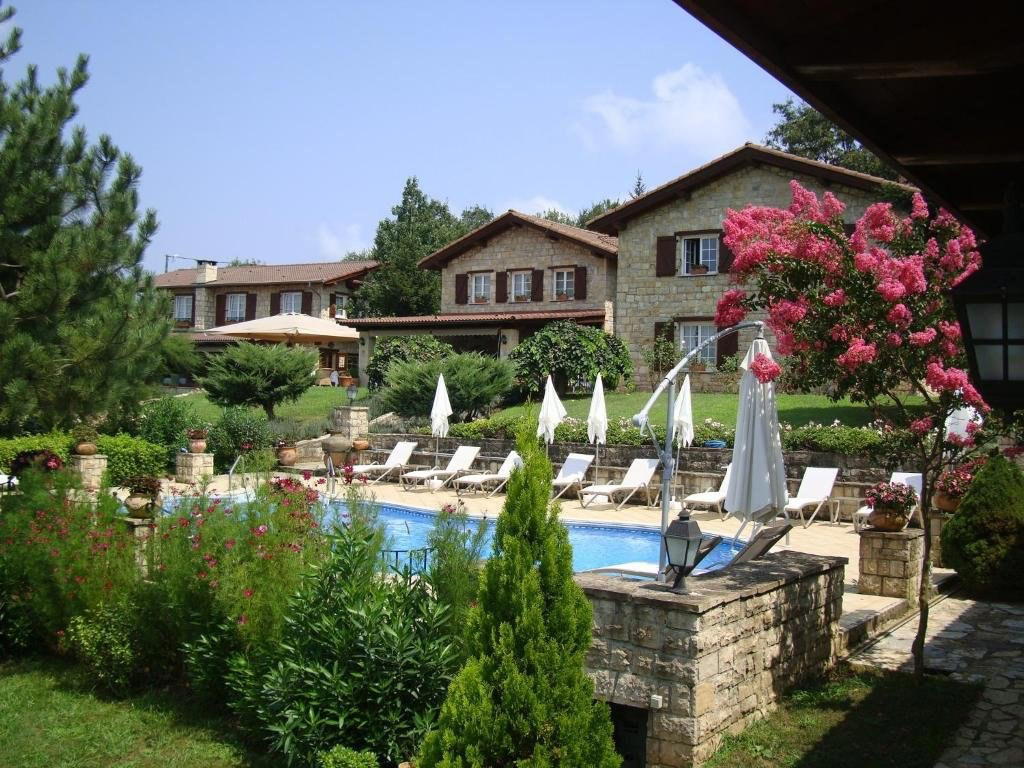
There is no urban theatre here. The setting is a garden property in the village of Ulupelit, where the surrounding landscape provides not just atmosphere but actual ingredients. Chef Emre Şen maintains a kitchen garden on site from which roughly 80 percent of the vegetables served in the restaurant are grown. That figure is not a marketing claim, it shapes the menu's logic and limits, anchoring what appears on the plate to what the season and the soil are currently offering. Across Istanbul's starred roster, that kind of direct agricultural integration is uncommon. In that sense, Casa Lavanda occupies a position closer to rural European gastronomy, places like Auberge Grand'Maison in Mûr-de-Bretagne or Auga in Gijón, than to the modernist Turkish fine dining that defines the city's Michelin concentration.
The Environment Before the Food
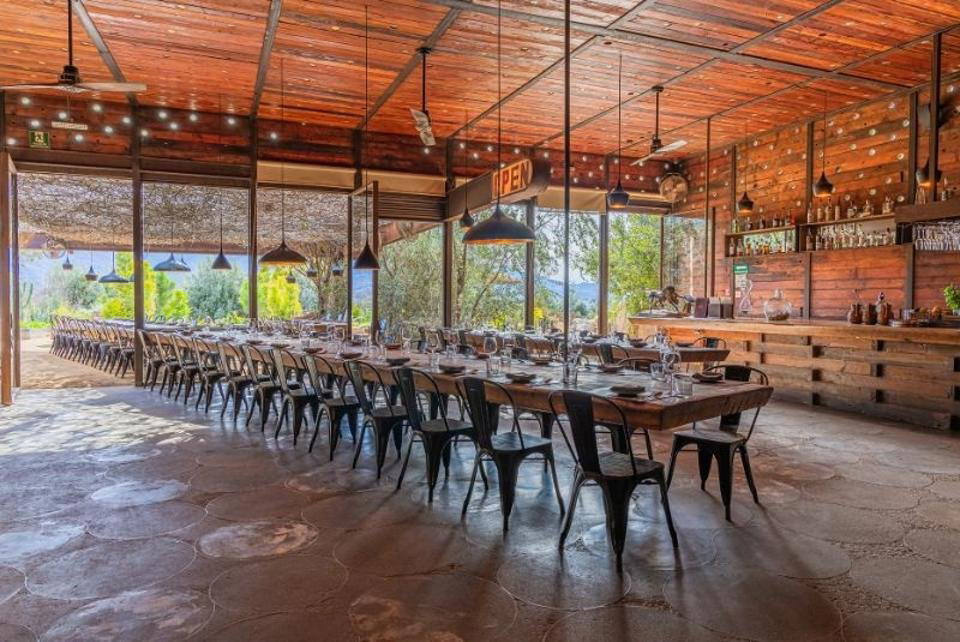
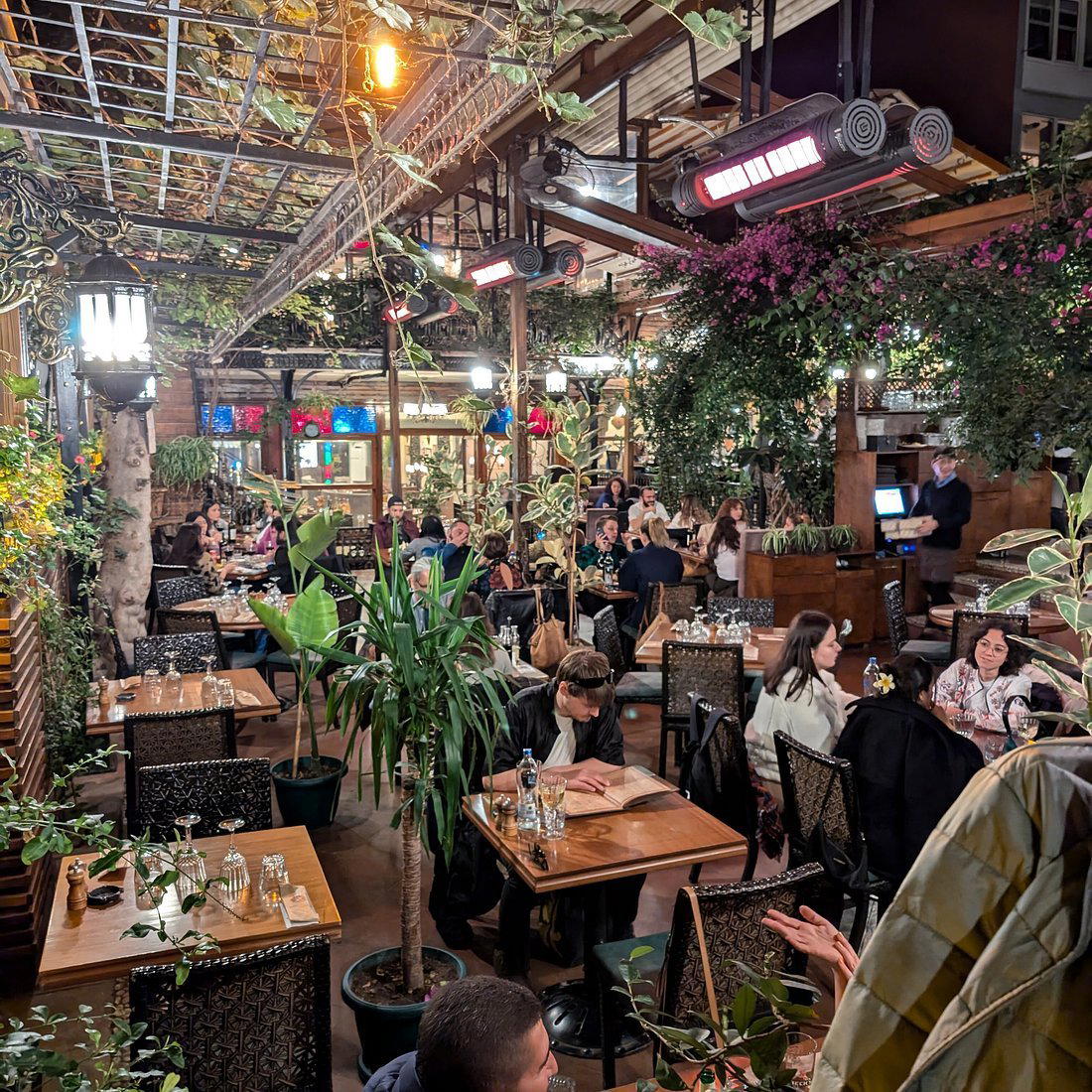
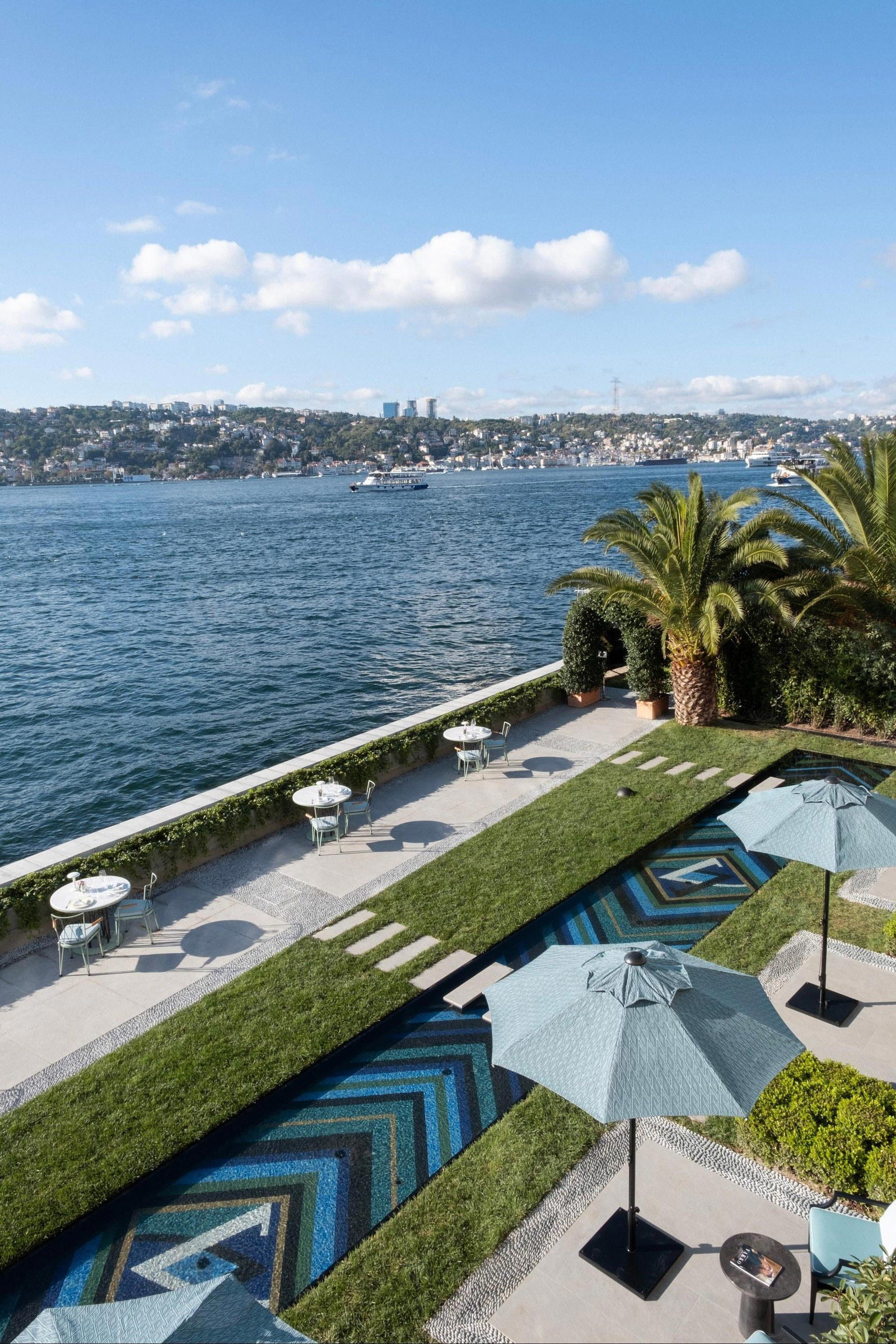
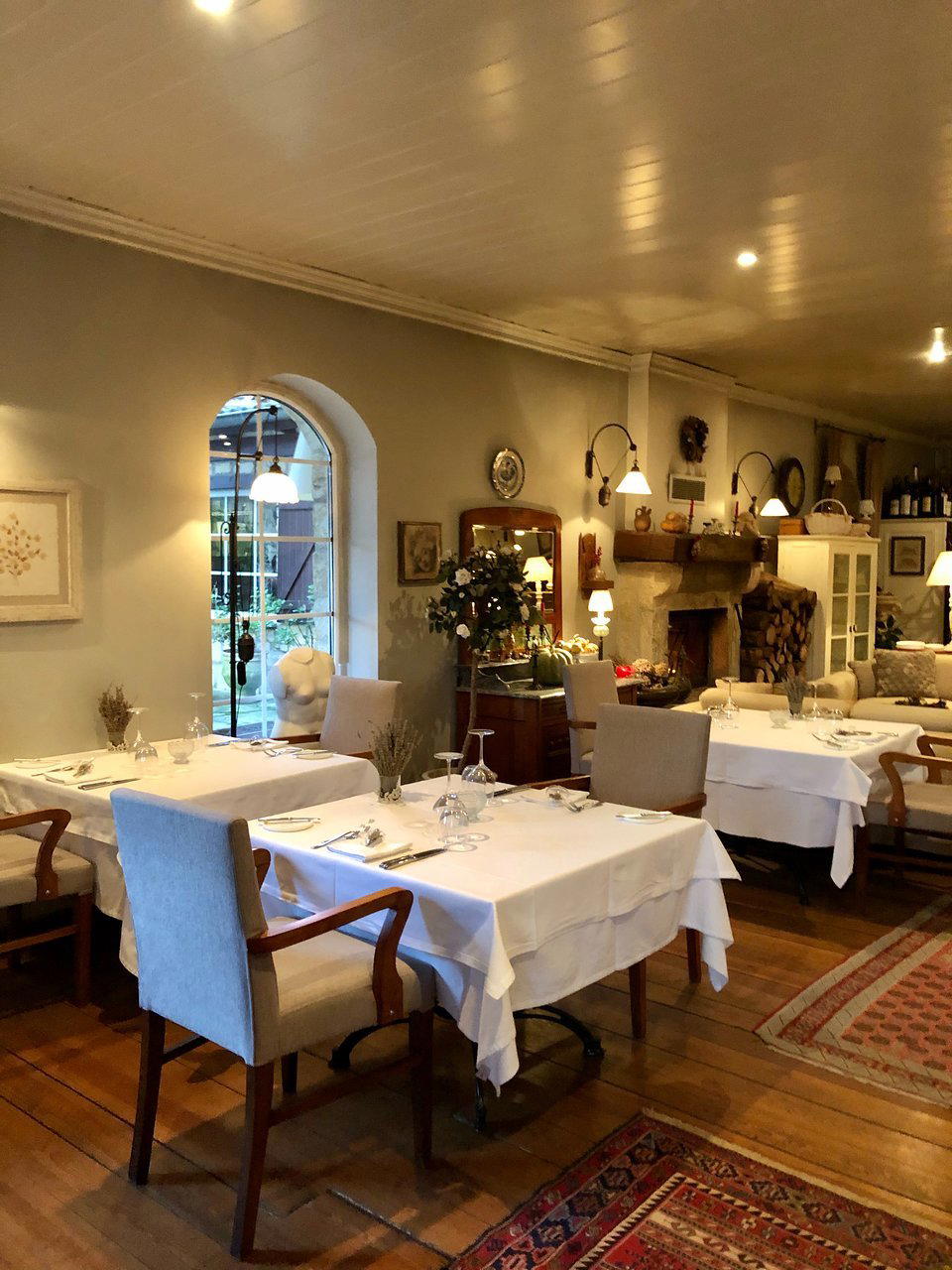
The terrace tables overlooking the garden are the seats to hold out for. In a country where restaurant terraces are frequently performative, positioned to frame a minaret, a strait, a sunset, this one faces a working plot. The visual rhythm here is horticultural rather than architectural: rows of growing things, the movement of kitchen staff cutting what they need, the kind of productive calm that precedes a meal rather than accompanies one. The hotel's character, including artwork by the proprietress displayed throughout, gives the whole property a domestic specificity that sets it apart from destination restaurants designed to feel destination-like from the moment of arrival.
The 40-kilometre drive from central Istanbul functions as a kind of decompression. Unlike the compact urban dining rooms of Khorasani or Lokanta by Divan, Casa Lavanda asks something of the guest before the meal begins: the commitment of travel, the willingness to leave the city behind. For some diners that friction is the point. The Şile corridor, known more for summer weekenders than for serious dining, gives the restaurant an element of surprise that a Beyoğlu address simply cannot replicate.
The Kitchen's Logic: Turkish Tradition Inflected by Italian Technique
Şen's cooking sits at the intersection of two strong culinary traditions. Turkish culinary practice, particularly in the Black Sea region, centres on vegetables, herbs, seafood, and a relationship with produce that is fundamentally seasonal and local. Italian technique, specifically the northern Italian tradition of stuffed pasta and dairy-forward sauces, provides the structural language through which Şen occasionally expresses those ingredients. The result is not fusion in the contemporary sense. The agnolotti stuffed with burrata and mascarpone that appears on the menu represents a technical exercise that would be at home in Piedmont, executed here with the confidence of someone who has worked in both traditions. The Black Sea sea bass, served with garden-fresh vegetables and a vermouth and mustard seed sauce, is more explicitly rooted in place: the fish local, the vegetables grown metres away, the sauce a European accent that doesn't overwrite the ingredient's identity.
This dual register is worth noting because it distinguishes Casa Lavanda from the broader Istanbul Michelin cohort, where restaurants like SADE Beş Denizler Mutfağı are making a case for regional Turkish seafood in a more purely local idiom. Şen's willingness to draw on Italian training alongside Turkish terroir broadens the kitchen's expressive range without abandoning its geographic anchor. The relationship with local producers for goods beyond what the kitchen garden supplies extends that logic further: the restaurant functions as a node in a small regional food economy rather than an isolated fine dining destination.
Wine and the Table
A wine list of over 300 labels at a property of this size and location is a considered investment. Turkey's wine industry has expanded meaningfully over the past two decades, with producers in Thrace, the Aegean, and Cappadocia achieving international recognition. A list of this depth at a Michelin-starred restaurant outside Istanbul's central dining circuit implies careful curation and ongoing supplier relationships. The ₺₺₺ price positioning places Casa Lavanda one tier below Istanbul's ₺₺₺₺ starred restaurants, Turk Fatih Tutak holds two stars at the higher price point, which means the wine program contributes meaningfully to the overall value proposition. Whether the list leans heavily on domestic producers or balances Turkish labels against European references is not detailed in available data, but the scale suggests both.
For context on how comparable Turkish restaurants approach wine and regional produce at different price points, Narımor in Izmir and Kitchen By Osman Sezener in Bodrum represent the broader pattern of regionally embedded restaurants working in similar ways along Turkey's western and southern coasts. The approach, seasonal menus, local producers, fine dining credentials outside major urban centres, has a growing number of practitioners across Turkey, from 7 Mehmet in Antalya to Ahãma in Göcek and Agora Pansiyon in Milas. Casa Lavanda's Michelin recognition in 2024 positions it at the credentialled end of that broader movement.
The Context: Where Casa Lavanda Sits in Istanbul's Starred Map
Istanbul's Michelin Guide, first published for the city in 2022, quickly identified a cluster of modern Turkish restaurants as its primary focus. The dominant pattern is urban, technically progressive, and positioned around the tension between Anatolian culinary heritage and contemporary European technique. Casa Lavanda received its star in 2024, and it fits the Guide's apparent interest in rooted, ingredient-driven cooking, but it does so from a completely different geographic premise. Where SADE Beş Denizler Mutfağı makes its case through Black Sea seafood culture in the city, and where restaurants like Aravan Evi in Ürgüp demonstrate that the Guide's scope extends into Anatolia, Casa Lavanda occupies a specific geographical edge: technically Istanbul, but operating in the register of a rural destination restaurant.
That positioning has implications for the visitor. Diners seeking the density and convenience of central Istanbul's dining corridor, Karaköy, Beyoğlu, Arnavutköy, will find Casa Lavanda requires a separate expedition. Diners willing to treat the meal as the entire destination for a day, or those combining it with a weekend in Şile, will find the distance earns its keep.
Planning a Visit
The restaurant is located at Lavanda Hotel, Ulupelit, Seçilmiş Sok No:2, Şile, roughly 40 kilometres from central Istanbul, accessible by car. Şile sits on the Black Sea coast and is typically a 60-to-90 minute drive depending on traffic and route. The terrace, which overlooks the kitchen garden, is the preferred position for warm-weather dining and likely fills quickly; booking well in advance is advisable, particularly for weekend visits during spring and summer when Şile draws weekend visitors from the city. Pricing at the ₺₺₺ level places it below Istanbul's most expensive starred restaurants, though a full meal with wine from a 300-label list will move the total upward.
For anyone building a broader Istanbul dining itinerary, the full Istanbul restaurants guide covers the city's starred and recognised venues across all neighbourhoods. Parallel planning resources include the Istanbul hotels guide, the Istanbul bars guide, the Istanbul wineries guide, and the Istanbul experiences guide.
Frequently asked questions
What days is Casa Lavanda closed?
Hours at Casa Lavanda: Location.
How do I find Casa Lavanda?
Casa Lavanda is located at Lavanda Hotel, Ulupelit, Seçilmiş Sok No:2, 34980 Şile/İstanbul, Türkiye, Istanbul.
What awards or recognition does Casa Lavanda have?
Casa Lavanda has received recognition including: Casa Lavanda is a haven of tranquillity some 40km from Istanbul. The family-run business includes both a hotel and this restaurant, authentic to its core and adorned with artwork by the proprietress. Tables on the terrace overlooking the ma….
What should I order at Casa Lavanda?
Two dishes appear in Michelin's own documentation of the restaurant: the agnolotti stuffed with burrata and mascarpone, which reflects Şen's time spent in Italy, and the Black Sea sea bass served with garden vegetables and a vermouth and mustard seed sauce. Both showcase the kitchen's core logic, at least 80% of the produce comes from Şen's own kitchen garden on the Lavanda Hotel property, which anchors both dishes in a specific place rather than a generic fine-dining register.
What cuisine category does Casa Lavanda fall under?
Is Casa Lavanda expensive?
Pricing at Casa Lavanda is listed as ₺₺₺.
Cost and Credentials
A compact comparison to help you place this venue among nearby peers.
| Venue | Cuisine | Price | Awards | Notes |
|---|---|---|---|---|
| Casa LavandaThis venue (the venue you are viewing) | Modern Mediterranean Fine Dining | Not listed | 1 Michelin Star · Wine Spectator Award of Excellence | Not listed |
| Turk Fatih Tutak | Modern Turkish Fine Dining | $200–300 | 2 Michelin Stars · World's 50 Best #66 | Modern Turkish, ₺₺₺₺ |
| Mikla | New Anatolian Kitchen | $100–150 | 1 Michelin Star · World's 50 Best #44 | Modern Turkish, Mediterranean Cuisine, ₺₺₺₺ |
| Neolokal | Modern Turkish Fine Dining | $200–300 | 1 Michelin Star · World's 50 Best #100 | Modern Turkish, Turkish, ₺₺₺₺ |
| Arkestra | Modern European with Global Influences | $100–150 | 1 Michelin Star · Gault & Millau Türkiye 3 Toques | Fusion, ₺₺₺₺ |
| Nicole | Contemporary Turkish Fine Dining | $150–200 | 1 Michelin Star · Gault & Millau Türkiye 3 Toques | Modern Turkish, Modern Cuisine, ₺₺₺₺ |
Recognition history
Dated appearances from independent guides and award organizations, with the underlying list record or original source where available.
Michelin 1 Star
Michelin
Gault & Millau Türkiye 3 Toques
Gault & Millau · Gault & Millau Türkiye 2026 - 3 Toques
Wine Spectator Award of Excellence
Wine Spectator
Full recognition history (4 entries)
Michelin 1 Star
Michelin