

1 Michelin Star · Gault & Millau Türkiye 3 Toques
Our verdict
In Yeniköy on Istanbul's upper Bosphorus shore, Araka operates at the intersection of creative cooking and seasonal Turkish produce. Chef Zeynep Pınar Taşdemir's vegetable-forward menu draws Michelin recognition for its balance of spice, acidity, and regional ingredients. At the ₺₺ price point, it sits well below Istanbul's Michelin-starred fine dining tier while occupying serious creative ground.

Pearl is the En Primeur Club membership app — saves, bookings, and concierge access live there. Same editors, same standards.
The Road North to Yeniköy
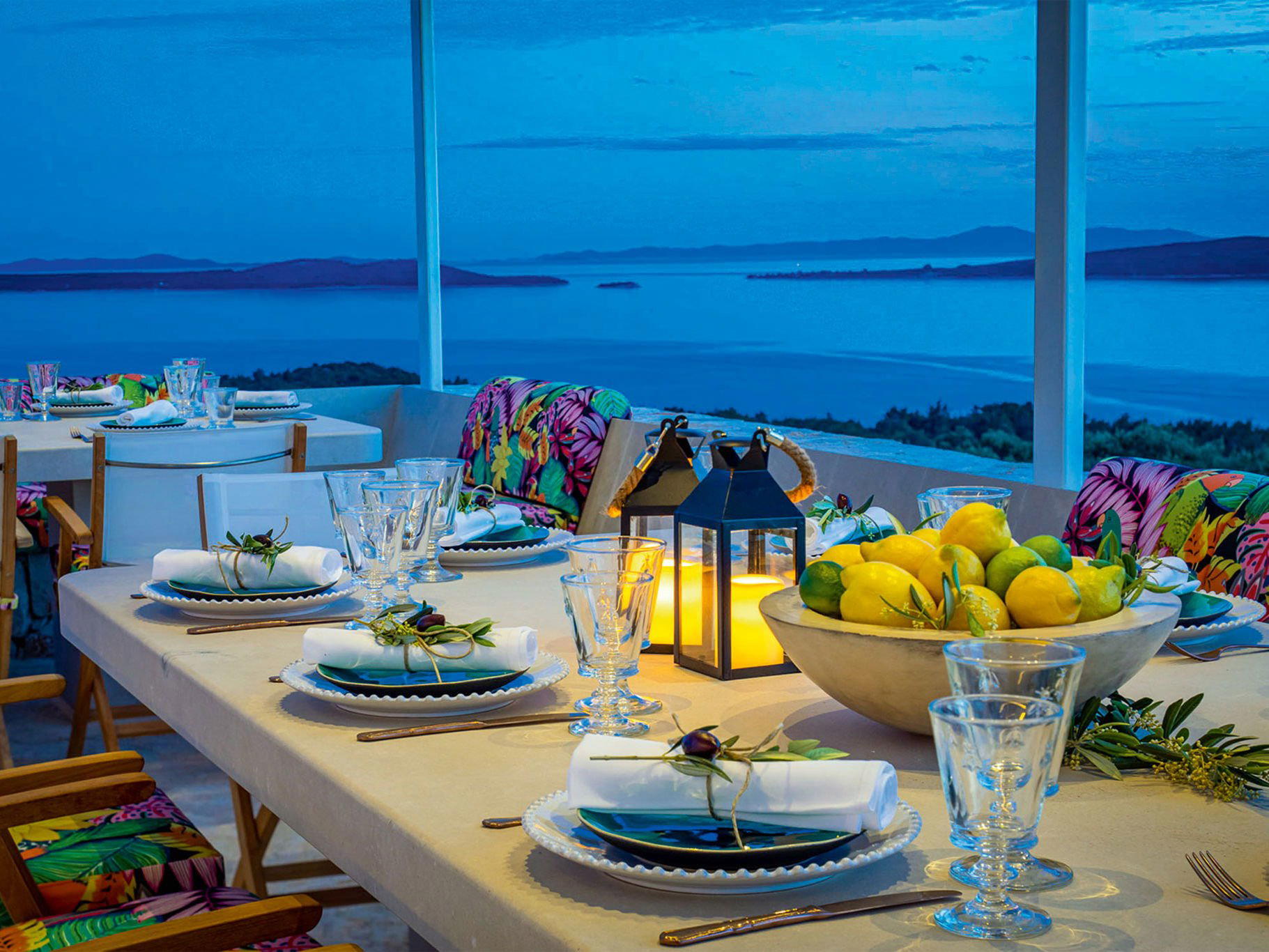
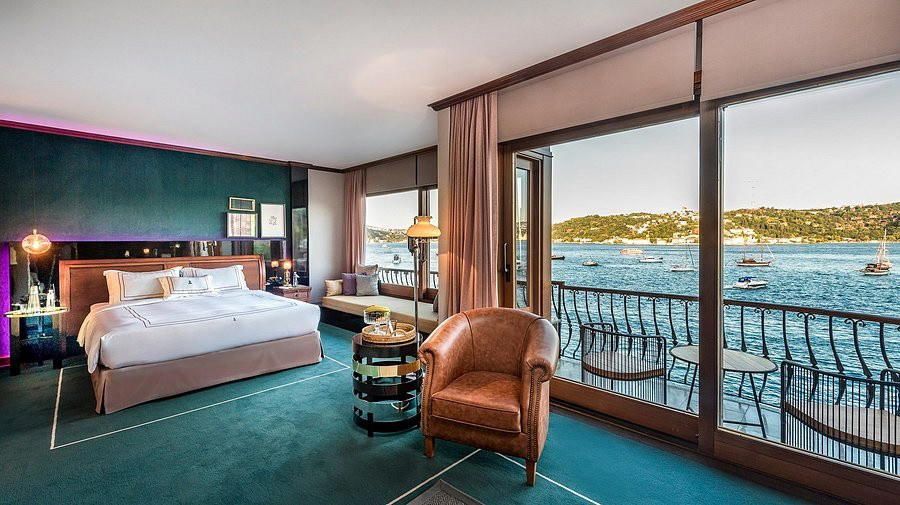
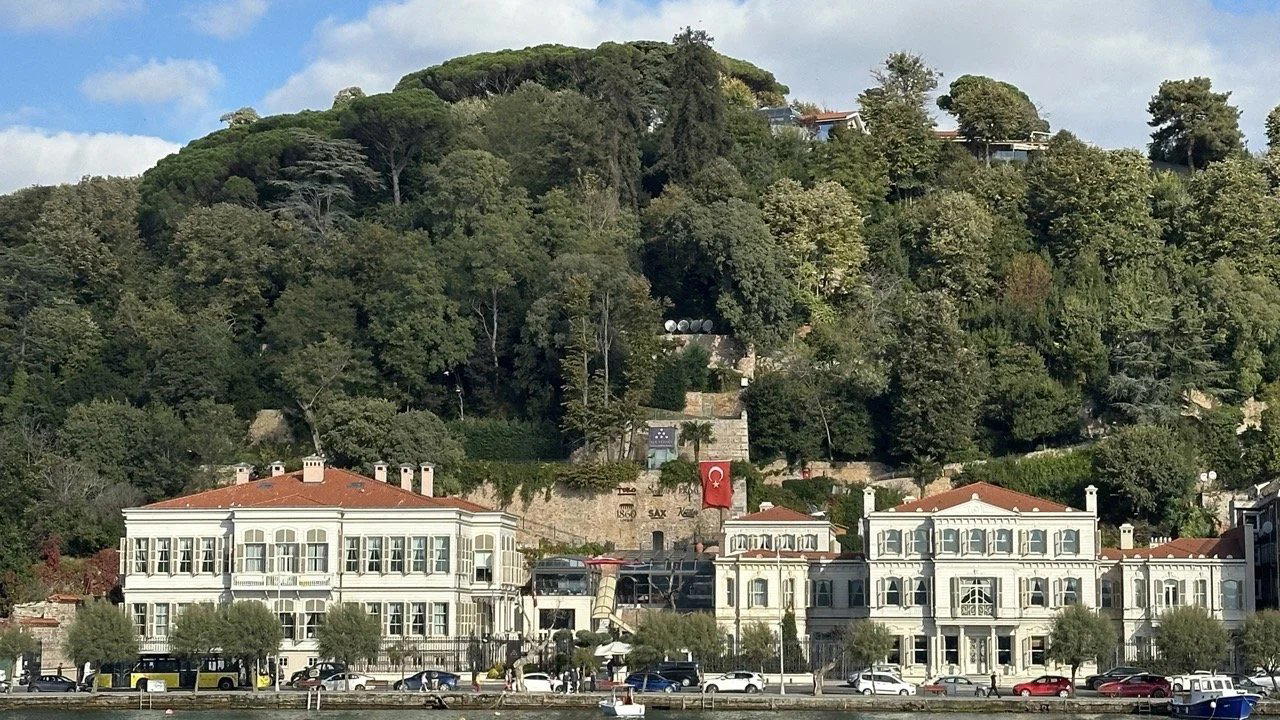
Istanbul's serious restaurant scene has historically concentrated in Beyoğlu and the European shoreline districts, where addresses like Turk Fatih Tutak (two Michelin stars, ₺₺₺₺) and Mikla (one Michelin star, ₺₺₺₺) anchor the premium tier. Moving north along the Bosphorus toward Sarıyer, the city's density thins and the villages that line the strait retain something of their pre-metropolitan character. Yeniköy sits in that band, past an exclusive marina, where the water is close enough that arriving by Bosphorus ferry is a practical option and, frankly, the appropriate one. The approach matters: the shift from crowded ferry terminal to quiet village street is part of what makes dinner here feel genuinely separate from the city you just left.
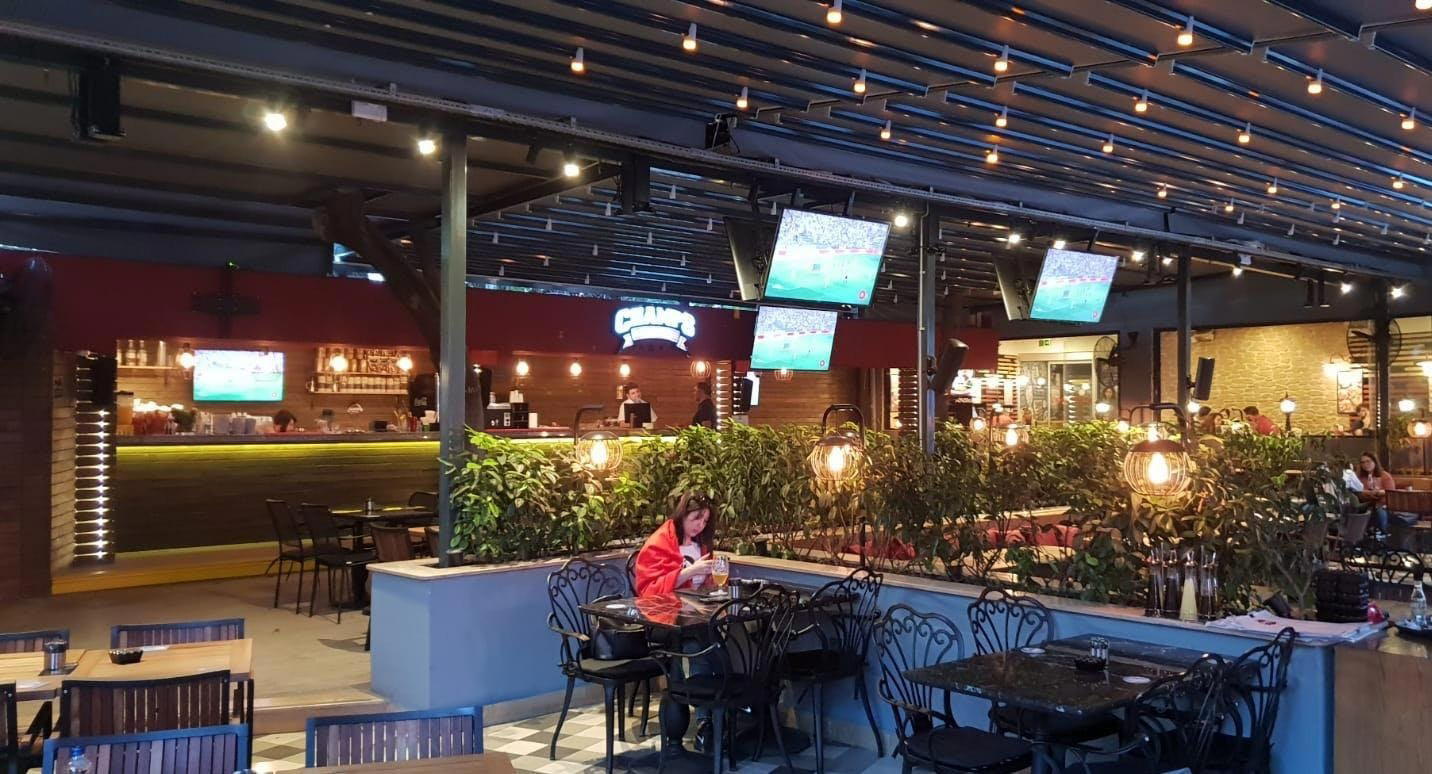
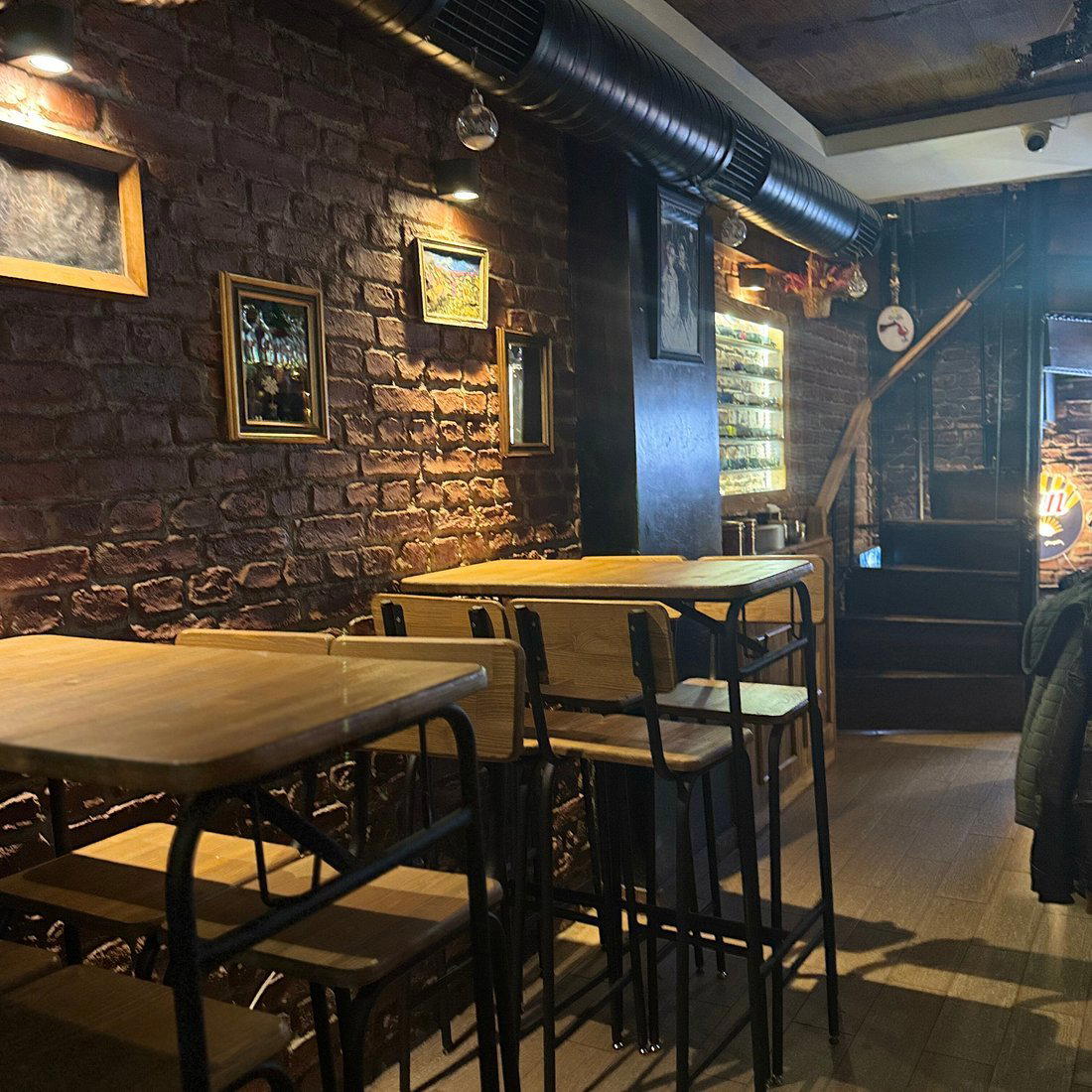
Araka occupies a position on Kapalı Bakkal Sokak that reads less as a restaurant address than a residential one. The exterior is low-key; the interior, rural in register, with a terrace at the rear that closes the gap between dining room and garden.
Where Araka Sits in Istanbul's Creative Dining Map
Istanbul's Michelin-starred creative tier is now a defined category. Neolokal and Arkestra both carry one star at ₺₺₺₺ and frame their menus around modern reinterpretation of Turkish culinary heritage. AŞEKA occupies similar territory. Araka earns Michelin recognition at the ₺₺ price point, which represents a meaningful structural difference: the cooking is taken seriously at guide level, but the pricing sits closer to neighbourhood dining than to the city's tasting-menu tier. That gap between critical standing and price point is relatively rare in any city's dining scene, and it shapes who books here and how often.
The creative angle at Araka runs through vegetables and herbs rather than through protein-led luxury. In Istanbul's broader modern Turkish movement, that is a minority position. Most kitchens operating at this level still anchor menus around seafood and meat, with vegetables functioning as supporting elements. A cooking program that foregrounds pumpkin, za'atar, pickled vegetables, and warm olives as primary compositional material rather than garnish represents a different set of priorities, one that aligns more closely with the vegetable-led creative cooking visible at places like Arpège in Paris than with the standard Istanbul fine-dining playbook.
The Arc of a Meal
Michelin's notes on Araka describe a kitchen that works with seasonal ingredients and builds dishes around the interaction of spice, acidity, and regional produce. The meal's progression at this kind of restaurant tends to function as a series of calibration exercises: each course tests a different ratio of heat, tang, and depth, with the kitchen's skill visible in how it moves between registers without losing coherence.
The documented example, pumpkin puree with za'atar, pickled vegetables, and warm olives in a spicy sauce, illustrates the approach clearly. Pumpkin provides the base sweetness and textural weight; za'atar introduces herbal sharpness; pickling adds controlled acidity; the olive brings fat and brine. The spicy sauce cuts through the sweetness and ties the components. What Michelin describes as "pleasingly harmonious thanks to its subtle acidity" is shorthand for a kitchen that understands how acid functions as a structural tool rather than a finishing note. In vegetable-forward cooking at this level, acidity is often the difference between a dish that reads as complete and one that collapses into flatness.
The progression across a full meal at Araka follows that logic course by course: different vegetables, different spice combinations, different acidic elements, but a consistent underlying principle about how regional Anatolian flavors can be reconfigured without erasing their origins. That is harder than it sounds. The creative cooking category internationally, from Alléno Paris au Pavillon Ledoyen to Anatolia, is full of menus that technically innovate while losing the thread back to the ingredients' actual character. Michelin's language here, "let the regional produce do the talking," suggests that Araka manages to avoid that failure mode.
That conversation is happening in other cities too: Narımor in Izmir and Kitchen by Osman Sezener in Bodrum are both engaged with the question of how regional Turkish produce gets treated at a serious cooking level, as are 7 Mehmet in Antalya, Agora Pansiyon in Milas, Ahãma in Göcek, and Aravan Evi in Ürgüp. Araka's distinction within that group is its city location combined with its village register and the explicitly Michelin-recognized treatment of vegetables as the primary creative material.
Timing, Access, and What to Expect
Araka opens Tuesday through Saturday from 3 PM to midnight, and on Sunday from 3 PM to 11 PM. It is closed on Mondays. That afternoon opening time, unusual for a restaurant at this level, creates flexibility: the kitchen is in service for early diners who prefer a long, unhurried meal starting before the conventional dinner rush, as well as for those arriving late into the evening.
The Bosphorus ferry route from central Istanbul to Yeniköy is the most atmospheric approach, though taxis and rideshare services reach the address directly. Given the neighbourhood's quiet character, arriving by water and returning by road, or vice versa, avoids the practical difficulty of finding waterside transport late at night.
At the ₺₺ price point, Araka sits well below the ₺₺₺₺ bracket occupied by Istanbul's Michelin-starred fine dining tier. For a meal that draws critical recognition and operates in a genuinely creative register, that pricing gap is worth noting when planning an Istanbul dining itinerary. The combination of Michelin attention, accessible pricing, and a location that requires deliberate effort to reach makes Araka a different kind of evening from a central-city reservation. It is not a substitution for the formal tasting-menu experience at addresses like Turk Fatih Tutak or Mikla; it is a different argument about what creative cooking in Istanbul can be and where it can happen.
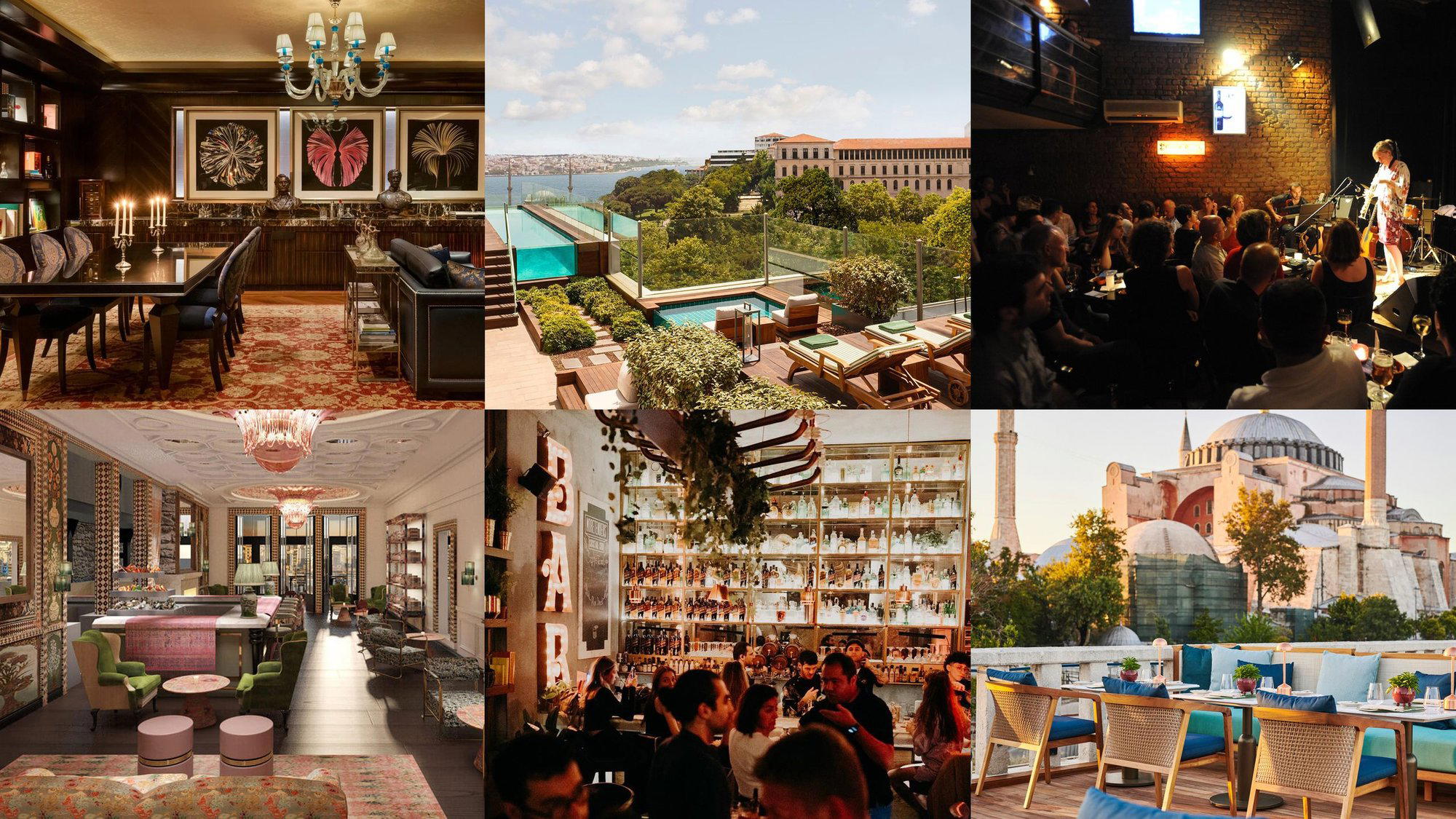
For more on Istanbul's dining scene across all price tiers, see our full Istanbul restaurants guide. For hotels, bars, wineries, and experiences in the city, EP Club maintains guides at Istanbul hotels, Istanbul bars, Istanbul wineries, and Istanbul experiences.
Frequently asked questions
When can I go to Araka?
Hours at Araka: Monday closed Tuesday 3 PM-12 AM Wednesday 3 PM-12 AM Thursday 3 PM-12 AM Friday 3 PM-12 AM Saturday 3 PM-12 AM Sunday 3 PM-11 PM.
At-a-Glance Comparison
| Venue | Cuisine | Price | Awards | Notes |
|---|---|---|---|---|
| ArakaThis venue (the venue you are viewing) | Modern Turkish Vegetable-Forward | $100–150 | 1 Michelin Star · Gault & Millau Türkiye 3 Toques | Not listed |
| Turk Fatih Tutak | Modern Turkish Fine Dining | $200–300 | 2 Michelin Stars · World's 50 Best #66 | Modern Turkish, ₺₺₺₺ |
| Mikla | New Anatolian Kitchen | $100–150 | 1 Michelin Star · World's 50 Best #44 | Modern Turkish, Mediterranean Cuisine, ₺₺₺₺ |
| Neolokal | Modern Turkish Fine Dining | $200–300 | 1 Michelin Star · World's 50 Best #100 | Modern Turkish, Turkish, ₺₺₺₺ |
| Arkestra | Modern European with Global Influences | $100–150 | 1 Michelin Star · Gault & Millau Türkiye 3 Toques | Fusion, ₺₺₺₺ |
| Nicole | Contemporary Turkish Fine Dining | $150–200 | 1 Michelin Star · Gault & Millau Türkiye 3 Toques | Modern Turkish, Modern Cuisine, ₺₺₺₺ |
Recognition history
Dated appearances from independent guides and award organizations, with the underlying list record or original source where available.
Michelin 1 Star
Michelin
Gault & Millau Türkiye 3 Toques
Gault & Millau · Gault & Millau Türkiye 2026 - 3 Toques
Full recognition history (3 entries)
Michelin 1 Star
Michelin
Continue exploring
More in Istanbul
Restaurants in Istanbul
All restaurants in Istanbul →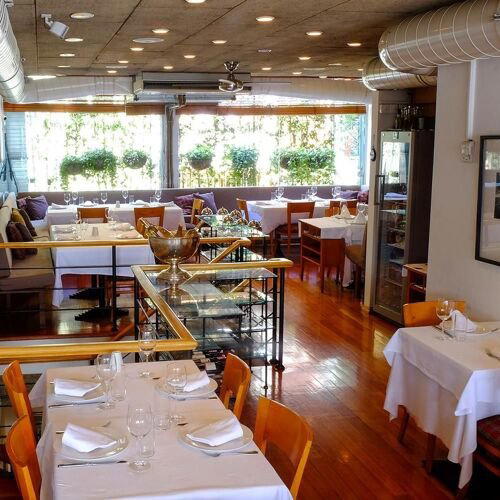
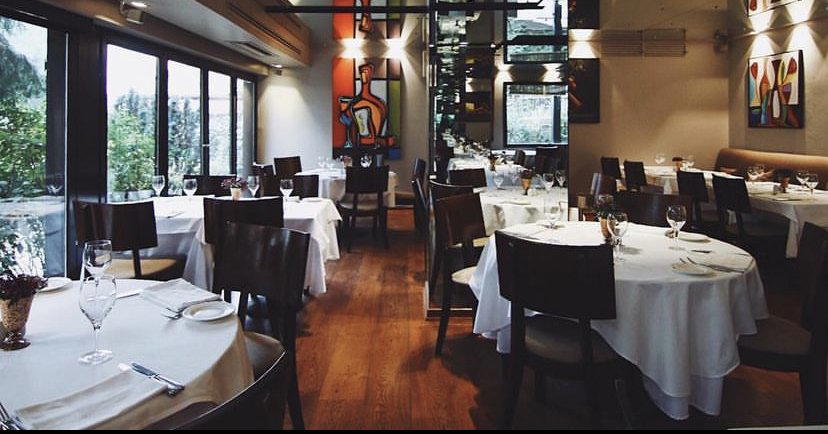
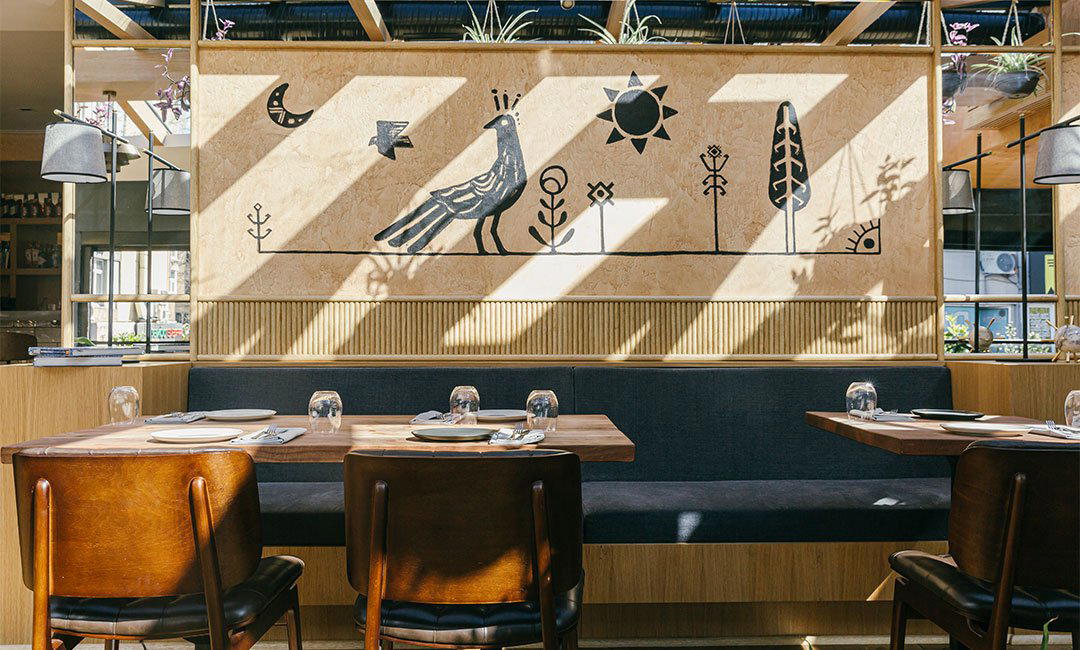
Bars in Istanbul
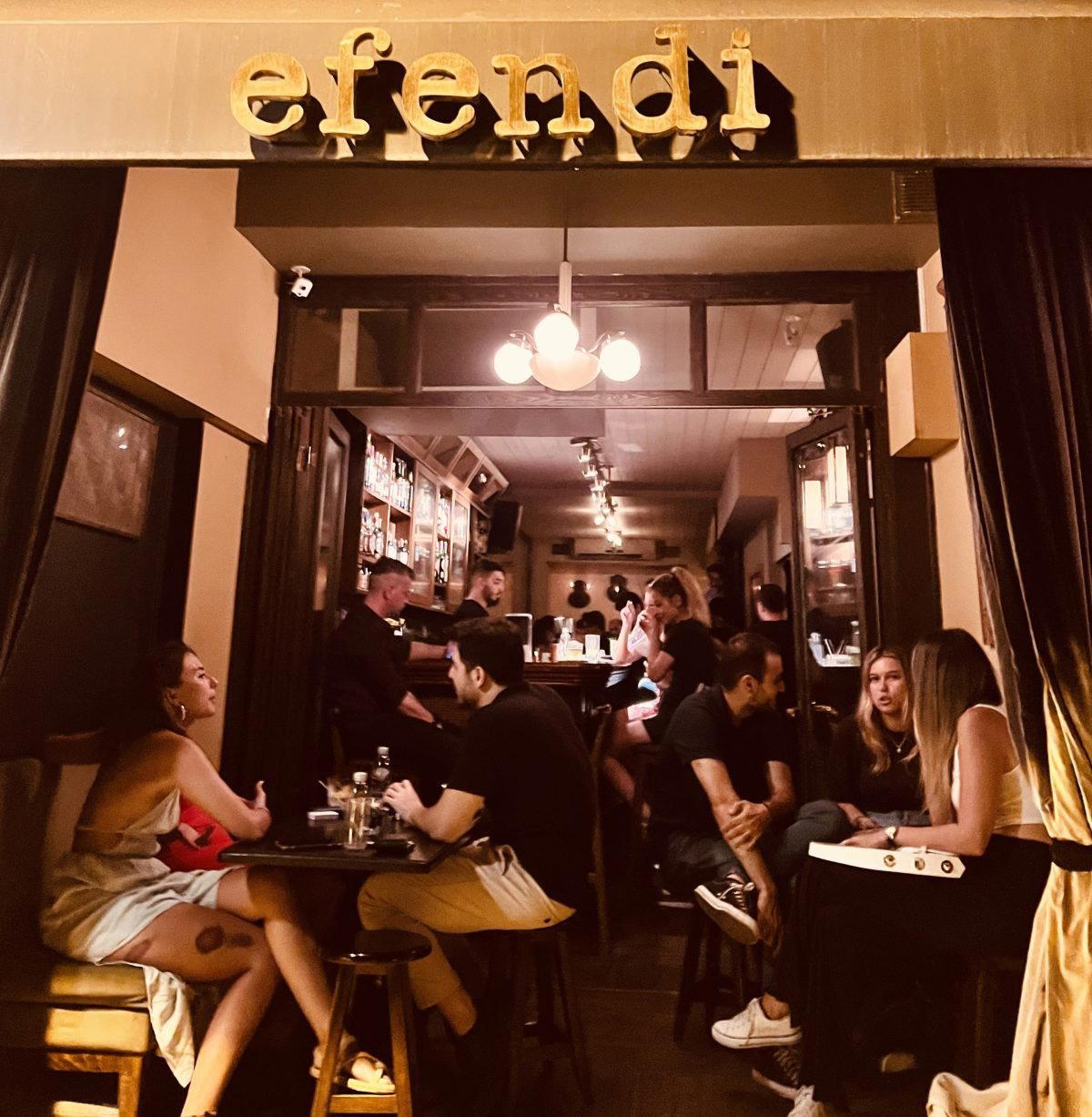
All bars in Istanbul →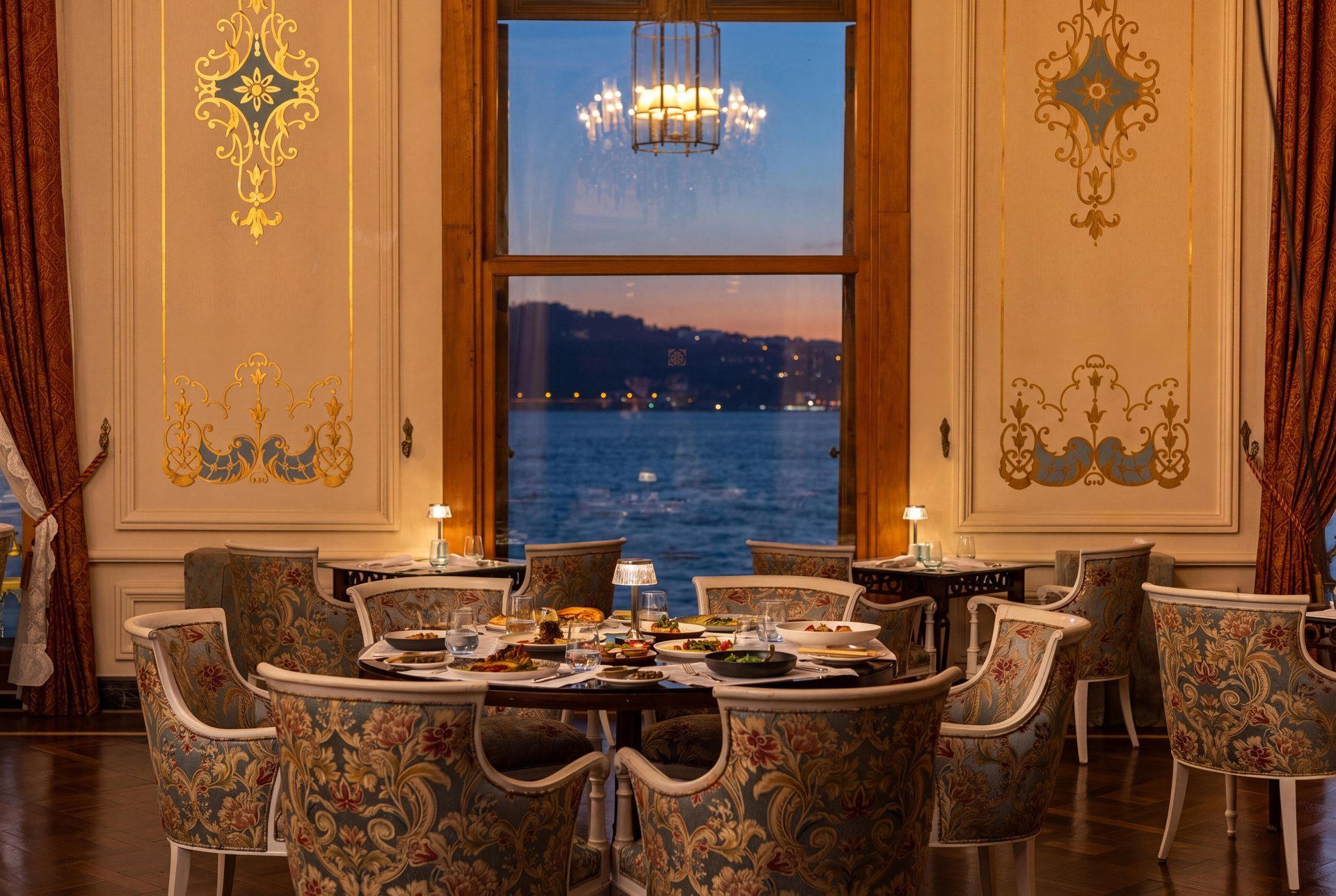
Details
- Intimate
- Cozy
- Romantic
- Elegant
- Date Night
- Special Occasion
- Terrace
- Extensive Wine List
- Local Sourcing
- Tasting Menu
- A La Carte
- Vegetarian Friendly
Current opening hours
- Monday
- Closed
- Tuesday
- Closed
- Wednesday
- 3 PM–12 AM
- Thursday
- 3 PM–12 AM
- Friday
- 3 PM–12 AM
- Saturday
- 3 PM–12 AM
- Sunday
- 3 PM–12 AM
Hours can change for holidays and private events. Last verified .
Cozy, romantic, and intimate atmosphere with a charming rural-style interior, warm lighting, and a secluded rear terrace.