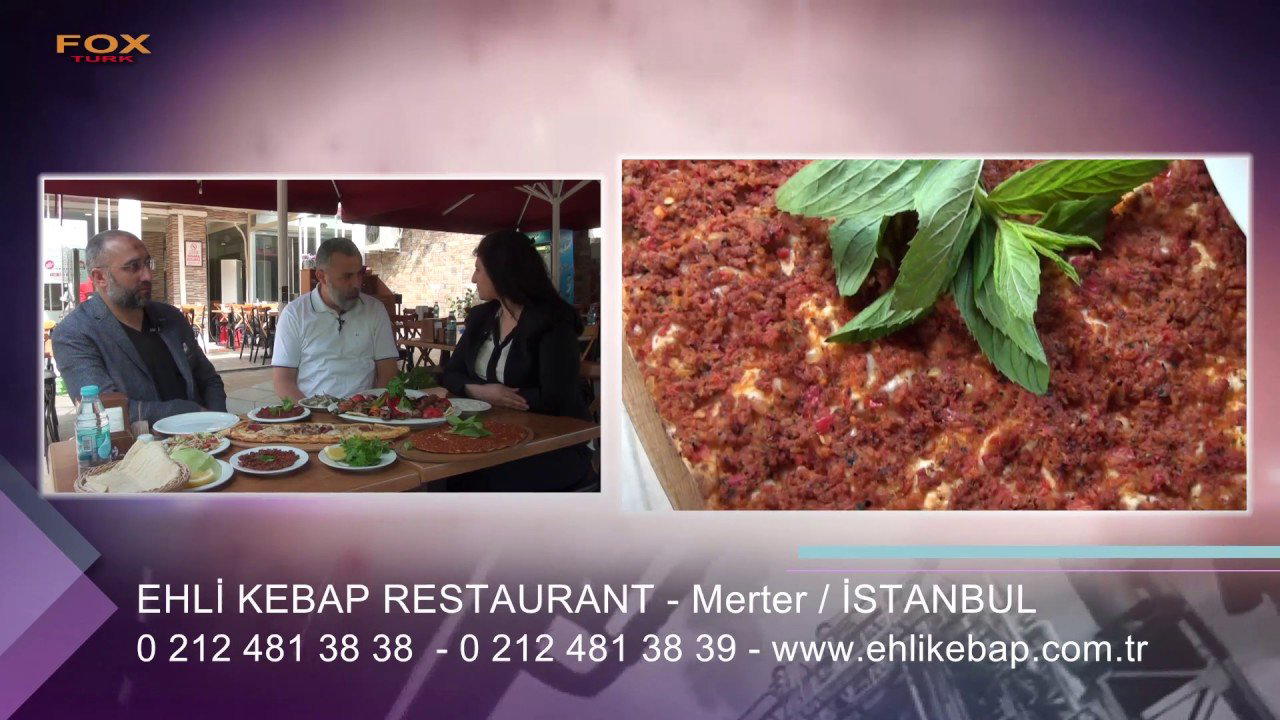
In the dense residential streets of Fatih, Ehli Kebap ve Lahmacun operates within a culinary tradition that Istanbul's high-end modern restaurants rarely replicate: the neighbourhood kebap house, where the food is the entire point. The kitchen centres on lahmacun and grilled meats rooted in Anatolian technique, drawing a local crowd that tends to know exactly what it wants before it walks through the door.
- Address
- Mahallesi, İskenderpaşa, Simitçi Şakir Sk. No:16, 34080 Fatih/İstanbul, Türkiye
- Phone
- +90 212 631 37 00
- Directions
- Get directions
Fatih and the Grammar of the Neighbourhood Kebap House
Ehli Kebap ve Lahmacun is a casual Turkish kebap and lahmacun restaurant in Fatih, Istanbul, with an expected price of about $12 per person. Istanbul's dining conversation frequently centres on the rooftop bars of Beyoğlu, the tasting menus at addresses like Turk Fatih Tutak or Mikla, and the modernist Turkish projects at Neolokal. These are restaurants where the editorial logic runs toward progression, refinement, and international positioning. Fatih operates on a different axis entirely. The district sits on the historic peninsula, its streets still shaped around Ottoman-era mosque complexes and the kind of daily commerce that hasn't migrated online. Here, a neighbourhood kebap house like Ehli Kebap ve Lahmacun addresses a local clientele with specific expectations: the lahmacun should be thin and properly charred at the edges, the grilled meats should arrive directly from the fire, and the price should not require calculation.
That context matters because it frames what kind of meal you are actually signing up for. This is not a venue in dialogue with Anatolian culinary heritage in the way that, say, Arkestra or Casa Lavanda operates. It is the tradition itself, without the curatorial layer. The distinction is worth holding onto before you arrive.
The Arc of a Meal: From Lahmacun to the Grill
The meal at a house of this type follows a sequence that Anatolian dining culture has refined over generations. It does not arrive as a formal tasting progression in the way that kitchens like Lazy Bear in San Francisco or Le Bernardin in New York City construct a narrative arc across courses. Instead, the progression is communal and overlapping: the lahmacun comes first, functioning both as an opener and as a continuing presence on the table.
Lahmacun, sometimes called Turkish flatbread with minced meat, is a dish that rewards specificity of execution far more than it rewards elaboration. The dough should be thin enough to roll, the meat topping, typically a spiced mixture of lamb or beef with tomato, onion, and herbs, should cook directly into the surface rather than sitting on top of it, and the bake should be fast and hot. The result, when done correctly, is a piece of food with genuine textural range: slightly crisp at the base, yielding at the centre, and carrying enough residual heat to wilt the parsley and lemon that get folded in before eating. This is the standard against which every neighbourhood lahmacun house in Istanbul is measured, and it is a demanding one.
From there, the meal moves toward grilled meats: kebaps in their various regional expressions, köfte in its compressed, charcoal-touched form, and whatever the kitchen rotates through based on the day. This is the part of the meal where the grill operator matters most. Timing on a charcoal grill is not mechanical, it requires sustained attention, and the gap between a well-rested piece of meat and an overcooked one is narrow. Neighbourhood houses that maintain a consistent grill standard over years tend to do so because the kitchen has retained the same hands for a long time.
The meal closes not with a formal dessert course but with tea, served in the tulip-shaped glasses that are the default closing punctuation for lunch or dinner across Turkey. Tea, ayran, and soft drinks are the usual companions. The drink structure at this category of restaurant is simple by design: ayran, tea, and occasionally soft drinks. This is consistent with the broader format.
Fatih as a Dining District
Fatih operates as a reference point for a kind of Istanbul dining that the city's internationally profiled restaurant scene rarely surfaces. While the Beyoğlu corridor and the Bosphorus-facing neighbourhoods attract the majority of food-press attention, Fatih's density of working kebap houses, börek bakeries, and köfte specialists functions as a parallel track. This is where the logistical signals are different: no online reservation platforms, payment typically in cash, lunch hours that peak hard and early, and a room that fills with construction workers, mosque-adjacent shopkeepers, and families on a weekday afternoon.
For visitors familiar with the ₺₺₺₺ end of Istanbul's dining spectrum, the tasting menus, the Michelin-tracked addresses, Fatih's neighbourhood restaurants represent a useful recalibration. The discipline required to produce consistent lahmacun and grilled meat at volume, day after day, is not less demanding than the discipline required for a fine-dining kitchen. It is differently demanding, and for a city as food-serious as Istanbul, both ends of that spectrum deserve attention.
For context on how Turkey's regional dining traditions translate elsewhere, the coastal equivalents worth tracking include Maçakızı in Bodrum and Narımor in Izmir, while the Anatolian interior has its own distinct register at addresses like Nahita Cappadocia in Nevsehir and Aravan Evi in Ürgüp. For offal-focused grilling of the kind that sits adjacent to kebap culture, Kokorecci Asim Usta in Bornova is the reference point. Along the Aegean and Mediterranean coasts, seafood-led alternatives include Poyraz Sahil Balık Restaurant in Beykoz, Mezegi in Fethiye, Agora Pansiyon in Milas, Divia by Maksut Aşkar in Marmaris, and Ahãma in Göcek.
Planning Your Visit
Ehli Kebap ve Lahmacun sits on Simitçi Şakir Sokak in the İskenderpaşa neighbourhood of Fatih, a district most efficiently reached by tram via the T1 line. Fatih's lunch trade runs fast and concentrated, typically between noon and 2:30pm, and neighbourhood kebap houses at this level of local reputation fill quickly during that window. Arriving before the peak or visiting on a weekday rather than a Friday, when post-prayer lunch traffic in Fatih is at its densest, is the practical approach. The restaurant is walk-in friendly.
Accolades, Compared
Comparable venues nearby, for context on price, style, and recognition.
| Venue | Cuisine | Price | Notes |
|---|---|---|---|
| Ehli Kebap ve LahmacunThis venue — the venue you are viewing | Traditional Turkish Kebap & Lahmacun | $ | Not listed |
| Dürümzade | Authentic Turkish Dürüm and Kebabs | $ | Huseyinaga |
| Gaziantep Közde Künefe Kebap Salonu | Traditional Gaziantep Turkish Kebabs & Künefe | $ | Hobyar |
| Cooking Alaturka | Traditional Turkish Home-Style | $$ | Sultan Ahmet |
| Albura Kathisma | Traditional Turkish Kebab House | $$ | Sultan Ahmet |
| Karakoy Gulluoglu | Traditional Turkish Baklava | $$ | Karakoy |

At a Glance
- Rustic
- Lively
- Casual
- Casual Hangout
- Group Dining
- Open Kitchen
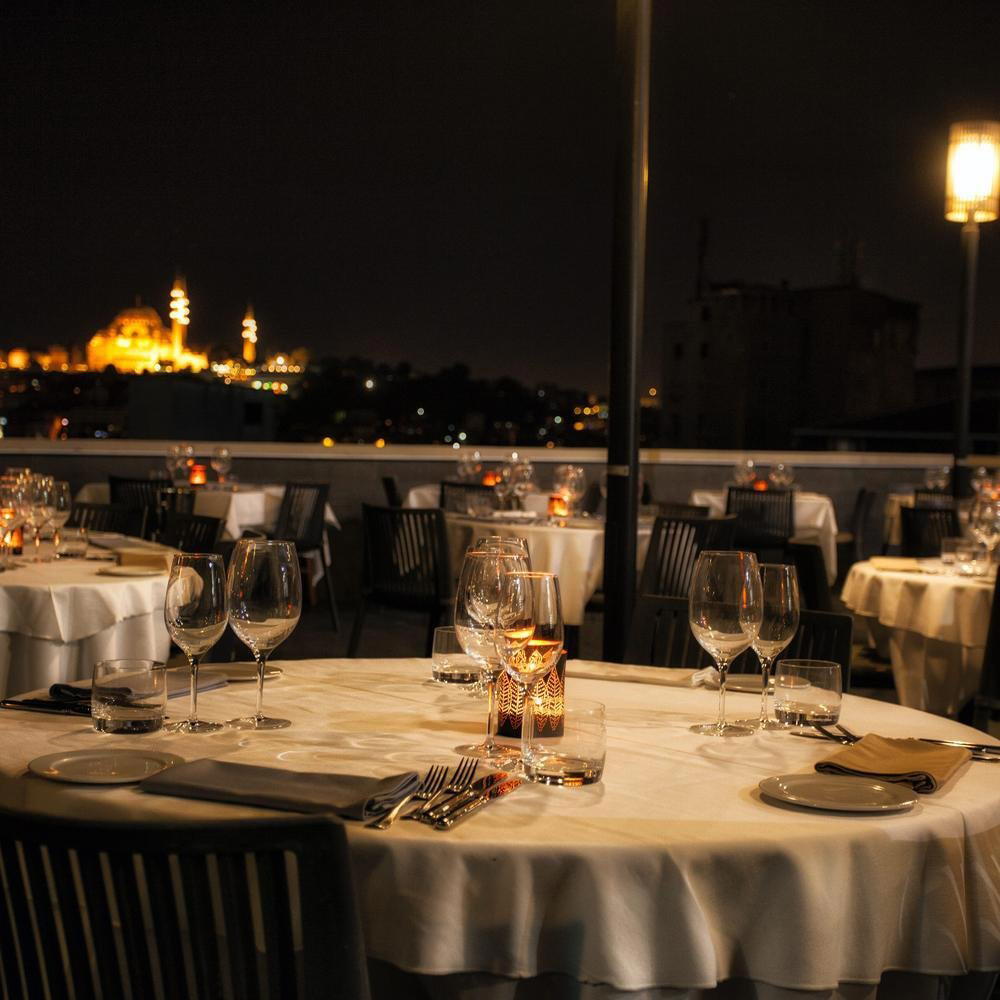
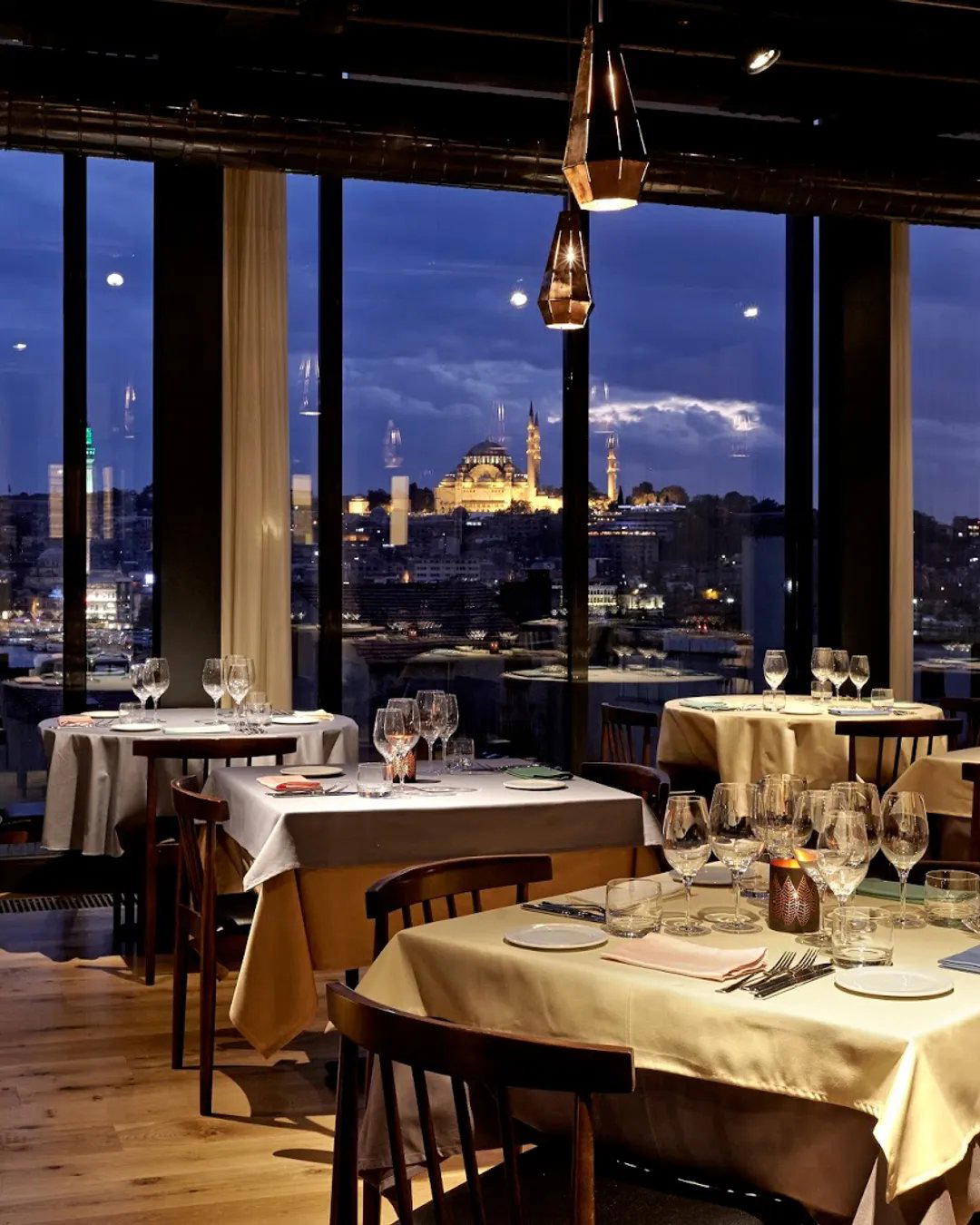
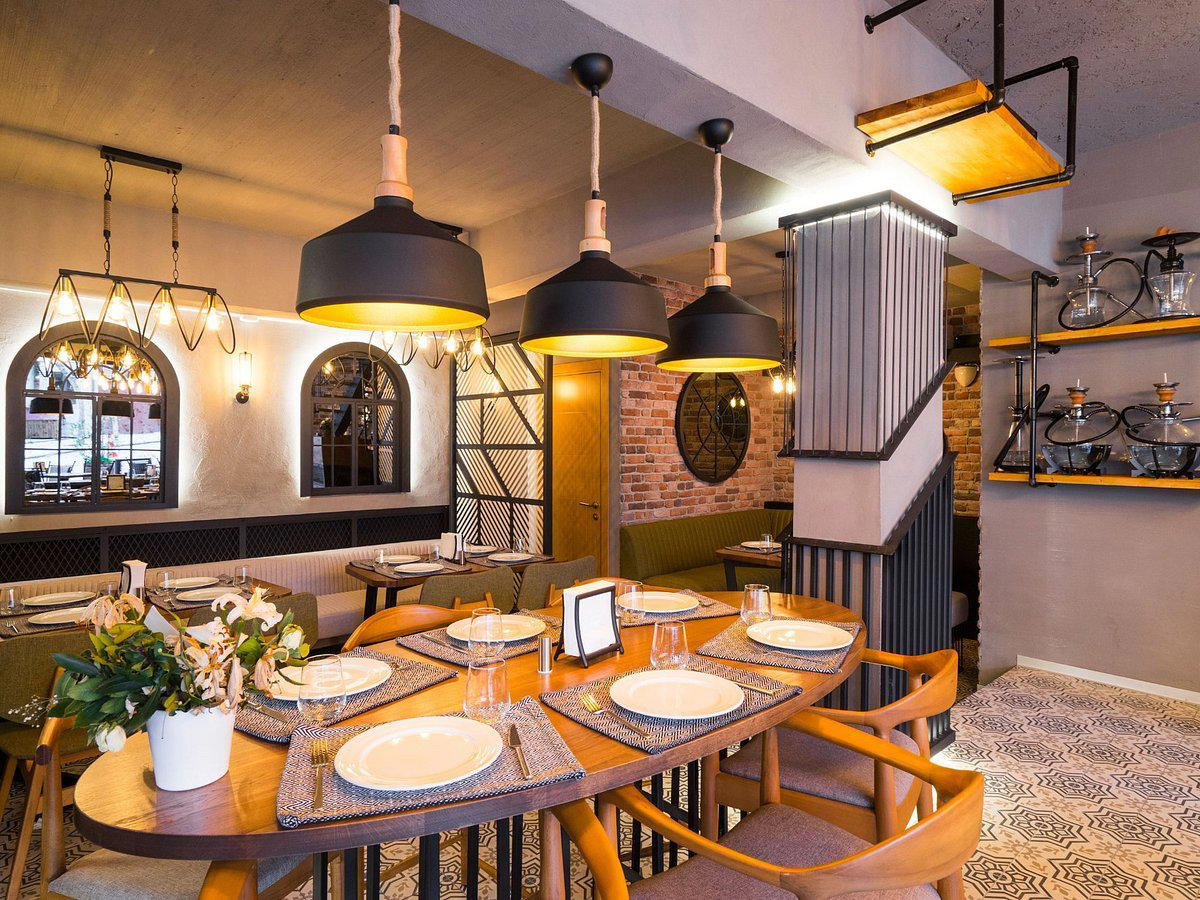
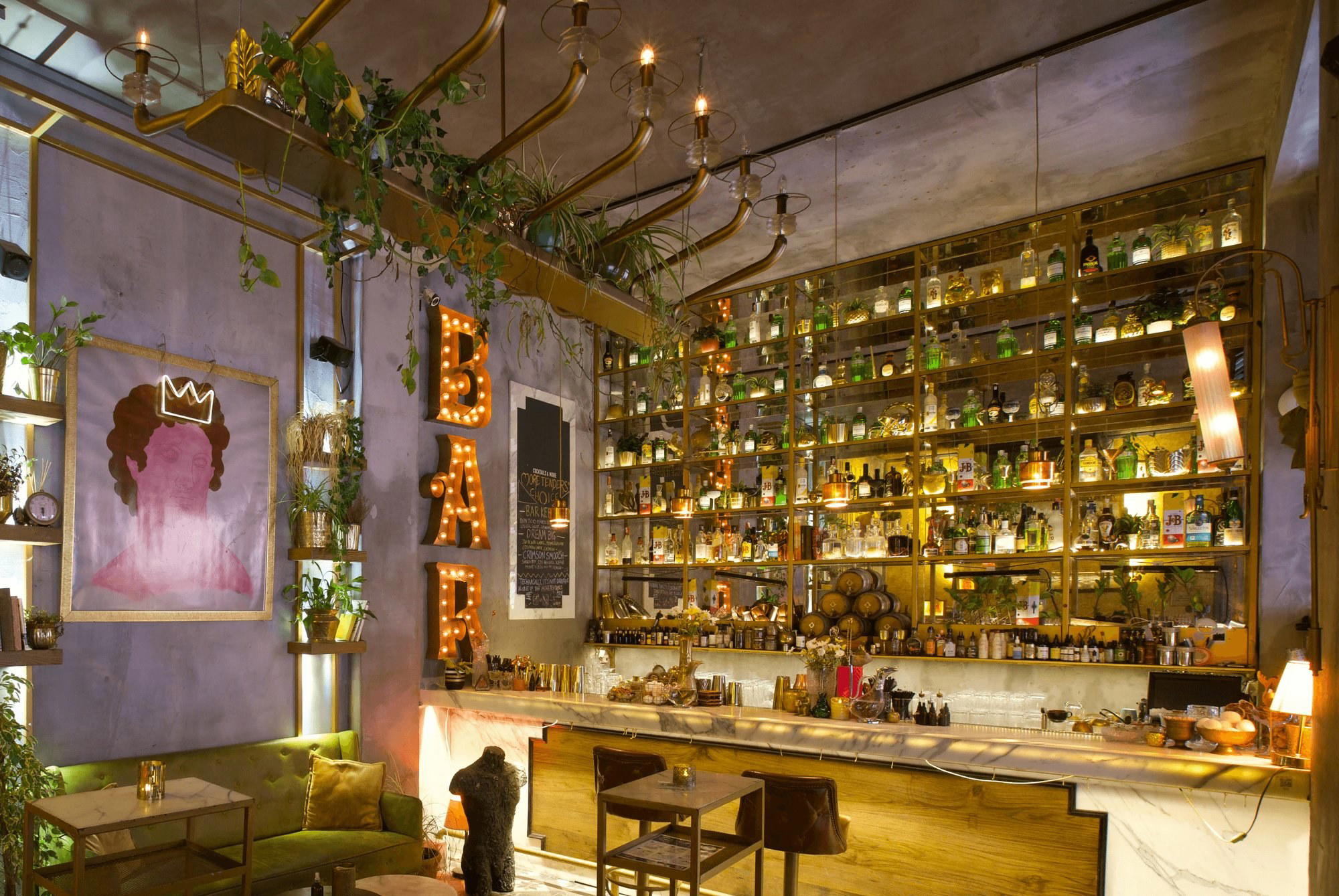
Smoky, warm grill house atmosphere with open charcoal fires and casual dining environment