
We're Smart World 2 Radishes
Our verdict
De Weijers Hoven pairs refined regional Belgian gastronomy with sommelier-led drinks, terrace and private dining, and 2025 We're Smart World 2 Radishes recognition.

Pearl is the En Primeur Club membership app, where members save venues, book tables and use the concierge.
The menu
What to order
- Hake with white wine sauce
- Roasted pork tenderloin with radish and soft onion
A Kitchen Garden in Limburg's Quiet Interior
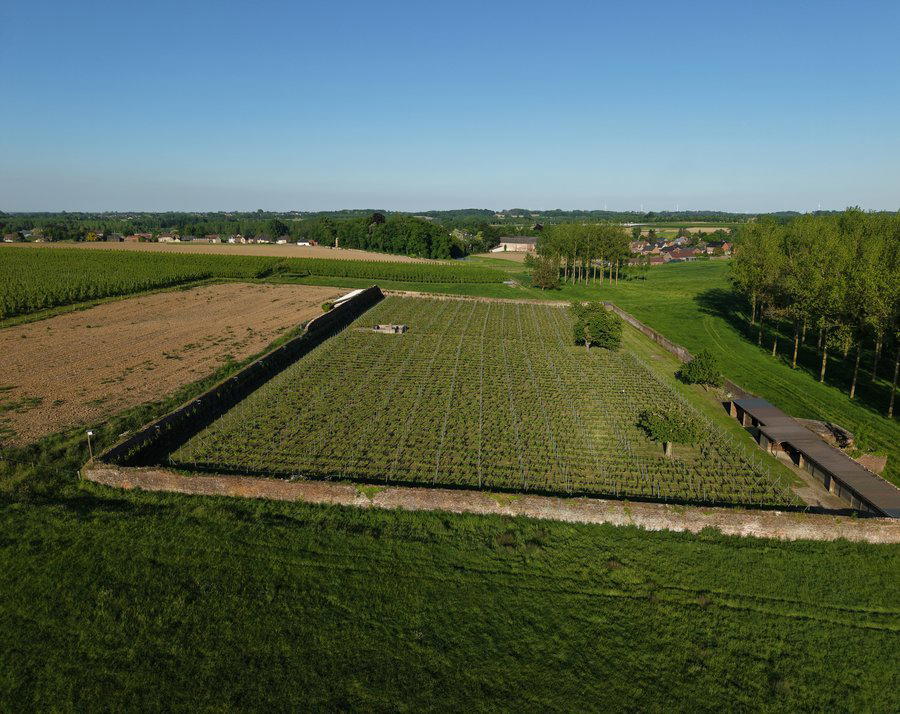
The Flemish Haspengouw region, a plateau of fruit orchards and loam farmland stretching between Liège and Hasselt, has long supported a cooking culture shaped by what grows close by. Hoeselt sits within that belt, a small municipality where the agricultural calendar still dictates the rhythm of the table in ways that are harder to find in Belgium's urban restaurant circuits. De Weijers Hoven, on Melleveldstraat, occupies this agricultural context directly: chef Xavier Conings tends his own herb and vegetable garden and fruit orchard on the property, with a deliberate emphasis on varieties that rarely reach commercial supply chains. That decision places the kitchen inside a tradition of producer-led Flemish cooking that has gained renewed critical attention, though it operates here at a remove from the cities where that attention is loudest.
Where the Sourcing Begins
Belgium's most discussed creative restaurants, places like Boury in Roeselare, De Jonkman in Sint-Kruis, and Zilte in Antwerp, all work with tight sourcing networks, often anchored to specific growers or foragers. What distinguishes a kitchen that grows its own produce on-site is the degree of control it exercises over the ingredient before it is harvested: variety selection, harvest timing, and the decision to plant the less commercially viable cultivars that larger supply chains won't support. At De Weijers Hoven, the emphasis on what Conings describes as "more special vegetables and fruits" points toward exactly this logic. The orchard and garden are not decorative credentials; they are the first stage of the menu.
Haspengouw itself is already Belgium's principal fruit-growing region, with pears, apples, and cherries defining the landscape through blossom season in April and into the autumn harvest. A kitchen operating within that geography with its own orchard is positioned to work with produce at a specificity of ripeness and variety that weekly market sourcing cannot replicate. The cherry juice that appears in Conings's preparations with duck and goose, for instance, carries the logic of place in a way that bypasses the supply-chain abstraction common to urban restaurant kitchens.
The Cooking: Contrast as Principle
The editorial record on De Weijers Hoven's kitchen points to a flavour architecture built on deliberate opposition. Hot and cold. Sweet and sour. These are not incidental plating choices; they appear consistently across the documented preparations and suggest a structural approach to how a dish is experienced across its duration. Jerusalem artichoke, celery, and parsley paired with haddock works through textural and temperature contrast as much as flavour alignment. Asparagus, lime, and radish with smoked eel introduces the acidity of citrus and the bite of raw root vegetable against the fat register of the smoked fish. Mushrooms and spinach with cherry juice and chili alongside duck and goose use the fruit's natural acid and the chili's heat to pull against the richness of the bird.
This approach has parallels in the broader Belgian creative tradition. Kitchens like Castor in Beveren and Cuchara in Lommel both operate in the €€€€ bracket with modern European frameworks that use contrast and seasonal specificity as organising principles. Conings's work, rooted in garden produce and orchard fruit rather than a purely foraging or market-led model, sits within that current while drawing its materials from a more circumscribed geographic radius.
For comparison across a wider register, Hof van Cleve in Kruishoutem represents the upper end of Belgium's rural fine-dining tradition, where sourcing precision and creative ambition converge at the highest recognised tier. De Weijers Hoven operates in quieter territory, without the metropolitan visibility of Bozar in Brussels or the coastal profile of Bartholomeus in Heist and Willem Hiele in Oudenburg, but the sourcing logic it applies is consistent with what those more prominently placed kitchens also pursue.
Setting and Approach
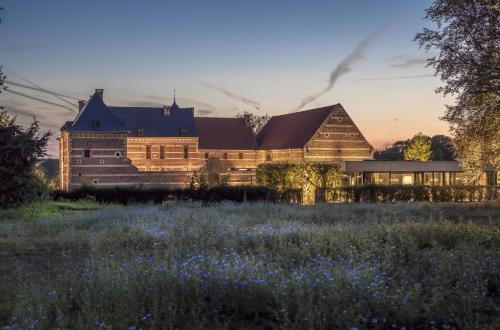
The address on Melleveldstraat places the restaurant in a residential-rural context characteristic of the Flemish Haspengouw interior: not a village centre, not a commercial strip, but the kind of address you locate by looking ahead of time. This is a meaningful signal about the dining format. Restaurants in this category of Belgian rural cooking tend to draw guests who are making a dedicated trip rather than a spontaneous booking, and the presence of an on-site working garden reinforces the sense that the meal is inseparable from the specific place where it happens. For readers planning a wider Limburg itinerary, the full Hoeselt restaurants guide provides additional context for the area's dining options, alongside hotels in Hoeselt, bars in Hoeselt, wineries in Hoeselt, and experiences in Hoeselt.
Given the rural address and the kitchen-garden model, advance reservations are advisable; this is not a walk-in format.
Belgian Rural Kitchens in a Wider Frame
The garden-to-table model that De Weijers Hoven embodies has gained credibility partly because it is harder to perform than to claim. A restaurant that genuinely grows its own produce faces seasonal constraints that shape the menu whether the chef chooses that framing or not. What comes out of the garden in April is categorically different from October, and the cooking has to follow. This is a discipline that kitchens sourcing freely from broad supplier networks are not subject to, which gives the seasonal signal in a garden-led kitchen more weight as evidence of actual practice rather than positioning.
That said, the documentation available on De Weijers Hoven is specific rather than comprehensive. The preparations on record, the haddock with Jerusalem artichoke, the smoked eel with asparagus, the duck and goose with cherry and chili, suggest a kitchen working in the modern Flemish idiom with a clear sourcing identity. For readers who track this category across Belgium and beyond, the comparison set extends internationally: the garden-and-technique model that defines kitchens like L'Eau Vive in Arbre and d'Eugénie à Emilie in Baudour in the Walloon tradition shares a structural logic with what Conings is doing in Haspengouw, even as the specific ingredients and flavour registers differ by geography.
At the furthest end of the international comparison, kitchens like Le Bernardin in New York City and Emeril's in New Orleans represent how sourcing narratives operate at scale in a different cultural and commercial context. The Limburg model is necessarily smaller, more specific, and more directly tied to what a single plot of land can produce in a given season.
Frequently asked questions
Is De Weijers Hoven a family-friendly restaurant?
The rural-residential setting on Melleveldstraat in Hoeselt, combined with a kitchen that draws heavily from its own garden and orchard, suggests an unhurried, informal pace rather than a high-ceremony dining room. That said, the cooking, built around deliberate flavour contrasts with produce-led dishes like duck with cherry juice and chili, is more tasting-focused than child-casual. Families with older children open to creative vegetable-forward plates are better placed than those expecting a conventional menu.
What kind of setting is De Weijers Hoven?
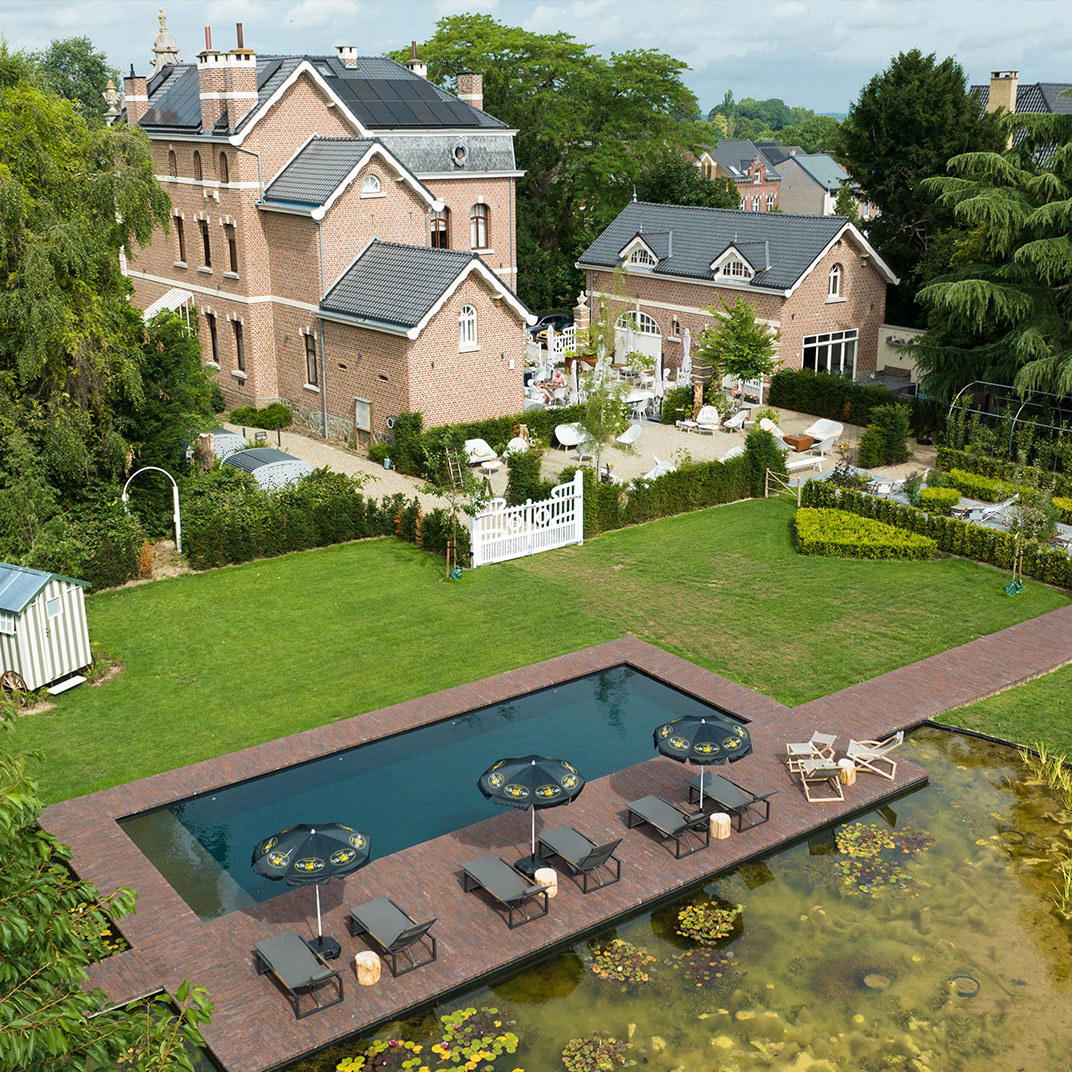
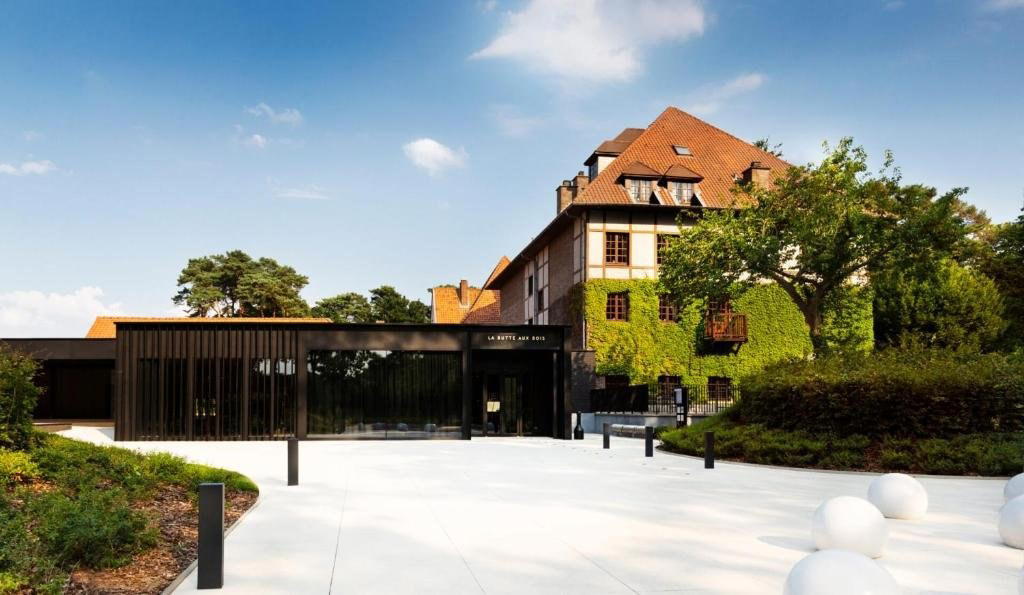
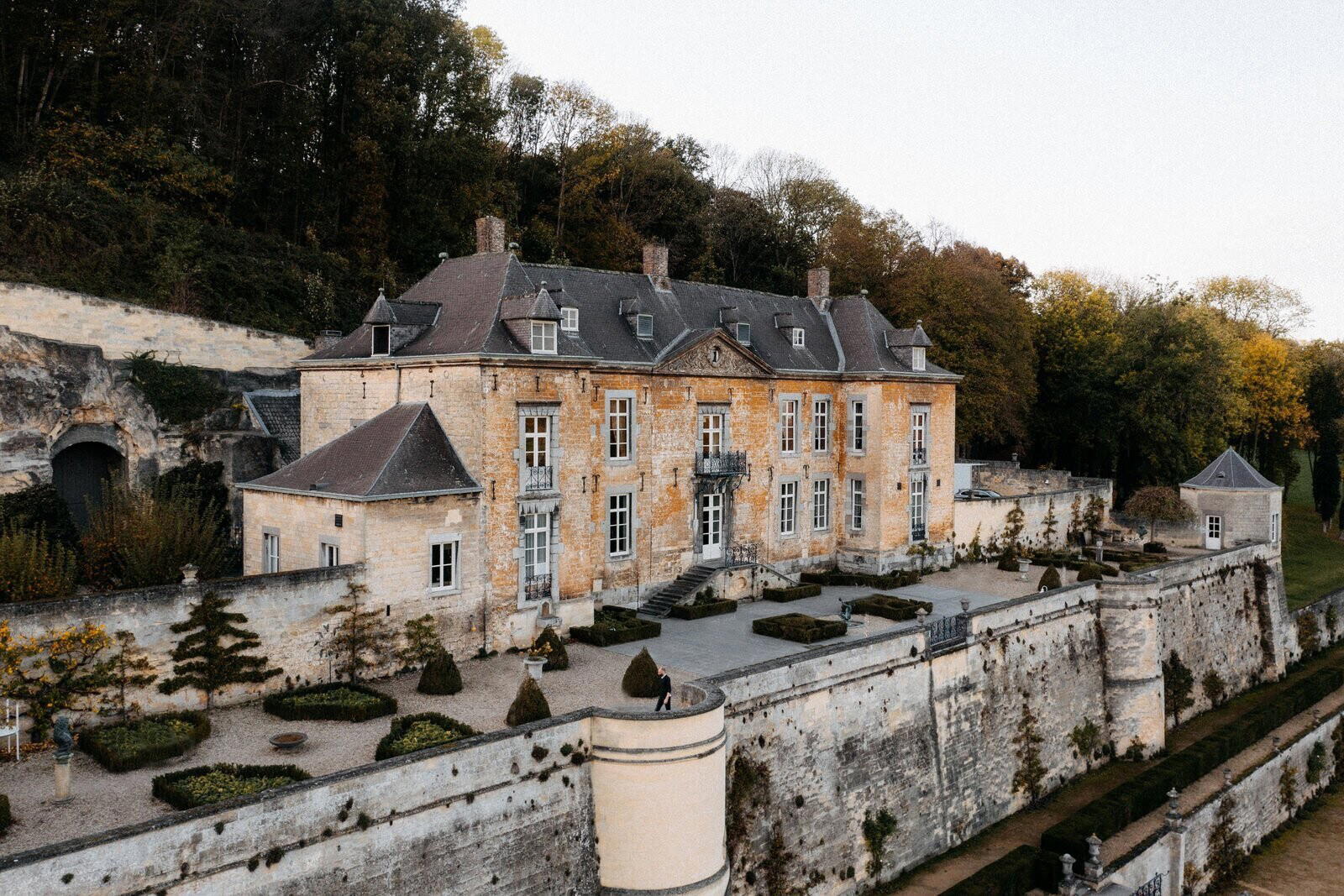
The address at Melleveldstraat 4 places the restaurant in the agricultural interior of Flemish Haspengouw, the loam plateau between Hasselt and Liège known for its fruit orchards and market gardens. It is a rural-residential context: no village square, no hotel lobby, no urban dining-strip adjacency. The kitchen garden and fruit orchard are part of the property itself, which gives the setting the character of a working smallholding as much as a restaurant.
What's De Weijers Hoven known for in terms of accolades?
De Weijers Hoven has received recognition including: Xavier Conings has a small herb and vegetable garden and a fruit orchard in which especially the more special vegetables and fruits are planted. In his dishes he wants to emphasize the contrasts hot and cold and sweet and sour with vegetabl….
What should I eat at De Weijers Hoven?
The documented cooking from Xavier Conings centres on contrast as a structural principle: Jerusalem artichoke with celery and parsley alongside haddock; asparagus, lime and radish with smoked eel; duck and goose with cherry juice and chili. Vegetables from the kitchen garden carry real weight in each preparation rather than acting as garnish. If the menu follows its established logic, the dishes built around sweet-sour and hot-cold opposition give the clearest picture of what the kitchen does.
What part of town is De Weijers Hoven in?
De Weijers Hoven is located at Melleveldstraat 4, 3730 Bilzen-Hoeselt, Belgium, Hoeselt.
In Context: Similar Options
Comparable venues nearby, for context on price, style, and recognition.
| Venue | Cuisine | Price | Awards | Notes |
|---|---|---|---|---|
| De Weijers HovenThis venue (the venue you are viewing) | Refined Regional Belgian Gastronomy | $50–100 | We're Smart World 2 Radishes | Not listed |
| Kampernoelie | Refined Belgian-French Fine Dining | $50–100 | Not listed | Bilzen-Hoeselt |
| Le 54 | Belgian-European Bistro | $50–100 | We're Smart World 1 Radish | City Center |
| Como en Casa | Seasonal Vegetarian Fusion | $30–50 | We're Smart World 2 Radishes | City Center |
| Amen | Modern European | $50–100 | Michelin Plate | Ixelles |
| Must | Belgian European Wine Bar | Not listed | Not listed | Ixelles |
Recognition history
Dated appearances from independent guides and award organizations, with the underlying list record or original source where available.
We're Smart World 2 Radishes
We're Smart World
Continue exploring
More in Hoeselt
Restaurants in Hoeselt
All restaurants in Hoeselt →
Bars in Hoeselt
Browse all →

Details
- Cozy
- Elegant
- Classic
- Celebration
- Special Occasion
- Group Dining
- Date Night
- Private Dining
- Terrace
- Sommelier Led
- Local Sourcing
- Farm To Table
- A La Carte
- Set Menu
- Wine
- Vegetarian Friendly
Current opening hours
- Monday
- Closed
- Tuesday
- Closed
- Wednesday
- Closed
- Thursday
- 6:30–9 PM
- Friday
- 6:30–9 PM
- Saturday
- 6:30–9 PM
- Sunday
- 12–2 PM, 6:30–9 PM
Hours can change for holidays and private events. Hours as of .
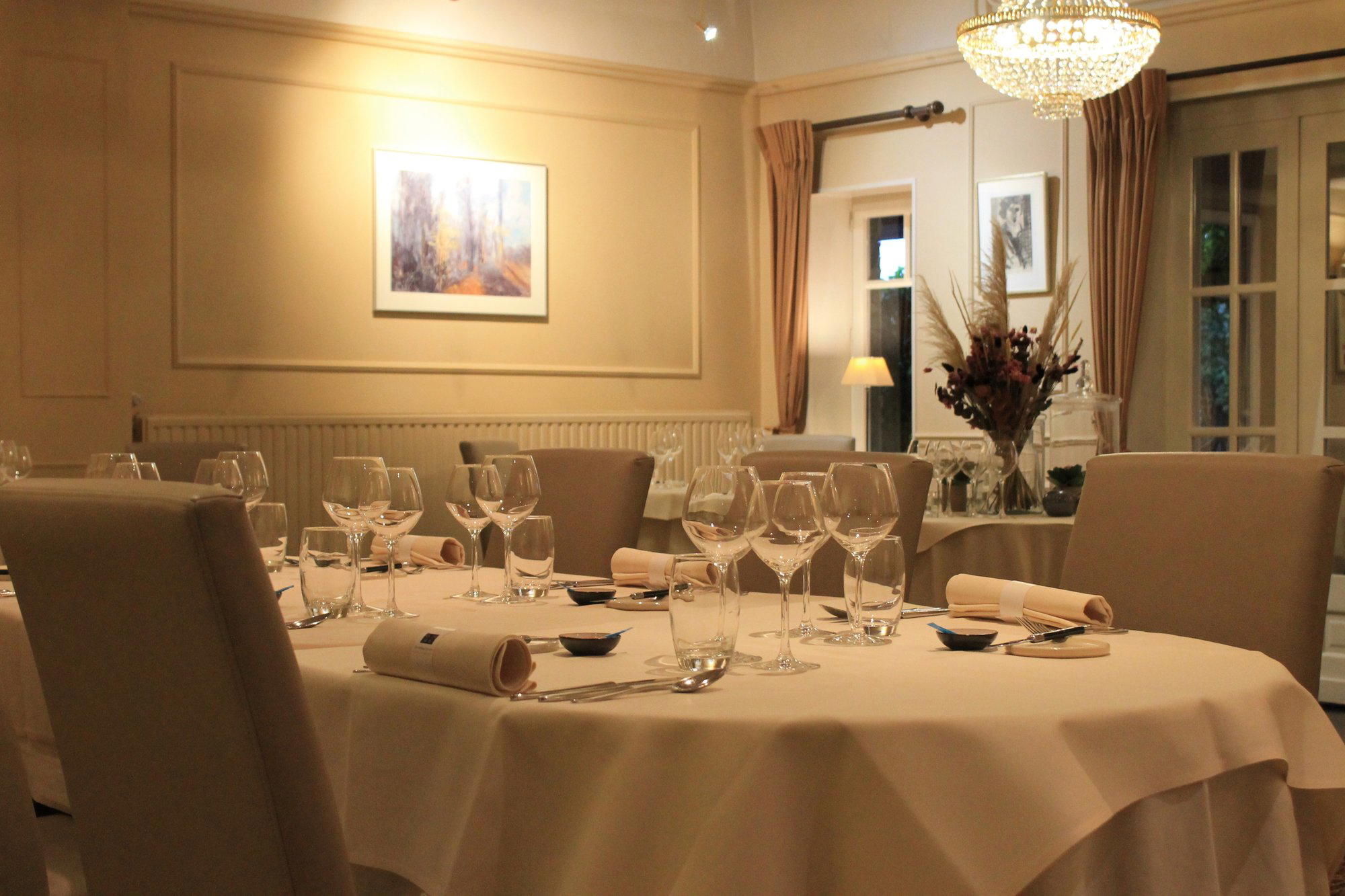
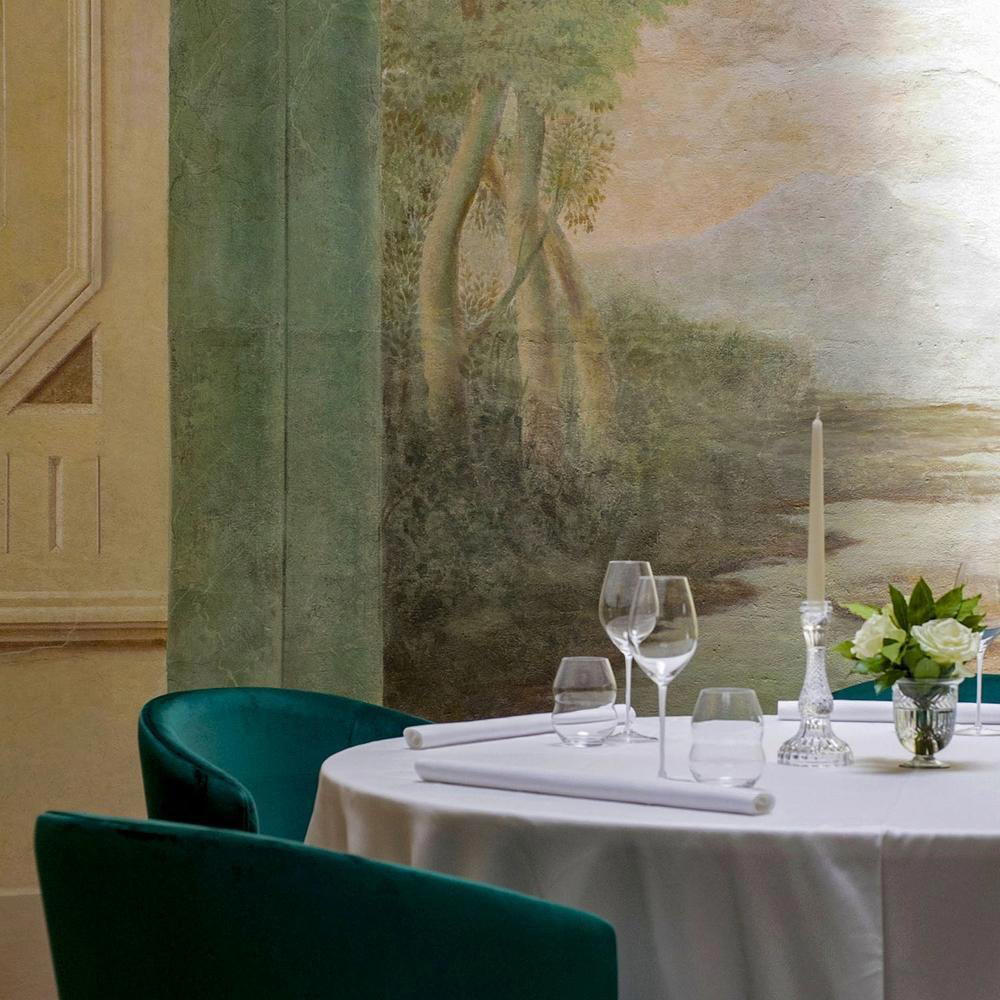
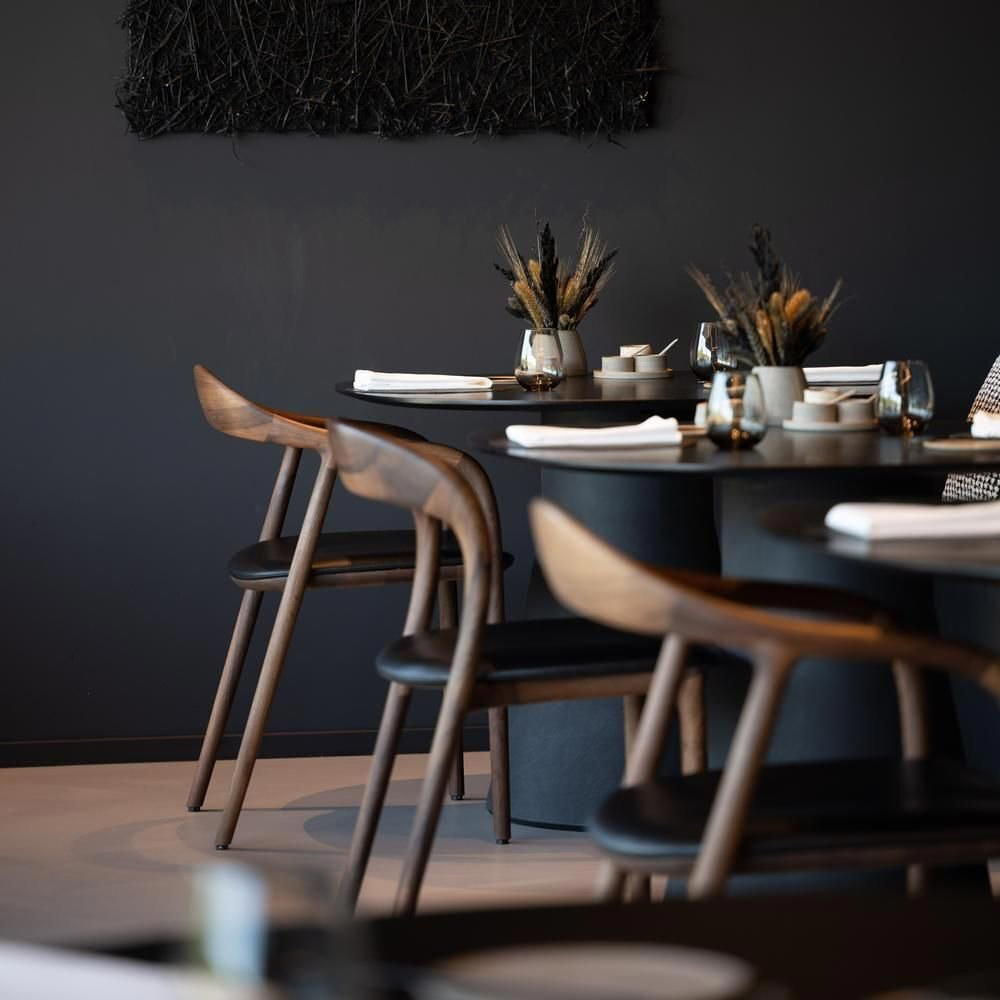
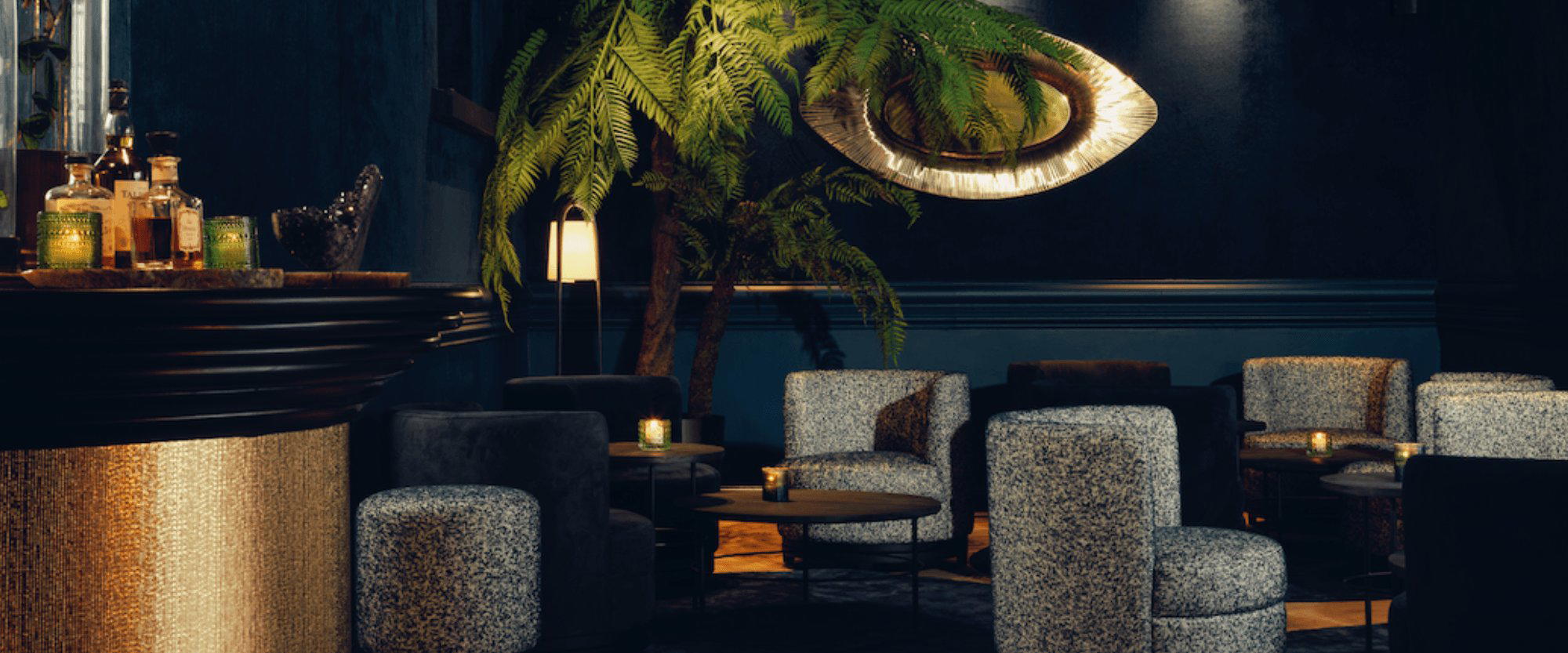
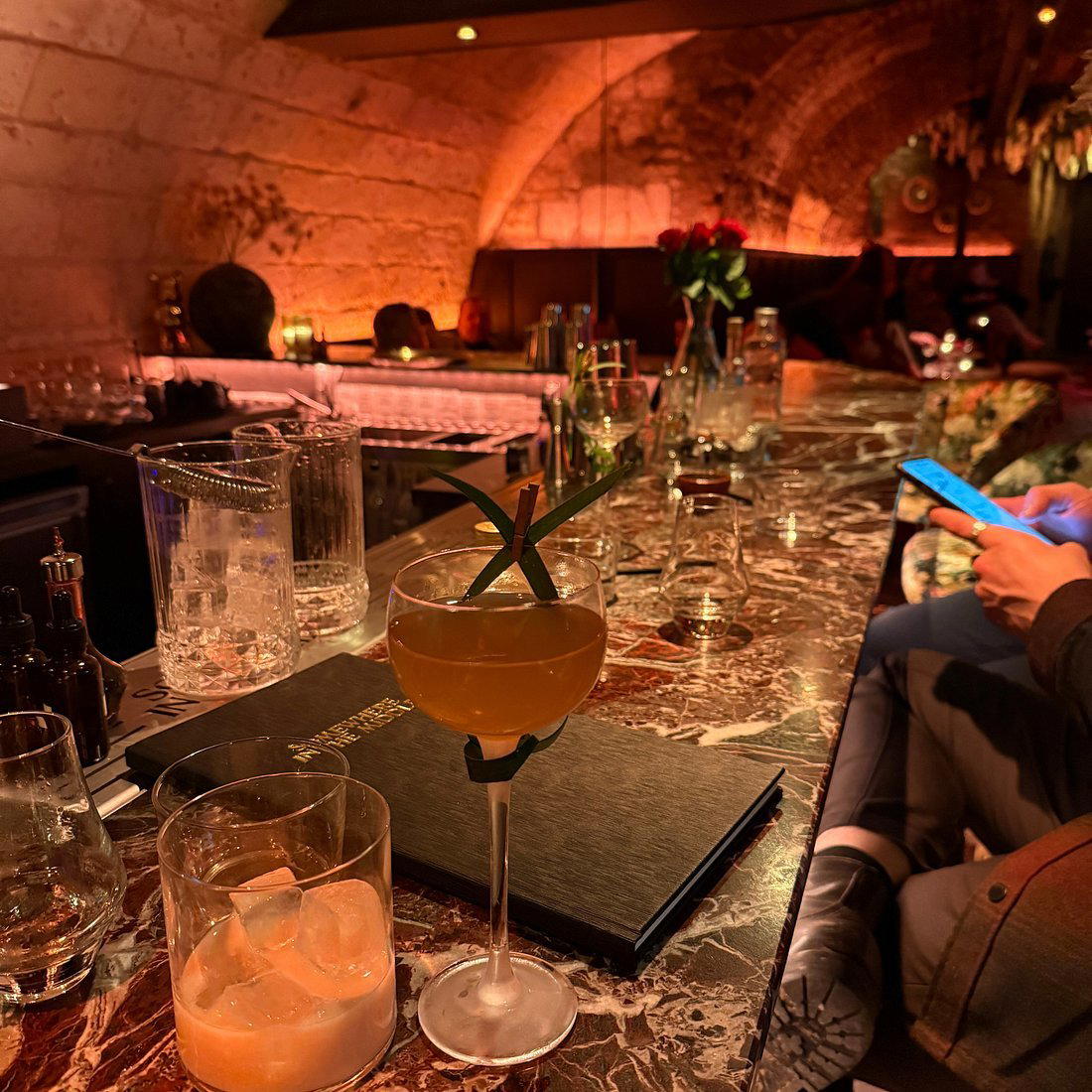
Warm and intimate atmosphere with soft lighting; guests note it is occasionally bright but generally cozy and welcoming, with a homely feel that encourages lingering.