Kamehachi
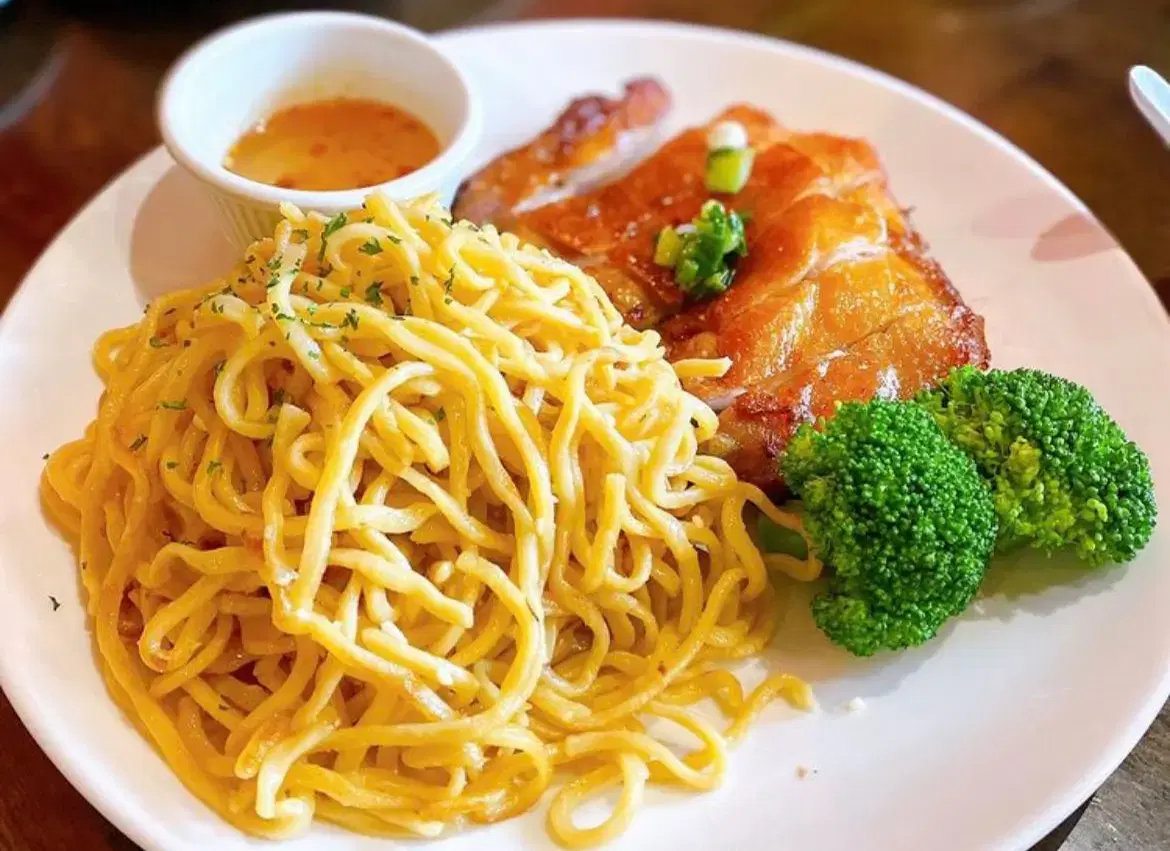
Kamehachi on Wells Street in Old Town has operated as a Chicago sushi reference point long enough to predate the city's current wave of omakase counters. Positioned at the accessible end of the Japanese dining spectrum, it serves a neighborhood that now hosts some of the country's most formally ambitious restaurants, offering a counterpoint to the tasting-menu orthodoxy that defines Chicago's premium tier.
Pearl is the En Primeur Club membership app — saves, bookings, and concierge access live there. Same editors, same standards.
- Address
- 1531 N Wells St, Chicago, IL 60610
- Phone
- +13126643663
- Website
- kamehachi.com
- Directions
- Get directions
 Saves & bookings on Pearl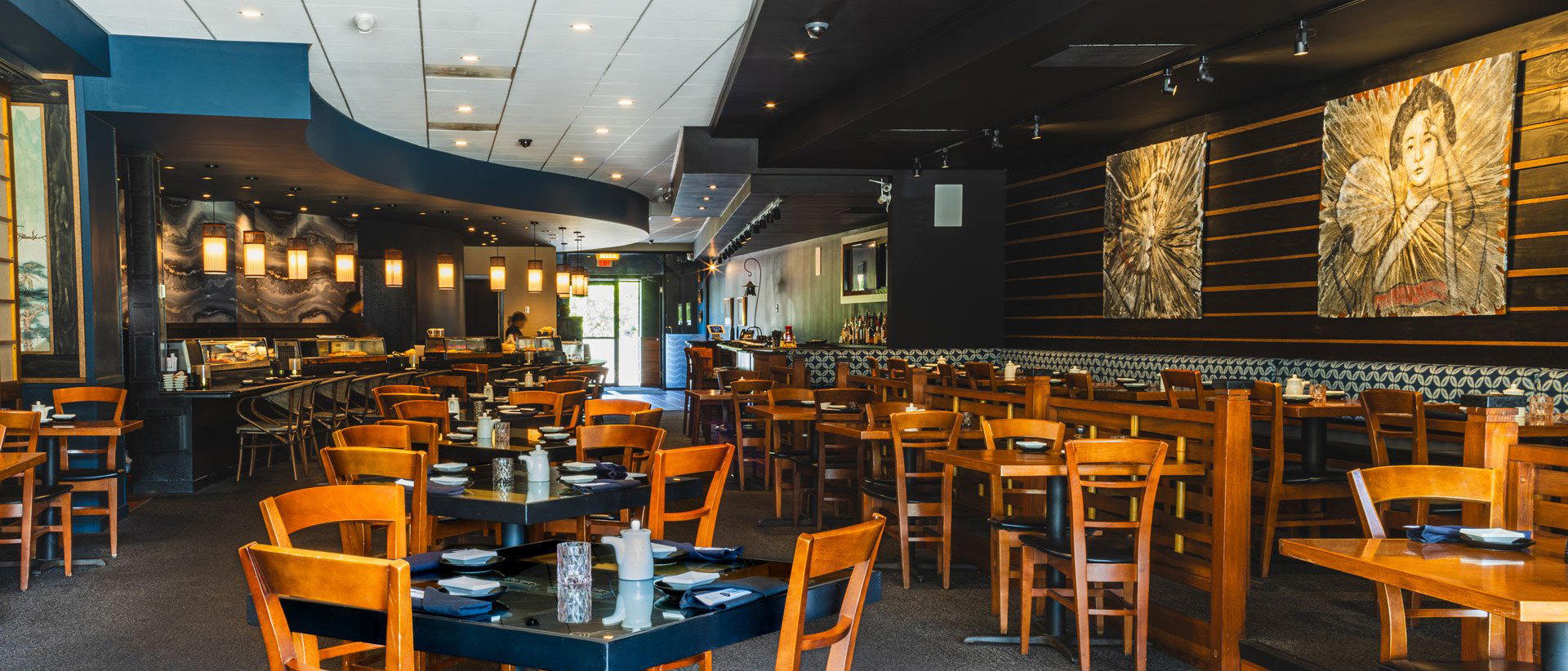
Old Town, Sushi, and the Long Arc of Chicago's Japanese Dining
Wells Street in Old Town runs through one of Chicago's most historically layered dining corridors. The neighborhood sits north of the Loop and west of Lincoln Park, close enough to the city's premium restaurant cluster to feel the gravitational pull of places like Alinea and Smyth, yet defined by a different register: more residential, more rooted in the kind of regular-use dining that sustains a neighborhood rather than draws destination traffic. On that street, at 1531 N Wells, Kamehachi is a Traditional Japanese Sushi Bar in Chicago, known for a casual setting, recommended reservations, and an average price of about $30 per person.
Chicago's relationship with sushi follows a pattern visible in many American cities: an early wave of neighborhood Japanese restaurants that arrived in the 1970s and 1980s, followed by a prolonged period of casual proliferation, and then a sharper stratification in the 2010s as omakase formats, premium fish sourcing, and Japanese-trained technique began commanding significantly higher price points. Kamehachi belongs to that first wave, which gives it a kind of institutional standing that newer, more formally ambitious operations cannot replicate through awards alone. In a city where Kasama and Next Restaurant represent the contemporary tasting-menu end of Chicago's creative dining, Kamehachi represents something structurally different: sushi as neighborhood infrastructure rather than occasion dining.
The Intersection of Imported Method and Local Context
The editorial angle that matters most when reading any long-established American sushi house is the negotiation between Japanese technique and the local market it serves. In the decades when Kamehachi built its audience in Chicago, the city's fish supply chains, diner expectations, and price tolerances were all calibrated to a different standard than today's sourcing-forward, ultra-premium counters. The result, across this category nationally, is a cuisine that adapted Japanese preparation logic to ingredients and formats shaped by American distribution realities.
That negotiation is not a compromise so much as a distinct culinary position. The sushi that American neighborhood restaurants developed from the 1970s onward borrowed the form and some of the technique of Japanese preparation while building around a different product set and a different relationship with the diner. Where contemporary omakase counters in Chicago or New York now emphasize direct Japan sourcing, seasonal fish calendars, and chef-led progression through a fixed sequence, the older neighborhood model gives the diner more control: a menu, a table, a pace set by the customer rather than the kitchen. These are genuinely different dining formats, and the older one is not simply a lesser version of the newer.
For context on how the premium end of this spectrum operates elsewhere, the approach at Le Bernardin in New York City or the ingredient-forward philosophy at Single Thread Farm in Healdsburg shows how global technique applied to rigorously sourced local product defines the upper tier. Closer to the Japanese dining tradition specifically, Atomix in New York City demonstrates how Asian culinary lineage can be applied with the same formal rigor as any European fine-dining framework. Kamehachi does not operate in that register, and that distinction matters for setting expectations.
Where Kamehachi Sits in the Chicago Dining Spectrum
Chicago's restaurant scene has bifurcated sharply at the upper end. The city now holds multiple Michelin-starred operations, several of which, including Oriole, operate at price points and booking difficulties that place them alongside peers in cities like San Francisco, where Lazy Bear and the institutional weight of The French Laundry in Napa define the reference tier. The distance between that upper bracket and the neighborhood dining tier is significant in Chicago, as it is in Los Angeles, where Providence anchors fine seafood at one end while casual Japanese operations serve a much wider audience at the other.
Kamehachi's position on Wells Street places it in the accessible middle of this range. Old Town's residential character supports restaurants that serve their immediate community more than they draw regional or international visitors. That is not a weakness in terms of experience; a room full of regulars who know what they want, and a kitchen that knows how to deliver it consistently, produces a different but coherent version of hospitality. The comparison set here is less the destination counters and more the durable neighborhood anchors that every serious dining city depends on: the places that fill tables on a Tuesday in February without needing a press cycle or a new menu launch.
Nationally, that tier is where institutions like Bacchanalia in Atlanta or Emeril's in New Orleans have built their longevity. The common thread is not format or cuisine type but durability: the ability to sustain a loyal audience across multiple decades and multiple shifts in what the broader dining conversation considers relevant. Our full Chicago restaurants guide maps out this spectrum in more detail, from the tasting-menu upper tier to the neighborhood operations that define daily life in each district.
For readers weighing Kamehachi against other options in the same city, it is also worth understanding what the premium end of Japanese dining looks like at its most formal, which places like 8 1/2 Otto e Mezzo Bombana in Hong Kong and Addison in San Diego illustrate from adjacent disciplines: the application of deep technical training to a specific and consistent product philosophy. The Inn at Little Washington and Blue Hill at Stone Barns in Tarrytown further illustrate the local-ingredients, sustained-technique model at its most developed. These references matter less as aspirational targets for Kamehachi than as calibration points for the reader deciding what kind of evening they are planning.
Planning a Visit
Kamehachi is located at 1531 N Wells Street in Old Town, easily reachable by the Brown or Purple line to Sedgwick, a short walk south along Wells. Old Town is a walkable neighborhood with street parking available in the evenings, though Wells Street itself can be congested on weekends. Hours run Mon through Thu and Sun from 11:30 AM to 9 PM, and Fri through Sat from 11:30 AM to 10 PM; reservations are recommended. Its casual format makes it more direct to book than many tasting-menu rooms, though peak weekend times can still fill quickly.
Just the Basics
Comparable venues nearby, for context on price, style, and recognition.
| Venue | Cuisine | Price | Notes |
|---|---|---|---|
| KamehachiThis venue — the venue you are viewing | Old Town, Traditional Japanese Sushi Bar | $$ | Not listed |
| Ron of Japan | Not listed | $$ | Near North Side, Teppanyaki Japanese Steakhouse |
| Komorebi | Wicker Park, Japanese Sushi Fusion | $$ | Not listed |
| 312 Fish Market | Pilsen, Premium Sushi Counter | $$ | Not listed |
| RAMEN-SAN | River North, Modern Japanese Ramen | $$ | Not listed |
| Ramen Wasabi - West Loop | West Loop, Japanese Ramen | $$ | Not listed |
Continue exploring
More in Chicago
Restaurants in Chicago
Browse all →
At a Glance
- Classic
- Well Known
- Date Night
- Group Dining
- Casual Hangout
- Late Night
- Historic Building
- Sake Program
Current opening hours
- Monday
- 11:30 AM–9 PM
- Tuesday
- 11:30 AM–9 PM
- Wednesday
- 11:30 AM–9 PM
- Thursday
- 11:30 AM–9 PM
- Friday
- 11:30 AM–10 PM
- Saturday
- 11:30 AM–10 PM
- Sunday
- 11:30 AM–9 PM
Hours can change for holidays and private events. Last verified .
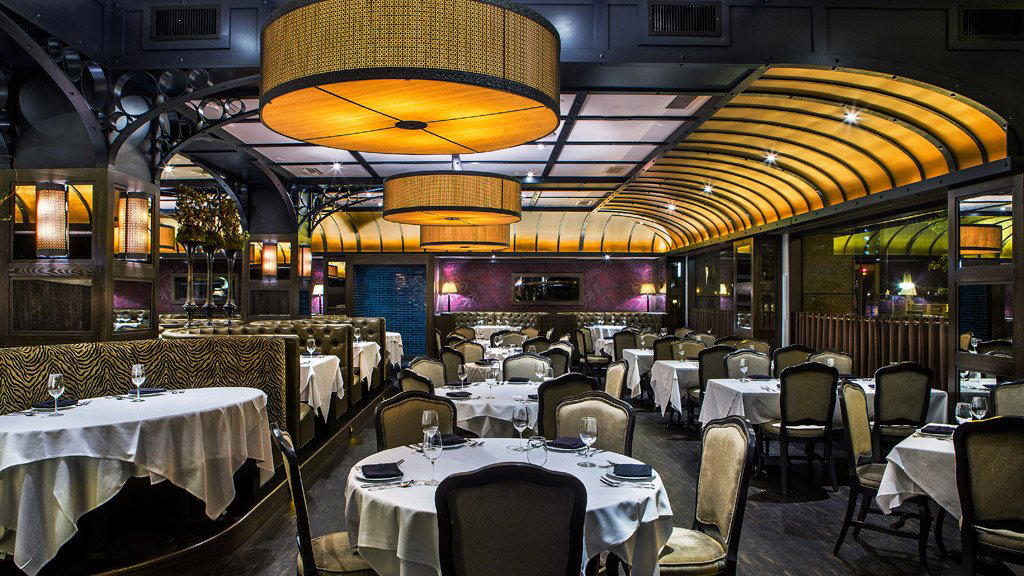
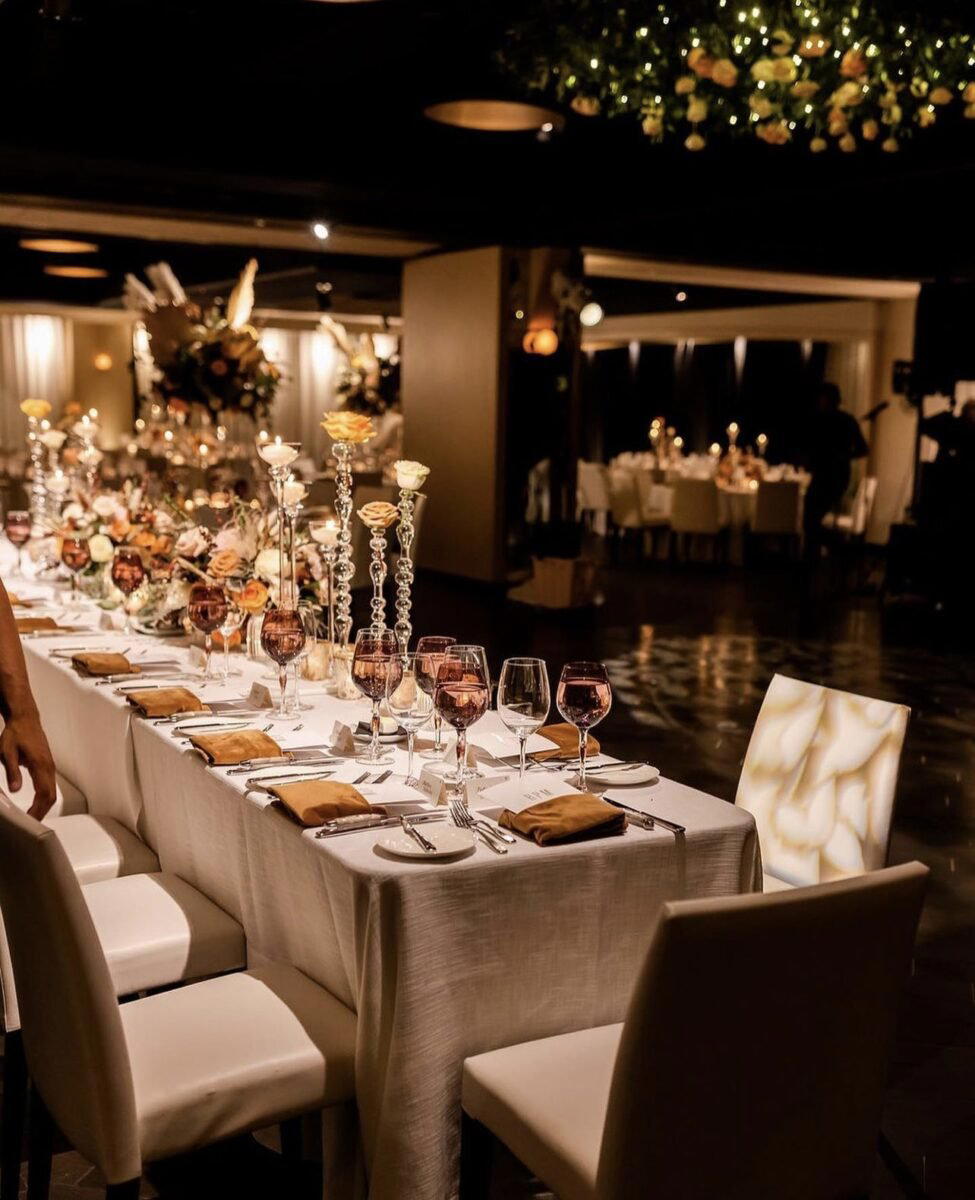
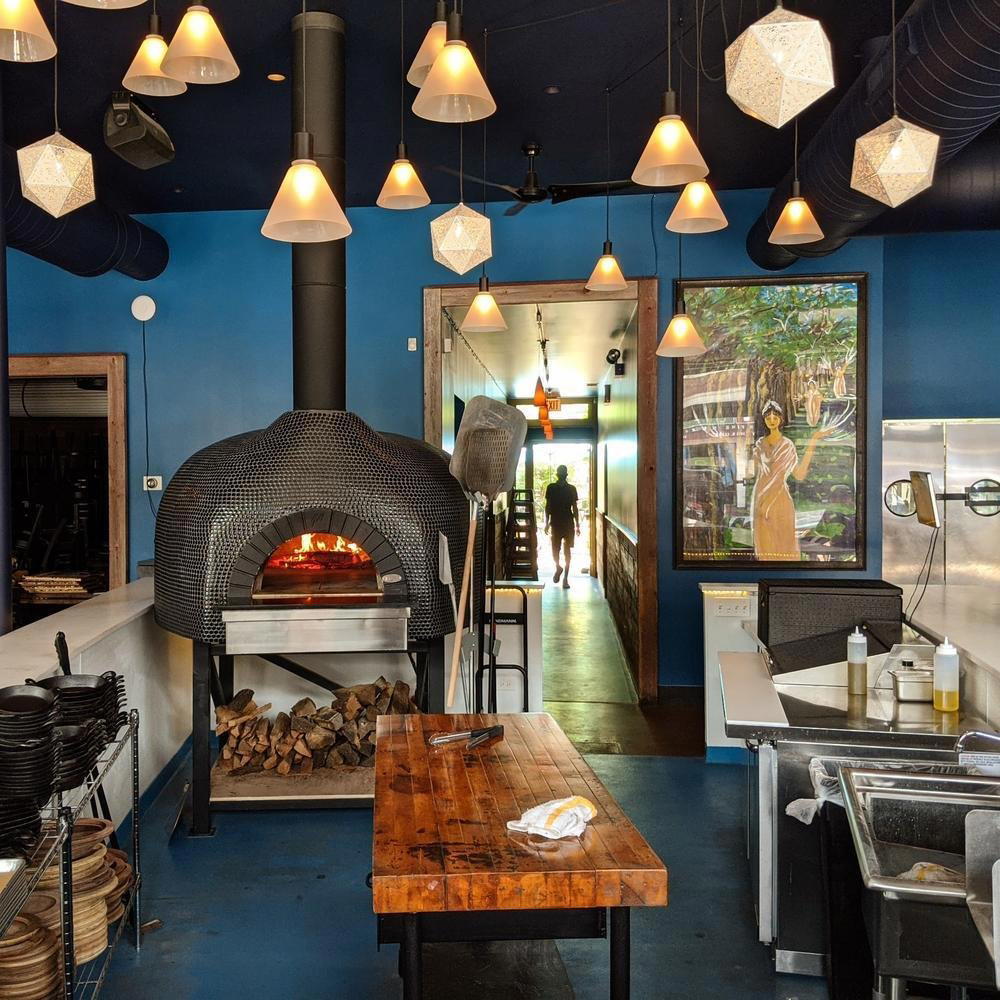
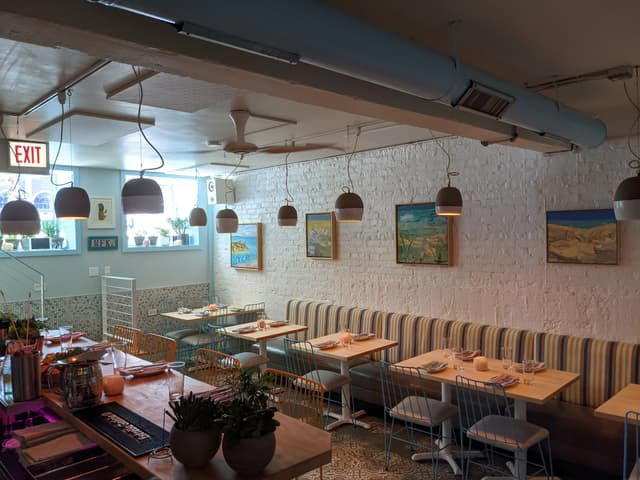
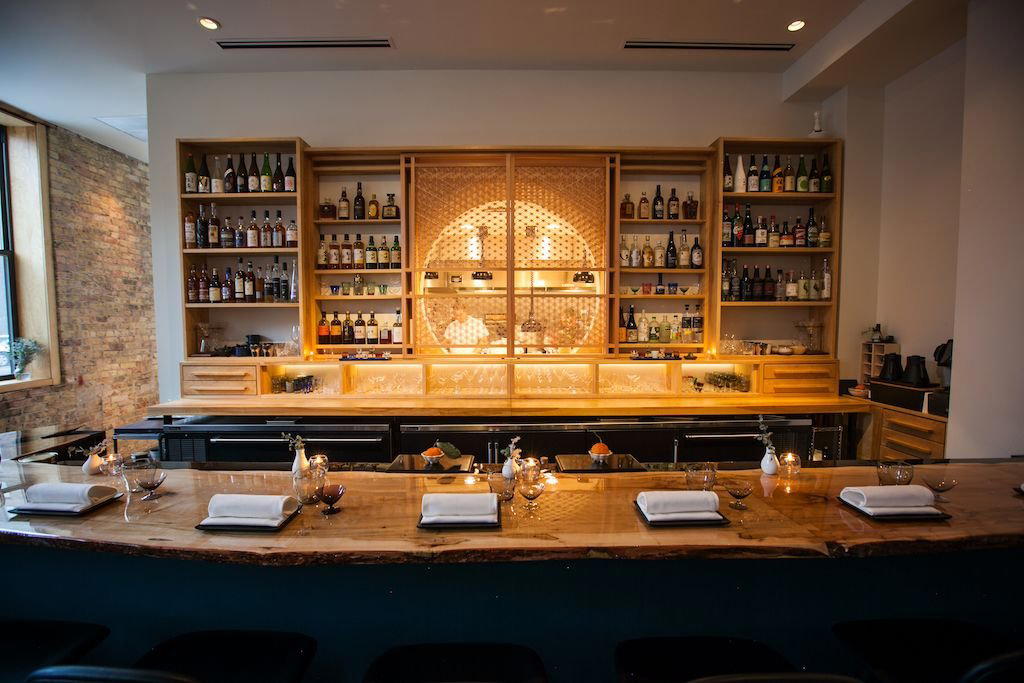
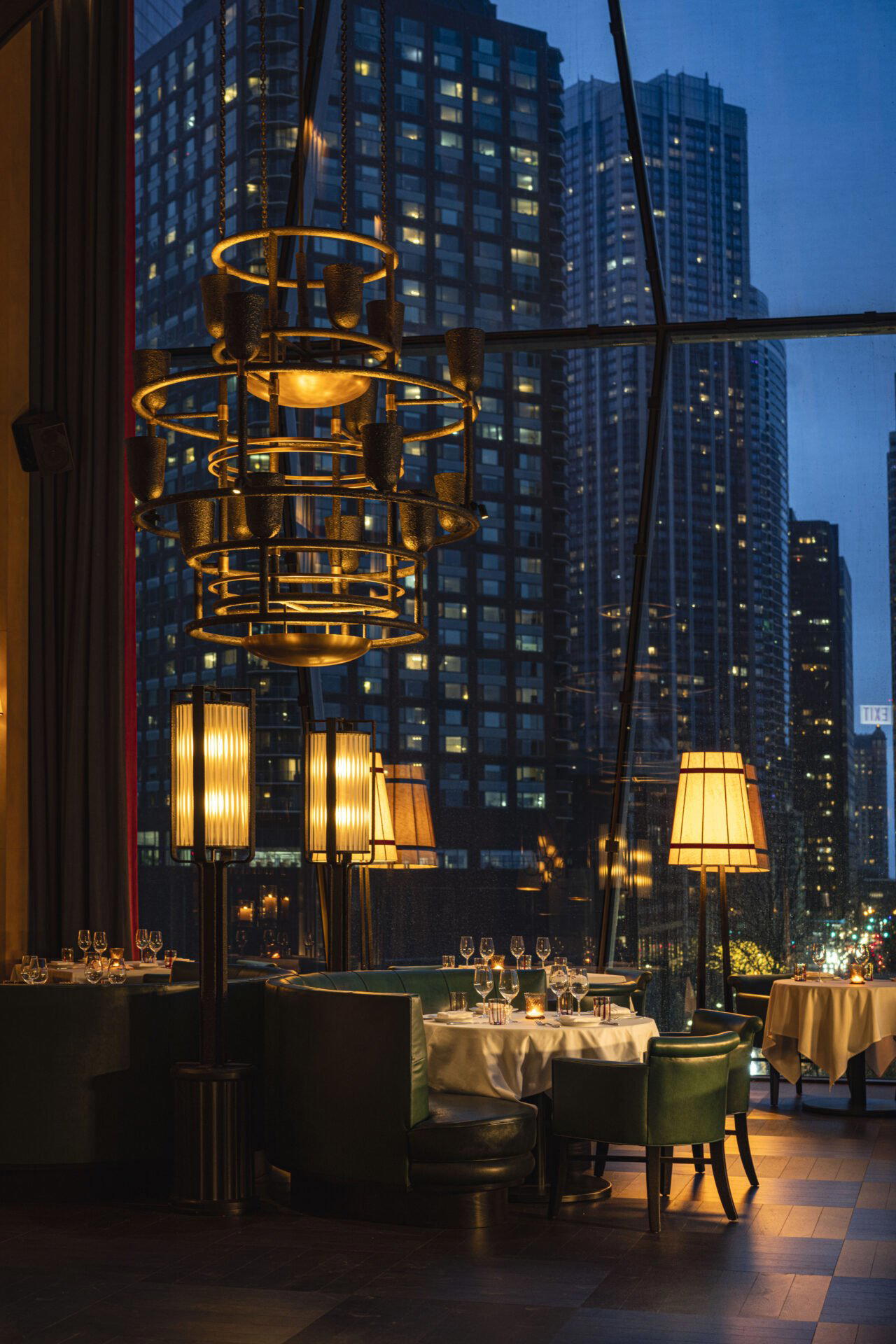
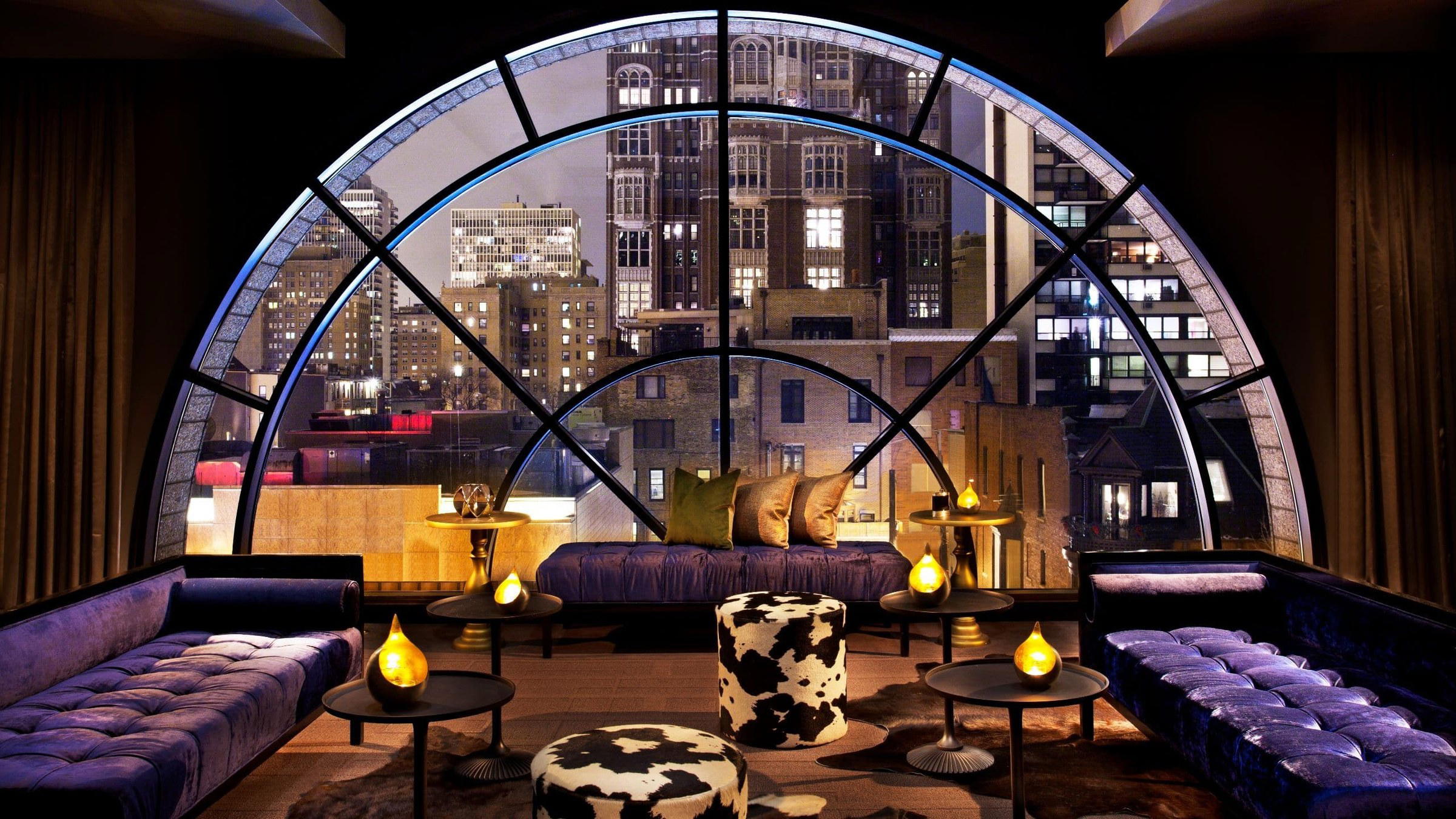
Pleasant decor with friendly acoustics suitable for conversation, featuring a larger dining room and lounge theatre.