Komorebi
On Milwaukee Avenue in Wicker Park, Komorebi occupies a stretch of Chicago that has spent two decades cycling through waves of independent dining ambition. The address places it squarely in a neighbourhood that rewards the kind of restaurant willing to operate on its own terms, away from the River North approval circuit and the downtown expense-account crowd.
Pearl is the En Primeur Club membership app — saves, bookings, and concierge access live there. Same editors, same standards.
- Address
- 1324 N Milwaukee Ave, Chicago, IL 60622
- Phone
- +17736611243
- Website
- komorebisushi.com
- Directions
- Get directions
 Saves & bookings on Pearl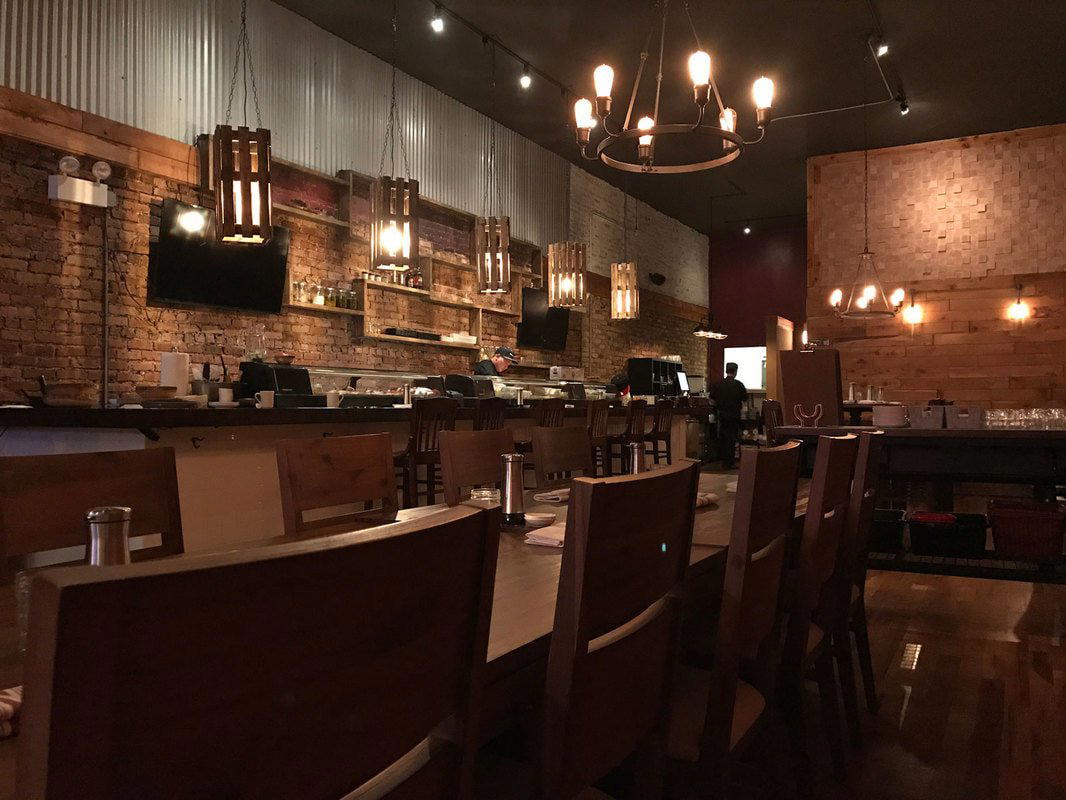
Milwaukee Avenue and the Logic of Wicker Park Dining
Komorebi is a Japanese sushi fusion restaurant at 1324 N Milwaukee Ave in Chicago, and dinner is typically priced around $40 per person. The corridor at 1324 N Milwaukee Ave has housed successive generations of restaurants that chose this neighbourhood precisely because it does not demand the same performance as River North or the West Loop. Those districts run on visibility and volume. Wicker Park, historically, has run on conviction. The buildings are narrower, the foot traffic more local, and the room for a restaurant to develop its own audience without immediate critical pressure is meaningfully larger. That context shapes how the room is read.
Chicago's independent dining scene has split over the past decade into two recognisable camps. One gravitates toward the blocks around Randolph Street and Fulton Market, where large-format openings with significant investment and national press coverage are the norm. The other camp, quieter and less legible to out-of-town visitors, persists in neighbourhoods like Wicker Park, Logan Square, and Andersonville, where the operating logic is different: smaller rooms, more deliberate menus, and a dining public that tends to return rather than tick boxes. Komorebi, at this address, belongs to the second category by geography if nothing else.
The Physical Environment and What It Signals
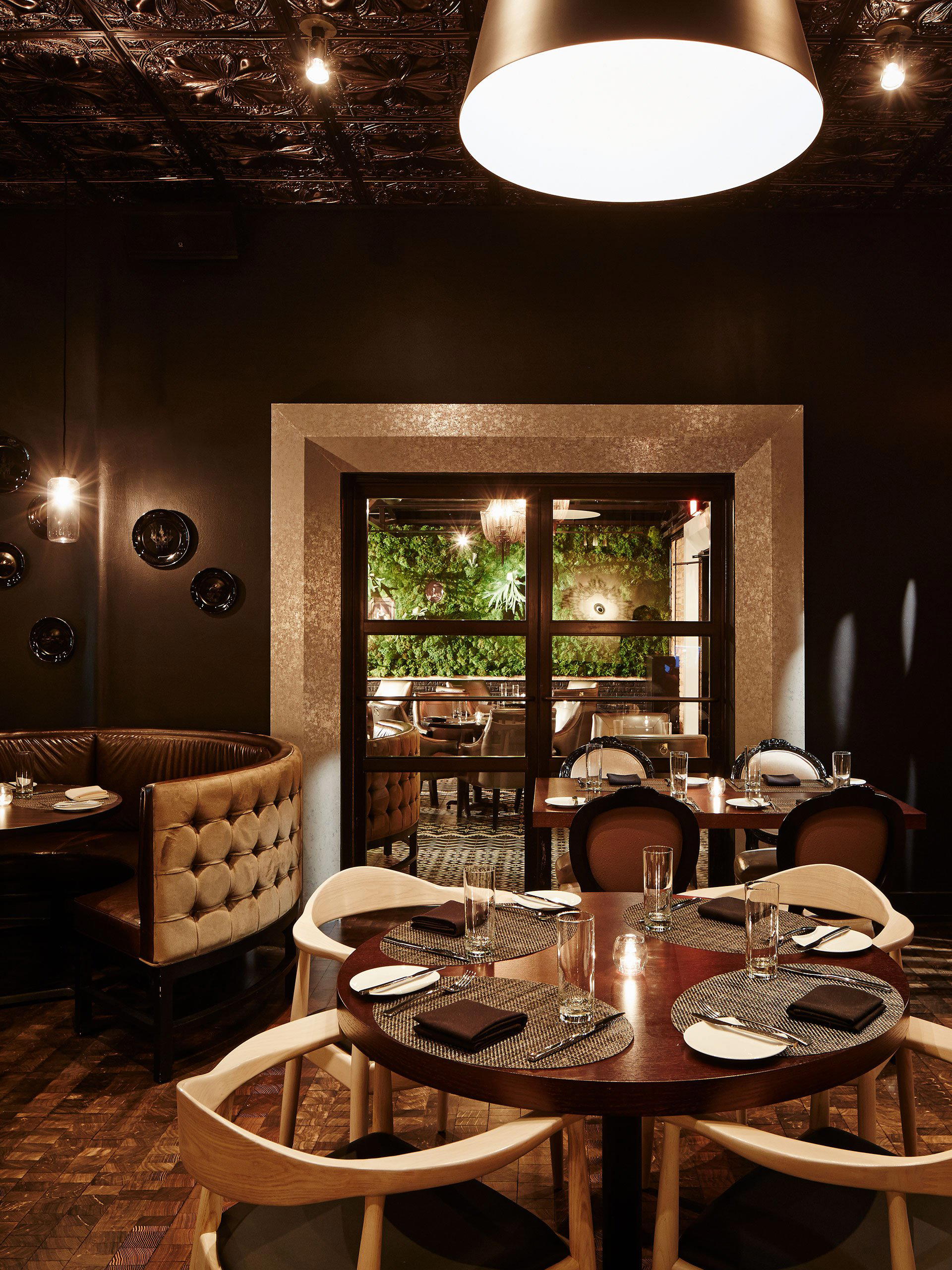
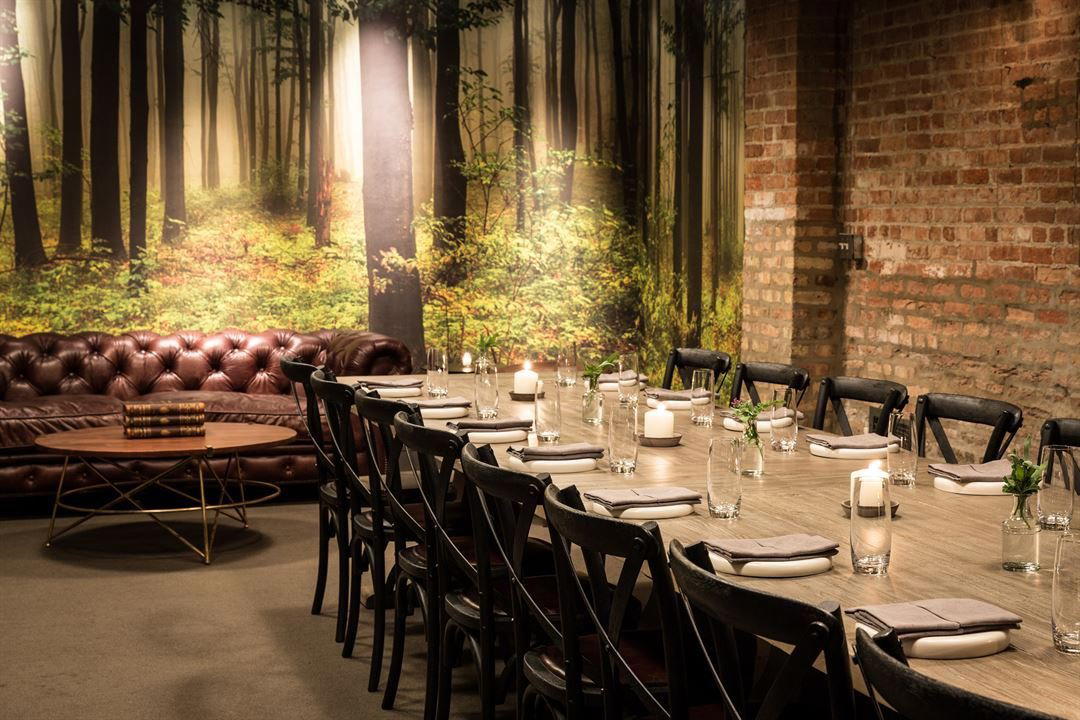
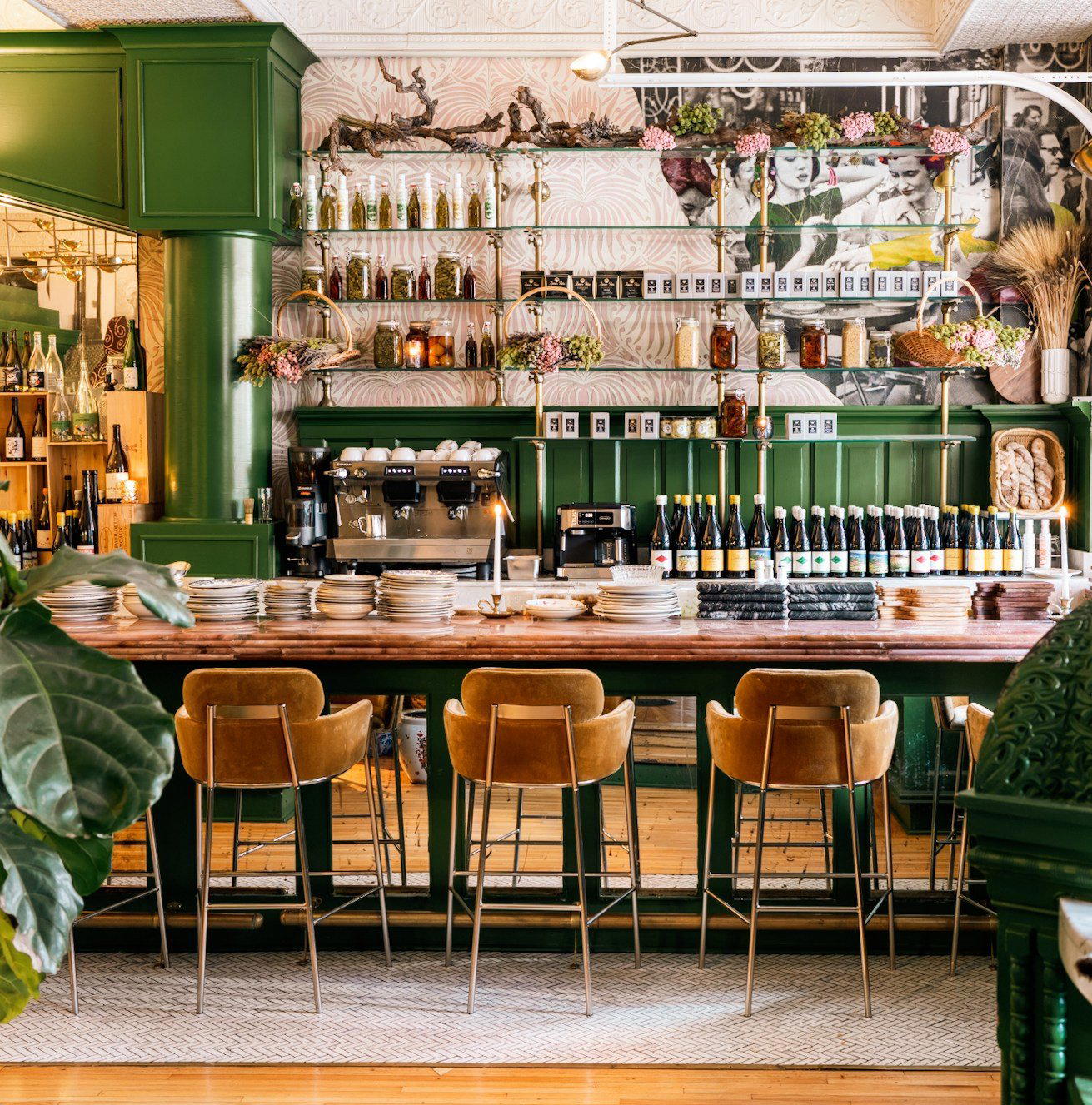
The name Komorebi is a Japanese term for the interplay of light filtering through leaves, and that sensibility, whether expressed through lighting design, material choices, or spatial restraint, tends to characterise a certain type of restaurant that takes atmosphere as seriously as the plate. On a block like this one in Wicker Park, the scale is necessarily human. There is no grand entrance or valet queue stretching to the corner. The neighbourhood produces a particular kind of approach to a restaurant: on foot, often from the Blue Line's Damen stop a short walk south, past independent record shops and the remnants of what was once one of Chicago's more concentrated stretches of independent retail.
That arrival matters because it calibrates expectation before you sit down. Restaurants that occupy premium real estate in high-visibility corridors can afford to let their address do some of the atmospheric work. Restaurants on Milwaukee Avenue cannot. What greets a diner here is what the room itself produces, without the borrowed status of a famous block. The better independent rooms in this neighbourhood have learned to make that work as an advantage rather than a deficit.
Where Komorebi Sits in Chicago's Broader Fine Dining Conversation
Chicago's top tier of creative American restaurants, including Alinea, Smyth, and Oriole, operate at price points and with booking windows that place them in a specific competitive tier. Next Restaurant and Kasama represent adjacent creative ambitions, the former through its rotating format, the latter through a Filipino fine dining lens that earned it a Michelin star. These restaurants share a common characteristic: they are built around a total dining experience that requires significant commitment from the guest in time, money, and often advance planning.
The Wicker Park position suggests a different operating register. Not less serious, but differently scaled. Particularly interesting independent rooms in American cities right now tend to operate in this middle zone, committed enough to craft and sourcing to draw a informed audience, but not so ceremony-heavy that the room fills with occasion diners who have rehearsed their evening rather than experienced it. This is the positioning that Chicago neighbourhoods outside the West Loop and River North make possible, and it is a positioning that the city's dining scene has historically undervalued in its own self-narration.
For reference points in other cities, the equivalent logic applies to places like Lazy Bear in San Francisco, which operates with high ambition in a format that rewards regulars as much as first-timers, or Blue Hill at Stone Barns, where the physical remove from Manhattan is part of the dining argument. Geography as editorial stance is not a new idea, but it remains a meaningful one.
The National Frame: What Chicago Independent Dining Competes Against
At the upper end of American fine dining, the conversation runs through a familiar set of rooms. The French Laundry in Napa, Le Bernardin in New York City, Providence in Los Angeles, Addison in San Diego, and The Inn at Little Washington all occupy positions built on decades of sustained critical recognition. Atomix in New York City represents the newer wave, where a tightly controlled format and deep cultural specificity have built a reputation without the decades of institutional history. Single Thread Farm in Healdsburg demonstrates how farm-to-table commitment can be made rigorous enough to compete at the highest national level. Bacchanalia in Atlanta and Emeril's in New Orleans show how regional positioning can become an asset rather than a limitation. 8½ Otto e Mezzo Bombana in Hong Kong is a useful international reference for what sustained excellence in a single city can produce over time.
Chicago's independent scene has produced rooms competitive at that level, as the Michelin presence in the city confirms. What the Wicker Park location adds to that conversation is a different scale of intimacy and a different relationship to neighbourhood. The city's broader restaurant context, covered in our full Chicago restaurants guide, shows how distributed the city's serious dining has become across multiple neighbourhoods and price registers.
Planning Your Visit
Know Before You Go
- Address: 1324 N Milwaukee Ave, Chicago, IL 60622
- Neighbourhood: Wicker Park, accessible via the Blue Line CTA (Damen stop)
- Reservations: Recommended
- Pricing: About $40 per person
- Hours: Mon: 4–10 PM; Tue: 4–10 PM; Wed: 4–10 PM; Thu: 4–10 PM; Fri: 4–10:30 PM; Sat: 4–10:30 PM; Sun: 4–9:30 PM
- Dietary requirements: Discuss any allergies or dietary restrictions directly with the restaurant at time of booking
Questions About Komorebi
- What dish is Komorebi famous for?
- Komorebi serves Japanese sushi fusion, with a menu that leans on seasonal produce. For context, Chicago's most-discussed independent kitchens, including Kasama and Smyth, have built their reputations on cuisine that reflects both a strong point of view and responsiveness to seasonal produce. The restaurant's position in Wicker Park suggests a similar orientation toward craft over formula.
- Should I book Komorebi in advance?
- Reservations are recommended. Rooms of this character and scale rarely run walk-in tables on evenings that matter. If the restaurant is operating a tasting format, the way Oriole and Alinea do at the upper end of the city's market, booking windows can extend several weeks or months. Confirm format and availability directly.
- What do critics highlight about Komorebi?
- Komorebi has. What critics tend to notice in rooms of this type, small-format independents operating away from the main dining corridors, is the coherence of the experience: whether the food, room, and service tell a consistent story. That is the standard against which Chicago's independent kitchens are measured, from the West Loop flagships to the neighbourhood rooms.
- How does Komorebi handle allergies?
- Allergy and dietary restriction policies vary significantly between restaurants in this category. In Chicago, where tasting menus and prix-fixe formats are common at independent fine dining level, most kitchens accommodate dietary needs with advance notice. Contact Komorebi directly before your reservation to discuss specific requirements; do not assume accommodation is automatic, particularly for complex or multiple restrictions.
- Does Komorebi justify its prices?
- At about $40 per person, Komorebi sits in the moderate range for Chicago dinner service. As a reference point, Chicago's independent fine dining rooms across Wicker Park and comparable neighbourhoods tend to price at a moderate discount to West Loop tasting-menu flagships, which themselves price below the national upper tier represented by The French Laundry or Le Bernardin. Value at this level of dining is always relative to format, sourcing commitment, and the quality of the total experience.
- What does the name Komorebi tell us about the restaurant's approach?
- Komorebi is a Japanese word describing the effect of sunlight filtering through tree canopy, a phenomenon specific enough that it has no direct English equivalent. Restaurants that choose names with that level of specificity and cultural intentionality are typically signalling something about their sensibility: attention to atmosphere, precision in detail, and a preference for suggestion over statement. In Chicago's independent dining context, that naming logic places Komorebi in a comparable set that includes kitchens where the overall environment is treated as integral to the meal rather than incidental to it.
Peers You’d Cross-Shop
Comparable venues nearby, for context on price, style, and recognition.
| Venue | Cuisine | Price | Notes |
|---|---|---|---|
| KomorebiThis venue — the venue you are viewing | Japanese Sushi Fusion | $$ | Not listed |
| Ron of Japan | Teppanyaki Japanese Steakhouse | $$ | Near North Side |
| Ramen Wasabi | Authentic Japanese Ramen | $$ | Logan Square |
| Sushi Hall | Modern Japanese Sushi | $$ | Lincoln Park |
| CoCoRo | Authentic Japanese Sushi and Noodles | $$ | River North |
| Arami | Japanese Sushi & Izakaya | $$$ | West Town |
At a Glance
- Cozy
- Modern
- Trendy
- Date Night
- Casual Hangout
- Open Kitchen
- Byob
Current opening hours
- Monday
- 4–10 PM
- Tuesday
- 4–10 PM
- Wednesday
- 4–10 PM
- Thursday
- 4–10 PM
- Friday
- 4–10:30 PM
- Saturday
- 4–10:30 PM
- Sunday
- 4–9:30 PM
Hours can change for holidays and private events. Last verified .
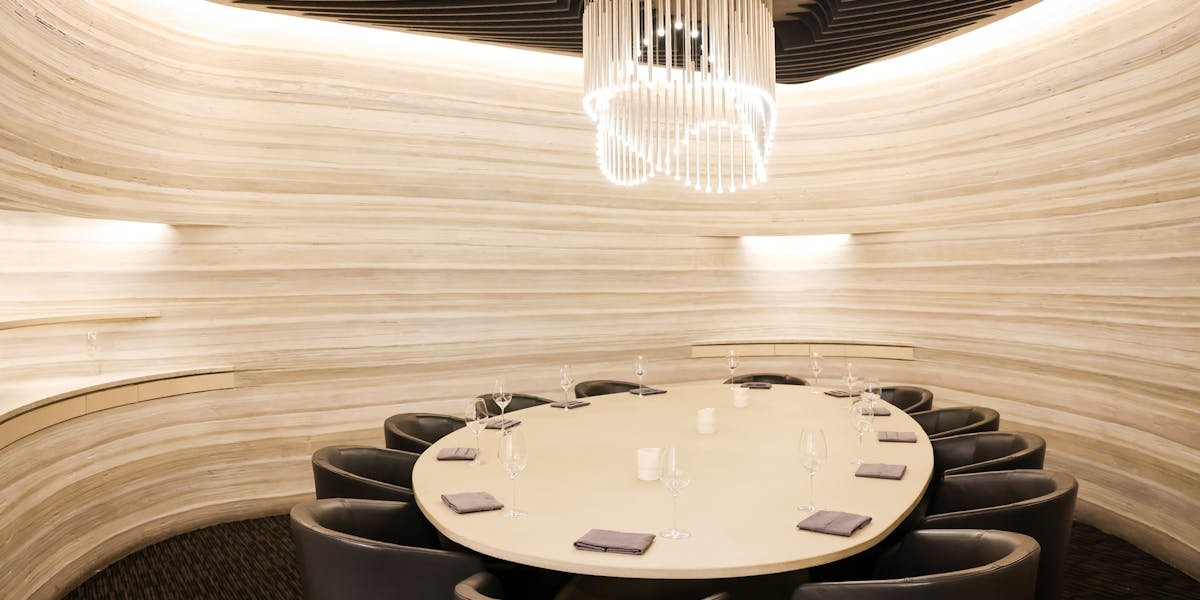
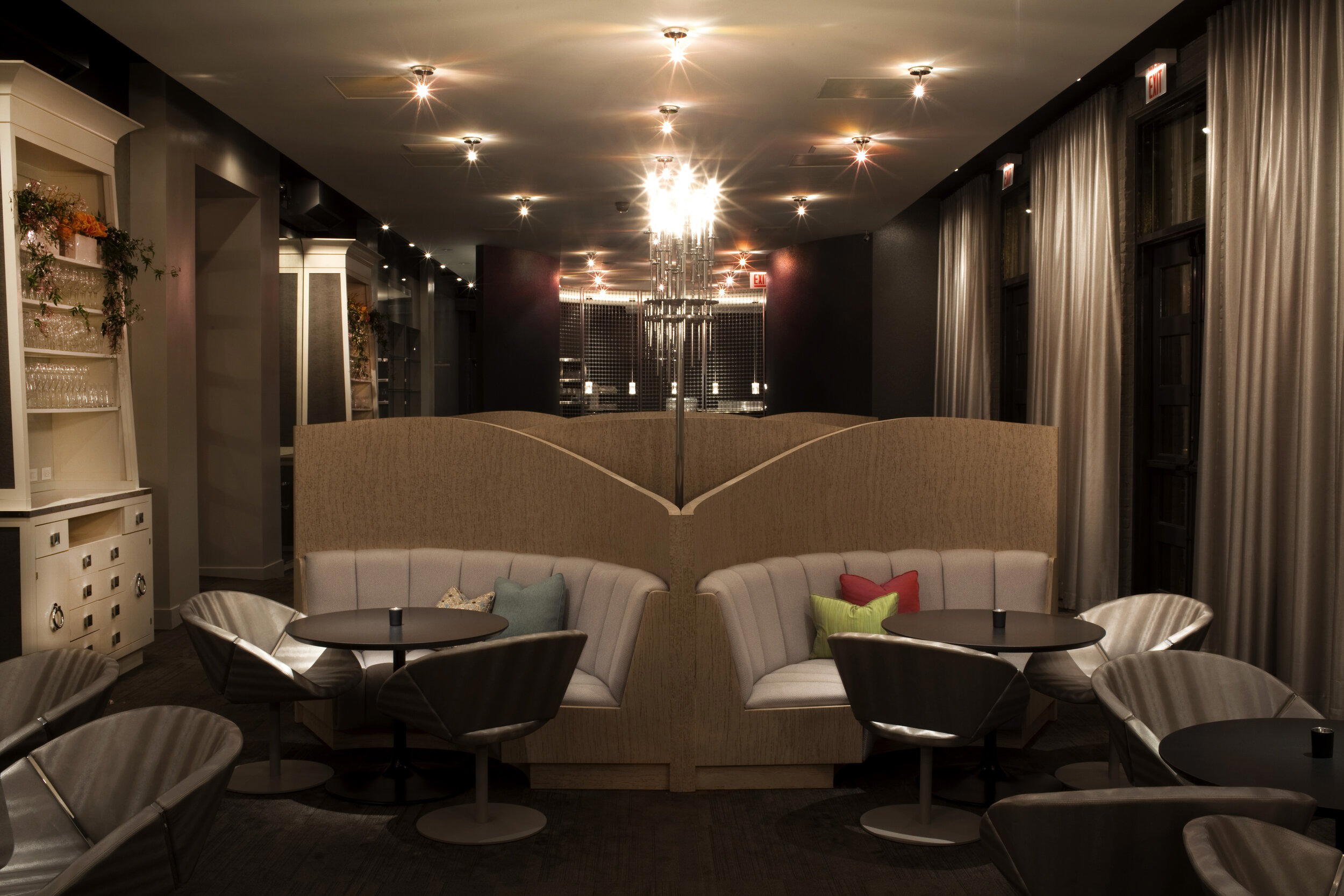
Cozy and welcoming with comfortable decor and serene atmosphere.