312 Fish Market
312 Fish Market occupies a specific niche in Chicago's seafood scene, positioned at 2105 S Jefferson St in the Near South Side. Where the city's high-end fish programs tend toward precision tasting formats, 312 leans into the market-counter tradition that has long anchored working-port neighborhoods. For visitors moving through Chicago's wider dining circuit, it represents a distinct register from the Michelin-chasing progression restaurants that dominate the conversation.
Pearl is the En Primeur Club membership app — saves, bookings, and concierge access live there. Same editors, same standards.
- Address
- 2105 S Jefferson St, Chicago, IL 60616
- Phone
- +18722227288
- Website
- 312fishmarket.com
- Directions
- Get directions
 Saves & bookings on Pearl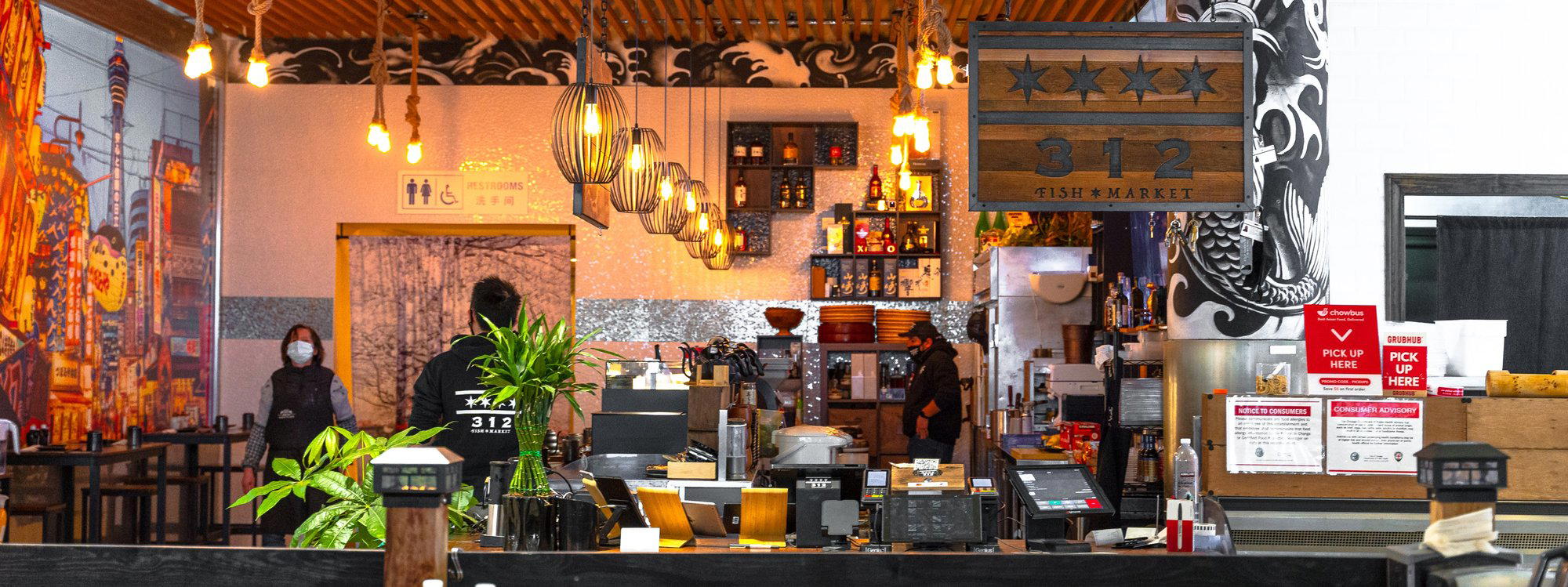
Chicago's Seafood Counter Tradition and Where 312 Fish Market Sits
312 Fish Market is a premium sushi counter in Chicago, priced at about $30 per person. The Great Lakes system and the city's position as a rail and logistics hub historically made Chicago one of the interior United States' most reliable fish markets, a fact that shaped everything from the old Maxwell Street vendors to the wholesale operations that still run out of the Near South Side today. 312 Fish Market, located at 2105 S Jefferson St in the Pilsen-adjacent corridor south of the Loop, belongs to that market-counter tradition rather than to the white-tablecloth fish programs that have defined places like Le Bernardin in New York City or Providence in Los Angeles.
That distinction matters when you are calibrating expectations. The market-counter format operates on different logic: the product is the program, the sourcing is the narrative, and the meal tends to be assembled from whatever came off the truck that morning rather than engineered weeks in advance.
The Near South Side Setting
Jefferson Street in this part of Chicago is working infrastructure, not a dining destination in the way that Randolph Street's Restaurant Row or the West Loop has become. Warehouses, light industrial blocks, and the refined rail geometry of the city's transit system give the area a texture that has not been softened by the kind of hospitality development that reshaped neighborhoods like Fulton Market. That context shapes the experience of arriving at 312 Fish Market before you have ordered anything. The neighborhood signals that what you are getting is a place built for function, not for atmosphere-as-product.
This is a meaningful contrast to Chicago's upper bracket. Alinea in Lincoln Park and Next Restaurant in the West Loop both operate spaces designed as immersive environments where the room itself is part of the proposition. Kasama on the North Side has built a dual-format identity around a daytime counter and an evening tasting room that each carry their own distinct character. The restaurant is not playing in that register. Its address and building type put it closer to the wholesale-retail hybrid format that has historically served both restaurants and individual buyers in cities with serious fish cultures.
Reading the Meal as a Progression
In a market-counter context, the tasting progression is not a chef's authored sequence but a buyer's series of decisions. The logic of how a meal unfolds here is driven by what is available at the counter on a given day, which is itself a kind of editorial act by the operation: what was purchased, how it was sourced, and in what condition it arrived. This is a different architecture of choice than the fixed tasting menus at The French Laundry in Napa or Single Thread Farm in Healdsburg, where the kitchen's seasonal argument is predetermined and the diner's role is to receive it.
At a fish market counter, the informed move is to ask what came in that day and to build your order around the freshest arrivals rather than defaulting to a fixed menu. The progression then becomes your own: lighter preparations first, richer or heavier proteins later, with sides and accompaniments filling in the structure. This format rewards some prior knowledge of fish species and preparation styles, but it does not require it. Market staff in operations like this typically know the sourcing story for the day's inventory and can translate that into ordering guidance.
For comparison, the tasting progression at a place like Lazy Bear in San Francisco or Blue Hill at Stone Barns in Tarrytown is authored months ahead and executed with precision across a fixed number of courses. The market-counter meal is the inverse of that: compressed, responsive to daily supply, and structured by availability rather than concept. Neither format is categorically superior; they answer different questions about what a meal is for.
Where 312 Fish Market Sits in Chicago's Wider Seafood Circuit
Chicago's seafood scene has no single organizing center. The city's fish programs are distributed across neighborhoods and formats: Japanese-influenced preparations in the omakase rooms of River North and the West Loop, New American fish courses embedded in tasting menus at Michelin-level restaurants, and neighborhood seafood operations serving populations that have maintained specific fish-eating cultures across generations. Cajun-inflected seafood boils, Filipino fish preparations at places adjacent to Kasama's North Side neighborhood, and the wholesale-retail operations of the Near South Side all reflect different chapters of the same city's relationship with fish.
Within that spread, the restaurant's Jefferson Street location places it close to the wholesale end of the spectrum. Operations in this format typically serve both retail customers and the restaurant trade, which means the quality bar is set by professional buyers as much as by individual diners. For the same reason, the ingredient quality at serious market counters can outperform what appears on the plates of mid-range restaurants that buy from the same suppliers but add margin and handling steps between the fish and the customer.
Comparable market-counter formats in other American cities include the fish hall operations that have become a significant part of seafood culture on both coasts. Emeril's in New Orleans and Addison in San Diego both work within regional seafood traditions that have deep local roots, though in finer-dining registers. The market format that restaurant represents is less about authorship and more about access: getting close to the supply chain rather than having the supply chain mediated through a kitchen's concept.
Planning Your Visit
The address at 2105 S Jefferson St places the restaurant in a section of the city that requires deliberate navigation. It is not adjacent to major transit hubs, and the surrounding blocks are not oriented toward dining foot traffic in the way that destination neighborhoods like the West Loop or Wicker Park are. Arriving by car is one practical option for this part of the Near South Side.
Contacting the venue directly before visiting is advisable, particularly to confirm current hours and availability. The market-counter format here is a different entry point into the city's food culture, priced and structured for a different kind of visit.
The Short List
Comparable venues nearby, for context on price, style, and recognition.
| Venue | Cuisine | Price | Notes |
|---|---|---|---|
| 312 Fish MarketThis venue — the venue you are viewing | Pilsen, Premium Sushi Counter | $$ | Not listed |
| Sai Café | Lincoln Park, Japanese Sushi & Seafood | $$ | Not listed |
| Ramen Wasabi - West Loop | West Loop, Japanese Ramen | $$ | Not listed |
| Yusho | Avondale, Japanese Yakitori Izakaya | $$ | Not listed |
| Tanoshii - West Loop | Not listed | $$$ | West Loop, Modern Japanese Sushi and Omakase |
| Friends Sushi on Rush | Near North Side, Japanese Sushi | $$ | Not listed |
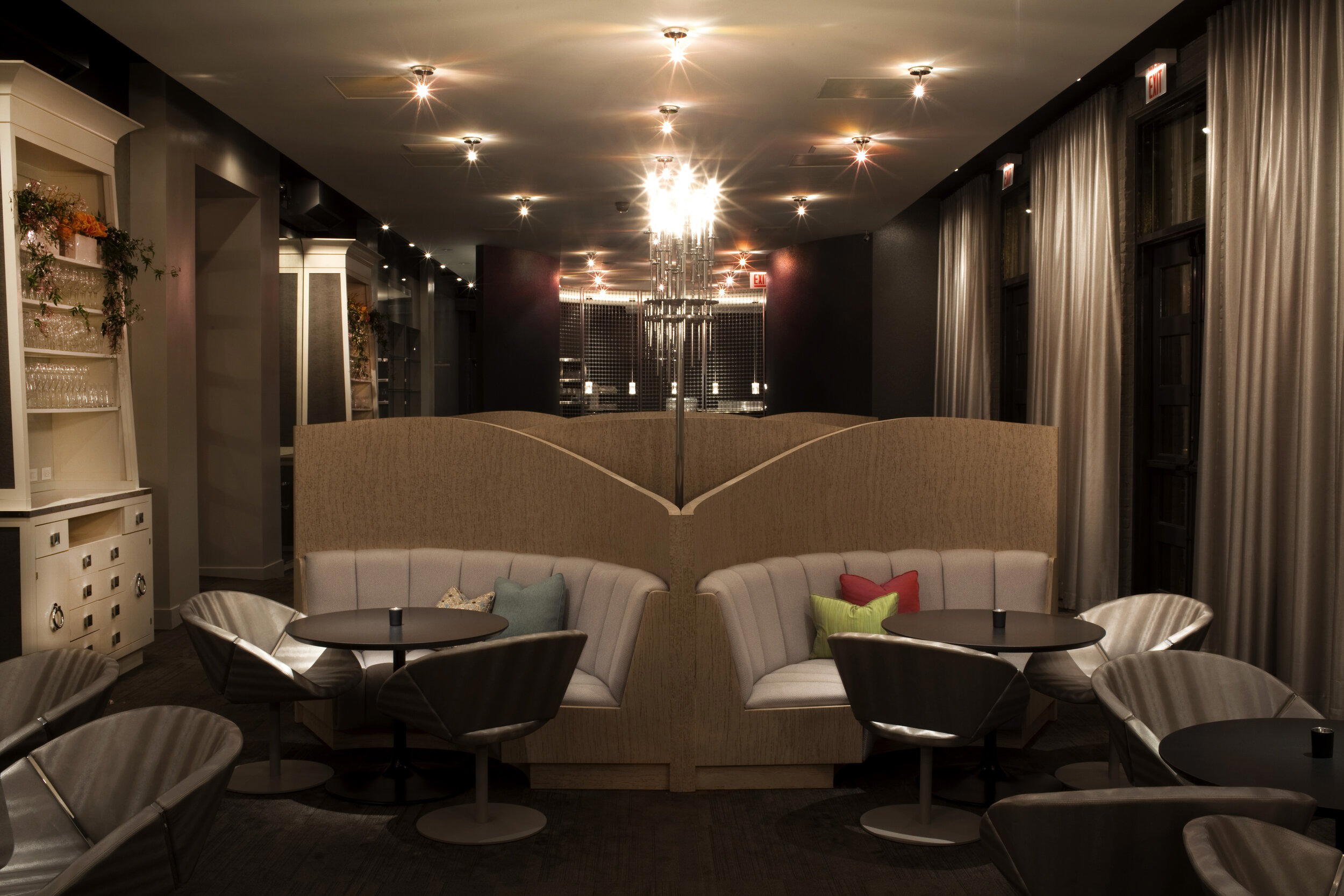
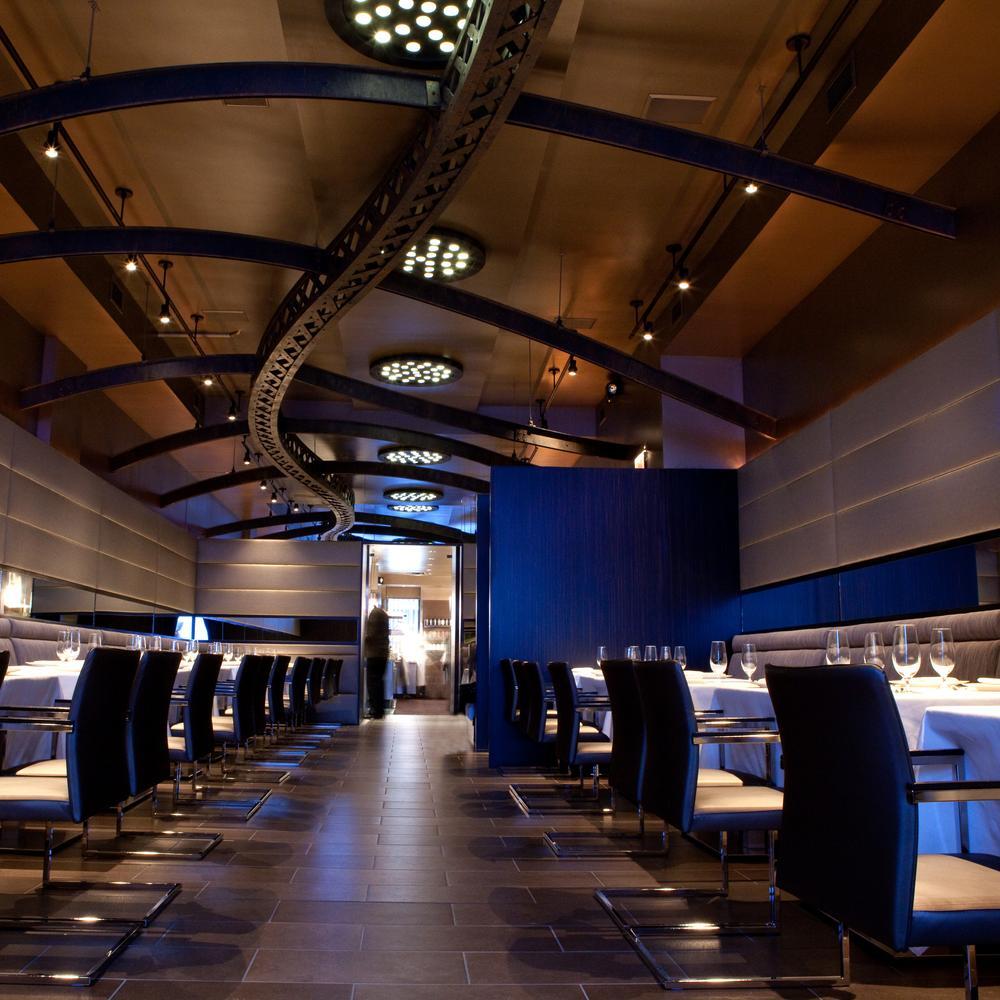
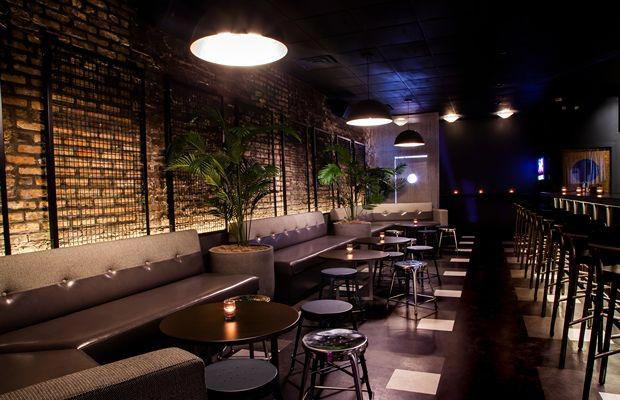
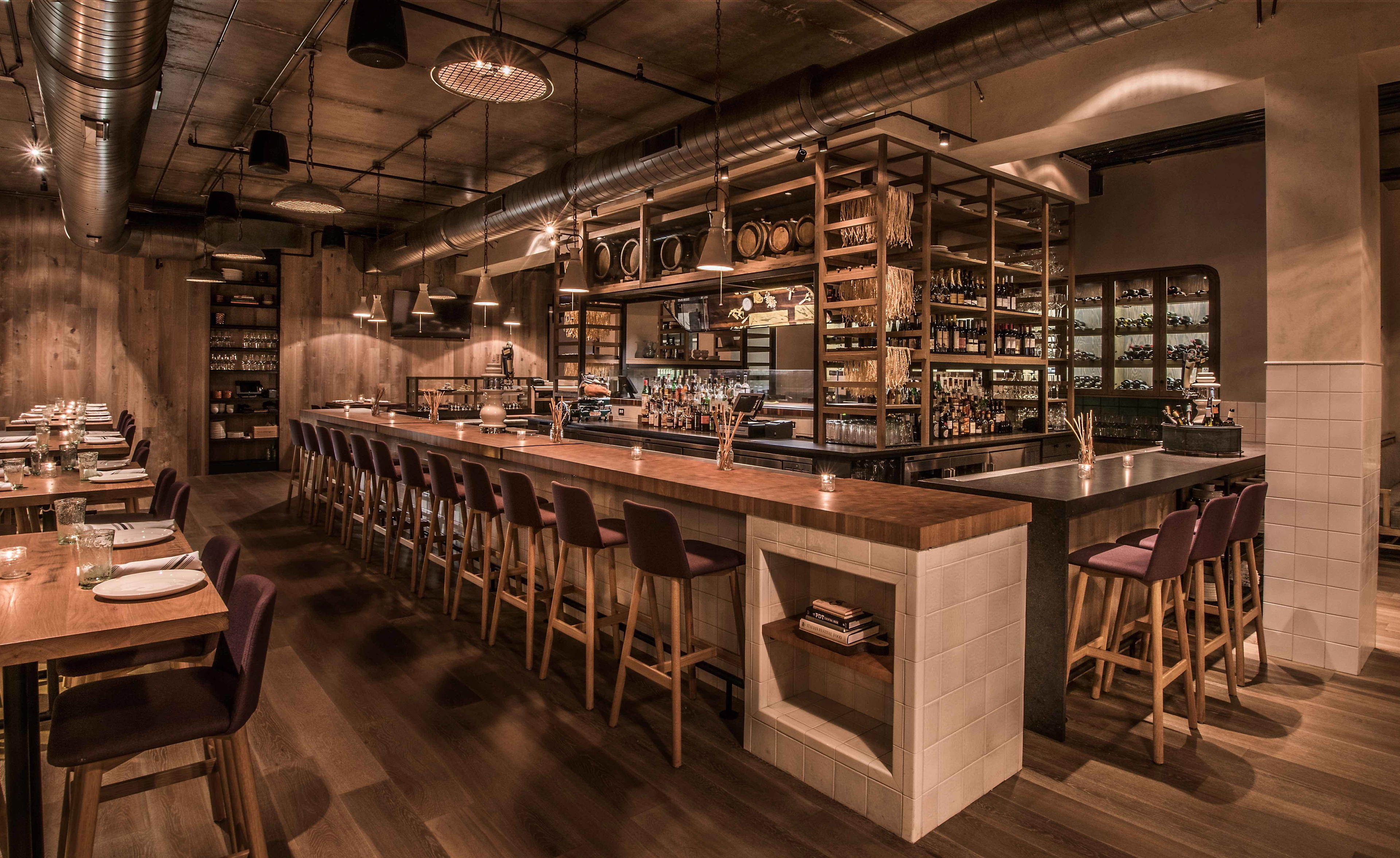
At a Glance
- Modern
- Casual
- Casual Hangout
- Group Dining
- Chefs Counter
- Open Kitchen
- Byob
- Sustainable Seafood
Current opening hours
- Monday
- 11 AM–9 PM
- Tuesday
- 11 AM–9 PM
- Wednesday
- Closed
- Thursday
- 11 AM–9 PM
- Friday
- 11 AM–9 PM
- Saturday
- 11 AM–9 PM
- Sunday
- 11 AM–9 PM
Hours can change for holidays and private events. Last verified .
Cozy counter-style sushi bar tucked on the second floor of 88 Marketplace with a casual, intimate atmosphere focused on quality preparation.