Ramen Wasabi - West Loop
Ramen Wasabi brings a Japanese noodle discipline to Chicago's West Loop, operating out of the Fulton Market corridor where the city's most technically ambitious kitchens have gathered over the past decade. The address places it squarely in a neighbourhood that runs the full spectrum from Michelin-starred tasting menus to sharper, format-focused spots, a useful context for understanding where ramen as a category sits in that conversation.
Pearl is the En Primeur Club membership app — saves, bookings, and concierge access live there. Same editors, same standards.
- Address
- 819 W Fulton Market, Chicago, IL 60607
- Phone
- +13126667710
- Website
- wasabichicago.com
- Directions
- Get directions
 Saves & bookings on Pearl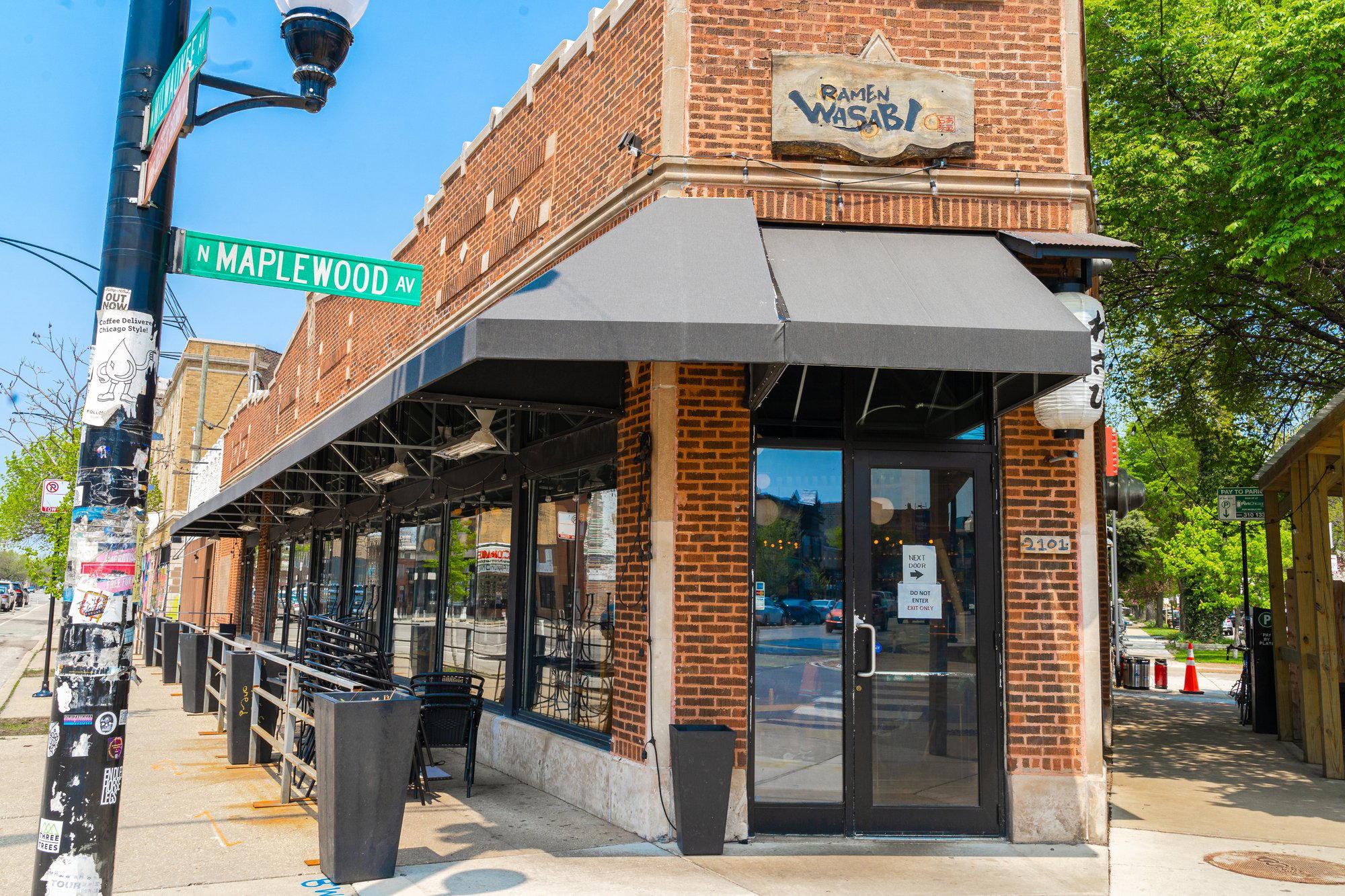
Fulton Market's Noodle Question
West Loop's Fulton Market strip has spent the better part of a decade redefining what Chicago dining looks like at the leading end. Alinea, Smyth, and Oriole have anchored a neighbourhood where technique is the common language regardless of the format on the menu. Ramen Wasabi is a Japanese ramen restaurant at 819 W Fulton Market in Chicago's West Loop. It sits inside that environment, which sets the frame immediately: this is not the ramen-as-afterthought category. It is ramen arriving into a corridor that has long treated imported cooking methods as raw material rather than template.
The West Loop has a particular talent for absorbing global formats and asking more of them. Kasama applied fine-dining rigour to Filipino tradition and earned a Michelin star in the process. Next Restaurant built its identity around restaging culinary traditions from different eras and geographies. In that company, a ramen counter is not a simple proposition, it arrives with the expectation that it will bring something to the table beyond a reliable bowl of noodles, even when a reliable bowl of noodles is, in itself, a considered achievement.
What Japanese Technique Asks of an American City
Ramen is among the more technically demanding bowls in Japanese cooking, a format where the gap between a competent execution and a serious one is measured in hours of preparation and the precision of a few layered components. In Japan, the category has fractured into regional identities so specific that a tonkotsu house in Fukuoka operates under entirely different logic than a shoyu specialist in Tokyo. When that discipline travels to an American city, it confronts a different supply chain, a different water chemistry, and a different audience, each of which either reshapes the product or demands that the kitchen compensate through sourcing and technique.
The intersection of imported method and available ingredients is where Chicago ramen gets interesting. Midwest pork, Great Lakes water, and locally milled wheat all enter the equation differently than their Japanese counterparts, and the kitchens that treat those differences as data points rather than obstacles tend to produce more coherent results than those that simply replicate a reference bowl. This is the editorial lens that matters most at an address like 819 W Fulton Market: not whether the ramen tastes Japanese, but whether it has resolved the question of what it means to make ramen in Chicago with Chicago's actual resources.
The Fulton Market comparable set
Understanding where Ramen Wasabi sits in the West Loop requires separating the neighbourhood's tasting-menu tier from its format-specific tier. The big rooms, those operating long omakase or prix-fixe sequences with reservation windows of weeks to months, represent one competitive set. The sharper, single-format spots that run on throughput and repetition represent another. Ramen lands in the latter, which is not a diminishment; it is a different discipline, one where consistency across hundreds of covers is the measure of quality rather than the arc of a single multi-course meal.
In that format tier, Fulton Market has produced some of Chicago's most focused cooking. The West Loop's density of technically serious kitchens means that even a ramen counter operates under scrutiny from a dining public that has been trained by years of exposure to Alinea's precision and Smyth's ingredient-first approach. That is both the pressure and the opportunity of the address. Nationally, the conversation about serious ramen in American cities has expanded in parallel with the rise of Japanese-influenced precision cooking: what Lazy Bear did for format-driven dining in San Francisco, or what Atomix did for Korean fine dining in New York, speaks to the same underlying shift, global techniques finding their American expressions in cities with sophisticated audiences.
Ramen as a Format Worth Taking Seriously
The case for ramen as a serious dining category rests on a few structural arguments. First, a well-made broth requires a commitment of time that rivals any classical French stock; tonkotsu cooked correctly runs twelve hours or more, and the collagen extraction that gives the bowl its body is a function of temperature control and patience, not shortcuts. Second, the noodle itself is a technical object, its alkalinity, its thickness, its bite are not incidental but calibrated to carry the specific weight of the broth it will meet. Third, the toppings are not garnish; chashu braised with the wrong technique or soft-cooked eggs timed incorrectly change the bowl's balance in ways that are immediately legible to anyone paying attention.
These are the parameters that distinguish a ramen counter worth returning to from one that simply fills a gap. Across the United States, the cities where this distinction has become commercially legible, New York, Los Angeles, San Francisco, and increasingly Chicago, tend to be the same cities where the dining public has developed the reference points to notice the difference. Chicago's West Loop, with its concentration of technically serious restaurants, is one of the better environments in the country for that kind of attention to land on a ramen format.
Planning a Visit
Fulton Market is a walkable stretch with no single correct approach from the city's wider grid.
How It Compares: West Loop Format-Tier Spots
| Venue | Cuisine | Price Tier | Format |
|---|---|---|---|
| Ramen Wasabi - West Loop | Ramen / Japanese | $20 | Single-format noodle |
| Kasama | Filipino | $$$$ | Bakery / tasting menu |
| Next Restaurant | American Cuisine | $$$$ | Rotating concept / prix fixe |
| Alinea | Progressive American | $$$$ | Multi-course tasting |
| Smyth | Progressive American | $$$$ | Tasting menu / ingredient-led |
A Tight Comparison
Comparable venues nearby, for context on price, style, and recognition.
| Venue | Cuisine | Price |
|---|---|---|
| Ramen Wasabi - West LoopThis venue — the venue you are viewing | West Loop, Japanese Ramen | $$ |
| Komorebi | Wicker Park, Japanese Sushi Fusion | $$ |
| Sai Café | Lincoln Park, Japanese Sushi & Seafood | $$ |
| Ramen Wasabi | Logan Square, Authentic Japanese Ramen | $$ |
| 312 Fish Market | Pilsen, Premium Sushi Counter | $$ |
| Green Tea Japanese Restaurant | Lincoln Park, Authentic Japanese Sushi | $$ |
At a Glance
- Casual Hangout
- Sake Program
Current opening hours
- Monday
- Closed
- Tuesday
- 5–9 PM
- Wednesday
- 5–9 PM
- Thursday
- 5–9 PM
- Friday
- 5–10 PM
- Saturday
- 11:30 AM–3:15 PM, 5–10 PM
- Sunday
- 11:30 AM–3:15 PM, 5–9 PM
Hours can change for holidays and private events. Last verified .
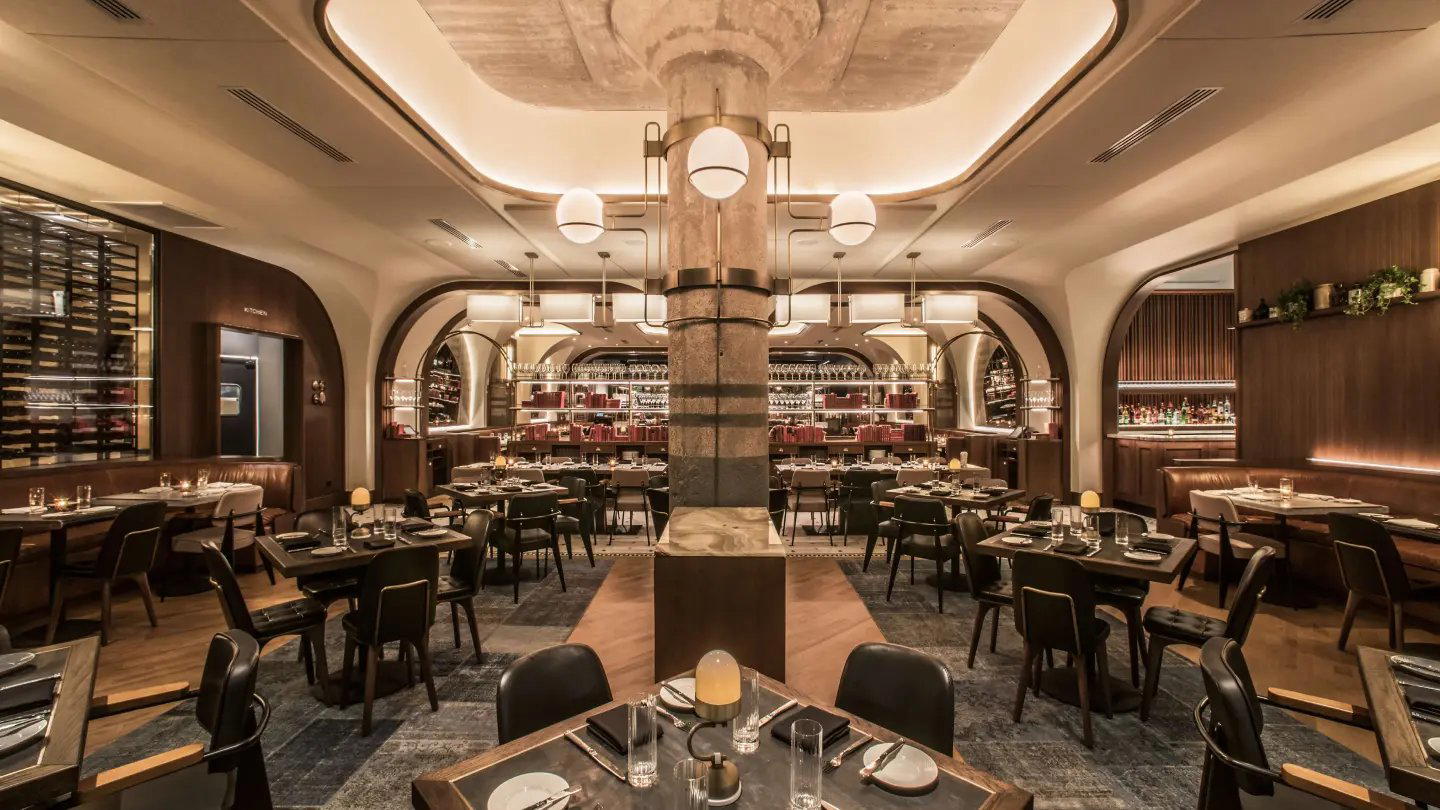
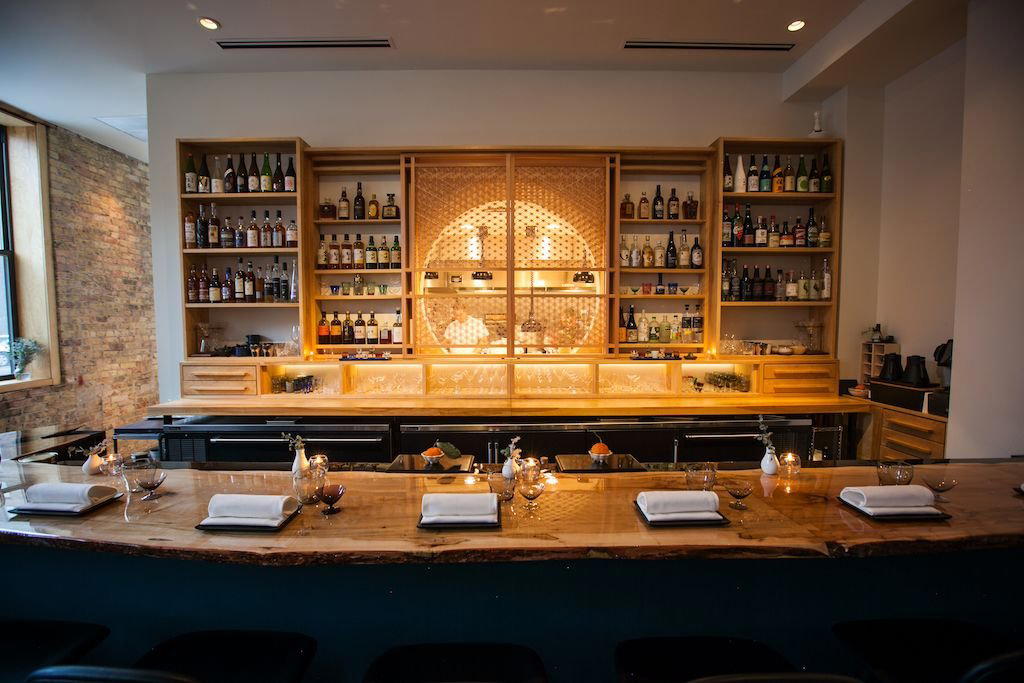
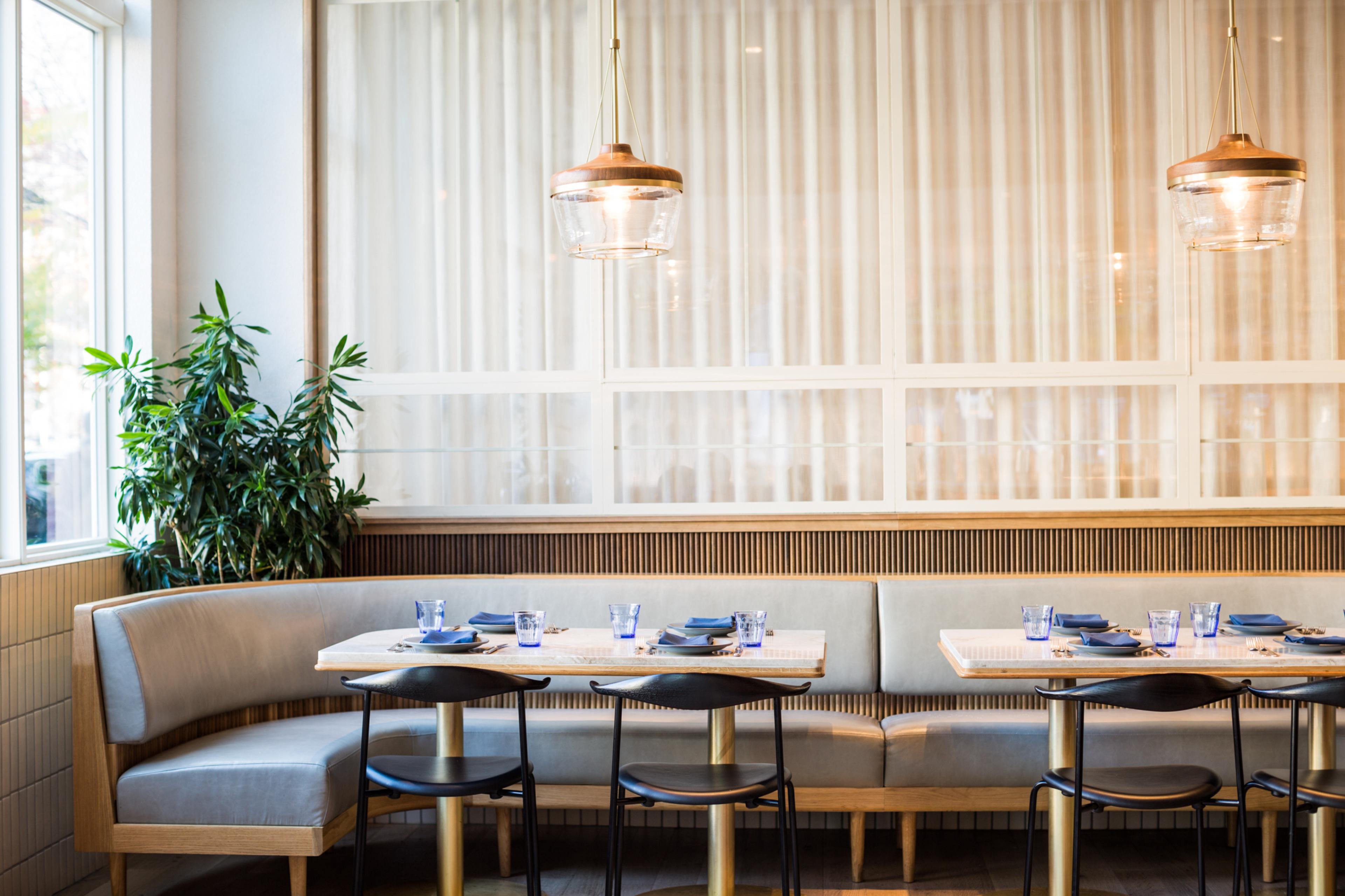
Casual atmosphere focused on ramen dining.