Ron of Japan
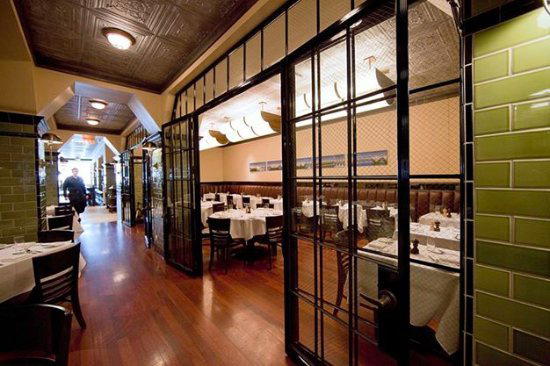
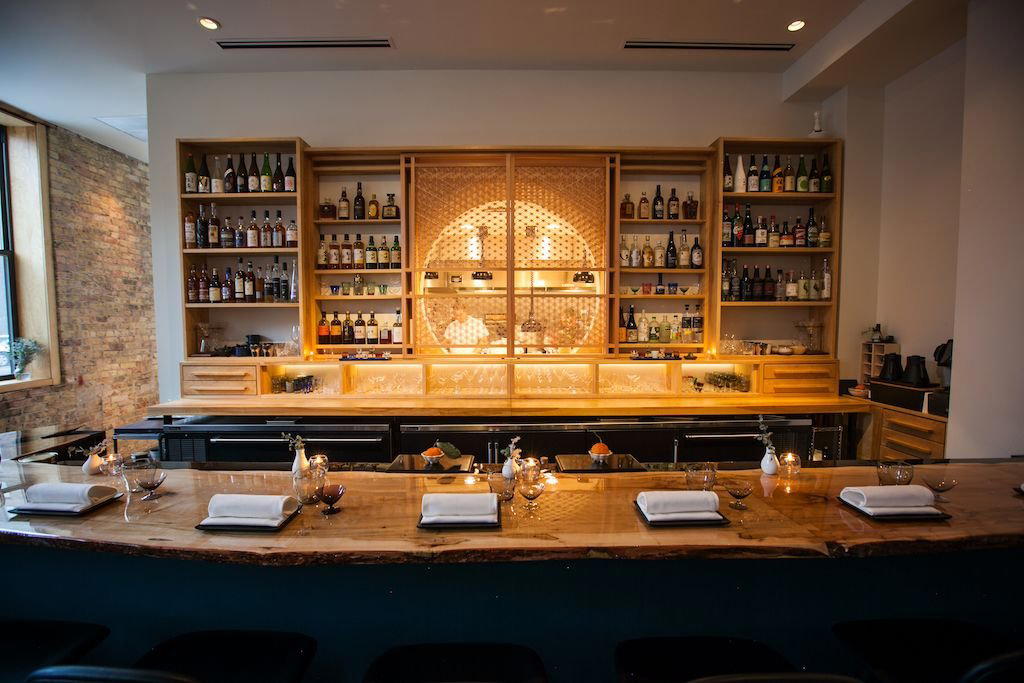
Ron of Japan pairs teppanyaki Japanese steakhouse cooking with an open kitchen, lively room, and sake program for dinner-oriented plans.
Pearl is the En Primeur Club membership app — saves, bookings, and concierge access live there. Same editors, same standards.
- Address
- 230 E Ontario St, Chicago, IL 60611
- Phone
- +13126446500
- Website
- ron-of-japan.com
- Directions
- Get directions
 Saves & bookings on Pearl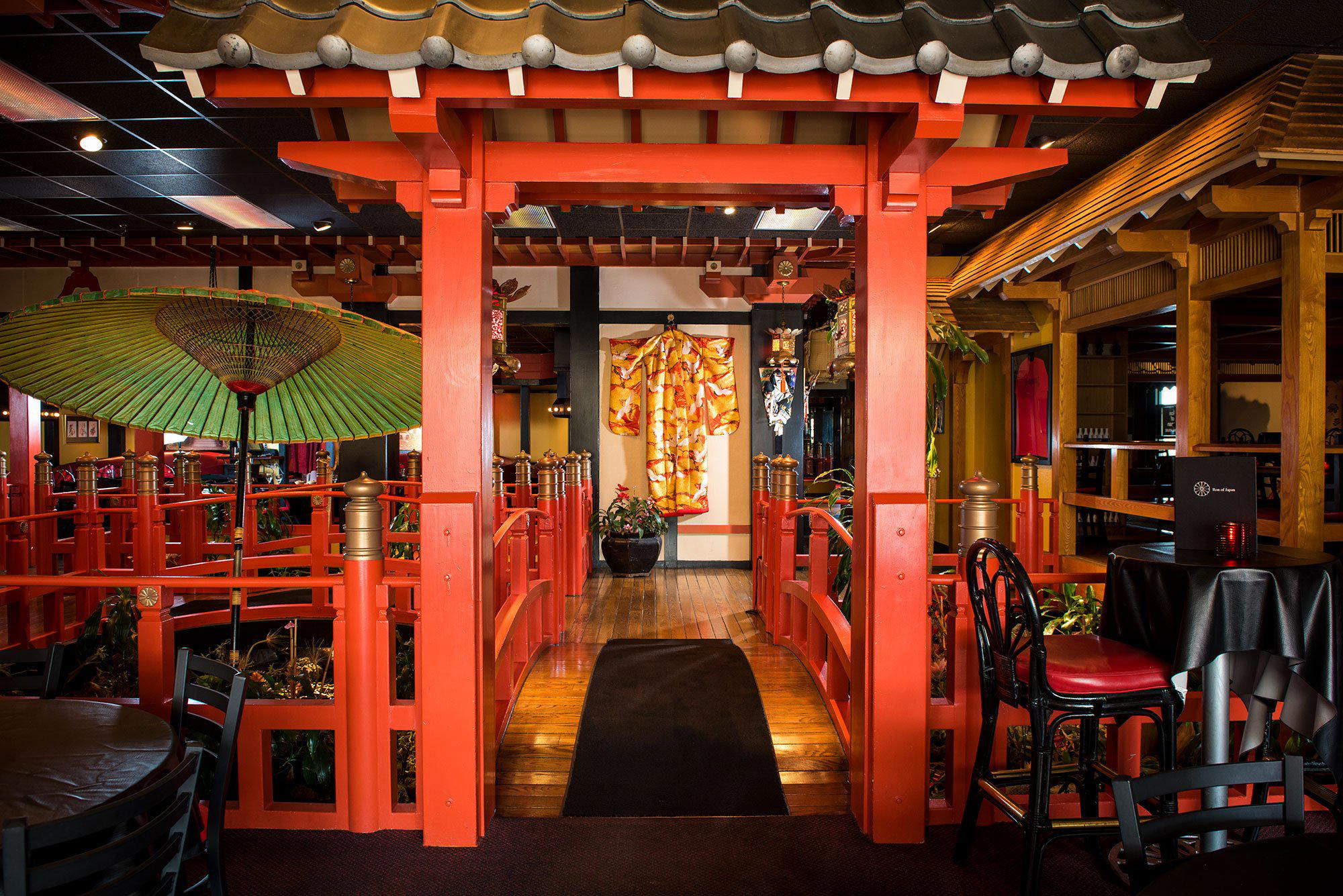
Teppanyaki in the American Midwest: Where Japanese Technique Met a Chicago Audience
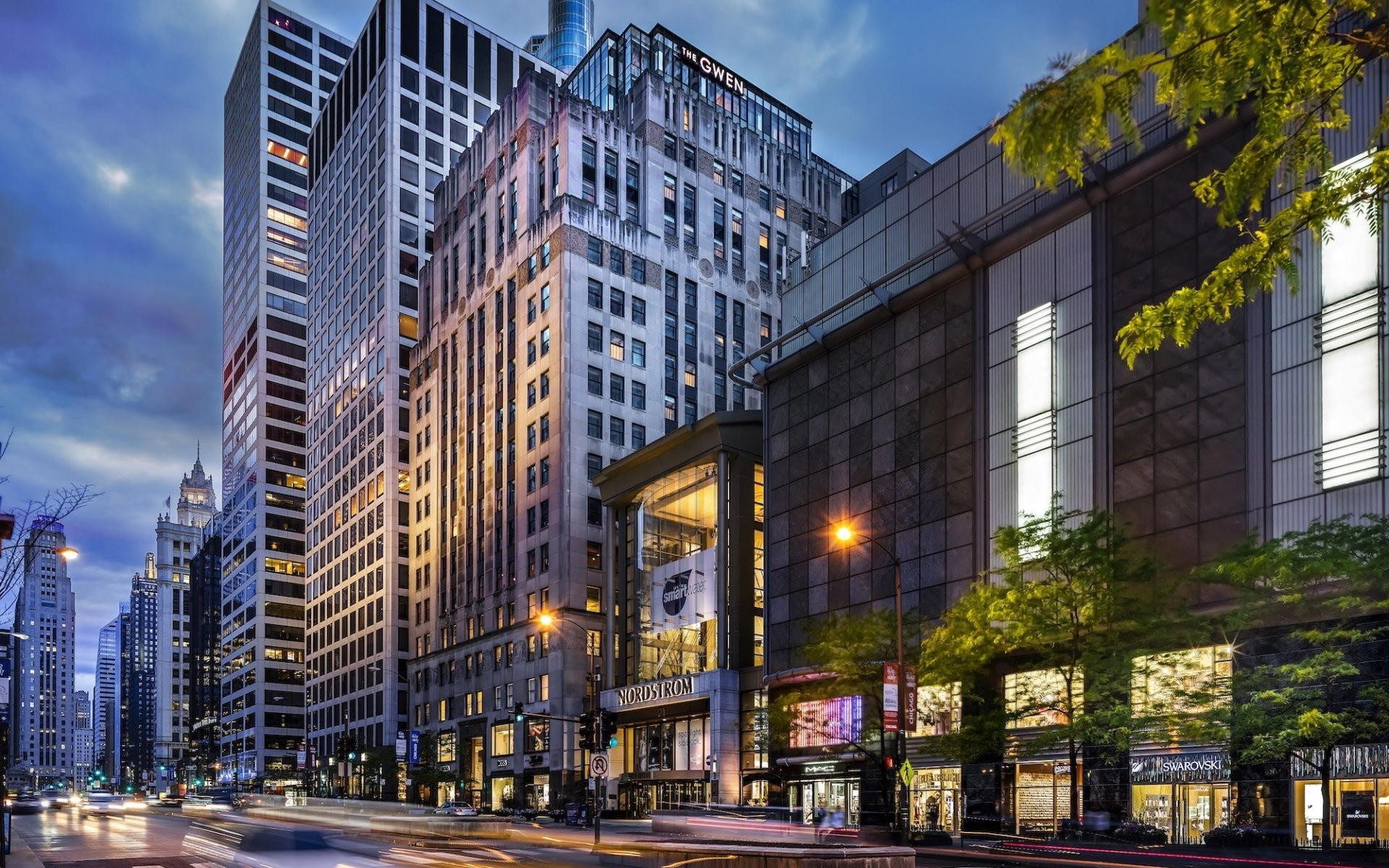
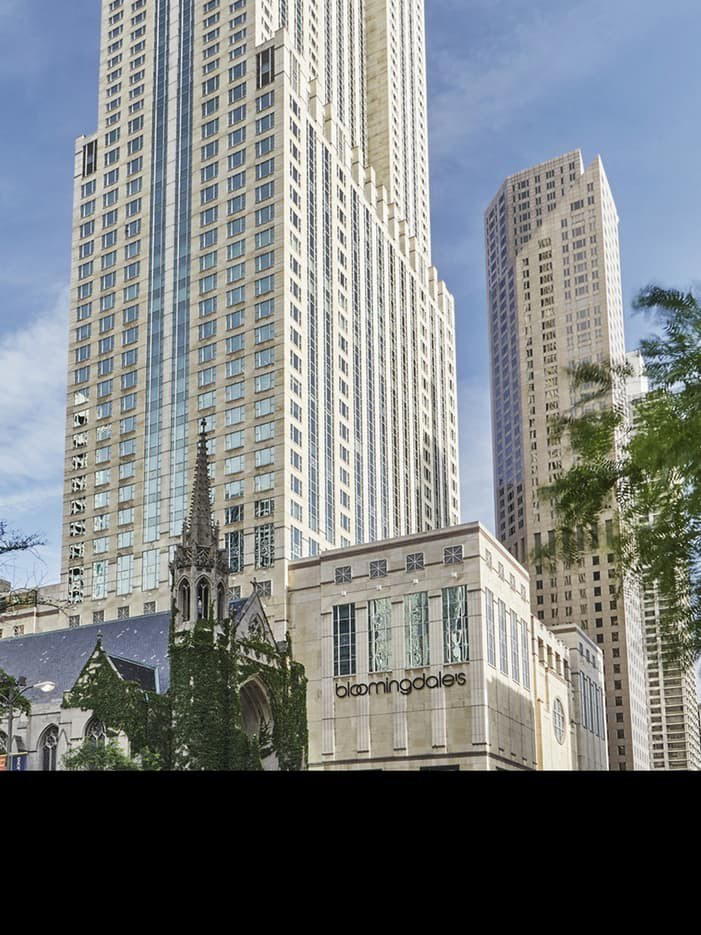
Tableside fire has always carried theatrical weight, but in the United States, the teppanyaki format carries a specific cultural history that separates it from the omakase counter or the kaiseki room. The genre arrived in America not as an import of Japan's own dining traditions but as a performance designed for Western diners, built around the spectacle of live cooking on a flat iron griddle, communal seating, and the kind of showmanship that made Benihana a franchise phenomenon starting in the 1960s. What followed, in cities like Chicago, was a generation of independent operators who took the format seriously as a dining proposition, not just an entertainment one. Ron of Japan, at 230 E Ontario St in Chicago's Streeterville neighborhood, belongs to that lineage. Its address puts it at the edge of the Magnificent Mile, a corridor where dining rooms have historically aimed at a business-lunch and special-occasion crowd rather than the adventurous-diner circuit that gravitates toward River North or the West Loop.
The Teppanyaki Format and What It Actually Demands
Understanding what teppanyaki requires at a serious level helps calibrate expectations before arriving anywhere. The format demands protein sourcing of a specific kind: beef, seafood, and poultry that can withstand high, direct heat without losing their defining qualities. The cook has no hiding place on a flat griddle, there are no braises, no slow roasts, no sauce work that can mask a mediocre ingredient. In Japan, the teppanyaki tradition is treated as a premium format precisely because the technique exposes the ingredient completely. The influence of Japanese knife discipline and heat management matters here in the same way that French brigade training matters at a classical European kitchen. When that methodology is carried into a Midwestern American context, the question is whether the product sourcing and technique hold their discipline, or whether the format drifts toward spectacle without substance. Chicago's dining scene has long supported restaurants that sit somewhere between those two poles, venues like Kasama in the Filipino tradition that applies fine-dining rigor to a format most Americans encounter only casually, or Next Restaurant, which uses theatrical concept shifts to make a serious culinary argument. Ron of Japan operates in a different register, one where accessibility and occasion-dining are the organizing principles.
Streeterville and the Special-Occasion Geography
Chicago's dining geography is not uniform. The West Loop has become the city's most concentrated zone for destination-level kitchens, with Alinea, Smyth, and Oriole anchoring a tier of progressive American cooking that operates on the same competitive level as tasting-menu rooms in New York or San Francisco. Streeterville, by contrast, is a neighborhood that serves a different function: it is hotel-dense, convention-adjacent, and positioned to absorb the Michigan Avenue foot traffic that comes from leisure visitors and corporate travelers rather than local dining obsessives. That context shapes what a restaurant at 230 E Ontario does well. It is built for groups, for celebrations, for the kind of dining occasion where the show matters as much as the plate. That is not a criticism; it is a genre distinction. The same logic applies when you consider how teppanyaki rooms at the premium tier in other cities operate. The format suits a different decision set than, say, a counter reservation at a Michelin-recognized omakase.
Japanese Technique in an American Frame
The editorial angle that matters most here is the intersection of imported culinary method and the American-market context in which it operates. Teppanyaki as practiced in the United States carries Japanese technique, the flat-iron discipline, the knife work, the heat sequencing, but it is presented through an American lens of portion scale, table service, and a guest-experience framework built around entertainment. That duality has produced restaurants that exist in a genre of their own. They are not izakayas, not kaiseki rooms, not robatayaki bars. They are a specific American interpretation of a Japanese format, and the better ones maintain enough technical fidelity to justify the comparison to the source tradition. Across American dining, this kind of technique-transfer appears in other guises: Le Bernardin in New York City applies French classical technique to seafood in a way that remains distinctly American in its pace and service register. The French Laundry in Napa absorbs classical French training into a California product ethos. Providence in Los Angeles uses French and Japanese seafood technique as a frame for Pacific Coast ingredients. The American teppanyaki tradition belongs to this same conversation about what happens when a technique emigrates and finds a new audience. The results are not identical to the source, but they are not lesser for that, they are adapted.
Comparing the Format Across American Cities
To understand where a Chicago teppanyaki room sits in a national context, it helps to map the broader geography of high-technique dining in American cities. Operations like Lazy Bear in San Francisco and Single Thread Farm in Healdsburg show one direction American dining has moved: toward deep locality and ingredient narrative. Blue Hill at Stone Barns in Tarrytown and Addison in San Diego represent another current: the integration of farming and fine dining as a single argument. The teppanyaki format sits outside those currents, not because it is less serious, but because its priorities are different. It is a participatory format, one where the cooking surface is the stage and the diner is positioned as audience and recipient simultaneously. That dynamic has proven durable across decades in American dining, surviving both the rise of open kitchens and the casualization of high-end restaurants. Venues like Emeril's in New Orleans, Bacchanalia in Atlanta, and The Inn at Little Washington in Washington each represent a version of occasion dining that operates with different theatrical registers; teppanyaki simply makes its theatrics explicit and structural. For cross-cultural technique comparison at the highest level, Atomix in New York City and 8 1/2 Otto e Mezzo Bombana in Hong Kong illustrate how Asian culinary traditions can be refracted through fine-dining structures with different results depending on the market.
Planning Your Visit
Alinea and Oriole; for a contrasting Filipino fine-dining format, Kasama is the current reference point.
Cost Snapshot
Comparable venues nearby, for context on price, style, and recognition.
| Venue | Cuisine | Price | Notes |
|---|---|---|---|
| Ron of JapanThis venue — the venue you are viewing | Not listed | $$ | Not listed |
| Friends Sushi on Rush | Near North Side, Japanese Sushi | $$ | Not listed |
| CoCoRo | Not listed | $$ | River North, Authentic Japanese Sushi and Noodles |
| Nori Sushi Chicago | Not listed | $$ | Lincoln Park, Neighborhood Japanese Sushi Bar |
| Rollapalooza | Lake View, Contemporary Japanese Sushi | $$ | Not listed |
| Kai Zan | West Town, Modern Japanese Omakase | $$ | Not listed |
At a Glance
- Lively
- Energetic
- Group Dining
- Celebration
- Open Kitchen
- Sake Program
Current opening hours
- Monday
- Closed
- Tuesday
- 5–9 PM
- Wednesday
- 5–9 PM
- Thursday
- 5–9 PM
- Friday
- 5–10 PM
- Saturday
- 5–10 PM
- Sunday
- 4:30–9 PM
Hours can change for holidays and private events. Last verified .
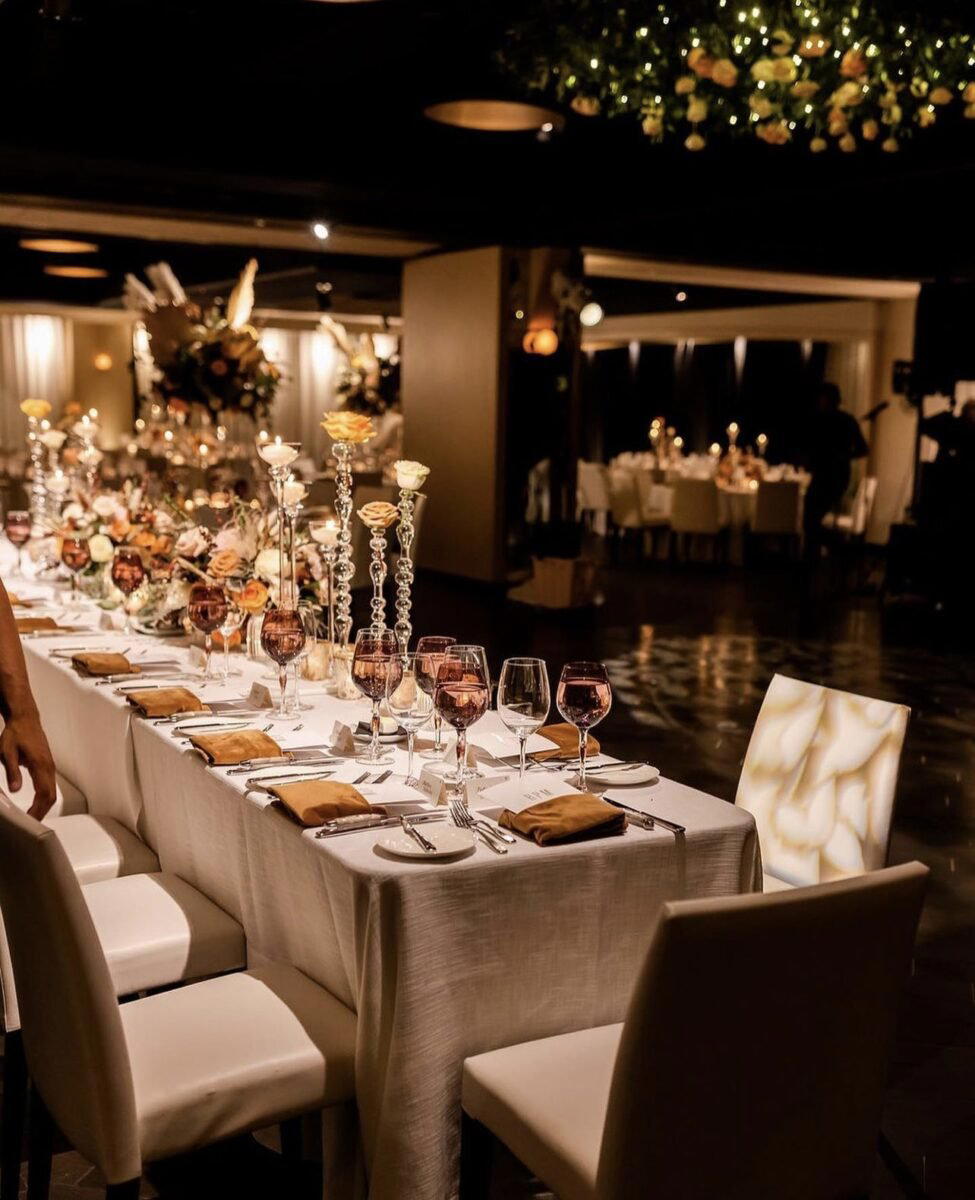
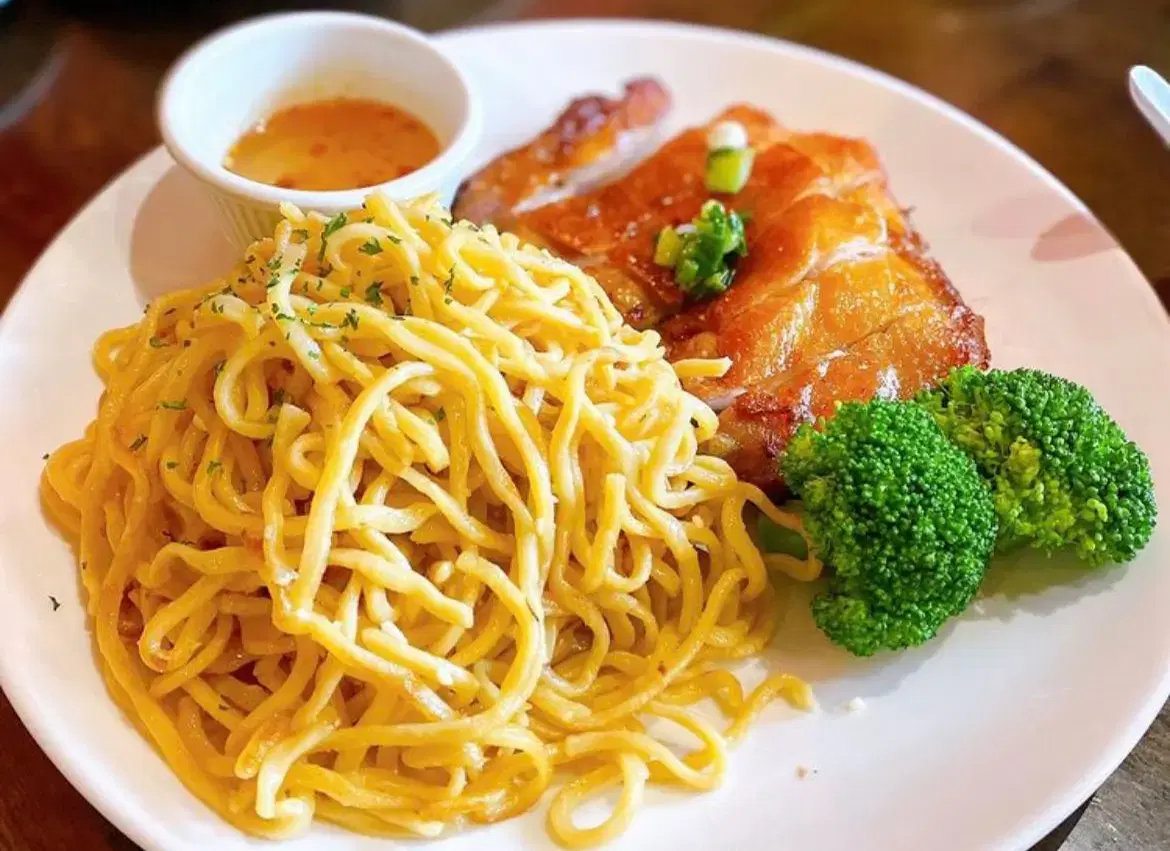
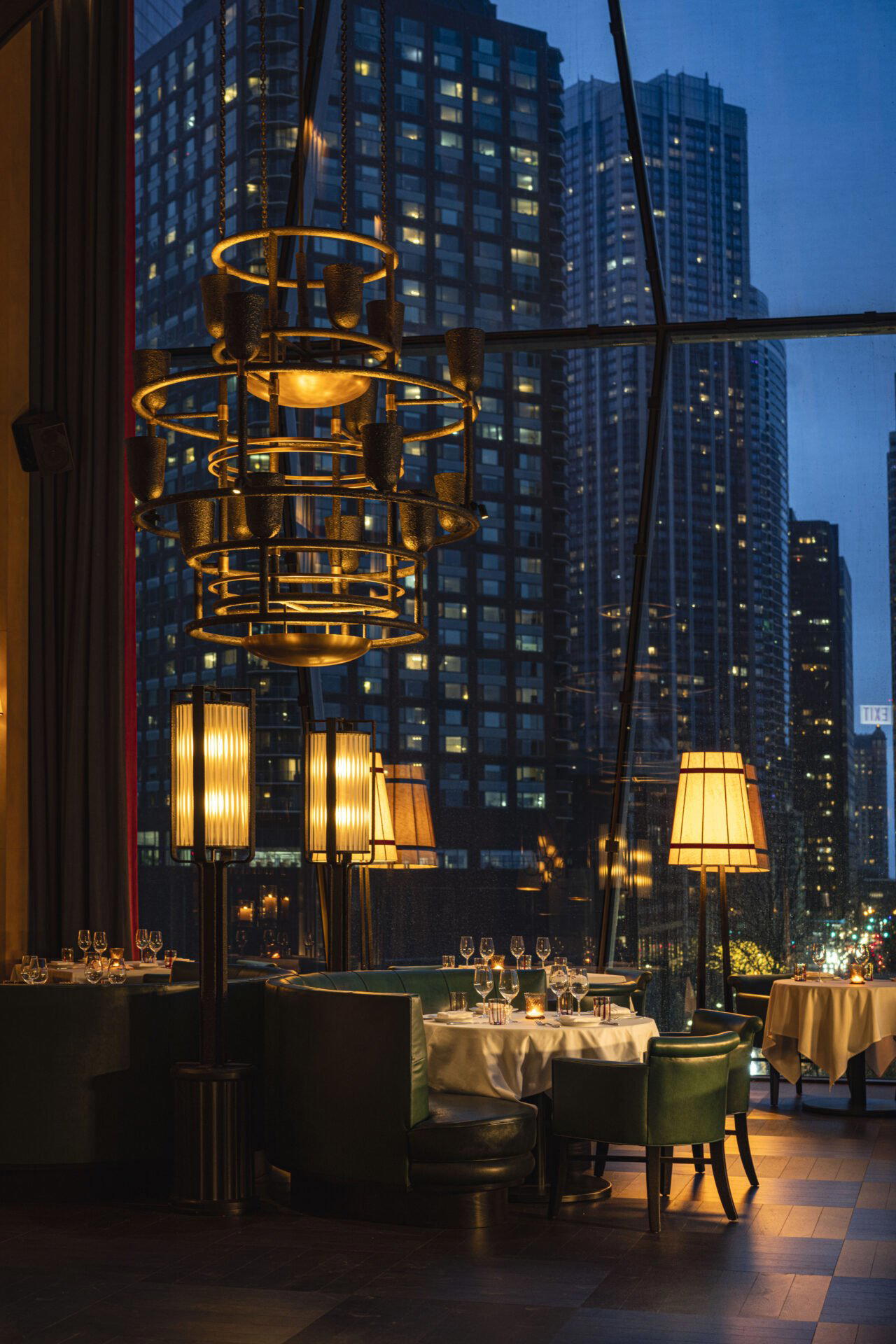
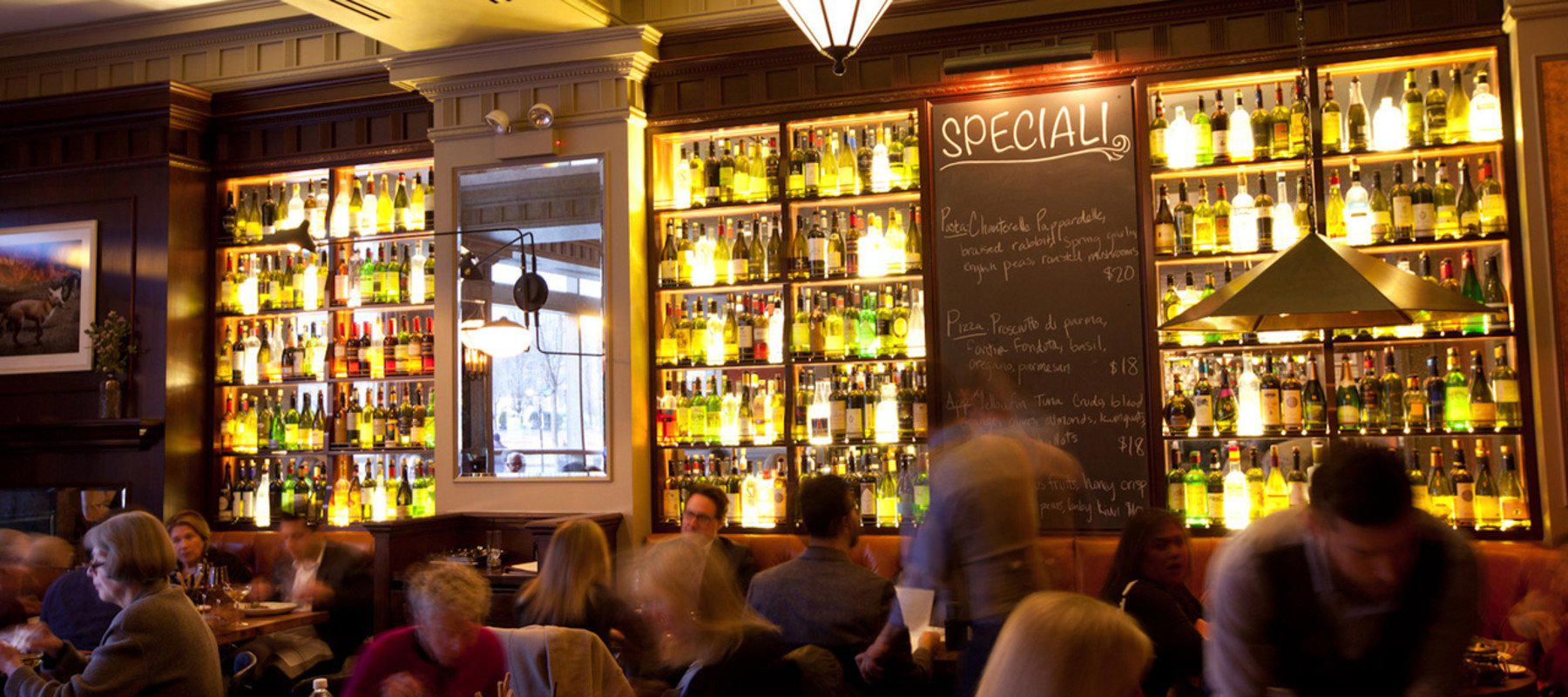
Energetic atmosphere featuring lively tableside chef performances with sizzling grills and skillful food preparation.