
Tabelog 100 #48
Our verdict
Kyoto’s wagashi culture rewards precision over spectacle, and Kame Hironaga belongs to the city’s serious traditional-sweets circuit. Its selection for Tabelog 100 Japanese traditional sweets / Japanese sweets cafe WEST 2023 places it among a competitive regional group, with a format that suits travelers reading Kyoto through confectionery rather than another long lunch.

Pearl is the En Primeur Club membership app, where members save venues, book tables and use the concierge.
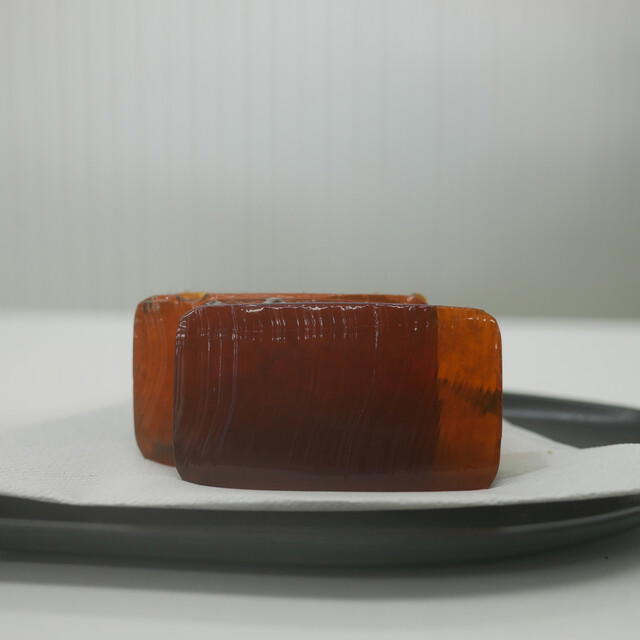
The menu
What to order
- Shitatari (popular translucent amber wagashi)
Approaching Kyoto through its everyday food culture, the city’s rhythm can shift from temple-district grazing to errand-like precision: office workers, kimono-clad shoppers, tea buyers, and visitors who know that wagashi is not a snack category so much as a coded seasonal language. Kame Hironaga sits inside that quieter register. The point here is not a theatrical counter or chef-led tasting format, but the compact architecture of a traditional sweets stop, where choice, season, gifting, and purchase culture matter as much as appetite.
Kyoto has a deeper confectionery grammar than many first-time visitors expect. Sweets are tied to tea ceremony, household visiting, shrine calendars, and festival periods; they are judged by restraint, symbolism, texture, and timing. A restaurant meal can explain Kyoto’s culinary hierarchy, but wagashi explains the city’s sense of occasion. In that context, a short stop for sweets can carry more cultural information than another multi-course reservation.
Offering Kyoto’s practical food culture makes room for small rituals
The useful way to read this kind of menu is by function. Some sweets are for immediate eating, some travel better as gifts, and some belong to a season or civic moment. That structure reveals a different kind of luxury: not size, scarcity theatre, or elaborate plating, but the ability to choose the correct sweet for the correct setting. Kame Hironaga’s category, Japanese traditional sweets, puts it in a field where small variations in wrapper, shape, sweetness, and perishability signal whether the purchase is casual, formal, domestic, or ceremonial.
The 2023 Tabelog Hyakumeiten recognition gives the shop a clear trust signal within Japan’s competitive wagashi field. Tabelog’s score of 3.66 also matters in context: Japanese review culture tends to grade tightly, especially for long-established everyday categories where local expectation is severe. A number like that does not read the same way as a global star rating; it suggests sustained approval in a category where regulars notice small lapses.
Compared with other Kyoto dining rooms or casual Kyoto stops, the decision here is narrower and more culturally specific. It is not about filling a meal slot. It is about adding a Kyoto confectionery stop to a day already shaped by tea, shopping, or seasonal movement. That makes it closer in spirit to a specialist heritage visit than to conventional restaurant planning.
Kyoto's practical food culture makes room for small rituals
Kyoto’s practical food culture compresses several versions of the city into a manageable day: food halls, side-street shops, office lunch counters, tea merchants, and specialists that do not need street-level spectacle. The city’s everyday side can be especially revealing for food. Residents use Kyoto for errands, gifts, and repeat purchases, which is exactly the ecosystem in which serious sweets shops make sense.
The wider dining spread also shows how Kyoto resists a single culinary identity. Other dining rooms pull the city toward contemporary and European-inflected meals, while older sweets traditions point to repetition, ritual, and gifting. Kame Hironaga belongs to the latter conversation, though in a practical Kyoto shopping context rather than as a long seated meal. For a broader city read, Our full Kyoto restaurants guide gives the wider dining map, while Our full Kyoto hotels guide, Our full Kyoto bars guide, Our full Kyoto wineries guide, and Our full Kyoto experiences guide help place the stop within a fuller itinerary.
The seasonal pressure point is part of the appeal: sweets shops in Kyoto can become busier when civic ritual, gifting, family visits, and travel all converge. That detail is more than a warning about crowds. It explains how wagashi demand in Kyoto rises with occasion and social exchange. In peak periods, sweets are not merely consumed; they circulate. Planning around that rhythm is part of understanding the category.
Where it fits in a Kyoto day
Strongest use case is a short, deliberate stop between larger commitments. Pairing wagashi with a temple walk can feel obvious, but the more intelligent pairing is with Kyoto’s shopping and tea culture, where confectionery becomes part of the city’s exchange economy. The format also suits families, and the sweets-shop rhythm makes it flexible in a way that Kyoto’s reservation-heavy restaurants are not.
For travelers comparing categories across Japan, this is also a useful corrective. A wagashi specialist in Kyoto operates by different rules from a full meal, a casual bar, or a cafe stop elsewhere. Those are meal or drink decisions. Kyoto sweets buying is often a question of timing, social use, and how much ceremony the day can absorb.
That distinction becomes clearer when set against broader casual formats. Many dining and drinking venues belong to recognizable meal-and-drink patterns. Kyoto wagashi asks a smaller but sharper question: what does a city consider appropriate to offer, carry, and share at a particular moment?
The editorial answer is clear. Kame Hironaga is not the place to chase scale or spectacle. It is a compact way to read Kyoto through confectionery discipline, seasonal demand, and the social intelligence of sweets. In a city crowded with long meals, that brevity is part of the appeal.
Frequently asked questions
What's the address for Kame Hironaga?
Kyoto.
Is Kame Hironaga expensive?
Pricing at Kame Hironaga is listed as JPY 1,000 - JPY 1,999.
What are Kame Hironaga's hours?
Hours for Kame Hironaga are not provided here.
What is Kame Hironaga known for?
Kame Hironaga is known for Japanese traditional sweets in Kyoto.
Peers Worth Knowing
Comparable venues at the same tier for side-by-side context.
| Venue | Cuisine | Price | Awards | Notes |
|---|---|---|---|---|
| Kame HironagaThis venue (the venue you are viewing) | Traditional Kyoto Japanese sweets (wagashi) shop | $10–20 | Tabelog 100 #48 | Not listed |
| PIZZERIA MARITA | Traditional Neapolitan Pizzeria | $20–30 | Tabelog 100 #20 | JPY 2,000 - JPY 2,999 JPY 1,000 - JPY 1,999 |
| なる屋 | Michelin-Starred Seasonal Kappo | $200–300 | Not listed | Not listed |
| OSTERIA IL CANTO DEL MAGGIO | Tuscan Osteria | $50–100 | Michelin Plate | Italian |
| RUFF | Bakery Cafe | $10–20 | Tabelog 100 #1 | JPY 2,000 - JPY 2,999 |
Recognition history
Dated appearances from independent guides and award organizations, with the underlying list record or original source where available.
Tabelog 100 #48 · No. 48
Tabelog · Tabelog 100 - Japanese traditional sweets / Japanese sweets cafe - WEST - 2023
Continue exploring
More in Kyoto
Restaurants in Kyoto
All restaurants in Kyoto →
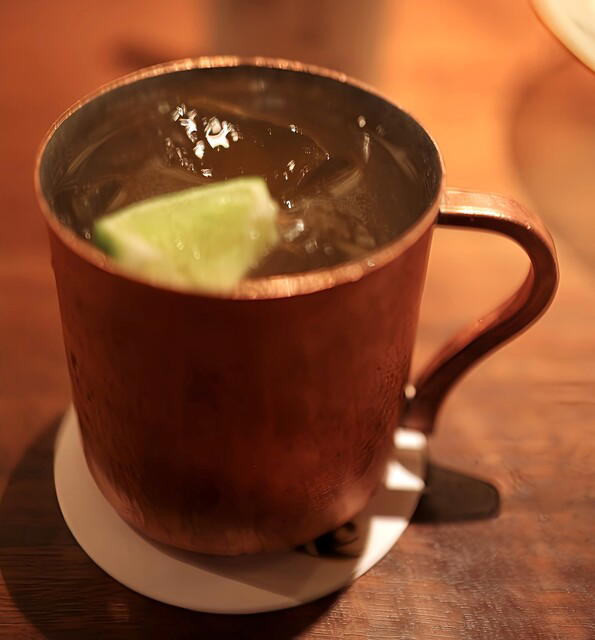
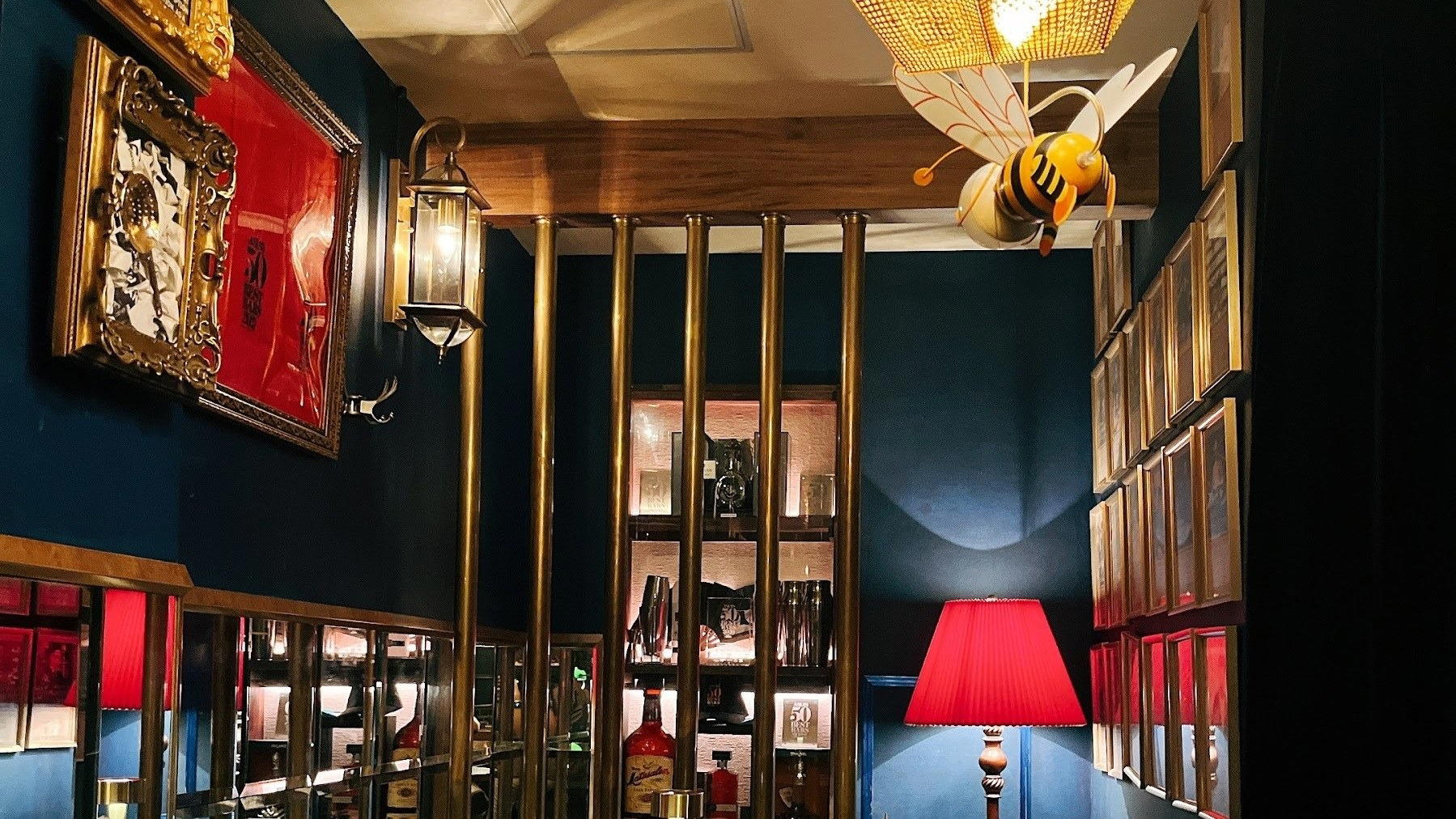
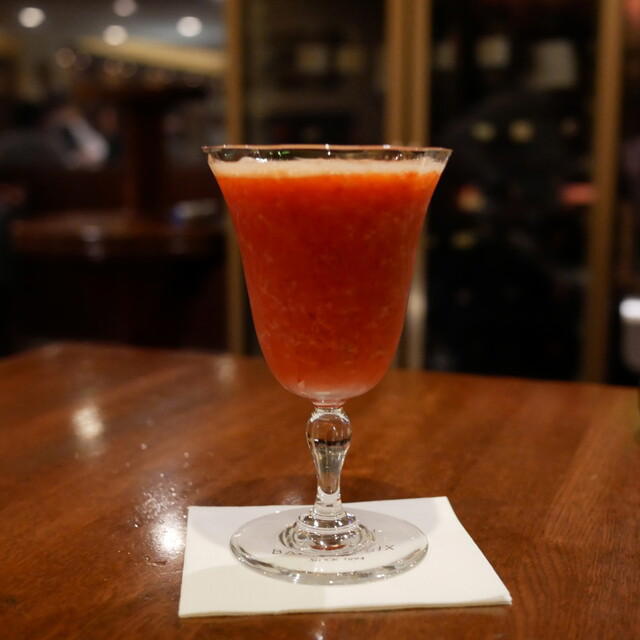
Bars in Kyoto
All bars in Kyoto →
Hotels in Kyoto
All hotels in Kyoto →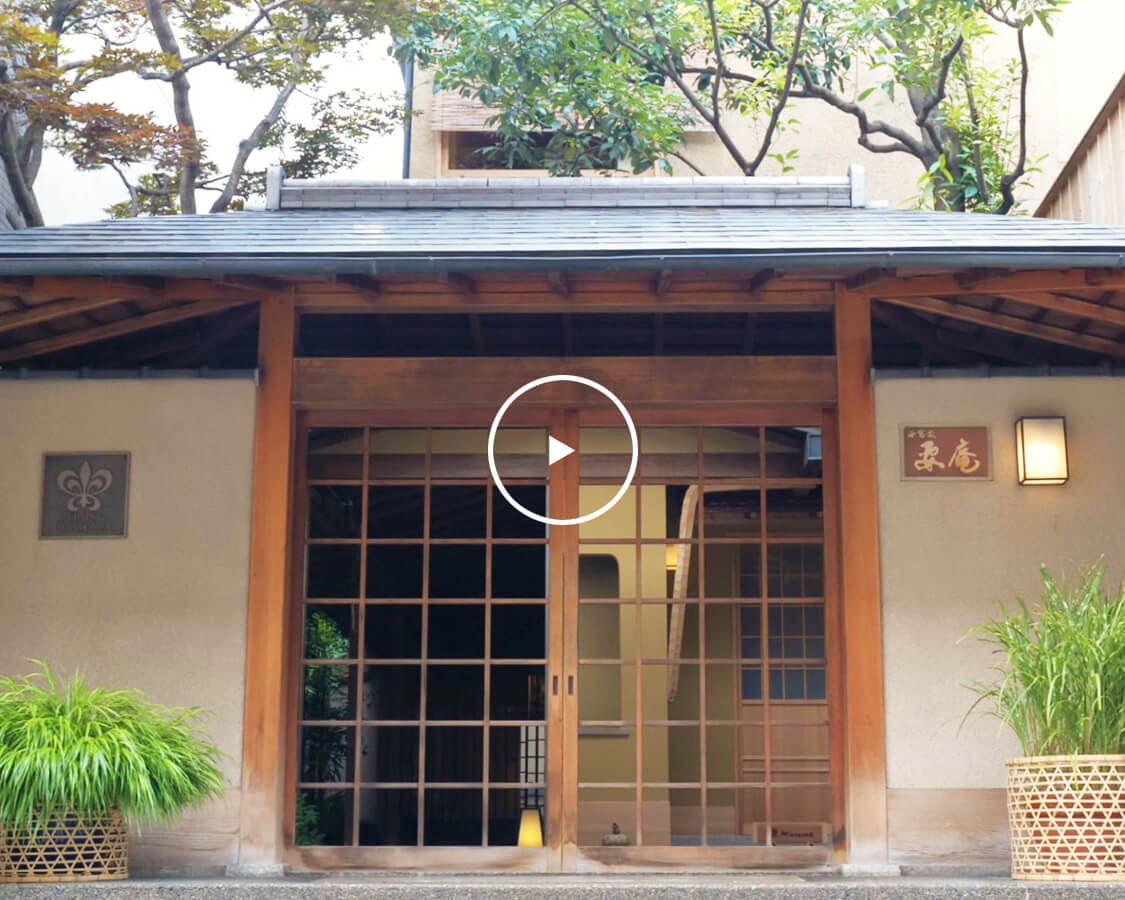
Wineries in Kyoto
Browse all →
Details
- Classic
- Quiet
- Cozy
- Solo
- Family
- Casual Hangout
- After Work
- Standalone
- A La Carte
Current opening hours
- Monday
- 9 AM–6 PM
- Tuesday
- 9 AM–6 PM
- Wednesday
- 9 AM–6 PM
- Thursday
- 9 AM–6 PM
- Friday
- 9 AM–6 PM
- Saturday
- 9 AM–6 PM
- Sunday
- Closed
Hours can change for holidays and private events. Last verified .
Calm, traditional sweets shop atmosphere with a simple, relaxing space focused on takeaway wagashi, where guests briefly sit or select confections in a quiet, classic Kyoto setting.